
Founded in 2001, Rutz has outlasted most of what Berlin's restaurant scene has thrown at it over two decades, a record that places it firmly in the city's small cohort of enduring fine-dining institutions. Located on Chausseestraße in Mitte, it operates at a tier where longevity itself functions as a credential. Few Berlin restaurants at this level have held their position this long without a reinvention or collapse.
 Discover on Pearl
Pearl is the En Primeur Club membership app — saves, bookings, and concierge access live there. Same editors, same standards.
- Address
- Chausseestraße 8, 10115 Berlin, Germany
- Phone
- +49 30 24628760
- Website
- rutz-restaurant.de
Chausseestraße and the Question of Staying Power
Berlin's restaurant scene has always been brutal in a specific way: it rewards novelty quickly and discards it just as fast. The city's appetite for the new has consumed dozens of ambitious openings over the past two decades, leaving behind a relatively thin layer of establishments that have managed to hold serious culinary ground across changing tastes, economic cycles, and shifting neighbourhoods. Rutz, on Chausseestraße 8 in Mitte, is one of those survivors, and in Berlin's context, that word carries genuine weight.
Chausseestraße sits in a stretch of Mitte that connects the density of central Berlin to the quieter residential edges of Wedding and Prenzlauer Berg. It is not a street defined by restaurant clusters or tourism infrastructure. That geography matters: Rutz did not build its reputation on foot traffic or proximity to major attractions. It built it on the kind of deliberate dining decision that requires you to know where you're going before you arrive. Guests here are, by definition, intentional.
What Two Decades in Berlin Fine Dining Actually Means
Founded in 2001, Rutz has been operating for more than twenty years, a span that covers the full arc of Berlin's transformation from post-reunification experiment to European cultural capital. In the restaurant industry, twenty years at the upper end of the market represents something close to institutional status. Most of Rutz's original contemporaries have closed, pivoted, or quietly descended into comfort-zone mediocrity. That Rutz is, by the evidence available, still regarded as a serious address places it in a very small peer group.
For context on what that kind of longevity signals: fine-dining operations typically face their highest failure risk in years two through five, and again around year ten when founding energy meets operational fatigue. Restaurants that clear both those windows without retreating to safer, more commercial formats tend to have something structurally coherent, whether that's a loyal base, a wine program that compounds in value over time, a kitchen philosophy that evolves without losing its spine, or all three. Rutz appears to have navigated those pressures, though the specific mechanisms are worth exploring in person rather than on paper.
Berlin's Michelin-tracked fine dining tier is relatively compact. The city has historically received fewer stars per capita than comparable European capitals, which makes sustained recognition at the upper level more conspicuous than it might be in Paris or London. Rutz's position within that compressed field, maintained across two decades, places it in a peer set defined less by flashy awards cycles and more by cumulative credibility.
The Neighbourhood as Context, Not Backdrop
Mitte as a dining district operates differently depending on which part of it you're in. The areas around Hackescher Markt and Rosenthaler Platz run on a mix of tourist volume and local casualness. Chausseestraße, by contrast, pulls toward a more contained, purposeful atmosphere. The street itself has a certain northern-Mitte quietness that suits a restaurant where the meal is the event rather than a prelude to something else.
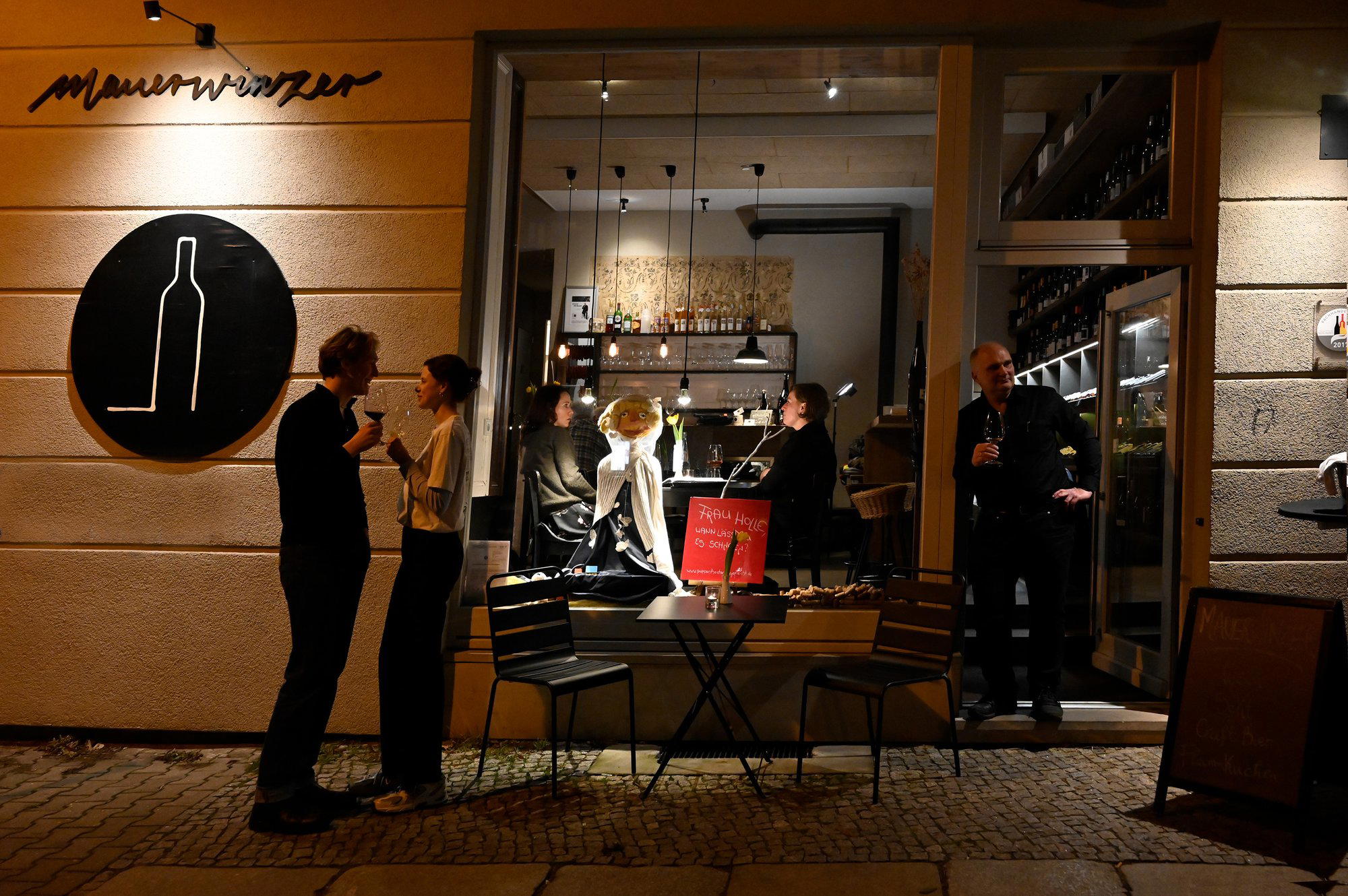
Arriving at Rutz in the evening, the immediate environment signals a departure from Berlin's louder dining registers. This is not a city-centre destination where the noise of the street follows you inside. The address works in Rutz's favour precisely because Chausseestraße does not compete with the venue for your attention. For the kind of long, wine-focused dinner that a restaurant of this standing tends to produce, that separation from ambient urban energy is a functional asset.
For those planning a broader evening in Berlin, the bar scene around Mitte and its adjacent neighbourhoods offers several serious options. Buck & Breck and Velvet both operate within Berlin's more considered cocktail register, while Lebensstern and Stagger Lee each represent distinct points on the city's bar spectrum. Any of these works as a complement to a dinner at Rutz, depending on whether you want to continue in a similar key or shift registers entirely.
Berlin Fine Dining in European Perspective
It is useful to place Rutz within the broader picture of German fine dining to understand what its longevity actually signals to an international visitor. Germany's serious restaurant tier is distributed across cities in a way that differs markedly from France or the UK, where the capital dominates. Munich, Hamburg, Frankfurt, and Düsseldorf each carry their own weight in the upper dining bracket. Berlin, despite its cultural profile, has historically punched slightly below its weight in Michelin terms relative to its size and international prominence.
That context sharpens what Rutz represents. An institution that has held serious ground in Berlin for over two decades is not benefiting from the kind of deep, inherited fine-dining culture that sustains comparable addresses in Paris or Tokyo. It has built and maintained its position in a city that was, for much of its post-reunification period, more interested in creative disruption than classical accumulation. That is a harder environment in which to sustain a serious restaurant over the long term, and it makes the record more rather than less significant.
Across Germany, the bar and hospitality scene shows similar patterns of longevity competing with novelty. Le Lion Bar de Paris in Hamburg and Goldene Bar in Munich both represent the kind of sustained credibility that Berlin's Rutz mirrors in the restaurant space. In Cologne, Bar Trattoria Celentano offers a different model of durability, while Uerige in Düsseldorf anchors the older end of the German hospitality continuum. Further afield, The Parlour in Frankfurt and even Kieler Brauerei am Alten Markt in Kiel demonstrate how regional identity shapes what staying power looks like across different German cities. For international reference, Bar Leather Apron in Honolulu illustrates how the same principle, deliberate format, location commitment, sustained standards, operates in an entirely different market context.
Planning a Visit
Rutz sits at Chausseestraße 8, 10115 Berlin. The address is accessible by U-Bahn via the Oranienburger Tor station on the U6 line, which puts it a short walk from central Mitte. Given the restaurant's standing and the typically limited seat counts that characterise serious fine-dining operations at this level, advance booking is the only practical approach. Walk-in availability at a restaurant with Rutz's profile and two-decade track record should not be assumed. Contacting the venue directly or consulting their current booking channels before planning an evening around it is the sensible starting point. For a broader sense of how Rutz fits into the city's overall dining picture, the EP Club full Berlin restaurants guide provides the wider context.
At a Glance
- Elegant
- Sophisticated
- Modern
- Intimate
- Special Occasion
- Date Night
- Design Destination
- Lounge Seating
- Seated Bar
- Conventional Wine
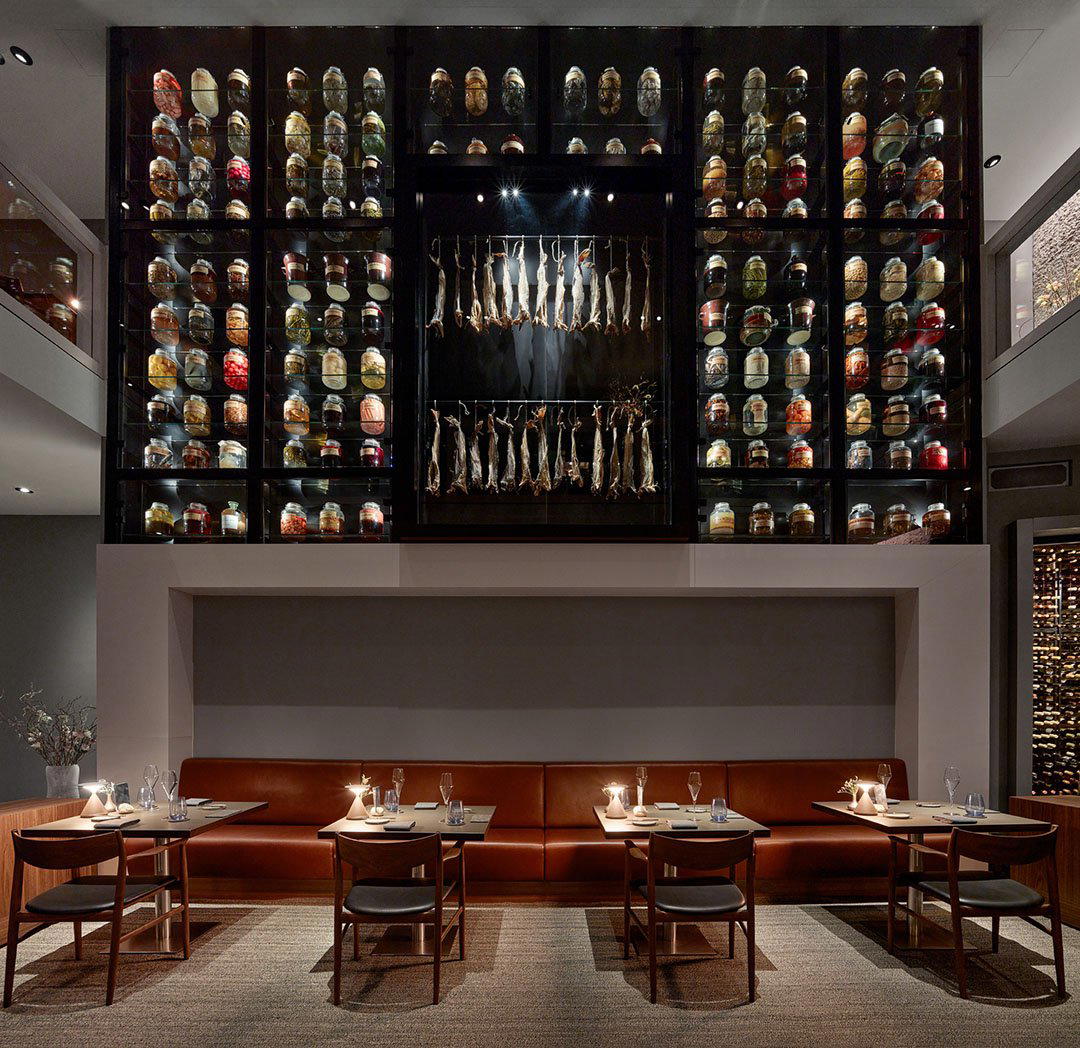
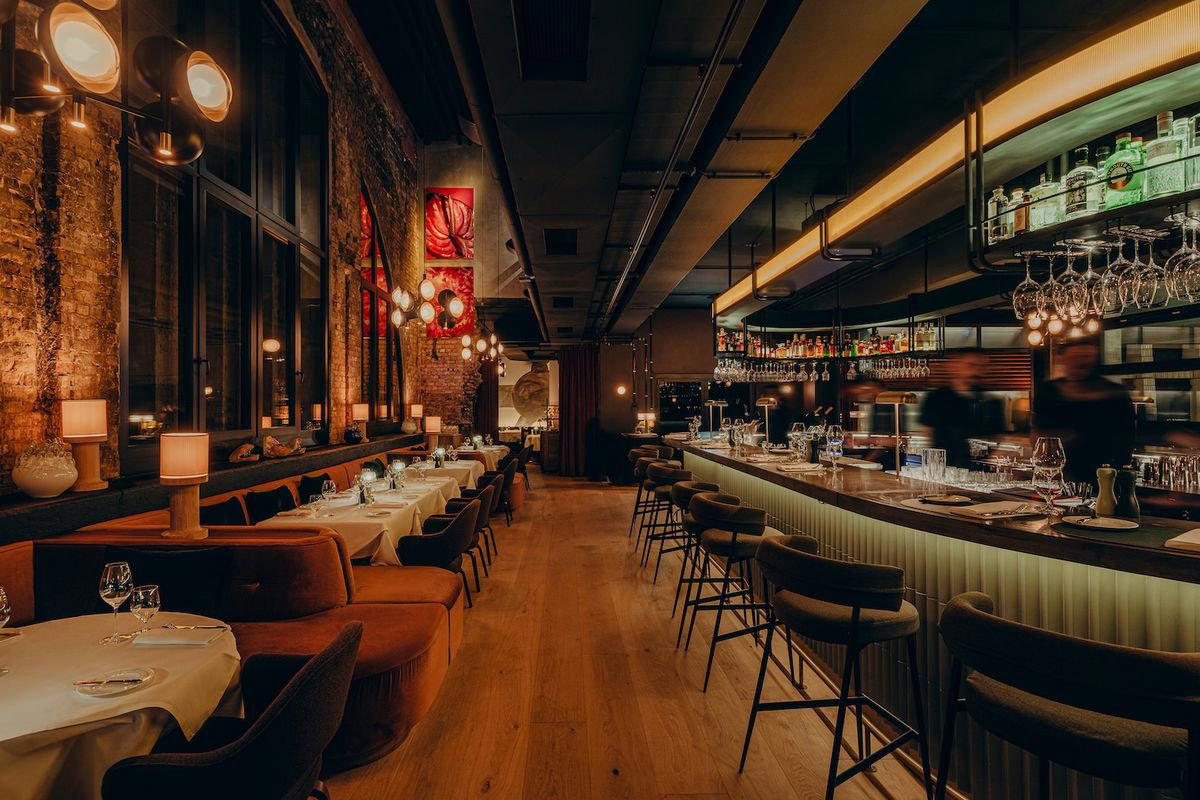
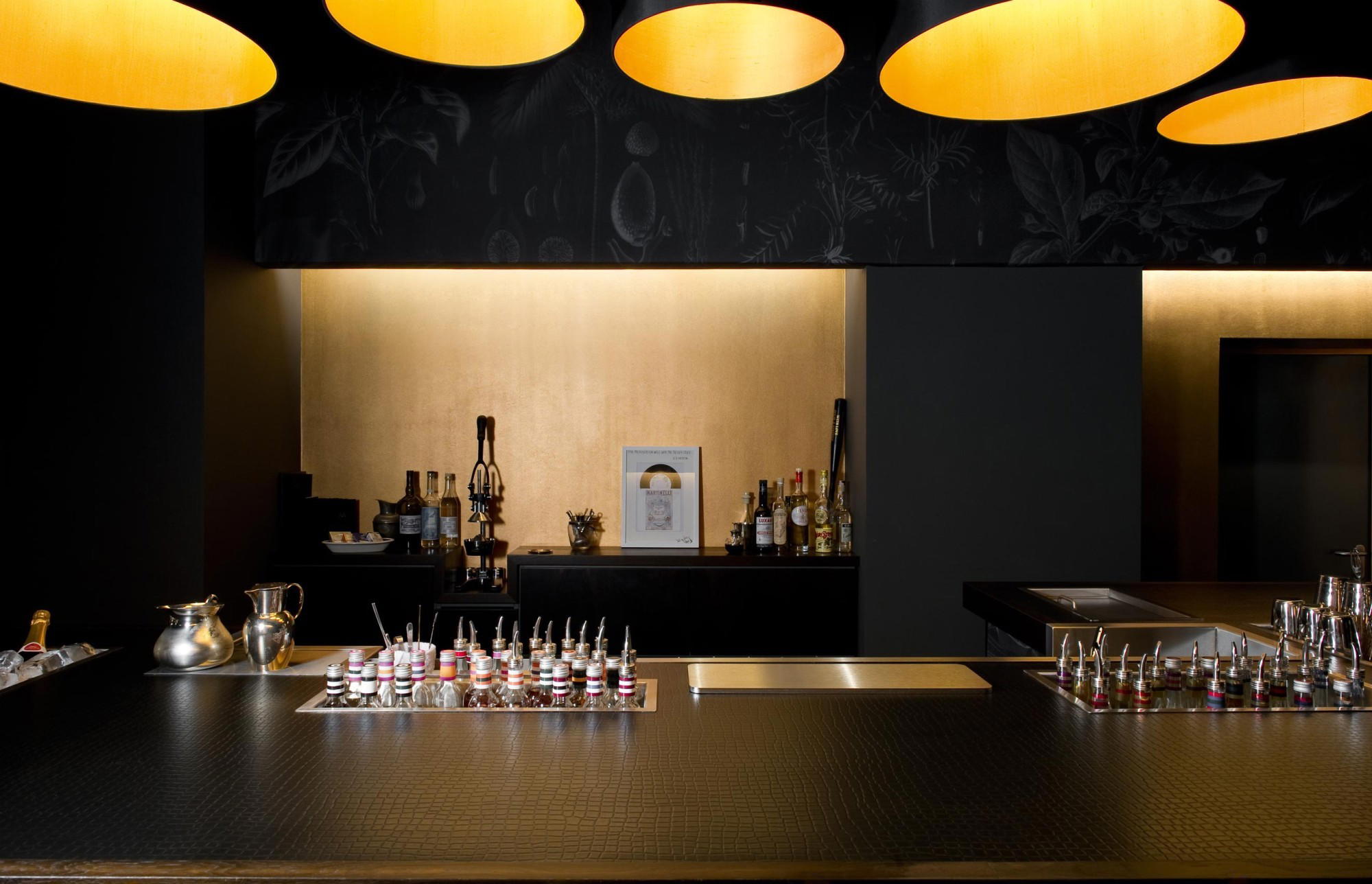
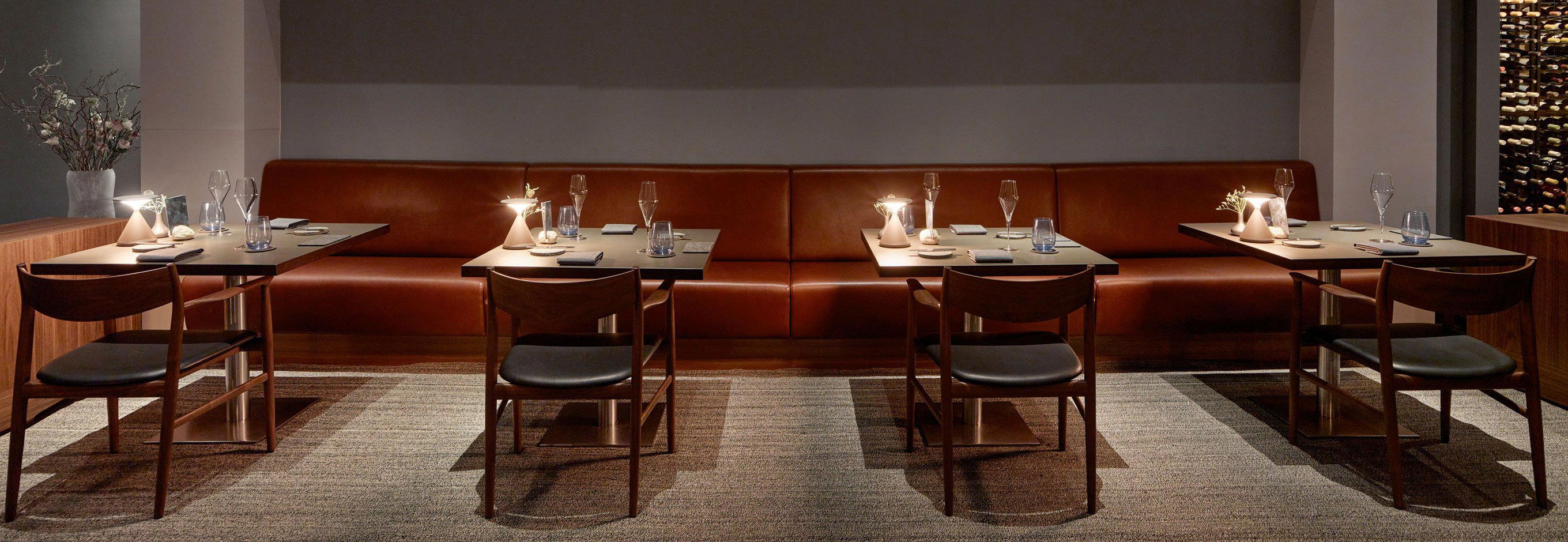
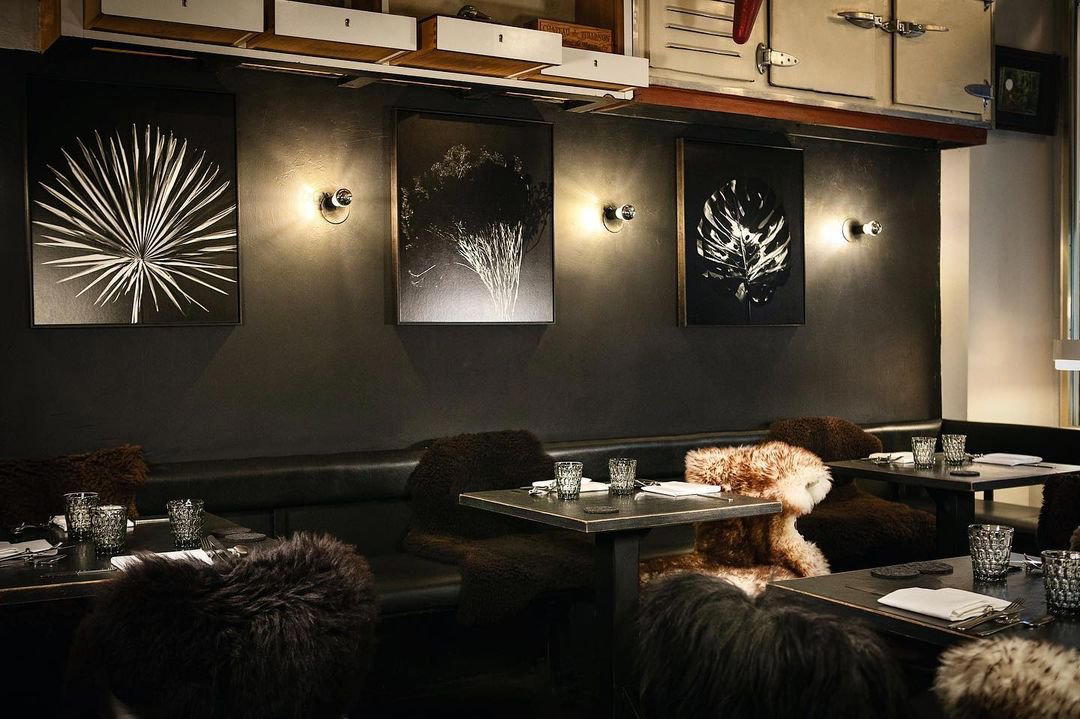
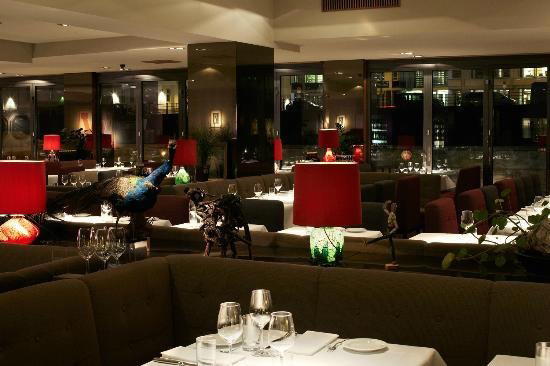
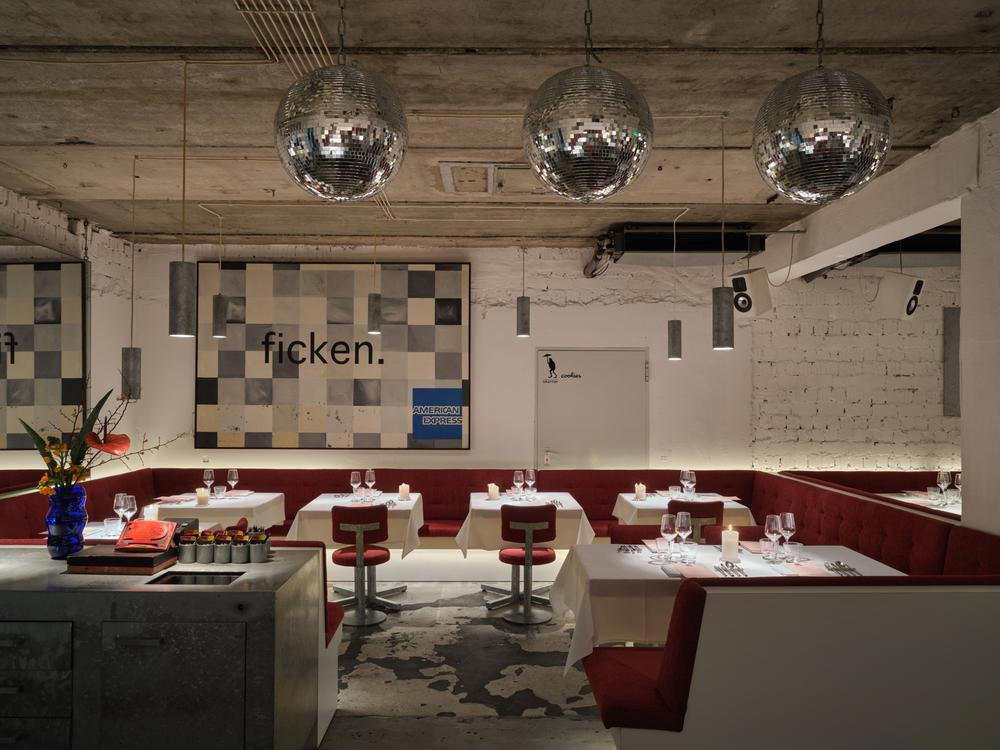
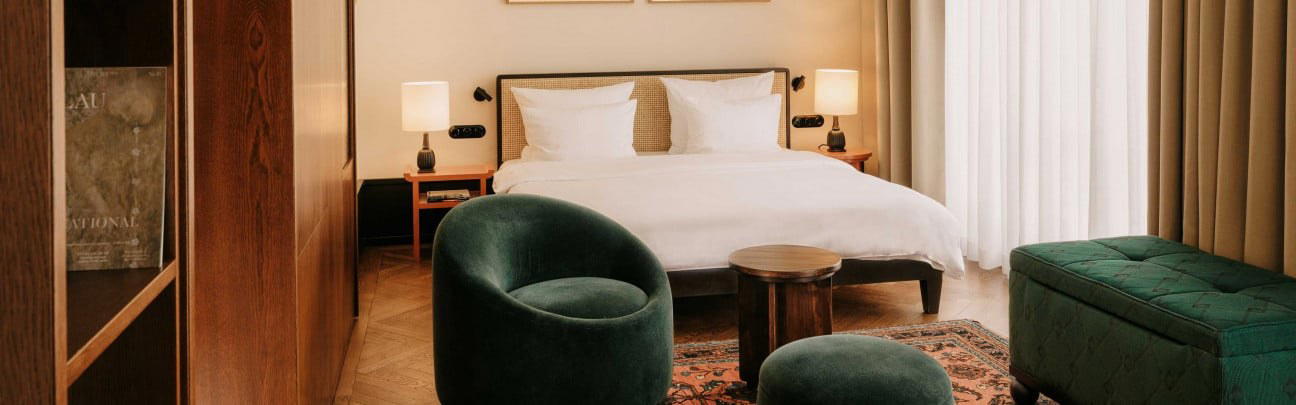
Puristic art gallery-like design with relaxed casual atmosphere, hardwood elements, spacious tables, and professional yet friendly service.