
Star Wine List
On Peel Street, one of Adelaide's most concentrated blocks for independent drinking, Jennie Wine Bar holds a Star Wine List award for 2026 and positions itself within the city's growing cohort of serious, small-format wine spaces. The focus is on the glass rather than the spectacle, placing it alongside Adelaide's emerging bar culture without competing on the same terms.

Pearl is the En Primeur Club membership app — saves, bookings, and concierge access live there. Same editors, same standards.
- Address
- 7 Peel St, Adelaide SA 5000, Australia
- Hours
- Mon–Thu 2 PM–12 AMFri–Sat 2 PM–2 AMSun 2 PM–12 AM
- Website
- jenniewinebar.com.au
- Directions
- Get directions
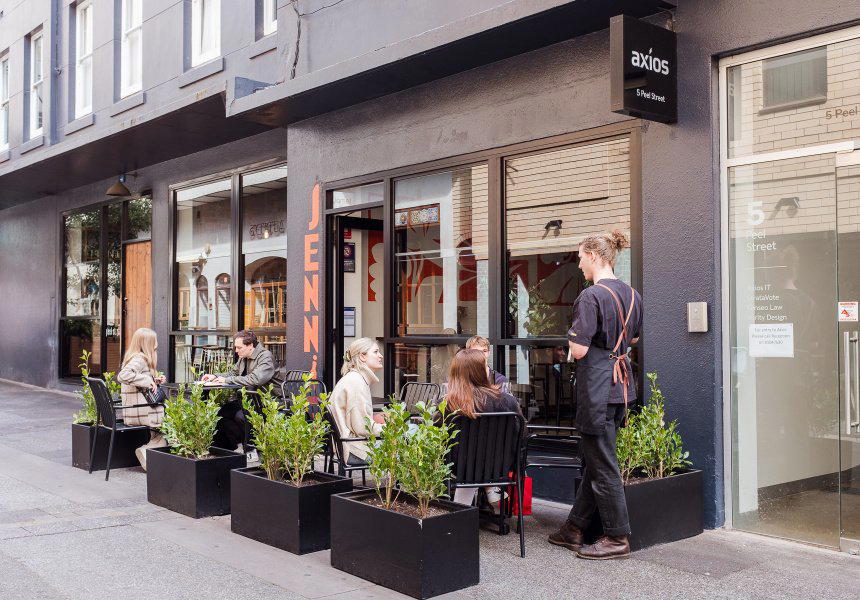
Peel Street and the Wine Bar Format That Adelaide Has Made Its Own
Peel Street is short enough to walk end to end in under two minutes, yet it contains a density of independent bars and small venues that would be notable in a city three times Adelaide's size. The street operates less like a strip and more like a neighbourhood argument about what a bar should be, with each venue staking out a different position on that question. Jennie Wine Bar, at number 7, answers it through the glass rather than the room: the wine list is the main event, the setting its frame.
This format, a compact wine bar where the bottle selection carries more editorial weight than the food menu or the fit-out, has found particular traction in Adelaide over the past decade. The city's proximity to the Barossa Valley, Clare Valley, McLaren Vale, and the Adelaide Hills means that sourcing decisions are geographic as much as philosophical. A wine bar in this city that commits to regional producers is not making an abstract statement about terroir; it is drawing on a supply chain that runs, in some cases, less than an hour from the front door. That compression between origin and glass defines the drinking experience in a way that few other Australian cities can replicate with the same density of options.
The Star Wine List Recognition and What It Signals
Jennie holds a Star Wine List award for 2026, the Sweden-based international wine guide that evaluates lists across hospitality venues worldwide. In the Australian context, Star Wine List recognition sits alongside Gourmet Traveller Wine and Halliday as a credentialled external assessment rather than a local listing.
Star Wine List awards are assessed on list depth, producer range, value across price points, and the coherence of the selection as a whole. A recognition at this level implies that the list at Jennie has been built with intention: not just stocked, but curated. For the wine drinker, that distinction matters. A curated list in a small venue tends to mean shorter but more considered options, where the person selecting the wine has a point of view rather than a distribution catalogue.
Sourcing as the Editorial Lens
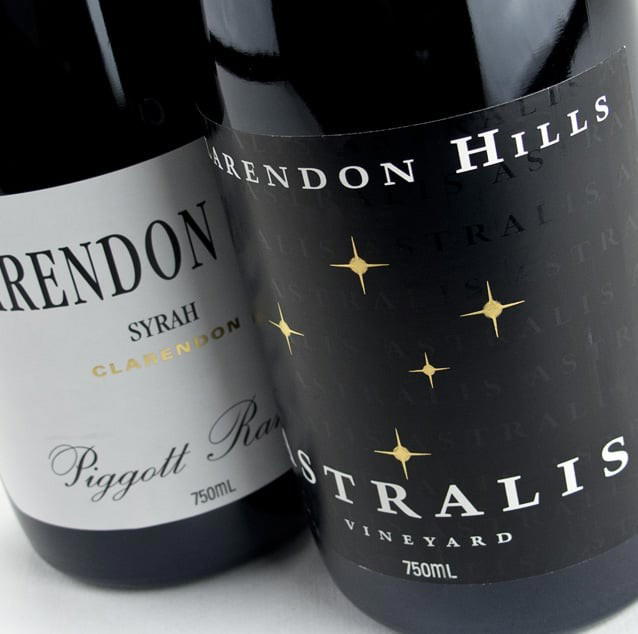
South Australia produces around half of Australia's total wine output by volume, but the more relevant figure for a venue like Jennie is the concentration of small and medium producers working across distinct sub-regions within a short radius of the CBD. The Adelaide Hills, running from just east of the city down through Piccadilly Valley and Lenswood, produces cool-climate Chardonnay, Pinot Noir, and Sauvignon Blanc at altitudes that shift the character significantly from the warmer valley floor wines. McLaren Vale, to the south, brings maritime-influenced Grenache and Shiraz from old vines with a different structural profile to Barossa fruit. Clare Valley adds high-acid Riesling that ages in a direction few other Australian whites will go.
A wine bar that draws from this geography with any seriousness is not operating in a space of scarcity or compromise. The sourcing argument in Adelaide runs the opposite direction: the challenge is selection discipline rather than access. Which producers to back, which sub-regions to represent, which vintages to hold, and at what price points the list should land, these decisions define the character of the venue as much as its address or its interior. On the evidence of the Star Wine List award, Jennie has made those decisions with enough coherence to attract external recognition.
Adelaide's small bar scene matured significantly after the 2013 Small Bars Act, which reduced the licensing barriers for venues under 100 patrons and allowed a generation of independent operators to open without the capital overhead of full liquor licences. Peel Street was one of the streets that benefited most from that shift. Today, the block sits alongside Leigh Street and Vardon Avenue as the clearest expression of what independent hospitality looks like in Adelaide.
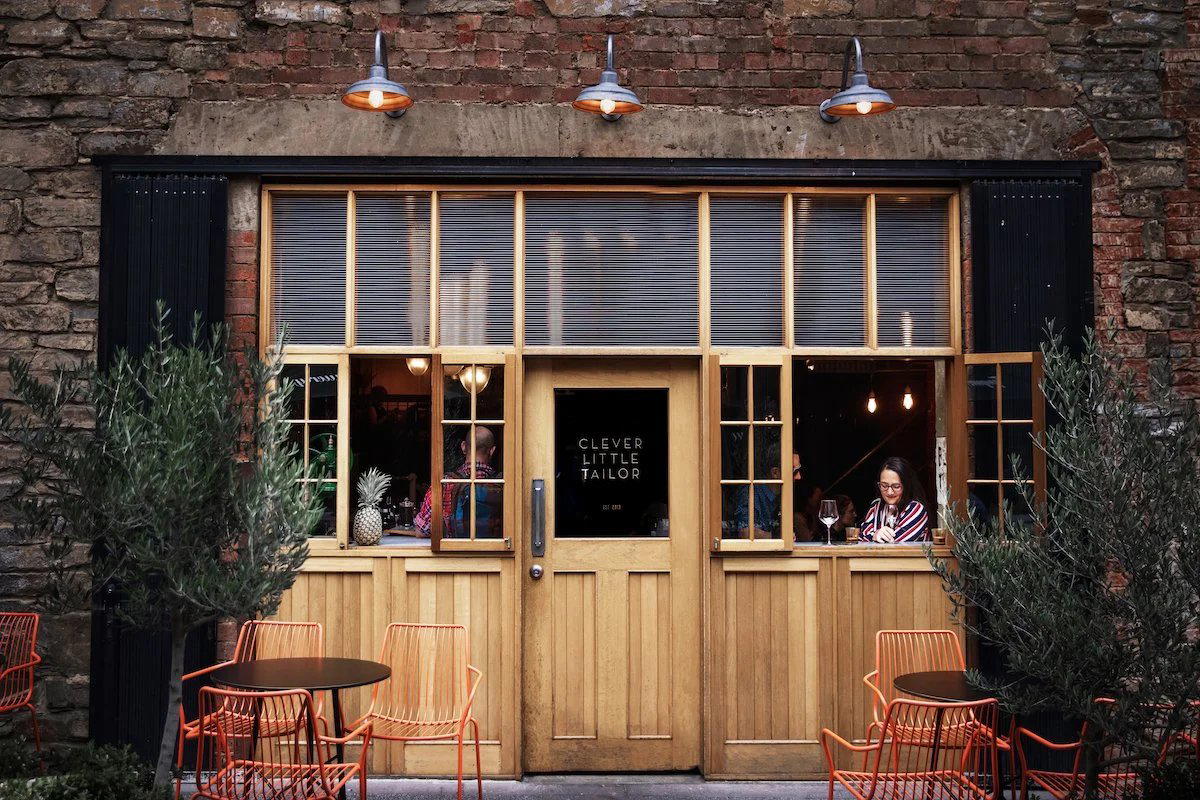
Apoteca takes an Italian-leaning aperitivo direction. Bar Lune positions itself around natural wine and a stripped-back format. Bar Torino draws on the Piedmontese vermouth and aperitivo tradition. Clever Little Tailor works the cocktail register with more technical ambition. Jennie sits within this network as the venue most directly oriented around the wine list itself, with the Star Wine List award providing the external benchmark that contextualises that focus.
For visitors mapping a Peel Street evening, these venues function as a sequence rather than competitors. The format differences between a vermouth bar, a natural wine list, and a curated regional selection invite movement rather than a single destination commitment, which is how the street operates at its finest.
Adelaide in the Broader Australian Wine Bar Conversation
Australia's wine bar format has sharpened considerably over the past five years. In Melbourne, venues like 1806 have pushed the technical end of the bar program, while in Sydney, Cantina OK! has demonstrated that tiny footprints can carry outsized reputations. In Brisbane, Bowery Bar occupies a different slot in the market, as does Fratelli Paradiso in Potts Point and La Cache à Vín in Spring Hill. Even internationally, the format holds: Bar Leather Apron in Honolulu and Blu Bar on 36 in The Rocks each demonstrate how wine and bar programming intersect differently by geography.
Adelaide's advantage in this conversation is structural. No other major Australian city sits this close to this many distinct wine-producing sub-regions. A wine bar in Adelaide that sources deliberately is working from a depth of local material that gives it a different character to venues operating from national distribution lists. Jennie's Star Wine List recognition suggests it is using that advantage rather than coasting on it.
Planning Your Visit
Jennie Wine Bar sits at 7 Peel Street in Adelaide's CBD, within walking distance of the central market precinct and the Leigh Street bar corridor. For a broader picture of where Jennie fits within Adelaide's eating and drinking options, the full Adelaide restaurants guide maps the city's hospitality scene in detail. Given the venue's size and the Star Wine List profile, it draws a crowd on Thursday through Saturday evenings; arriving early or mid-week gives more room to work through the list at pace. Specific hours, booking options, and contact details are best confirmed directly with the venue before visiting.
Comparable Venues
Comparable venues nearby, for context on price, style, and recognition.
| Venue | Cuisine | Price | Awards | Notes |
|---|---|---|---|---|
| Jennie Wine BarThis venue — the venue you are viewing | wine_bar | $20–30 | Star Wine List | Not listed |
| Pastel Wine Bar | wine_bar | $30–50 | Star Wine List | North Adelaide |
| Bar Lune | wine_bar | Not listed | Star Wine List | Beulah Park |
| Good Gilbert | wine_bar | $30–50 | Star Wine List | Goodwood |
| Bar Canopy | wine_bar | $30–50 | Not listed | Adelaide West End |
| Clever Little Tailor | cocktail_bar | $20–30 | Star Wine List | Peel Street |
Recognition history
Dated appearances from independent guides and award organizations, with the underlying list record or original source where available.
Star Wine List
Star Wine List
Australian Bar Awards Wine Bar of the Year Finalist
Australian Bar Awards · 2026 Australian Bar Awards Venue Finalists
Continue exploring
More in Adelaide
Bars in Adelaide
Browse all →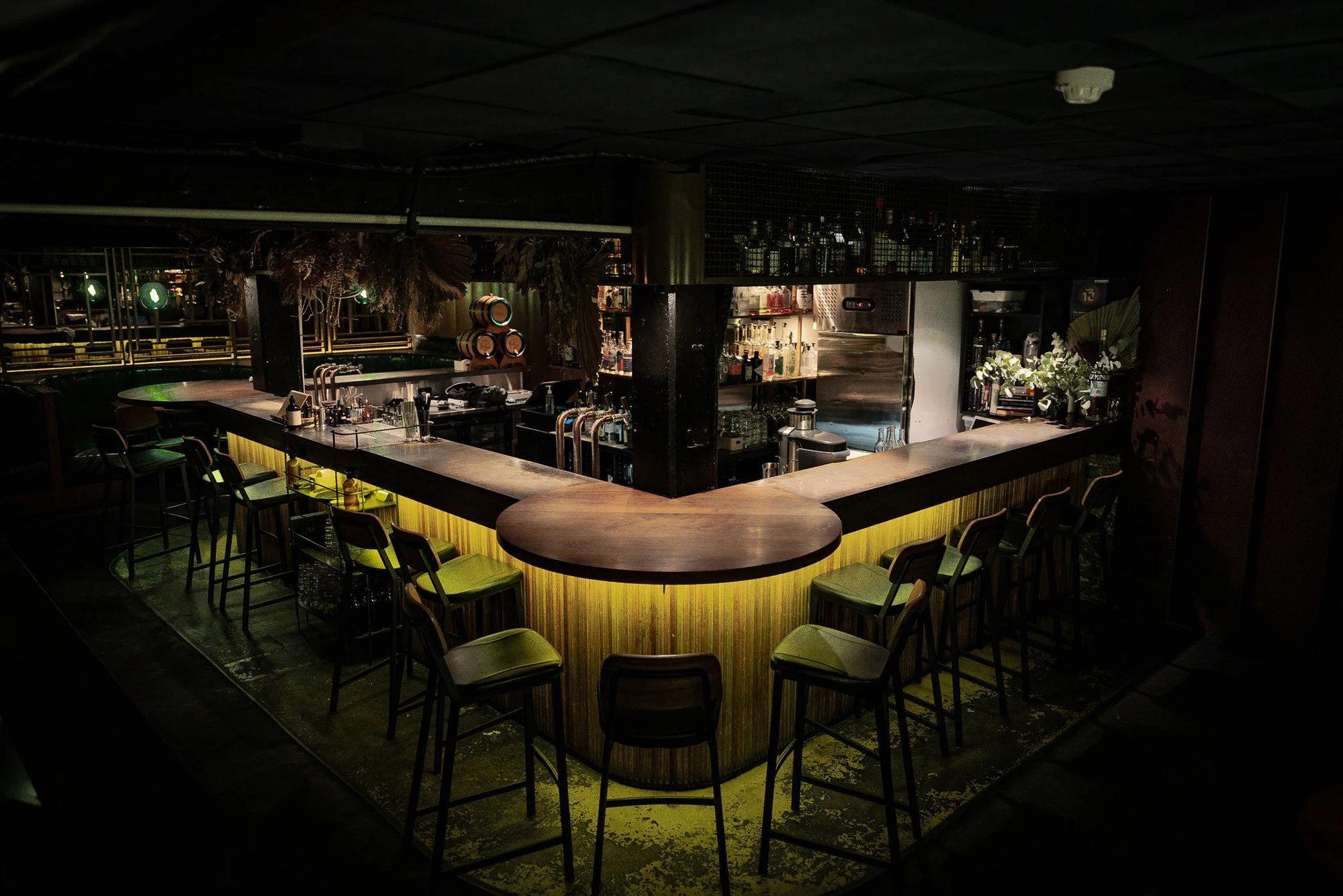
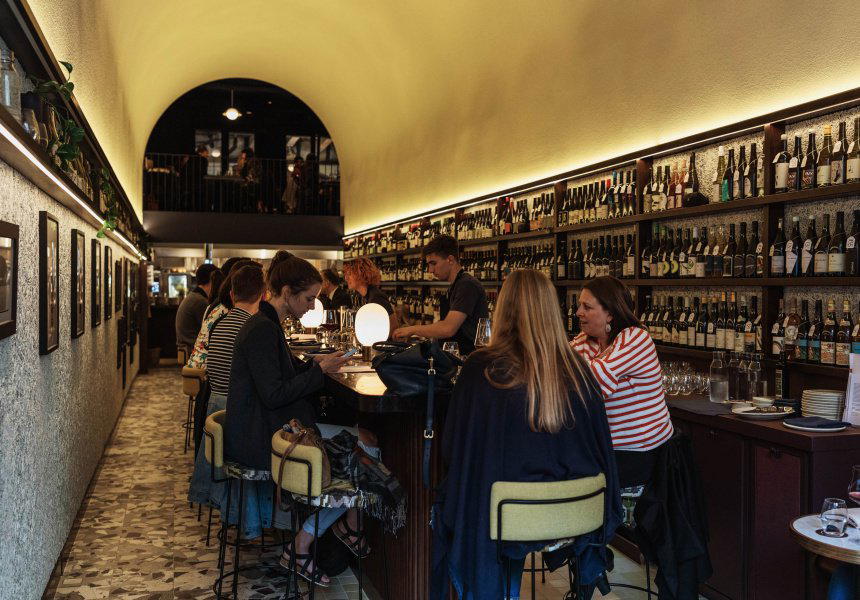
Restaurants in Adelaide
Browse all →
Hotels in Adelaide
Browse all →

Details
- Cozy
- Intimate
- Elegant
- Modern
- Date Night
- Casual Hangout
- After Work
- Standalone
- Seated Bar
- Lounge Seating
- Natural Wine
- Conventional Wine
Current opening hours
- Monday
- 2 PM–12 AM
- Tuesday
- 2 PM–12 AM
- Wednesday
- 2 PM–12 AM
- Thursday
- 2 PM–12 AM
- Friday
- 2 PM–2 AM
- Saturday
- 2 PM–2 AM
- Sunday
- 2 PM–12 AM
Hours can change for holidays and private events. Last verified .
Cozy and inviting with soft lighting, candles, tasteful decorations, and a well-curated playlist that complements conversations without overpowering.