Our verdict
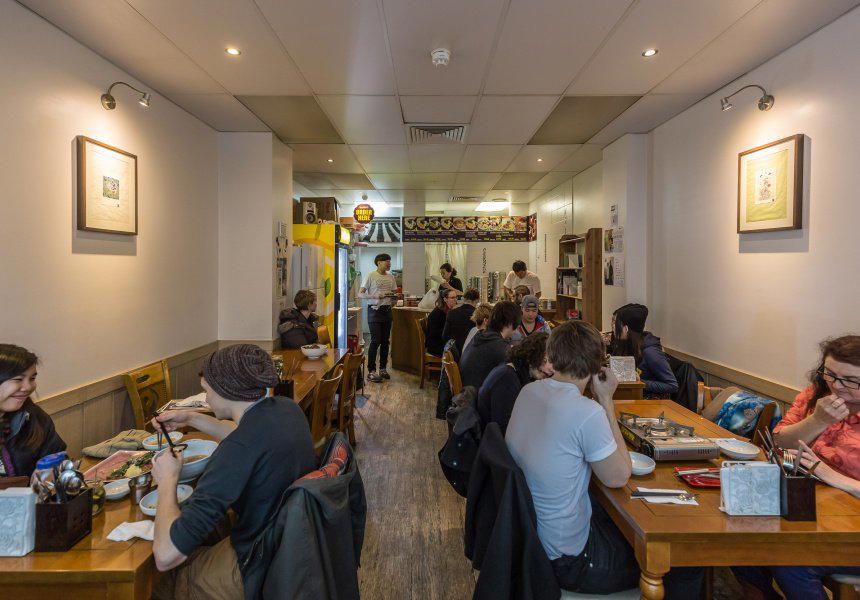
Mandoo occupies a compact shopfront on Bank Street in Adelaide's central business district, serving Korean-style dumplings in a format that rewards patience and deliberate ordering. The kitchen focuses on the dumpling as its primary ritual object, placing it within a broader city dining scene that has grown increasingly receptive to specialist, single-focus formats. Find it at Shop 3/26 Bank St, Adelaide SA 5000.

Pearl is the En Primeur Club membership app — saves, bookings, and concierge access live there. Same editors, same standards.
- Address
- Shop 3/26 Bank St, Adelaide SA 5000, Australia
- Phone
- +61475032828
- Hours
- Mon ClosedTue–Sat 11:30 AM–2:30 PM, 5–8:30 PMSun Closed
- Website
- facebook.com
- Directions
- Get directions
The menu
What to order
- Steamed Pork Dumplings
- Fried Pork Dumplings
- Kimchi Dumplings
- Beef Bibimbap
Bank Street and the Case for Doing One Thing Well
There is a particular kind of eating place that Adelaide has been quietly accumulating over the past decade: small, address-specific, and built around a single culinary discipline rather than a broad menu designed to cover every preference. Mandoo, at Shop 3/26 Bank Street in the city's central district, fits that pattern. The name itself is the Korean word for dumpling, which tells you everything you need to know about the kitchen's focus before you have even found the door. In a dining environment where many rooms try to be everything at once, a place that announces its subject in its own name is making a commitment.
Bank Street sits just off the main retail corridors that connect Rundle Mall to the waterfront edge of the CBD. The strip has a quieter register than the Gouger Street restaurant precinct or the East End's busier café culture, which makes it a reasonable location for a format that depends on repeat custom and word-of-mouth rather than foot traffic alone. Arriving mid-service, the shopfront reads modest from the street, the kind of room that asks you to trust the premise rather than the fit-out.
The Dumpling as Ritual Object
Across East and Southeast Asian culinary traditions, the dumpling occupies a position that goes well beyond sustenance. In Korean cooking, mandoo appear at ceremonial meals, at the Lunar New Year table, and in the everyday repertoire of home kitchens with equal frequency. The wrapper-to-filling ratio, the method of sealing, the choice of steaming over frying or the reverse: each variable carries meaning, and experienced eaters read those choices the way a wine drinker reads a producer's choices about oak or malolactic fermentation. A kitchen that names itself after the dumpling is, in that context, making a statement about seriousness of intent.
The dining ritual at a focused dumpling restaurant differs structurally from a multi-course tasting format. There is no prescribed progression from lighter to richer, no sommelier-led arc. Instead, the meal tends to build through selection and repetition: a first order that establishes the kitchen's baseline, a second that tests a different preparation or filling, and a third that confirms what you came to understand. This iterative quality rewards the diner who orders unhurriedly and treats the meal as an inquiry rather than a transaction. Adelaide's CBD lunch trade often moves at pace, but the format here works better when you allow it to slow down.
Where Mandoo Sits in Adelaide's Broader Dining Pattern
Adelaide has developed a restaurant culture that sits in an interesting middle position among Australian cities. It is not Sydney's scale, where the high-end tasting menu tier includes rooms like Rockpool that have decades of institutional weight behind them. It is not Melbourne's density, where operations like Attica and the neighbourhood depth of places like Barry Cafe in Northcote or Bar Carolina in South Yarra create a competitive field that forces constant refinement. Adelaide instead has cultivated a scene where specialist formats can survive on a loyal local base without competing for the same prestige markers.
The city's fine-dining ceiling is represented by rooms like Botanic, which operates at the produce-driven Australian tasting menu tier, and establishments like arkhé, which occupy a more casual but technically serious register. At the informal end, places like Anchovy Bandit have shown that single-focus or strongly opinionated menus can build real followings in the city. 2KW Bar and Restaurant and Ambrosini's represent different registers again. Mandoo's Bank Street location places it in that informal specialist tier, where the proposition is clarity of purpose rather than range.
For readers who track the specialist dumpling and street-food format across Australian cities, comparable points of reference exist in other states. Jaani Street Food in Ballarat and Johnny Bird in Crows Nest illustrate how focused, ingredient-led formats at the informal price tier have taken hold well outside the major capital centres. Internationally, the single-product seriousness that drives operations like Atomix in New York City at the high end, or the disciplined Korean craft visible at that level, has a long lineage that trickles into more accessible formats. Mandoo sits in that accessible register.
Ordering, Pacing, and What to Expect
The structure of a meal at a Korean dumpling specialist tends to be self-directed in a way that differs from the paced tasting menu format that has shaped so much of Australian fine dining over the past fifteen years. You are not guided through a sequence; you construct one. That means the quality of your meal depends partly on the decisions you make at the table, which is a different kind of engagement. For the diner accustomed to rooms like Brae in Birregurra or the structured service of a New York room like Le Bernardin, the informal self-direction of a dumpling counter can feel either refreshing or disorienting depending on your mode.
The practical details for a visit to Mandoo are direct. The address is Shop 3/26 Bank Street, Adelaide SA 5000, reachable on foot from the central tram stops along King William Street in a few minutes. Because no phone or website information is publicly confirmed the most reliable approach is to visit in person or check current status through local review platforms before making a dedicated trip. Walk-in capacity at small CBD shopfronts of this type in Adelaide is typically available during off-peak lunch hours, though weekend trade can fill rooms that might otherwise feel spacious. For context on where Mandoo fits within a fuller visit to the city, our full Adelaide restaurants guide maps the broader scene by neighbourhood and price tier.
Frequently asked questions
What part of town is Mandoo in?
Mandoo is located at Shop 3/26 Bank St, Adelaide SA 5000, Australia, Adelaide.
Is Mandoo suitable for vegetarians looking for Korean food in Adelaide?
Across Korean dumpling tradition, meatless fillings — typically vegetable or tofu-based — are a standard part of the repertoire alongside pork and kimchi varieties. Mandoo's single-focus format at its Bank Street, Adelaide address means the menu centres on dumplings, which historically accommodates vegetarian options within that form. Confirming current filling choices directly with the venue is the most reliable approach before visiting.
What do people recommend at Mandoo?
Mandoo is built around Korean dumplings as its central format, so the dumpling dishes are the natural starting point for any order. Given the single-focus approach at the Bank Street address, most visitors work through several dumpling styles rather than treating it as a broad-menu restaurant. The self-directed ordering format means you can pace across a few varieties in one sitting.
Can I walk in to Mandoo?
Small, address-specific spots in Adelaide's CBD like this one can fill quickly, particularly at peak lunch and dinner periods. Arriving early or during off-peak hours gives the best chance of securing a seat without a prior arrangement.
Where It Fits
Comparable venues nearby, for context on price, style, and recognition.
| Venue | Cuisine | Price | Awards | Notes |
|---|---|---|---|---|
| MandooThis venue — the venue you are viewing | Korean Dumplings | $20–30 | Not listed | Not listed |
| Agora Greek Cuisine | Greek Cuisine | $30–50 | Not listed | North Adelaide |
| Ambrosini's Restaurant | Northern Italian Trattoria | $30–50 | Not listed | Norwood |
| Press Food & Wine | Modern Australian with European influences | $50–100 | Not listed | Adelaide CBD |
| Orana | Modern Australian Native Cuisine | Not listed | Not listed | Rundle Street |
| La Louisiane | Classic French Bistro | Not listed | Star Wine List | North Adelaide |
Continue exploring
More in Adelaide
Restaurants in Adelaide
Browse all →
Bars in Adelaide
Browse all →
Hotels in Adelaide
Browse all →
Details
- Cozy
- Casual Hangout
- Group Dining
- After Work
- Open Kitchen
- Standalone
- A La Carte
- Family Style
- Vegetarian Friendly
- Vegan Options
Current opening hours
- Monday
- Closed
- Tuesday
- 11:30 AM–2:30 PM, 5–8:30 PM
- Wednesday
- 11:30 AM–2:30 PM, 5–8:30 PM
- Thursday
- 11:30 AM–2:30 PM, 5–8:30 PM
- Friday
- 11:30 AM–2:30 PM, 5–8:30 PM
- Saturday
- 11:30 AM–2:30 PM, 5–8:30 PM
- Sunday
- Closed
Hours can change for holidays and private events. Last verified .
Cozy, semi-hidden restaurant with efficient counter service; casual and unpretentious with a focus on food quality over ambiance.