Mobtown Ballroom & Cafe
Mobtown Ballroom & Cafe occupies a storied address on West North Avenue in Baltimore, where live music programming and a cafe-bar format intersect in one of the city's most culturally active corridors. The space draws a mixed crowd looking for something beyond the standard bar night, with food and drink operating in tandem rather than as an afterthought.

Pearl is the En Primeur Club membership app, where members save venues, book tables and use the concierge.
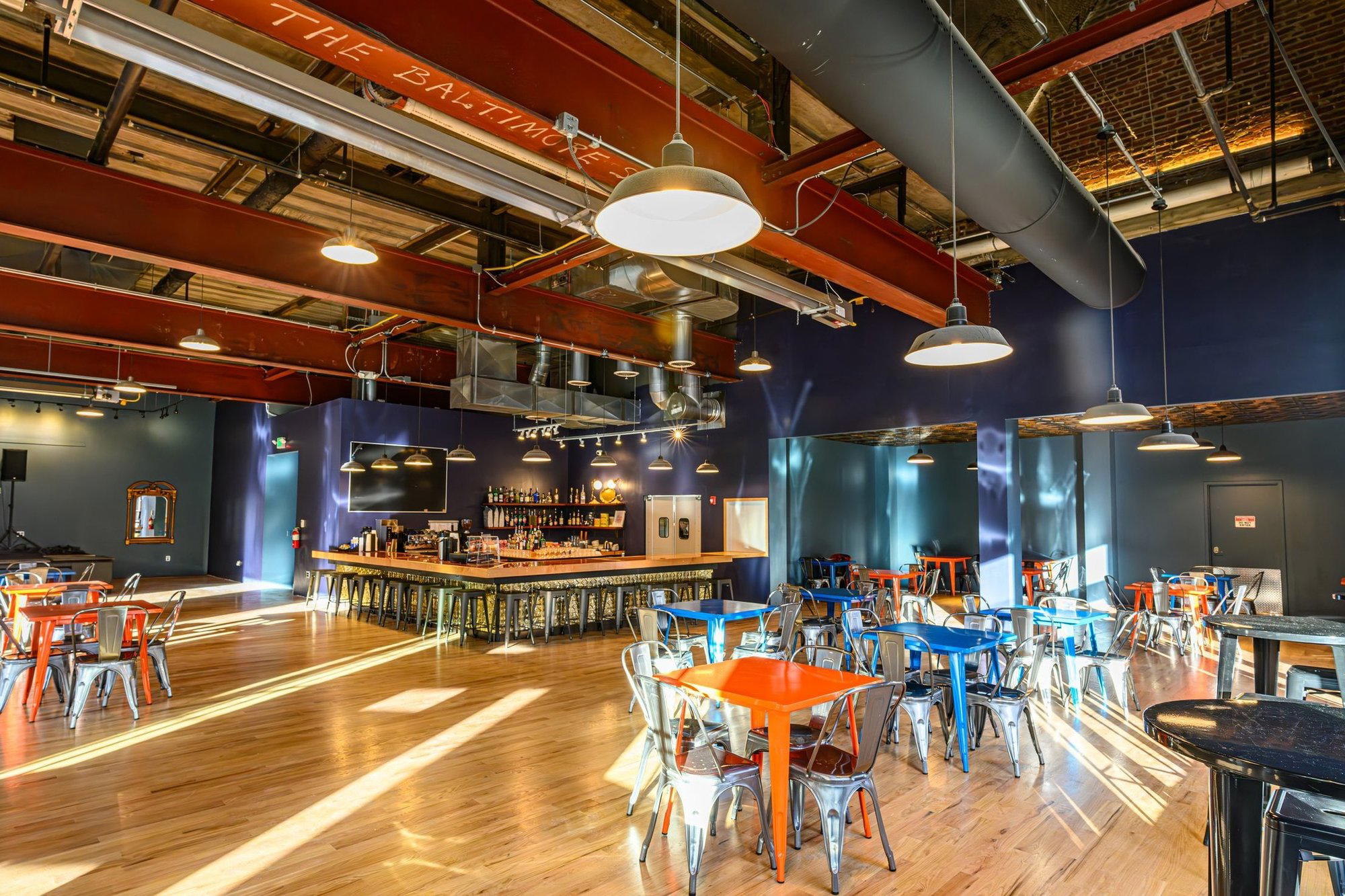
West North Avenue and the Case for the Ballroom Bar
Baltimore's bar scene has never been tidy. It doesn't sort neatly into the craft-cocktail minimalism you'd find at Bar Leather Apron in Honolulu or the culinary precision that defines Kumiko in Chicago. What Baltimore does well is the hybrid space: venues that function as bars, music rooms, and social infrastructure simultaneously, drawing from a city that has historically asked a lot from its neighborhood anchors. Mobtown Ballroom and Cafe, at 30 W North Ave in the Station North Arts District, belongs to that tradition in a specific way. It occupies a building with genuine volume, the kind that supports a dance floor and a live set without sacrificing the more intimate register of a cafe counter.
Station North is Baltimore's designated arts district, a designation that came with city backing in 2002 and has gradually shaped the corridor into something with genuine programming density. The neighborhood sits between Charles Village to the north and the historic neighborhoods closer to downtown, making West North Avenue a transit point as much as a destination. Venues here tend to attract both intentional visitors and walk-in traffic from the surrounding residential blocks, a mix that tends to produce livelier, less curated rooms than the strictly destination-driven bars in neighborhoods like Harbor East.
The Ballroom Format and What It Demands of a Food Programme
The ballroom-bar hybrid creates a specific challenge for food and drink programming. In spaces where live music dominates, kitchens are often treated as an operational afterthought: a holding pattern for guests between sets, or a revenue line that exists more on paper than in practice. The bars that solve this tension well tend to do it by building a food programme that reads as intentional rather than incidental, with items that hold up under the conditions of a music venue, which means dishes that work at varying temperatures, hold their structure, and pair naturally with whatever is on the drinks list.
At the national level, this problem has been addressed in different ways. Jewel of the South in New Orleans draws on Creole kitchen traditions to give its bar food genuine culinary weight. Julep in Houston uses Southern pantry references to make the food-drink pairing feel cohesive rather than coincidental. The principle is the same in both cases: the food programme earns its place when it shares a vocabulary with the drinks side of the operation, rather than running as a parallel but disconnected menu.
Mobtown's cafe component signals an intention to treat the food side seriously. Cafe formats in Baltimore have evolved considerably over the past decade, with the city's restaurant community, represented in part by venues like Alma Cocina Latina and Baba'de, raising the baseline expectation for what a casual format can deliver. Against that backdrop, a ballroom-cafe that treats its counter as a legitimate food operation rather than a snack station occupies a more interesting position in the city's hospitality mix.
Drinks in a Room That Moves
Baltimore's bar programming has shifted over the past several years in the same direction as most American mid-market cities: away from purely volume-driven operations and toward some degree of craft intention, without necessarily committing to the hyper-technical approach that defines bars like ABV in San Francisco or the narrative-heavy cocktail formats you find at Superbueno in New York City. The result is a middle tier of bars that prioritize accessibility and throughput while maintaining some craft credibility, a positioning that suits a music venue well.
In a ballroom context, the drinks programme needs to operate at two speeds: the measured pace of someone arriving early and settling in at the bar, and the higher-throughput demands of a full room mid-show. Bars that manage both tend to build their lists around a core of well-executed, easily communicated options, with a smaller number of more considered pours for guests with time to explore. The food pairing logic in this environment leans toward contrast and complementarity in broad strokes: something with acid to cut through richer bar food, something lower-ABV for the second hour of a long night, something familiar enough to order without consultation.
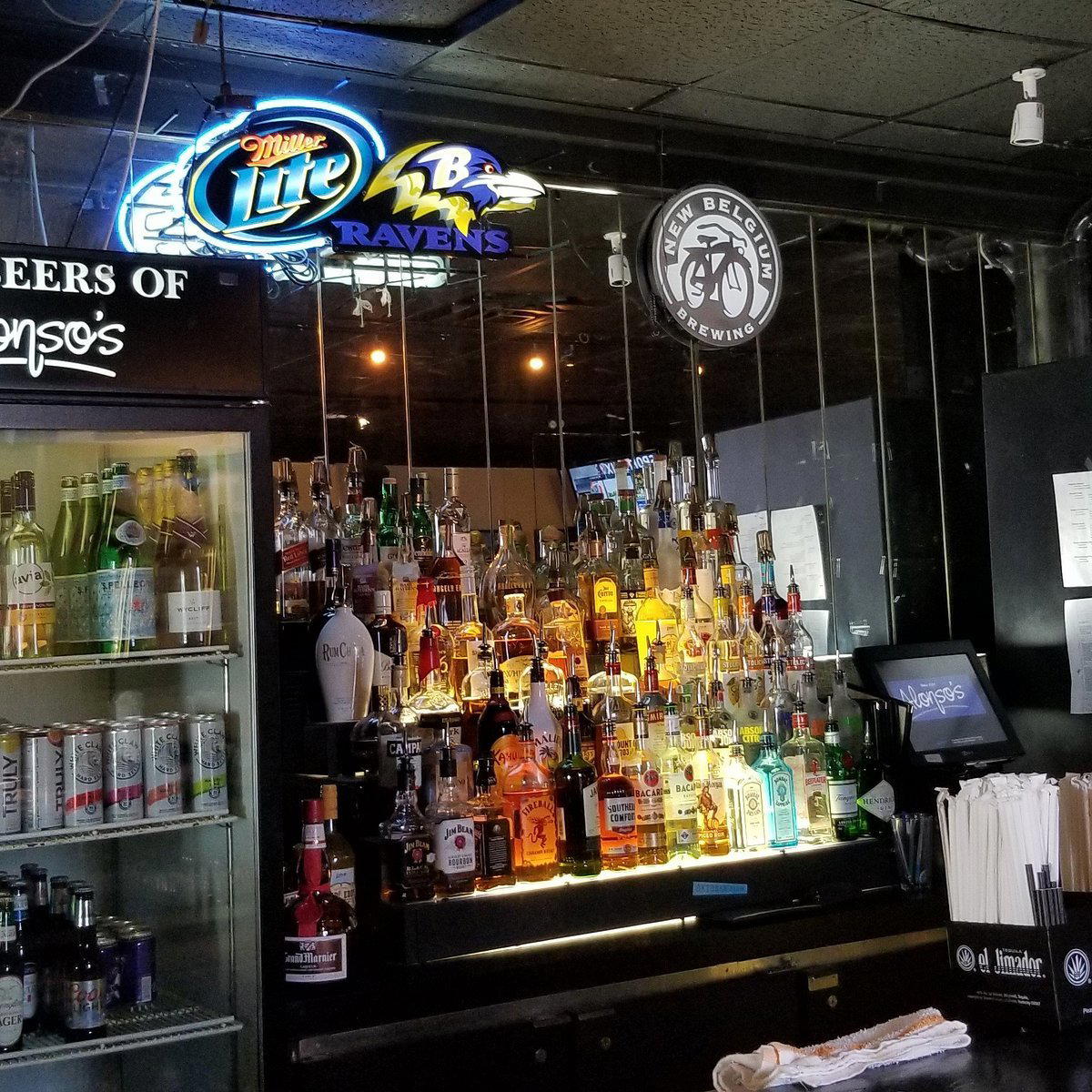
Other Baltimore bars in the neighborhood orbit have been working through similar questions. Alonso's and Barcocina each represent a different answer to how much food investment a bar-primary operation should carry. The comparison set in Baltimore is genuinely useful here: the city's bar culture has enough range that the differences between formats are instructive rather than superficial.
The Station North Context
Arts district designations don't always produce the venues they promise. In Baltimore's case, Station North has developed over two decades into something with genuine character, partly because the city's arts community had existing infrastructure in the corridor before the formal designation arrived. The area's galleries, theaters, and music spaces have stayed relatively embedded in the neighborhood rather than migrating toward more affluent corridors, which means venues like Mobtown operate in a context where cultural programming is expected rather than aspirational.
That context matters for how food and drink fit into the evening. Guests in Station North tend to be oriented around programming first, with bar and food decisions following from the event schedule. This is a different behavioral dynamic than a restaurant-led neighborhood, where the meal is the primary reason for the visit. For a ballroom-cafe, it means the food and drink programme needs to support an experience that is already defined by what's on stage, working with the room's energy rather than competing against it. Venues that get this right, whether in Baltimore or in comparable arts districts like those in cities with developed indie music infrastructure, tend to develop loyal repeat audiences rather than one-time visitors.
For a fuller picture of where Mobtown sits within Baltimore's broader bar and restaurant scene, the EP Club Baltimore guide covers the city's current range, from neighborhood anchors to destination-level operations. For international comparison on the ballroom-bar format and how drinks programming scales in live-music contexts, The Parlour in Frankfurt on the Main offers a useful European reference point.
Planning Your Visit
Mobtown Ballroom and Cafe is located at 30 W North Ave, Baltimore, MD 21201, in the Station North Arts District. The venue is accessible from the Mount Royal light rail station, which places it within reasonable distance of downtown and the Charles Village area. For a music-first visit, checking the event calendar in advance is advisable, as the space's character shifts considerably between a quiet cafe evening and a full ballroom event night. Arriving before a show to use the cafe side of the operation gives you time to engage with the food and drinks programme at a pace that isn't dictated by the room's energy, which is generally the better way to assess what the kitchen is doing.
Awards and Standing
| Venue | Price |
|---|---|
| Mobtown Ballroom & CafeThis venue (the venue you are viewing) | $10–20 |
| Verde | $20–30 |

Continue exploring
More in Baltimore
Bars in Baltimore
All bars in Baltimore →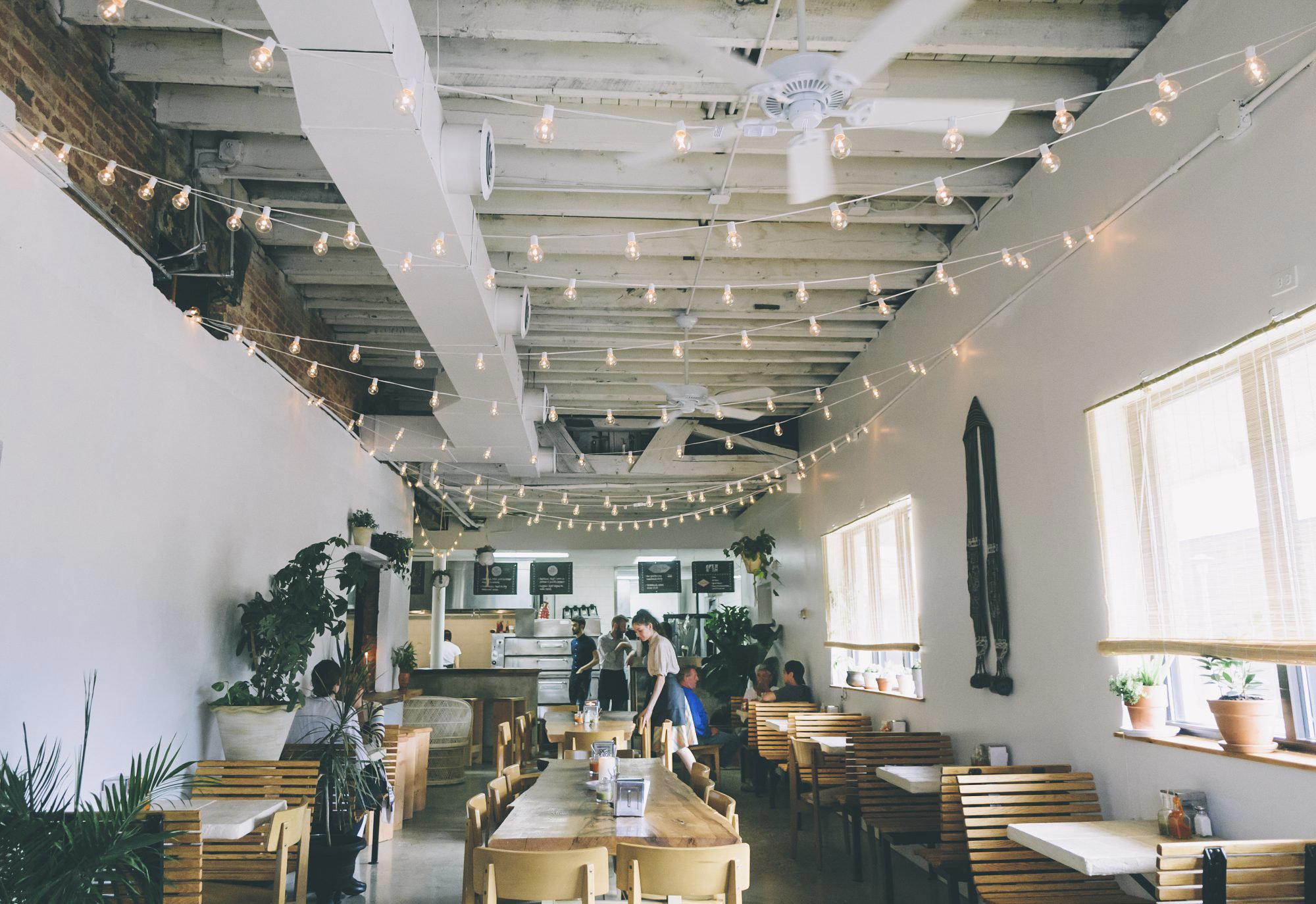

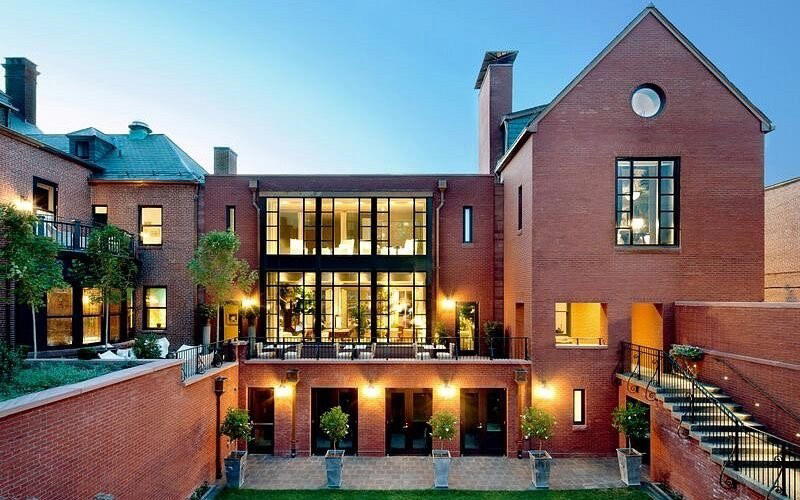
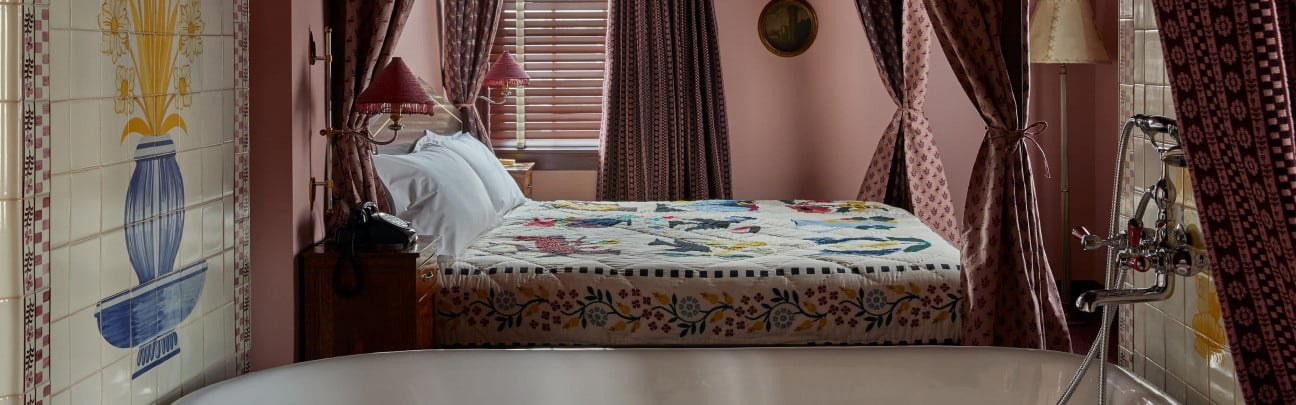
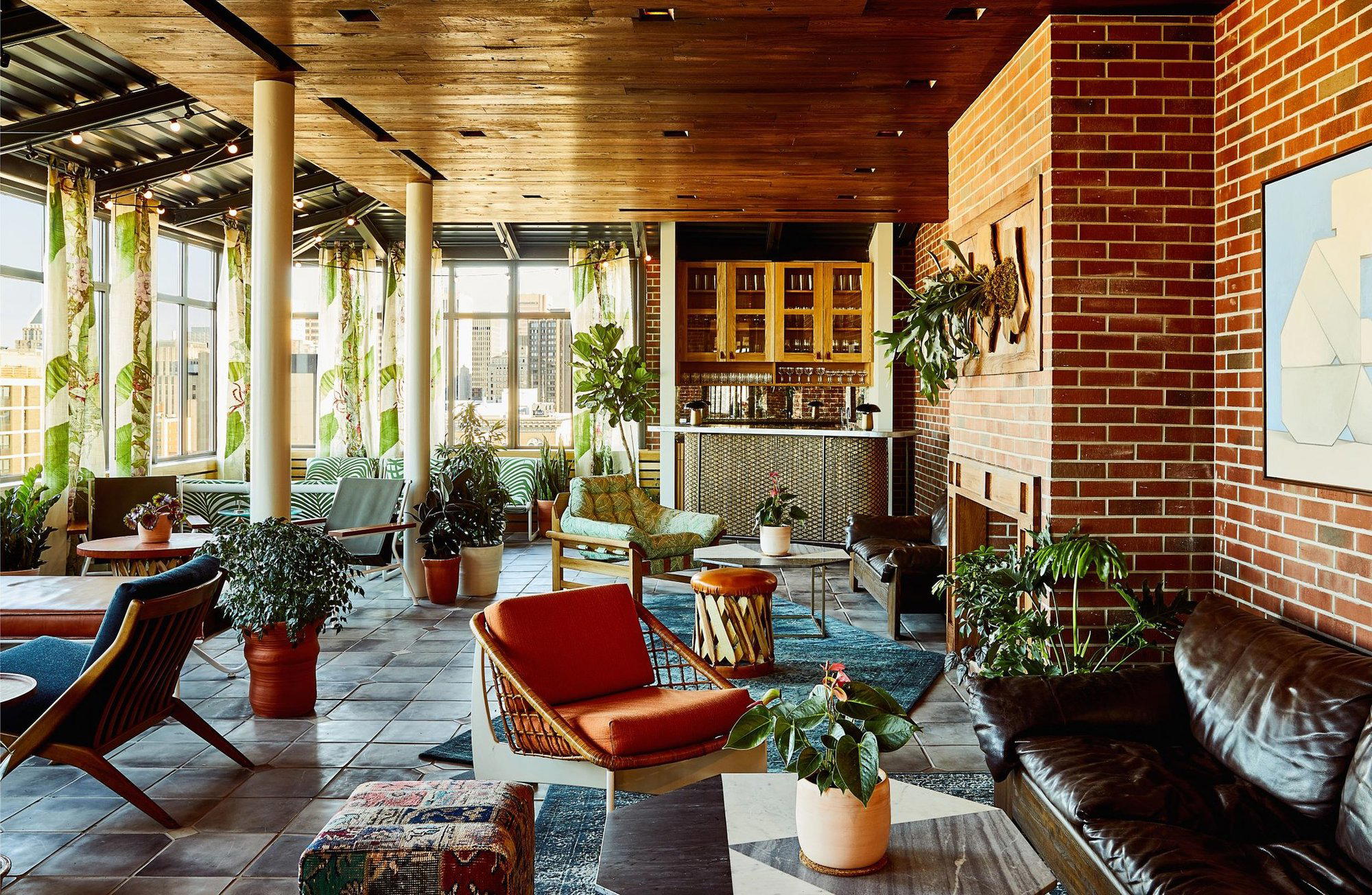
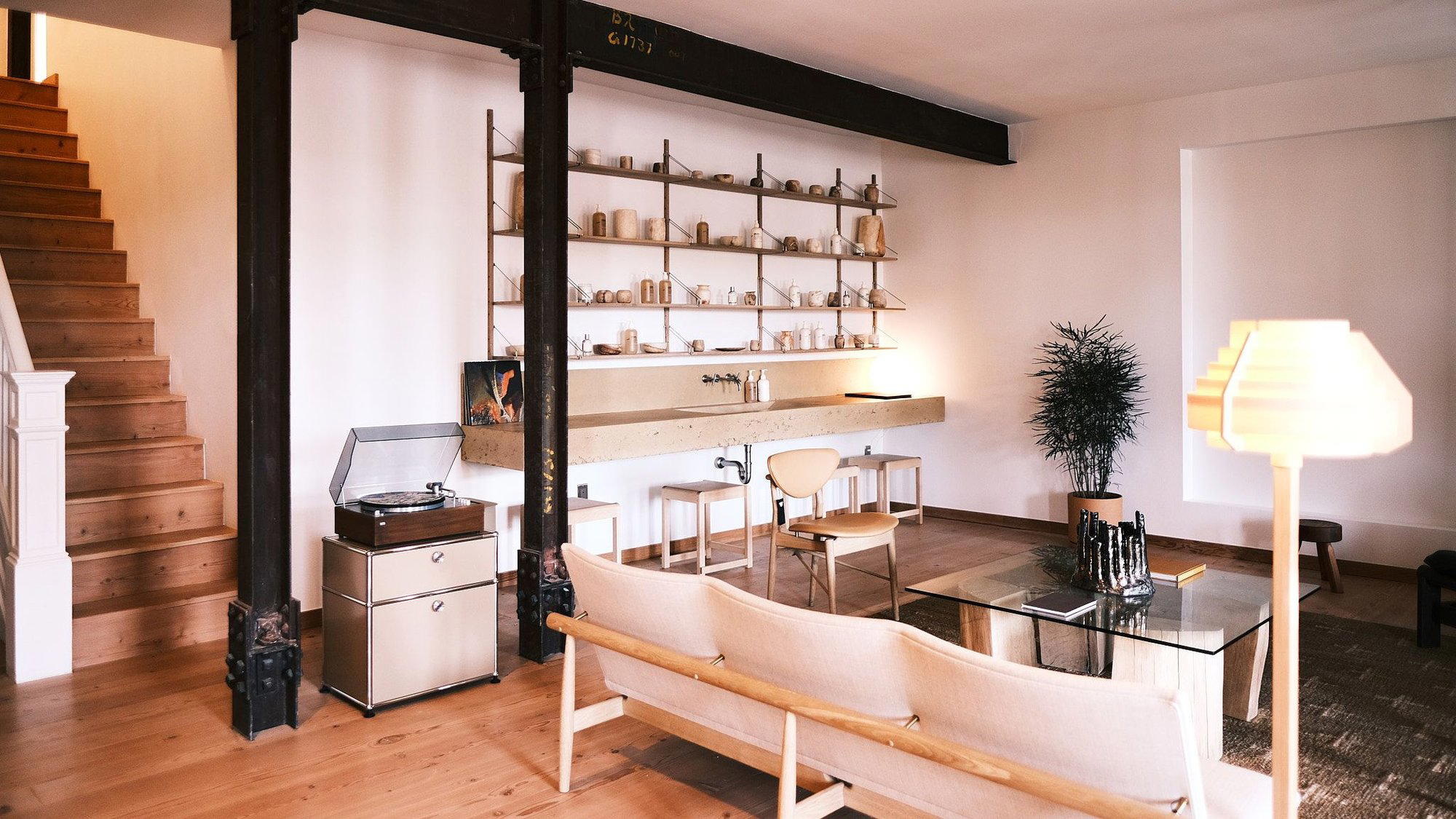
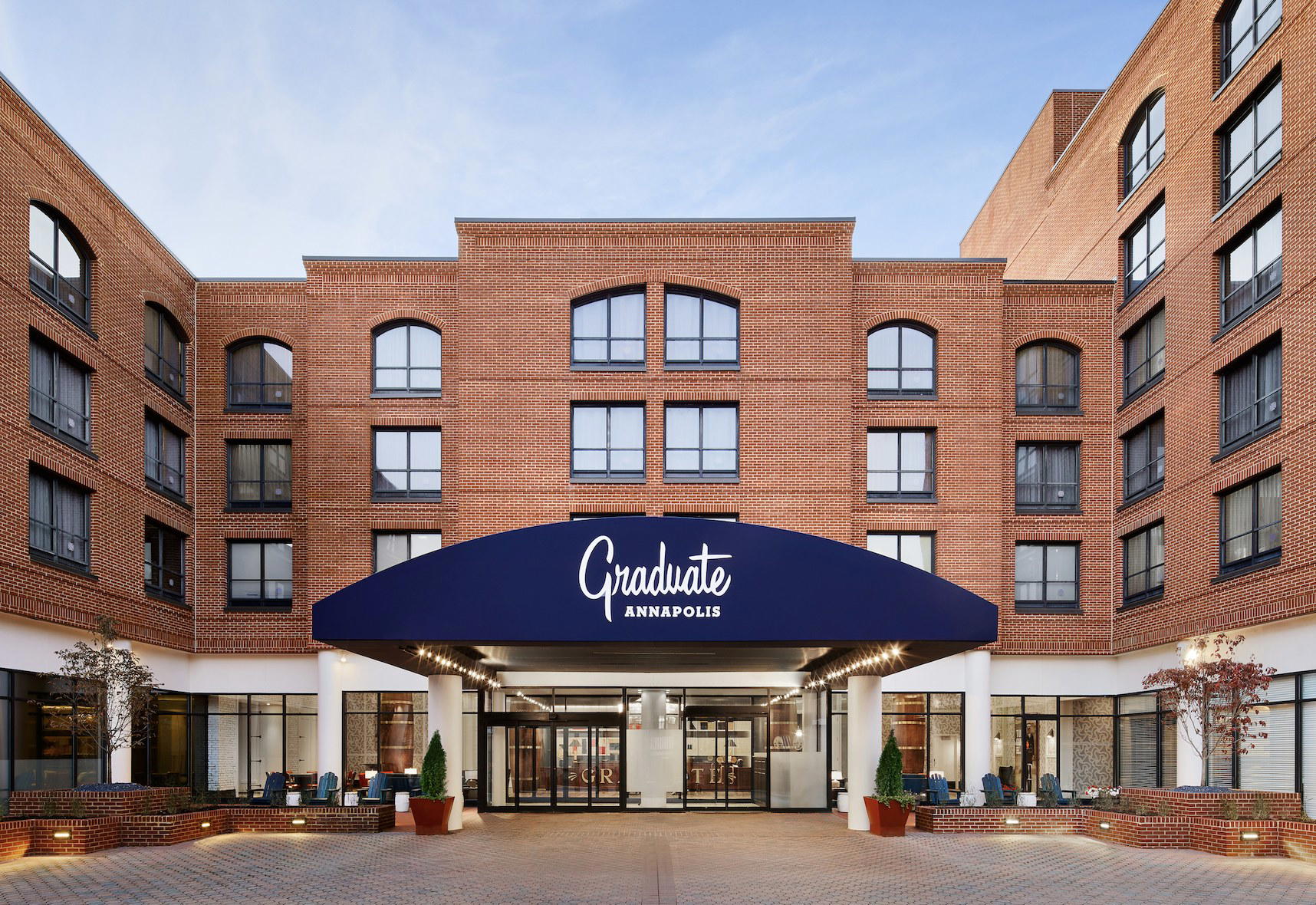
Mobtown Ballroom & Cafe
The drinks
- Craft cocktails
- Classic cocktails
Details
- Lively
- Energetic
- Cozy
- Group Outing
- Casual Hangout
- Late Night
- Live Music
- Historic Building
- Standing Room
- Lounge Seating
- Classic Cocktails
- Craft Cocktails
Current opening hours
- Monday
- 7 PM–12 AM
- Tuesday
- Closed
- Wednesday
- Closed
- Thursday
- Closed
- Friday
- 7 PM–1 AM
- Saturday
- Closed
- Sunday
- Closed
Hours can change for holidays and private events. Last verified .
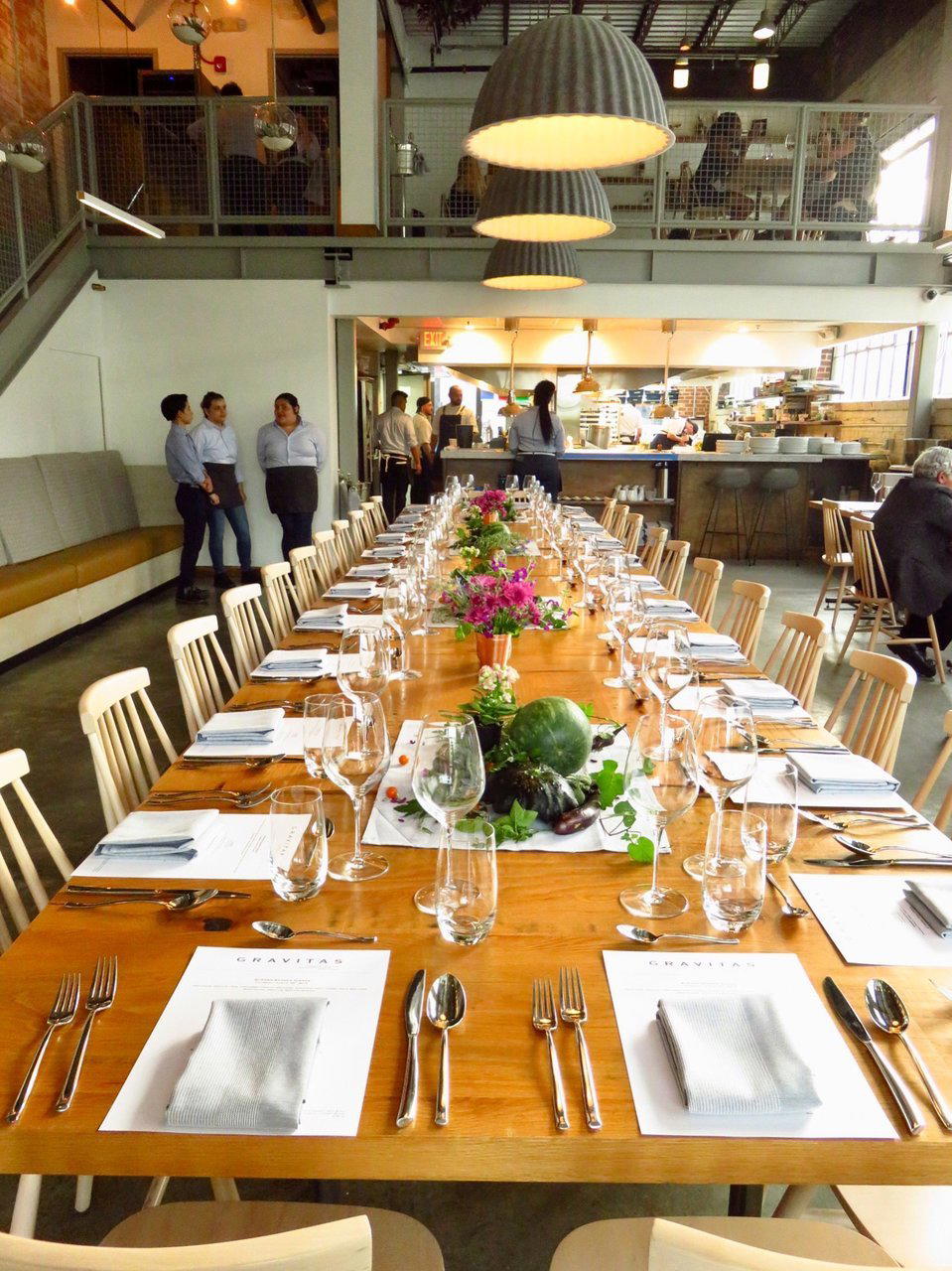
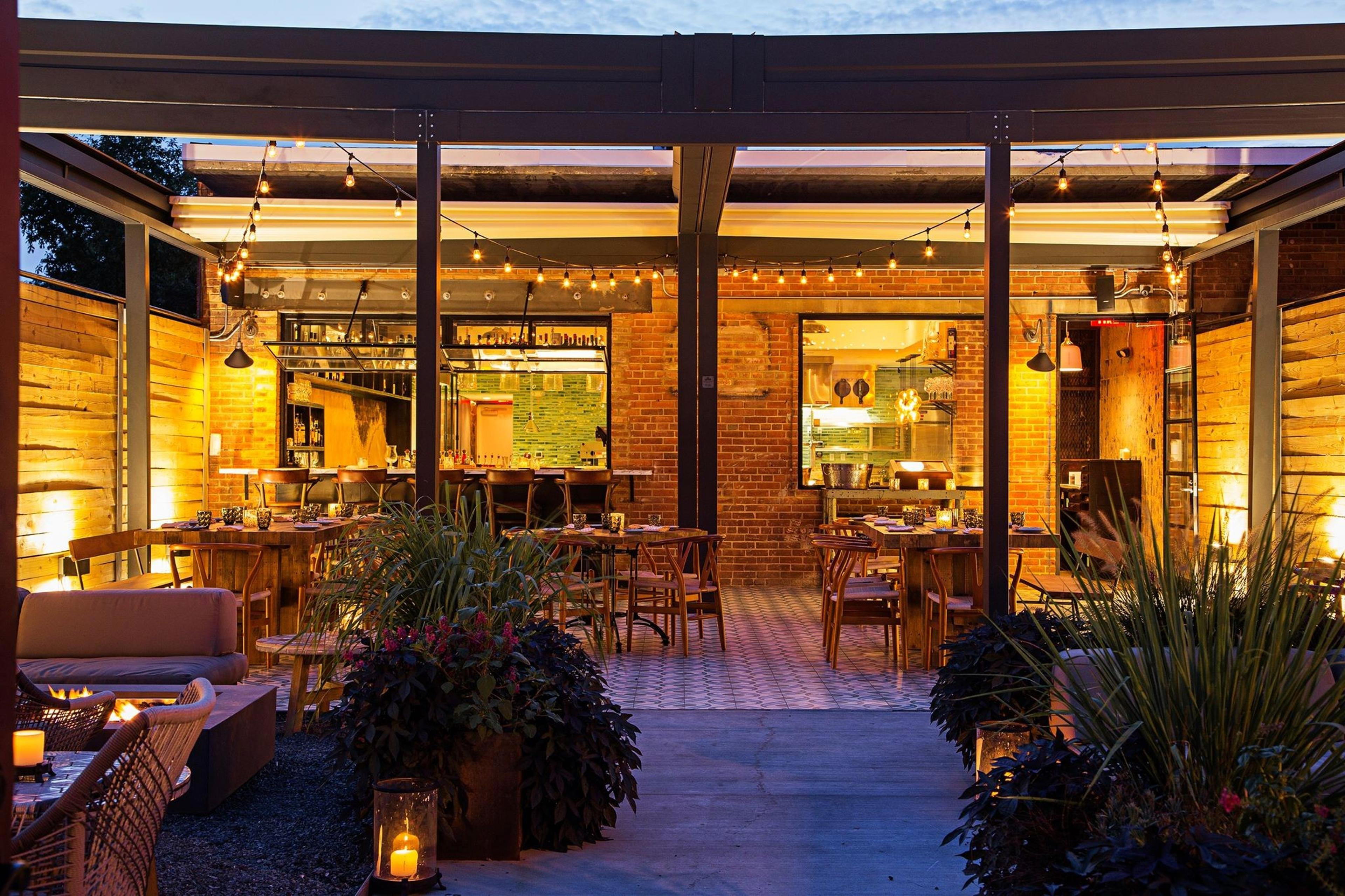
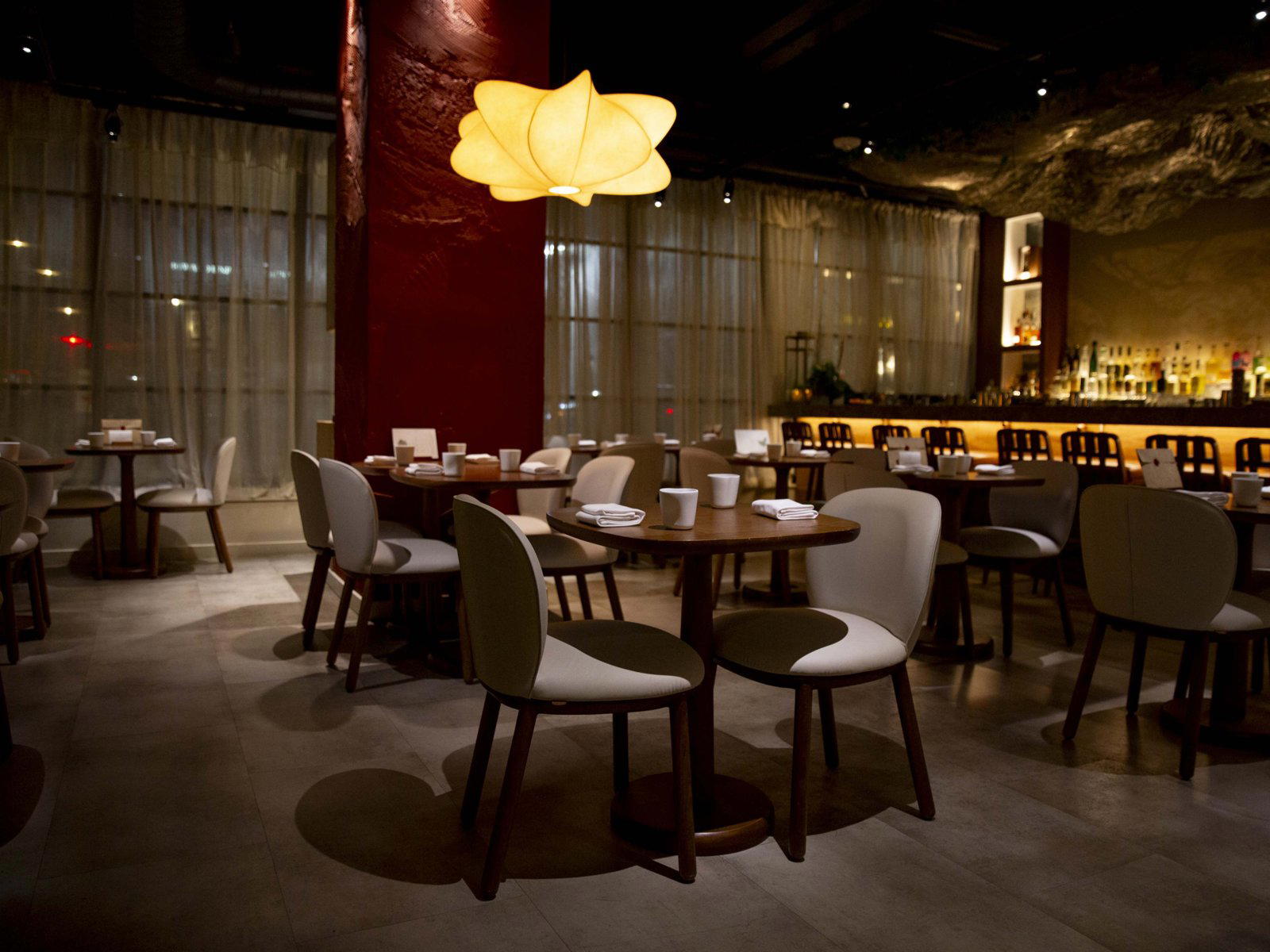
Lively dance hall atmosphere at night with live music and dancing, cozy cafe vibe during the day.