The Land of Kush
Positioned among Baltimore's plant-based dining options on North Eutaw Street, The Land of Kush draws from African and African-American culinary traditions to anchor a conversation about what soul food looks like without meat. The address places it at the edge of Upton and midtown, a corridor that has quietly accumulated independent food businesses operating outside the city's mainstream dining circuit.
Pearl is the En Primeur Club membership app — saves, bookings, and concierge access live there. Same editors, same standards.
- Address
- 840 N Eutaw St, Baltimore, MD 21201
- Phone
- +1 410 225 5874
- Website
- thelandofkush.com
- Directions
- Get directions
 Saves & bookings on Pearl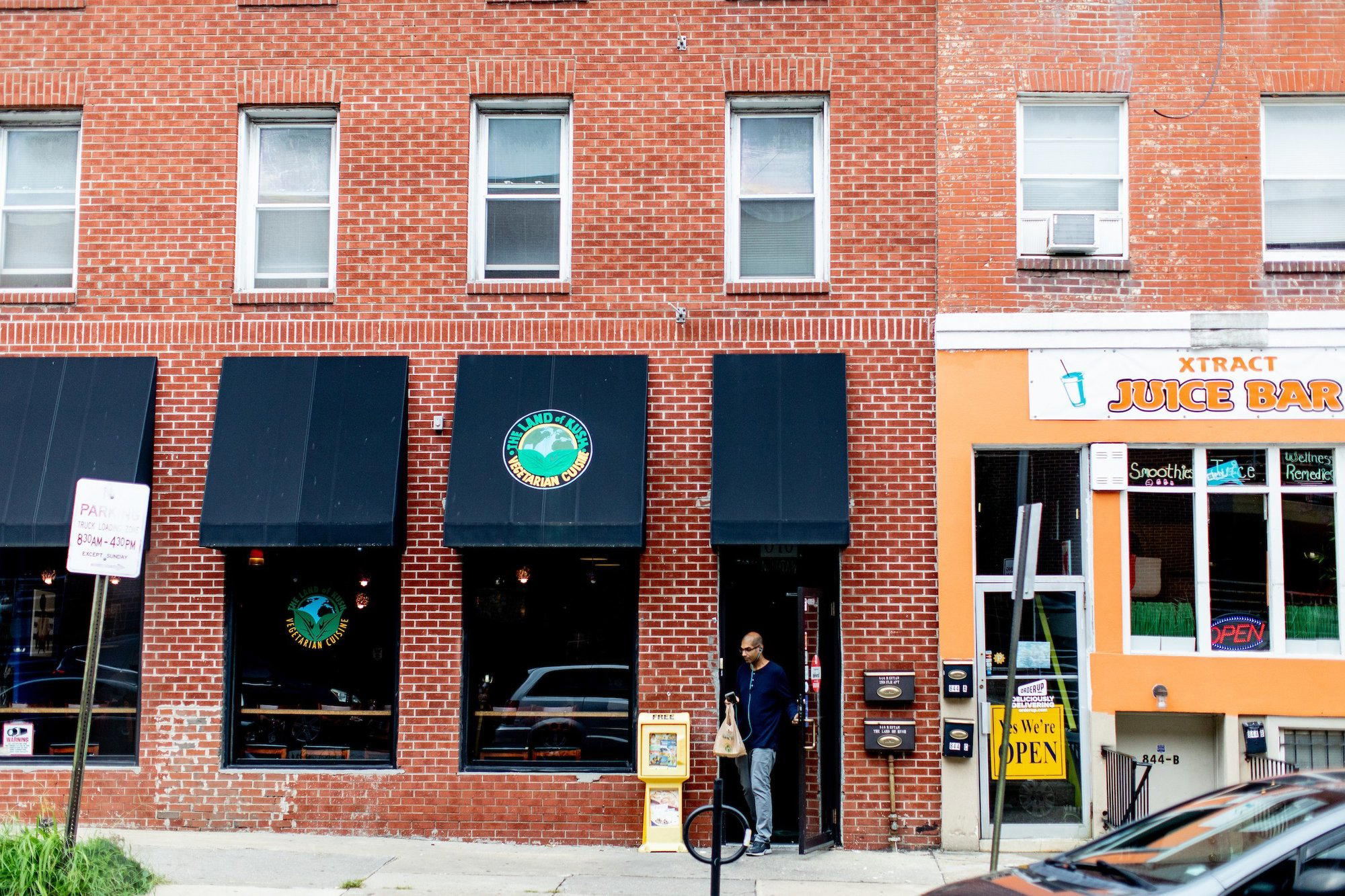
Where Baltimore's Plant-Based Soul Food Conversation Lives
North Eutaw Street runs through a stretch of Baltimore that most restaurant guides skim past. The blocks between the cultural institutions of the west side and the denser dining clusters of Mount Vernon have long housed independent businesses that serve neighborhoods rather than destination diners. It is in this context that The Land of Kush at 840 N Eutaw St occupies its particular position: a plant-based restaurant drawing on African and African-American food traditions in a city where that combination remains rare. Approaching along Eutaw, the surroundings are functional and local rather than curated for visitors, which tells you something about what the restaurant was built to do and who it was originally built to serve.
The Tradition Behind the Menu
Plant-based cooking rooted in African-American culinary heritage is not a Baltimore invention, but it has a longer and more politically charged history in this country than the current wellness-industry version of vegan food would suggest. The movement traces back through Black nationalist and spiritual communities of the mid-twentieth century, from the Nation of Islam's dietary framework to the influence of figures like Dick Gregory on plant-based eating as a form of health activism. The Land of Kush sits within that lineage rather than the farm-to-table or fine-dining vegan traditions that have dominated press coverage of plant-free cooking in recent years. That positioning shapes what regulars find on the menu: dishes built around the flavor architecture of soul food — spiced, warming, recognizable — rather than the lighter European-influenced vegetable cookery you'd encounter at, say, a contemporary Baltimore restaurant drawing from Mediterranean produce traditions.
This distinction matters for understanding why the restaurant has maintained a following in a neighborhood that is not a high-income dining destination. The food answers a specific cultural appetite: it asks what collard greens, mac and cheese, or fried protein look like when the animal products are removed but the cooking logic remains. That is a harder problem than simply substituting ingredients, and the restaurants that solve it credibly tend to develop loyal local audiences that visit on a weekly rather than occasional basis.
Evolution and the Reinvention Question
Any independent restaurant operating in Baltimore's west side corridor over multiple years has weathered cycles that test the model. The city's independent dining sector has contracted and reshuffled since the early 2010s, with closures and pivots concentrated in neighborhoods where foot traffic depends on daytime populations, office workers, students, institution employees, that shift with broader economic and demographic changes. For a restaurant like The Land of Kush, the evolution question is less about menu reinvention and more about whether the core proposition holds as the vegan dining category itself has changed around it.
When plant-based restaurants were rare in Baltimore, The Land of Kush occupied a near-solitary position. The category has since expanded across price tiers and neighborhoods, with plant-based options appearing in mainstream menus citywide and dedicated vegan restaurants opening in higher-income areas. That expansion changes the competitive context without necessarily threatening a restaurant whose appeal is rooted in cultural specificity rather than novelty. The venues it competes with most directly are not the upscale plant-forward restaurants in neighborhoods like Harbor East; they are the everyday lunch and dinner options within reach of its actual neighborhood, where it functions as a consistent alternative to fast food and chain dining.
For visitors arriving from outside the immediate area, this means The Land of Kush requires more intentionality than a restaurant positioned in a denser tourist or dining corridor. The address on North Eutaw is accessible from downtown and from the Charles Street spine, Baltimore's primary north-south dining corridor, but it doesn't share blocks with the clusters you'd find around Alma Cocina Latina or the bars and restaurants scattered through Mount Vernon. It operates more independently, which is a structural fact about its position rather than a limitation of the food.
Baltimore's Independent Food Corridor in Context
Baltimore's dining identity has historically been defined by its seafood and its neighborhood-specific institutions rather than by a single concentrated dining district. That decentralized character means restaurants like The Land of Kush can develop loyal audiences without proximity to the scenes that generate press coverage. Restaurants such as Baba'de and Barcocina occupy different but related positions in the city's independent food ecosystem, each serving a specific cultural and neighborhood function that larger or more centrally located operations don't replicate. Alonso's, further north in Roland Park, illustrates how different neighborhood contexts produce entirely different dining characters within the same city.
Across American cities, restaurants in this category, culturally specific, independently owned, located in neighborhoods outside the primary dining circuits, are the ones that tend to disappear from editorial coverage while remaining deeply embedded in local life. The pattern holds in cities well beyond Baltimore. Venues like Jewel of the South in New Orleans and Julep in Houston demonstrate how strong cultural rootedness in a specific tradition produces longevity that trend-driven concepts rarely match. At the cocktail end of the spectrum, venues like Kumiko in Chicago, Superbueno in New York City, and ABV in San Francisco have built similarly specific followings through identity clarity rather than broad-market appeal. Even internationally, The Parlour in Frankfurt on the Main and Bar Leather Apron in Honolulu follow the same logic: specificity generates loyalty. The Land of Kush fits that pattern.
Planning a Visit
The restaurant sits on North Eutaw Street in the Upton-adjacent corridor, reachable from downtown Baltimore by a short drive or ride north. Because the venue operates independently without published reservation infrastructure in the standard platforms, arriving with some timing flexibility is advisable, particularly at peak lunch hours when the restaurant draws its most consistent weekday traffic. For visitors building a Baltimore itinerary, it pairs naturally with a broader west-side or midtown exploration rather than with the Inner Harbor or Fells Point circuits. The full Baltimore restaurants guide can help situate the visit within the wider picture of what the city's independent dining sector currently looks like.
Continue exploring
More in Baltimore
Bars in Baltimore
Browse all →
Restaurants in Baltimore
Browse all →
At a Glance
- Cozy
- Lively
- Casual Hangout
- Group Outing
- Seated Bar
Current opening hours
- Monday
- 11 AM–9 PM
- Tuesday
- 11 AM–9 PM
- Wednesday
- 11 AM–9 PM
- Thursday
- 11 AM–9 PM
- Friday
- 11 AM–9 PM
- Saturday
- 11 AM–9 PM
- Sunday
- 10 AM–8 PM
Hours can change for holidays and private events. Last verified .
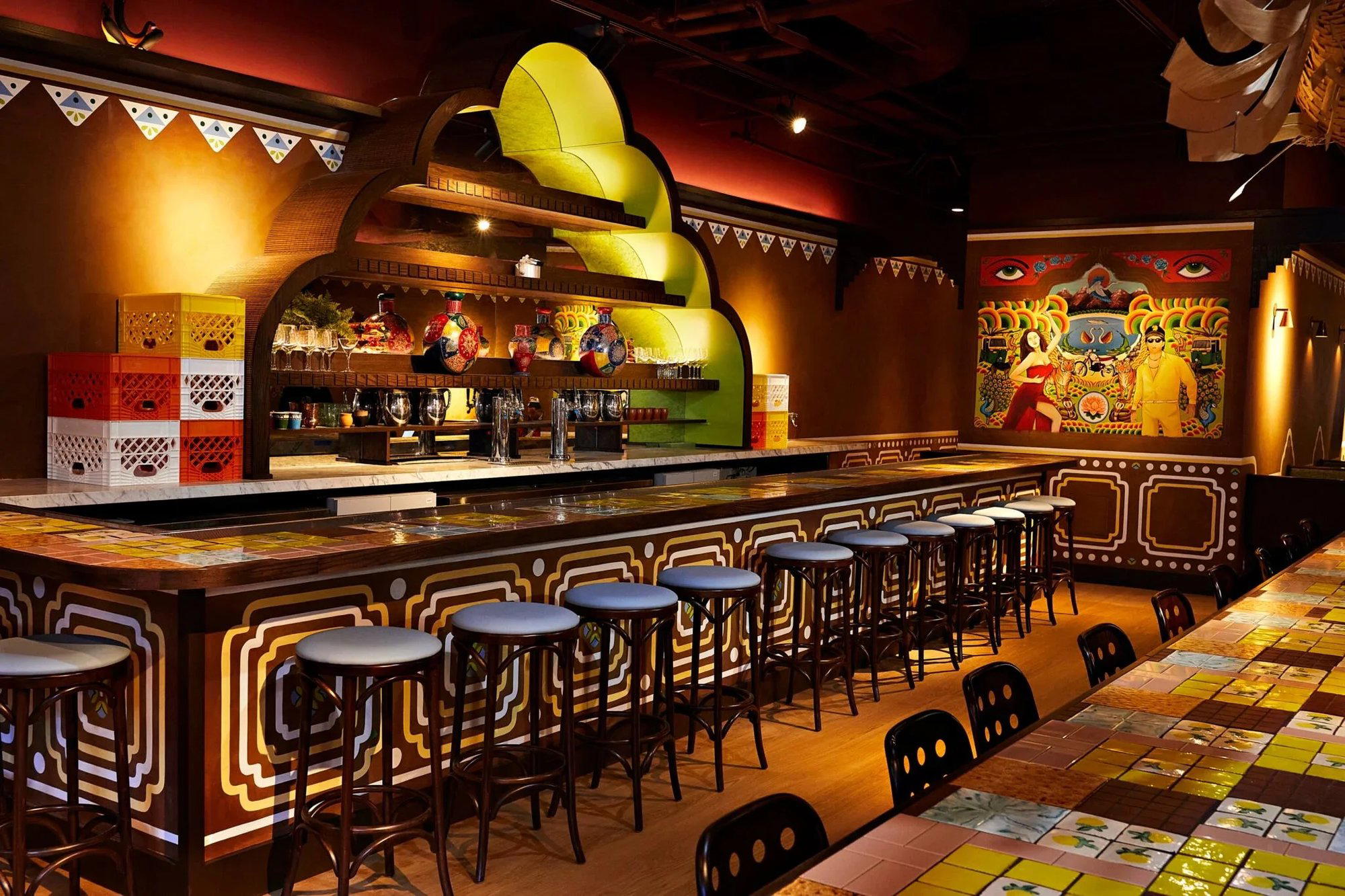
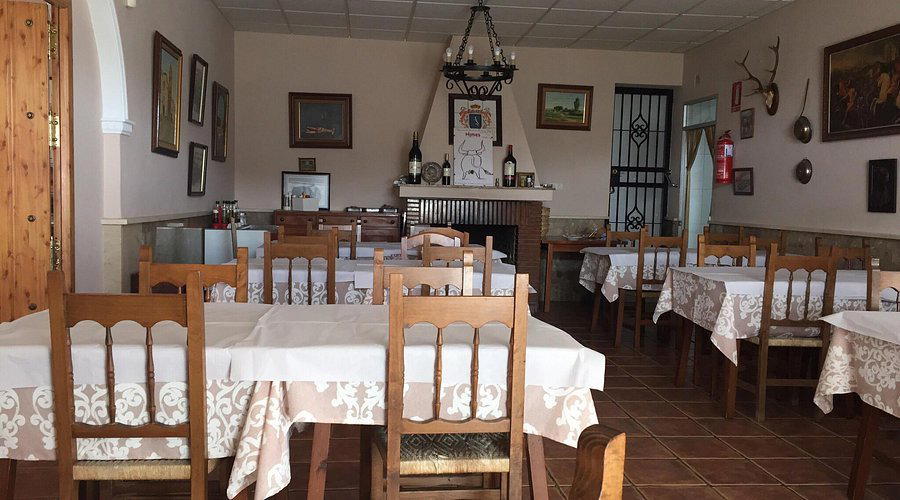
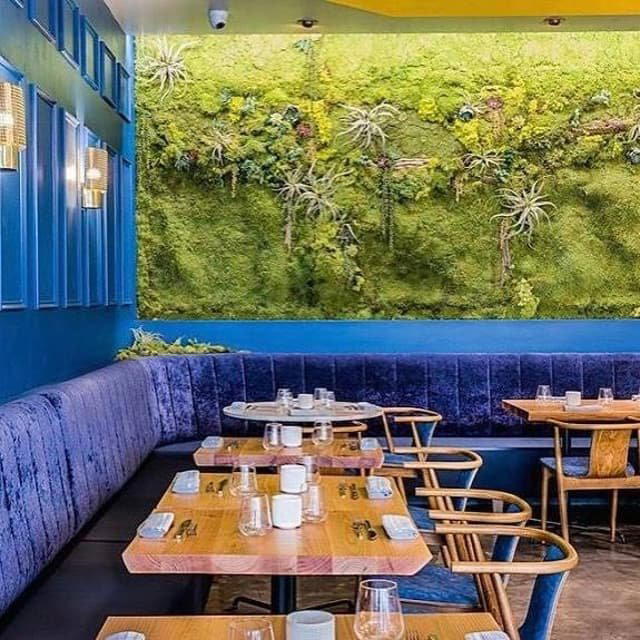
Warm and colorful atmosphere with chill music vibe and open kitchen aromas.
Know Before You Go
- Getting there
- 840 N Eutaw St, Baltimore, MD 21201