Million Goods
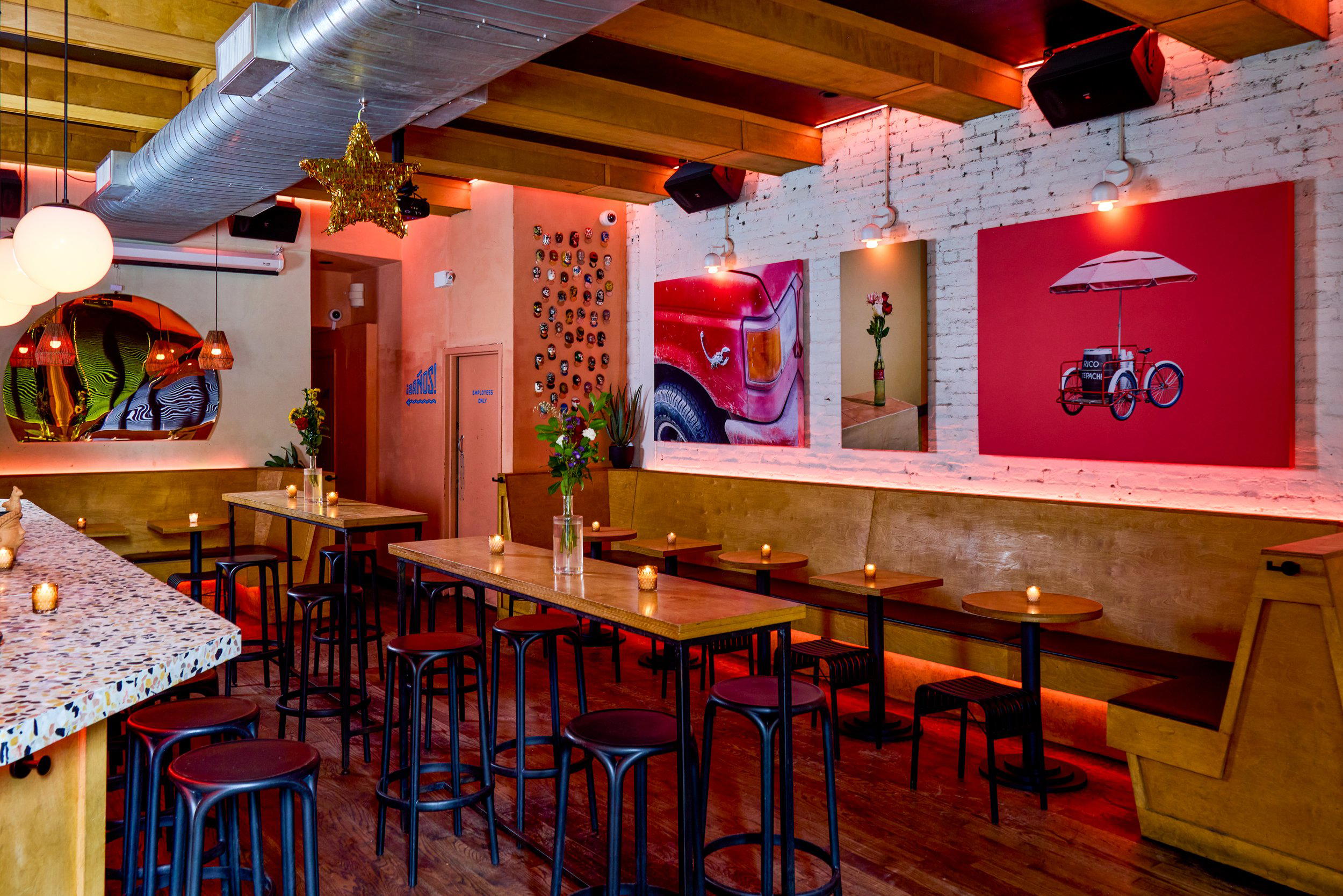
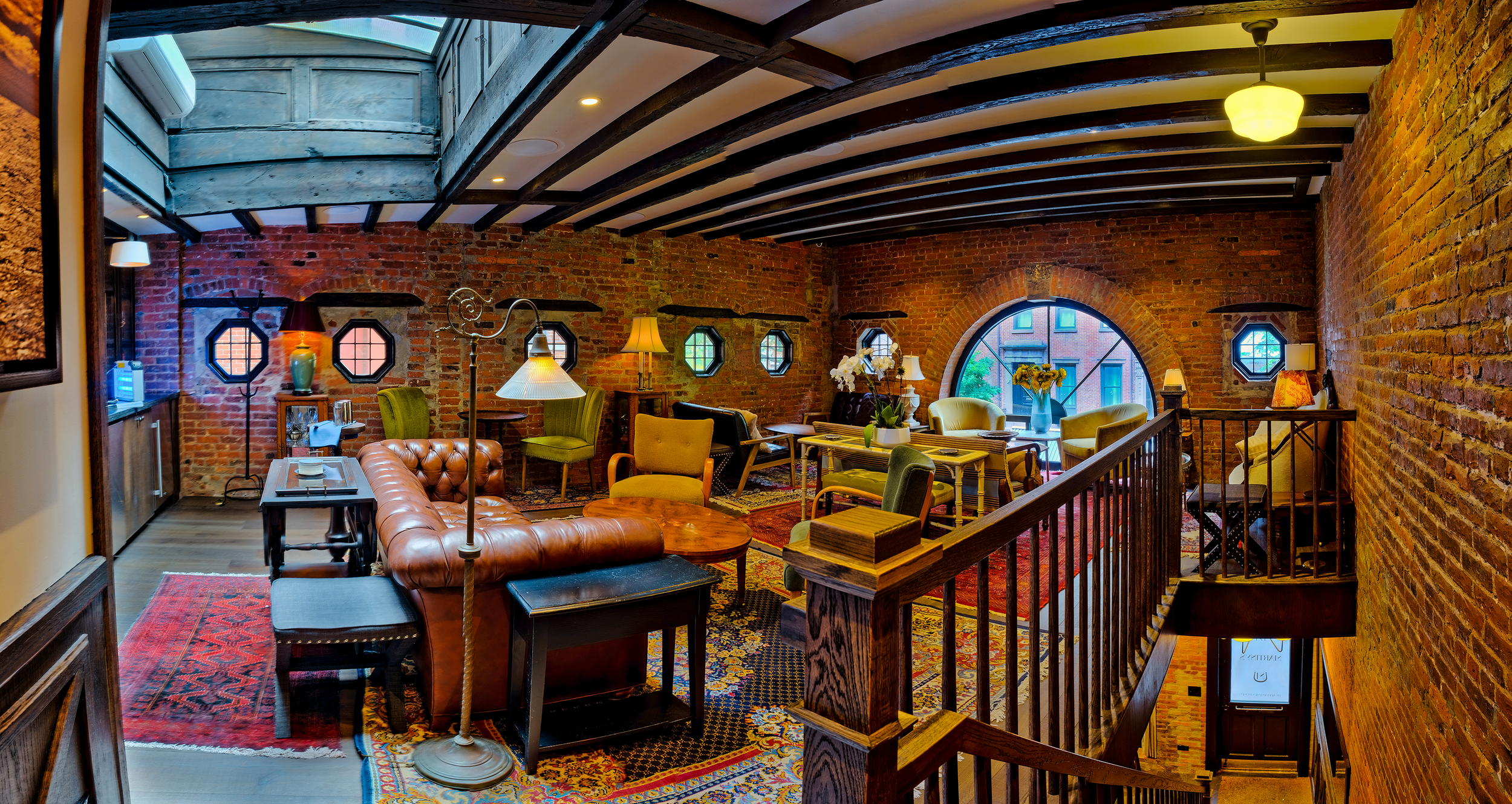
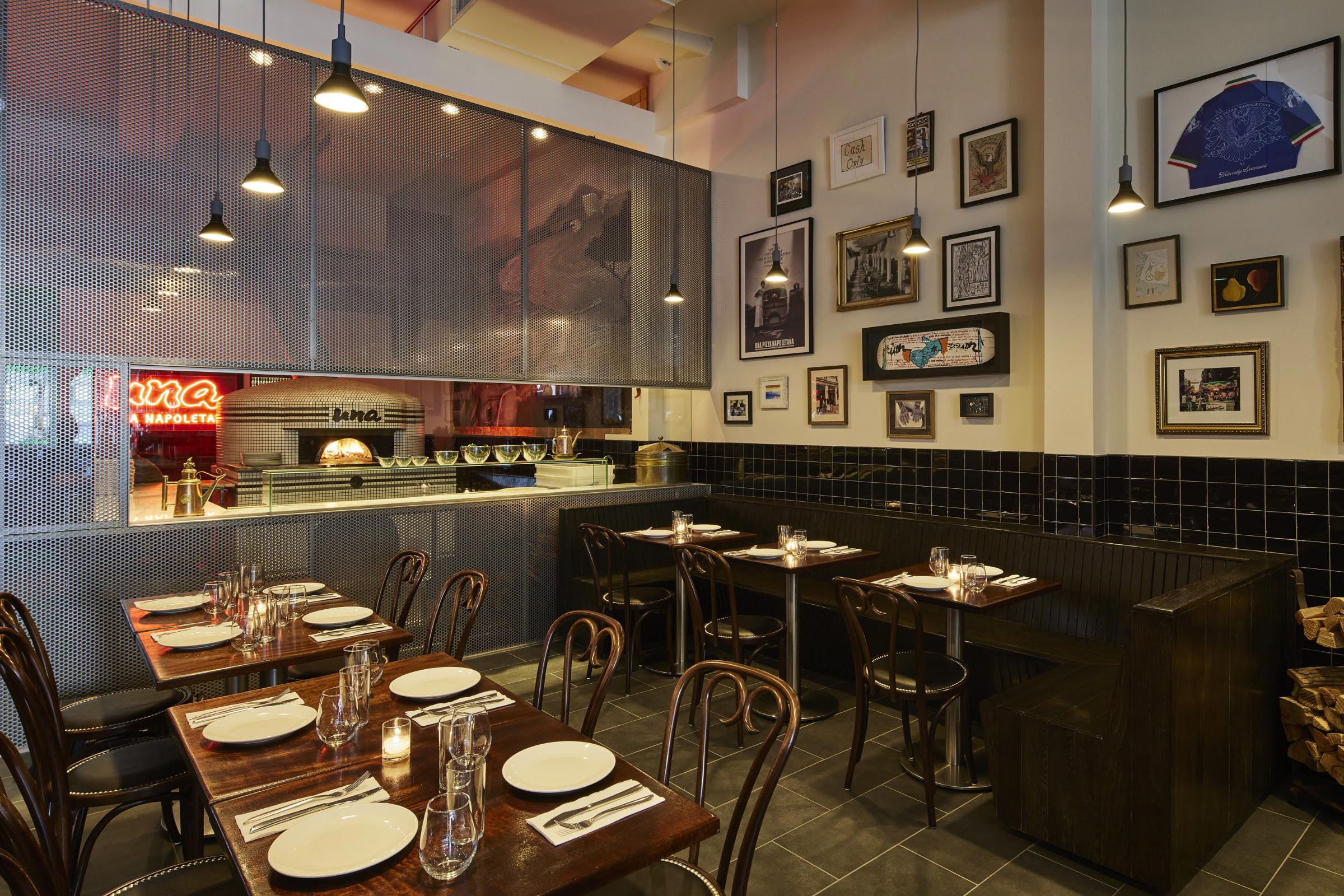
Million Goods occupies a corner of Greenpoint, Brooklyn, where the bar food and drinks programme operate in close conversation with each other rather than as separate departments. Located at 88 Franklin St, it sits within a Brooklyn drinking scene that has shifted decisively toward food-forward bar formats. For visitors tracking where New York's bar culture is moving next, Greenpoint is worth the detour.
Pearl is the En Primeur Club membership app — saves, bookings, and concierge access live there. Same editors, same standards.
- Address
- 88 Franklin St, Brooklyn, NY 11222
- Phone
- +1 929 833 1790
- Website
- million-goods.com
- Directions
- Get directions
 Saves & bookings on Pearl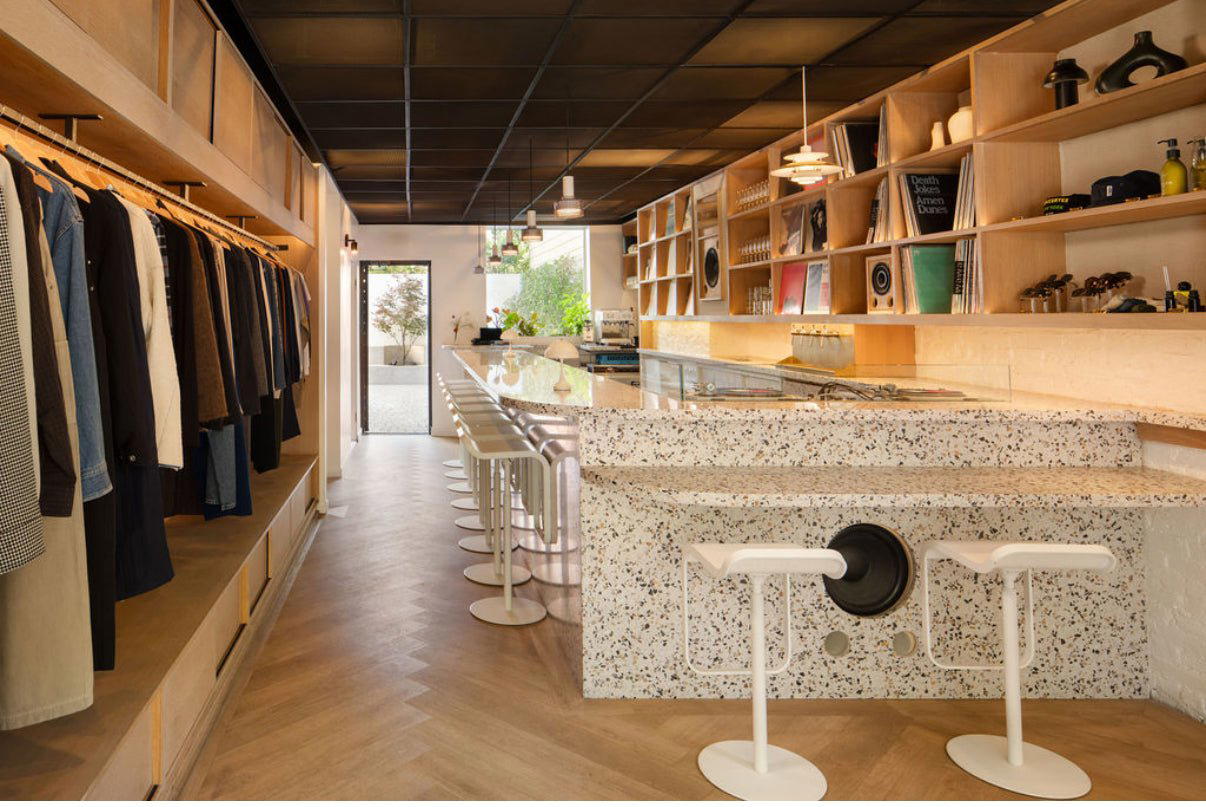
A Brooklyn Bar Where the Kitchen Has an Equal Vote
Franklin Street in Greenpoint runs through one of Brooklyn's quieter residential grids, a neighbourhood that absorbed a wave of serious bar and restaurant operators over the past decade as Manhattan rents compressed the options for independent operators. The block around 88 Franklin sits at a remove from the louder bar corridors of Williamsburg to the south, which means the venues that have taken root here tend to attract a clientele that sought them out specifically rather than stumbled in from a crawl. That self-selecting quality shapes the room before a single drink is poured.
Million Goods operates inside this context. The broader shift in New York's drinking culture over the past several years has moved decisively away from drinks-only bar programmes toward formats where the kitchen and the bar function as a single editorial unit, each side of the menu informing the other. Superbueno in the East Village built its reputation around exactly this model, with food anchoring the bar experience rather than supplementing it. Attaboy NYC in the Lower East Side represents the other end of that spectrum, where the drinks are the undisputed text and food barely registers. Million Goods sits somewhere in the middle of that continuum, in a borough that has made the food-forward bar its default mode.
The Pairing Logic: When the Kitchen and the Bar Co-Author the Menu
The bar food and drinks pairing format is not new to New York, but the degree to which operators now design the two programmes in tandem is a recent development. The model that Amor y Amargo established on East 6th Street, with its amaro-driven menu built around education and flavour architecture, demonstrated that a bar could function as a coherent tasting format rather than a place to order in isolation. Angel's Share in the East Village, one of the city's longest-running precision cocktail rooms, kept food minimal for years before the wider industry moved toward integration.
The argument for pairing-led bar programmes is partly practical and partly flavour-driven. A cocktail built around bitter amaro reads differently alongside fatty, salt-cured bar food than it does next to something acidic. When a kitchen understands that the drinks list is running a specific flavour narrative, it can write dishes that extend or counterpoint that narrative rather than simply filling the table. This is the discipline that separates a bar with food from a bar food programme, and it is the distinction that Greenpoint's more serious operators have been working through in recent years.
Nationally, particularly referenced examples of this integration include Kumiko in Chicago, where the Japanese-influenced drinks and food menus operate as a single tasting logic, and Jewel of the South in New Orleans, which draws on the Creole pantry to give its cocktail programme a specific regional food identity. ABV in San Francisco built its reputation on a similar premise, pairing a serious food kitchen with a technically ambitious bar. These are the peer comparators that define what a coherent food-and-drink bar programme looks like at its most considered.
Greenpoint as a Drinking Neighbourhood
Understanding Million Goods requires understanding where Greenpoint sits in Brooklyn's bar geography. The neighbourhood draws a population that skews toward creative industries and long-term residents rather than the transient bar-hopper demographic that cycles through Williamsburg's Bedford Avenue corridor. That composition tends to produce bar audiences with higher tolerance for unfamiliar formats and lower demand for the familiar comfort of a generic cocktail list. It is the kind of neighbourhood where a bar can run an unusual programme and trust that a portion of its regulars will track with it.
This mirrors dynamics visible in other cities where mid-tier residential neighbourhoods have become incubators for bar experimentation. Bar Leather Apron in Honolulu operates in a similar residential-adjacent context, away from the main tourist corridors, which has given it freedom to develop a more specific drinks identity than a venue on a high-traffic strip could sustain. Allegory in Washington, D.C. benefits from a comparable dynamic, where the venue's location inside a hotel slightly off the main circuit gives it room to run a more conceptually specific programme. Julep in Houston made a similar calculation in its neighbourhood positioning. The Parlour in Frankfurt on the Main demonstrates that this neighbourhood-over-footfall logic holds internationally as well.
For the visitor arriving in Greenpoint specifically to eat and drink, the area rewards a slower approach than a Manhattan bar circuit. Evening is the operative window; the neighbourhood's bar character is compressed into a few hours that read differently from the daytime.
How Million Goods Fits the Broader New York Bar Map
New York's cocktail bar scene has stratified over the past decade into several distinct tiers. The highest-profile precision rooms, concentrated in Manhattan, compete on technique, staffing credentials, and recognition from lists like the World's 50 Best Bars. A second tier operates with serious programmes but without the same international profile, relying on neighbourhood loyalty and word-of-mouth rather than awards cycles. A third tier runs accessible, well-executed programmes oriented toward the local drinking public rather than the cocktail tourist.
For readers building a New York bar itinerary, this matters. A venue in Greenpoint at 88 Franklin is not competing for the same visit as a precision room in the West Village. It is competing for the evening when you want a bar that is embedded in a neighbourhood rather than performing for an audience of bar tourists. That is a different kind of value proposition, and one that New York's outer-borough bar scene has become increasingly good at delivering.
Planning Your Visit
Address: 88 Franklin St, Brooklyn, NY 11222. Getting there: The G train serves the area via Greenpoint Avenue and Nassau Avenue stations, both a short walk from Franklin Street. Reservations: Hours: Tue: 12–10 PM; Wed: 12 PM–12 AM; Thu: 12 PM–12 AM; Fri: 12 PM–12 AM; Sat: 12 PM–12 AM; Sun: 12–10 PM; Mon: Closed. Dress: No dress code on record; Greenpoint's bar culture generally runs casual to smart-casual.
What It’s Closest To
Comparable venues nearby, for context on price, style, and recognition.
| Venue | Cuisine | Price | Notes |
|---|---|---|---|
| Million GoodsThis venue — the venue you are viewing | Bar | Not listed | Not listed |
| Hidden Lane Bar | cocktail_bar | $$ | Gramercy |
| The Gutter L.E.S. | dive_bar | $$ | Lower East Side |
| Other Half Brewing - Rockefeller Center Taproom | beer_bar | $$ | Midtown-Times Square |
| Down the Hatch | dive_bar | $$ | West Village |
| Peaches HotHouse | pub | $$ | Bedford-Stuyvesant (West) |
Continue exploring
More in New York City
Bars in New York City
Browse all →
Restaurants in New York City
Browse all →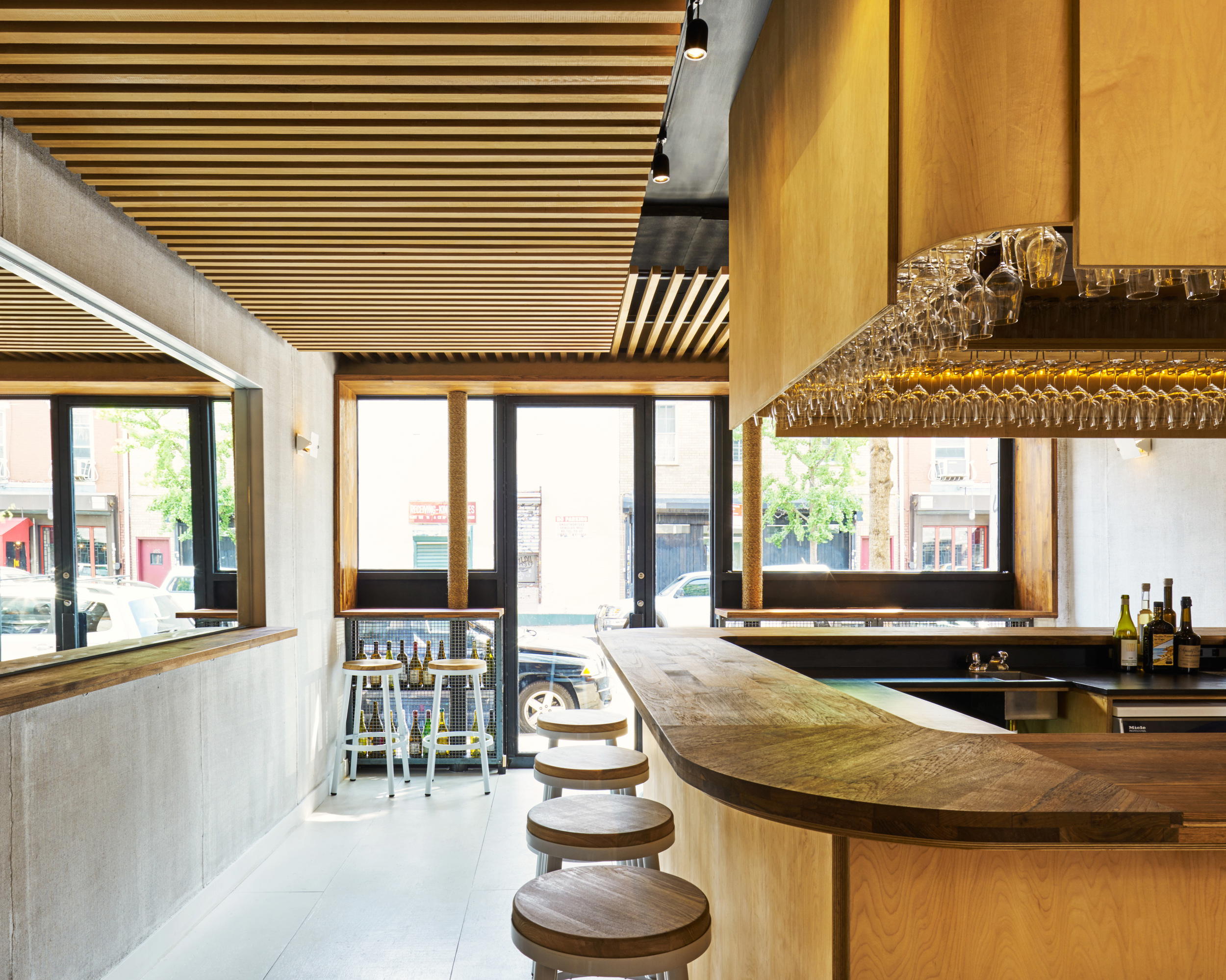
Hotels in New York City
Browse all →





At a Glance
- Modern
- Trendy
- Intimate
- Date Night
- After Work
- Late Night
- Group Outing
- Casual Hangout
- Standalone
- Design Destination
- Seated Bar
- Lounge Seating
- Natural Wine
- Low Abv
- Street Scene
Current opening hours
- Monday
- Closed
- Tuesday
- 12–10 PM
- Wednesday
- 12 PM–12 AM
- Thursday
- 12 PM–12 AM
- Friday
- 12 PM–12 AM
- Saturday
- 12 PM–12 AM
- Sunday
- 12–10 PM
Hours can change for holidays and private events. Last verified .
A stylish, low-key Greenpoint space that blends menswear retail, wine bar culture, and hi-fi listening in a hangout-oriented environment.