Hidden Lane Bar
Hidden Lane Bar on East 15th Street sits in the Gramercy-Flatiron corridor, a stretch of Manhattan where the bar scene trades on atmosphere over spectacle. The address places it within walking distance of Union Square's evening traffic, drawing a crowd that prefers considered spaces to high-volume venues. For those tracking New York's quieter, more deliberate drinking culture, it warrants attention.
Pearl is the En Primeur Club membership app — saves, bookings, and concierge access live there. Same editors, same standards.
- Address
- 129 E 15th St, New York, NY 10003
- Phone
- +1 201 749 1876
- Website
- hiddenlanebar.com
- Directions
- Get directions
 Saves & bookings on Pearl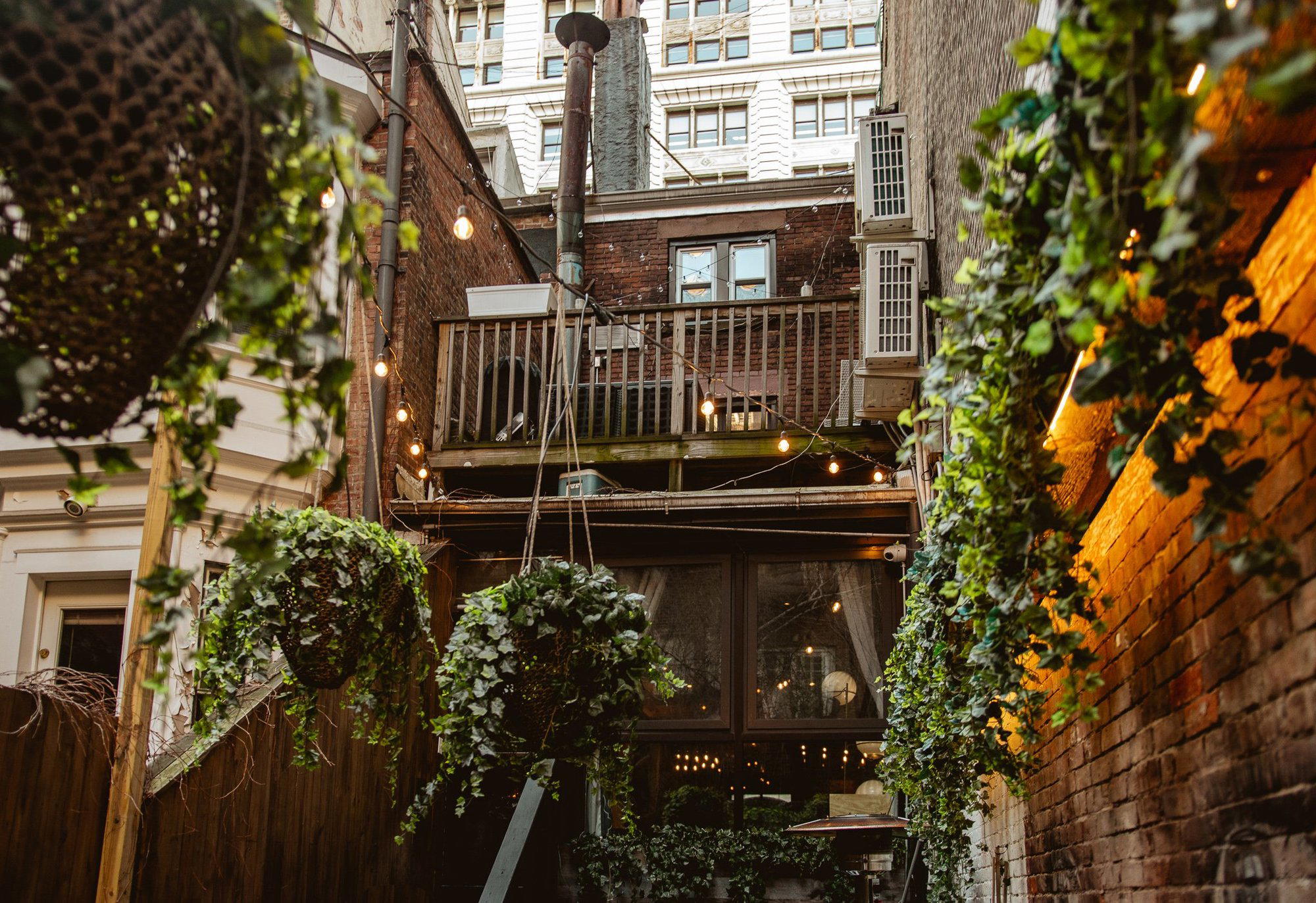
A Street That Rewards the Unhurried
East 15th Street between Irving Place and Third Avenue occupies a particular register in Manhattan's drinking geography. The block sits just south of Gramercy Park proper, north of the NYU-adjacent chaos of lower Union Square, and far enough from the Meatpacking District and the Lower East Side that the venues here tend to attract people who have made a specific decision rather than a convenient one. It is not a place you stumble into.
That quality, in New York, is meaningful. The city's bar culture has spent the better part of two decades sorting itself into legible tiers. At the high end, technically driven programs at places like Attaboy NYC on the Lower East Side or Amor y Amargo in the East Village have set a standard for focused, personality-led menus. Below that, the volume-first venues operate on throughput. Hidden Lane Bar occupies the quieter middle register: a neighbourhood bar with a specific address and an atmosphere shaped by physical space rather than programming noise.
What the Room Does
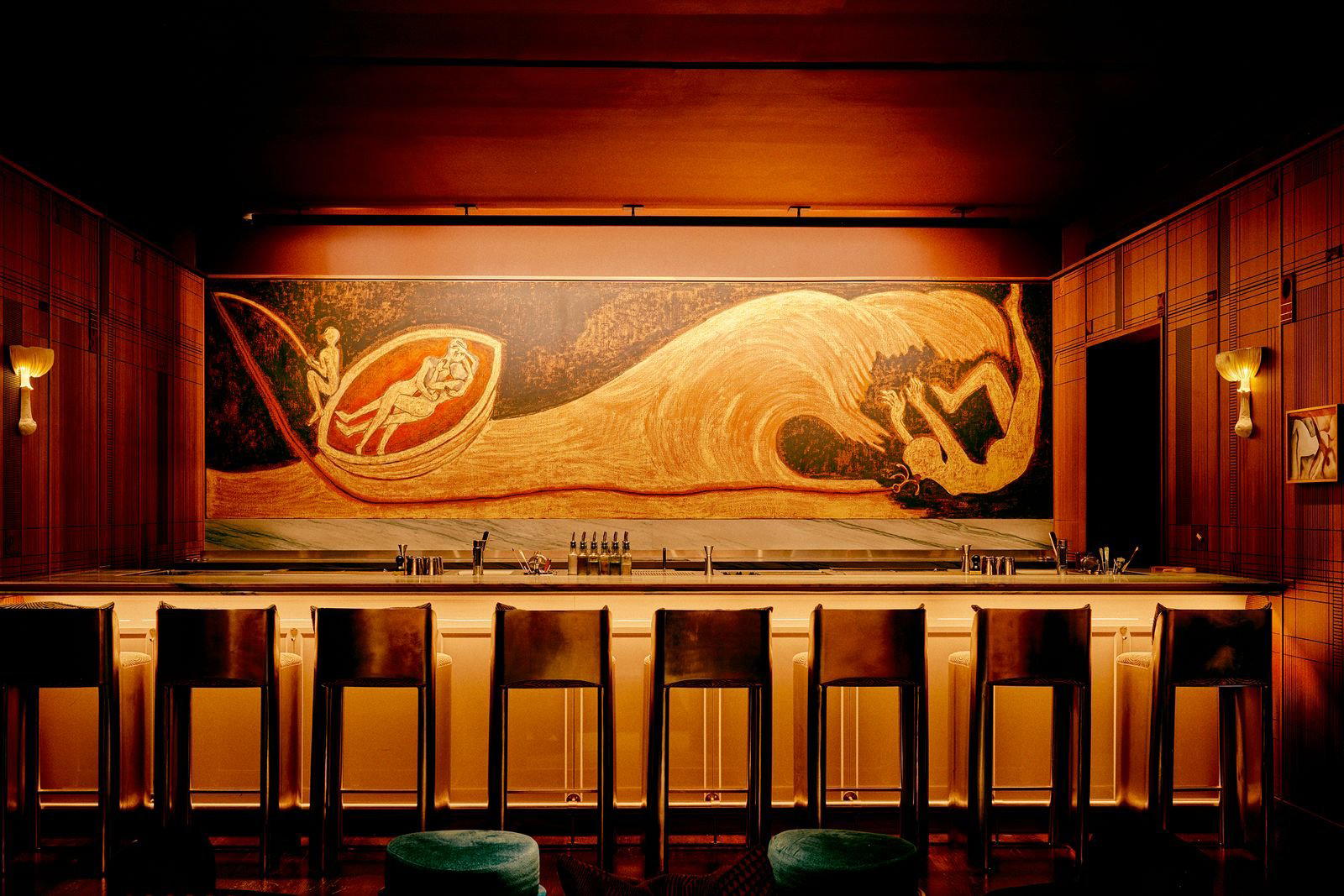
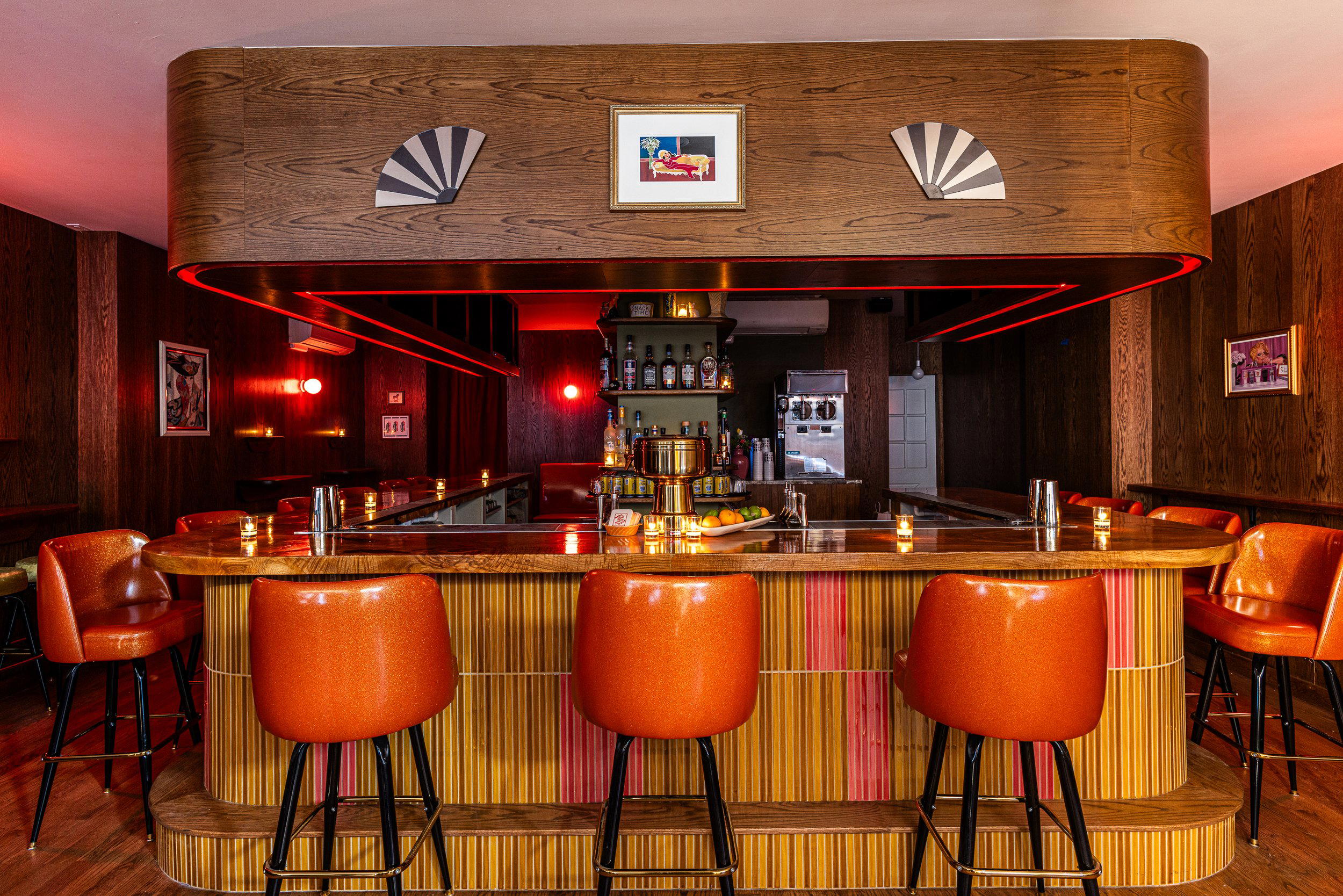
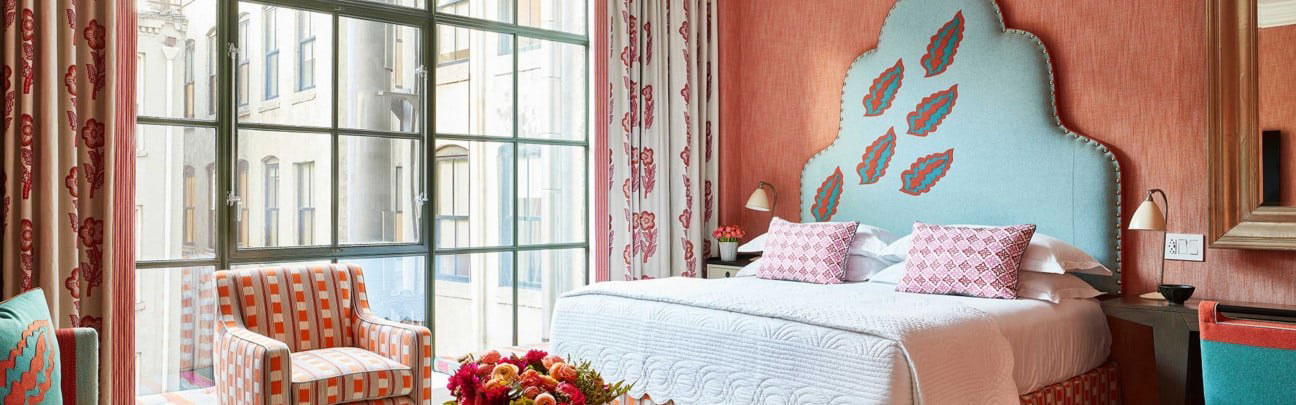
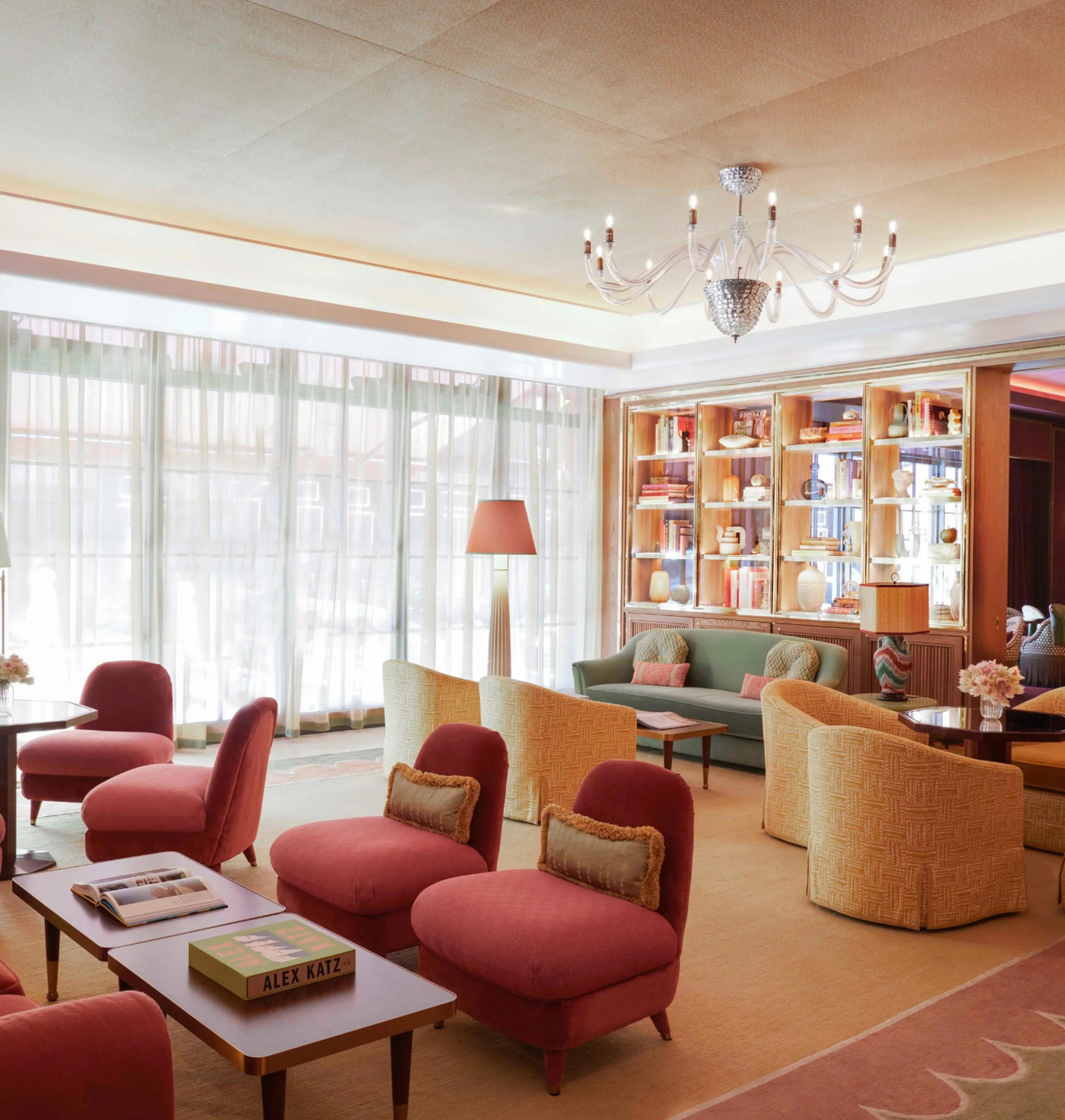
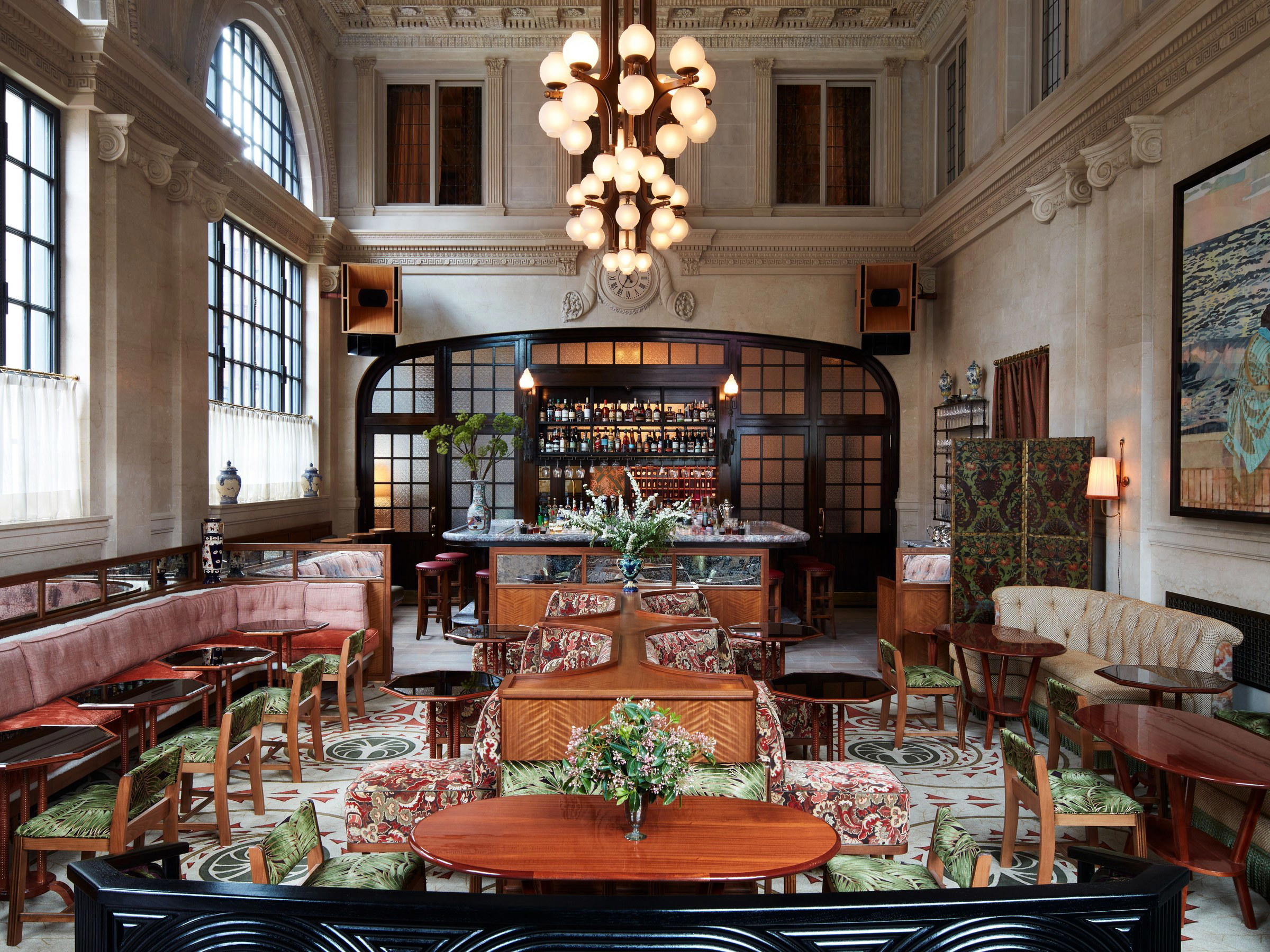
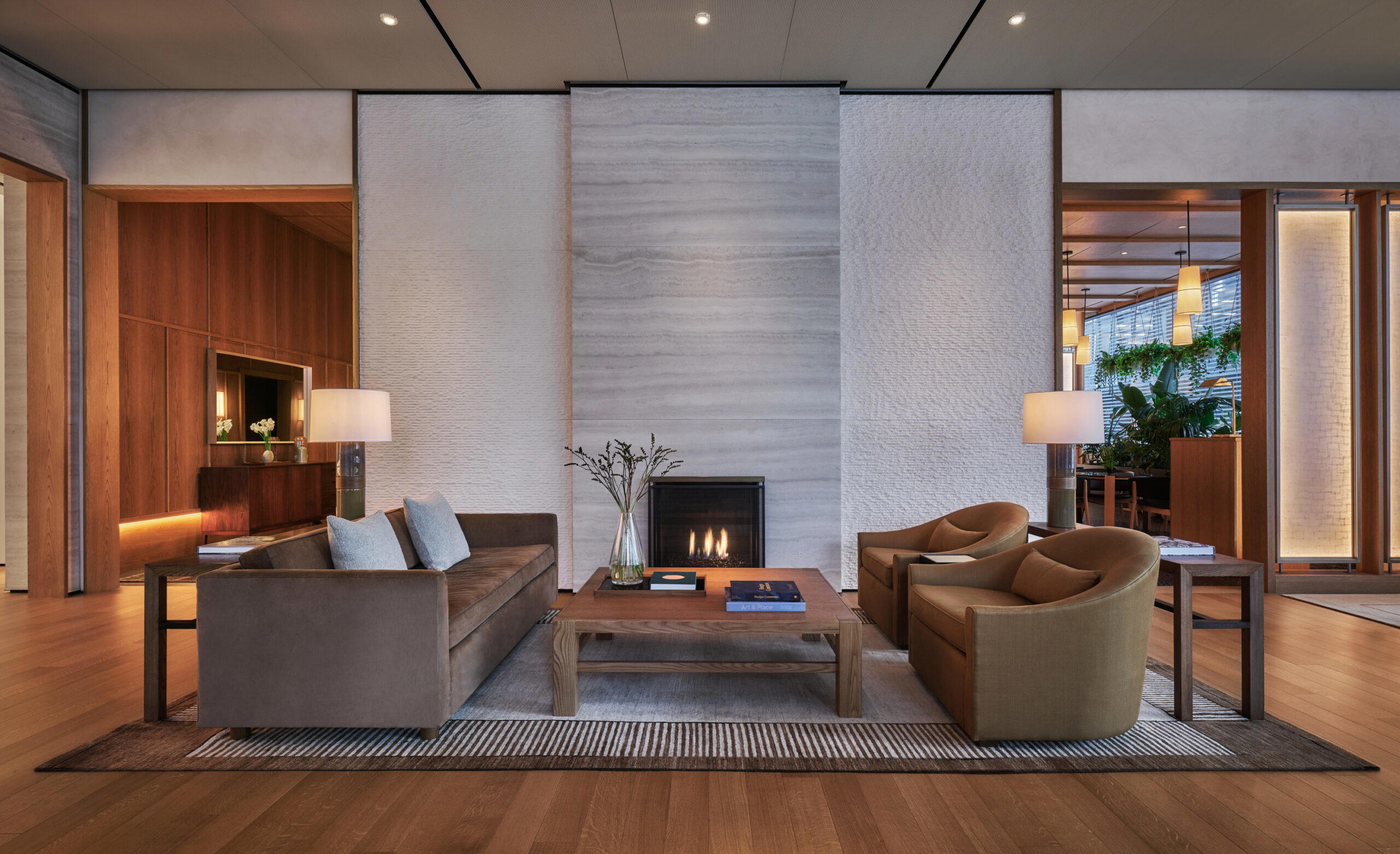
The design language of bars on this stretch of Manhattan tends toward restraint. Owners who open here are not competing with the theatrics of, say, a hotel lobby bar in Midtown, and that decision shapes everything from lighting choices to the acoustic character of the room. Spaces in this tier typically favour low, warm light sources over overhead brightness, seating that encourages longer stays, and a sound level that permits actual conversation. These are not aesthetic accidents; they reflect a considered position about what a bar should do for the person sitting in it.
Hidden Lane Bar at 129 East 15th Street works within that tradition. The Gramercy-Flatiron corridor has historically produced bars that function as neighbourhood anchors rather than destination venues, places where the room itself is the experience rather than a backdrop to it. That framing, atmosphere-first over program-first, places Hidden Lane in a different competitive set than the technically celebrated cocktail rooms further downtown. It is closer in spirit to the quieter, design-led bar formats that have emerged across American cities: Kumiko in Chicago occupies a similar register of considered restraint, as does Bar Leather Apron in Honolulu, where the physical environment carries as much weight as the menu.
Where It Sits in the New York Scene
New York's cocktail culture has moved through several identifiable phases since the early 2000s. The speakeasy revival peaked and receded. The ingredient-obsessed, farm-to-glass wave that followed produced serious work but also considerable self-seriousness. The current moment is somewhat more pragmatic: drinkers in Manhattan increasingly want rooms that are good to be in, not just bars that demonstrate technical competence. That shift has benefited neighbourhood-anchored venues across the five boroughs.
The Gramercy area specifically has a track record of sustaining bars with longevity. The neighbourhood's residential density and relatively stable foot traffic from the surrounding office and academic buildings (the New School sits immediately west, Baruch College to the east) means bars here are not as exposed to the weekend-only boom-bust cycle that affects more tourist-heavy corridors. Venues that establish a weeknight regular base here tend to last. That structural advantage is worth noting when assessing Hidden Lane Bar's position.
For context on the broader New York drinking scene, including neighbourhood breakdowns and venue tiers across Manhattan and beyond, our full New York City restaurants guide maps the landscape in more detail. Bars like Angel's Share in the East Village and Superbueno in Greenpoint represent different ends of the city's current bar ambition, and understanding where Hidden Lane sits relative to those poles is useful framing for a first visit.
Beyond New York: The Atmosphere-First Bar Format
The approach the bar reflects is not distinctive to Manhattan. Across American cities, a cohort of bars has built reputations primarily on the quality of the room rather than the celebrity of the program. Jewel of the South in New Orleans does this with historical architecture and a menu calibrated to its surroundings. Julep in Houston anchors its identity in regional material and a deliberate sense of place. ABV in San Francisco and Allegory in Washington, D.C. each use the physical environment as a primary editorial statement.
Internationally, the format has taken hold in cities where bar culture has matured beyond the novelty phase. The Parlour in Frankfurt on the Main is a useful European comparison: a room-first operation where the lighting, seating layout, and acoustic control do the heavy lifting that a flashy menu would do elsewhere.
The bar belongs to this category of venue: the bar as a place, rather than the bar as a program. In a city that has more technically accomplished cocktail rooms per square mile than almost anywhere on earth, that distinction has its own value.
Planning a Visit
The address, 129 East 15th Street, is direct to reach from the 4, 5, 6, L, N, Q, R, and W trains at Union Square, approximately three blocks west. The 14th Street-Union Square hub is among the stronger-served transit intersections in Manhattan, which makes the Gramercy-Flatiron corridor accessible from virtually every part of the city without requiring a transfer. For visitors coming from Midtown or from Brooklyn via the L, Union Square is a direct stop.
Hours are Mon to Fri 5 PM to 12 AM, Sat 5 PM to 2 AM, and Sun closed. Walk-ins are welcome.
Budget and Context
Comparable venues nearby, for context on price, style, and recognition.
| Venue | Cuisine | Price | Notes |
|---|---|---|---|
| Hidden Lane BarThis venue — the venue you are viewing | Not listed | $$ | Not listed |
| Bar 7 | Greenwich Village, lounge | $$ | Not listed |
| Bar Ferdinando | Not listed | $$ | Carroll Gardens, cocktail_bar |
| Wilfie & Nell | West Village, pub | $$ | Not listed |
| Dickson's Farmstand Meats | Not listed | $$ | Chelsea-Hudson Yards, beer_bar |
| Bessou | Chelsea-Hudson Yards, lounge | $$ | Not listed |
Continue exploring
More in New York City
Bars in New York City
Browse all →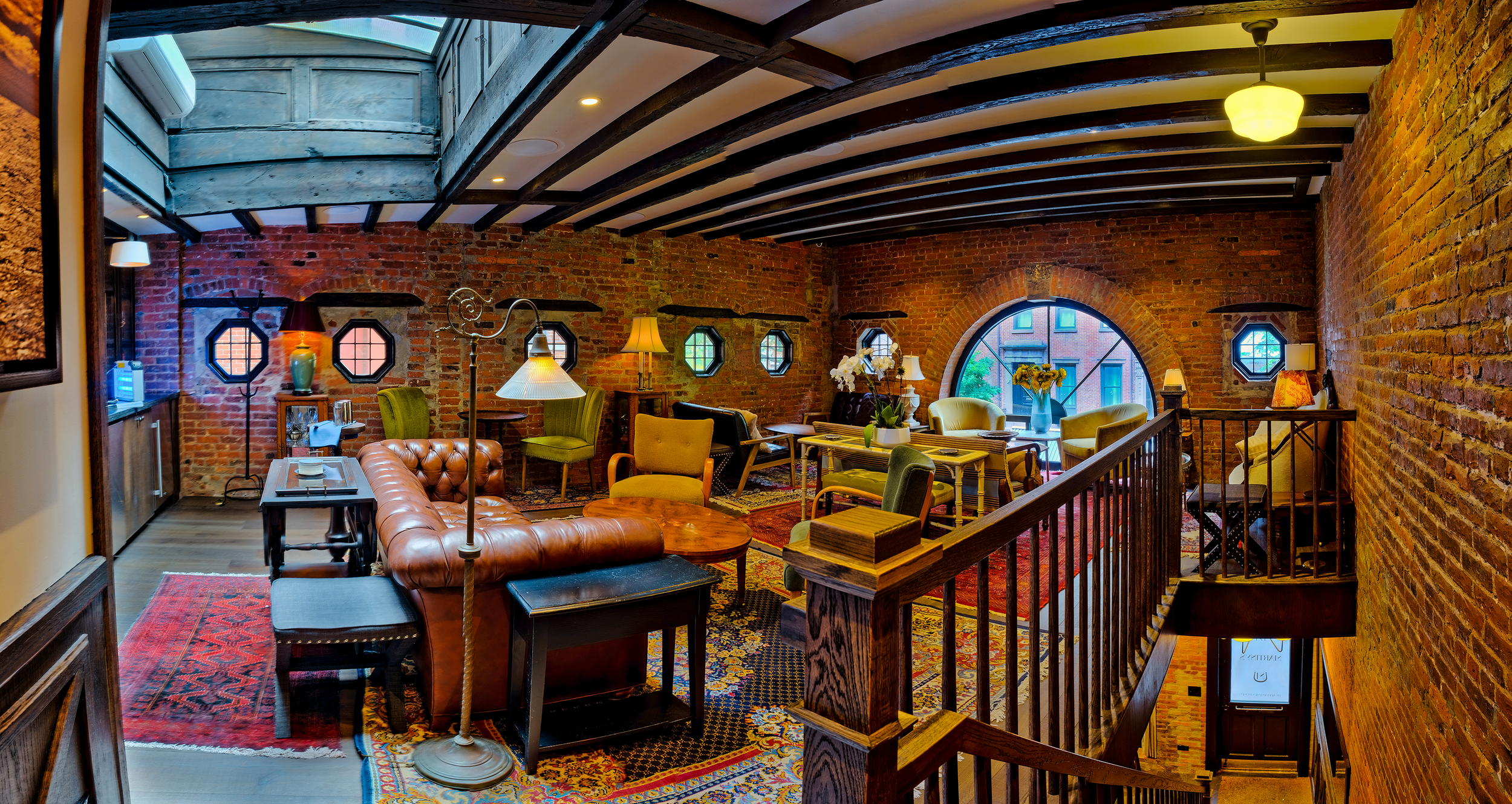
Restaurants in New York City
Browse all →
Hotels in New York City
Browse all →




At a Glance
- Cozy
- Intimate
- After Work
- Casual Hangout
- Date Night
- Standalone
- Lounge Seating
- Outdoor Terrace
- Craft Cocktails
- Classic Cocktails
Current opening hours
- Monday
- 5 PM–12 AM
- Tuesday
- 5 PM–12 AM
- Wednesday
- 5 PM–12 AM
- Thursday
- 5 PM–12 AM
- Friday
- 5 PM–12 AM
- Saturday
- 5 PM–2 AM
- Sunday
- Closed
Hours can change for holidays and private events. Last verified .
Intimate bi-level lounge with cozy interior well-suited for low-key socializing.