Peaches HotHouse
A Bed-Stuy fixture on Tompkins Avenue, Peaches HotHouse draws Brooklyn regulars and out-of-borough visitors alike for Southern-rooted cooking set against a neighbourhood dining culture that prizes directness over ceremony. The address puts it squarely in one of Brooklyn's most food-conscious corridors, where sourcing decisions and community ties carry as much weight as what arrives on the plate.
Pearl is the En Primeur Club membership app — saves, bookings, and concierge access live there. Same editors, same standards.
- Address
- 415 Tompkins Ave, Brooklyn, NY 11216
- Phone
- +1 718 483 9111
- Website
- bcrestaurantgroup.com
- Directions
- Get directions
 Saves & bookings on Pearl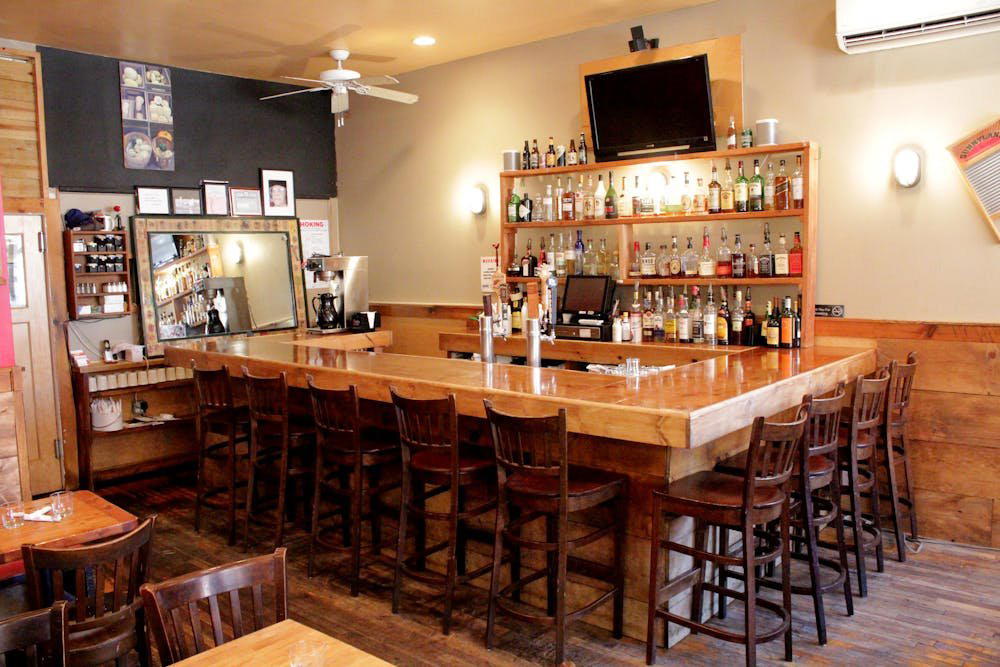
Southern Cooking and the Brooklyn Sourcing Shift
Brooklyn's restaurant scene has spent the better part of two decades working through what it means to cook Southern food in a Northern city. Early arrivals leaned on nostalgia and portion size. The more recent cohort has moved toward a different set of questions: where does the chicken come from, who grows the greens, and what does it mean to run a neighbourhood restaurant in a community with its own food history? Peaches HotHouse is a bar in Brooklyn at 415 Tompkins Ave, with. Peaches HotHouse, at 415 Tompkins Avenue in Bed-Stuy, sits inside that later conversation. The address is not incidental. Tompkins Avenue runs through one of Brooklyn's most food-aware neighbourhoods, and the expectations on that block are specific.
Peaches HotHouse has operated in Bed-Stuy long enough to have watched the neighbourhood change around it, and the HotHouse format reflects a particular strand of that evolution: fast-casual in pace, but with sourcing commitments that align it with full-service peers rather than chain fast food. That positioning matters when you read the menu in context. Southern fried chicken done at this level is not a simple proposition. The supply chain behind a properly sourced bird, the oil management required for consistent frying, and the side dish program that has to carry equal weight all represent operational decisions with clear ethical and environmental dimensions.
What the Neighbourhood Demands
Bed-Stuy's dining corridor has developed a particular intolerance for half-measures. Restaurants that opened here on novelty alone have cycled out; the ones with staying power have tended to be those with clear community orientation and transparent sourcing. That pattern is visible across the borough more broadly. Brooklyn's most durable neighbourhood spots, from the farm-to-table operators in Carroll Gardens to the Caribbean-influenced kitchens along Flatbush, share a common thread: they source deliberately, waste less, and treat the block as a stakeholder rather than a backdrop.
The bar operates within that framework. For a venue running a fried chicken concept, the environmental story lives in procurement choices. Humanely raised poultry from regional farms, cooking oils handled with proper recycling protocols, and vegetable-forward sides sourced from smaller suppliers all add up to a footprint that differs meaningfully from industrially sourced fast food. These are not marketing talking points in the Bed-Stuy context; they are baseline expectations from a customer base that reads labels and asks questions.
The Fast-Casual Format as Ethical Infrastructure
There is an underappreciated environmental logic to the fast-casual format when it is run correctly. Lower overhead than a full-service restaurant means less energy use per cover. Counter service eliminates the linen and silver programs that add to full-service waste streams. A tighter, more focused menu reduces spoilage relative to a kitchen running thirty or forty dishes. None of these advantages materialise automatically; they require deliberate menu design and supply chain discipline. But at its leading, the format is structurally more efficient than the tablecloth model.
Southern food in particular benefits from this discipline. The tradition is rooted in cooking that wastes nothing: using the whole bird, building flavour from bones and scraps, treating side dishes as primary rather than secondary. Fried chicken done in the Southern idiom is a study in extracting maximum value from a single protein, which is a different culinary philosophy from the protein-as-centrepiece model that dominates most American restaurant menus. Venues operating in this tradition, whether in Brooklyn or elsewhere, are working within a food culture that has always understood restraint and resourcefulness.
For reference points in how sustainability-conscious fast-casual and bar-adjacent concepts operate at a city and regional level, the EP Club network covers a range of venues across the United States: ABV in San Francisco has built a reputation on ingredient-forward programming, while Kumiko in Chicago demonstrates how Japanese-influenced precision applied to local sourcing can define a venue's identity. On the bar side in New York specifically, Amor y Amargo and Attaboy NYC represent the technically rigorous end of the city's drinks culture, while Superbueno and Angel's Share anchor distinct stylistic traditions.
Brooklyn in the Broader American Fried Chicken Conversation
Fried chicken has become one of American dining's most contested categories. Nashville hot, Korean double-fried, Japanese karaage, and the Southern buttermilk-brined tradition all operate in the same cultural space, and Brooklyn has restaurants pulling from most of these lineages. What distinguishes the Peaches approach is its Southern American framing, which carries specific expectations around seasoning, texture, and side dish composition. Collard greens, mac and cheese, cornbread: these are not generic accompaniments but dishes with their own regional grammar, and getting them right requires sourcing and cooking decisions that a purely trend-chasing kitchen would not make.
Compared to Southern-inflected concepts in other American cities, including Jewel of the South in New Orleans and Julep in Houston, the Brooklyn context adds a specific kind of pressure: a food-aware, culturally diverse customer base that has strong opinions about authenticity and sourcing. That pressure, when it works, produces better food. When restaurants in this neighbourhood cut corners, it shows quickly.
For readers building a broader map of where Brooklyn food sits relative to the rest of the EP Club network, our full New York City restaurants guide covers the range from downtown Manhattan cocktail bars to outer-borough neighbourhood institutions. Further afield, Bar Leather Apron in Honolulu and Allegory in Washington, D.C. and The Parlour in Frankfurt on the Main represent how the same commitment to ingredient sourcing and programme depth plays out in different urban contexts.
Know Before You Go
Address: 415 Tompkins Ave, Brooklyn, NY 11216
Neighbourhood: Bed-Stuy, Brooklyn
Format: Fast-casual Southern fried chicken and sides
Booking: Walk-ins are the standard format for this type of counter-service operation.
Getting There: The G train serves the area, with the A and C lines nearby.
Leading Timing: Weekday lunches and early dinners tend to offer shorter waits.
Cuisine and Awards Snapshot
Comparable venues nearby, for context on price, style, and recognition.
| Venue | Cuisine | Price | Notes |
|---|---|---|---|
| Peaches HotHouseThis venue — the venue you are viewing | pub | $$ | Not listed |
| Goodnight Sonny | cocktail_bar | $$ | East Village |
| Via Della Pace | wine_bar | $$ | East Village |
| Kesté Pizza e Vino | wine_bar | $$ | Financial District-Battery Park City |
| Spicy Moon West Village | cocktail_bar | $$ | Greenwich Village |
| Hometown Bar-B-Que | pub | $$ | Carroll Gardens-Cobble Hill-Gowanus-Red Hook |
Continue exploring
More in New York City
Bars in New York City
Browse all →


Restaurants in New York City
Browse all →
Hotels in New York City
Browse all →







At a Glance
- Cozy
- Rustic
- Lively
- Casual Hangout
- After Work
- Standalone
- Seated Bar
- Booth Seating
- Classic Cocktails
- Punch
Current opening hours
- Monday
- 11 AM–10 PM
- Tuesday
- 11 AM–10 PM
- Wednesday
- 11 AM–10 PM
- Thursday
- 11 AM–10 PM
- Friday
- 11 AM–11 PM
- Saturday
- 11 AM–11 PM
- Sunday
- 10 AM–10 PM
Hours can change for holidays and private events. Last verified .
Simple wooden interior with butcher-block tables, slowly revolving ceiling fans, and a warm Southern country cafe feel.