Metrograph
Metrograph on Ludlow Street occupies a particular niche in Lower East Side nightlife: a cinema-anchored destination where the bar program operates with the same curatorial seriousness as the film slate. The cocktail counter draws a crowd that arrives having already committed to an evening, and the drinks reflect that unhurried tempo. For travelers who want a New York bar experience rooted in neighborhood character rather than cocktail-bar celebrity, this address delivers.
Pearl is the En Primeur Club membership app — saves, bookings, and concierge access live there. Same editors, same standards.
- Address
- 7 Ludlow St, New York, NY 10002
- Phone
- +1 212 660 0312
- Website
- metrograph.com
- Directions
- Get directions
 Saves & bookings on Pearl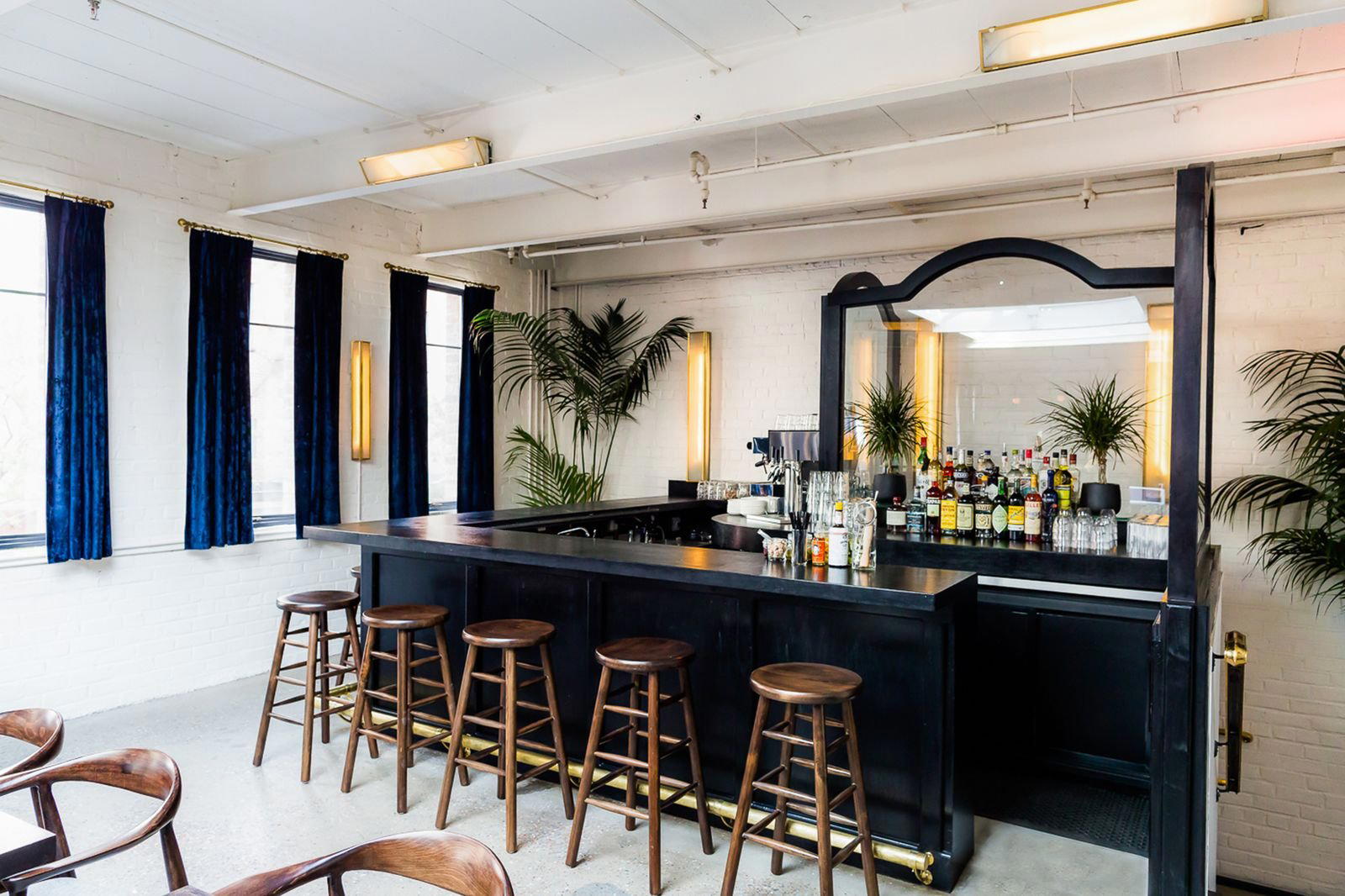
The Lower East Side's Most Considered Drinking Room
There is a category of bar in New York that earns its reputation not through competitive cocktail-bar positioning but through the integrity of the broader experience it anchors. The Lower East Side has long housed a particular drinking culture, one that sits at the intersection of art-house sensibility and neighborhood loyalty, where the room matters as much as what's in the glass. Metrograph, at 7 Ludlow Street, operates precisely in that register. The address is better known as an independent cinema, but the bar and dining room that share the building are not afterthoughts. In cities where programming-led venues often neglect their food and drink, this one applies a comparable level of curatorial attention to the glass as to the screen.
What a Cinema Bar Owes Its Audience
The independent cinema revival of the 2010s and early 2020s created a specific challenge for hospitality: how do you serve an audience that has already committed to spending several hours in a building, and how do you give them a reason to arrive early or linger after? The answer, at the better-executed examples, is a bar program that functions as a destination in its own right rather than a concession stand with better lighting. Metrograph's bar operates on that premise. The room draws people who are there for the films but also people who are there because the bar gives them a reason to be on Ludlow Street that evening regardless of what's screening.
That dynamic shapes the hospitality approach behind the bar. Bartenders here are working a room with a dual constituency: committed cinephiles who want something efficient before a 7pm screening, and a separate crowd that arrived specifically to drink and has no particular schedule. Serving both without the program collapsing into either category is a craft discipline that doesn't get discussed as often as technique in the competitive New York bar conversation. In a city where bars like Amor y Amargo have built their entire identity around a single-category focus, and where Attaboy NYC runs a guest-driven improvised format, the hospitality model at a cinema bar represents a distinct third approach: designing for transition and atmosphere rather than destination drinking alone.
The Bartender's Position in an Unusual Room
The editorial angle on craft bartending has shifted considerably over the past decade. The conversation moved from technique-as-spectacle (tableside smoke, elaborate garnish, fermented syrups as a point of pride) toward something more structural: hospitality philosophy, floor reading, pacing. The leading bars in New York now are evaluated as much on how they manage the room as on what the drinks taste like. Angel's Share, operating upstairs in the East Village for decades, built its reputation on exactly this kind of considered restraint. Superbueno in the West Village approaches hospitality from a more exuberant position. Metrograph sits somewhere between those poles.
The physical environment at 7 Ludlow is worth registering as a hospitality variable in itself. Designed with an evident attention to period detail and material warmth, the bar room projects a specific 1930s-inflected cinephile atmosphere that primes guests differently than a minimalist cocktail bar or a beer-and-shot neighborhood room. What that means for the person behind the bar is that the room is doing significant work before the first drink arrives. The bartender's task is to honor the atmosphere rather than compete with it, and to operate with a reading of the guest's mood that matches what the room is already suggesting. That is a more nuanced brief than it sounds.
Metrograph in the Context of New York's Serious Bar Scene
New York's upper tier of independent bars has diversified considerably since the post-Prohibition Revival era. The clarified-drink, technique-forward model that defined the early 2010s has been joined by venue formats that embed the bar inside a larger cultural proposition: bookshop bars, cinema bars, art-space bars, restaurant-adjacent counter programs. What connects the credible examples in this category is that the bar program doesn't operate as decoration. The same rigor that applies to concept applies to glass.
Nationally, this approach has parallels. Kumiko in Chicago built a bar around a curatorial philosophy that extended beyond drinks into the room's design logic. Jewel of the South in New Orleans operates with a historical consciousness that shapes everything from glassware selection to ice program. Bar Leather Apron in Honolulu translates Japanese hospitality principles into a Pacific context. The common thread is intentionality applied at every level of the experience, not just to the drink recipe. Metrograph belongs in that conversation, with the additional variable that it operates inside a functioning cinema, which gives the bar an event-driven rhythm unlike any standalone cocktail venue.
For comparison against other bars with strong programmatic identities, Allegory in Washington, D.C. and ABV in San Francisco are relevant reference points. Julep in Houston and The Parlour in Frankfurt on the Main show that this caliber of dedicated bar thinking is not confined to the traditional coastal cocktail cities. What they share with Metrograph is the sense that someone with genuine hospitality conviction is making decisions about the room.
Planning Your Visit
Metrograph is located at 7 Ludlow Street in the Lower East Side, accessible from the Delancey Street/Essex Street subway stop on the J, M, and Z lines, with the F train also serving Delancey. The neighborhood is well-suited to evening itineraries that pair the bar with the cinema program; checking the film schedule before arriving is worth the two minutes it takes, as screening times structure the flow of the room on any given night.
Address: 7 Ludlow St, New York, NY 10002. Neighborhood: Lower East Side. Getting There: J/M/Z to Delancey/Essex St, or F to Delancey St. Leading For: Pre- or post-film drinks, unhurried evening programs, travelers who want a bar with a sense of place rather than cocktail-bar celebrity.
A Quick Peer Check
Comparable venues nearby, for context on price, style, and recognition.
| Venue | Cuisine | Price | Notes |
|---|---|---|---|
| MetrographThis venue — the venue you are viewing | lounge | $$$ | Not listed |
| ACME | cocktail_bar | $$$ | Greenwich Village |
| Aldama | mezcaleria | $$$ | Williamsburg |
| miss KOREA BBQ | lounge | $$$ | Midtown South-Flatiron-Union Square |
| City Winery New York City | wine_bar | $$$ | Chelsea-Hudson Yards |
| Westlight | rooftop_bar | $$$ | Williamsburg |
Continue exploring
More in New York City
Bars in New York City
Browse all →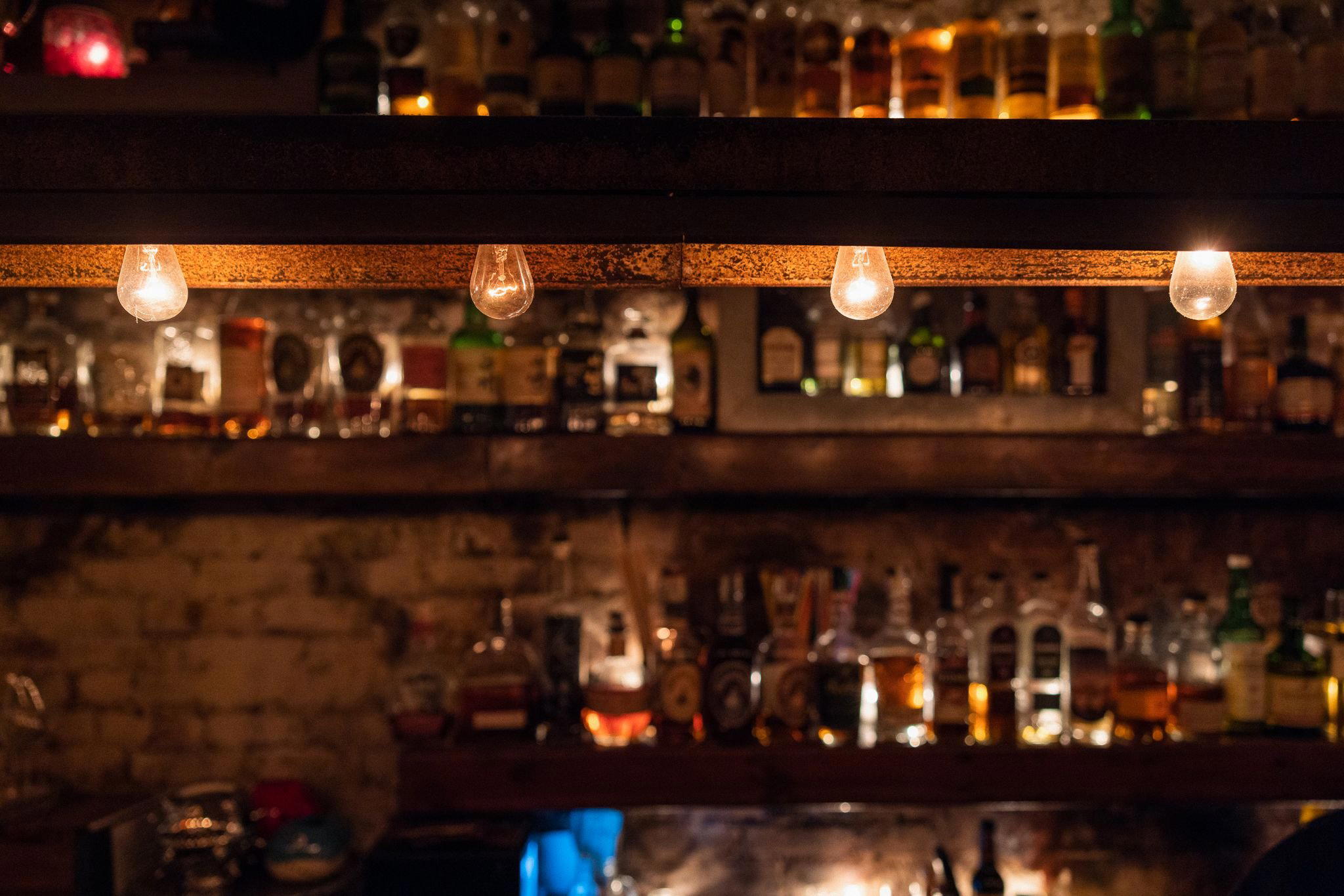

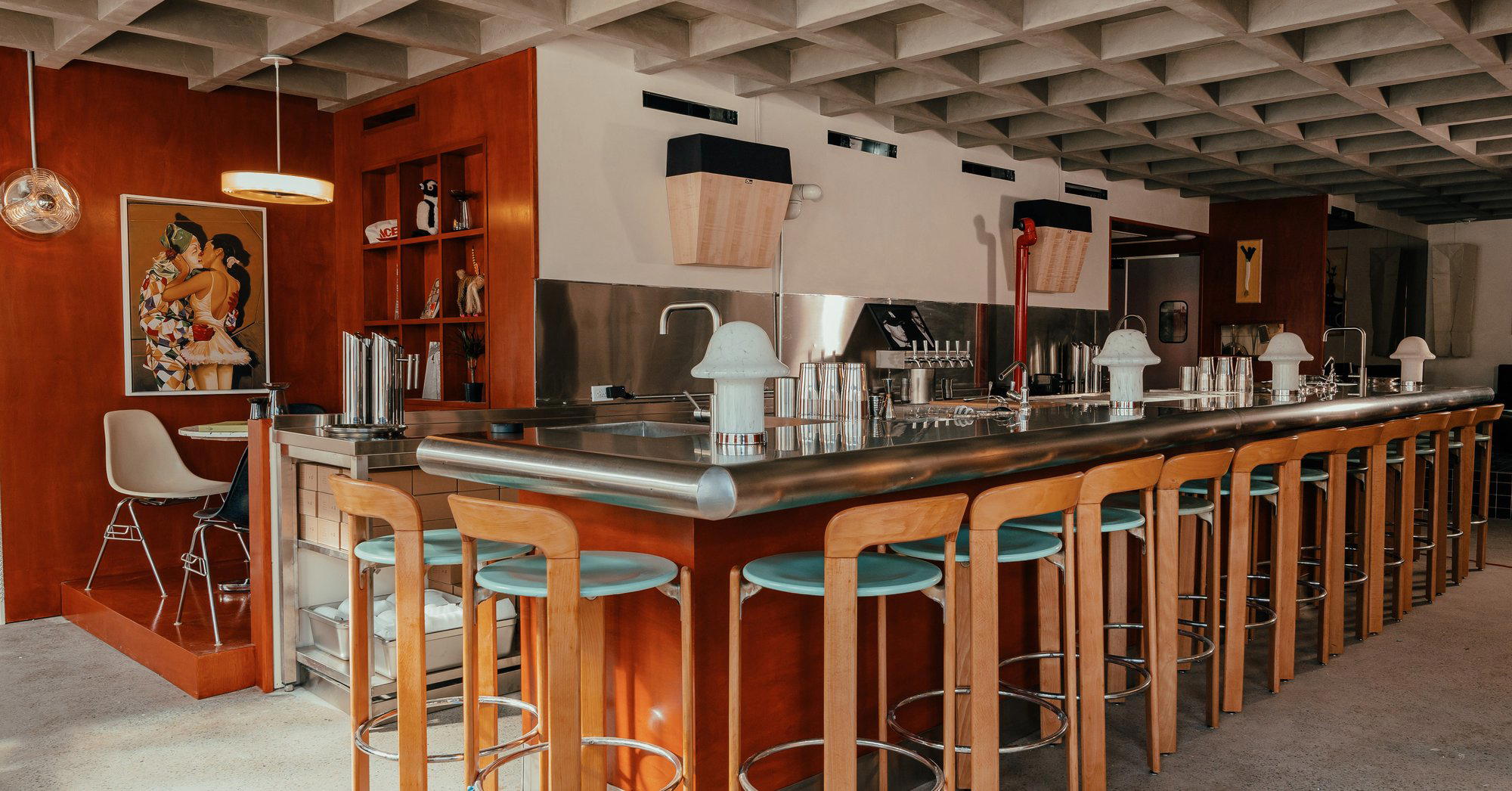
Restaurants in New York City
Browse all →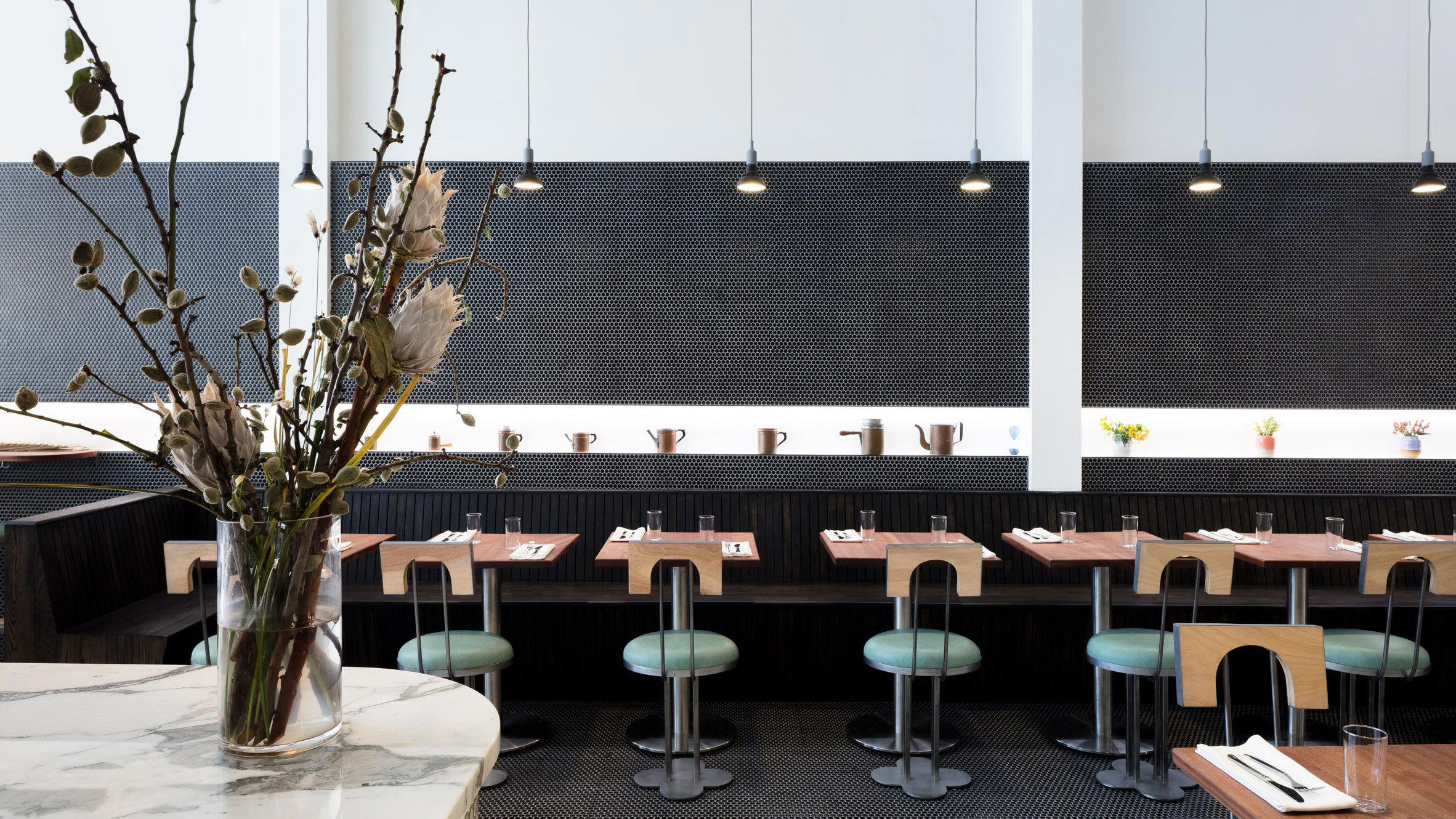
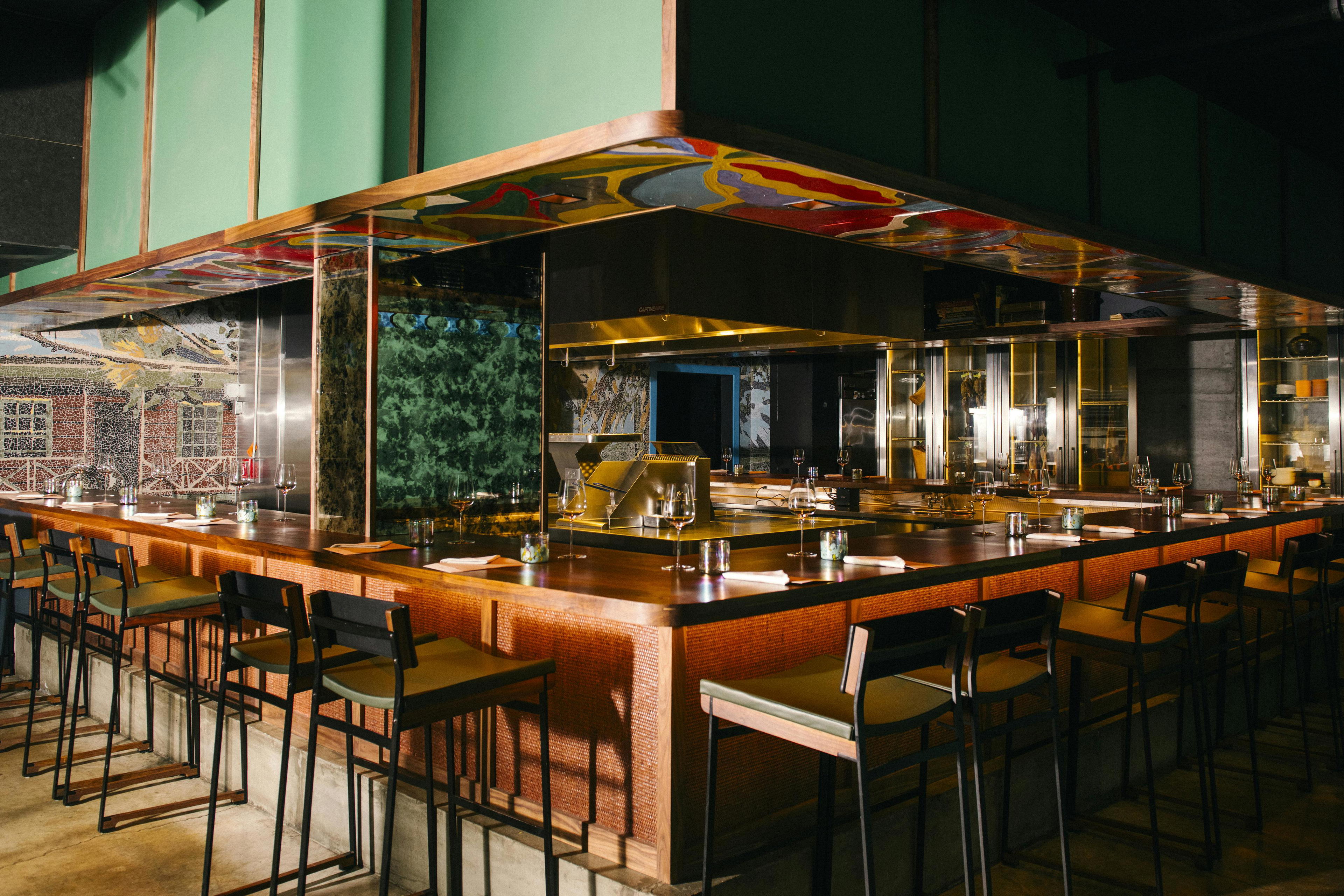
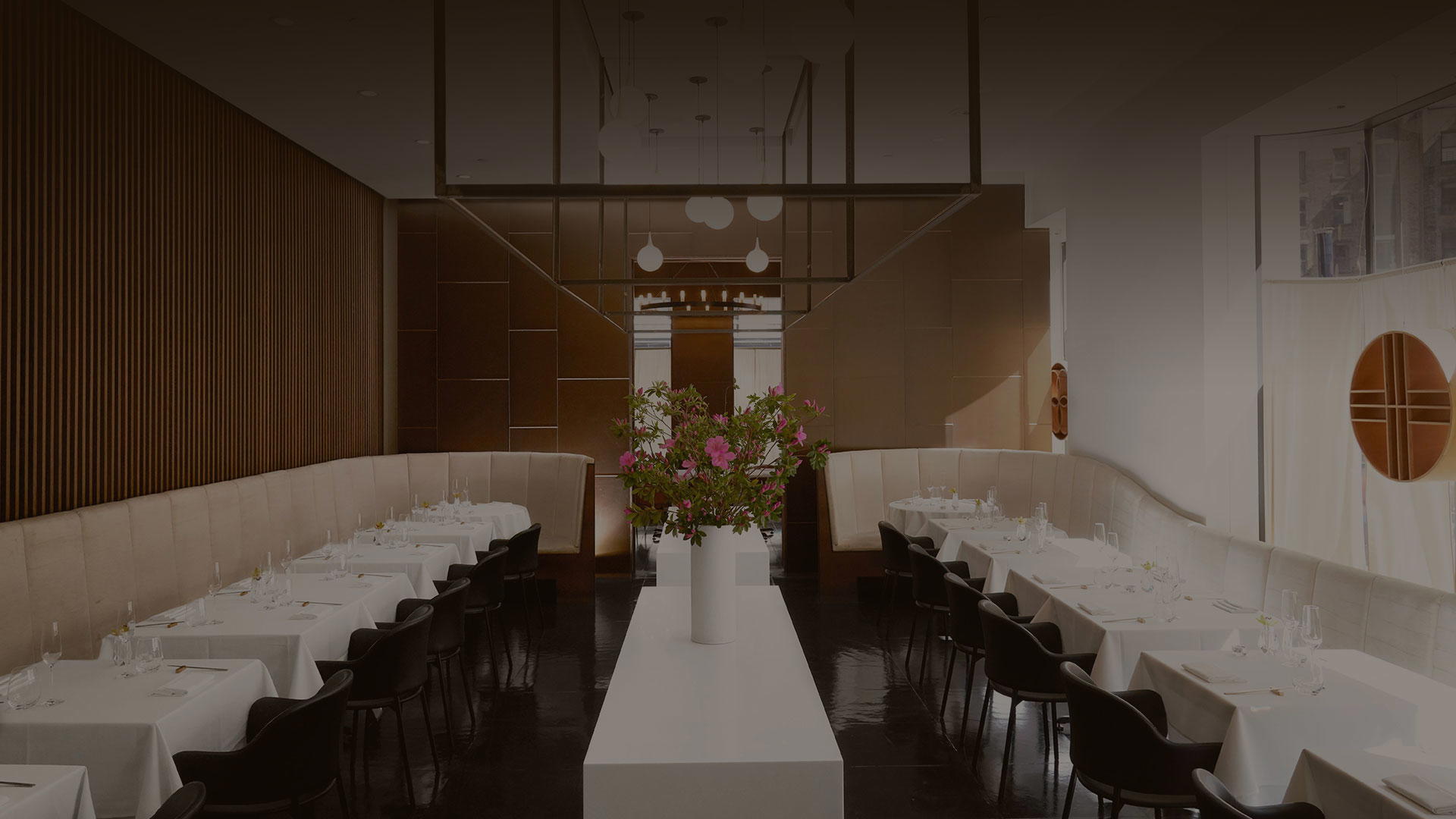
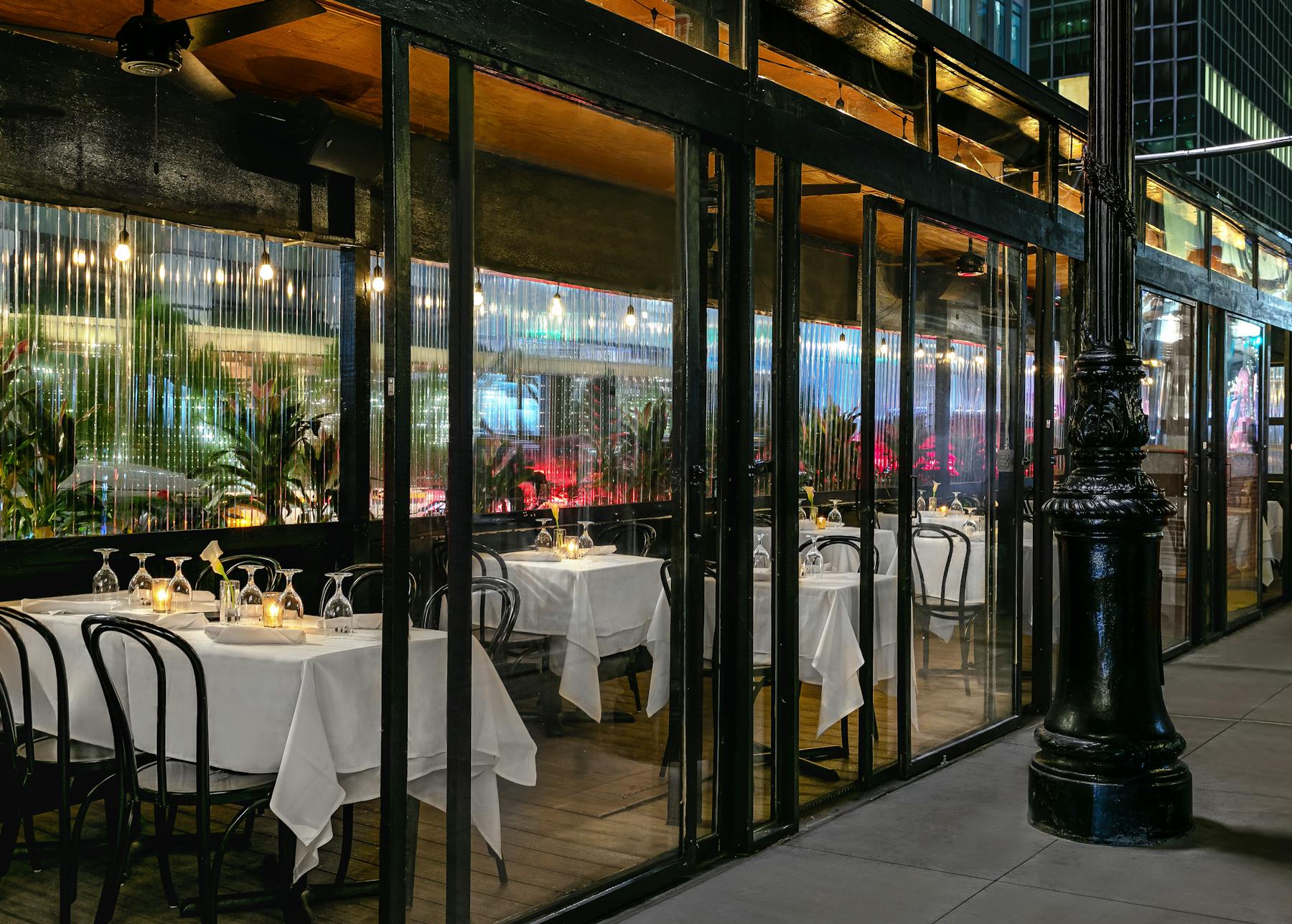
Hotels in New York City
Browse all →

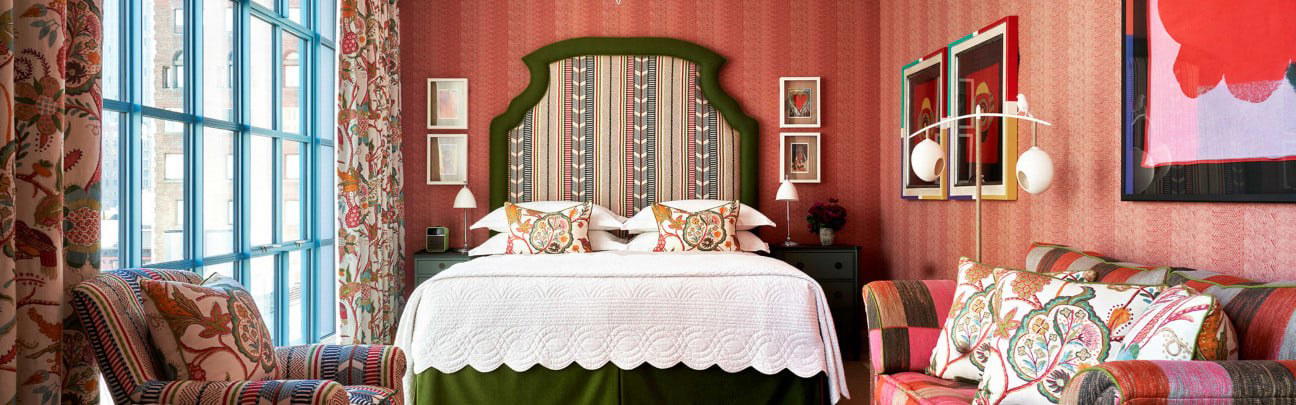

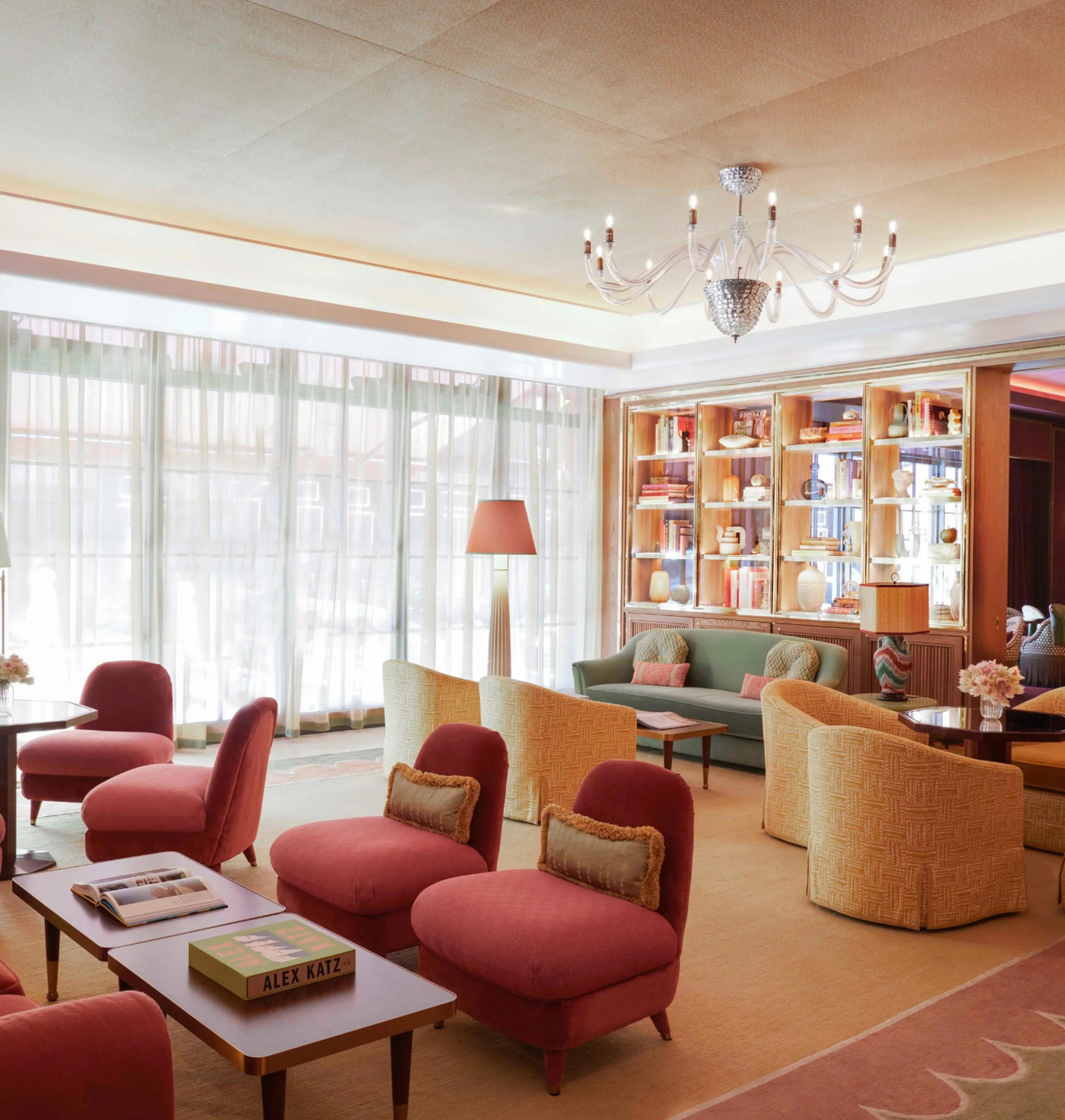





At a Glance
- Elegant
- Sophisticated
- Romantic
- Classic
- Date Night
- After Work
- Special Occasion
- Private Event
- Casual Hangout
- Historic Building
- Design Destination
- Standalone
- Live Music
- Lounge Seating
- Booth Seating
- Private Rooms
- Classic Cocktails
- Craft Cocktails
Soft, glamorous lighting with film noir shadows cast by Monstera plants across plush sofas and leather banquettes; art deco styling with exposed brick and red velvet theater seats creating a sophisticated, moody atmosphere reminiscent of old Hollywood.