miss KOREA BBQ
On West 32nd Street, in the middle of Manhattan's Koreatown strip, miss KOREA BBQ sits inside one of New York's most concentrated blocks of Korean dining. The format follows the table-grill tradition central to Korean communal eating, where meat quality and sourcing drive the experience more than any single chef signature. For visitors orienting themselves in K-Town, it functions as a reliable entry point into a tradition with real depth.
Pearl is the En Primeur Club membership app — saves, bookings, and concierge access live there. Same editors, same standards.
- Address
- 10 W 32nd St, New York, NY 10001
- Phone
- +1 212 594 4963
- Website
- misskoreabbq.com
- Directions
- Get directions
 Saves & bookings on Pearl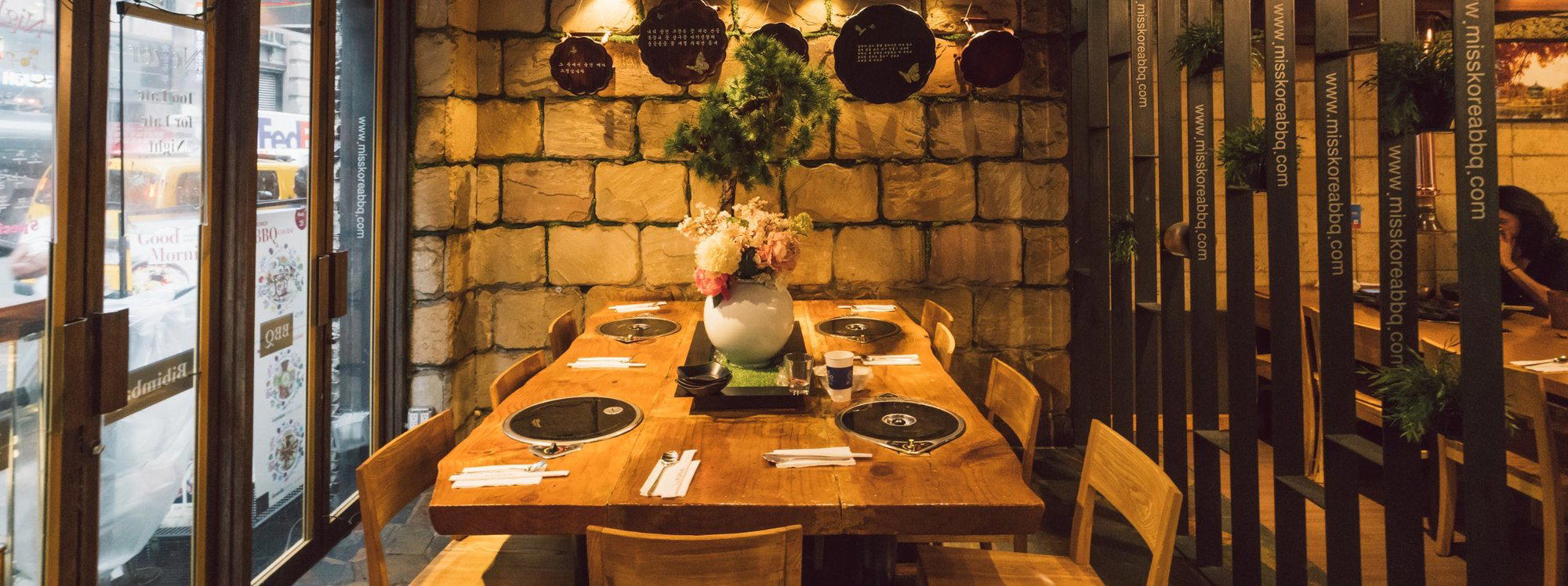
West 32nd Street and the Logic of K-Town
Manhattan's Koreatown occupies a single, improbably dense block on West 32nd Street between Fifth Avenue and Broadway. Unlike most ethnic dining corridors, which tend to spread across neighborhoods over decades, New York's K-Town has held its ground on one street since the 1980s, compressing a full range of Korean dining formats into a stretch you can walk in under two minutes. miss KOREA BBQ sits at 10 W 32nd St, inside that corridor, where it competes for attention alongside a dozen other restaurants serving overlapping menus within shouting distance of each other.
That density is not a weakness of the neighborhood, it is the neighborhood's defining characteristic. Diners who come to West 32nd Street are not choosing between Korean food and something else; they are choosing between Korean restaurants, which means the quality of sourcing, the freshness of the banchan spread, and the precision of the grill setup carry more weight than they might elsewhere in the city. miss KOREA BBQ operates in that context, where the standard is set by proximity rather than by any single award or critical decree.
The Table Grill Tradition and What It Actually Demands
Korean barbecue, as a format, places the kitchen's most important decisions upstream of the dining room. By the time meat reaches the table grill, the sourcing and butchery have already determined most of what the meal will be. The cook at the table, whether a server or the diner, has relatively little latitude to correct for poor product. This is a format where ingredient provenance matters more than technique in the conventional sense, and where the difference between an adequate and a genuinely satisfying meal is almost entirely determined before service begins.
The cuts that define a Korean BBQ spread, samgyeopsal (pork belly), galbi (short rib), bulgogi (thinly sliced marinated beef), are recognizable across dozens of restaurants in K-Town, but they are not interchangeable. Pork belly can be flabby or properly fatted and layered. Short rib can be thick-cut with real marbling or thin and texturally flat. The marinade on bulgogi can be a sharp, soy-forward composition that caramelizes cleanly on a hot grill, or it can be oversweetened and one-dimensional. On West 32nd Street, where diners have immediate reference points a few doors in either direction, these distinctions register.
The banchan that arrive before or alongside the main proteins are a secondary measure of sourcing discipline. A kimchi that is fermenting at the right stage, a seasoned spinach with sesame depth, a clean cucumber pickle, these are not decorative. They function as palate markers and as evidence of how much attention is being paid to the full spread, not just the marquee cuts.
Atmosphere and the Rhythms of a K-Town Evening
West 32nd Street operates at a different pace than most Manhattan dining corridors. It runs late, well past midnight on weekends, and the foot traffic peaks after 10pm as much as at conventional dinner hours. The street draws a mixed crowd: Korean and Korean-American diners who grew up with this food, younger New Yorkers treating K-Town as a late-night destination, and visitors from outside the city working through a list. miss KOREA BBQ sits inside that social environment, which means the atmosphere in the dining room reflects the block's own rhythms: loud, communal, grill smoke threading through the ventilation above every table.
The physical setup of a Korean BBQ dining room is inherently social in a way that most restaurant formats are not. The grill at the table makes the meal a shared project. Conversation happens across the smoke. Someone at the table tends the meat. That structure is not incidental, it is the reason the format has retained loyalty across generations of diners who could, if they wanted, replicate the food at home more easily than they could replicate a tasting menu experience. The communal logic is the point.
For visitors who have not spent much time in Korean BBQ settings, a few logistical notes apply regardless of the specific restaurant: pace the ordering, because proteins arrive incrementally and the grill surface has limits; let the server manage the grill if that is the house convention; and treat the banchan as part of the meal rather than as background accompaniment.
K-Town in the Wider New York Dining Context
New York's restaurant scene rewards specialists, and Korean food in Manhattan has developed a dual track. West 32nd Street represents the accessible, high-volume tier, late hours, walk-in availability, menus designed for groups, while a smaller number of chef-driven Korean restaurants elsewhere in the city have pursued a more formal register, drawing comparisons to the kind of precision dining that other cuisines have long occupied in critical recognition. miss KOREA BBQ belongs to the former category, where the value is in the format's social and culinary logic rather than in tasting-menu ambition.
That positioning is not a limitation. The table-grill format, done well, delivers something that formal dining cannot: a meal that is actively produced at the table, in real time, by the people eating it. In a city where dining options range from twelve-seat omakase counters to standing ramen bars, Korean BBQ occupies a distinct register that no other cuisine's equivalent format quite replicates.
For those building a broader New York evening, the cocktail bars in the city's lower Manhattan and East Village corridors offer obvious pairing options before or after a K-Town dinner. Angel's Share in the East Village has operated as a benchmark for quiet, technically grounded cocktail work for decades. Attaboy NYC on the Lower East Side runs a no-menu format built around the bartender's read of what you want. Amor y Amargo operates as a bitters-focused room that suits a different kind of pre-dinner palate calibration. Superbueno brings a Latin-inflected cocktail program to a neighborhood that sits within easy distance of Midtown. Further afield, if you are tracking how premium cocktail programs operate across American cities, Kumiko in Chicago, ABV in San Francisco, Bar Leather Apron in Honolulu, Julep in Houston, Jewel of the South in New Orleans, and Allegory in Washington, D.C. each represent their city's version of the format-driven, technically serious bar. For a European counterpoint, The Parlour in Frankfurt on the Main demonstrates how the American craft bar model has translated into a different drinking culture entirely.
Just the Basics
Comparable venues nearby, for context on price, style, and recognition.
| Venue | Cuisine | Price | Notes |
|---|---|---|---|
| miss KOREA BBQThis venue — the venue you are viewing | Not listed | $$$ | Not listed |
| ATLA Noho | Greenwich Village, mezcaleria | $$$ | Not listed |
| Thirteen Water | Not listed | $$$ | East Village, sake_bar |
| Accidental Bar | Not listed | $$$ | East Village, sake_bar |
| Popular | Not listed | $$$ | Lower East Side, cocktail_bar |
| Il Posto Accanto | Not listed | $$$ | East Village, wine_bar |
Continue exploring
More in New York City
Bars in New York City
Browse all →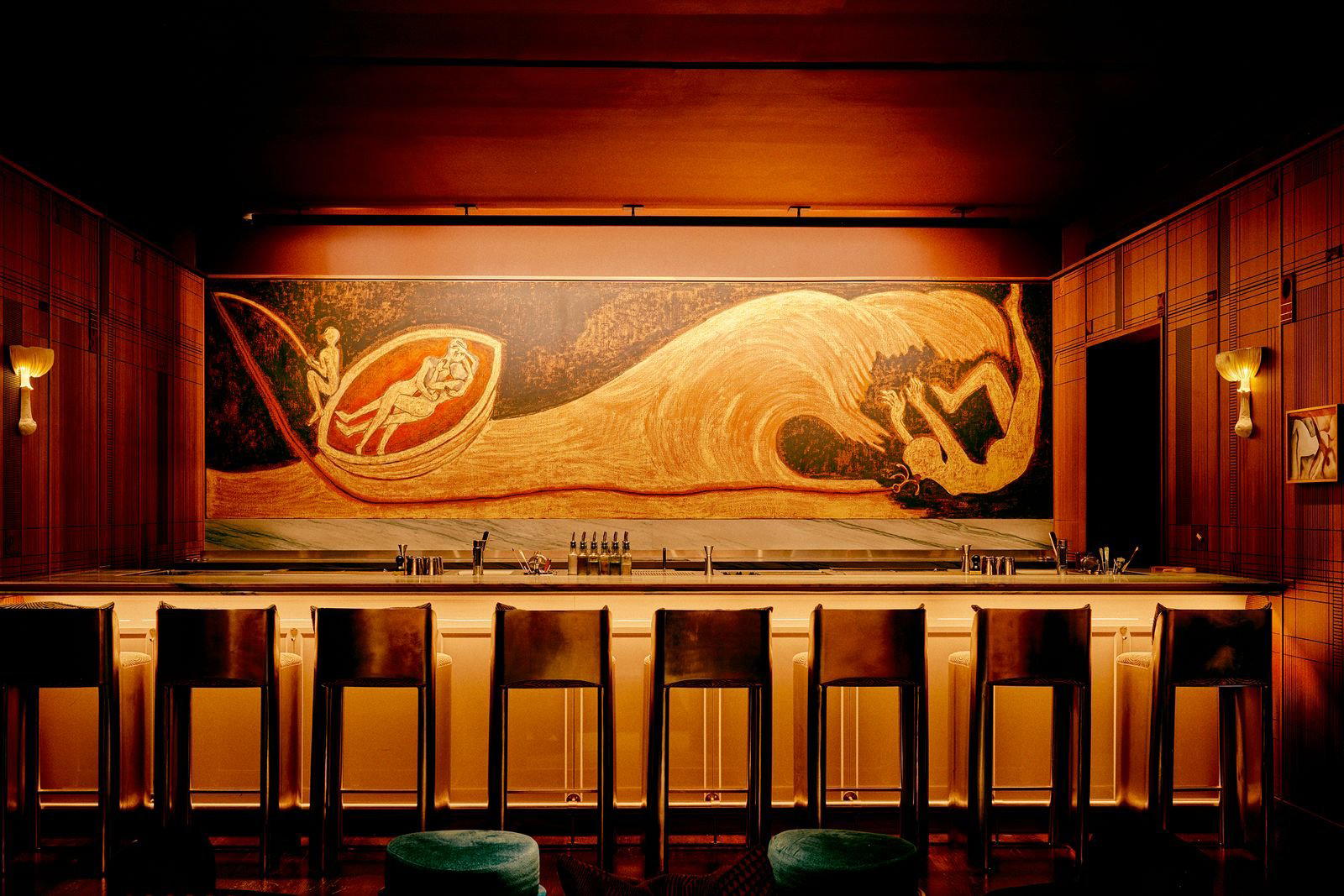
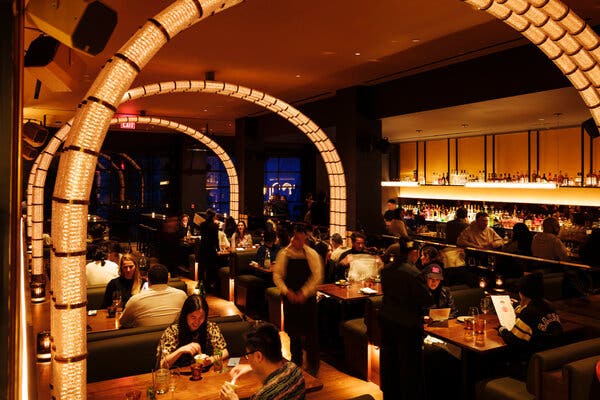
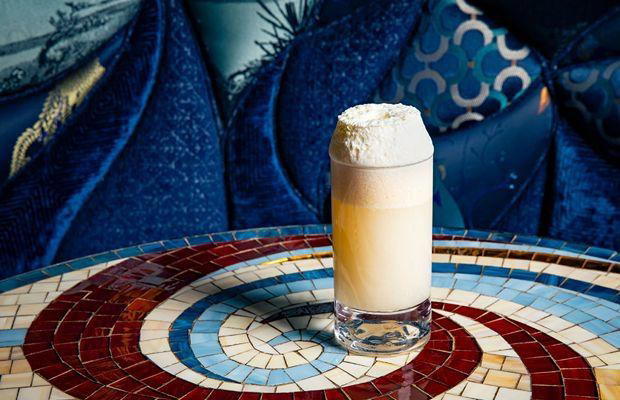
Restaurants in New York City
Browse all →
Hotels in New York City
Browse all →





At a Glance
- Lively
- Energetic
- Trendy
- Late Night
- Group Outing
- Casual Hangout
- Standalone
- Booth Seating
- Private Rooms
- Craft Cocktails
Current opening hours
- Monday
- Open 24 hours
- Tuesday
- Open 24 hours
- Wednesday
- Open 24 hours
- Thursday
- Open 24 hours
- Friday
- Open 24 hours
- Saturday
- Open 24 hours
- Sunday
- Open 24 hours
Hours can change for holidays and private events. Last verified .
Lively Seoul-inspired atmosphere with late-night energy and indoor fireplace.