ACME occupies a converted space on Great Jones Street in NoHo, a block that has quietly accumulated some of downtown Manhattan's most considered dining rooms. The address places it in direct conversation with the neighbourhood's longer-running creative scene, where industrial bones and art-world adjacency have shaped a particular kind of New York hospitality for decades.
Pearl is the En Primeur Club membership app — saves, bookings, and concierge access live there. Same editors, same standards.
- Address
- 9 Great Jones St, New York, NY 10012
- Phone
- +1 212 203 2121
- Website
- acmenyc.com
- Directions
- Get directions
 Saves & bookings on Pearl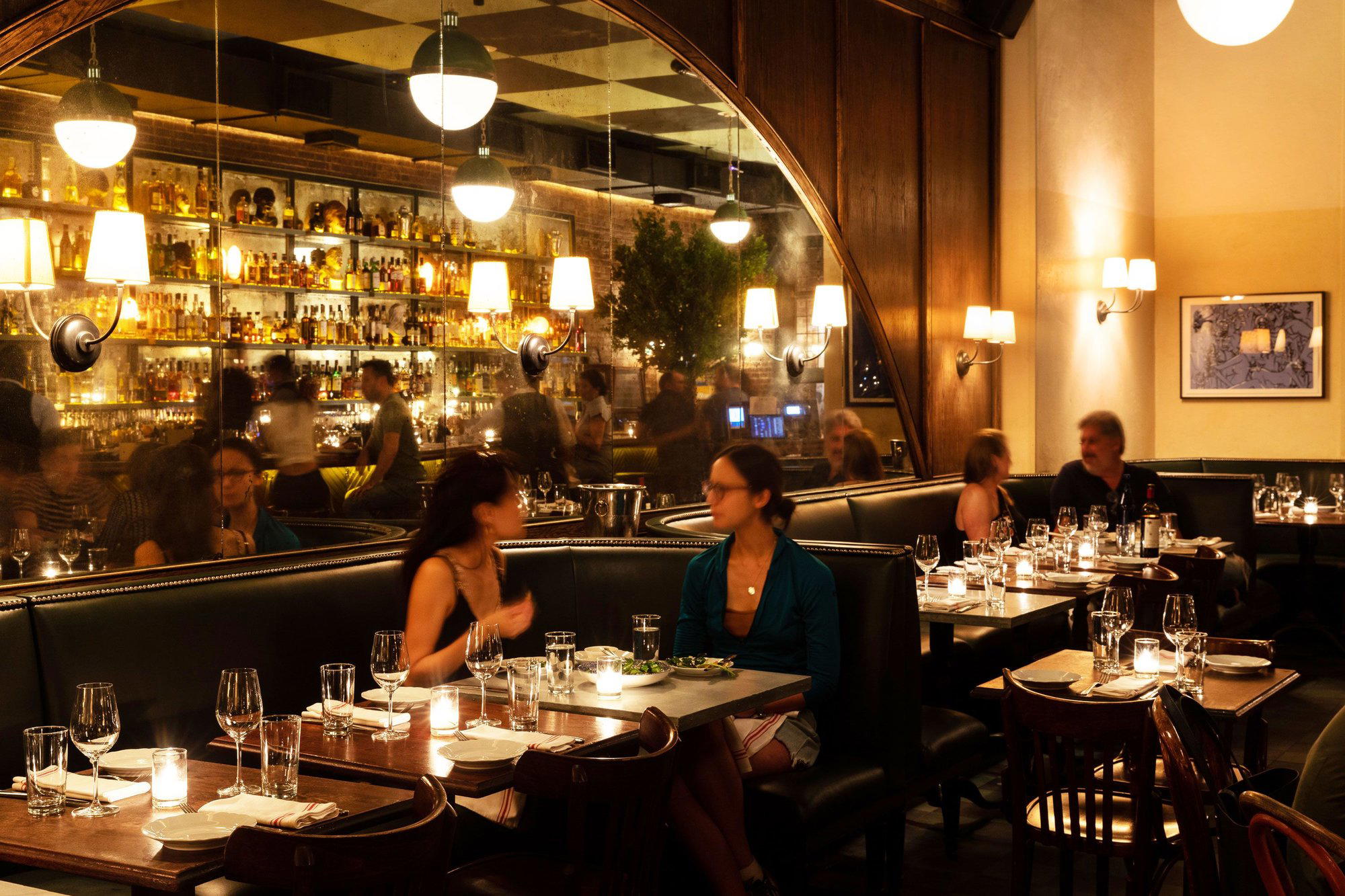
Great Jones Street and the NoHo Dining Register
NoHo has never quite belonged to the Manhattan dining categories that get editorial attention. It sits between the volume of the West Village and the density of the East Village, close enough to SoHo's gallery circuit to attract a crowd that notices how a room is put together, and far enough from the tourist corridors that its restaurants tend to develop local regulars before they develop national profiles. Great Jones Street, in particular, occupies a specific position in this neighbourhood: narrow, cobblestoned in sections, with the kind of low-rise built environment that keeps the street level intimate even as the city around it has grown louder.
Downtown Manhattan's dining rooms in this tier tend to do one of two things: they either lean into the neighbourhood's industrial heritage with exposed brick and reclaimed materials, or they push against it with something more deliberately finished. Either choice is a statement about how a room reads, and how it reads shapes what kind of night a guest has before the first drink arrives. The physical container of a restaurant at this address carries weight that a venue on a busier block simply does not have to manage in the same way.
The Physical Logic of the Space
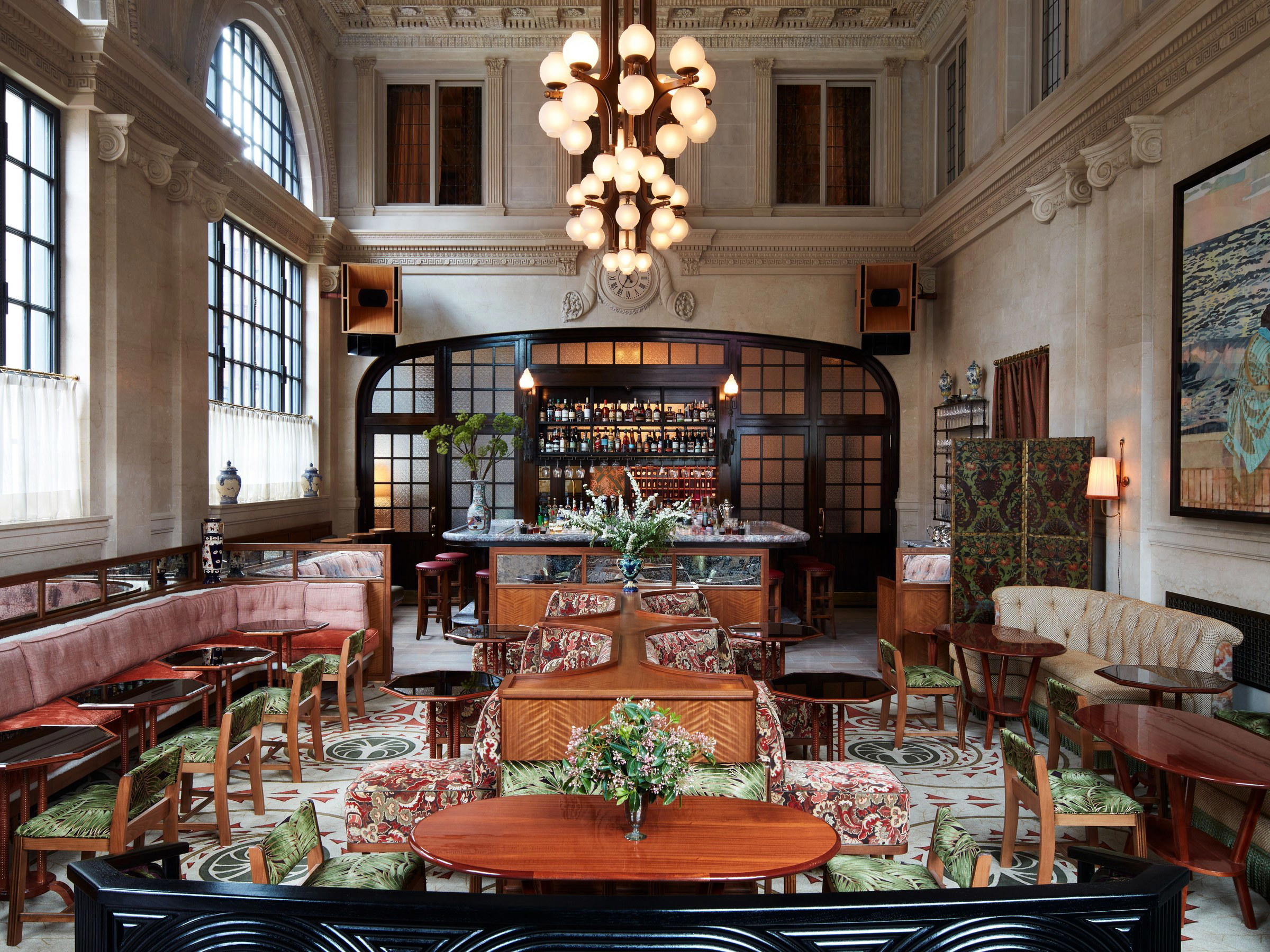
The broader shift in New York dining interiors over the past decade has moved away from the theatrical maximalism of the early 2000s and toward spaces that do their work quietly. Well-regarded rooms in the city now tend to prioritise acoustics, sightlines, and materials that age well over rooms that photograph dramatically but wear poorly. NoHo has been a natural fit for this direction: the neighbourhood's stock of pre-war commercial buildings offers ceiling heights and proportions that newer construction cannot replicate, and landlords here have, by and large, avoided the kind of ground-floor retail conversions that have homogenised blocks elsewhere in lower Manhattan.
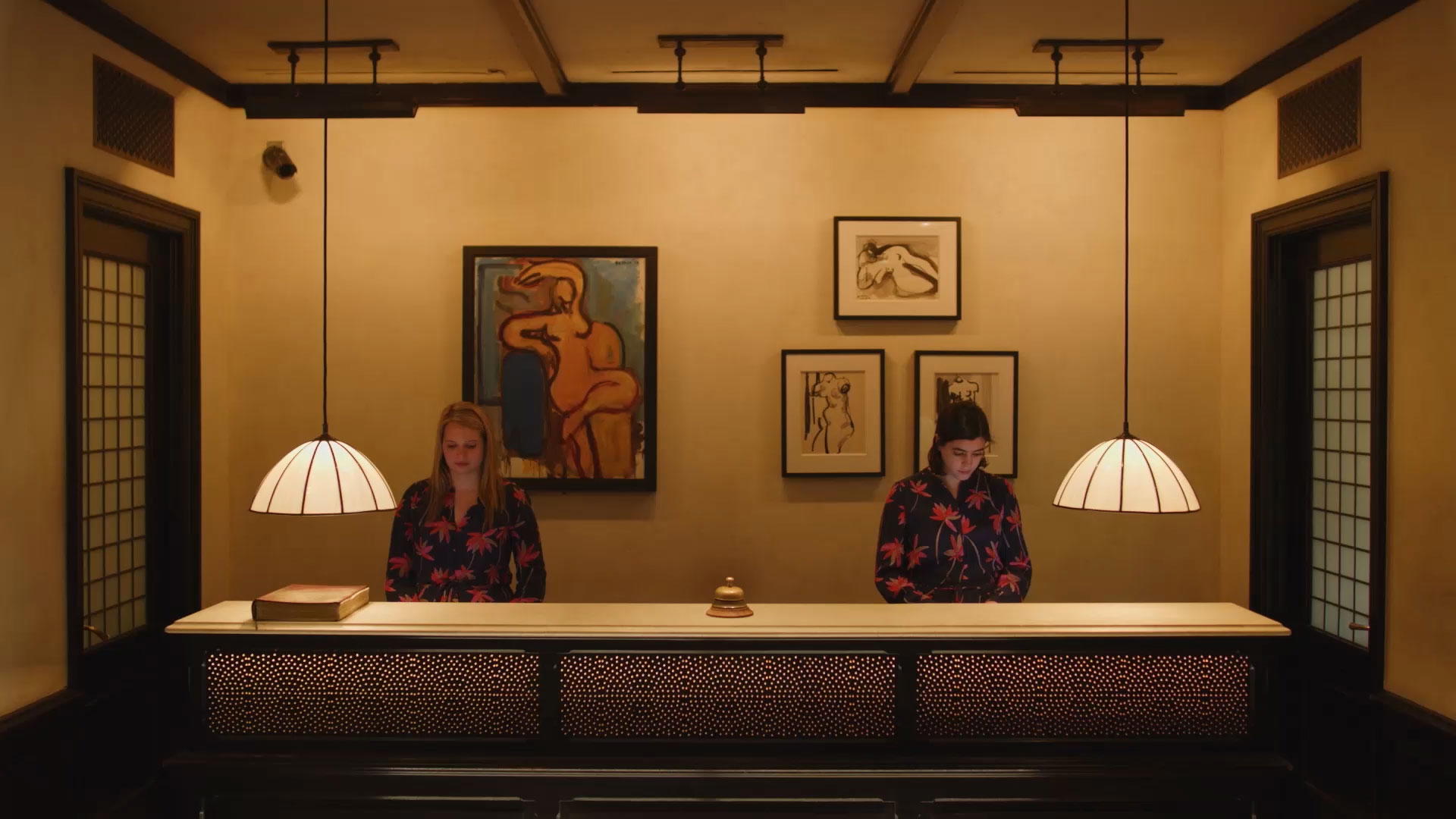
For a room on Great Jones Street, the surrounding context matters. Jean-Michel Basquiat's former studio was a few doors down, and the block carries that residue of downtown creative history in a way that is not curated or marketed but simply present. A dining room that reads carefully against that backdrop, one that doesn't perform its own significance, tends to land better with the neighbourhood's regulars than one that announces itself too loudly. The interior design choices at a venue of this type are, in effect, an argument about what kind of New York the room belongs to.
Where ACME Sits in the NoHo Competitive Set
Downtown Manhattan's mid-to-upper casual dining tier has become more competitive in recent years, as operators who might previously have opened in the West Village or Tribeca have found NoHo's street-level character worth the slightly less foot-trafficked address. The result is a neighbourhood where a single block can contain restaurants with meaningfully different price points and formats, requiring each to develop a clearer identity than would be necessary on a busier corridor.
ACME's peers in this part of the city include operations like Dirty French in nearby Soho, which occupies the other end of the downtown French-American spectrum with a louder, more theatrical room, and The Long Island Bar in Cobble Hill, Brooklyn, which has built a loyal following through an entirely different kind of spatial restraint. The comparison points in NoHo itself tend to be smaller, more considered operations rather than volume-driven rooms.
The Drinking Programme in Context
New York's cocktail culture has moved through several distinct phases in the past fifteen years, from the hidden-door speakeasy format to the technically transparent, ingredient-driven programmes that now define the city's more respected bars. The cocktail bars within walking distance of Great Jones Street represent several points on that spectrum. Amor y Amargo on East 6th Street operates as one of the city's most focused amaro and bitters-driven formats, with a tiny room and a programme built around depth over breadth. Angel's Share in the East Village continues to hold a different kind of authority, with Japanese-influenced precision and a long-established reputation that predates the current era of cocktail recognition. Attaboy NYC, on the Lower East Side, operates without a menu on the guest-driven model that has influenced a generation of bars. Superbueno takes the format in a different direction entirely, with a Latin-inflected programme and a room that prioritises energy over restraint.
The same editorial approach that distinguishes leading downtown Manhattan bars applies to strong programmes in other cities: Kumiko in Chicago operates a Japanese-influenced format with similar technical depth, ABV in San Francisco has built its reputation on an ingredient-forward approach, and Allegory in Washington, D.C. takes a narrative-design approach to its programme. Further afield, Bar Leather Apron in Honolulu, Jewel of the South in New Orleans, Julep in Houston, and The Parlour in Frankfurt on the Main each represent the same shift toward programmes with a clear point of view over generic lists.
Planning a Visit
ACME is located at 9 Great Jones Street, between Lafayette Street and the Bowery, in NoHo. The address is a ten-minute walk from the B, D, F, and M trains at Broadway-Lafayette and the 6 train at Bleecker Street, making it reachable from most of Manhattan without requiring a taxi or rideshare. The surrounding block is walkable to a substantial number of the neighbourhood's other dining and drinking options, which makes it a logical anchor point for a downtown evening rather than a destination that requires building an itinerary around it.
ACME is open Thursday through Saturday from 10 PM to 4 AM and is closed Sunday through Wednesday.
At a Glance
Comparable venues nearby, for context on price, style, and recognition.
| Venue | Cuisine | Price | Notes |
|---|---|---|---|
| ACMEThis venue — the venue you are viewing | Not listed | $$$ | Not listed |
| Apotheke Chinatown | Chinatown-Two Bridges, speakeasy | $$$ | Not listed |
| Socarrat Paella Bar - Midtown East | Not listed | $$$ | East Midtown-Turtle Bay, wine_bar |
| Alma BK | Not listed | $$$ | Carroll Gardens-Cobble Hill-Gowanus-Red Hook, rooftop_bar |
| Temperance | Not listed | $$$ | West Village, wine_bar |
Continue exploring
More in New York City
Bars in New York City
Browse all →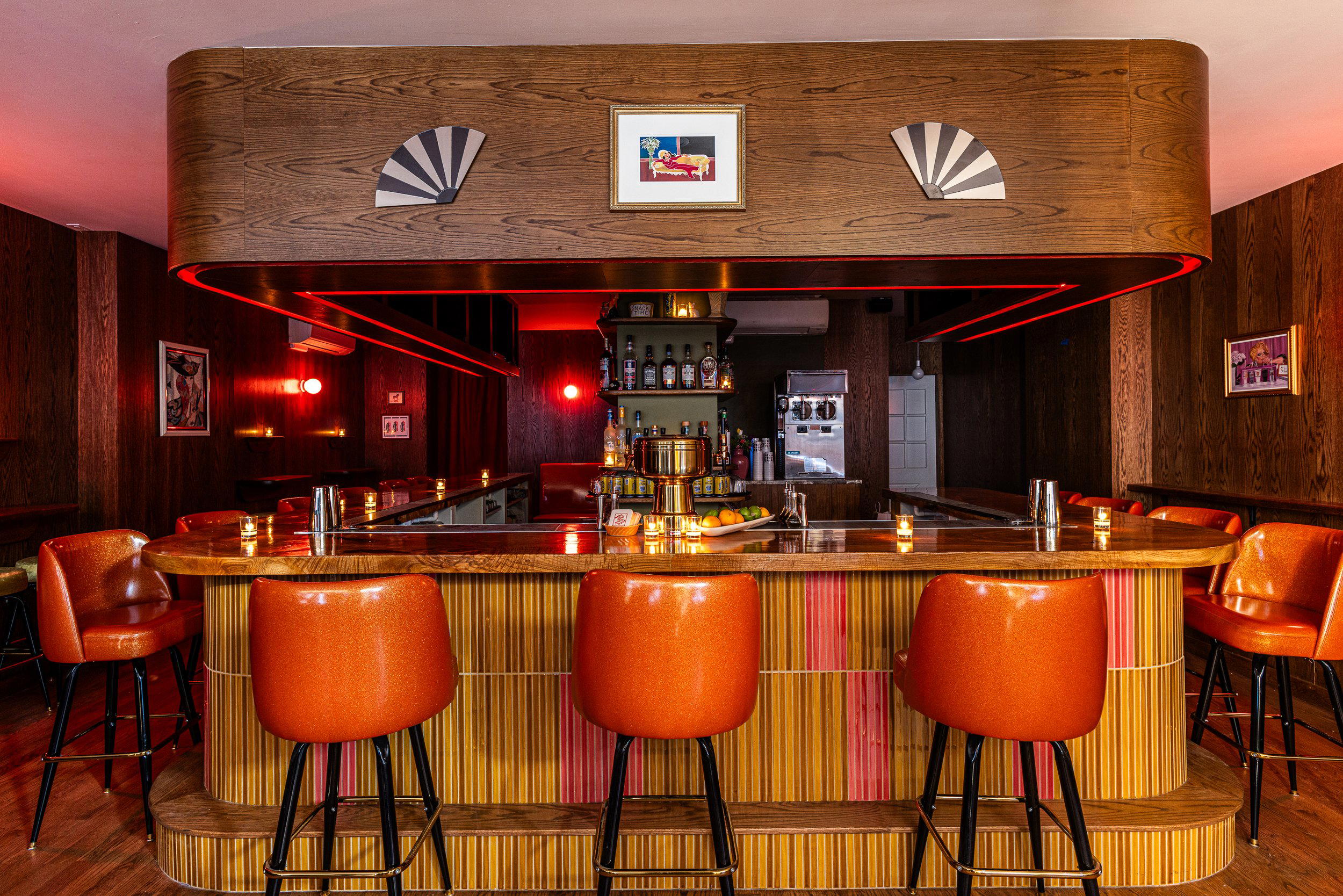
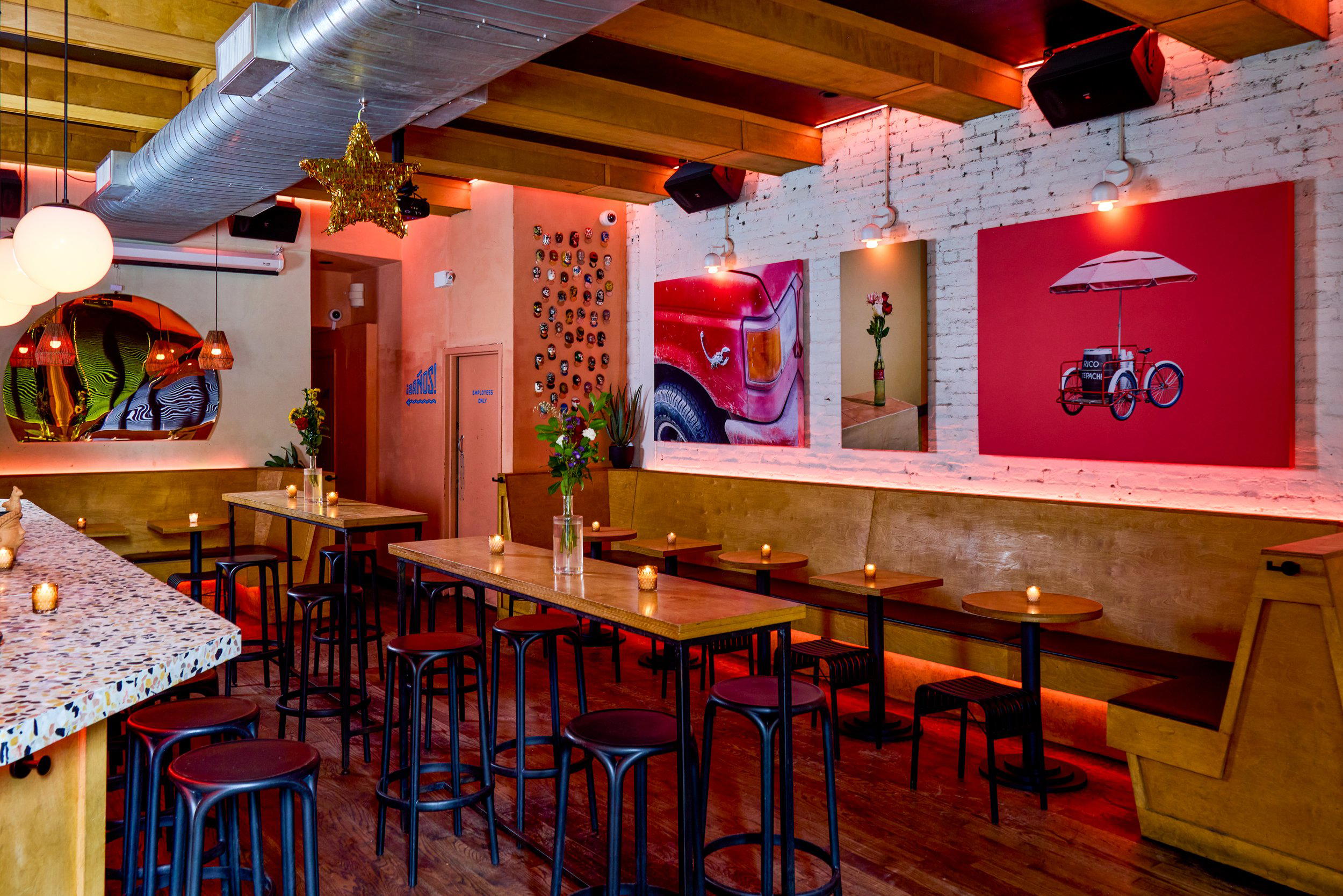
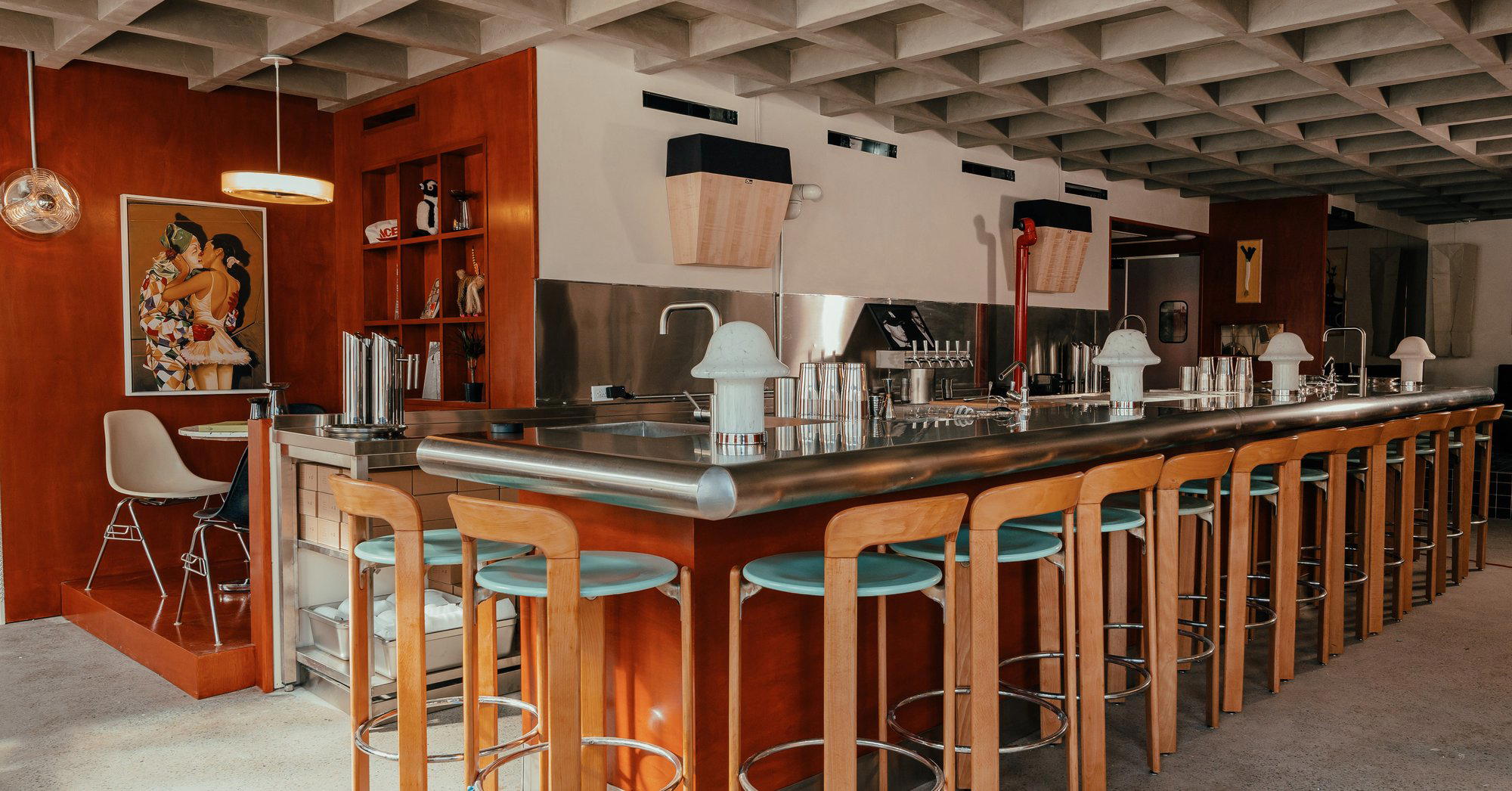
Restaurants in New York City
Browse all →
Hotels in New York City
Browse all →





At a Glance
- Trendy
- Sophisticated
- Lively
- Elegant
- Date Night
- After Work
- Group Outing
- Celebration
- Historic Building
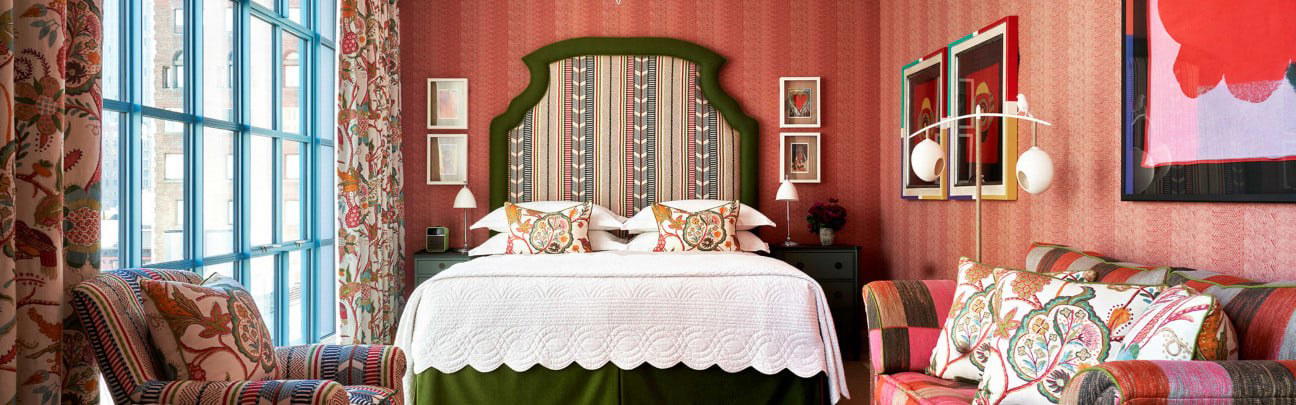
- Design Destination
- Standalone
- Seated Bar
- Lounge Seating
- Private Rooms
- Booth Seating
- Craft Cocktails
- Classic Cocktails
- Conventional Wine
- Craft Beer
Current opening hours
- Monday
- Closed
- Tuesday
- Closed
- Wednesday
- Closed
- Thursday
- 10 PM–4 AM
- Friday
- 10 PM–4 AM
- Saturday
- 10 PM–4 AM
- Sunday
- Closed
Hours can change for holidays and private events. Last verified .