Melo Trattoria & Tapas
Melo Trattoria & Tapas sits on Hillandale Road in Durham, occupying the space where Italian trattoria format and Spanish tapas traditions cross paths. The restaurant draws from two distinct European dining cultures, making it an instructive case study in how Durham's independent dining scene continues to absorb and reinterpret old-world formats. Practical for a neighbourhood dinner, worth knowing about before you go.

Pearl is the En Primeur Club membership app — saves, bookings, and concierge access live there. Same editors, same standards.
- Address
- 1821 Hillandale Rd, Durham, NC 27705
- Phone
- (919) 384-9080
- Hours
- Mon–Fri 11:30 AM–2 PM, 5–9 PMSat 5–9 PMSun Closed
- Website
- melotrattoria.com
- Directions
- Get directions
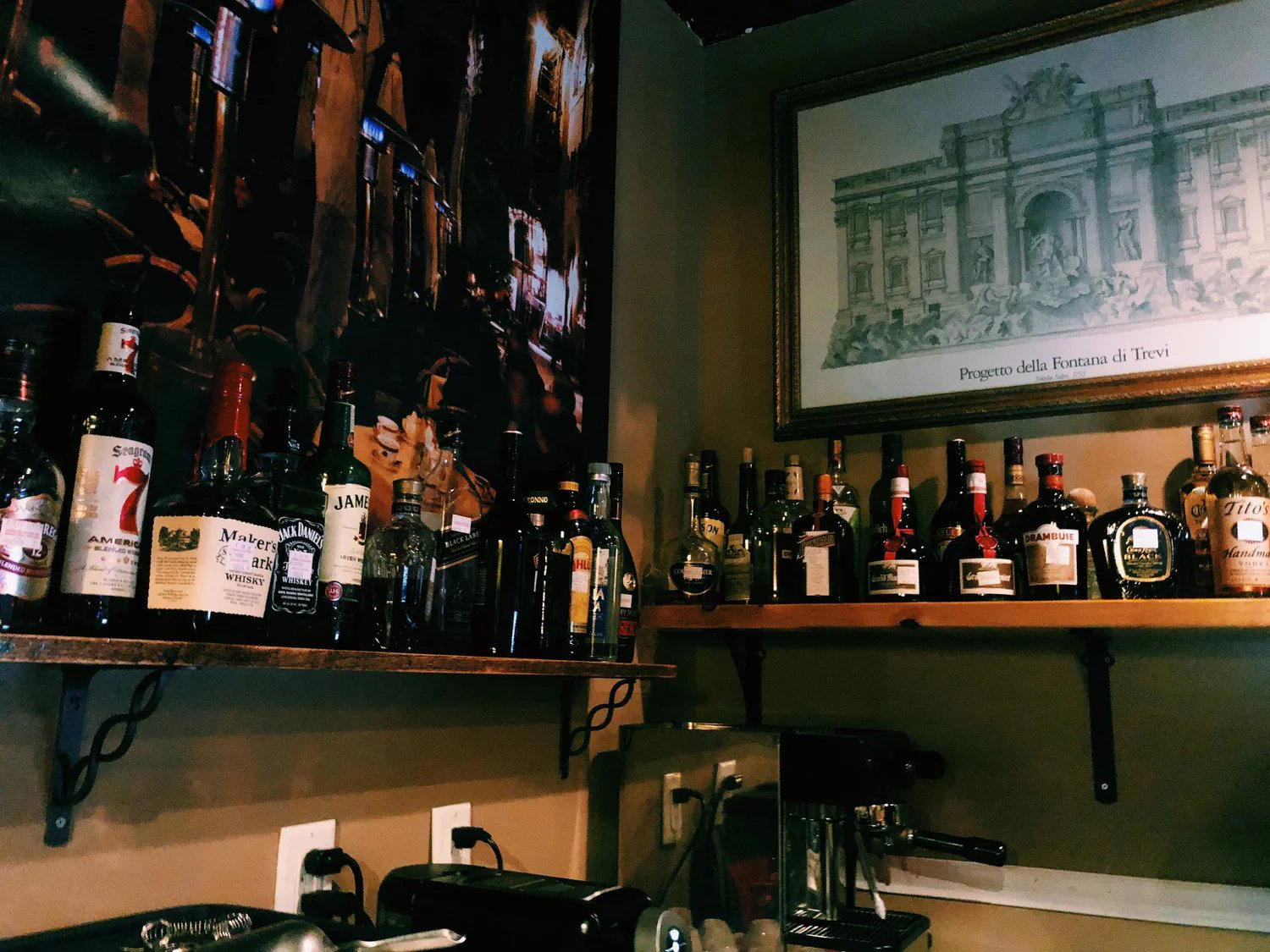
Where Two European Dining Formats Meet in Durham's Northwest
Hillandale Road runs northwest out of central Durham, away from the dense activity of downtown and the Warehouse District, into a quieter residential stretch where independent restaurants operate for regulars rather than visitors passing through. That positioning matters: venues in this corridor tend to be less performative, more settled, and built around repeat custom rather than first impressions. Melo Trattoria & Tapas at 1821 Hillandale Rd occupies exactly that kind of address, the sort of spot you find because someone local told you to, not because it appeared on a curated shortlist.
The name itself signals a deliberate ambiguity. Trattoria implies the Italian tradition of unfussy, mid-register cooking rooted in regional recipes, the kind of format that prizes a short menu executed well over novelty. Tapas, by contrast, carry a Spanish lineage tied to social eating, small portions, and the bar as the natural centre of the room. Combining both in one name is either a statement of intent or a hedging of bets. Durham's dining culture, which has matured considerably over the past decade alongside the Research Triangle's growth, has room for that kind of cross-reference.
The Italian-Spanish Overlap as a Dining Format
Across American cities, the trattoria-tapas hybrid has become a recognisable format, if not always a clearly defined one. At its finest, it takes the conviviality of Spanish bar eating and layers it over the ingredient-led simplicity of Italian cooking: cured meats, preserved vegetables, pasta in small plates, cheeses served as punctuation between drinks. At its worst, the combination produces a menu that commits to nothing. The format works when the drinks program has genuine depth, because it is the bar, more than the kitchen, that determines whether small-plate eating feels intentional or merely incomplete.
Durham already has a reference point for serious spirits programs in the independent sector. Alley Twenty Six has established what a disciplined, cocktail-forward operation looks like in this city, while Bull City Solera and Taproom demonstrates how beverage curation can carry a room. For a trattoria-tapas format to succeed, the drinks side needs that same seriousness, a back bar with range, a wine list that earns its Italian and Spanish references, and service that can talk across both traditions without reaching for the generic.
On the Back Bar: Why Curation Matters Here
The editorial angle on a venue that straddles Italian and Spanish dining traditions almost inevitably runs through the spirits shelf. Both cultures have strong distillation lineages: Italy's amaro category alone contains enough depth to anchor an entire program, from the alpine bitterness of Fernet to the gentian-forward structure of Campari variants and the regional specificity of producers like Nonino or Averna. Spanish spirits bring a different register, the brandy de Jerez tradition, patxaran from Navarre, and the growing visibility of gin from producers in Menorca and Catalonia.
A back bar that takes both seriously is a different proposition from one that stocks a few standard aperitivi alongside a generic rail. The distinction shows in how the drinks list frames the food: if the amaro selection is considered, it recontextualises the digestivo moment at the end of a meal and makes the Italian side of the menu feel grounded. If the Spanish spirits are present in depth, the tapas format earns its claim. Venues that invest in this kind of curation tend to attract a different diner, one who is eating and drinking in equal measure rather than treating the bar as an afterthought.
For reference on what serious spirits programs look like in the American independent sector, Kumiko in Chicago has built a reputation on precisely this kind of back-bar discipline, as has ABV in San Francisco, which approaches curation as an editorial act in its own right. In the South, Jewel of the South in New Orleans and Julep in Houston demonstrate how regional identity and spirits depth can reinforce each other. Durham's own Criterion sits in the same broader conversation about what the city's bar culture can sustain at a serious level.
Durham's Independent Dining Context
Durham has shifted over the past fifteen years from a secondary city in the Triangle to one with its own recognisable dining character. The Research Triangle's influx of academic and tech workers has created demand for independent restaurants with genuine culinary points of view, and the city has responded with a wave of neighbourhood-scale venues that would hold their own in larger markets. Convivio Restaurant represents one node of this: an Italian-influenced operation with enough credibility to invite direct comparison with its peers. Melo sits in the same broad orbit, a neighbourhood restaurant drawing on European dining traditions for a local audience that has become increasingly literate about both.
That audience matters. A venue on Hillandale Road is not playing to tourists or to the downtown crowd looking for a notable experience. It is building a regular clientele from the surrounding neighbourhoods, which means consistency carries more weight than occasion. The trattoria model was always suited to that kind of operation: a set of dishes you return to, a wine list that does not require explanation, and a room that functions as an extension of local social life rather than a destination in its own right.
For the full picture of where Melo sits within the city's dining options, see our full Durham restaurants guide, which maps the independent sector across neighbourhoods and price tiers. Internationally, bars and restaurants operating at the intersection of food and serious drink can be tracked through venues like Bar Leather Apron in Honolulu, Superbueno in New York City, and The Parlour in Frankfurt on the Main, each of which demonstrates a different resolution to the question of how a drinks program can give a food-forward venue structural identity.
Planning Your Visit
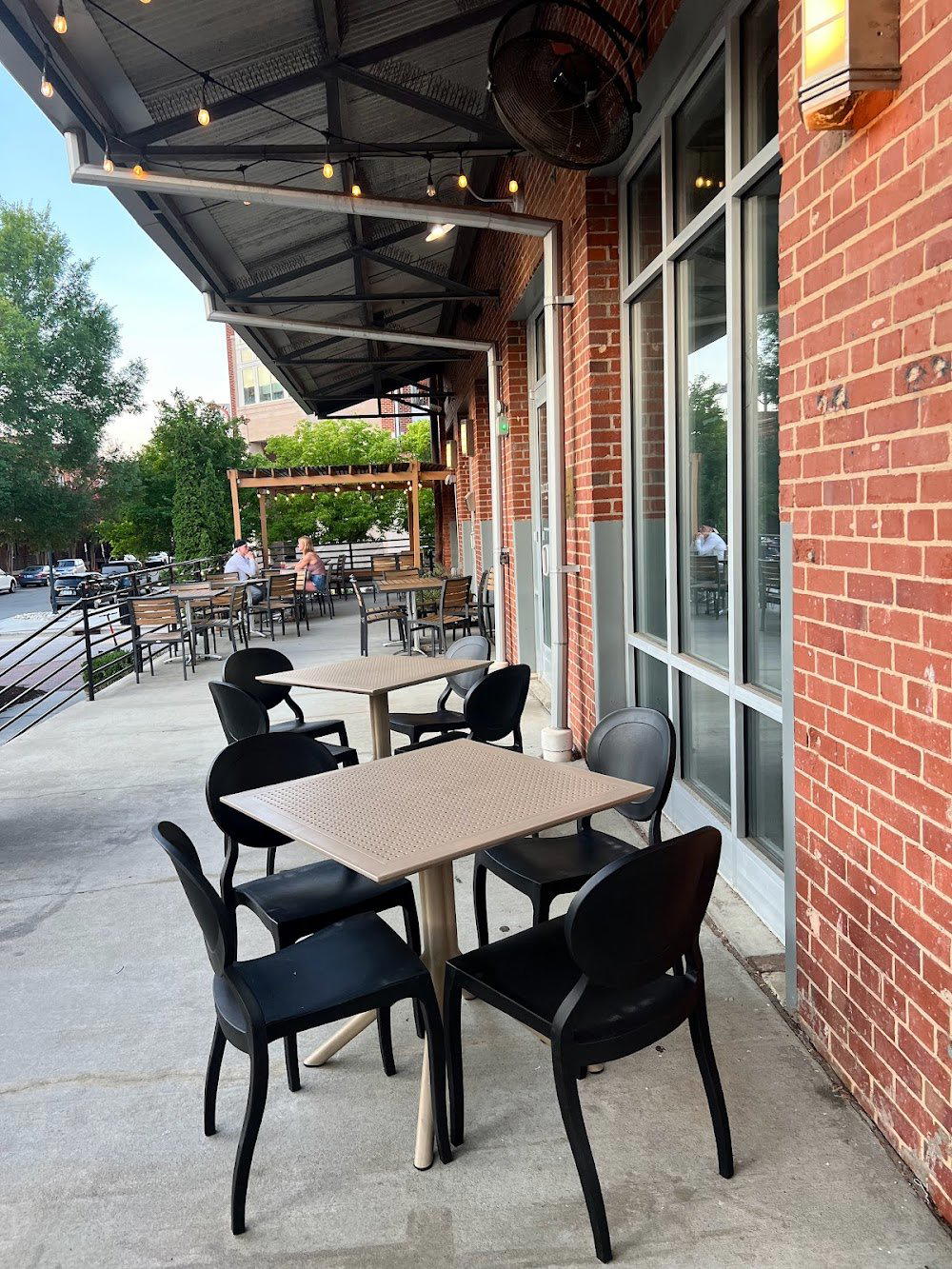
Melo Trattoria & Tapas is located at 1821 Hillandale Rd, Durham, NC 27705. As a neighbourhood restaurant on a residential corridor, it is leading approached by car or rideshare rather than on foot from central Durham. The Hillandale Road address places it outside the busiest parts of Durham's dining quarter, which typically means a more relaxed room than the downtown options, though that also means fewer last-minute walk-in opportunities during busy periods.
Price and Positioning
| Venue | Price |
|---|---|
| Melo Trattoria & TapasThis venue — the venue you are viewing | $20–30 |
| Mateo Bar de Tapas | $30–50 |
| Namu Korean Eats, Beer Hall & Coffee Bar | $10–20 |
| Alley Twenty Six | $30–50 |
Details
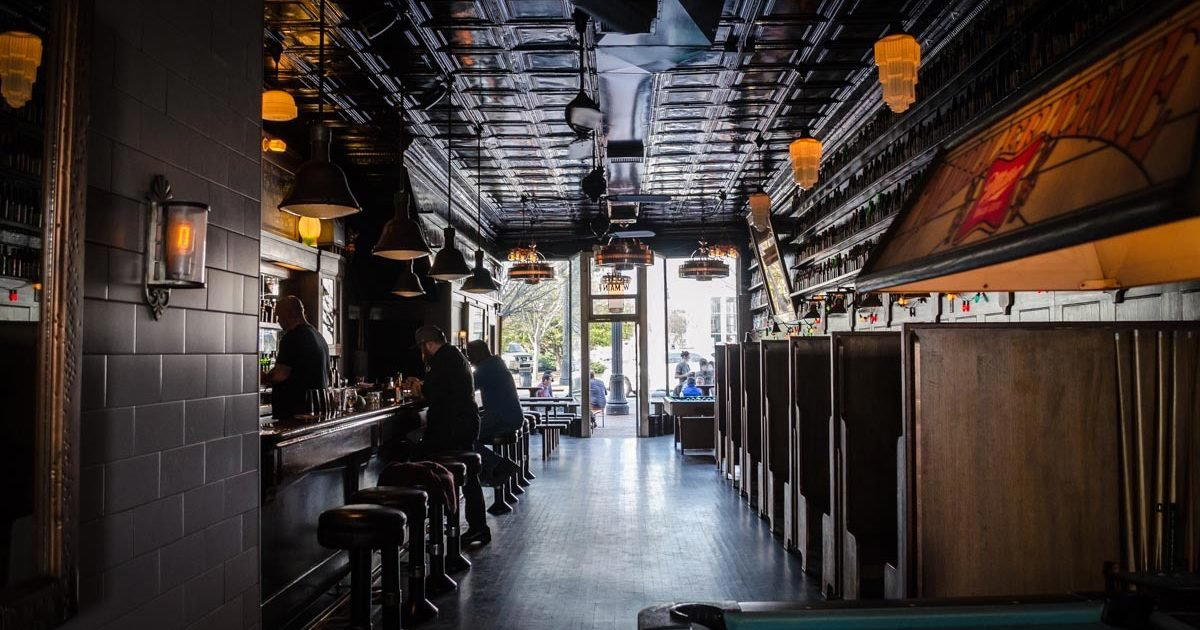
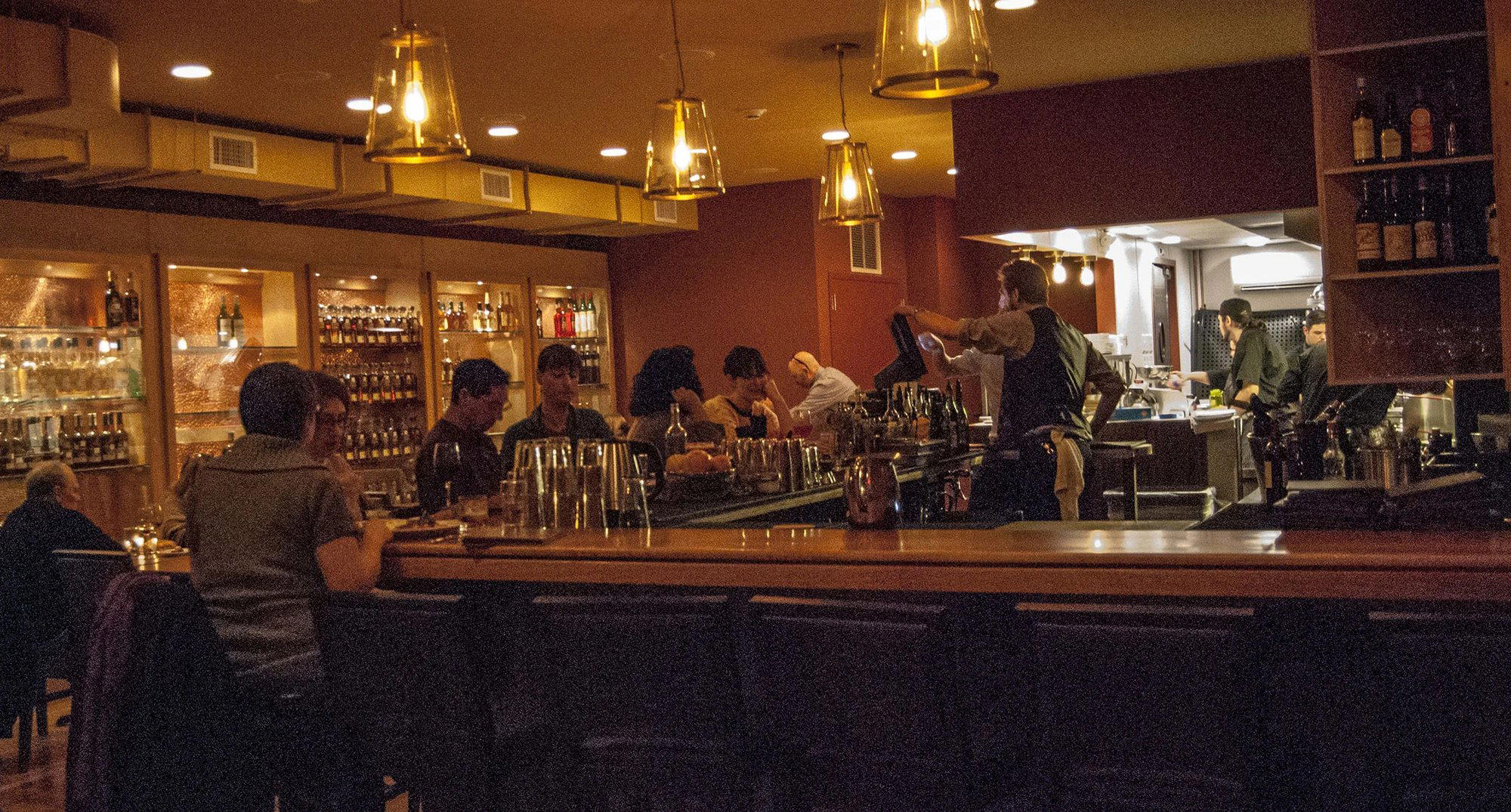
- Cozy
- Classic
- Quiet
- Romantic
- Date Night
- Group Outing
- Casual Hangout
- Standalone
- Seated Bar
- Booth Seating
Current opening hours
- Monday
- 11:30 AM–2 PM, 5–9 PM
- Tuesday
- 11:30 AM–2 PM, 5–9 PM
- Wednesday
- 11:30 AM–2 PM, 5–9 PM
- Thursday
- 11:30 AM–2 PM, 5–9 PM
- Friday
- 11:30 AM–2 PM, 5–9 PM
- Saturday
- 5–9 PM
- Sunday
- Closed
Hours can change for holidays and private events. Last verified .
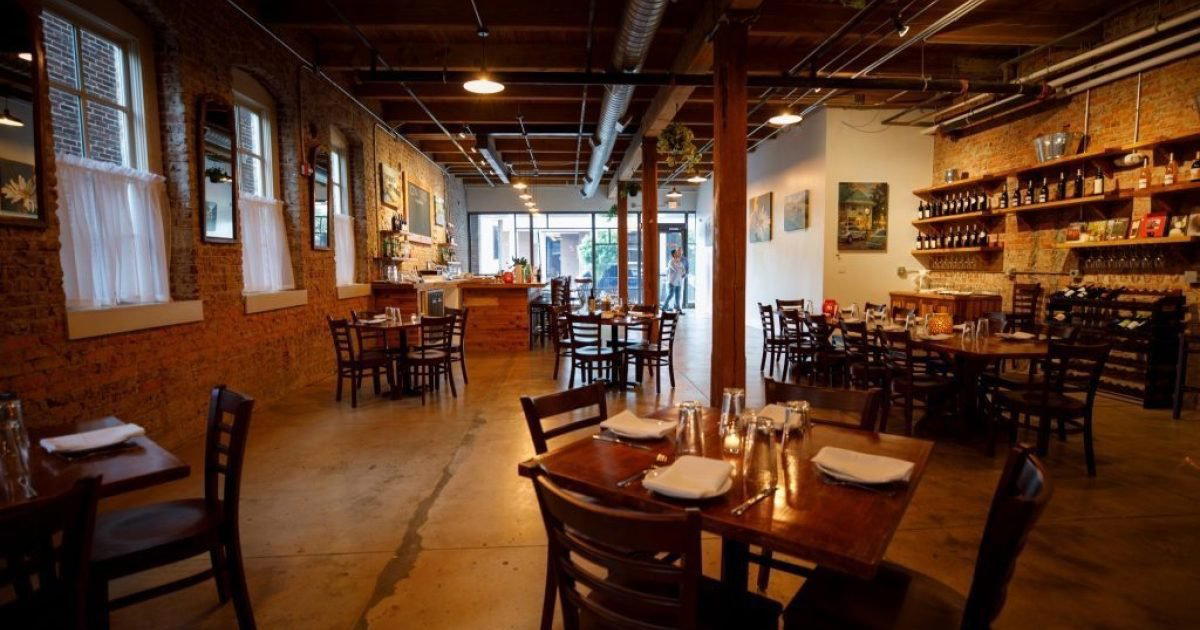
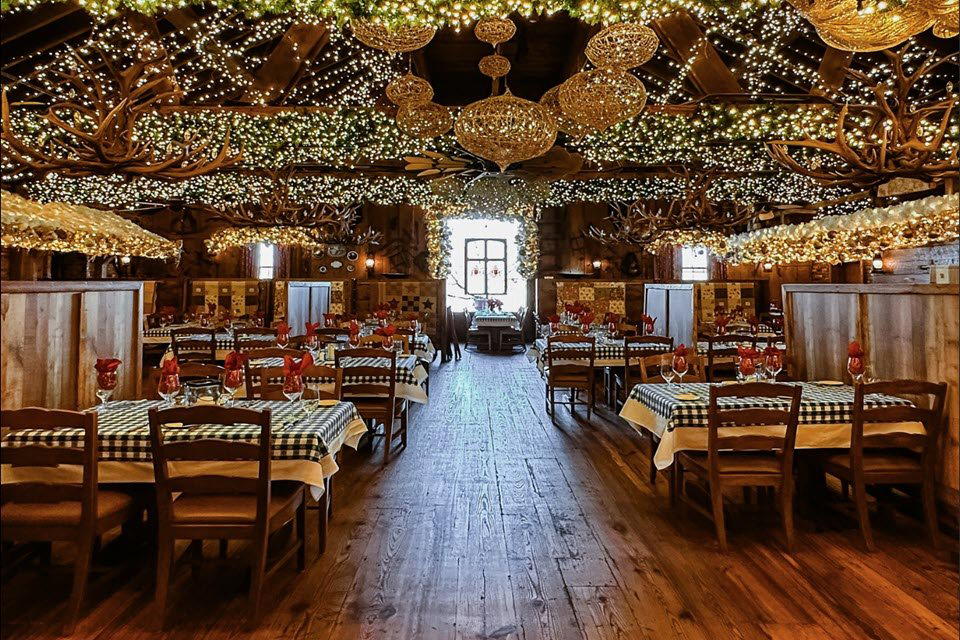
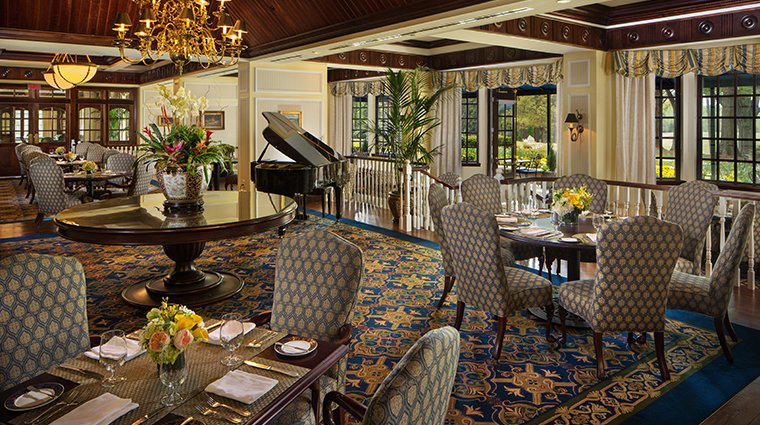
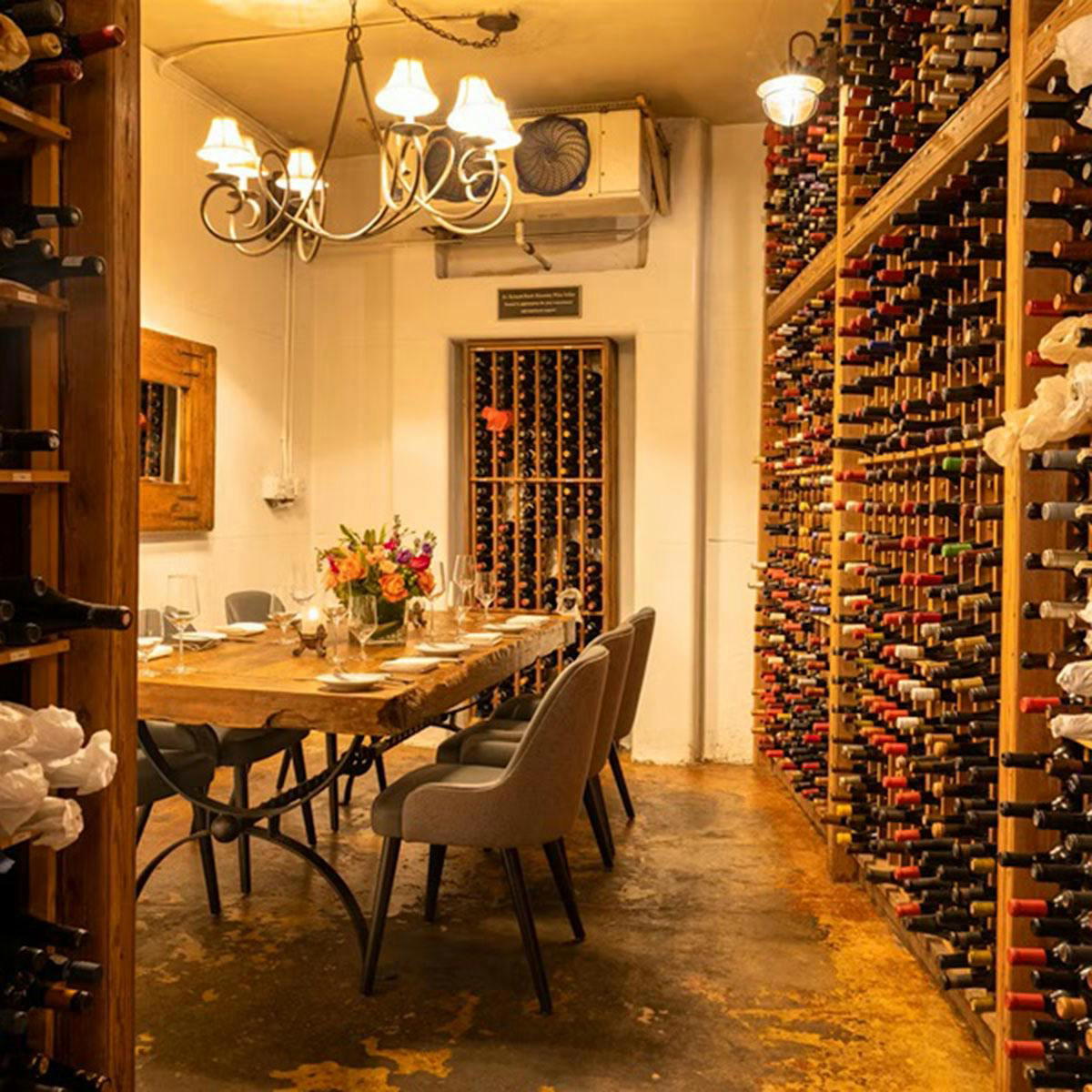
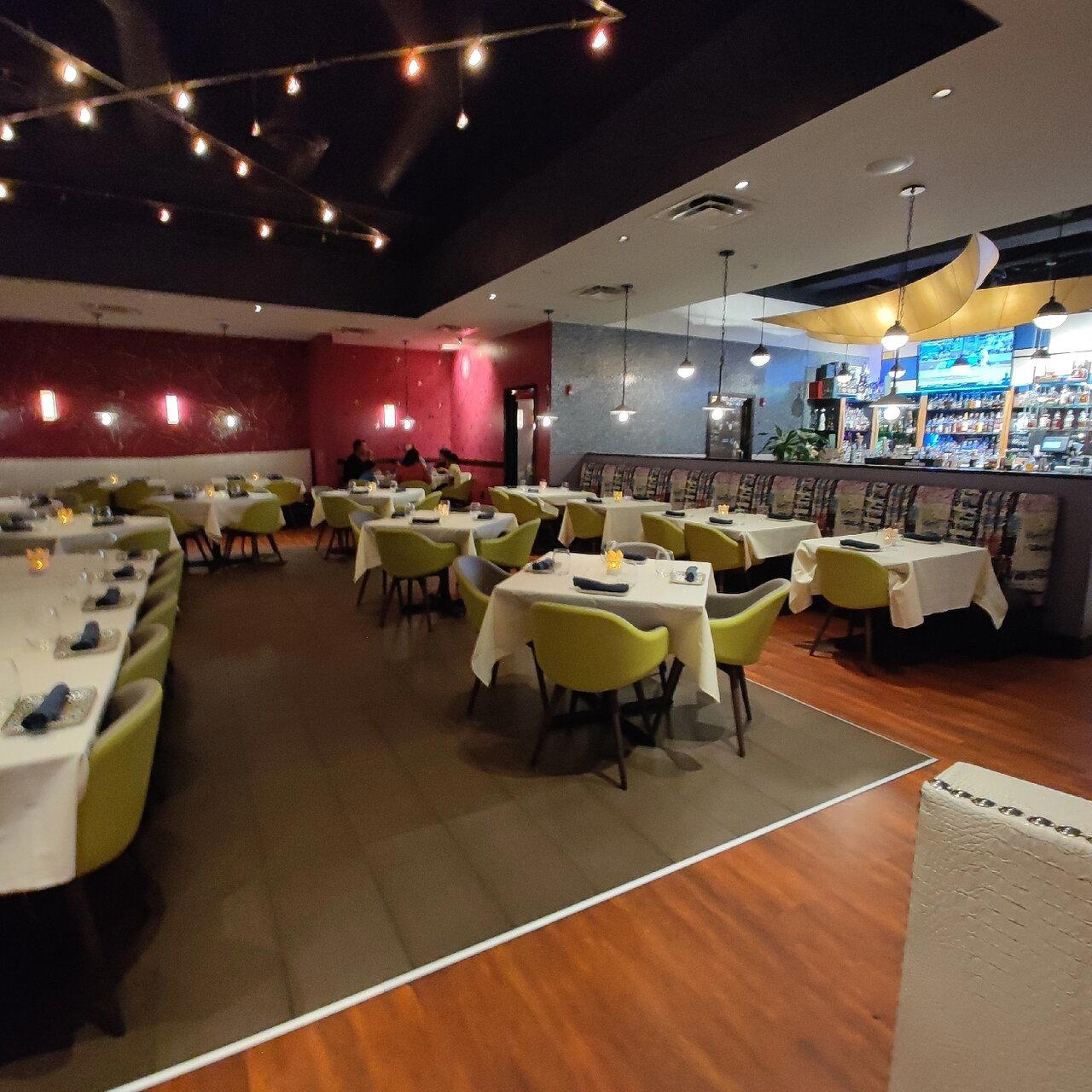
Quiet atmosphere with pleasing decor and artwork giving off a Tuscan vibe, Italian music playing softly in the background.