Mateo Bar de Tapas
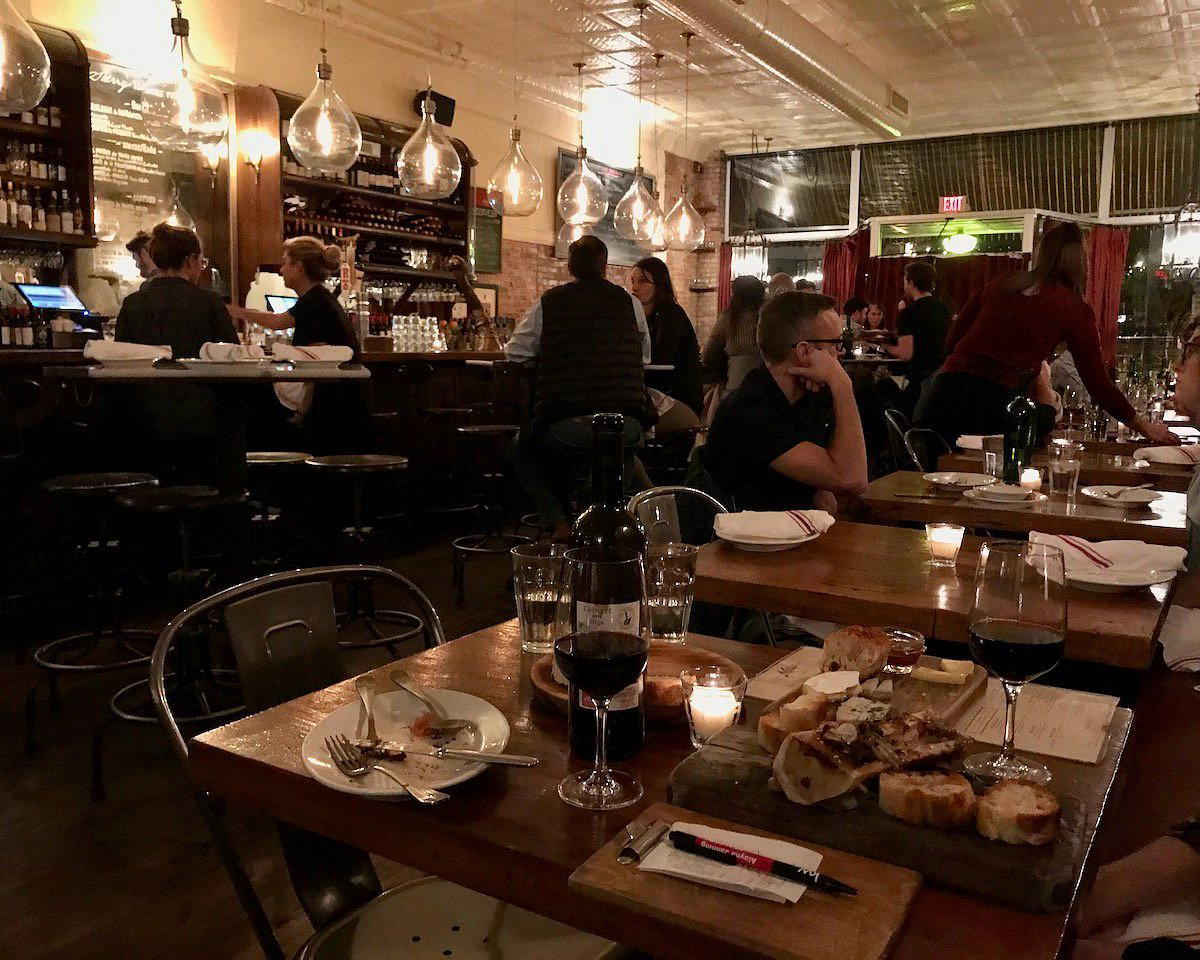
Mateo Bar de Tapas on West Chapel Hill Street is Durham's most committed Spanish bar program, where the cocktail list operates with the same creative discipline as the kitchen. Positioned in the heart of downtown Durham, it occupies a tier of Southern drinking rooms that prioritise technique and ingredient sourcing over theatrical presentation. A strong pick for anyone who wants serious drinks alongside Spanish-inflected food.

Pearl is the En Primeur Club membership app — saves, bookings, and concierge access live there. Same editors, same standards.
- Address
- 109 W Chapel Hill St, Durham, NC 27701
- Phone
- (919) 530-8700
- Hours
- Mon ClosedTue–Sat 5–10 PMSun Closed
- Website
- mateotapas.com
- Directions
- Get directions
- Booking
- Book on OpenTable
Downtown Durham's Spanish Bar Tradition
West Chapel Hill Street sits at the axis of downtown Durham's restaurant corridor, a stretch that has shifted over the past decade from post-industrial emptiness to one of the more concentrated dining blocks in the Triangle. Within that corridor, a distinct category of bar has emerged: places that treat the drink program as a parallel kitchen, not an afterthought. Mateo Bar de Tapas, at 109 W Chapel Hill St, operates firmly in that category.
Spanish bar culture, at its most honest, is about balance between hospitality and precision. The tapas format — small plates, communal pacing, drinks that move through a meal rather than preceding it — demands a drink program that can hold that rhythm. American interpretations of this format have historically collapsed into either caricature or timidity, defaulting to sangria pitchers or Spanish wine lists that read like a half-understood gesture toward Iberian culture. The bars that get it right treat the cocktail and the wine list as structural elements of the meal, not decoration.
The Cocktail Program in Context
Durham's cocktail scene has matured along a trajectory recognisable in other mid-sized American cities with strong university and creative-industry populations: early craft wave, consolidation, then a more settled phase where the better programs have found their own voice rather than simply importing techniques from New York or Chicago. The rooms that have survived and deepened tend to share a common characteristic, they treat the bar program as an argument, not a menu. At Mateo, the Spanish-influenced format gives the cocktail list a clearer frame than most American bars operate within, which is an editorial advantage. Sherry, vermouth, and Spanish spirits provide a vocabulary that aligns with the food and resists the tendency toward novelty for its own sake.
Nationally, the Spanish-inflected bar program occupies an interesting position. Compare Mateo's format to something like Superbueno in New York City, which operates with a Latin-American cocktail identity in a similarly food-forward environment, or Jewel of the South in New Orleans, where historical cocktail tradition anchors a serious drinks program alongside a dining room. In each case, the strength of the concept comes from the coherence between kitchen and bar. Mateo sits in that tradition, a room where the drinks are legible in relation to the food, not competing with it.
The broader national shift in premium bar culture has moved away from speakeasy concealment and toward transparency about technique. Rooms like Kumiko in Chicago and Bar Leather Apron in Honolulu have made the case that a bar program can carry intellectual weight without theatrical gimmickry. ABV in San Francisco operates on similar principles. Mateo's Spanish anchoring gives it a natural restraint that aligns with this shift. Vermouth service, sherry pours, and spirit-forward cocktails built around Spanish distillates reward the kind of attention that the current generation of serious drinkers is increasingly willing to bring to a bar counter.
What Durham's Bar Scene Offers Around It
Durham's drink culture is more layered than its size might suggest. Bull City Solera and Taproom covers fermentation-forward territory. Alley Twenty Six holds its own as one of the more rigorous cocktail programs in the Southeast. The city's dining rooms are increasingly international in ambition: Convivio Restaurant and Criterion both operate at a level that makes Durham worth treating as a destination rather than a stopover on the way to Raleigh or Chapel Hill. Mateo fits within this pattern as the room most explicitly committed to Spanish bar tradition, which means it serves a distinct function in the city's overall hospitality map rather than simply replicating what the places around it already do well.
For visitors constructing an evening in downtown Durham, the geography is compact enough that Mateo can anchor a broader itinerary. The West Chapel Hill Street location puts it within reach of the American Tobacco Campus and Durham Performing Arts Center, both of which generate pre- and post-show traffic that rewards a room with Mateo's format. A bar that can hold a table through drinks, small plates, and a second round without feeling rushed is a particular asset in that context. See our full Durham restaurants guide for a broader picture of how the city's dining and drinking rooms distribute across the downtown core.
Planning Your Visit
Mateo sits in downtown Durham's most walkable block, which means parking is easiest in the nearby structured garages rather than on-street. The tapas format rewards arriving without a hard endpoint, two hours at the bar or table, working through drinks and small plates in sequence, suits the room's rhythm better than a quick single-course stop. For comparison, rooms at a similar national tier, Julep in Houston and The Parlour in Frankfurt, both operate on the assumption that the guest will pace themselves across the menu rather than rush. Mateo operates on the same assumption.
Comparison Snapshot
| Venue | Price |
|---|---|
| Mateo Bar de TapasThis venue — the venue you are viewing | $30–50 |
| Melo Trattoria & Tapas | $20–30 |
| Namu Korean Eats, Beer Hall & Coffee Bar | $10–20 |
| Alley Twenty Six | $30–50 |
Details
- Romantic
- Lively
- Elegant
- Sophisticated
- Date Night
- Celebration
- Special Occasion
- Group Outing
- Historic Building
- Standalone
- Seated Bar
- Booth Seating
- Private Rooms
- Conventional Wine
- Craft Cocktails
- Low Abv
Current opening hours
- Monday
- Closed
- Tuesday
- 5–10 PM
- Wednesday
- 5–10 PM
- Thursday
- 5–10 PM
- Friday
- 5–10 PM
- Saturday
- 5–10 PM
- Sunday
- Closed
Hours can change for holidays and private events. Last verified .
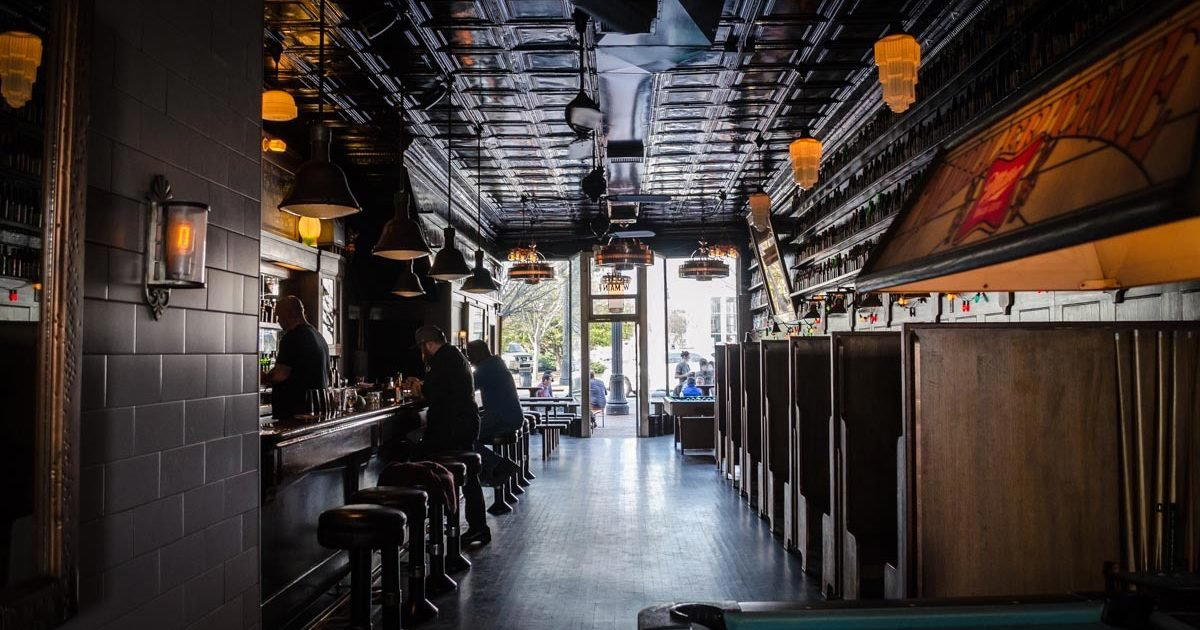
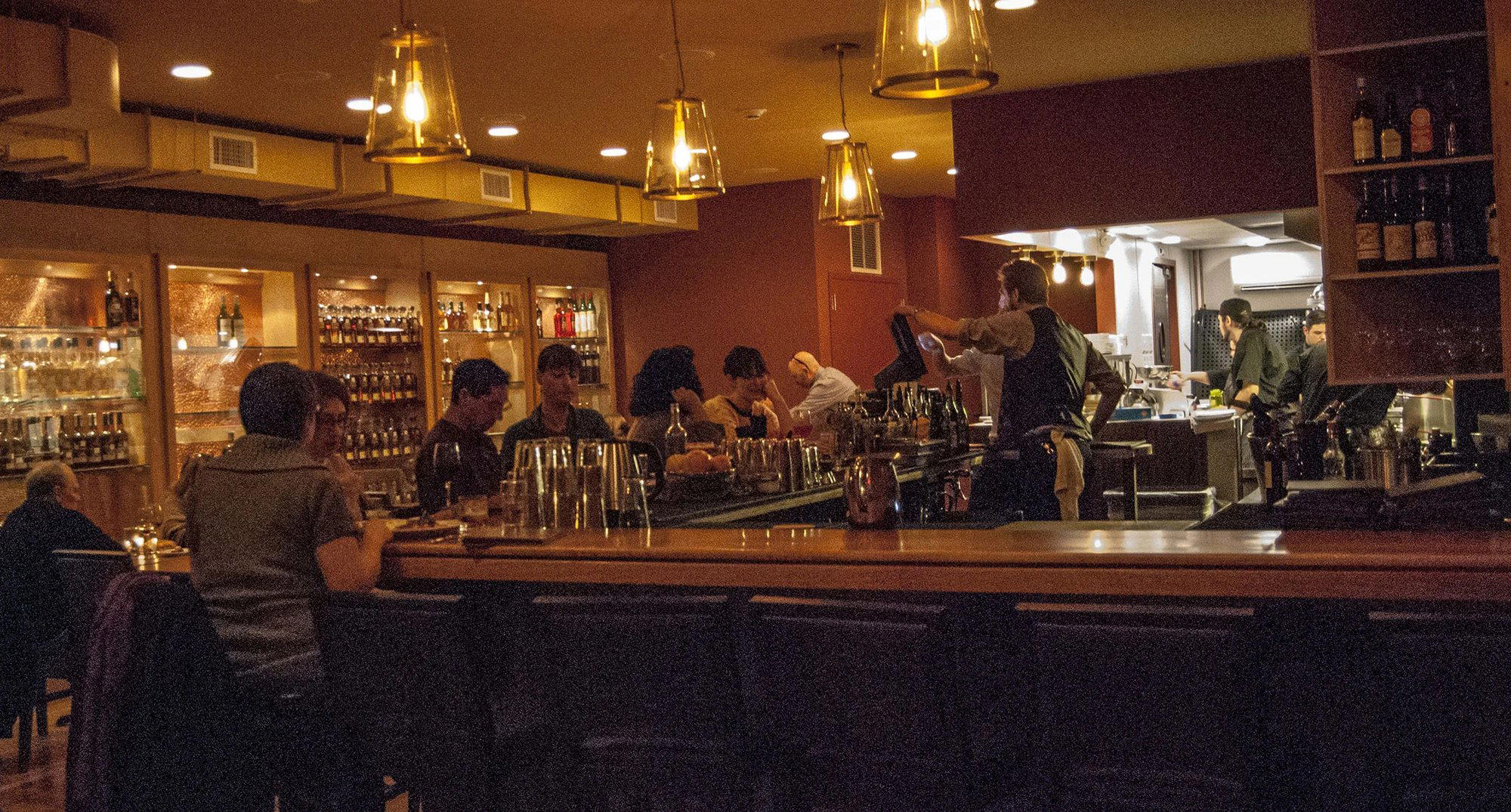
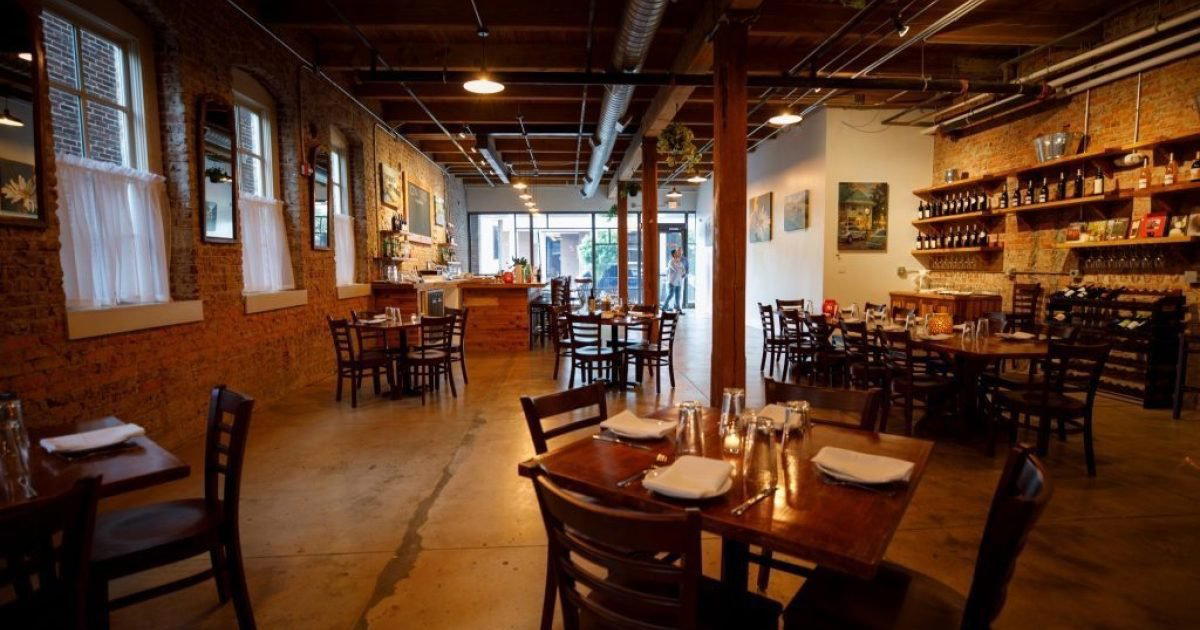
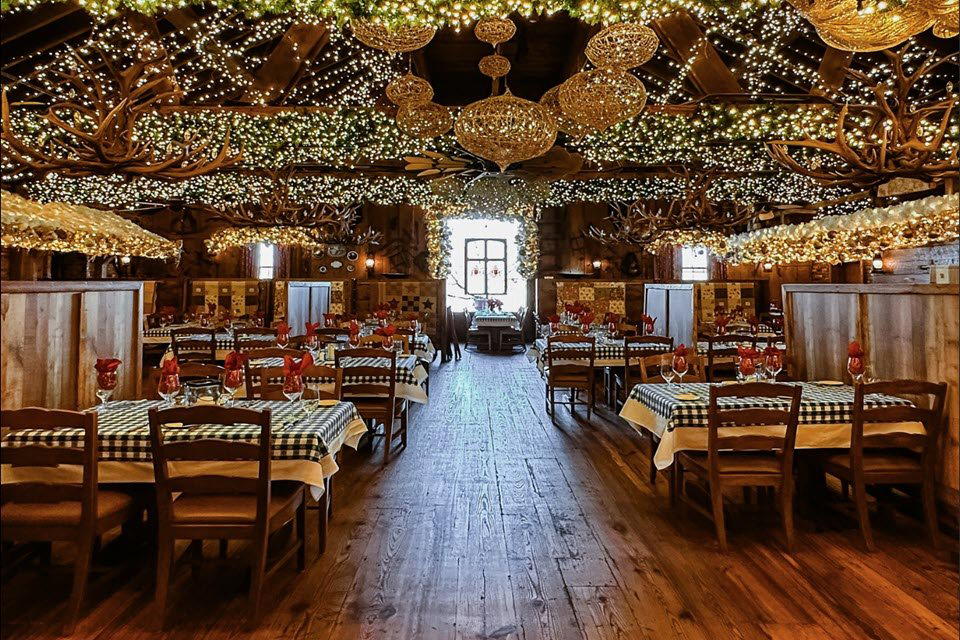
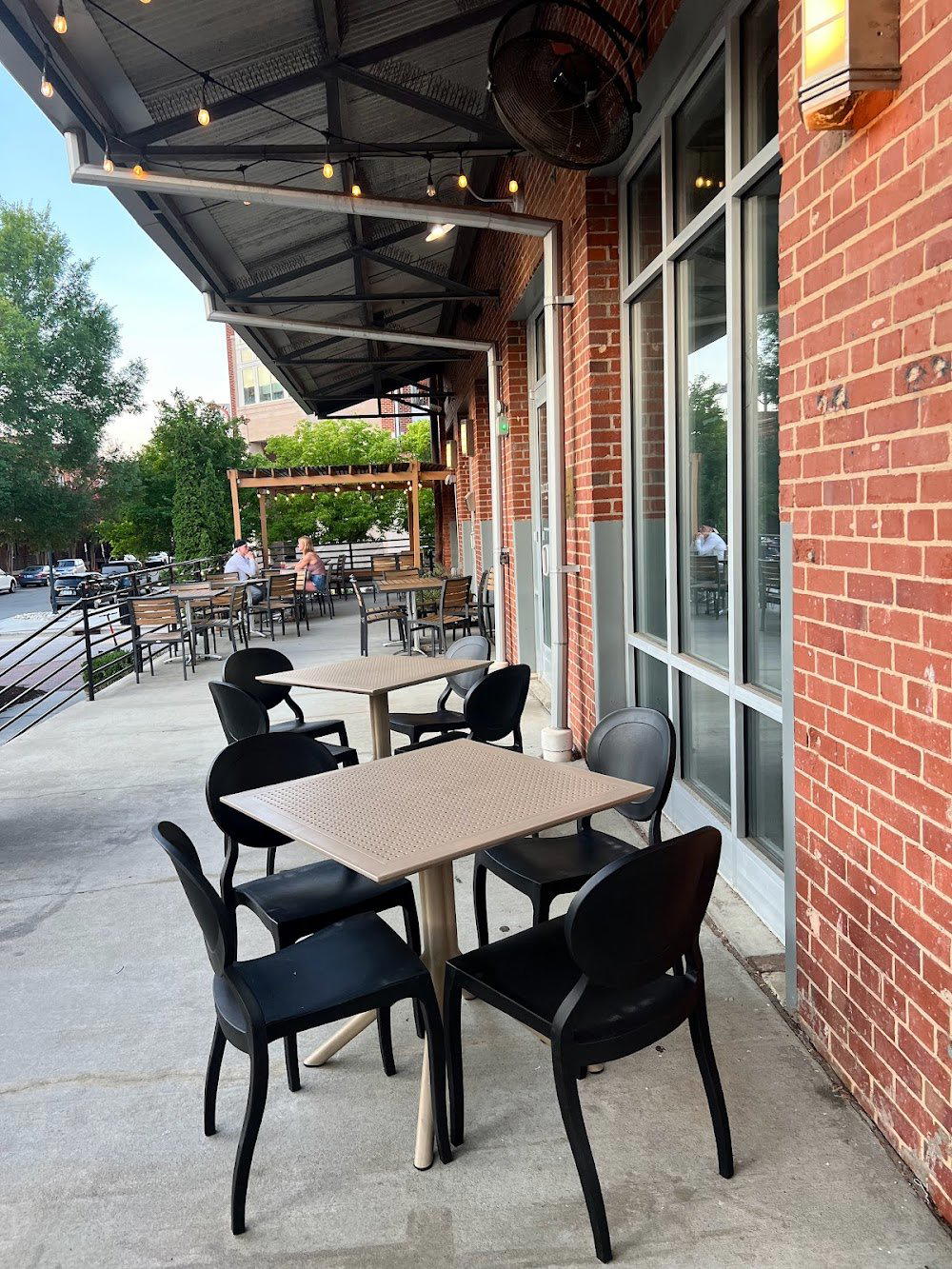
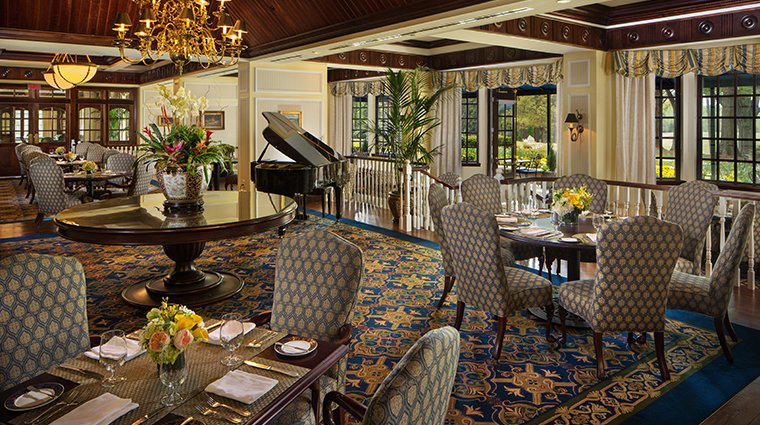
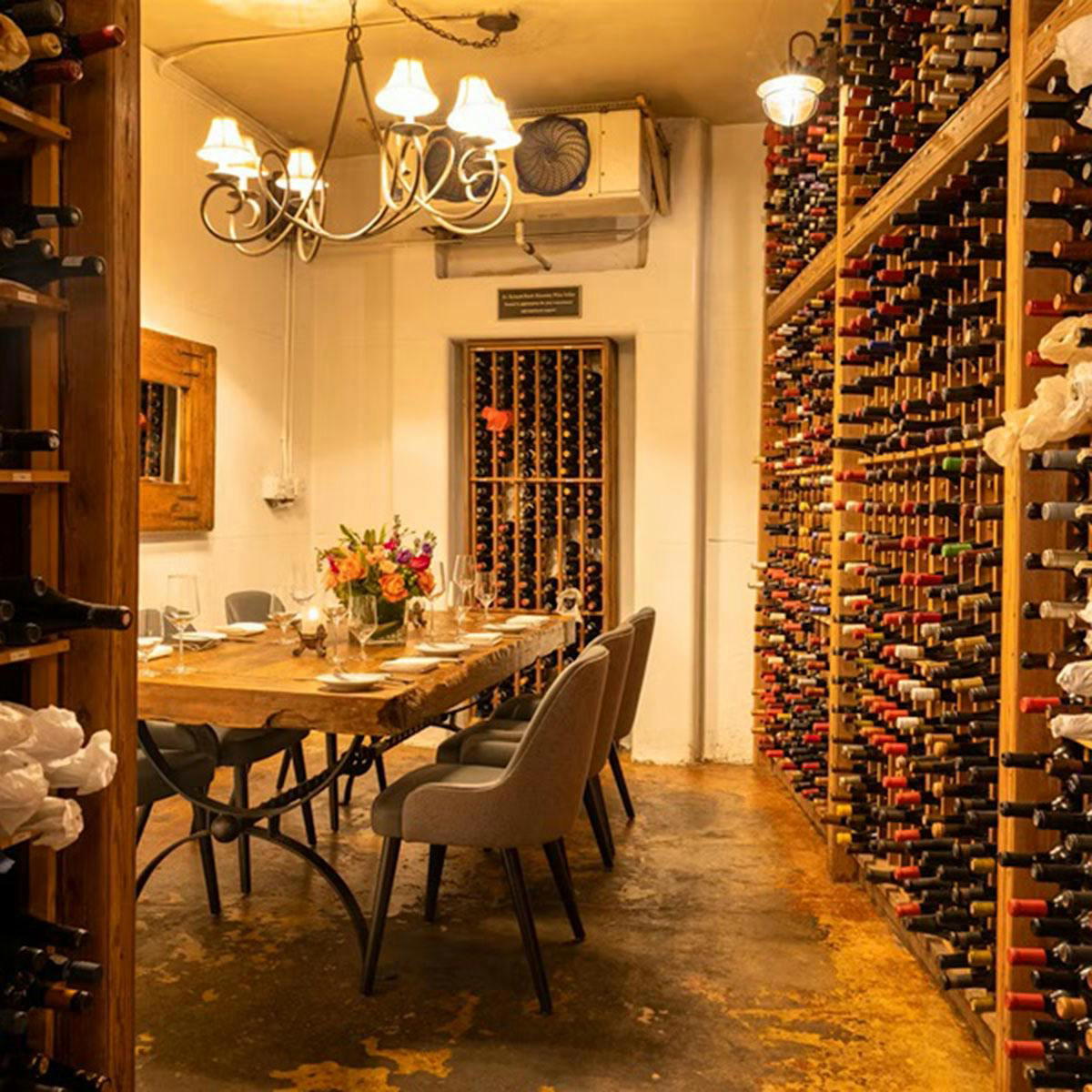
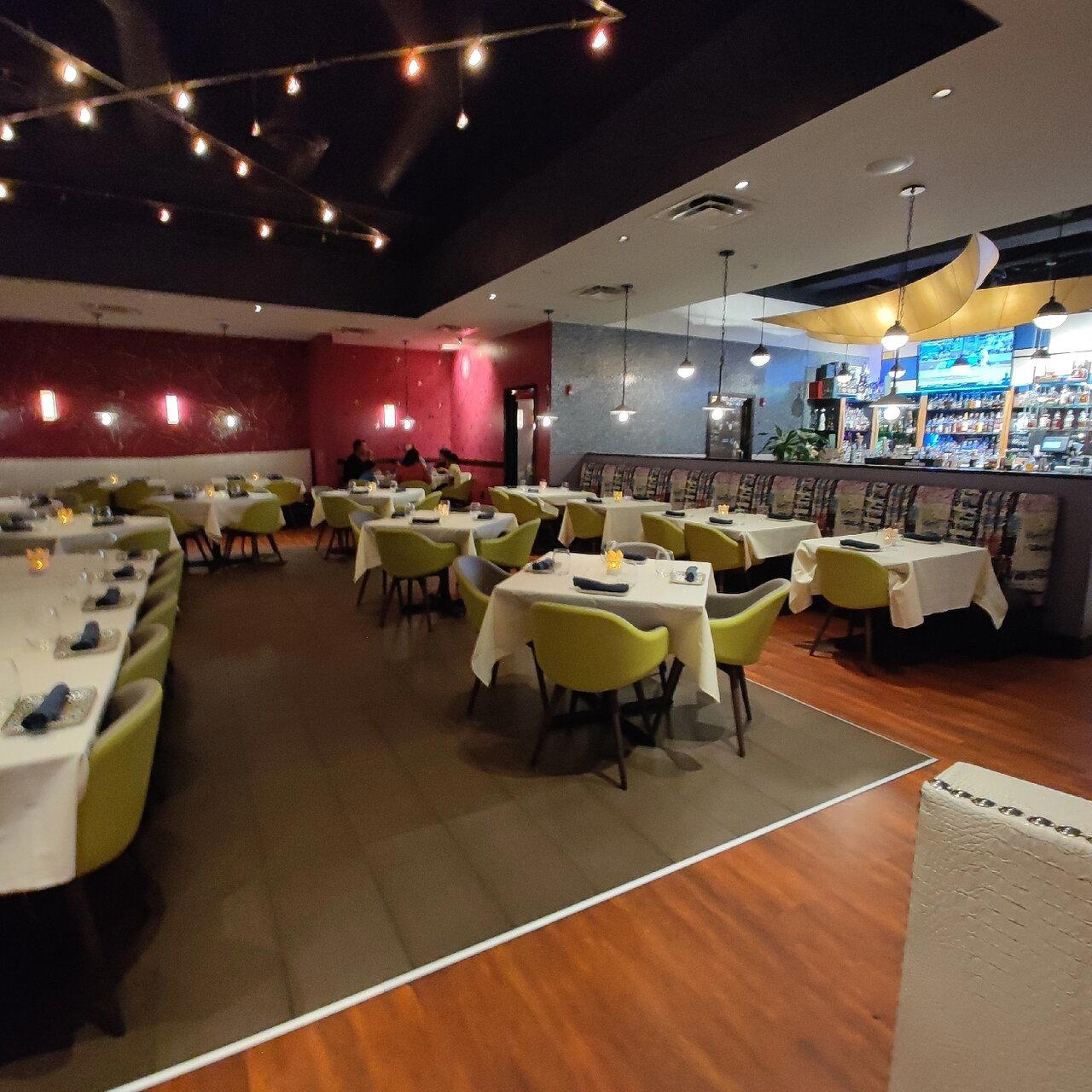
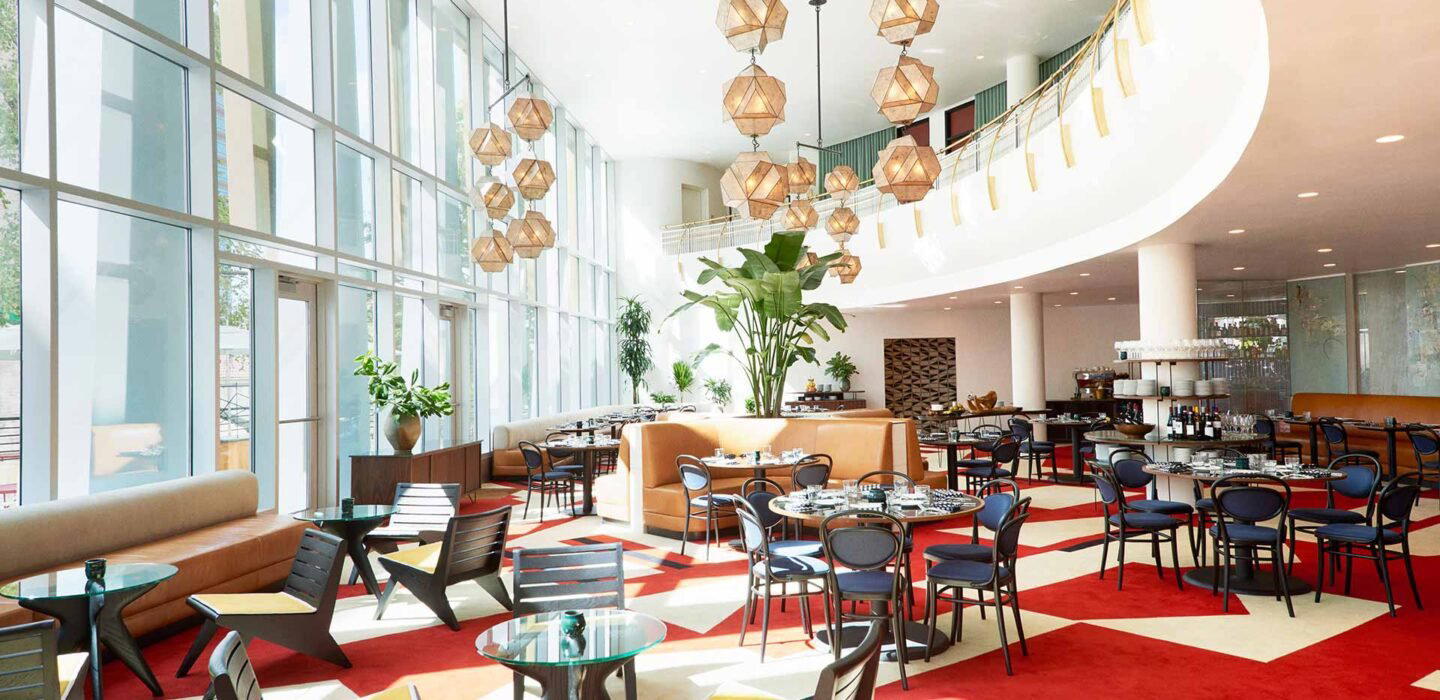
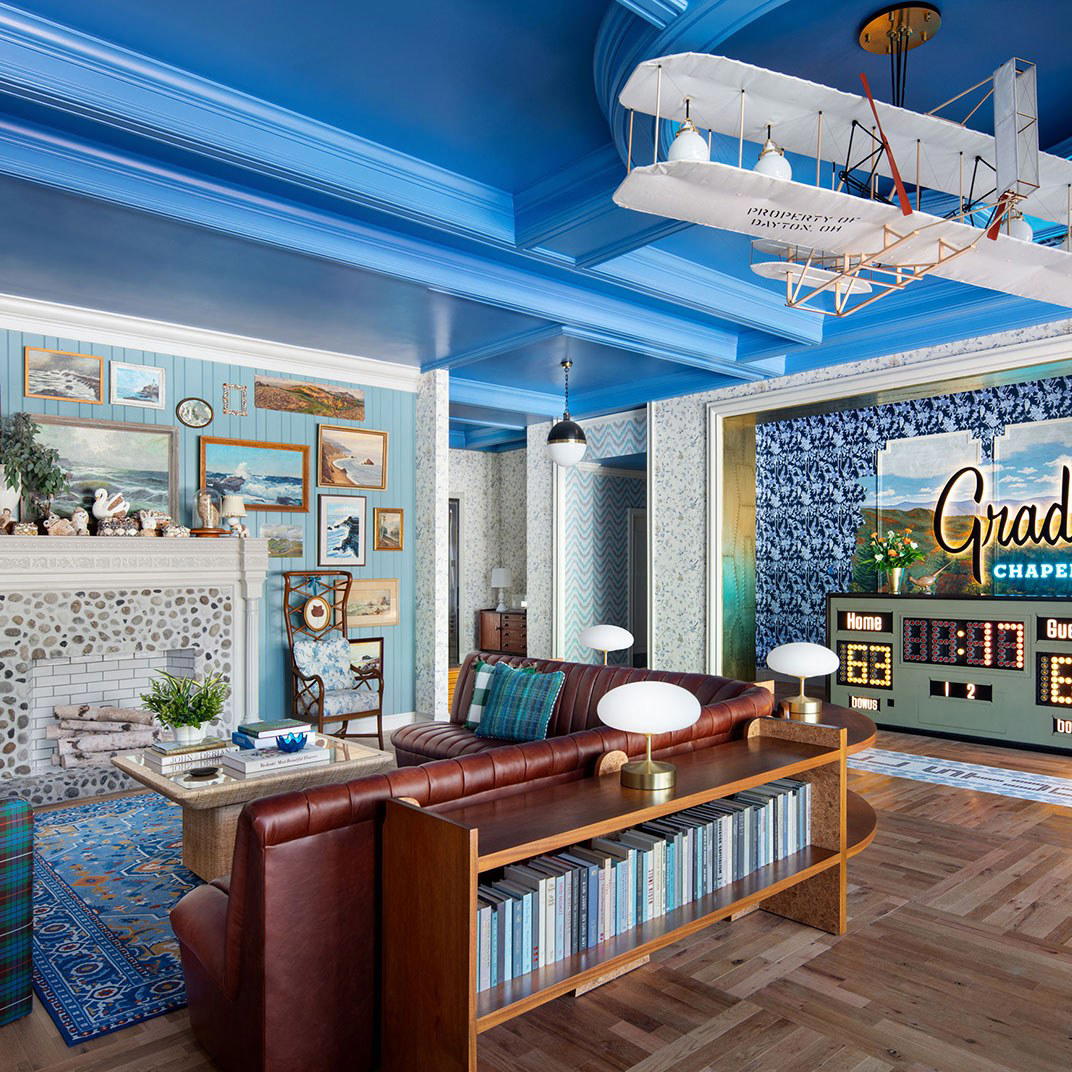
Lively and chic downtown atmosphere housed in a historic Book Exchange building, with lively energy well-suited for celebrations and special occasions.