Bull City Solera and Taproom
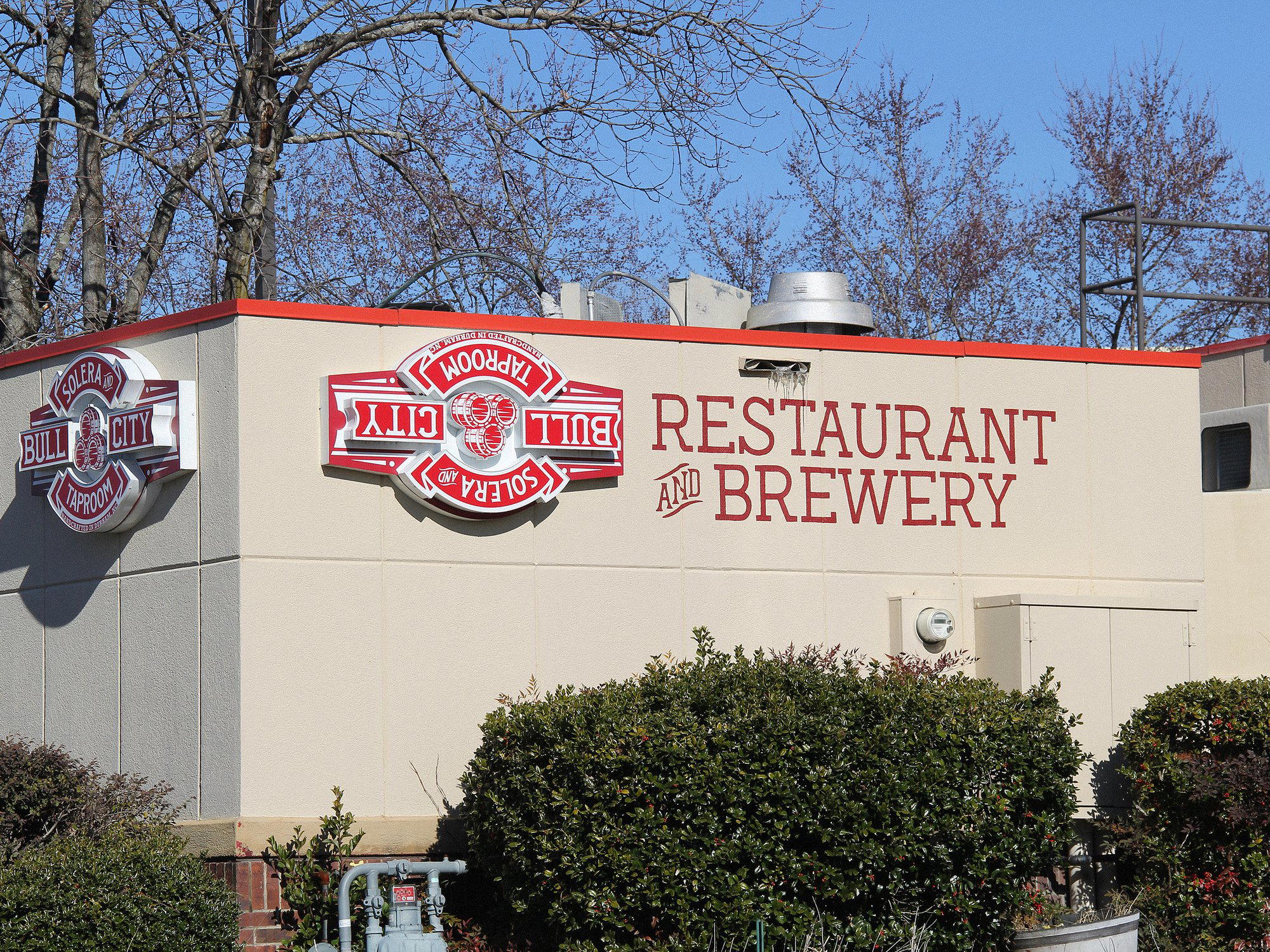
Bull City Solera and Taproom, on University Drive in Durham, occupies a niche where sour and mixed-fermentation beer programs meet a bar food format built for pairing. The taproom sits within Durham's growing craft-beer corridor, positioning itself alongside the city's more technically ambitious drinking establishments. For those drawn to spontaneous fermentation and its table-side complement, it warrants a considered visit.
- Address
- 4120 University Dr, Durham, NC 27707
- Phone
- (919) 908-0203
- Website
- bullcitysoleraandtaproom.com
- Directions
- Get directions
Where the Beer Does the Talking
University Drive in Durham does not announce itself as a destination strip. The commercial stretch running southwest from Duke's campus carries the ordinary markers of a mid-sized American college town: parking lots, chain adjacent storefronts, the occasional independent holdout. Bull City Solera and Taproom is the kind of address that rewards the person who already knows what they are looking for, rather than the walk-in tourist scanning for atmosphere signals. That insularity is, in part, the point. Taprooms built around wild and mixed-fermentation programs tend to self-select their audience, and the one at 4120 University Drive is no exception.
Durham's drinking culture has matured significantly over the past decade. The city that once leaned on its tobacco-warehouse renovation story has developed genuine depth across craft beer, cocktail programs, and wine bars. Alley Twenty Six anchors the cocktail end of that spectrum with a program rooted in classic American technique, while Criterion and Convivio Restaurant serve the overlap between serious drinking and serious eating. Bull City Solera sits in a different, more specialist tier: the taproom built around a house fermentation philosophy rather than a broad-category beverage list.
The Solera Method and What It Means on Tap
The name is not decorative. A solera is a fractional blending system, more commonly associated with sherry production in Jerez and certain aged vinegar traditions, in which a portion of older liquid is perpetually blended with newer additions. Applied to beer, it produces layered complexity that straight single-batch brewing cannot replicate: acidity that builds over years, aromatic depth that reflects multiple seasons of microbial activity, and a house character that becomes more distinctly itself the longer the program runs. For a taproom to name itself after the method signals a commitment to process over product, to the cellar program rather than just what happens to be ready this month.
That commitment shapes how food functions in a venue like this. Sour and mixed-fermentation beers present particular pairing challenges. High acidity and pronounced brett character can overwhelm delicate food, while the wrong bar snack can flatten a complex barrel-aged blend into something that reads as merely tart. The most thoughtful taproom food programs in the United States have responded to this by moving away from generic pub formats toward something closer to the charcuterie-and-small-plates register, where fat, salt, and fermented flavors of their own can hold a conversation with the beer. Venues like Kumiko in Chicago and ABV in San Francisco have demonstrated what thoughtful drink-led food programming can look like at a high level, using kitchen output as a deliberate extension of the beverage argument rather than an afterthought.
Pairing Logic in a Beer-Forward Format
The editorial conversation around beer and food pairing has lagged behind wine and cocktail discourse by a decade or more, but it is catching up. The explosion of American wild ale and farmhouse programs has produced a category of fermented beverages that demand the same pairing intelligence traditionally reserved for a Burgundy or an aged fino. Carbonation level, residual sweetness, brett expression, and the presence or absence of dry-hopping all create different food affinities. A lambic-style gueuze, for instance, cuts through rich pork fat in a way that few white wines can match, while a sweeter fruit-forward sour calls for the kind of acid-bright counterpoint that pickled vegetables or aged cheese provides.
Taprooms that have built their identity around spontaneous fermentation, as Bull City Solera has, tend to attract a customer who is already thinking in these terms. The audience for a solera-based sour program is not looking for a cold lager and a burger, though neither of those things is beneath anyone's dignity. They are there for the specific pleasure of tasting through a program that has taken years to develop, and the food format, whatever it is on any given evening, should reflect that context. That alignment between the bar's technical ambitions and the kitchen's supporting role is what separates a serious taproom from one that happens to make interesting beer.
Elsewhere in the American craft bar scene, this drink-first, food-as-complement model has been executed with varying degrees of rigor. Jewel of the South in New Orleans demonstrates how kitchen and cocktail programs can operate at the same level of craft intention, while Julep in Houston has built its food program around regional culinary logic that mirrors the drinks' Southern provenance. Bull City Solera operates in a smaller register, but the underlying principle applies: what is served on the plate should be legible in relation to what is in the glass.
Durham's Fermentation Corridor
Durham has become one of the more interesting mid-market cities for fermentation-driven hospitality. The Research Triangle's educated, mobile population supports a level of specialist interest that smaller Southern cities typically cannot sustain. Dashi Ramen and Izakaya Cocktail Bar has shown how fermentation-adjacent flavors (miso, sake, the umami register broadly) translate into a full hospitality concept. Bull City Solera applies a related philosophy specifically to the beer cellar. The city's appetite for this kind of technical specificity is, if not guaranteed, at least more reliably present here than in comparable Southern metros.
For visitors coming in from outside the Triangle, University Drive is roughly accessible from I-40, and the taproom's address puts it closer to the Duke University side of Durham than to the downtown Brightleaf and American Tobacco corridor. Those planning a drinking itinerary across the city should factor that geography into their evening. A session at Bull City Solera pairs logically with dinner at one of Durham's more food-forward spots nearby, though the taproom's own food program means it can function as a complete stop. For the broader Durham picture, our full Durham restaurants guide maps the city's drinking and dining options across neighborhoods and price points.
Internationally, the taproom-as-destination model has found sophisticated expressions in cities from Honolulu (where Bar Leather Apron exemplifies format discipline and technical depth) to Frankfurt (where The Parlour brings a similarly focused, beverage-first ethos). Superbueno in New York City offers another case study in how a specialist drinks program can generate its own gravitational pull. Bull City Solera is operating in that same specialist register, scaled to a Durham audience and built around a process with genuine technical depth.
Planning a Visit
Specific hours and booking information were not available at time of publication; the taproom's walk-in culture is typical of the format, but calling ahead or checking current social channels before a special visit is advisable, particularly for the taproom's rotating release events, which in the sour beer world tend to generate outsized demand relative to the venue's capacity. Releases tied to longer barrel-aging cycles, which in a solera-format program can run to multiple years, are the moments when the difference between a dedicated enthusiast and a casual visitor becomes most apparent. Arriving without a plan on release days at a venue with a serious fermentation reputation is a gamble.
There is no dress code to speak of, as is standard in American taproom culture. Prices in the sour and mixed-fermentation category tend to run higher than commodity lager for reasons rooted in the cost of extended barrel aging and the slower production cycles involved. For a specialist beer program in a mid-market Southern city, that premium is the expected trade-off for access to something that has been developing in wood for an extended period.
Peers You’d Cross-Shop
A compact comparison to help you place this venue among nearby peers.
| Venue | Price |
|---|---|
| Bull City Solera and TaproomThis venue — the venue you are viewing | Not listed |
| Mateo Bar de Tapas | $30–50 |
| Melo Trattoria & Tapas | $20–30 |
| Namu Korean Eats, Beer Hall & Coffee Bar | $10–20 |
| Alley Twenty Six | $30–50 |
Details
- Modern
- Trendy
- Cozy
- After Work
- Group Outing
- Casual Hangout
- Standalone
- Seated Bar
- Lounge Seating
- Craft Cocktails
- Craft Beer
- Gin
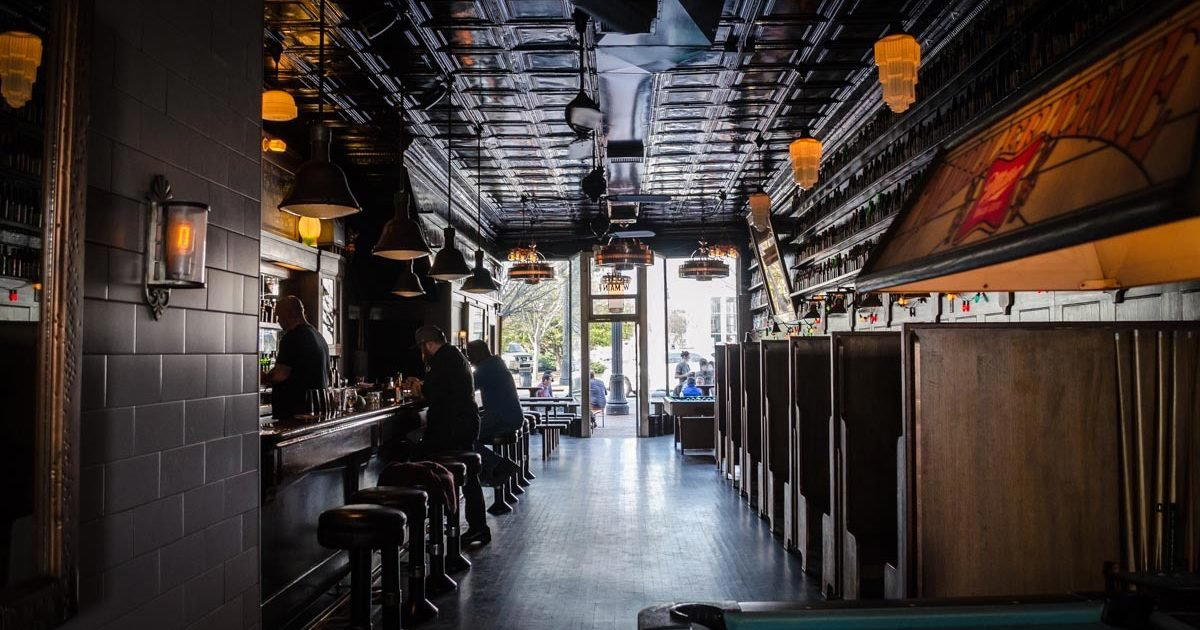
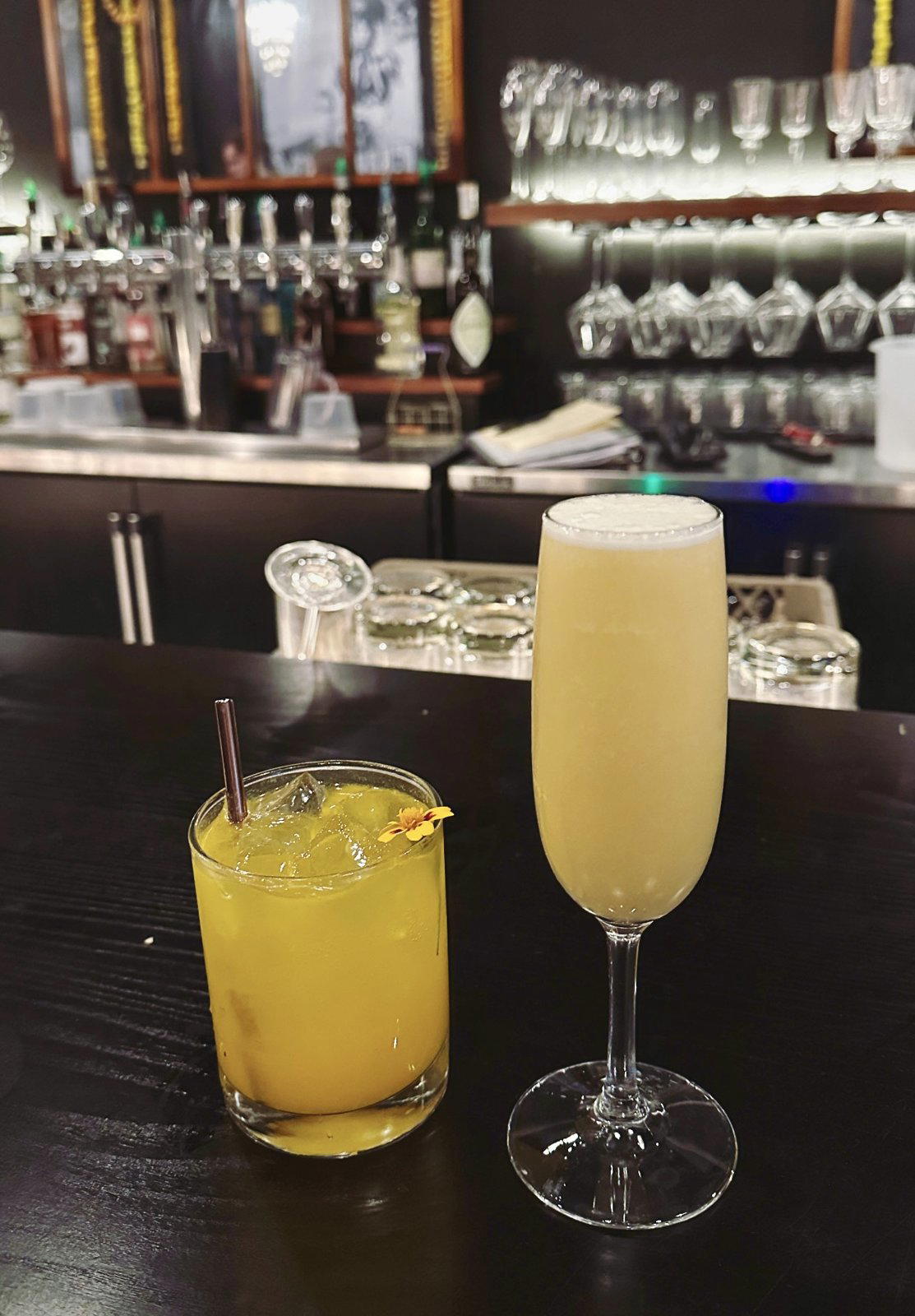
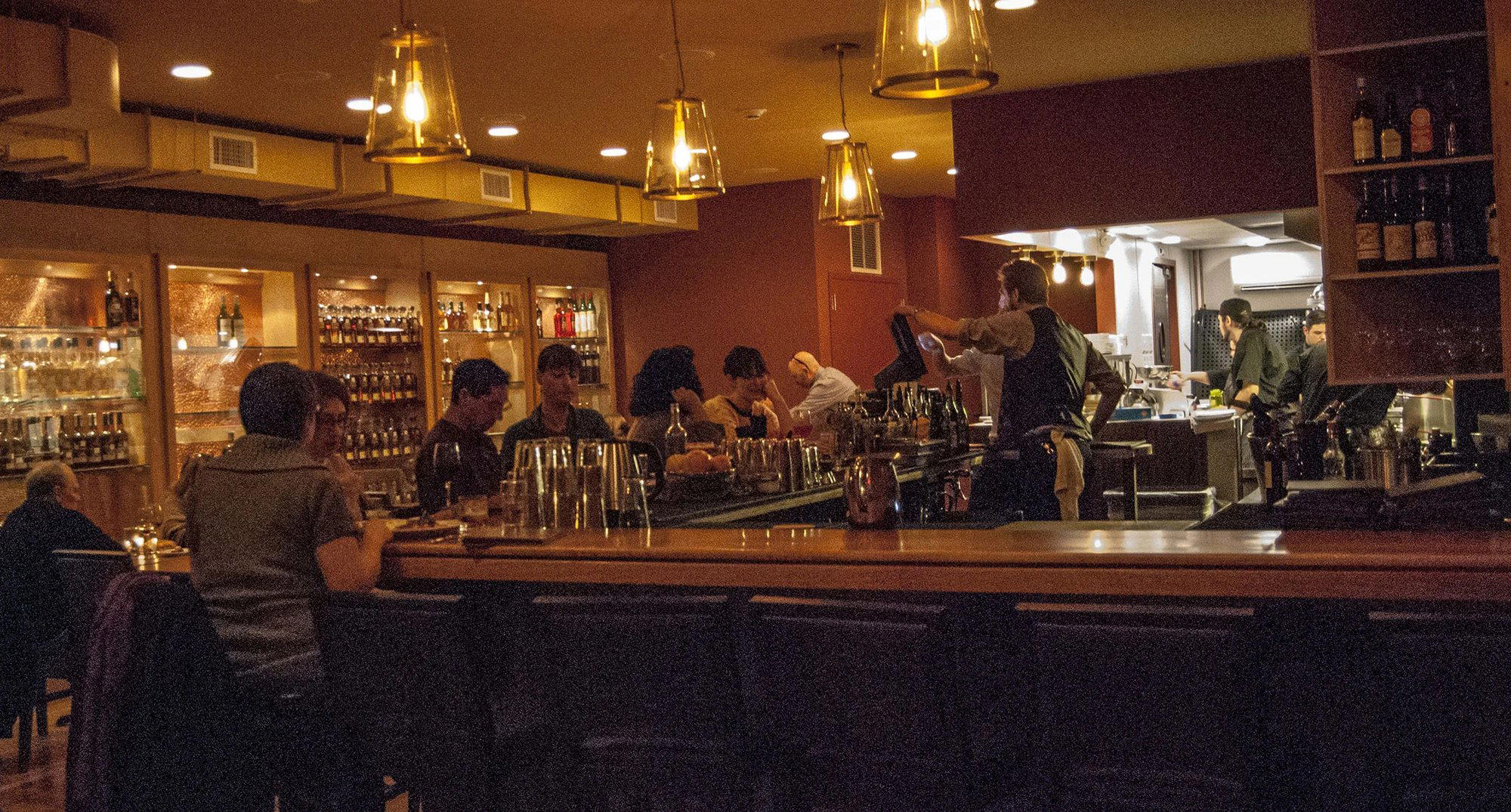
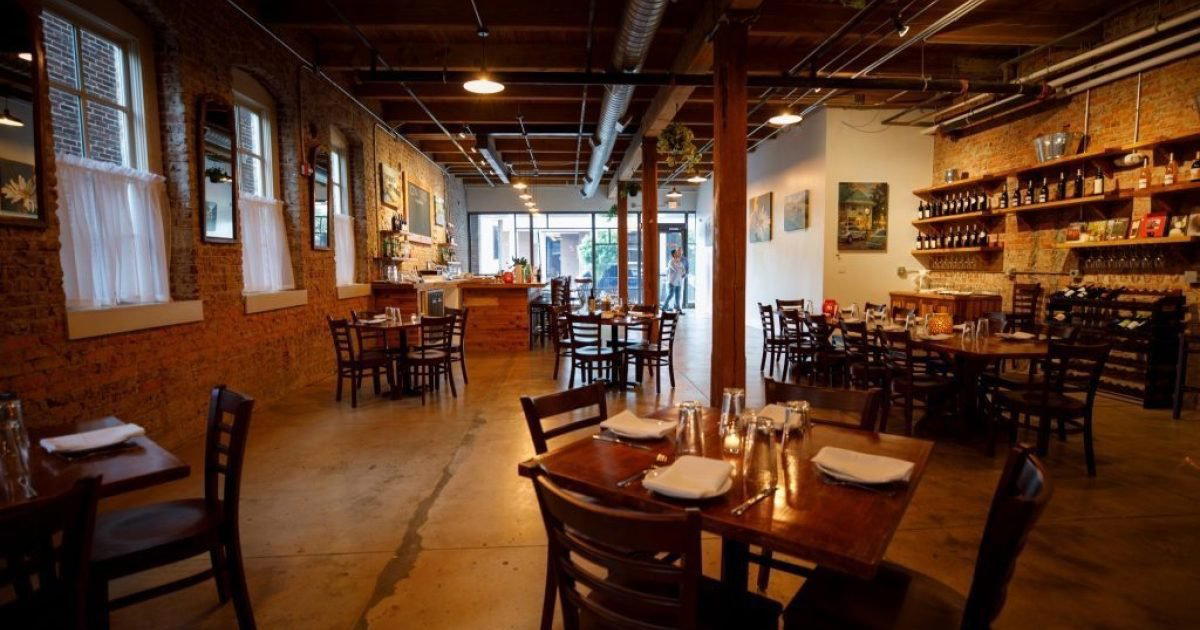
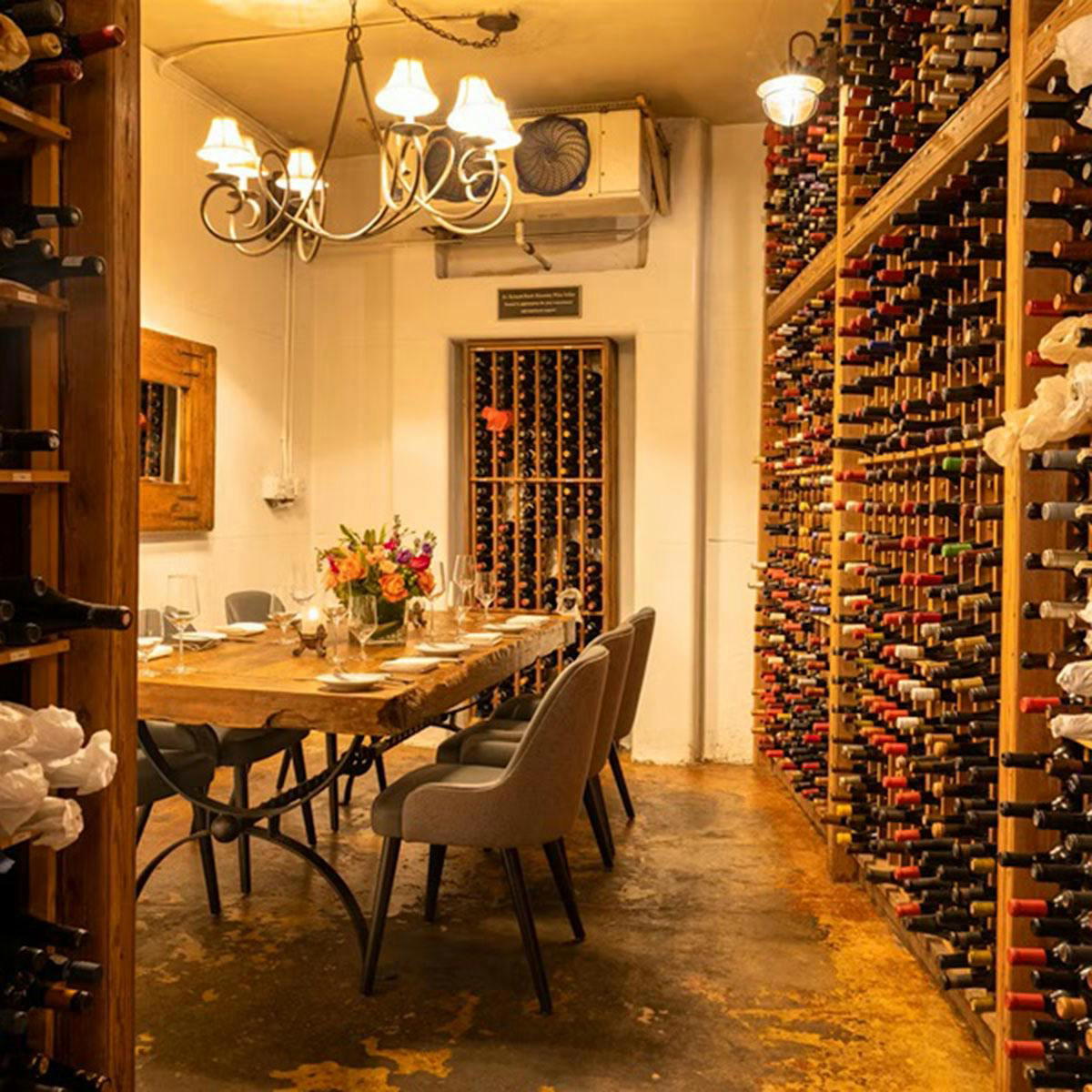
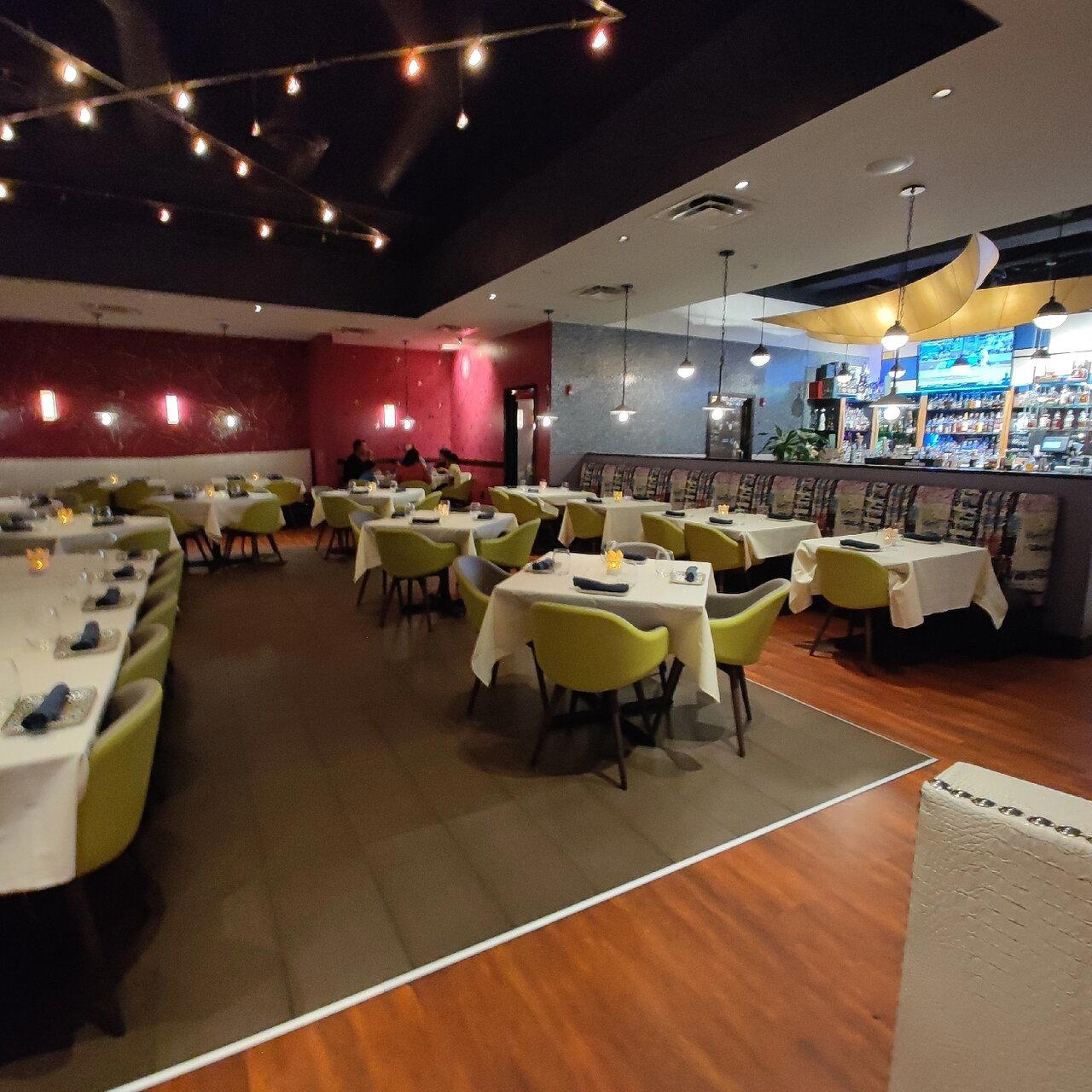
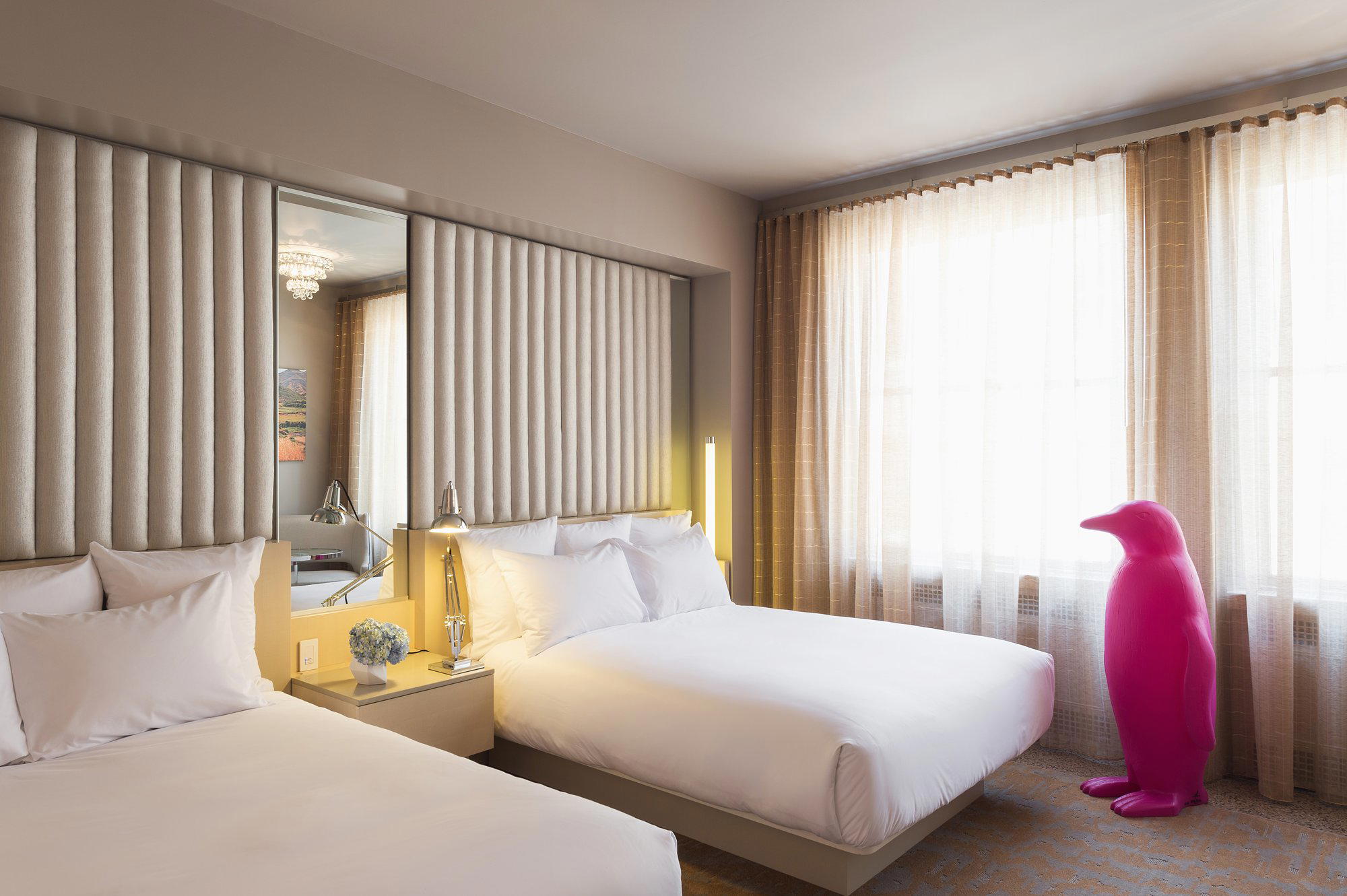
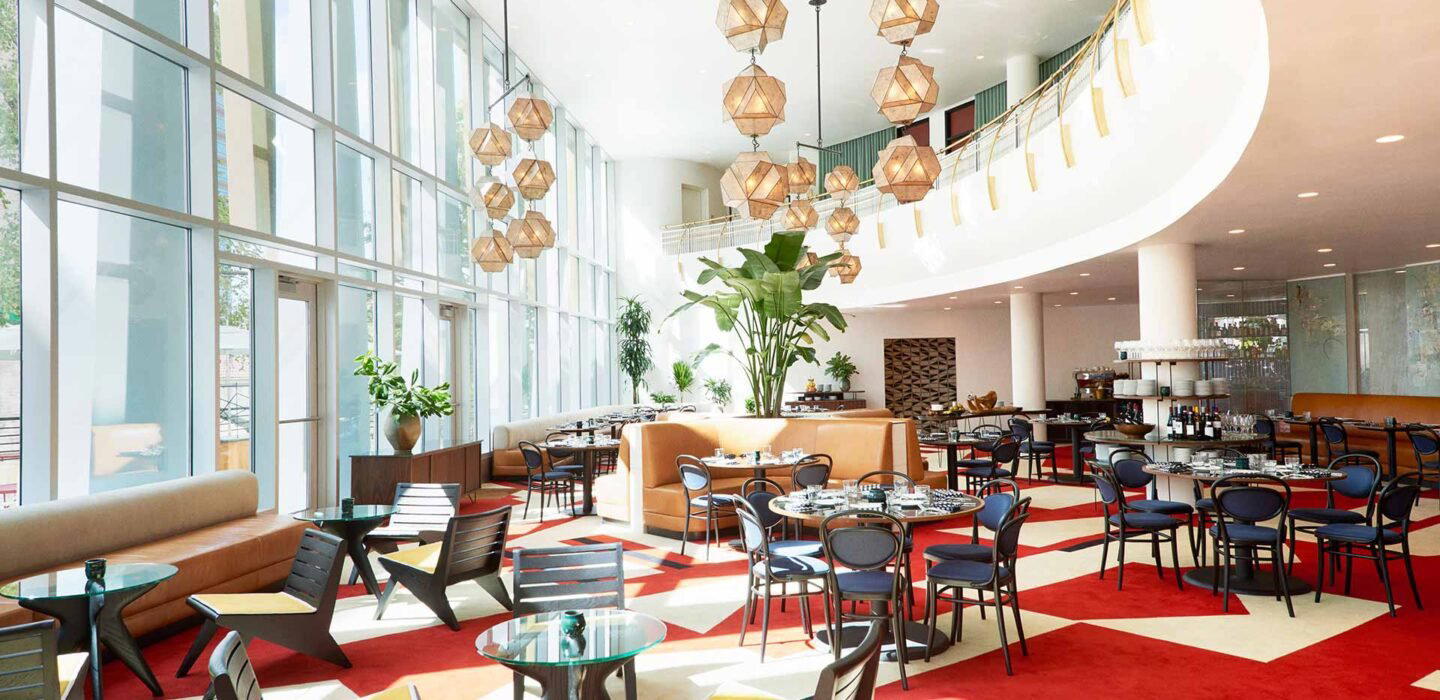
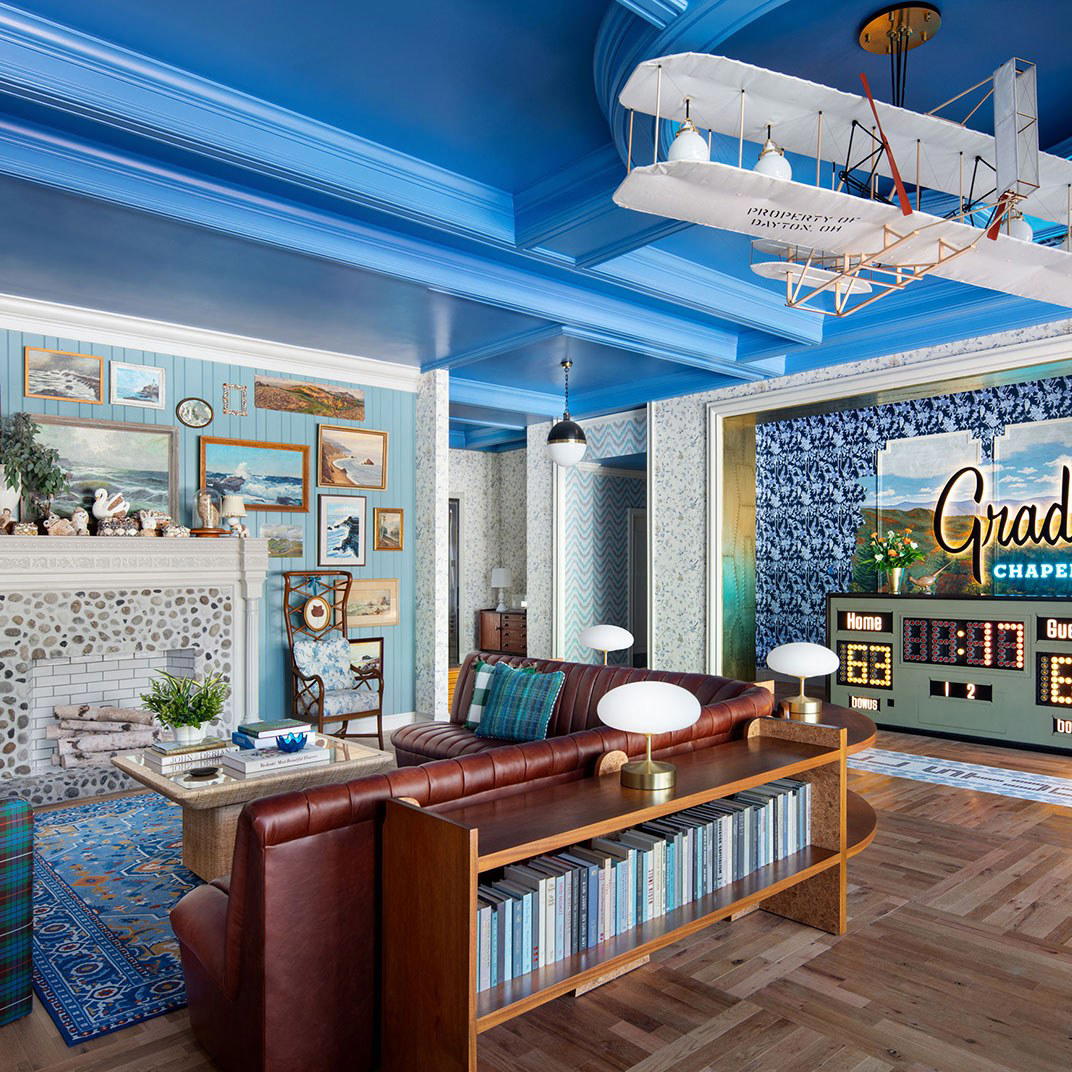
Modern lounge atmosphere with a focus on craft cocktails and local beers.