Rosemont of Virginia
Rosemont of Virginia sits in La Crosse, Virginia, where the Piedmont's sandy clay soils and continental growing conditions shape a wine program. The property represents a quieter tier of American wine country, where the land's character speaks more directly than the marketing apparatus around it. Worth tracking for those who follow the Eastern seaboard's emerging fine wine geography.
Pearl is the En Primeur Club membership app — saves, bookings, and concierge access live there. Same editors, same standards.
- Address
- 1050 Blackridge Rd, La Crosse, VA 23950, United States
- Phone
- +14346369463
- Website
- rosemontofvirginia.com
- Directions
- Get directions
 Saves & bookings on Pearl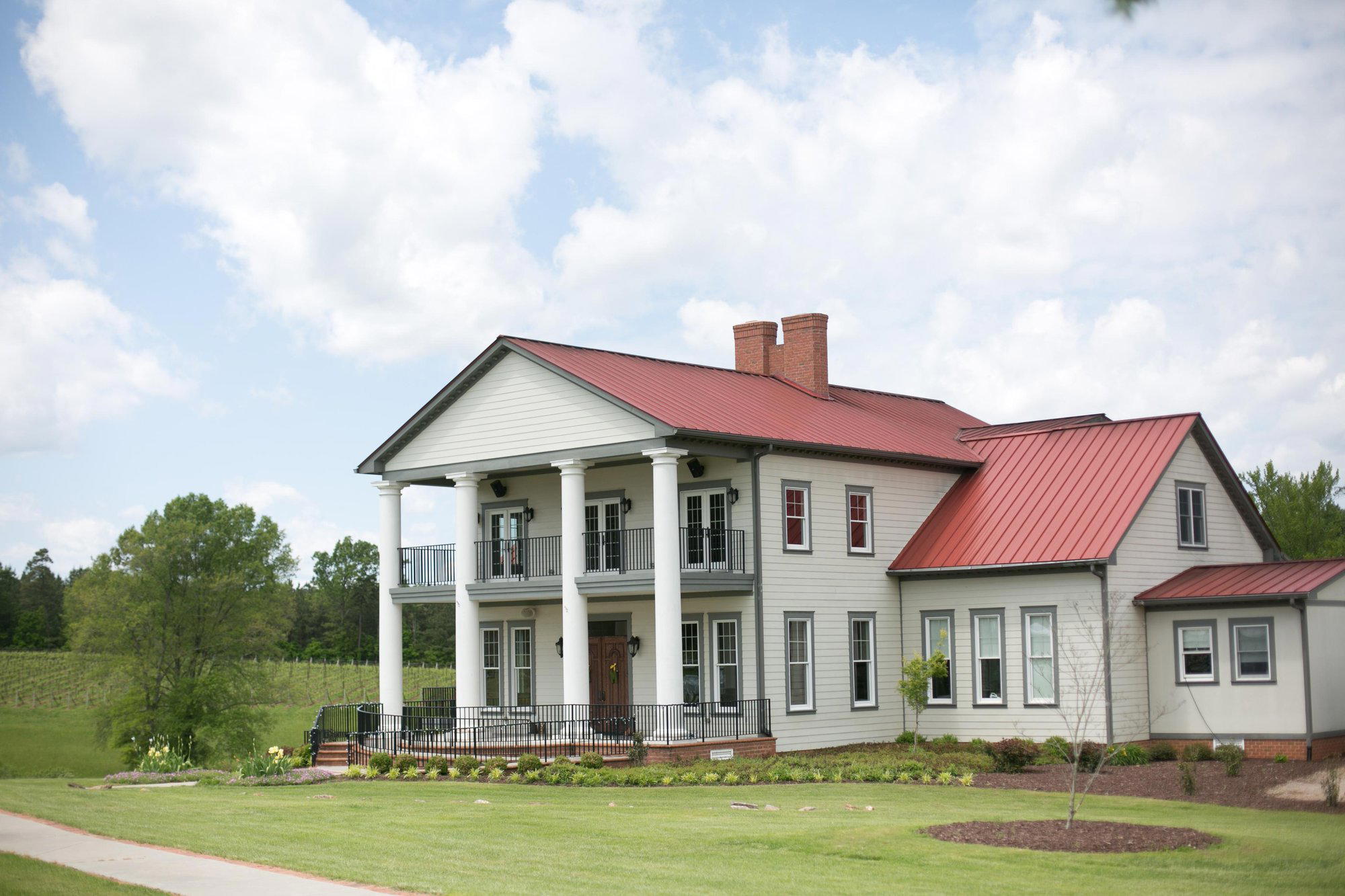
Where Piedmont Virginia Speaks for Itself
Virginia's southside Piedmont does not announce itself the way Napa Valley or the Willamette does. There are no highway billboards tracking tasting room hours, no restaurant rows organized around vineyard tourism. What the region offers instead is a growing condition shaped by genuine geographic specificity: sandy clay loam soils derived from granitic and metamorphic parent material, a continental climate moderated by elevation changes across the Piedmont plateau, and a diurnal temperature range that preserves acidity in ways the hotter lowland American South cannot replicate.
Virginia winemaking has spent the better part of three decades working out which varieties speak to its soils and which are borrowed from other traditions without the terroir to support them. The conversation has largely settled around Viognier, Petit Verdot, and Cabernet Franc as the region's most convincing expressions, though individual properties often complicate any tidy consensus. The southside Piedmont, where La Crosse sits near the North Carolina border, operates in a warmer subregion than the better-known Monticello AVA further north, and that thermal difference shifts the profile of the wines accordingly: more structure from Cabernet Franc, richer mid-palate from Viognier, a different kind of concentration than what you find in the Blue Ridge foothills. Those who have spent time comparing Virginia subregions will recognize the southside as its own argument.
The Property and What the Land Delivers
The address on Blackridge Road places Rosemont in the rural southside, a part of Virginia that has seen slow but consistent investment in viticulture over the past two decades without attracting the volume of weekend tourism that Charlottesville draws. That relative distance from the state's wine tourism center is, paradoxically, part of what gives properties here a different register. The tasting experience at a southside winery tends toward the quieter and more deliberate end of the spectrum, closer in feel to a working estate than a hospitality production. For visitors who have spent time at comparable small-production American wineries, including properties like Adelsheim Vineyard in Newberg or Adelaida Vineyards in Paso Robles, the operational tempo here will feel familiar: attentive rather than theatrical.
Southside Virginia's geology carries the fingerprint of the Piedmont's ancient metamorphic basement. Soils drain well, resist waterlogging in wet springs, and contribute a mineral substructure to wines that distinguishes them from the clay-heavy profiles further east toward the tidal rivers. Vines planted in this environment work harder for water access, a stress factor that correlates with concentration and aromatic precision when the vintage cooperates. That kind of calibration takes time, and properties at this level in Virginia's comparable set are often more interesting to follow year over year than a single visit captures.
Placing Rosemont in the American Fine Wine Map
Virginia occupies an instructive position in the broader American wine conversation. It is not the West Coast, where the critical infrastructure is dense and the competitive comparable venues are well-established. It is not the Northeast's Finger Lakes, which has built a national reputation around Riesling. Virginia sits somewhere more contested: a state with genuine terroir arguments, a growing number of properties producing wines at serious levels, and a critical apparatus still catching up to what the leading producers are achieving.
For context on what that tier looks like elsewhere in American wine, consider the range of properties that have earned sustained recognition for terroir-driven work: Alban Vineyards in Arroyo Grande, which built its case around Rhône varieties in a California context; Andrew Murray Vineyards in Los Olivos, working within Santa Barbara's diverse microclimates; Accendo Cellars in St. Helena, where Napa's Cabernet tradition is filtered through a particular site argument. Each of these operates from a clear sense of where its vineyards sit in relation to climate, soil, and variety. Rosemont's recognition suggests it is making a comparable case from its southside Virginia address. The geography is less familiar to most wine drinkers, which makes the critical signal more useful, not less.
The West Coast comparison set extends further. Properties like Artesa Vineyards and Winery in Napa, Alpha Omega Winery in Rutherford, and Aubert Wines in Calistoga all operate in markets where critical consensus is already established. Virginia is earlier in that cycle, which means properties earning recognition now are doing so against a higher bar of skepticism and a lower infrastructure of support. The 2025 award carries that context.
What to Know Before You Visit
Reservations are recommended, and the dress code is casual. La Crosse is a small town in southern Virginia, roughly situated between Richmond and the Research Triangle in North Carolina, which positions it as a viable stop on a longer southside Virginia wine route rather than a standalone day-trip destination from a major urban center. Those traveling from the north might combine it with other Piedmont Virginia producers; those coming from the south can approach it as an entry point into Virginia wine country from the North Carolina side.
The southside's tasting room culture generally runs at a less crowded pace than the Charlottesville corridor, particularly outside summer weekends. That seasonal and temporal consideration matters when planning: spring and fall tend to offer more access and more considered visits than the peak summer tourist window. For those who follow American wine across regions, pairing a Rosemont visit with the broader La Crosse area gives fuller context for what this corner of Virginia wine country is doing.
For reference against other award-recognized international producers, properties like Alexander Valley Vineyards in Geyserville, Au Bon Climat in Santa Barbara, Babcock Winery and Vineyards in Lompoc, B.R. Cohn Winery in Glen Ellen, Aberlour in Aberlour, and Achaia Clauss in Patras each represent how place-specific wine production earns recognition across different regulatory and climatic frameworks. Rosemont belongs to that broader conversation about terroir fidelity, even if its geography is less traveled.
At-a-Glance Comparison
Comparable venues nearby, for context on price, style, and recognition.
| Venue | Cuisine | Price | Notes |
|---|---|---|---|
| Rosemont of VirginiaThis venue — the venue you are viewing | Chardonel, Chambourcin | $$ | Not listed |
| Blenheim Vineyards | Viognier, Chardonnay | $$ | Albemarle County |
| Ox-Eye Vineyards | Lemberger, Riesling | $$ | wharf district |
| Good Luck Cellars | Chardonel, Chambourcin | $$ | Kilmarnock |
| Lovingston Winery | Pinotage, Merlot | $$ | Lovingston |
| Bluemont Vineyard | Chardonnay, Merlot | $$ | Bluemont |
At a Glance
- Scenic
- Rustic
- Cozy
- Elegant
- Romantic Getaway
- Group Outing
- Celebration
- Estate Grounds
- Terrace
- Vineyard
- Garden
- Virginia
- Chardonel
- Chambourcin
- Cabernet Franc
- Merlot
- Syrah
- Still Red
- Still White
- Still Rosé
- Flight Tasting
Tranquil and charming with beautiful grounds, large porch, and cozy tasting room.