Maude's Liquor Bar
It sits in a tier of Chicago bars where the food sourcing and the cocktail canon carry equal weight.
- Address
- 114 N Green St, Chicago, IL 60607
- Website
- maudesliquorbar.com
- Directions
- Get directions
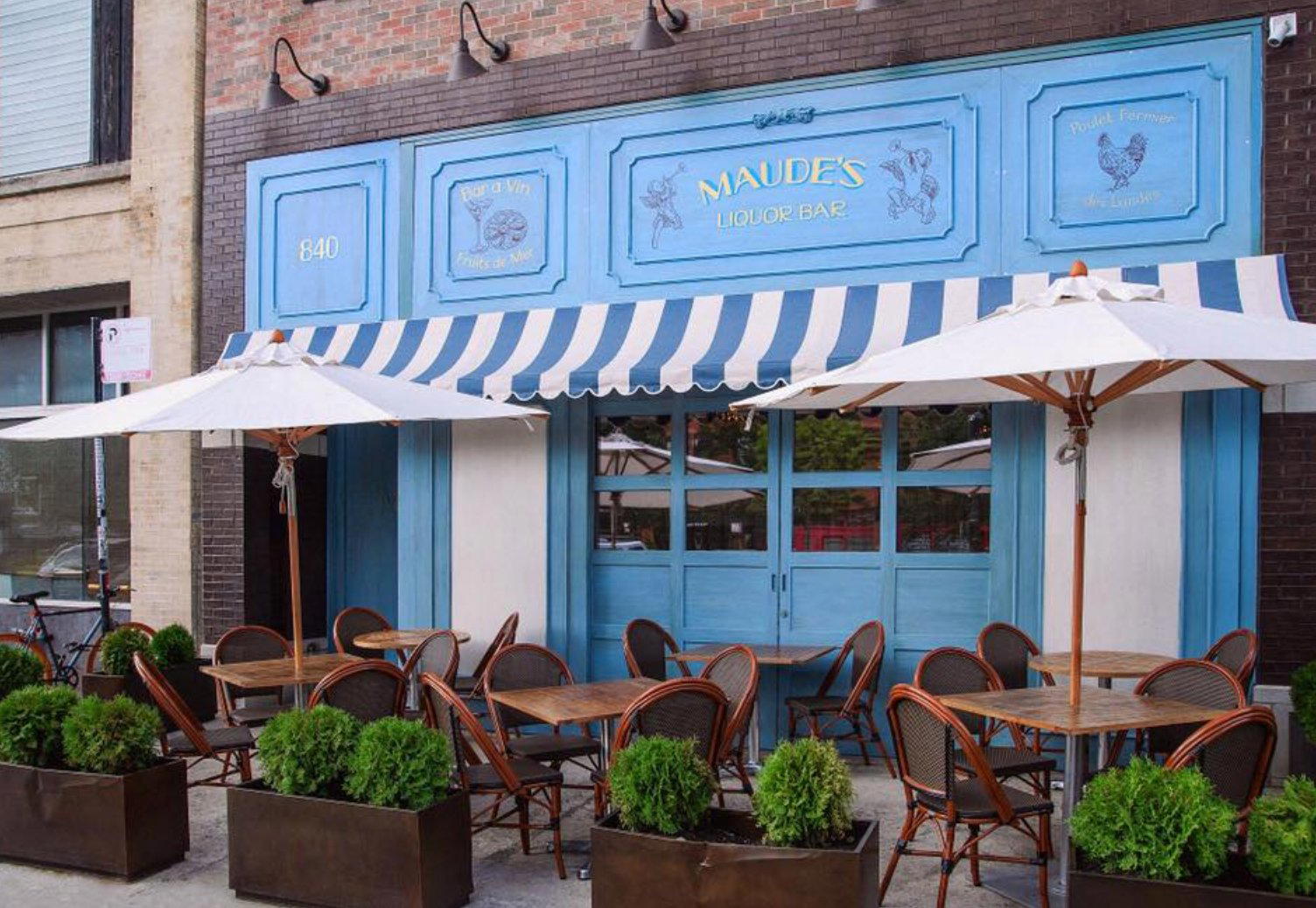
The West Loop's bar culture occupies a middle register between the craft-cocktail maximalism of Kumiko and the neighbourhood warmth of Leading Intentions. Maude's positions itself somewhere in that range, with a French-bistro undertow that distinguishes it from the rye-and-bitters template that dominates much of the city's cocktail bar conversation. That French inflection matters: it shapes both what ends up in the glass and what ends up on the plate, and it connects the bar to a broader tradition of European drinking establishments where food and spirits are designed to move together rather than compete.
The Sourcing Argument: Why a Liquor Bar Thinks About Food This Way
Chicago's better bars increasingly frame their food programs through the same sourcing discipline applied to their spirits selections. The logic is consistent with how serious kitchens across the Midwest have repositioned themselves over the past decade: proximity to agricultural producers in Illinois, Wisconsin, and Michigan gives Chicago-area establishments access to seasonal product that coastal cities have to import and price accordingly. A bar operating in the French-bistro register, as Maude's does, finds natural alignment with that approach. Classic French bistro cooking is fundamentally about respecting ingredient quality over elaboration; it is a tradition built on what the market offers, not on what the chef can construct around it.
That sourcing orientation carries specific seasonal implications. Winter in Chicago pushes the kitchen toward the kind of slow-cooked, preserved, and root-vegetable-forward cooking that French provincial traditions developed for exactly these conditions. A bar that aligns its kitchen with this seasonal rhythm is making a statement about what it thinks a bar should be: not a backdrop for drinking, but a parallel argument.
This positions Maude's within a specific tier of American bar-restaurants that have moved beyond the gastropub label. Comparisons across the country are instructive: Jewel of the South in New Orleans operates a similar philosophy of culinary precision applied to a bar format, while Julep in Houston and ABV in San Francisco each demonstrate how a bar's food sourcing choices signal something about its overall operating seriousness. Internationally, The Parlour in Frankfurt on the Main applies comparable logic in a European context.
The Drink Program and Its French-Bistro Logic
French-inflected bar programs draw from a different reference library than the American craft-cocktail template. Aperitif culture, vermouth, Calvados, Cognac, and eau-de-vie traditions give the drinks list a different centre of gravity. Classic preparations, properly sourced base spirits, and a preference for balance over novelty tend to characterise this format. Within Chicago's cocktail scene, that approach sits in contrast to the technique-heavy, ingredient-sourced-from-three-continents programs at venues like Bisous and Lemon, which occupy different positions on the city's bar spectrum.
The bistro format also implies something about pacing. A bar designed around French drinking culture expects guests to arrive, order an aperitif, move through a meal, and settle into digestifs over two or three hours. That structure shapes the room's rhythm in ways that a strictly drinks-focused bar does not replicate. The food is not optional decoration; it anchors the visit and determines how the evening moves. Bars that operate this way, whether in Chicago, New Orleans, or Honolulu (where Bar Leather Apron applies its own version of culinary-bar seriousness), tend to attract a guest who is planning a full evening rather than a quick stop.
Where Maude's Fits in the Chicago Bar Conversation
Chicago's bar scene has matured in ways that resist easy ranking. The city now has enough serious programmes, across enough formats, that the more useful frame is fit rather than hierarchy. Maude's occupies a specific position: French-leaning, food-forward, West Loop-located, and aimed at guests who want their drinking and eating to function as a single coherent experience rather than two separate decisions made at the same table.
For comparison, Allegory in Washington, D.C. and Superbueno in New York City each demonstrate how bars in major American cities can carve out distinct identities through tonal and conceptual specificity rather than through scale or awards accumulation. Maude's operates in the same mode. Our full Chicago restaurants guide maps where bars like this fit within the broader dining and drinking picture across the city's neighbourhoods. Weekend evenings in the district run busy from around 7pm onward; weeknight visits, particularly Tuesday through Thursday, give the room more space to breathe and the kitchen less pressure. The French-bistro format rewards the kind of visit where you are not in a hurry.enprimeurclub.com/bars/kumiko">Kumiko
Comparable Options
Comparable options at a glance, pulled from our tracked venues.
| Venue | Cuisine | Price | Awards |
|---|---|---|---|
| Maude's Liquor BarThis venue — the venue you are viewing | Not listed | Not listed | Not listed |
| Bisous | Not listed | $20–30 | World's 50 Best #30 · James Beard Award Semi Finalist |
| The Aviary | Cocktail Lounge | $150–200 | World's 50 Best #41 · James Beard Award Outstanding Bar Program |
| Three Dots & a Dash | Not listed | $50–100 | World's 50 Best #27 |
| Best Intentions | Not listed | $20–30 | World's 50 Best #16 · James Beard Award Semi Finalist |
Details
- Cozy
- Intimate
- Elegant
- Date Night
- Group Outing
- Casual Hangout
- Standalone
- Booth Seating
- Lounge Seating
- Classic Cocktails
- Craft Cocktails
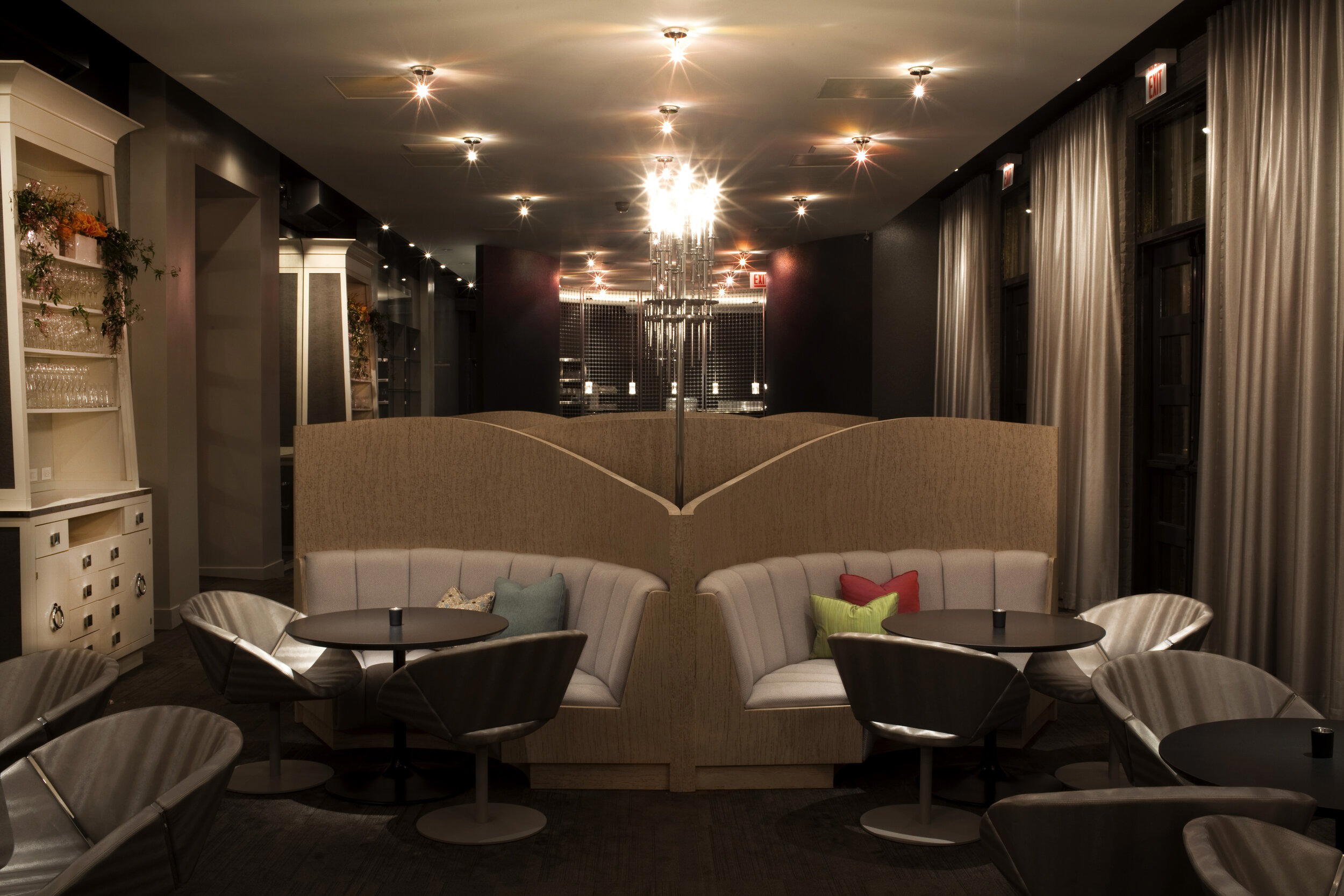
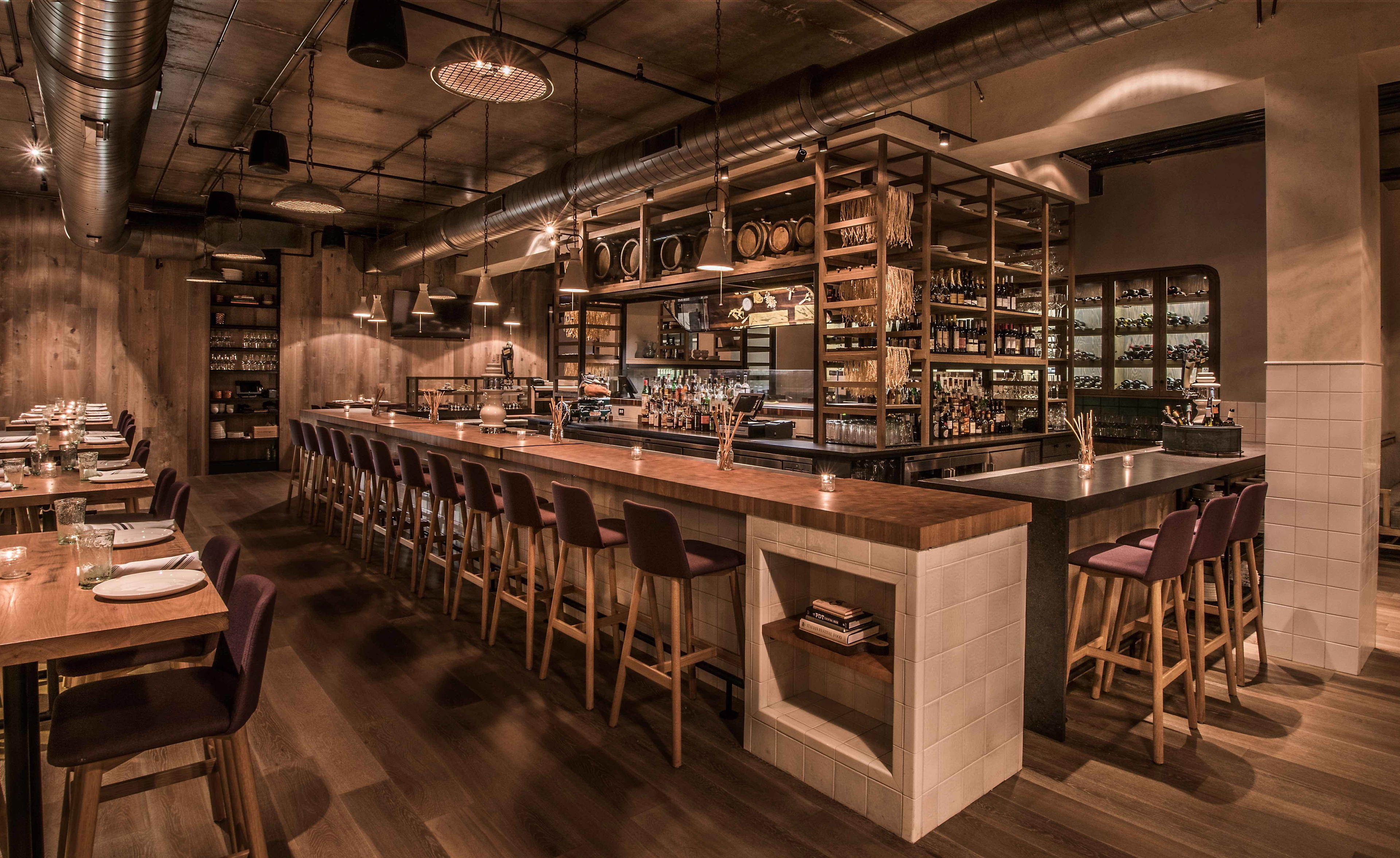
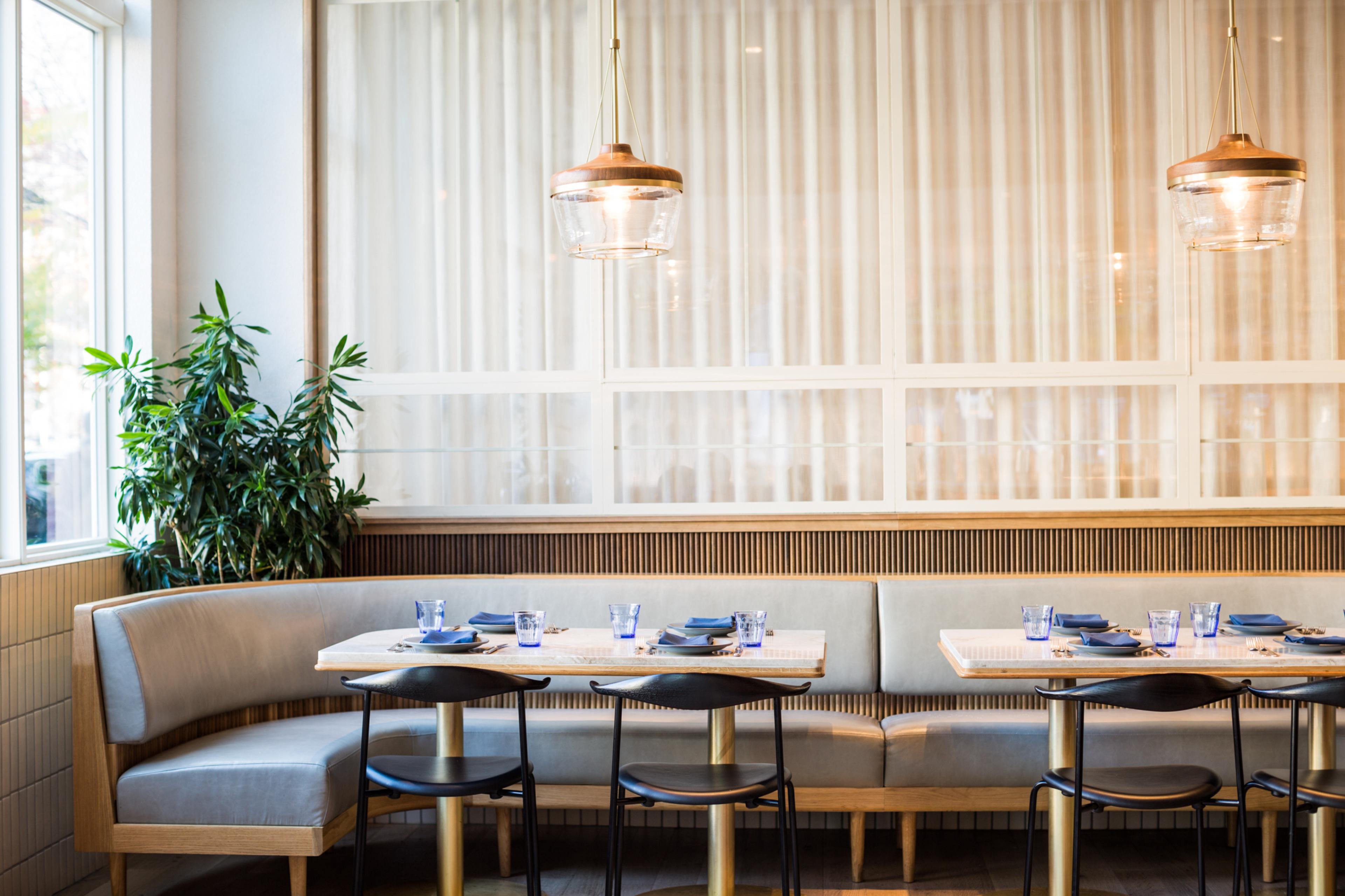
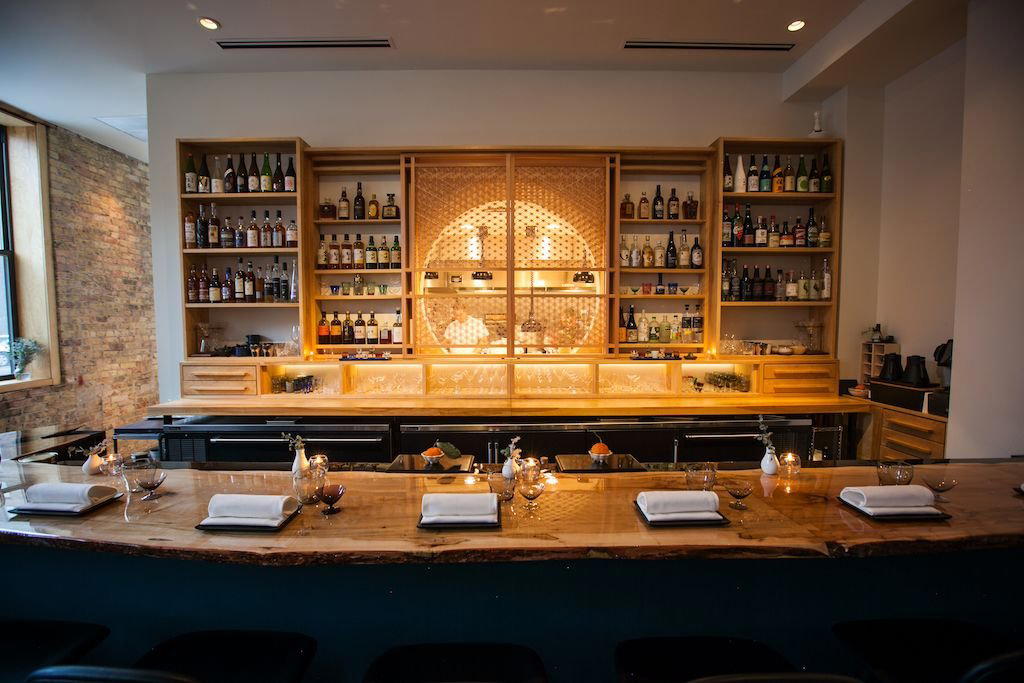
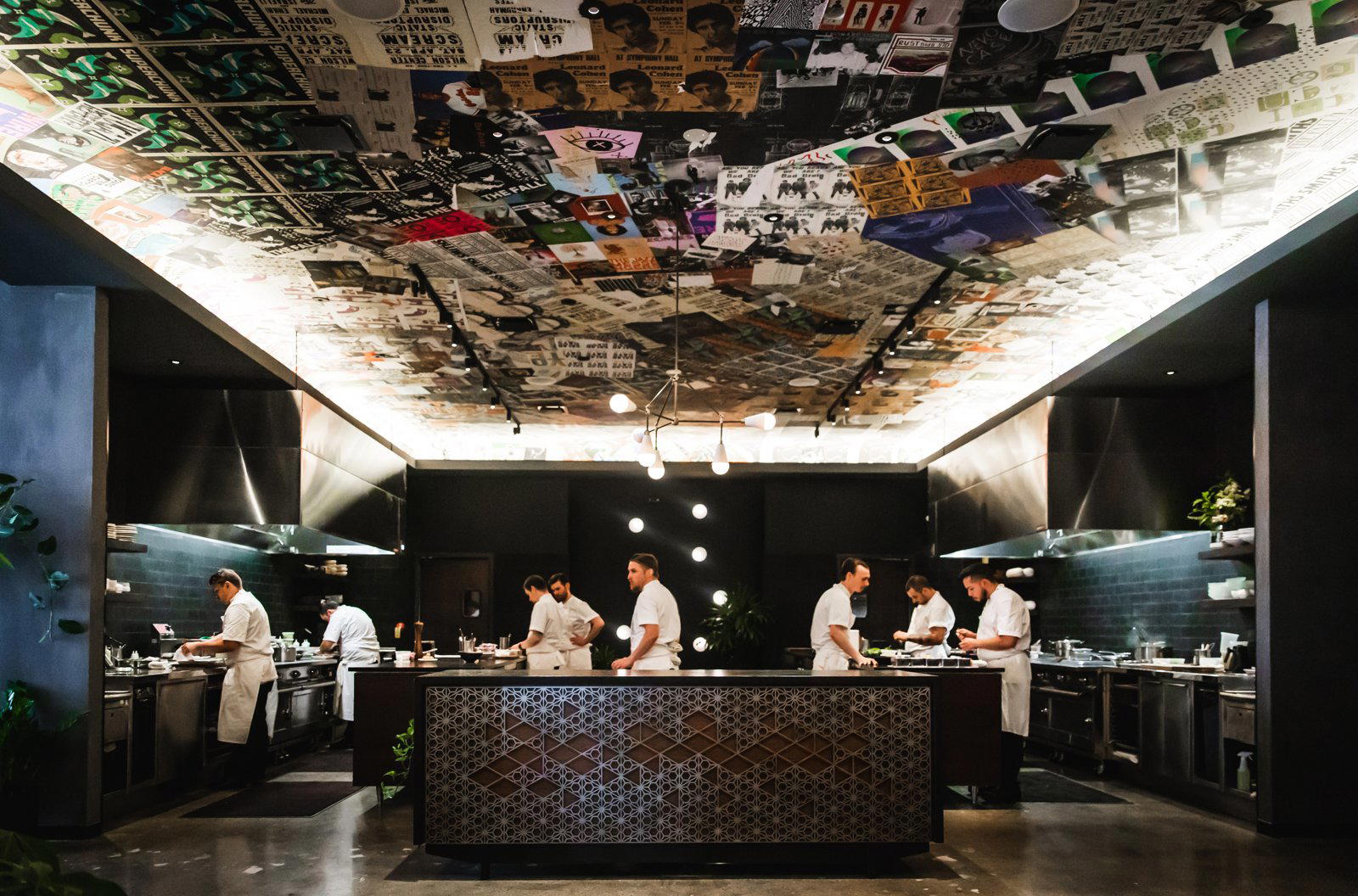
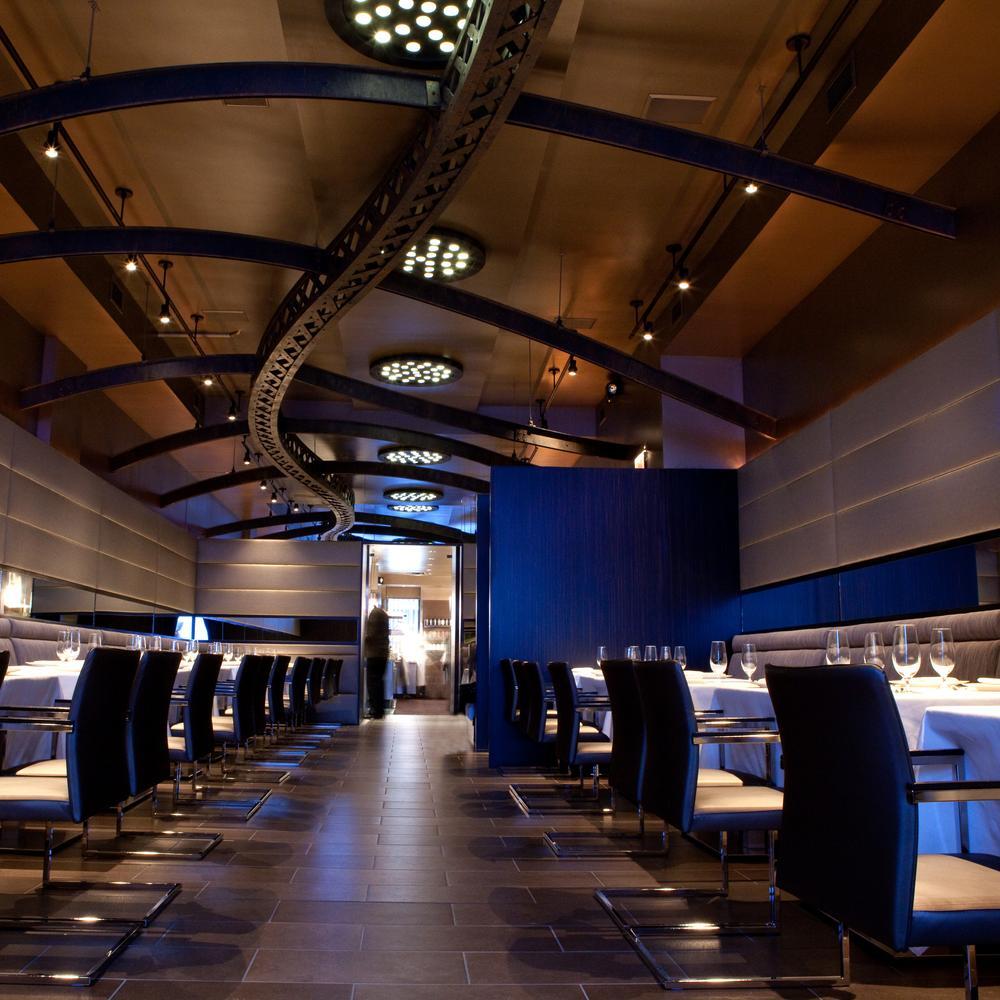
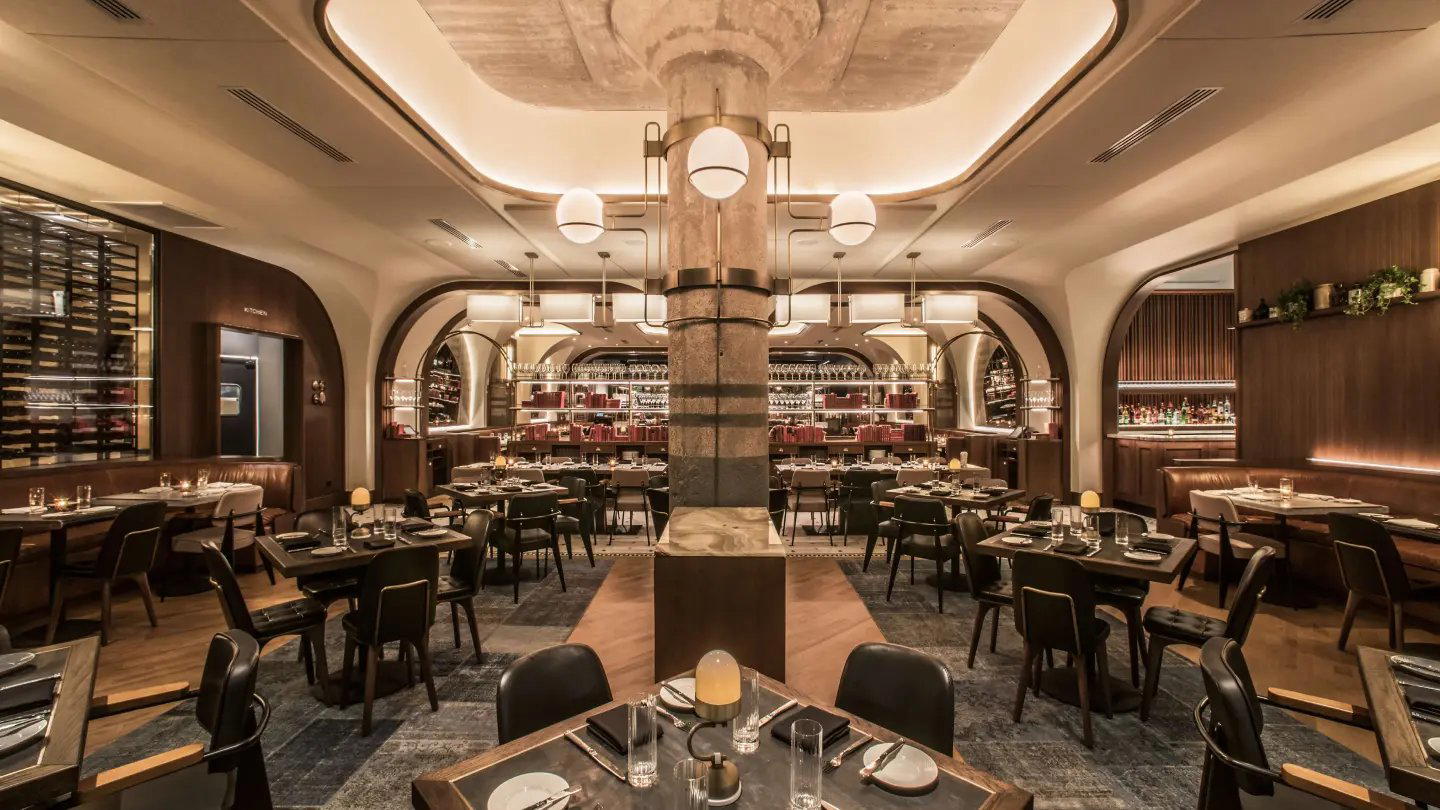
Cozy and sultry atmosphere with great music and packed crowds.