Apothecary Cocktail Lounge
Chicago’s cocktail scene rewards bars that treat technique as structure rather than theatre. Apothecary Cocktail Lounge belongs in that conversation as a bar to read through programme discipline: how a room frames the drink, how the list signals its priorities, and how it competes in a city already strong on Japanese precision, neighbourhood warmth, and high-volume downtown polish.

Pearl is the En Primeur Club membership app — saves, bookings, and concierge access live there. Same editors, same standards.
- Address
- 3242 N Clark St, Chicago, IL 60657
- Phone
- (312) 955-0080
- Hours
- Mon–Thu 5 PM–12 AMFri–Sat 5 PM–1 AMSun 5 PM–12 AM
- Website
- apothecary-lounge.com
- Directions
- Get directions
- Booking
- Book on Resy
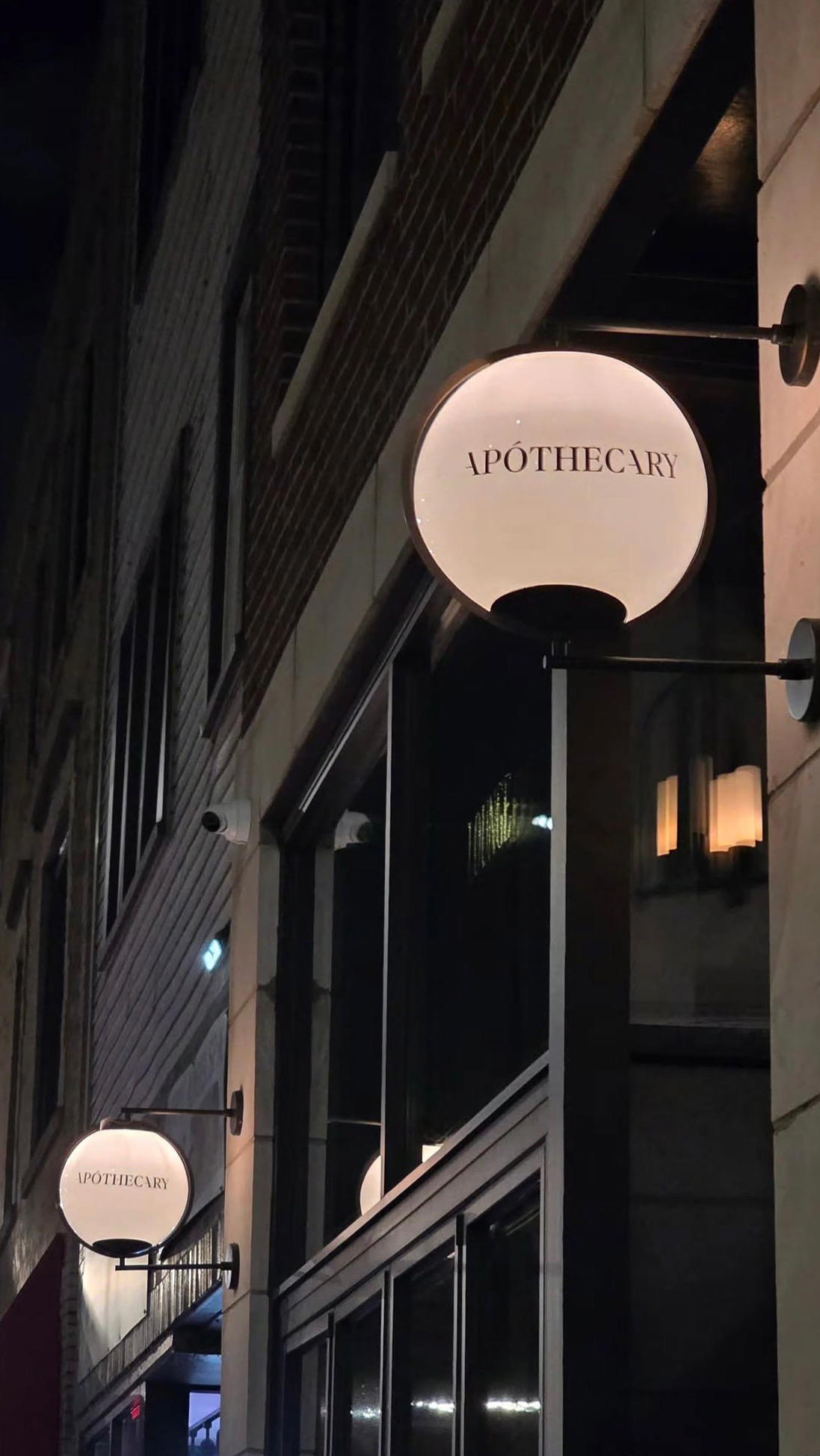
The room before the drink
A serious cocktail lounge announces itself before the first glass arrives. In Chicago, that announcement is less about velvet-rope secrecy than about control: lighting low enough to slow the pace, a room scaled for conversation, a menu that tells the guest whether the bar is chasing speed, theatre, technical clarity, or nostalgia. Apothecary Cocktail Lounge enters a city where those signals matter. Chicago drinkers have spent years separating bars built around spectacle from bars built around repeatable craft, and the difference is visible in the way a programme handles its opening move. A bar with the word “apothecary” in its name carries a particular set of expectations: measured ingredients, tincture language, botanical cues, and a drinks list that suggests composition rather than improvisation.
It changes the kind of reading required. Without hard details on capacity or reservations, the editorial question becomes how a Chicago cocktail lounge should be assessed when the evidence begins with category, city, and name rather than a published award trail. The answer is to place it inside the city’s drinking culture and judge the likely promise of the concept against the habits of the market.
Chicago has moved past speakeasy shorthand
For years, American cocktail coverage overused the hidden-door narrative. Chicago participated in that era, but the city’s stronger bars have since moved toward clearer identities. Some trade on neighbourhood ease, some on culinary precision, some on hotel polish, and some on highly specified technique. The useful comparison is not whether a bar feels secret. It is whether the programme gives the guest enough structure to understand why the drink costs what it costs, why the format suits the room, and why the bar belongs in Chicago rather than being a concept that is dropped into any large American city.
That is where Apothecary Cocktail Lounge has an interesting position. The apothecary idea sits close to a wider cocktail movement that values infusion, controlled dilution, aromatic architecture, and ingredient categorisation. In less disciplined hands, it becomes theme décor. In stronger hands, it gives a bartender a vocabulary for balancing bitter, herbal, acidic, saline, and sweet components without turning the menu into costume. Chicago is a useful testing ground for that distinction because the city’s drinkers can move from a neighbourhood bar to a tasting-menu-adjacent cocktail counter in a single night and quickly read the difference between concept and craft.
Kumiko represents a more composed, Japanese-influenced model where service, restraint, and drink architecture share the same discipline. Leading Intentions sits closer to the Chicago neighbourhood bar tradition, where hospitality and repeat visits carry as much weight as technical flourish. Bisous points toward a more style-conscious room, while Lemon gives the city another reference point for contemporary bar culture. Apothecary Cocktail Lounge should be read against that spread, not in isolation.
The cocktail programme as the story
A cocktail programme is not a list of drinks. It is a set of decisions about prep, mise en place, pacing, glassware, dilution, price logic, and staff communication. Chicago’s stronger bars tend to reveal those decisions quickly. A concise list suggests confidence and tight execution. A long list can work when the back bar and prep system support it. House infusions and botanical language create interest only when the final drink remains legible. The guest should not need a lecture to understand the glass, but the drink should reward a second look.
Apothecary Cocktail Lounge, by name and category, points toward the botanical-technical end of that spectrum. The risk in this lane is over-conceptualisation: menus that read as lab notes, drinks that bury structure under rare ingredients, or rooms where the theme does more work than the bar team. The opportunity is stronger. A good apothecary-style programme can make Chicago’s seasonal drinking patterns feel precise without relying on clichés: bitter and stirred when the city turns cold, acid-led and aromatic when the lakefront months return, low-ABV and herbaceous when the occasion calls for pacing. Those are category-level expectations rather than claims about specific drinks here, but they define the standard the bar’s concept invites.
Technique matters because it separates premium cocktail pricing from ordinary mark-up. Clarification, carbonation, fat-washing, house bitters, tinctures, and controlled ice programmes all require labour before service begins. In Chicago, that vocabulary is no longer novel by itself. The bar has to make the method invisible enough that the drink lands with clarity, not with a lesson.
What the name signals in a city of serious bars
Names in cocktail culture carry weight. “Tavern” suggests public comfort. “Lounge” suggests a slower pace and a more deliberate room. “Apothecary” suggests botanical order, measured remedy, and the old link between alcohol, medicine, and the bitters cabinet. That heritage is not decorative. Cocktail history runs through patent medicines, fortified wines, amari, citrus preserved for travel, and spirits used as carriers for herbs and spices. Contemporary bars use that history selectively, sometimes with rigour, sometimes as mood.
Chicago gives that language a sharper edge because the city does not need another vague luxury room. It has dining rooms with deep beverage programmes, hotel bars for expense-account drinking, sports-adjacent rooms built for volume, and small cocktail specialists. A lounge using apothecary codes has to justify its place by giving the guest a coherent framework: why this drink sits beside that drink, why the menu order matters, why the non-spirit components have been chosen, and why the room supports lingering rather than turnover. If that framework is present, the concept can feel grown-up. If it is absent, the name risks doing too much of the work.
This is also why awards are not the only trust signal in cocktail writing. Michelin does not operate a star system for bars in the same way it does for restaurants, and many American cocktail rooms are judged through a mix of local reputation, national bar lists, bartender movement, and repeat trade. The trust signal here is contextual: the bar is being assessed inside Chicago’s competitive cocktail scene, where credible programmes are compared by format, execution, and clarity rather than by a single badge.
How to compare it with Chicago peers
Readers planning a Chicago drinking itinerary should think in terms of occasion rather than ranking. A polished cocktail lounge suits a different night than a loud corner bar, and a technique-led menu asks for a different kind of attention than a fast round before dinner. Apothecary Cocktail Lounge belongs on the itinerary when the night calls for a slower drink and a room where the menu is expected to carry some intellectual weight. It is less naturally suited to a crawl built around speed, beer, and late-night volume.
That distinction becomes clearer when placed alongside nearby and national reference points. In Chicago, Kumiko gives a useful benchmark for precision and restraint. Leading Intentions shows how informal hospitality can be just as identity-forming as technique. Bisous and Lemon widen the comparison across room style and audience. Outside the city, Café La Trova in Miami demonstrates how a bar can root itself in musical and Cuban cocktail traditions, while Happy Accidents in Albuquerque points to the rise of inventive cocktail rooms outside the coastal circuit. Roquette in Seattle offers another lens on how a bar can use setting and technique without becoming a restaurant in disguise.
The Chicago comparison is particularly valuable because the city has a pragmatic streak. Guests expect craft, but they also expect service to function. A high-concept cocktail list has little margin for confusion if the room is crowded or the staff cannot explain the structure quickly. Apothecary Cocktail Lounge should therefore be approached as a test of coherence. The standout element is not a named drink, since no signature drink data is supplied. It is the promise of a cocktail programme organised around apothecary logic in a city that has enough serious bars to expose weak theming.
Where it fits into a Chicago night
Chicago rewards planning by neighbourhood, weather, and meal timing. Winter changes the way people drink here; so does a humid summer evening near the lake. A lounge format generally works well before a late dinner, after a restaurant reservation, or as the central stop in a night that does not need several venues. That is practical caution, not a knock. Cocktail bars can change hours, reservation policies, and menu formats faster than restaurants with larger public-relations footprints.
For a broader itinerary, use category guides rather than a single venue page. Our full Chicago bars guide is the natural starting point for comparing cocktail rooms by mood and format. If drinks are being paired with dinner, Our full Chicago restaurants guide helps map the meal around the bar rather than treating the drink as an afterthought. Travellers building a fuller weekend can cross-reference Our full Chicago hotels guide, Our full Chicago experiences guide, and Our full Chicago wineries guide for the broader city frame.
The sensible planning stance is conservative. If a lounge has limited seating or accepts reservations, advance planning will matter; if it operates primarily as a walk-in bar, arrival time will matter more than lead time. For a Friday or Saturday night in Chicago, build a backup within the same category and keep travel time realistic. For a midweek drink, the same concept may read more clearly because staff have more room to explain the menu and the guest has more time to read it.
Editorial verdict
Apothecary Cocktail Lounge is worth understanding as a concept within Chicago’s cocktail culture rather than as a fully documented award-room. The supplied data does not support claims about signature serves, bartender biography, prices, opening hours, capacity, or accolades. What it does support is a sharper editorial placement: a lounge-format bar in Chicago whose name signals botanical structure and technical intent. In a city with credible alternatives across Japanese precision, neighbourhood comfort, style-led rooms, and national-calibre cocktail programmes, that intent has to translate into clarity in the glass.
The reader should go in with the right question. Not “is this the city’s definitive cocktail bar,” which is lazy ranking, but “does the programme turn the apothecary idea into disciplined drinking rather than surface theme?” That is the useful test for this lane of modern cocktail culture. If the menu shows restraint, if the drinks read cleanly, and if the room supports conversation rather than shouting over the concept, the bar has a meaningful place in a Chicago evening. If the theme outruns execution, the city offers plenty of alternatives with firmer public credentials.
Reputation & Price
Comparable venues nearby, for context on price, style, and recognition.
| Venue | Cuisine | Price | Awards | Notes |
|---|---|---|---|---|
| Apothecary Cocktail LoungeThis venue — the venue you are viewing | Not listed | $50–100 | Not listed | Not listed |
| King Crab House Chicago | Lincoln Park, pub | $50–100 | Not listed | Not listed |
| Gino & Marty's | West Loop, lounge | Not listed | Not listed | Not listed |
| avec Restaurant | Not listed | Not listed | Not listed | River North, rooftop_bar |
| Juno Sushi Chicago | Not listed | $100–150 | Not listed | Lincoln Park, sake_bar |
| Apero Chicago | Not listed | $30–50 | Star Wine List | North Center, wine_bar |
Details
- Cozy
- Elegant
- Intimate
- Sophisticated
- Trendy
- Modern
- Date Night
- After Work
- Late Night
- Group Outing
- Special Occasion
- Casual Hangout
- Design Destination
- Standalone
- Seated Bar
- Lounge Seating
- Booth Seating
- Craft Cocktails
- Classic Cocktails
- Whiskey
- Rum
- Mezcal
- Zero Proof
Current opening hours
- Monday
- 5 PM–12 AM
- Tuesday
- 5 PM–12 AM
- Wednesday
- 5 PM–12 AM
- Thursday
- 5 PM–12 AM
- Friday
- 5 PM–1 AM
- Saturday
- 5 PM–1 AM
- Sunday
- 5 PM–12 AM
Hours can change for holidays and private events. Last verified .
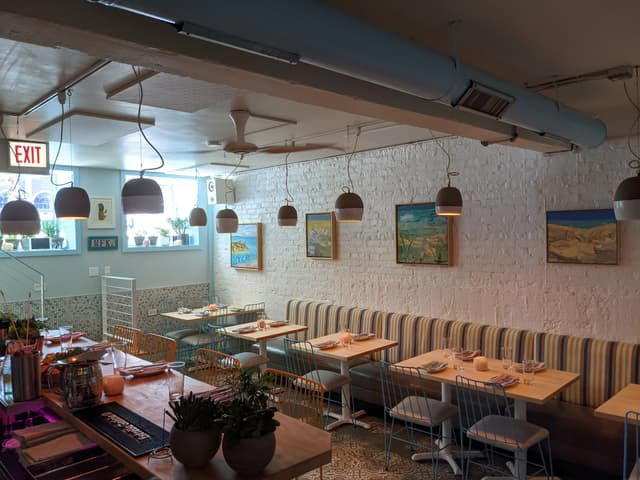
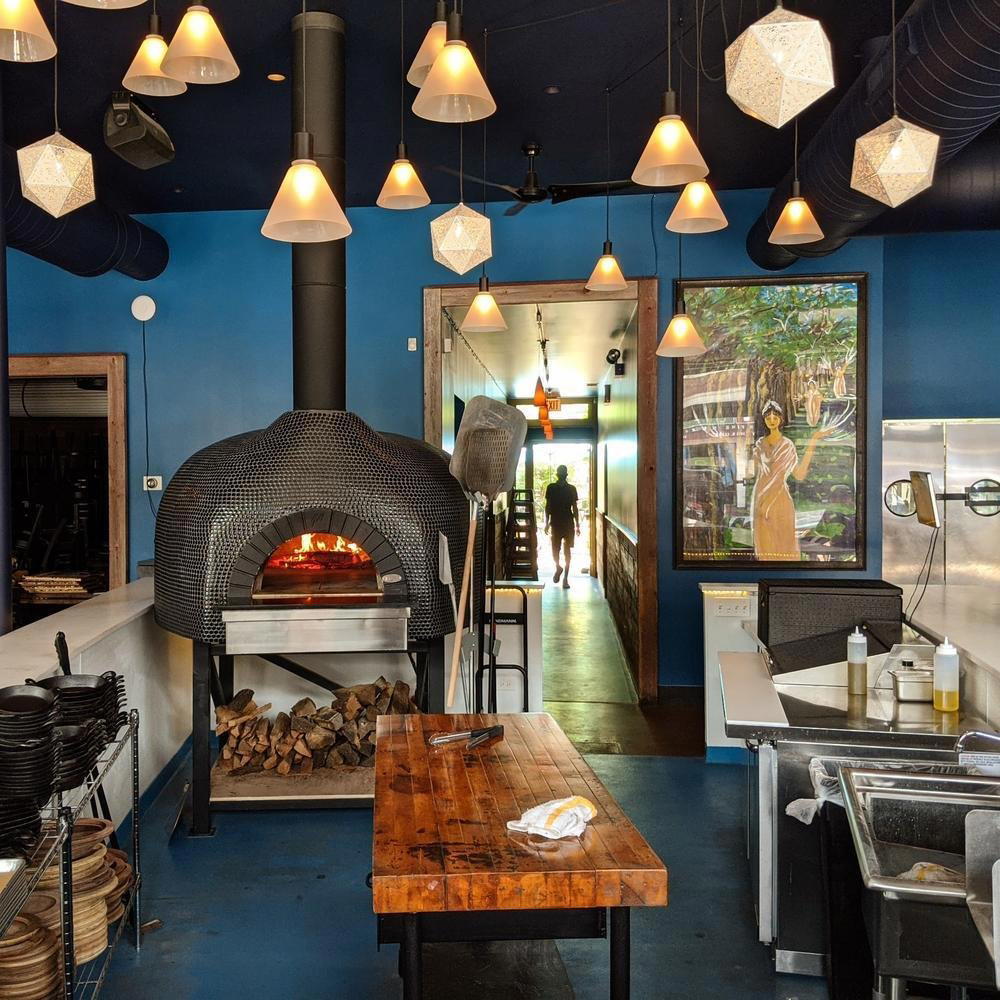
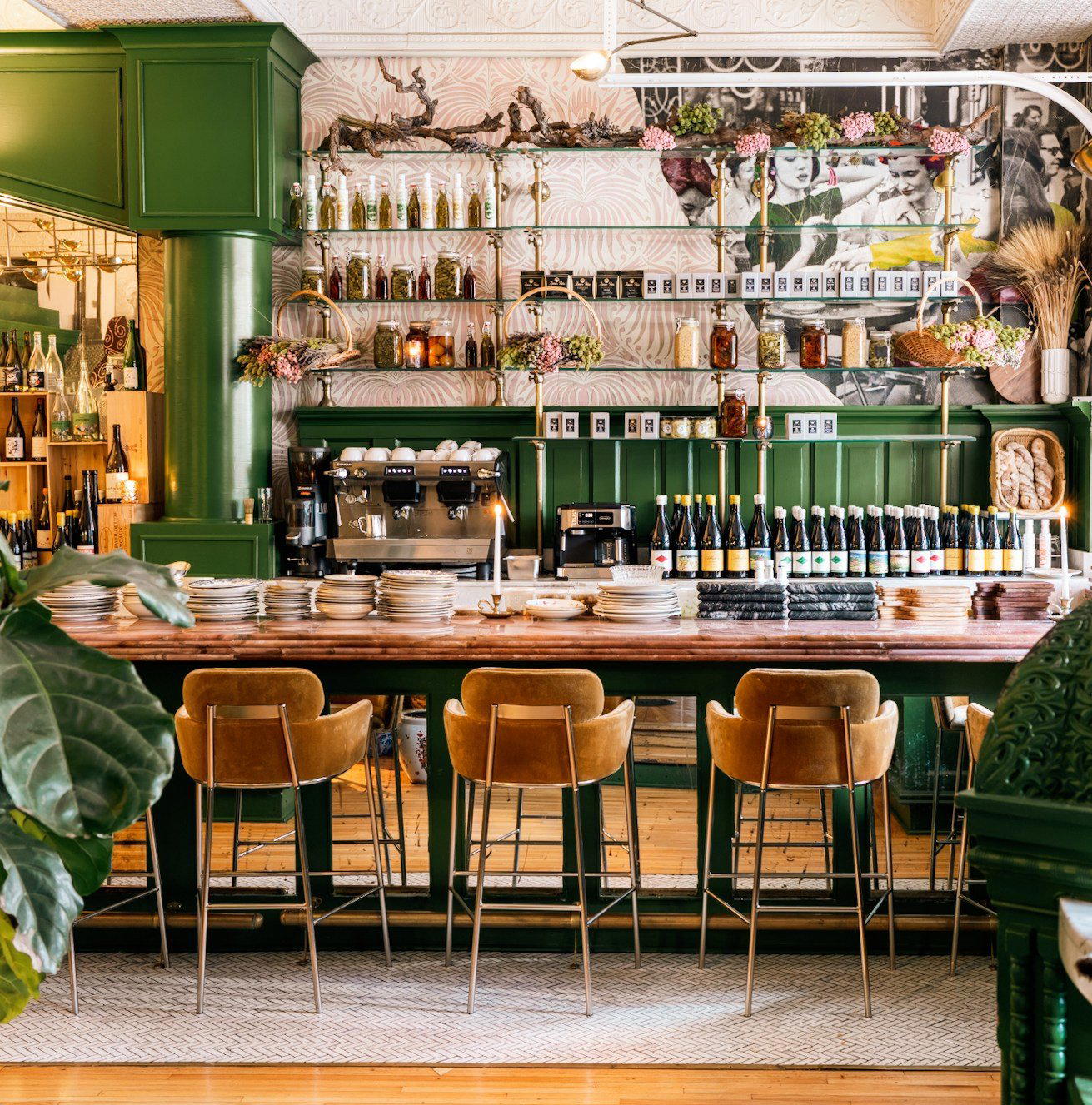
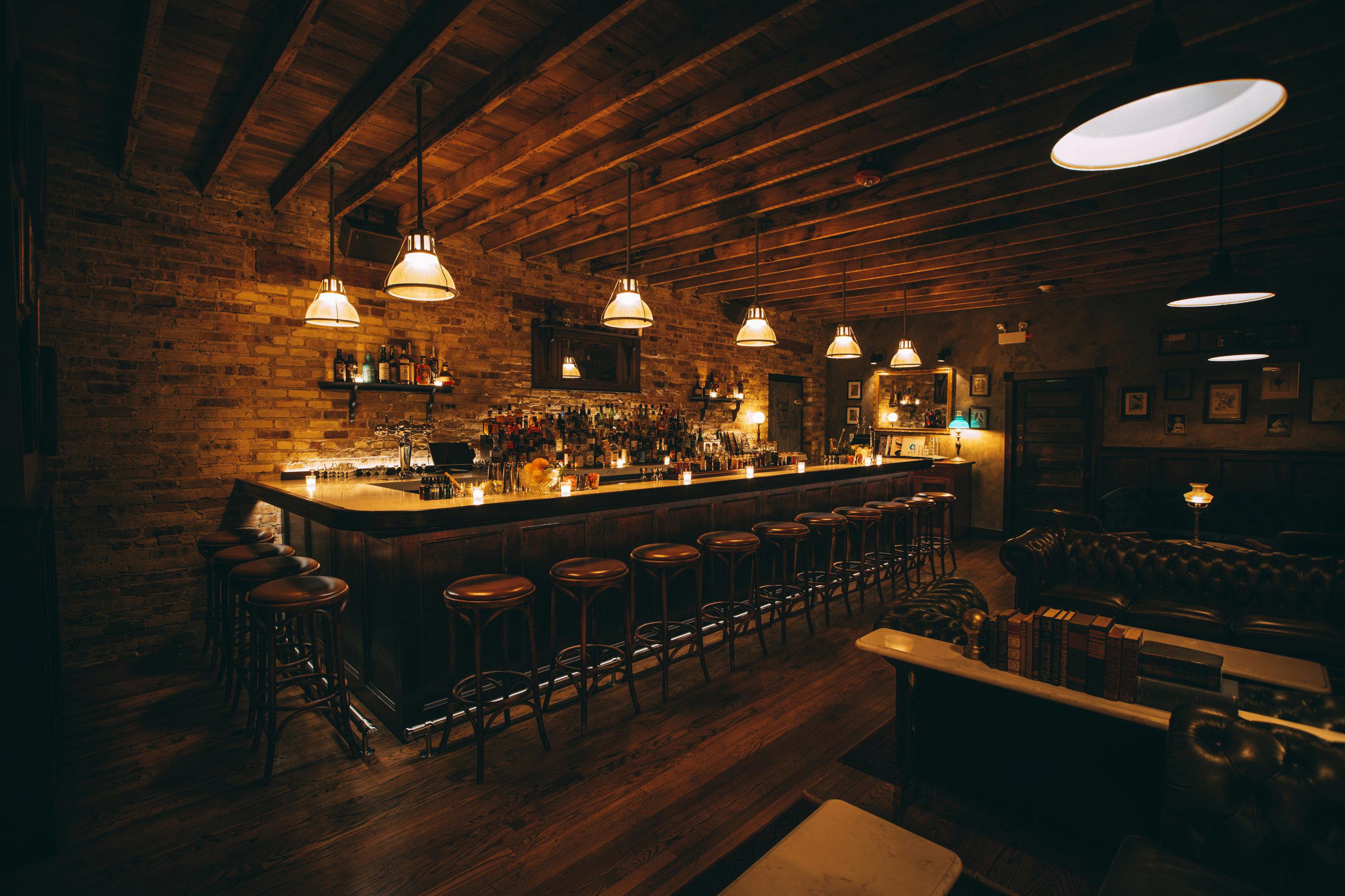
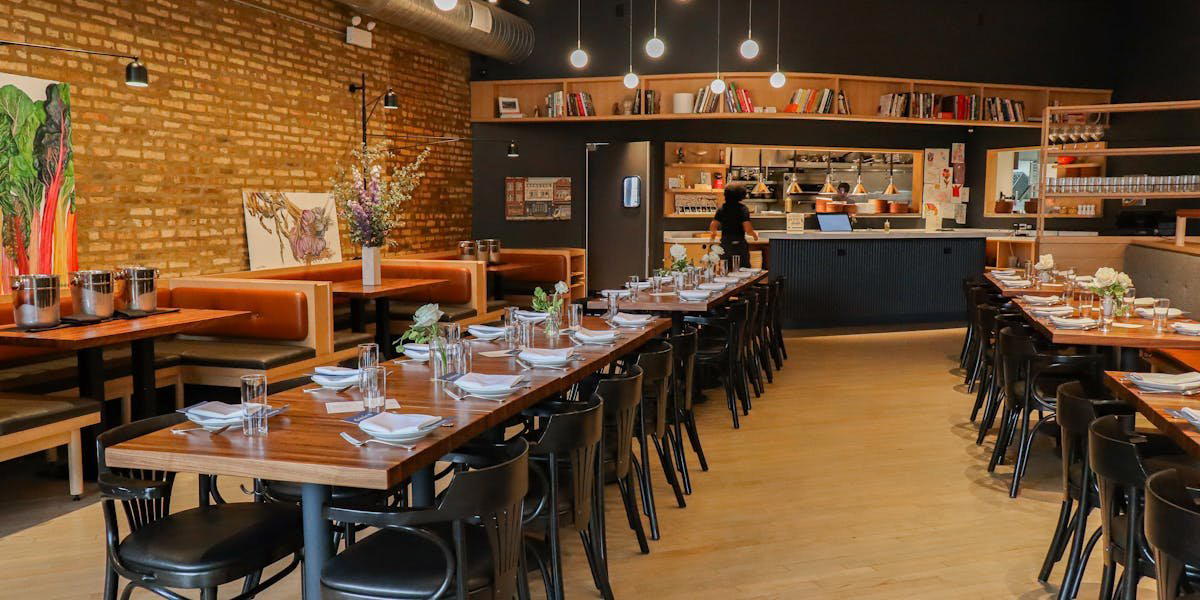
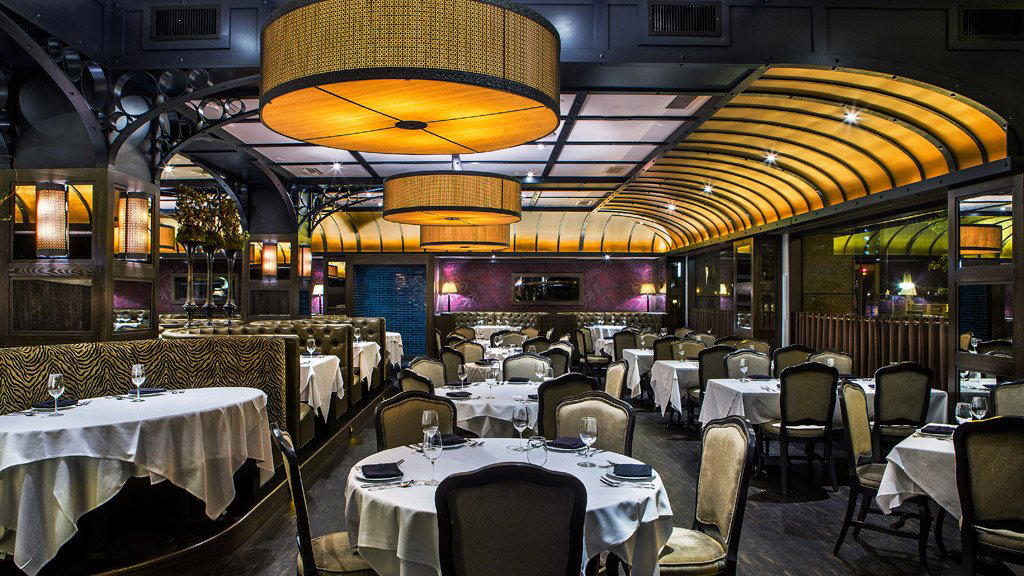
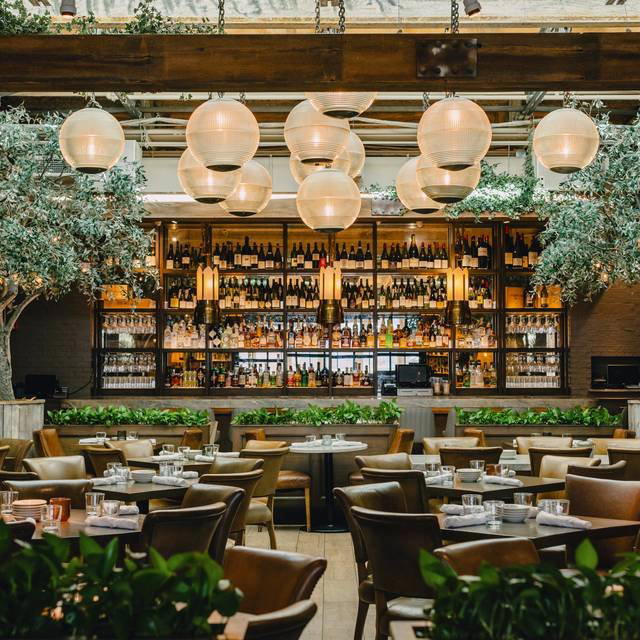
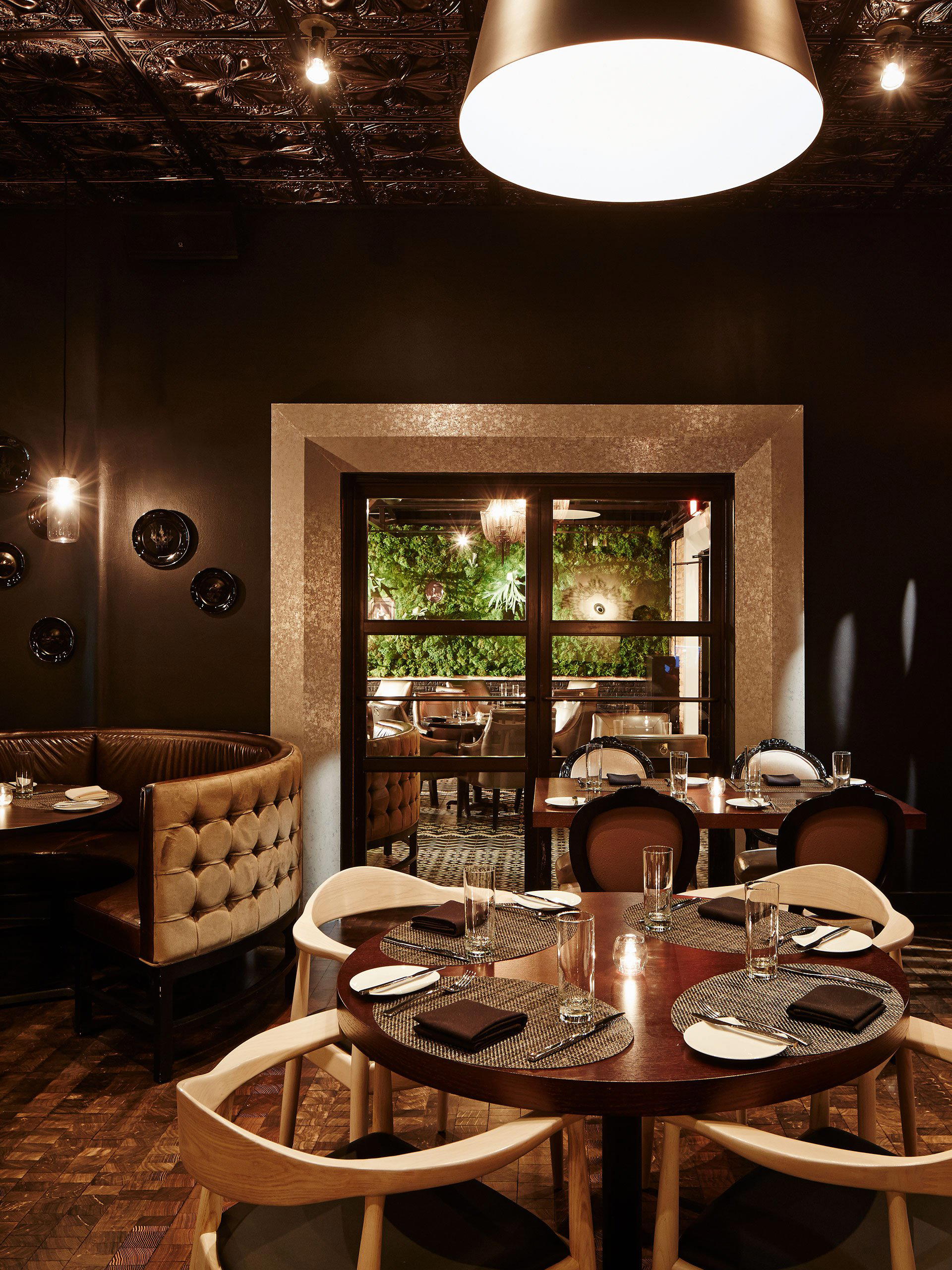
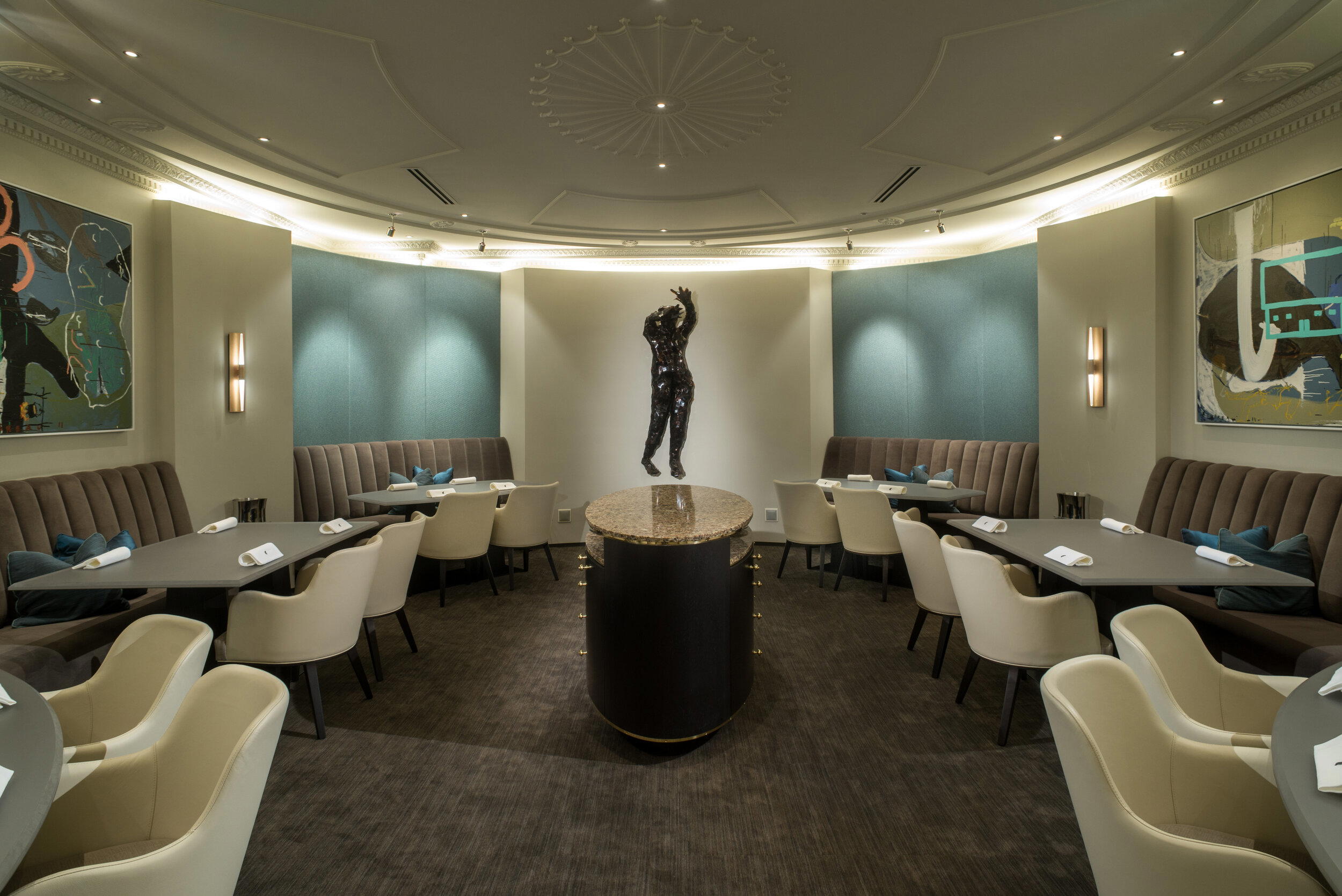
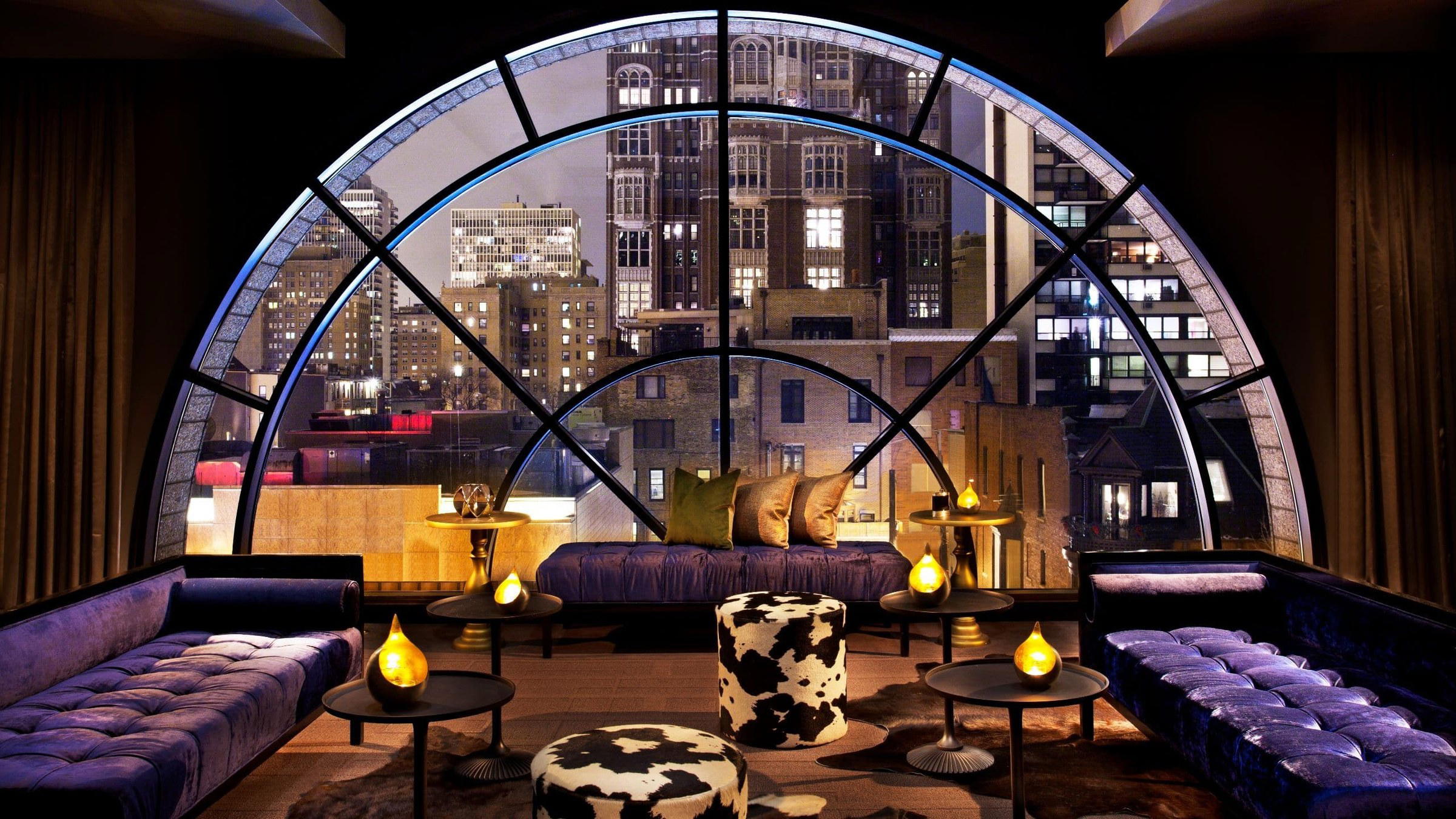
Charcoal and deep green tones, warm wood, exposed brick, and low pendant lighting create an intimate, composed lounge feel, set to a soundtrack of soul-leaning jazz, Mediterranean grooves, and lo-fi rhythms that the team describes as "happy hour for adults."