Limoncello Baltimore
Limoncello Baltimore occupies a South Baltimore address that sits closer to the working waterfront than the tourist corridor, signalling the kind of deliberate remove that often marks a serious drinking destination. The bar draws from a spirits-forward program with enough depth to reward return visits, placing it in a different register from the neighbourhood's more casual options.
Pearl is the En Primeur Club membership app — saves, bookings, and concierge access live there. Same editors, same standards.
- Address
- 900 E Fort Ave Suite 101, Baltimore, MD 21230
- Phone
- +1 443 708 1540
- Website
- limoncellobaltimore.com
- Directions
- Get directions
 Saves & bookings on Pearl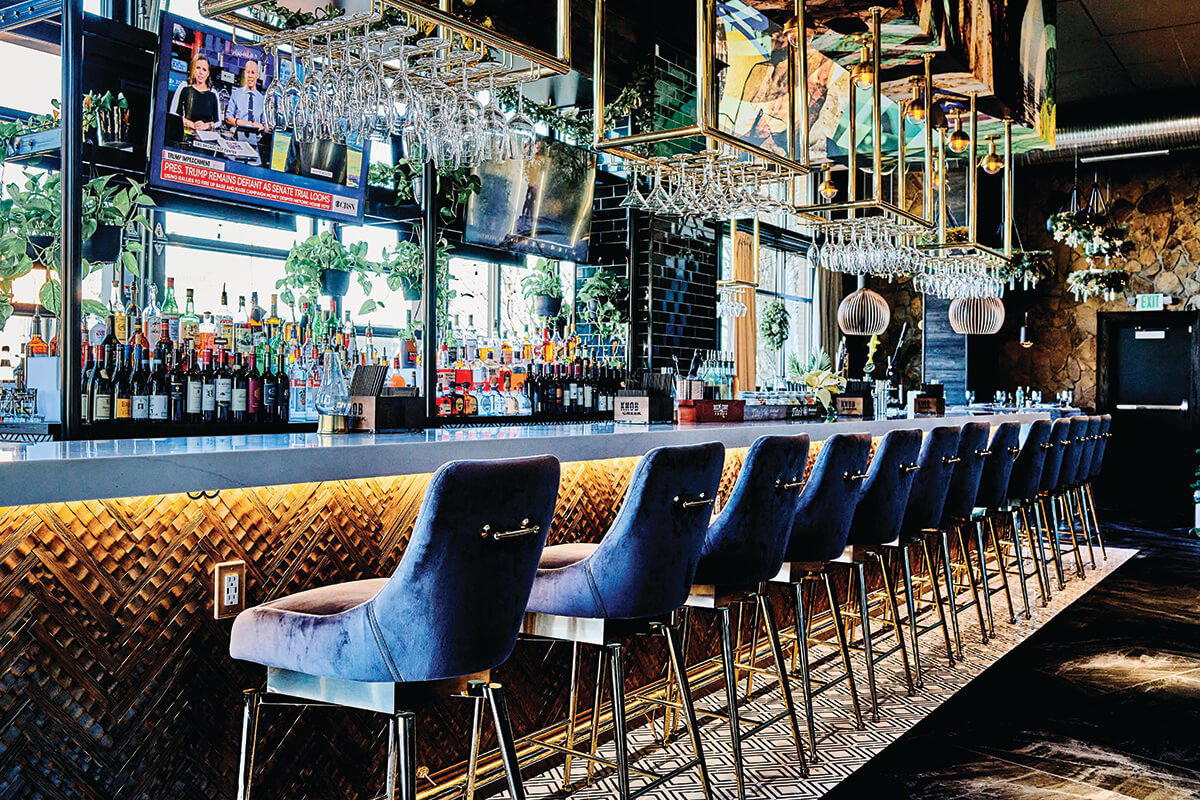
South Baltimore's Spirits-Forward Coordinates
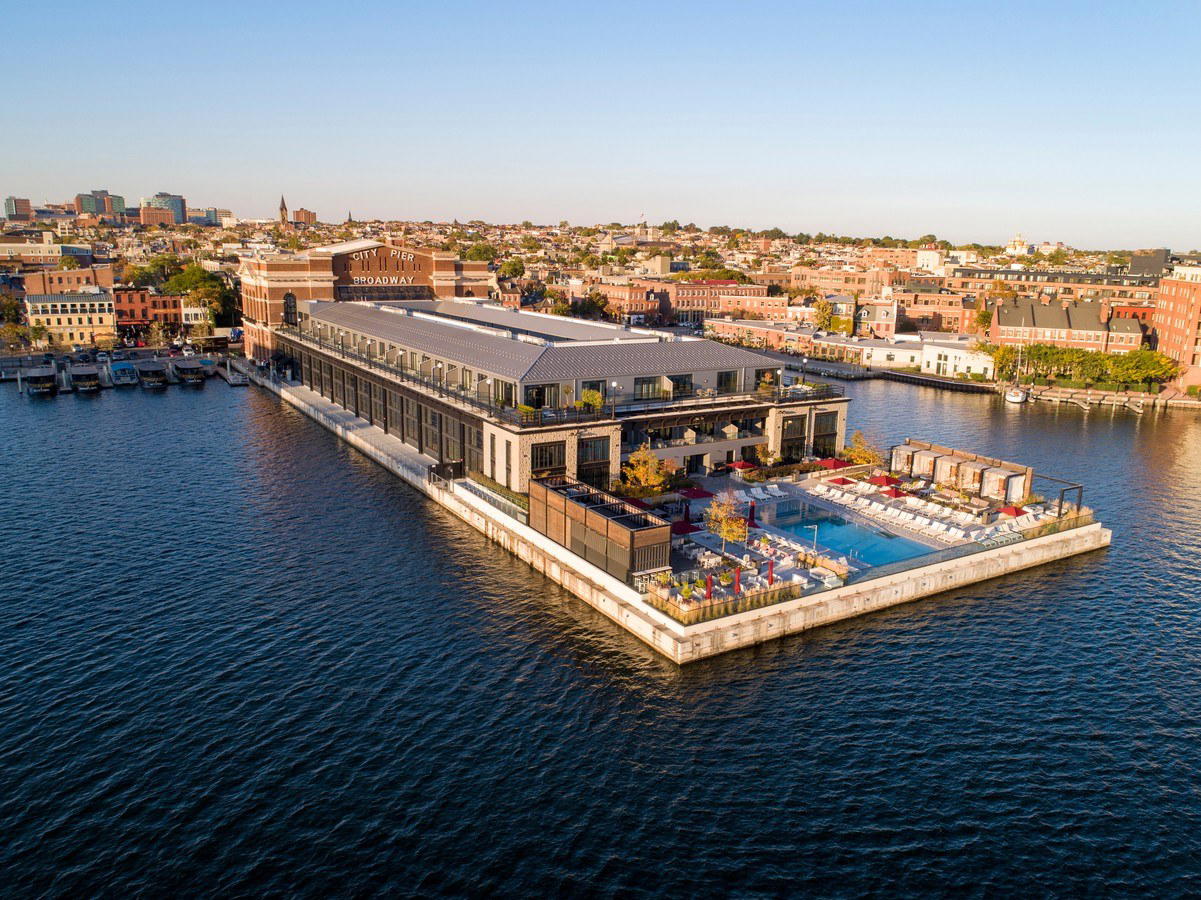
The address on East Fort Avenue places Limoncello Baltimore at the edge of the Locust Point neighbourhood, where the street grid still carries the logic of an industrial waterfront rather than a gentrified dining district. That physical remove from the Inner Harbour tourist circuit and the Mount Vernon cocktail cluster is not incidental. Bars that position themselves in working-neighbourhood suites rather than high-visibility retail corridors tend to rely on program depth over foot traffic, and that dynamic shapes what you find behind the bar more than any design decision. In a city where the drinking scene has historically been split between crab-shack dive bars and hotel lobby pours, the emergence of spirits-focused rooms in South Baltimore addresses a gap that local drinkers had long needed filled.
The Back Bar as Editorial Statement
In American cocktail culture, the back bar has become the fastest read of a room's ambitions. A short shelf of brand-sponsored bottles signals one kind of operation; a curated collection that spans production methods, regions, and bottle ages signals another. The latter approach requires active curation decisions, buying relationships with importers and distributors, and a willingness to carry bottles that move slowly but anchor the list's credibility. Baltimore's stronger drinking programs, including Alma Cocina Latina for its agave depth and Barcocina for its waterfront spirits programming, demonstrate that the city's appetite for serious spirits selection extends well beyond the usual whiskey-bar format.
Limoncello Baltimore's positioning on the East Fort Avenue corridor puts it adjacent to a neighbourhood cohort that has been building out a quieter but more considered drinking culture than the louder bar strips further north. The spirits-forward framing implied by the bar's identity connects it to a broader American movement in which the cocktail list functions as annotation on a deeper collection rather than the collection itself. That movement has produced some of the most interesting bar programs in the country: Bar Leather Apron in Honolulu built its reputation on Japanese whisky curation paired with precise technique; Kumiko in Chicago developed a Japanese-influenced selection that runs deeper than most dedicated import programs; ABV in San Francisco treats amaro and digestif depth as a structural feature rather than an afterthought. These are the reference points against which a serious spirits program gets measured, regardless of geography.
Where Limoncello Sits in the Baltimore Scene
Baltimore's bar scene operates across distinct micro-clusters. Federal Hill, immediately north of Locust Point, carries a younger, higher-volume character. Mount Vernon tilts toward craft cocktail programming and wine bars. Fells Point anchors the tourist and late-night end of the spectrum. South Baltimore addresses like East Fort Avenue occupy a different register: lower ambient noise, longer tenure neighbourhoods, and a clientele that tends to drink with more purpose and less performance. Alonso's and Baba'de illustrate the range of what the broader Baltimore scene accommodates, from neighbourhood institution to newer format experimentation. Limoncello's Locust Point placement puts it closer to the neighbourhood-institution end of that spectrum, with the East Fort Avenue suite format suggesting a room designed for people who already know where they are going rather than those wandering in from the street.
Nationally, bars that operate with this kind of deliberate remove from high-traffic corridors have tended to develop stronger regulars programs and deeper back bars than their high-visibility counterparts. Jewel of the South in New Orleans, Julep in Houston, and Superbueno in New York City all operate in positions slightly off the main tourist sightline, and all have built programs that reward the effort of finding them. The Parlour in Frankfurt on the Main offers an international version of the same logic: address specificity as a filter for the right audience. The pattern holds in Baltimore as elsewhere.
Reading the Limoncello Name
In Italian drinking culture, limoncello functions as the digestif end of the meal: the point at which the eating is done and the conversation begins. As a bar name in an American city, it carries a particular implication about the register of the experience, suggesting something lighter and more convivial than the serious-whisky gravitas that defines much of the American cocktail bar conversation. That tension, between the cheerful citrus connotation of the name and the spirits-forward depth implied by the bar's positioning in a suite-format South Baltimore address, is itself an editorial signal worth reading. Some of the most interesting American bars hold exactly this kind of apparent contradiction in their identity: approachable at the surface, rigorous underneath.
Planning a Visit
East Fort Avenue in Locust Point is a short distance from the Hanover Street Bridge corridor and sits within reasonable reach of both Federal Hill and the southern waterfront. The suite address at 900 East Fort Avenue suggests a destination-specific visit rather than a spontaneous walk-in, which means confirming hours and reservation policy directly before arrival is the practical approach. No booking information is published in public records at the time of writing, so contacting the venue directly is the cleanest path. The neighbourhood rewards arriving before the later-night crowd, when the back bar conversation tends to move at a slower pace. For a broader orientation to what Baltimore's drinking and dining scene covers across its different clusters, the full Baltimore restaurants and bars guide maps the competitive field in more detail.
In Context: Similar Options
| Venue | Cuisine |
|---|---|
| Limoncello BaltimoreThis venue — the venue you are viewing | This venue |
Continue exploring
More in Baltimore
Bars in Baltimore
Browse all →
Restaurants in Baltimore
Browse all →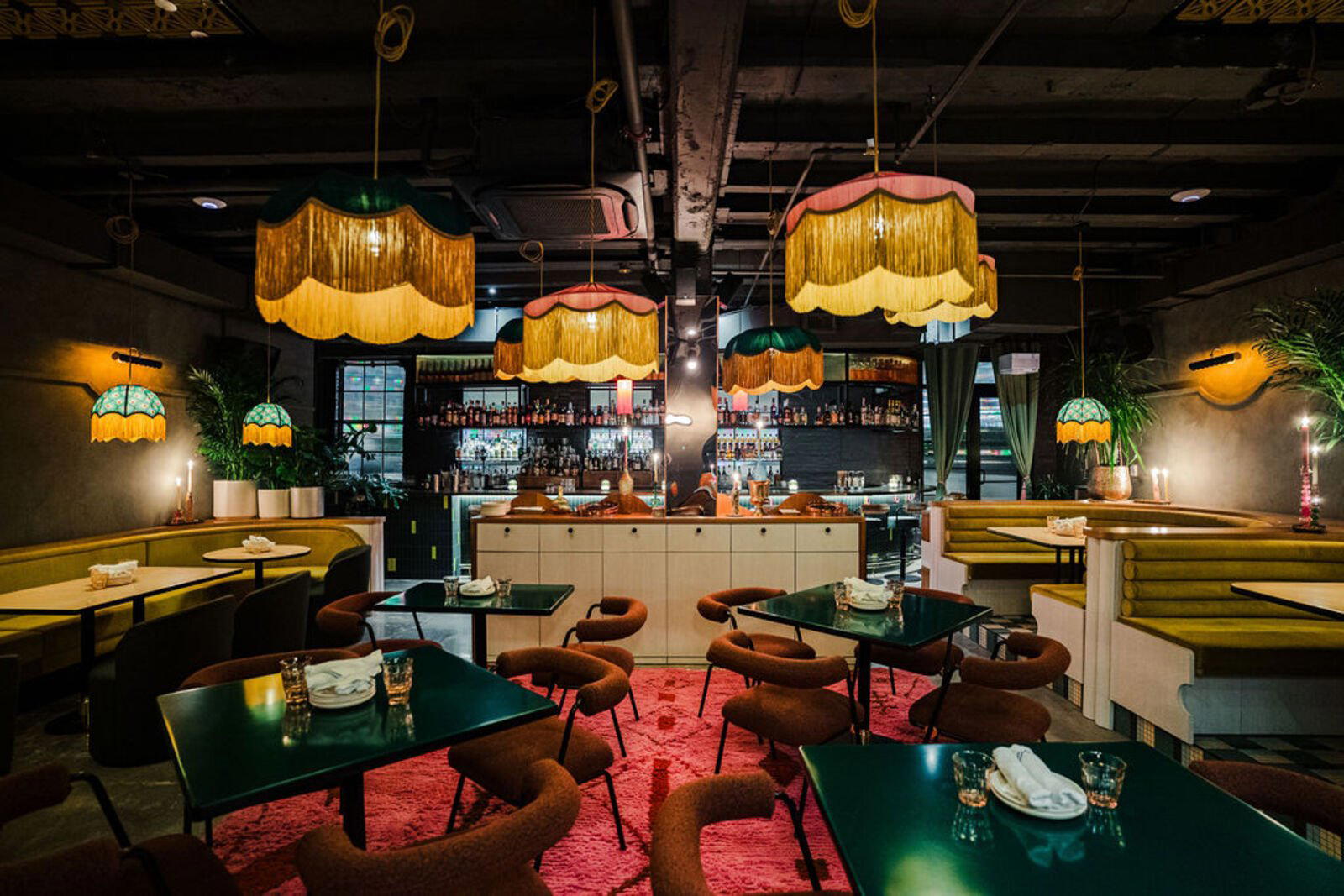
At a Glance
- Elegant
- Cozy
- Intimate
- Date Night
- Group Outing
- Casual Hangout
- Seated Bar
- Lounge Seating
- Outdoor Terrace
- Classic Cocktails
Current opening hours
- Monday
- 12–10 PM
- Tuesday
- 12–10 PM
- Wednesday
- 12–10 PM
- Thursday
- 12–10 PM
- Friday
- 12–11 PM
- Saturday
- 11 AM–11 PM
- Sunday
- 11 AM–10 PM
Hours can change for holidays and private events. Last verified .
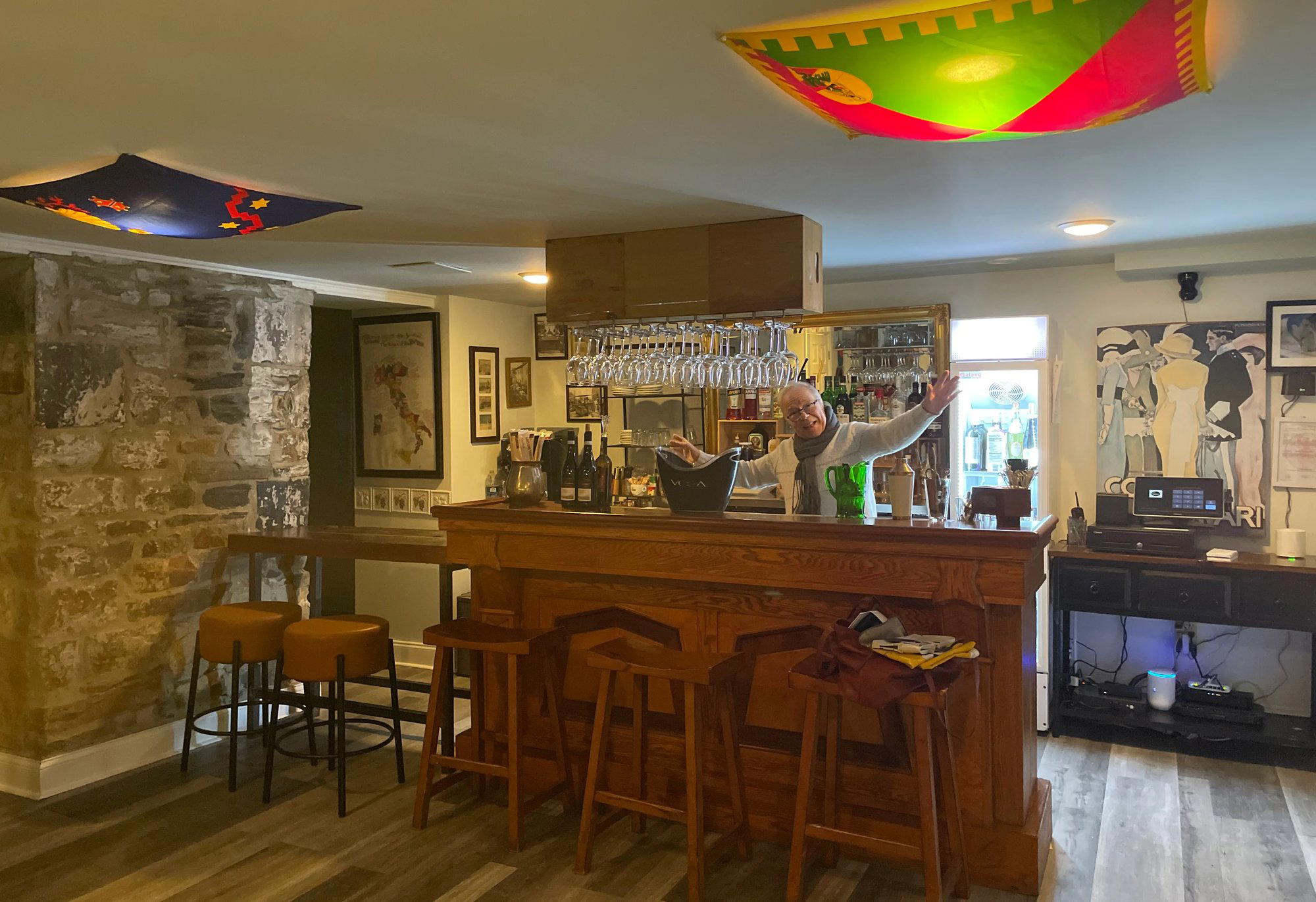
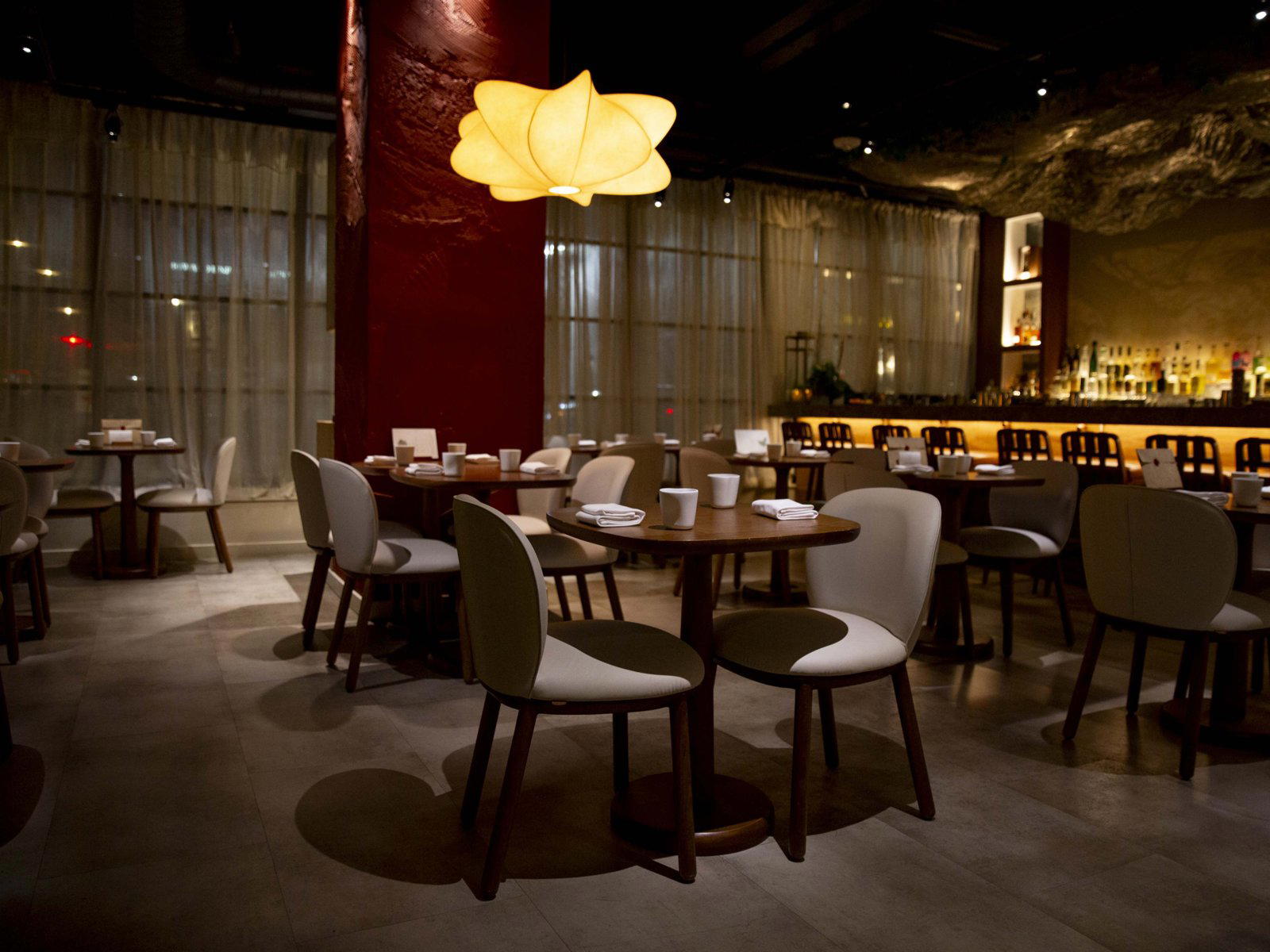
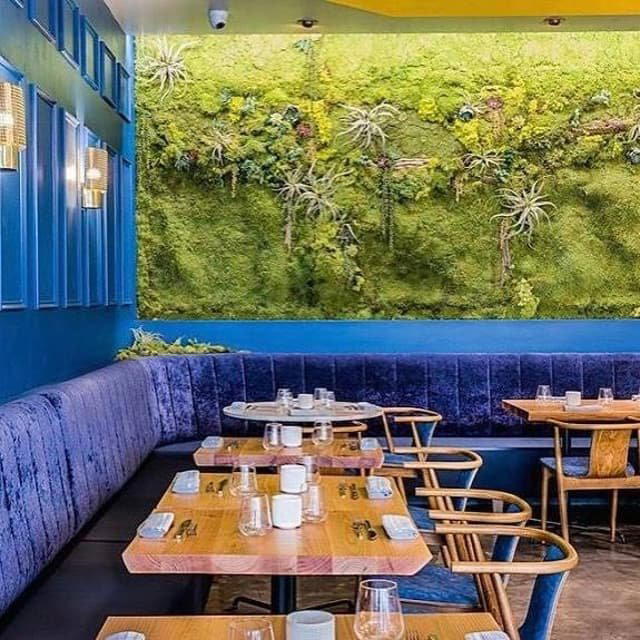
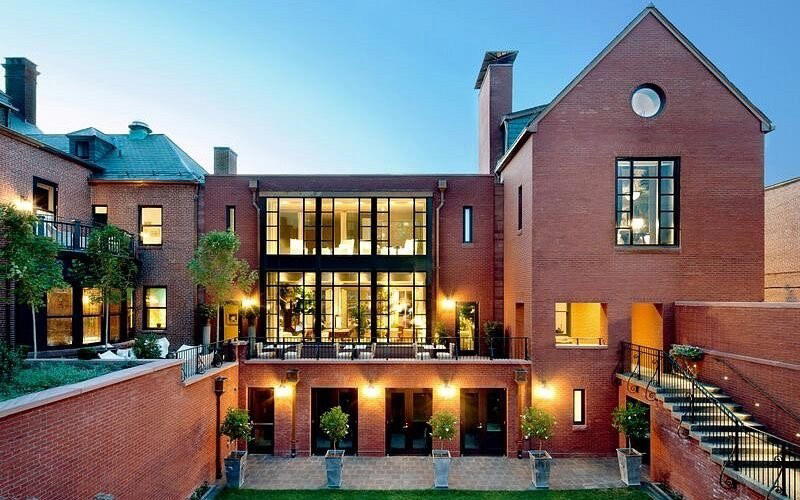
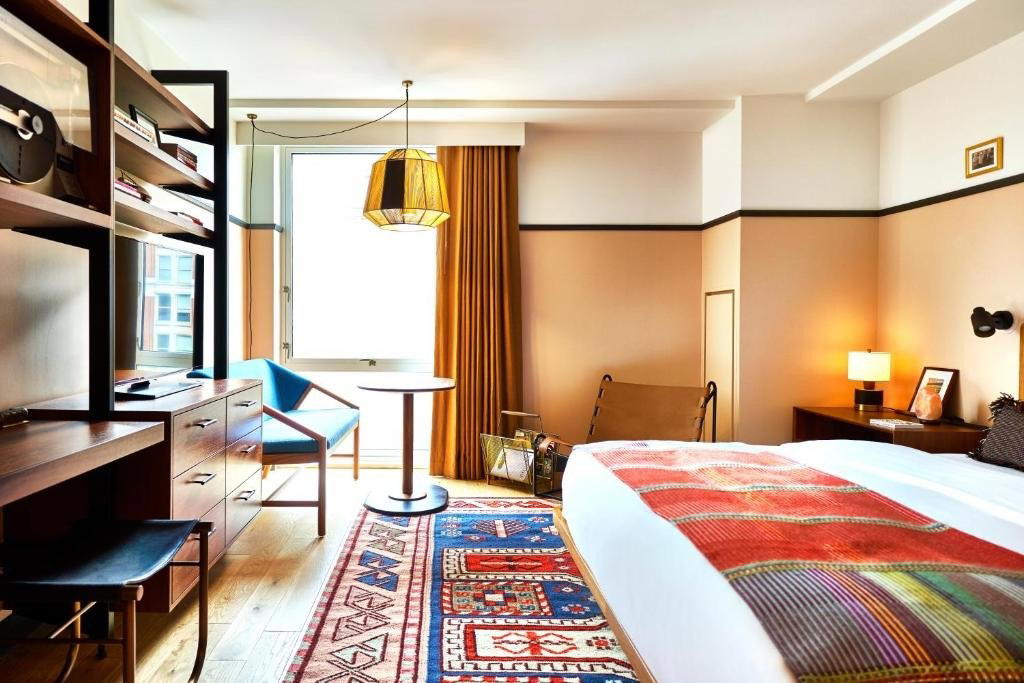
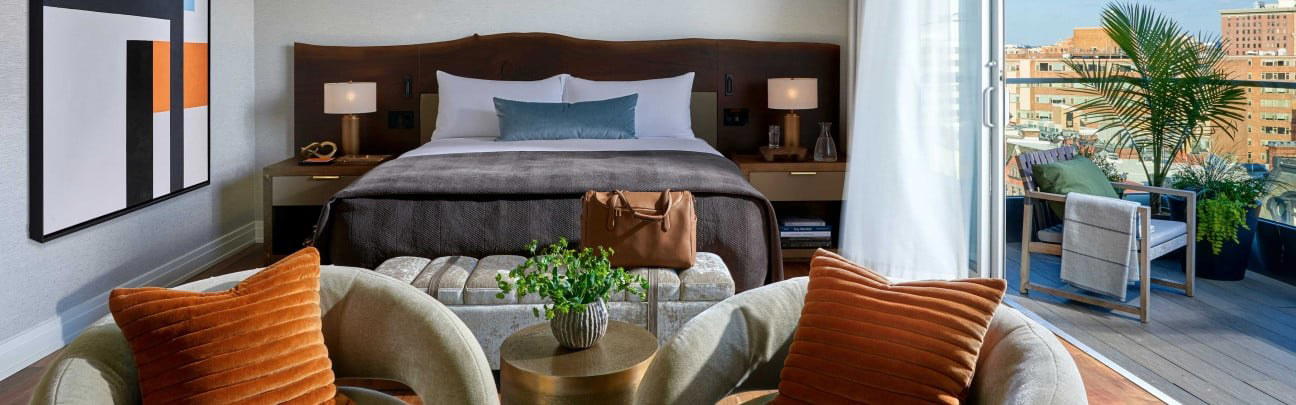
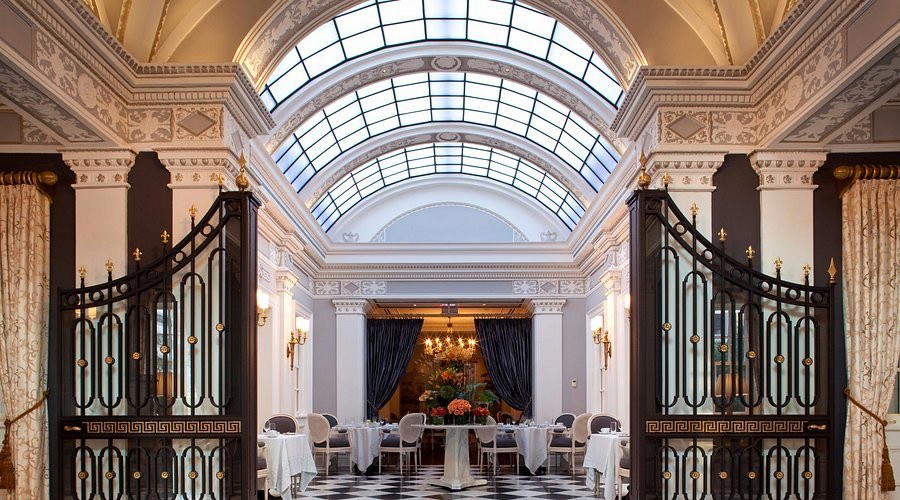
Italian coastal ambiance with colorful and convivial setting in an upscale trattoria.
Know Before You Go
- Getting there
- 900 E Fort Ave Suite 101, Baltimore, MD 21230