Lilette
Lilette occupies a converted Magazine Street storefront in the Uptown corridor, where French bistro technique meets Louisiana produce in a room that has earned steady recognition from New Orleans diners for years. The wine list leans toward thoughtful European curation, and the dining room's unhurried pace sets it apart from the city's more performance-driven restaurants. For those planning an evening in the Garden District orbit, Lilette rewards advance booking.
 Discover on Pearl
Pearl is the En Primeur Club membership app — saves, bookings, and concierge access live there. Same editors, same standards.
- Address
- 3637 Magazine St, New Orleans, LA 70115
- Phone
- +1 504 895 1636
- Website
- liletterestaurant.com
Magazine Street and the French Bistro Tradition in New Orleans
Uptown New Orleans has long operated on a different register than the French Quarter. Magazine Street, running parallel to the river through a succession of residential neighbourhoods, is where the city's working restaurant culture tends to concentrate: less spectacle, more craft, and a clientele that returns weekly rather than once per trip. Lilette, at 3637 Magazine Street, sits inside that tradition rather than apart from it. The address places it in the stretch of Magazine that runs through the Garden District and into the Irish Channel, a corridor that supports a small number of serious independent restaurants without the tourist volume that drives pricing and format decisions closer to the Quarter.
The French bistro form has found particular traction in New Orleans for reasons that go beyond the city's historical Francophone identity. Louisiana's larder, the Gulf, and the surrounding delta agriculture give French technique genuine local material to work with, rather than the approximated sourcing that mid-century Franco-American restaurants relied on. A kitchen applying classical method to Gulf seafood, seasonal Louisiana produce, and Southern European wine service is doing something coherent rather than merely stylish. Lilette has occupied that space on Magazine Street long enough to have become a reference point for the category in the city.
The Room and the Pace
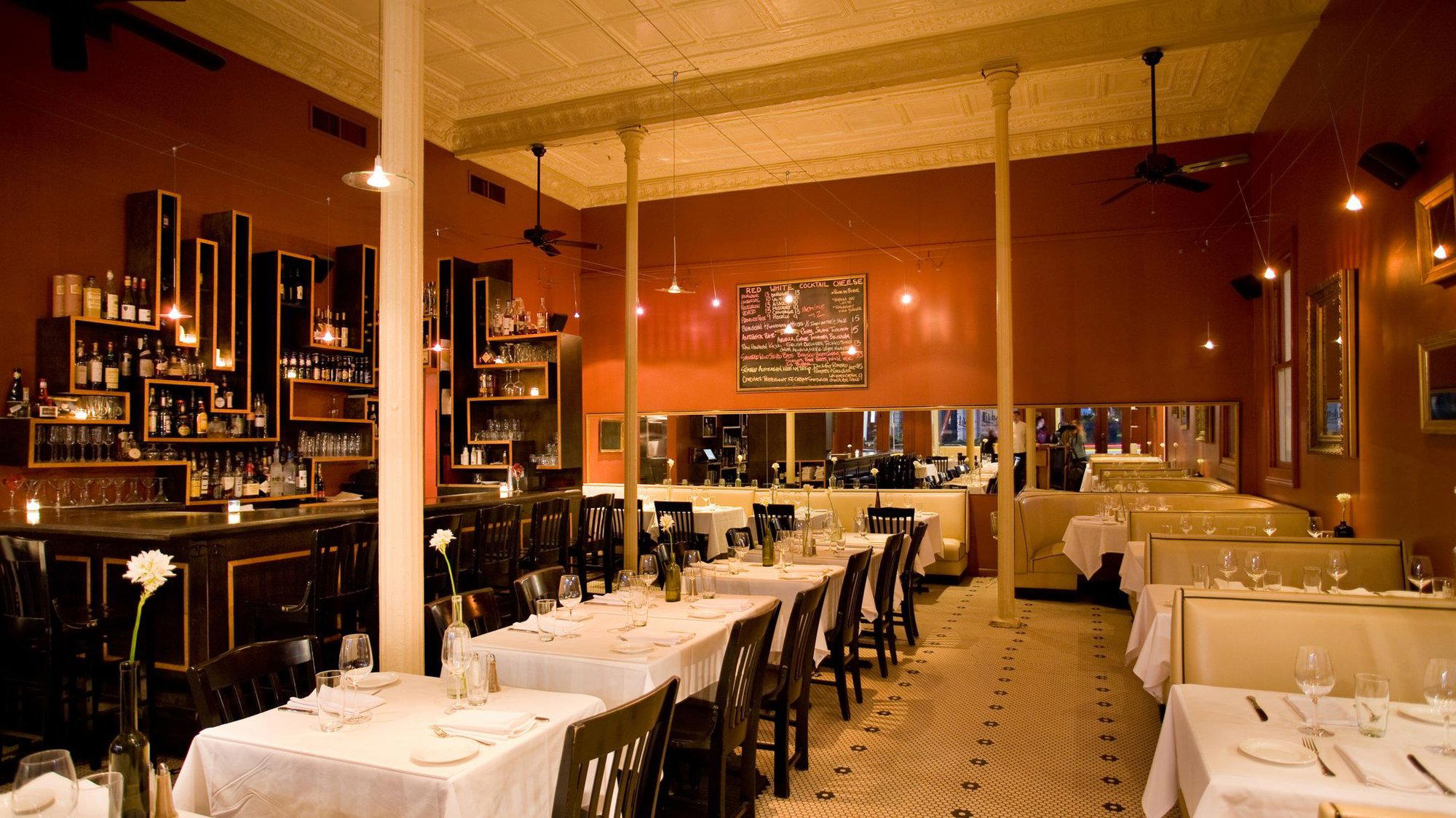
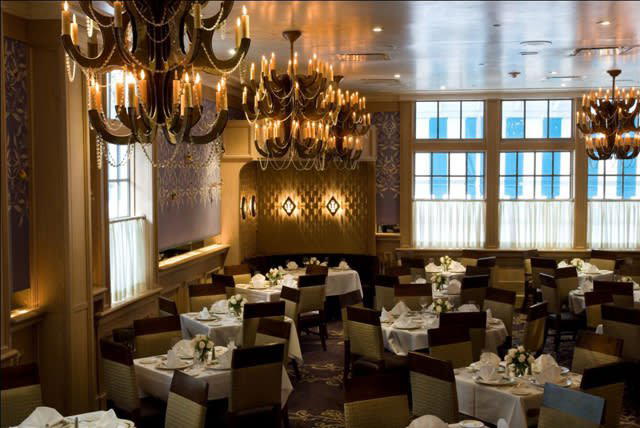
The physical environment at Lilette does much of the editorial work before a menu arrives. The building is a narrow converted storefront, a format common to Magazine Street's retail-to-restaurant conversions, where the proportions force a certain intimacy. Rooms of this scale resist the acoustic chaos that larger New Orleans dining rooms accumulate, and the result is a space where conversation is audible and the service dynamic is visible from most seats. Candlelight and warm surfaces are the dominant sensory register; this is a room designed for evenings, not a lunch counter that doubles as a dinner venue.
Pace is deliberately unhurried. That choice has consequences for how you plan the evening: Lilette rewards a commitment to the full arc of a meal rather than a compressed pre-theatre window. If you are working around a show at the Saenger or the Orpheum, build in time accordingly, or save Lilette for a night when the schedule is open.
The Wine List as the Room's Spine
French bistro format in the American context often falters on the wine program: the cuisine signals France, but the list reflects American retail mark-up conventions applied to a narrow selection of familiar appellations. Lilette has historically invested in the wine side of its offer in a way that places it in a different tier from casual Magazine Street bistros. The curation philosophy reads as European-led without being exclusionary: Burgundy and the Loire anchor the French side, but the list extends into southern France and Italy in ways that provide options at multiple price points and pair more honestly with the actual food on the table.
For context, New Orleans has developed a bar and drinks culture that competes nationally. Programmes at venues like Jewel of the South and Cure have shifted expectations for what serious liquid hospitality looks like in the city. Beachbum Berry's Latitude 29 operates in a completely different register, demonstrating that New Orleans drinks culture spans from tiki precision to classical cocktail craft. Against that backdrop, a wine-led restaurant program needs to hold its own with an increasingly sophisticated local audience. The list at Lilette is built for that audience rather than for visitors defaulting to house pours.
Nationally, the shift toward sommelier-curated programs at independent restaurants has been pronounced over the past decade. Operations like Kumiko in Chicago and ABV in San Francisco have demonstrated that drinks programs can drive destination value at smaller independent venues, and Allegory in Washington, D.C. has shown how curation depth translates into critical recognition. Lilette operates in that current, applying the same logic to a European wine framework rather than a cocktail-forward one.
What the Cuisine Does
French bistro cooking in Louisiana means something more specific than it does in most American cities. The roux-based foundations of Creole cooking and the butter-cream architecture of classical French technique are not far apart in method, which means a kitchen trained in both traditions can move between them without the seams showing. Expect preparations that apply French method to Gulf fish and shellfish, with the kind of seasonal rotation that reflects what the local supply chain actually provides rather than a static menu designed for annual printing. The kitchen does not appear to be chasing a modernist format: this is not a tasting-menu-only room, and the bistro frame means the ordering is à la carte, which gives the table control over pacing and spend.
Situating Lilette in the Wider City
New Orleans dining in the Uptown corridor operates differently from the tourist-facing restaurant economy of the French Quarter and the CBD. Magazine Street restaurants depend on neighbourhood loyalty and word of mouth in ways that Quarter venues do not, which creates a different relationship between kitchen and community. Lilette has earned that loyalty over time, and the dining room on a midweek evening reflects it: a mix of regulars who know the list and visitors who have done the research rather than tourists who walked in from the street.
For those building a broader New Orleans evening, the bars in the city's serious cocktail tier are worth mapping alongside a dinner reservation. 2 Phat Vegans represents the plant-forward side of the city's food scene, while the classical bar culture at Jewel of the South anchors the other end of the spectrum. A full picture of what the city offers is available in our full New Orleans restaurants guide.
For travellers comparing serious wine-led independent restaurants across American cities, the peer conversation extends to programmes like Julep in Houston, Superbueno in New York City, and internationally to Bar Leather Apron in Honolulu and The Parlour in Frankfurt on the Main. These are venues where the drinks and wine program is not an afterthought but a defining element of the proposition.
Planning Your Visit
Lilette sits at 3637 Magazine Street, reachable via the Magazine Street streetcar line or a short ride from the Garden District hotels. The format rewards evening visits rather than rushed lunches, and the wine list is better explored with time at the table. Reservations are advisable, particularly on weekends, when Magazine Street restaurants fill through a combination of neighbourhood diners and visitors staying in Uptown accommodation. Dress code follows the Garden District register: smart casual is the operative norm, with no requirement for formality and no pressure toward it.
Accolades, Compared
A compact peer snapshot based on similar venues we track.
| Venue | Awards |
|---|---|
| LiletteThis venue — the venue you are viewing | |
| Jewel of the South | World's 50 Best |
| Beachbum Berry's Latitude 29 | World's 50 Best |
| Cure | World's 50 Best |
| Cane & Table | |
| The Carousel Bar |
Continue exploring
More in New Orleans
Bars in New Orleans
Browse all →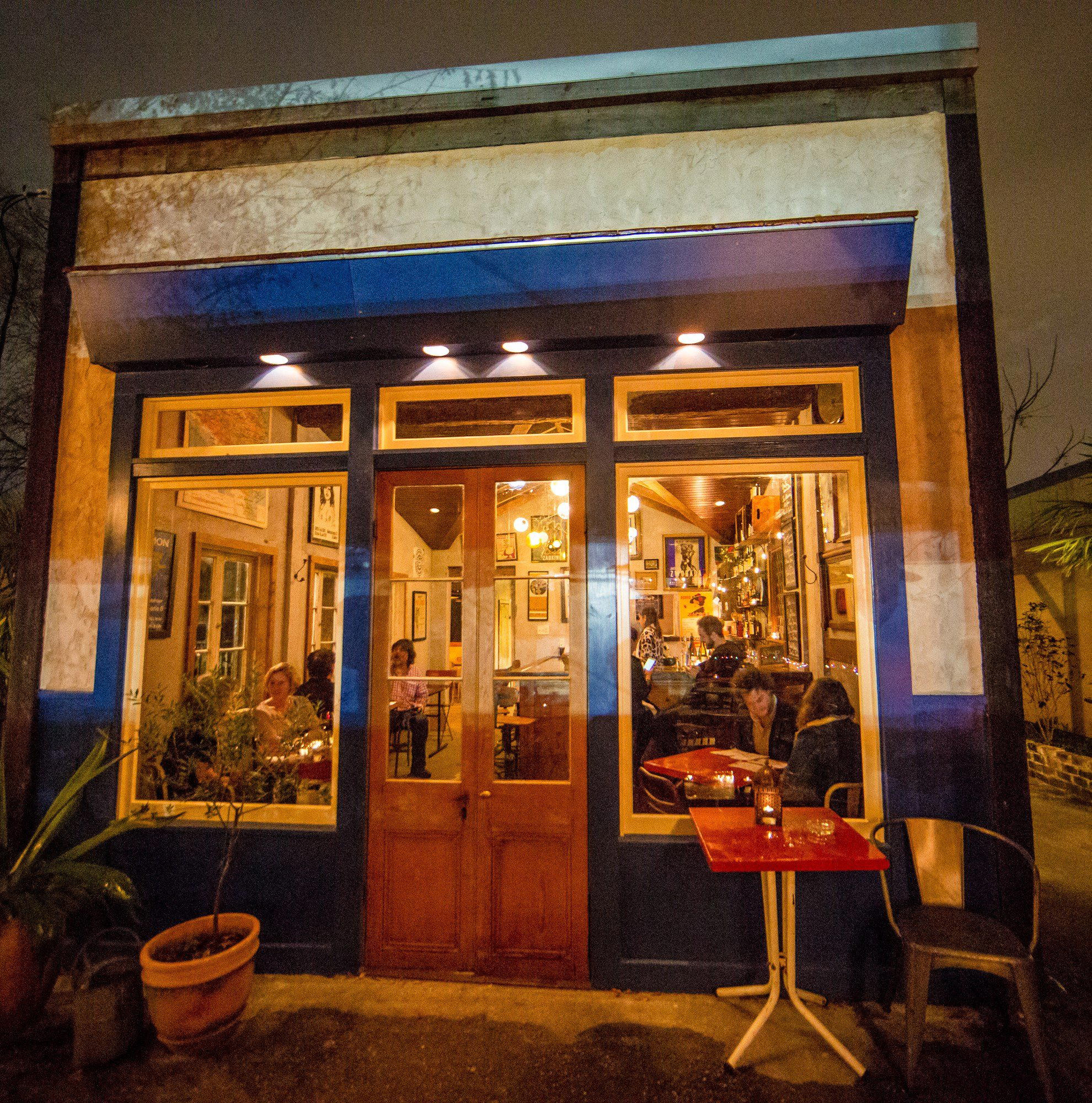
Restaurants in New Orleans
Browse all →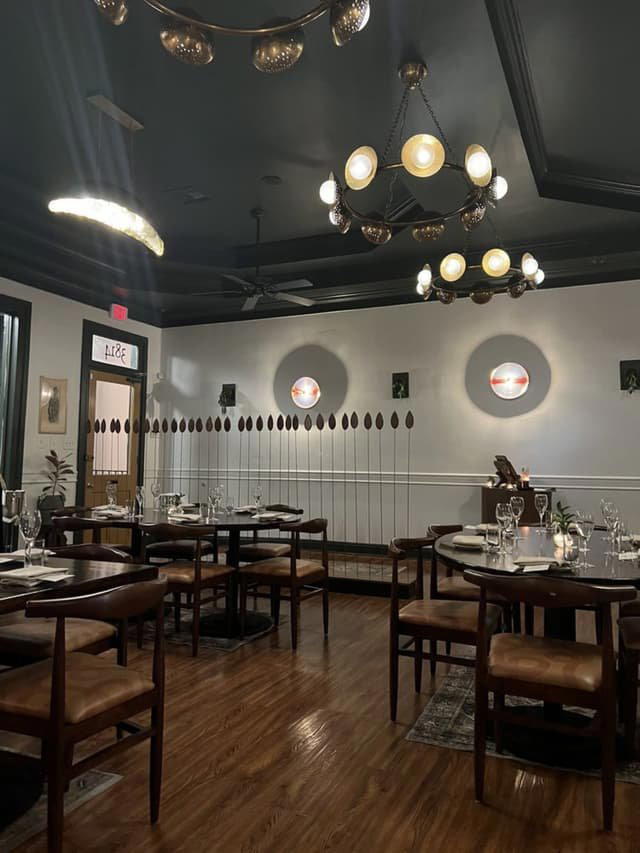
At a Glance
- Romantic
- Cozy
- Elegant
- Intimate
- Date Night
- Special Occasion
- Historic Building
- Seated Bar
- Booth Seating
- Outdoor Terrace
- Classic Cocktails
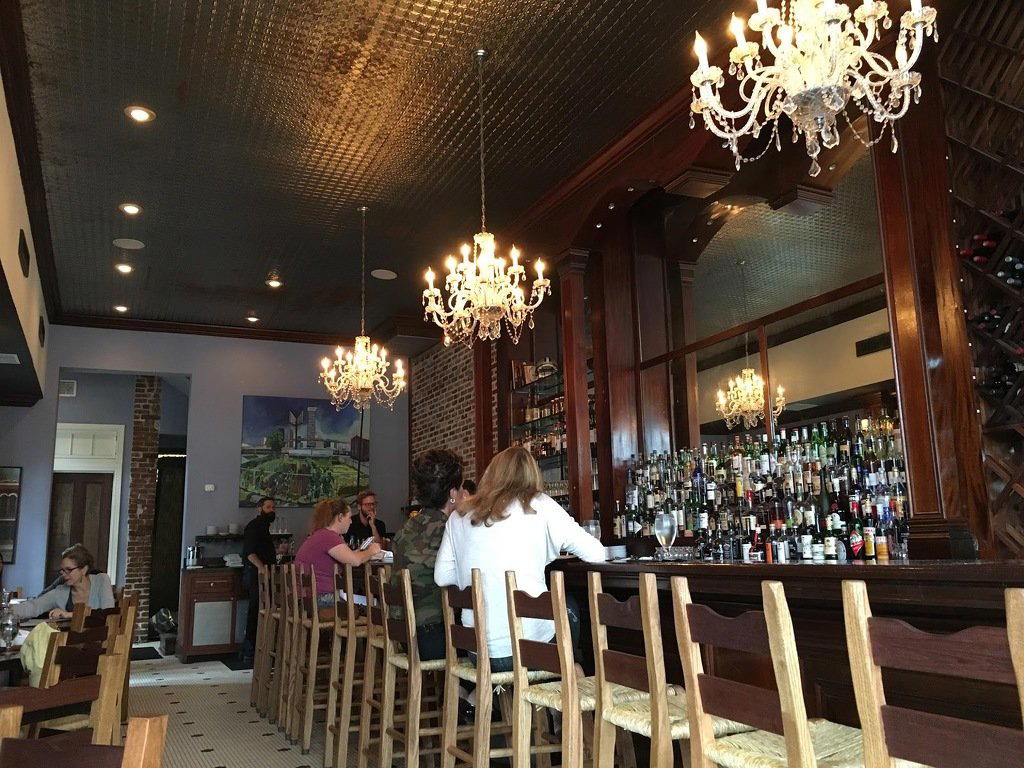
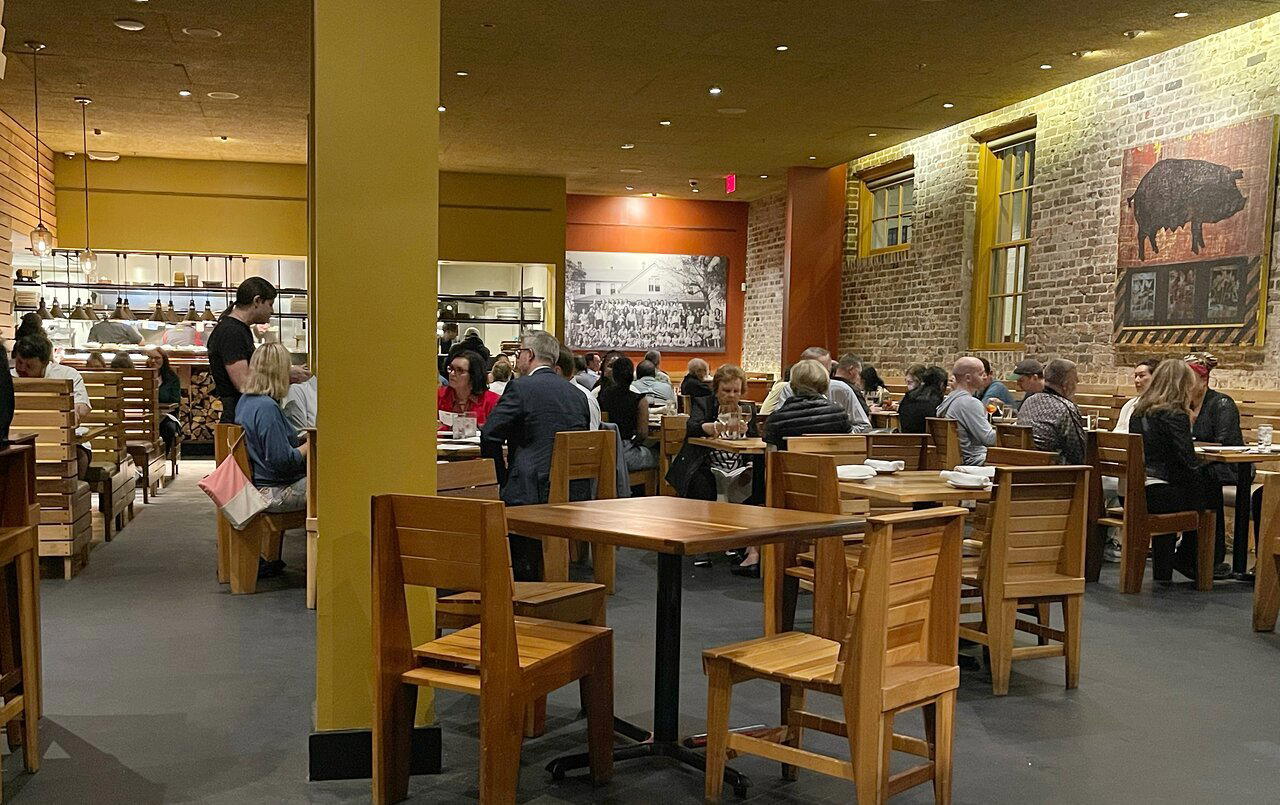
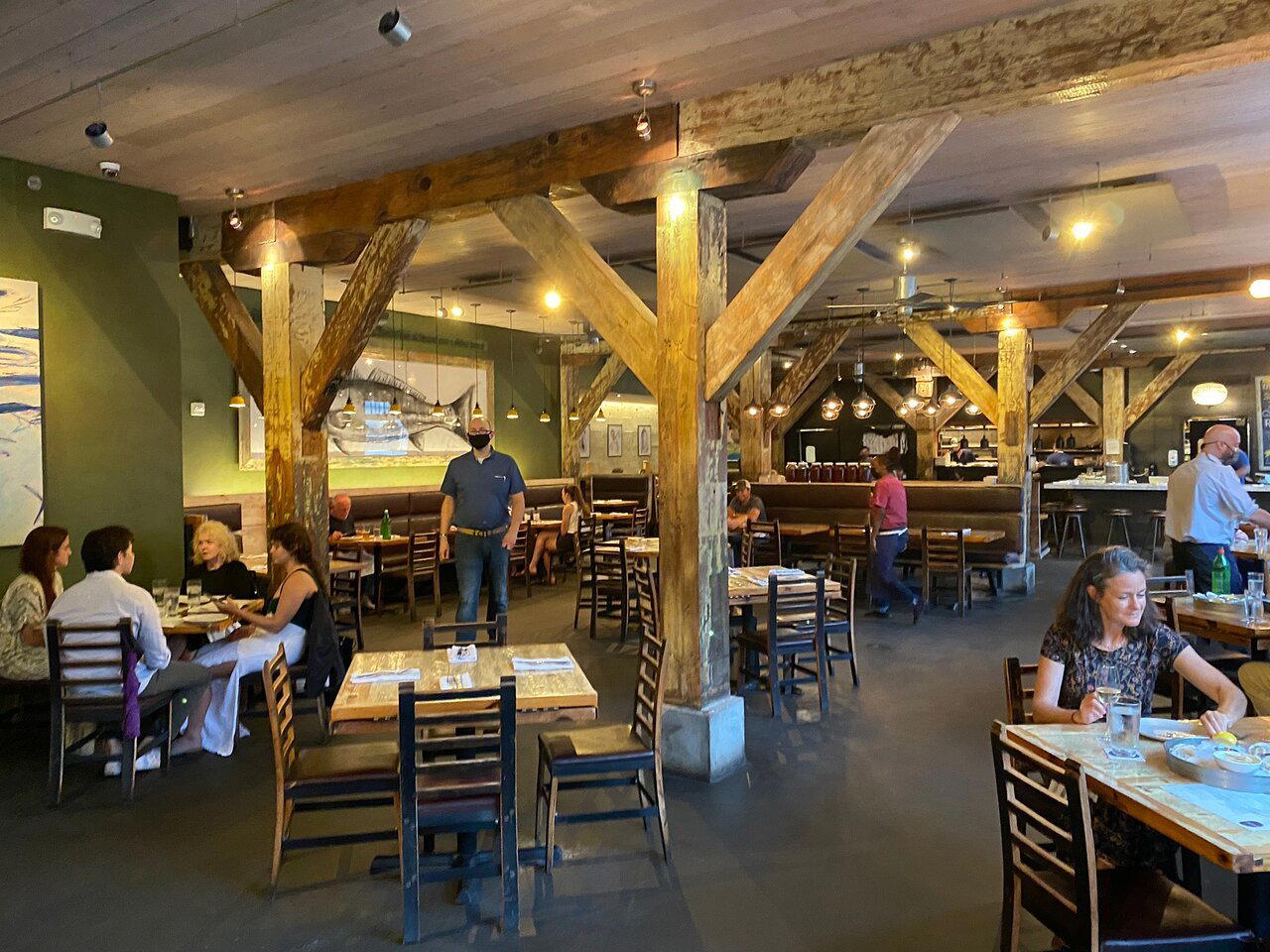
Warmly lit with brick-red walls, tile floors, pressed-tin ceiling, and a cozy bar area evoking a lively dinner party atmosphere.