Bar Betta occupies a quiet address on Cao Bá Quát in Ba Đình, one of Hanoi's older residential districts, where the bar scene runs calmer and more considered than the tourist-heavy Old Quarter. The address places it in a neighbourhood defined by embassies, tree-lined streets, and a local crowd that drinks on its own terms. For visitors willing to move beyond the obvious, that context matters.
- Address
- 34 P. Cao Bá Quát, Điện Biên, Ba Đình, Hà Nội, Vietnam
- Phone
- +84 913 515 351
- Directions
- Get directions
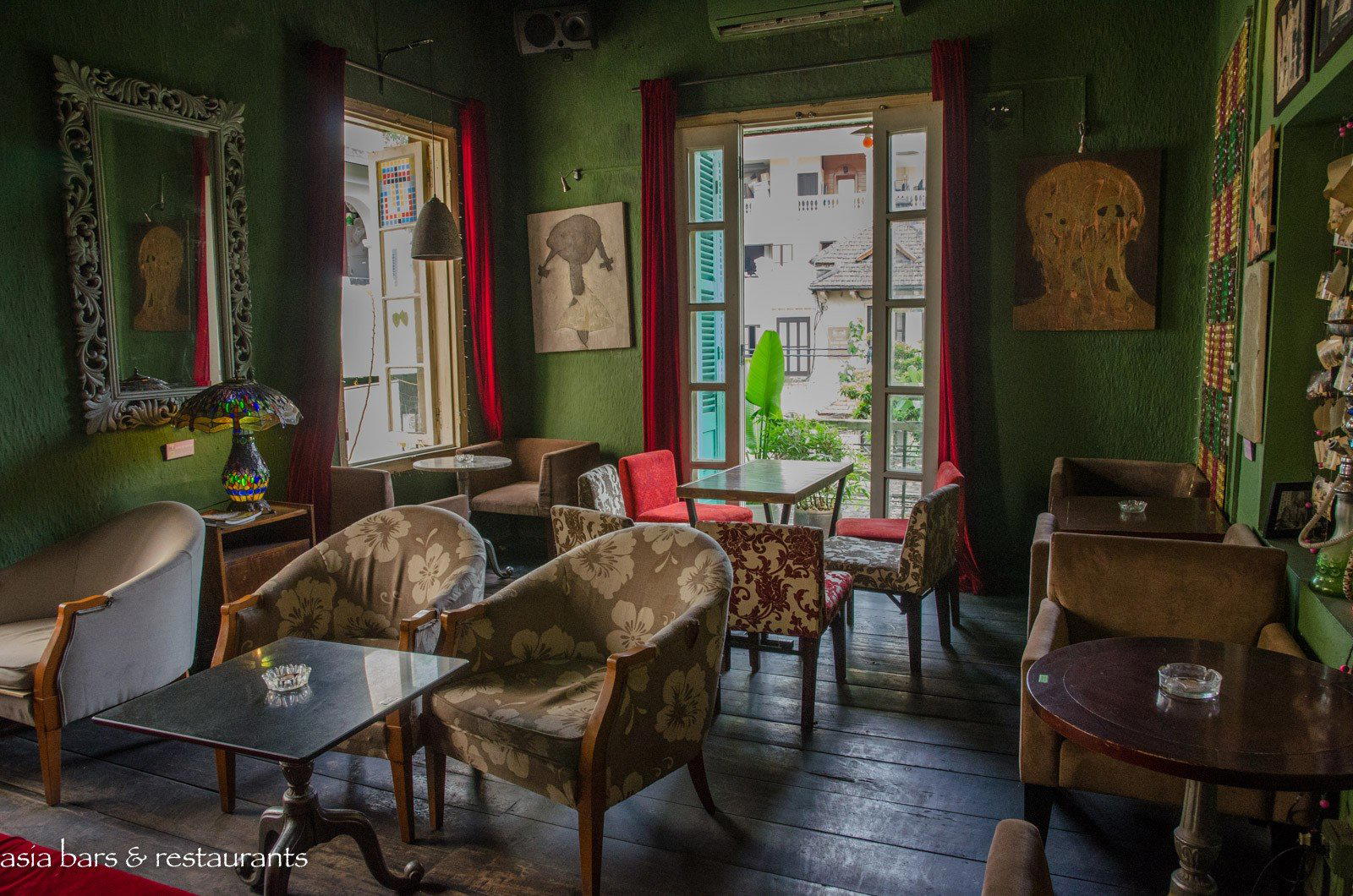
Ba Đình After Dark: What the Address Tells You
Hanoi's bar culture divides fairly cleanly along geography. The Old Quarter and Tạ Hiện Street operate at volume, built around footfall, neon, and the cheap-beer logic of a street that never fully closes. Ba Đình, the district immediately to the west, runs on a different rhythm. The streets here are wider, the residential density lower, and the embassies and government buildings that anchor the neighbourhood give it a quietness that pushes through into its food and drink scene. A bar on Cao Bá Quát is not placing itself in competition with the tourist corridor; it is making a different argument about what an evening in Hanoi can be.
Bar Betta sits at 34 P. Cao Bá Quát, inside that Ba Đình logic. The address is close enough to Hoan Kiem Lake to be accessible but far enough from the Old Quarter to filter out the passing trade that defines venues there. For visitors, the distinction matters practically: you arrive because you chose to, not because you stumbled past. That kind of intentionality tends to shape the crowd that forms around a place, and it shapes what the room feels like by the time the evening settles.
The Ba Đình Bar Scene in Context
Hanoi's quieter districts have produced a smaller, more considered set of drinking venues over the past several years, running parallel to the more visible growth of craft beer bars and cocktail programs in Hoàn Kiếm. The pattern elsewhere in Southeast Asian capitals is familiar: as central neighbourhoods become saturated, a more local-facing tier of bars develops in residential zones, serving a mixed crowd of expats, Vietnamese professionals, and visitors who have done at least one trip before. Ba Đình fits that pattern closely. The bars that work here tend to rely less on spectacle and more on consistency, atmosphere, and a sense that the space belongs to the neighbourhood rather than performing for it.
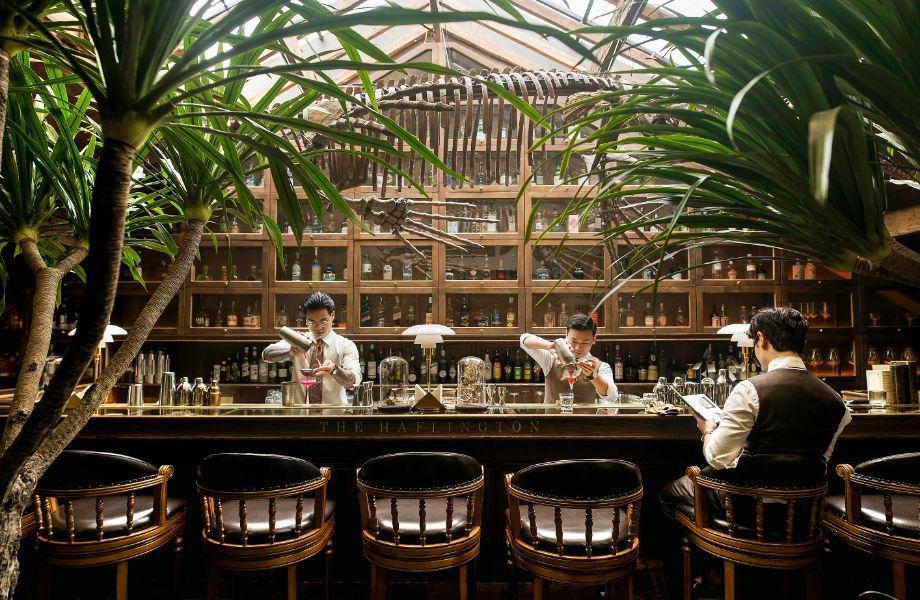
Within Hanoi's broader bar landscape, it is worth positioning Bar Betta against what is happening in other parts of the city. The Haflington and The Hudson Rooms represent the more programmatic end of Hanoi cocktail culture, with structured menus and formats that signal toward the international bar scene. Workshop14 occupies a different position again, tilting toward the creative and community-facing side of the city's nightlife. Bar Betta on Cao Bá Quát reads as the neighbourhood version of that spectrum: a place where the context is domestic and the pace is set by the street outside rather than by a brand identity.
What Ba Đình Rewards in a Bar
The residential character of Ba Đình places specific demands on a bar that wants to work there long-term. The neighbourhood does not generate the casual overflow that the Old Quarter produces; a bar here builds its regulars deliberately, through quality and word of mouth rather than location alone. That dynamic tends to produce venues with stronger relationships between staff and returning guests, and a slower, more conversational atmosphere than you find in higher-traffic areas of the city.
This is the same pattern visible in parts of Ho Chi Minh City, where the move away from Bùi Viện toward quieter District 3 addresses has produced some of the city's more interesting bar programs in recent years. The Drinking and Healing approach in Ho Chi Minh City reflects a similar impulse: bars embedding themselves in neighbourhood fabric rather than competing for passing traffic. Bar Betta's position in Ba Đình places it in that same category.
Further afield in Vietnam, the same logic applies in coastal cities. The Hoi An Brewing Company Tap Room and Riverside Beer Garden demonstrates how location-specific a bar's identity can become when it commits to a particular neighbourhood or setting. Even in northern Vietnam's smaller cities, venues like Le Pont Club in Hai Phong show that considered addresses outside the capital can build real followings. Bar Betta is operating inside that broader Vietnamese tendency toward place-specific drinking culture.
Planning Your Visit
Cao Bá Quát sits in the Điện Biên ward of Ba Đình district, a navigable distance from the centre of Hanoi by taxi or ride-hailing app. The street runs near Hoan Kiem's western edge, making it a reasonable continuation of an evening that starts closer to the lake. Given the residential nature of the area, arriving by Grab or similar is the practical approach; parking and pedestrian flow here differ from the more compressed Old Quarter streets. Because Bar Betta's contact details and hours are not publicly listed through major platforms at the time of writing, confirming opening times before visiting is advisable, particularly for weeknight travel. The bar's address at number 34 is the reliable anchor for navigation.
For visitors building a broader Hanoi itinerary, the EP Club Hanoi guide covers the city's bar and restaurant scene in full, including venues across Hoàn Kiếm, Tây Hồ, and Ba Đình. If your interest runs toward bars with strong independent identities, 12 P. Phúc Tân in the Old Quarter offers a useful point of contrast, operating closer to the river and drawing a different demographic entirely.
Outside Vietnam, the pattern of neighbourhood bars earning quiet reputations in residential districts is well-established across Asia and the Pacific. Bar Leather Apron in Honolulu is one example of how a focused, low-profile address can build sustained recognition without operating inside the obvious tourist circuit. Venues like United Bar in Thanh Khe and Genji Bar in Cam Pha demonstrate that Vietnam's drinking culture extends well beyond its two main cities, with local bar scenes developing their own characters in secondary urban centres. Le Rendez Vous in Da Nang's Son Tra district reflects a similar neighbourhood-first approach, embedding a food and drink offer into a residential zone rather than competing on a tourist strip.
Compact Comparison
A compact comparison to help you place this venue among nearby peers.
| Venue | Price | Awards |
|---|---|---|
| Bar BettaThis venue — the venue you are viewing | Not listed | Not listed |
| Workshop14 | $10–20 | World's 50 Best #34 · Top 500 Bars Best Bars #355 |
| The Haflington | $10–20 | World's 50 Best #87 · Top 500 Bars Best Bars #274 |
| The Hudson Rooms | Not listed | World's 50 Best #46 · Top 500 Bars Best Bars #266 |
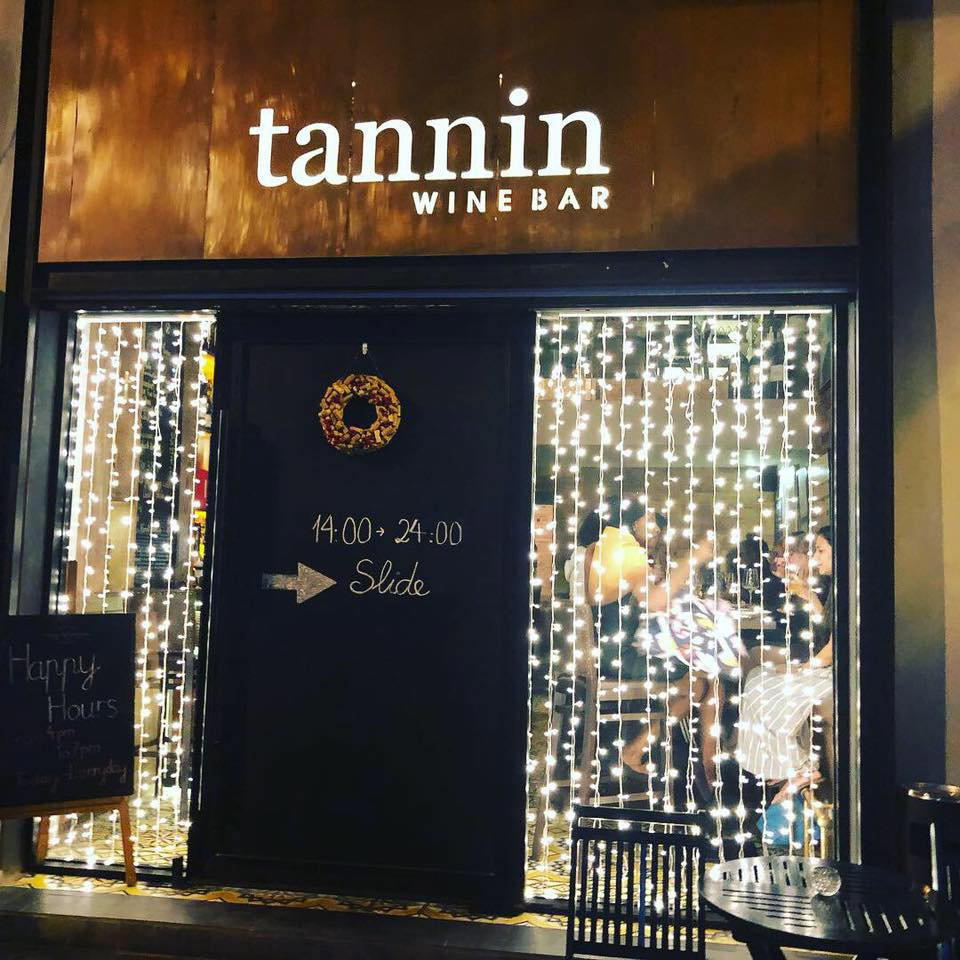
| Tannin Wine Bar Hang Vai | $20–30 | Star Wine List |
| Longer Than a Summer | $20–30 | Not listed |
Details
- Cozy
- Trendy
- Retro
- Date Night
- Casual Hangout
- Late Night
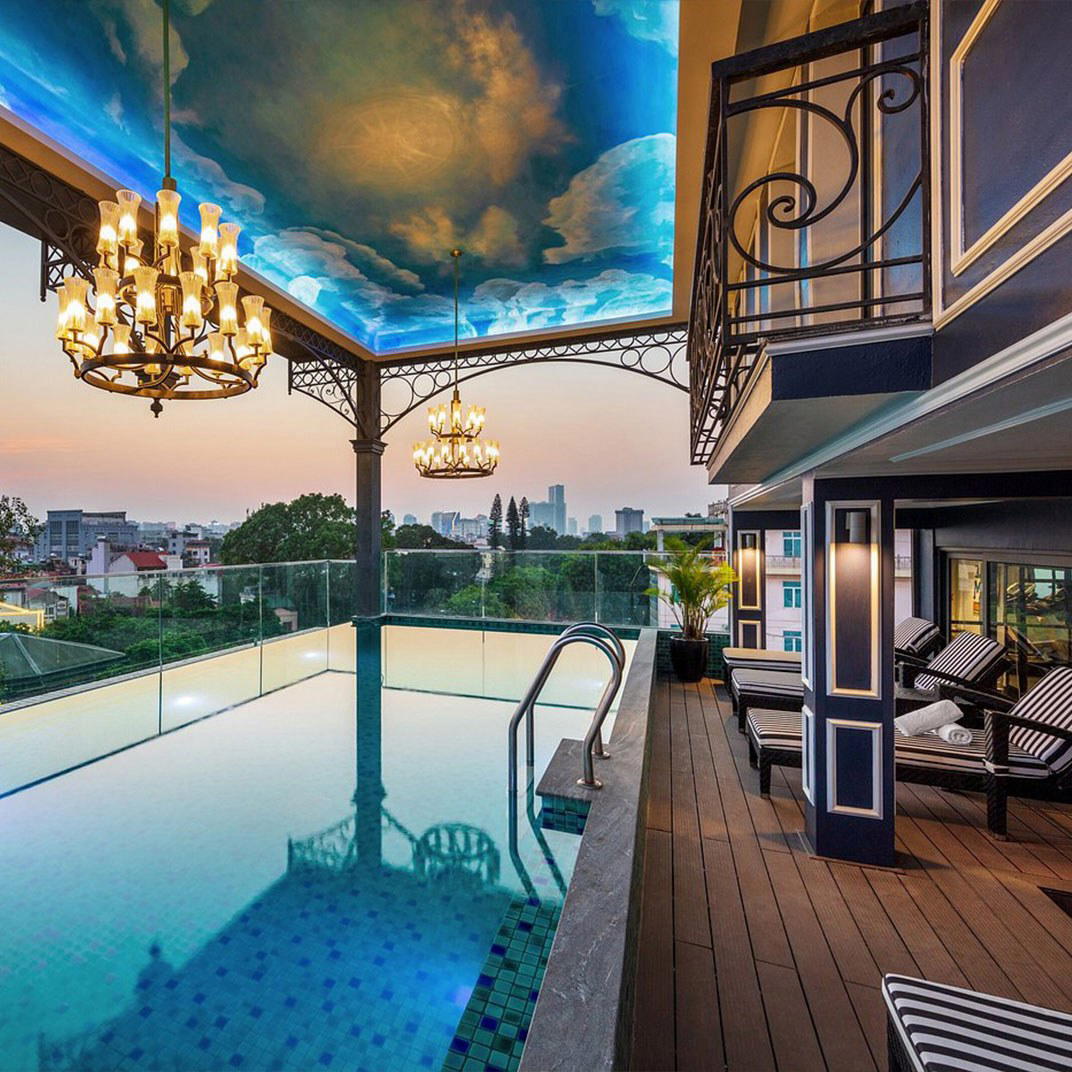
- Rooftop
- Historic Building
- Lounge Seating
- Craft Cocktails
- Punch
- Street Scene
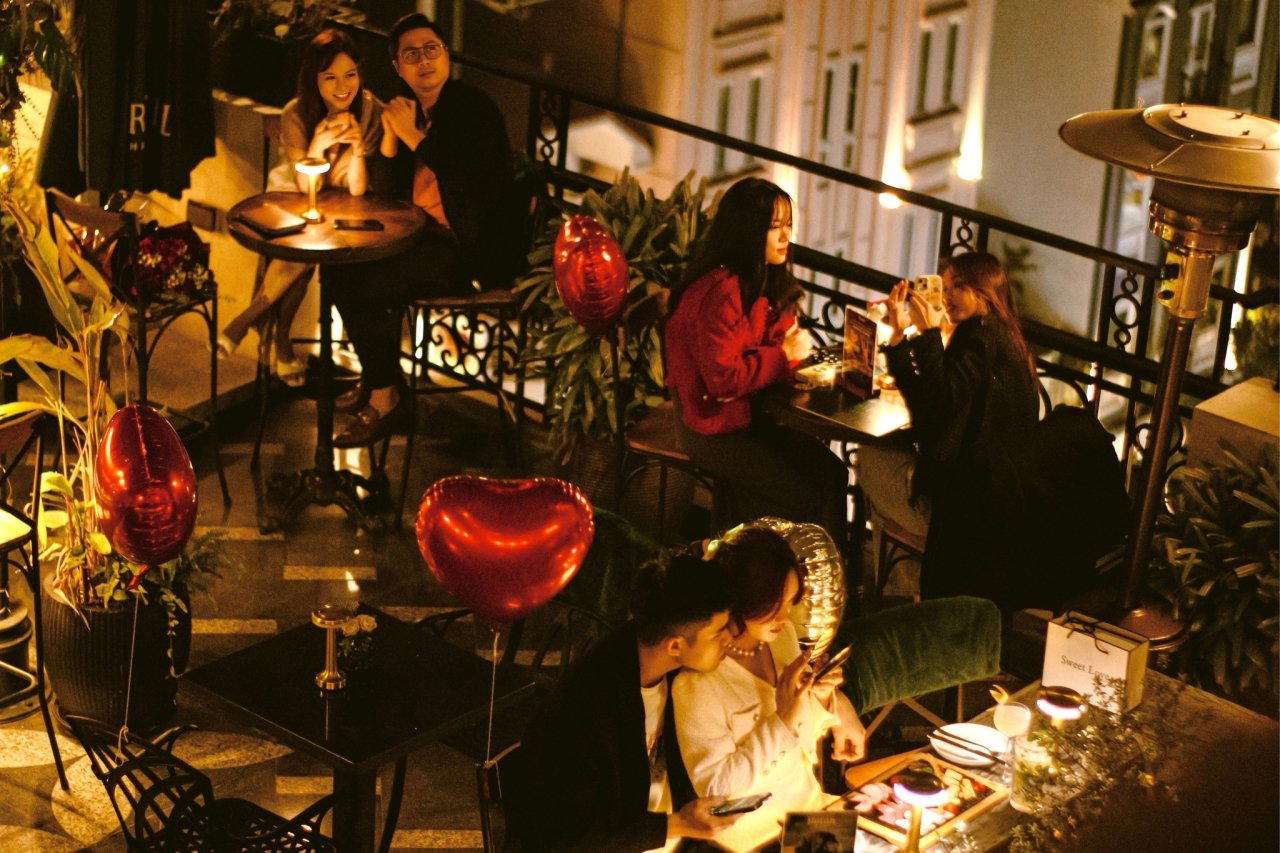
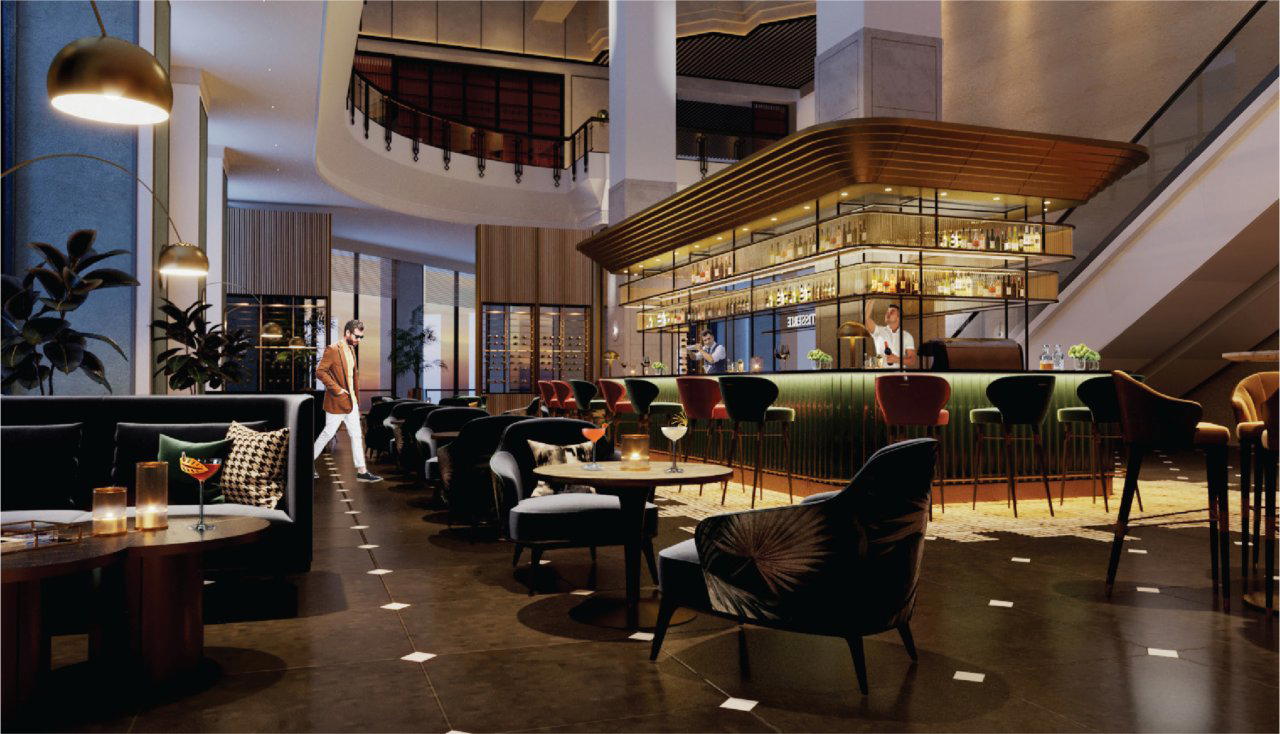
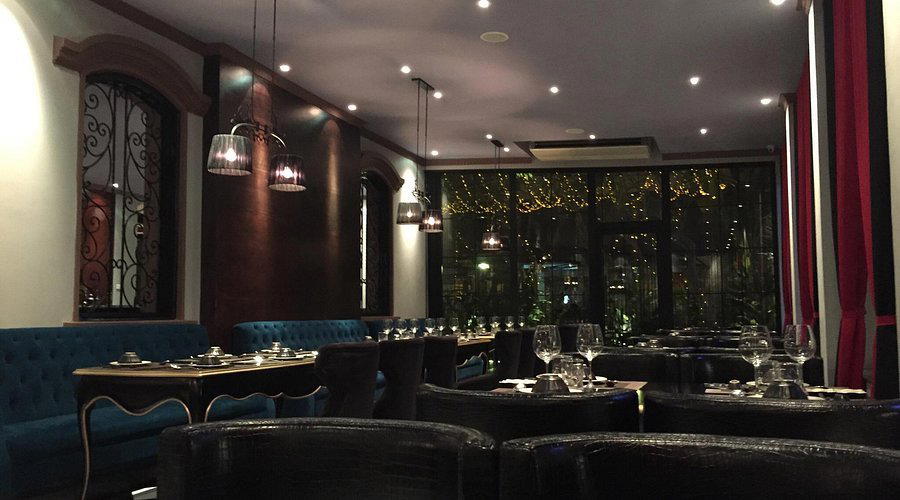
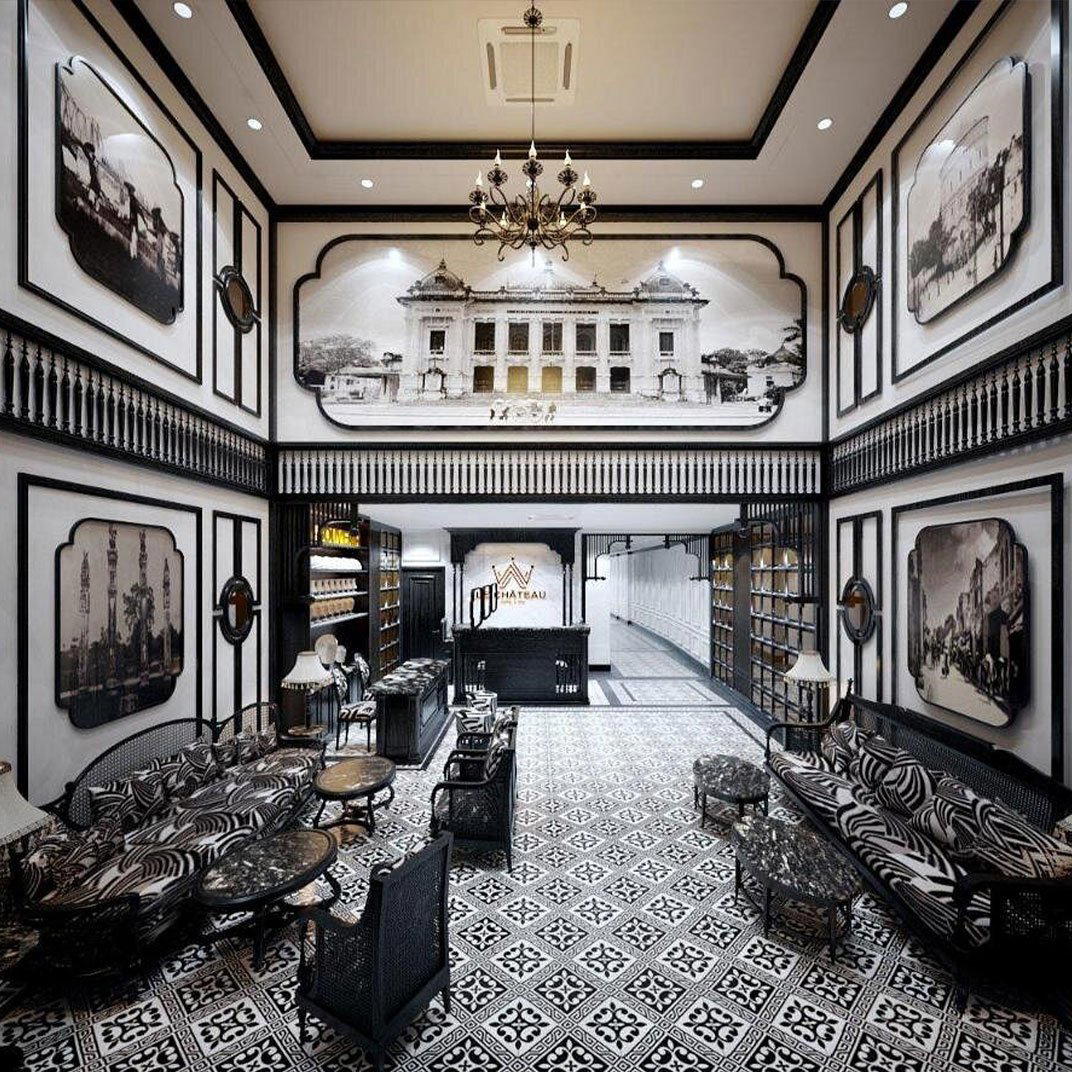
Chill vibe with funky decor, gentle lighting, and boisterous music in a rabbit warren of rooms within an old colonial house.