Tucked into the Mouraria quarter at Travessa da Nazaré 21, this address carries two layers of Lisbon history: a neighbourhood sports club and the ghost of the aristocratic Palácio dos Távora. The setting places visitors at the intersection of working-class fado culture and eighteenth-century Lisbon, making it one of the city's more architecturally loaded drinking destinations.

Pearl is the En Primeur Club membership app — saves, bookings, and concierge access live there. Same editors, same standards.
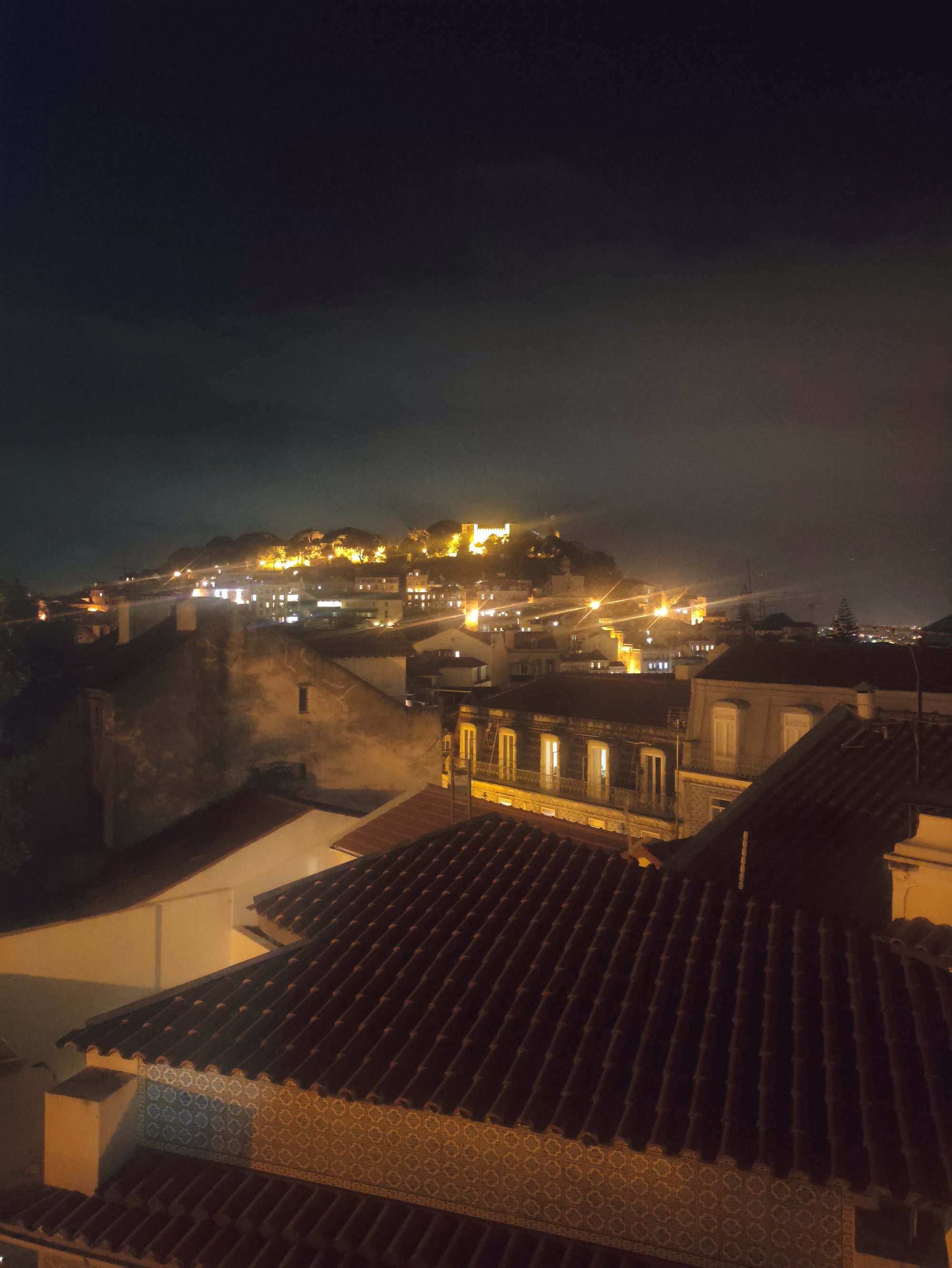
Where Mouraria Keeps Its Own Time
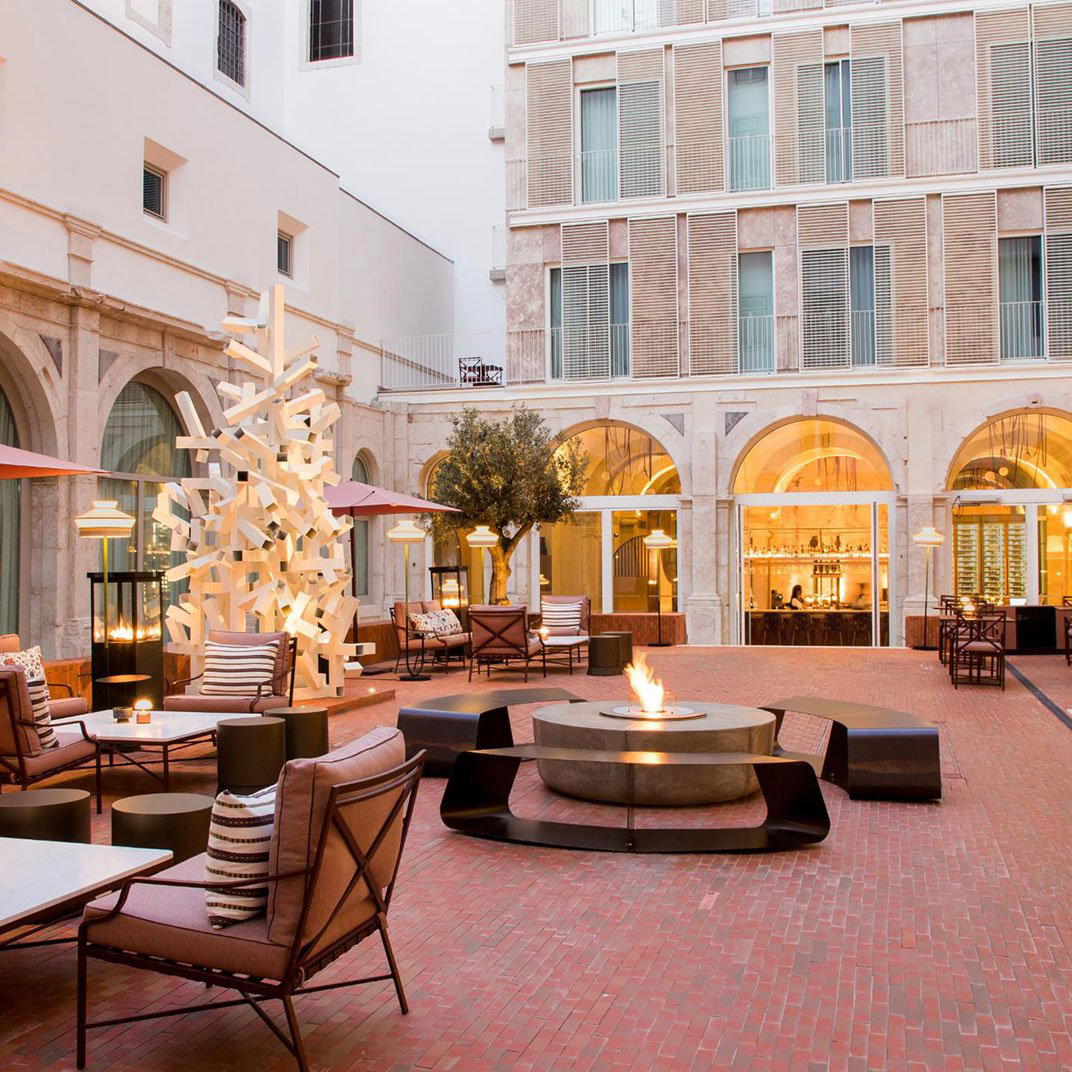
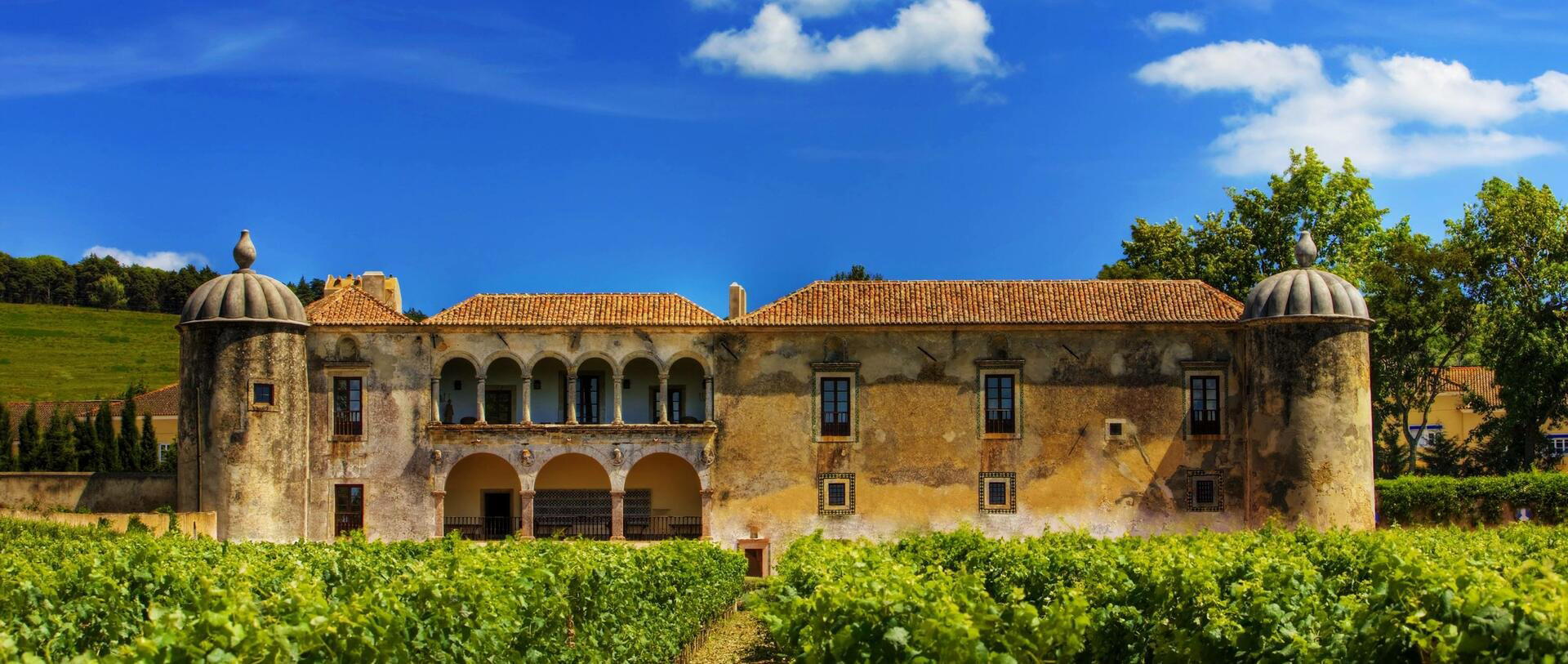
Travessa da Nazaré sits deep inside Mouraria, one of Lisbon’s oldest quarters, where the street grid folds back on itself and the city’s Moorish past is not so much preserved as simply present. Arriving at number 21, you pass through a neighbourhood that has resisted the full force of the tourist economy longer than most of Alfama or Bairro Alto. The buildings here are tall and close, the light arrives at angles, and the sounds you hear are overwhelmingly local: a football commentary drifting from an open window, the particular clatter of a neighbourhood café shutting its shutters for the afternoon. This is the physical context for Grupo Desportivo da Mouraria, a space that occupies the grounds and structures associated with the historic Palácio dos Távora, one of Lisbon’s aristocratic palaces. What happens here is shaped as much by that inheritance as by any curatorial decision made in recent years.
The Mouraria Quarter and the Question of Authenticity
Mouraria’s revival as a point of cultural interest in Lisbon has followed a different arc from the neighbourhoods closer to the waterfront. Where Baixa and Chiado rebuilt themselves around retail and high-turnover dining, Mouraria retained a denser weave of immigrant communities, traditional crafts, and fado’s oldest social infrastructure. The result is a district where authenticity is not a design choice but a default condition. Visitors who compare Mouraria to the more photographed parts of Lisbon tend to find the contrast instructive: the neighbourhood operates according to its own rhythms, and the venues that function within it tend to carry that character whether they intend to or not. Grupo Desportivo da Mouraria, as a sports and community club occupying a palatial building, sits at the intersection of those forces in a way that would be difficult to stage elsewhere. The Palácio dos Távora connection places the site within a specific aristocratic history, while its function as a desportivo grounds it in the associative culture that has defined working-class Lisbon for well over a century.
Palaces, Clubs, and the Lisbon Habit of Adaptive Reuse
Lisbon has a particular relationship with the repurposing of grand buildings. Convents became barracks, palaces became schools, and the great tile-fronted houses of the old bourgeoisie became apartment blocks, fado houses, or, more recently, boutique hotels. The Távora family’s history intersects with one of the most dramatic episodes of eighteenth-century Portuguese history: the house was implicated in the assassination plot against King José I in 1758, and the family’s subsequent fall from power is among the most documented judicial events of the Pombaline era. The palace itself, as a structure, carries that weight whether visitors know the history or not. When a sports club occupies such a building, the layering of uses becomes part of what the place communicates. For Lisbon specifically, that kind of overlapping function is less unusual than in cities where heritage buildings are more rigorously separated from everyday life. The desportivo tradition in Portugal has always been more socially embedded than the word “sports club” might suggest to a northern European reader: these organisations combine athletics, social gathering, political identity, and neighbourhood solidarity in proportions that shift over time but rarely collapse into a single function.
Ingredient Sourcing and the Local Supply Chain in Mouraria
The broader pattern in Lisbon’s more locally-rooted venues, particularly those serving a neighbourhood rather than a tourist circuit, is a reliance on suppliers that predate the city’s recent premium food wave. Mouraria in particular sits adjacent to some of the city’s oldest food markets and specialist traders. The Mercado de Lisboa at Intendente, a short walk north, and the supply networks feeding the neighbourhood’s cafés and tascas represent a procurement culture built on relationship and repetition rather than the seasonal sourcing narratives that have become standard in Lisbon’s restaurant press. In venues of this type, where function is primarily social and the kitchen supports gathering rather than starring in its own right, the sourcing tends toward regional staples: salt cod in its many preparations, preserved meats from the Alentejo, sardines when the season runs from June through September, and the wines of the Tejo and Lisboa designations that sit just outside the prestige tier but within the everyday drinking culture of the city. That kind of sourcing is less visible and less discussed than the farm-to-table frameworks applied to Lisbon’s newer restaurants, but it describes how the majority of the city actually eats.
Lisbon’s Bar and Social Club Scene in Context
The bar culture that operates within desportivo clubs and similar associative spaces occupies a different register from the cocktail programs that have attracted international attention in Lisbon over the past decade. Venues like Red Frog represent a specific technical tier, with structured menus and international competition credentials. Mouraria’s club culture sits at the opposite end of that range: the drinks are fewer, the format is less curated, and the social function of the space takes precedence over the beverage program. Across the city, both formats have audiences and both are doing something genuine, which is more than can be said for the segment of the market that performs neighbourhood character without having any actual neighbourhood ties. For a different register of local bar culture, A Cabreira and A Ginjinha represent the kind of long-established, single-product or limited-format venues that Lisbon has sustained across generations. A Marisqueira do Lis shows how seafood and social drinking intersect in a format that is specific to the Portuguese Atlantic coast. Across Portugal, comparable social cultures operate in different physical registers: Base Porto in Porto, Venda Velha in Funchal, and the coastal leisure formats represented by Bar do Guincho, Bar e Duna da Cresmina, and Estoril each demonstrate how Portugal’s drinking and gathering culture adapts to geography without losing its associative character. Further afield, Epicur Wine Boutique & Food in Faro shows the wine-forward format that has emerged in the Algarve’s premium tier, while Bar Leather Apron in Honolulu offers a useful international comparison point for how club-adjacent social spaces operate in very different contexts.
Planning a Visit
Travessa da Nazaré 21 is leading reached on foot from the Intendente or Martim Moniz metro stops, each roughly five to eight minutes away through streets that are steep in places. The area is densely residential and not well-served by parking. The neighbourhood itself rewards time: the walk from Mouraria up toward the Castelo de São Jorge, or down toward the miradouros facing the Tejo, covers some of the least-mediated urban fabric in central Lisbon. For a fuller orientation to what the city offers across all price points and formats, our full Lisbon guide maps the dining and drinking scene with neighbourhood-level detail.
Reputation First
Comparable venues nearby, for context on price, style, and recognition.
| Venue | Cuisine | Price | Notes |
|---|---|---|---|
| Grupo Desportivo da Mouraria / Palácio dos TávoraThis venue — the venue you are viewing | lounge | $10–20 | Not listed |
| Boutique Taberna | pub | Not listed | Baixa |
| Maria Caxuxa | cocktail_bar | $20–30 | Chiado |
| Association Renovar a Mouraria | lounge | $10–20 | Baixa |
| Restaurant - Cervejaria Ramiro | beer_bar | Not listed | Estefania |
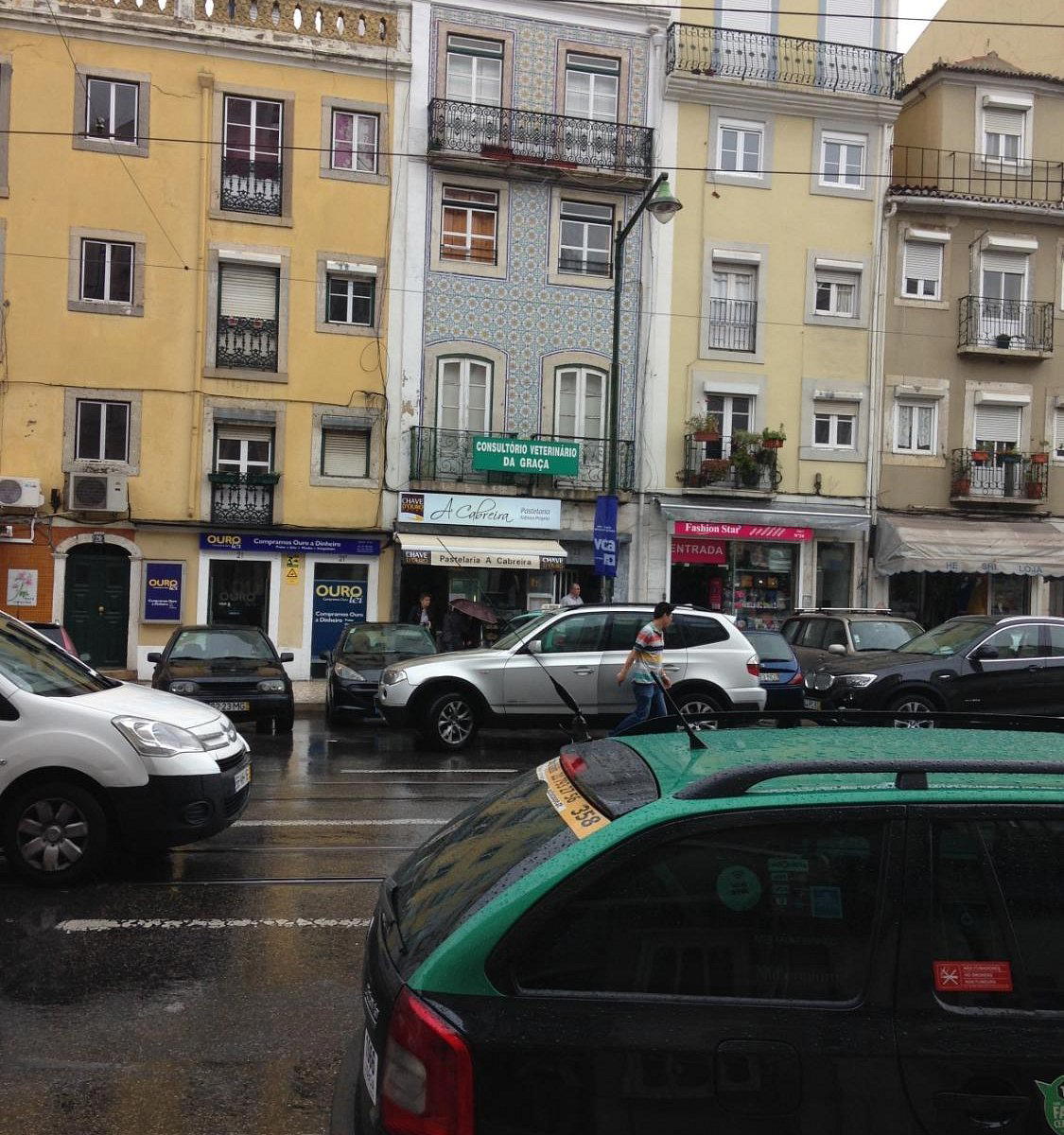
| A Cabreira | Bar | Not listed | Mouraria |
Continue exploring
More in Lisbon
Bars in Lisbon
All bars in Lisbon →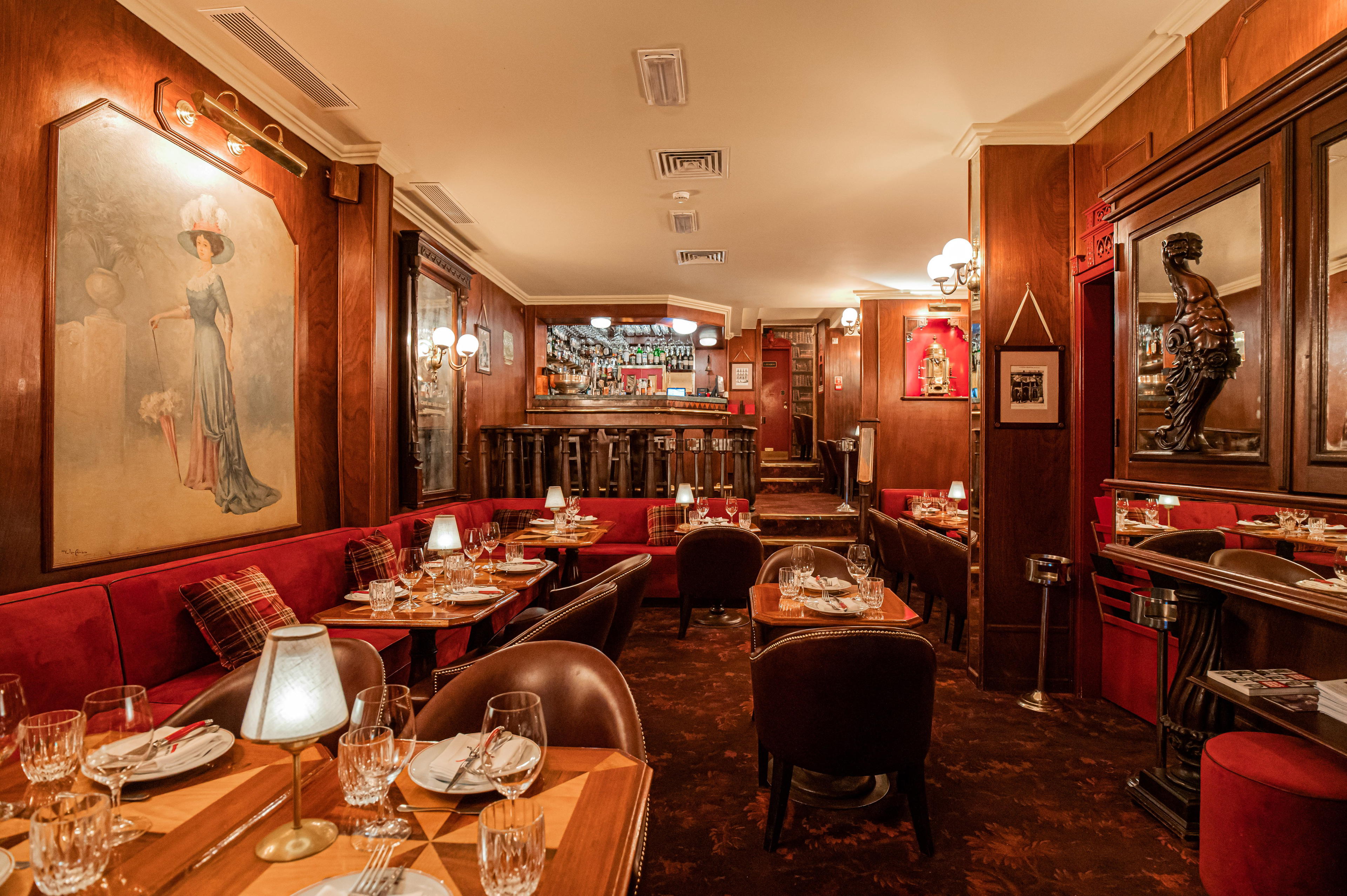
Restaurants in Lisbon
All restaurants in Lisbon →
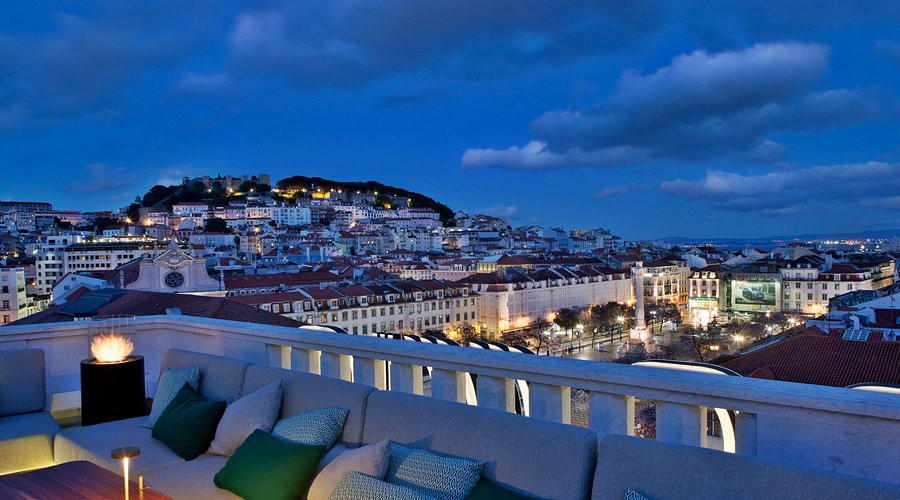
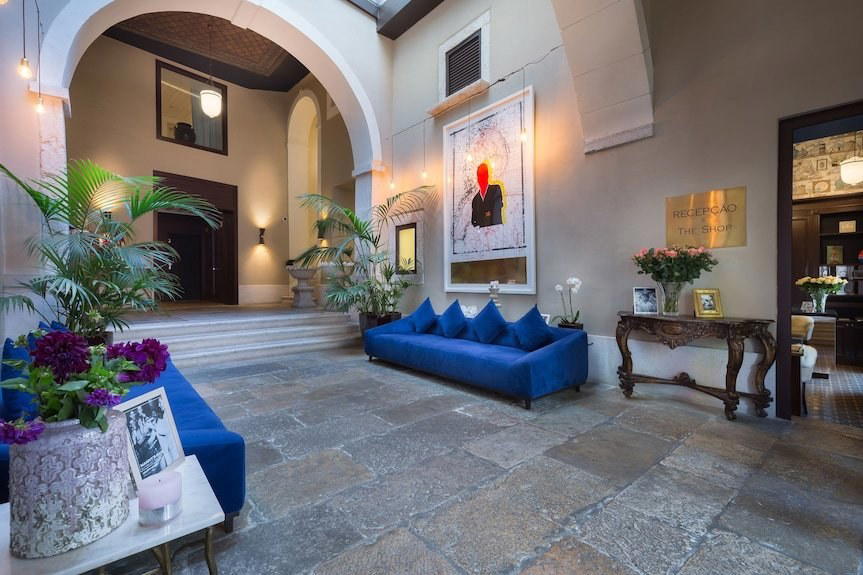
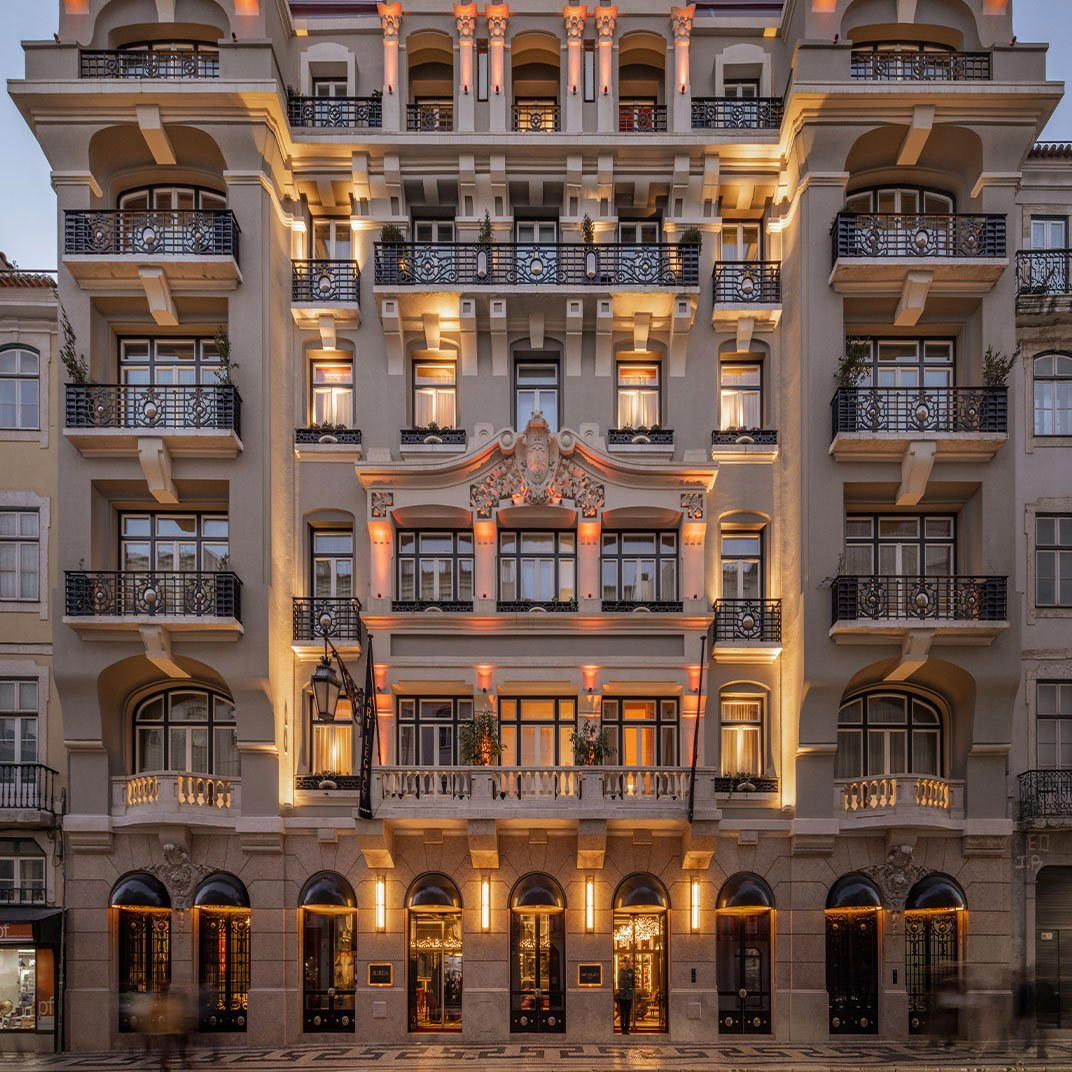
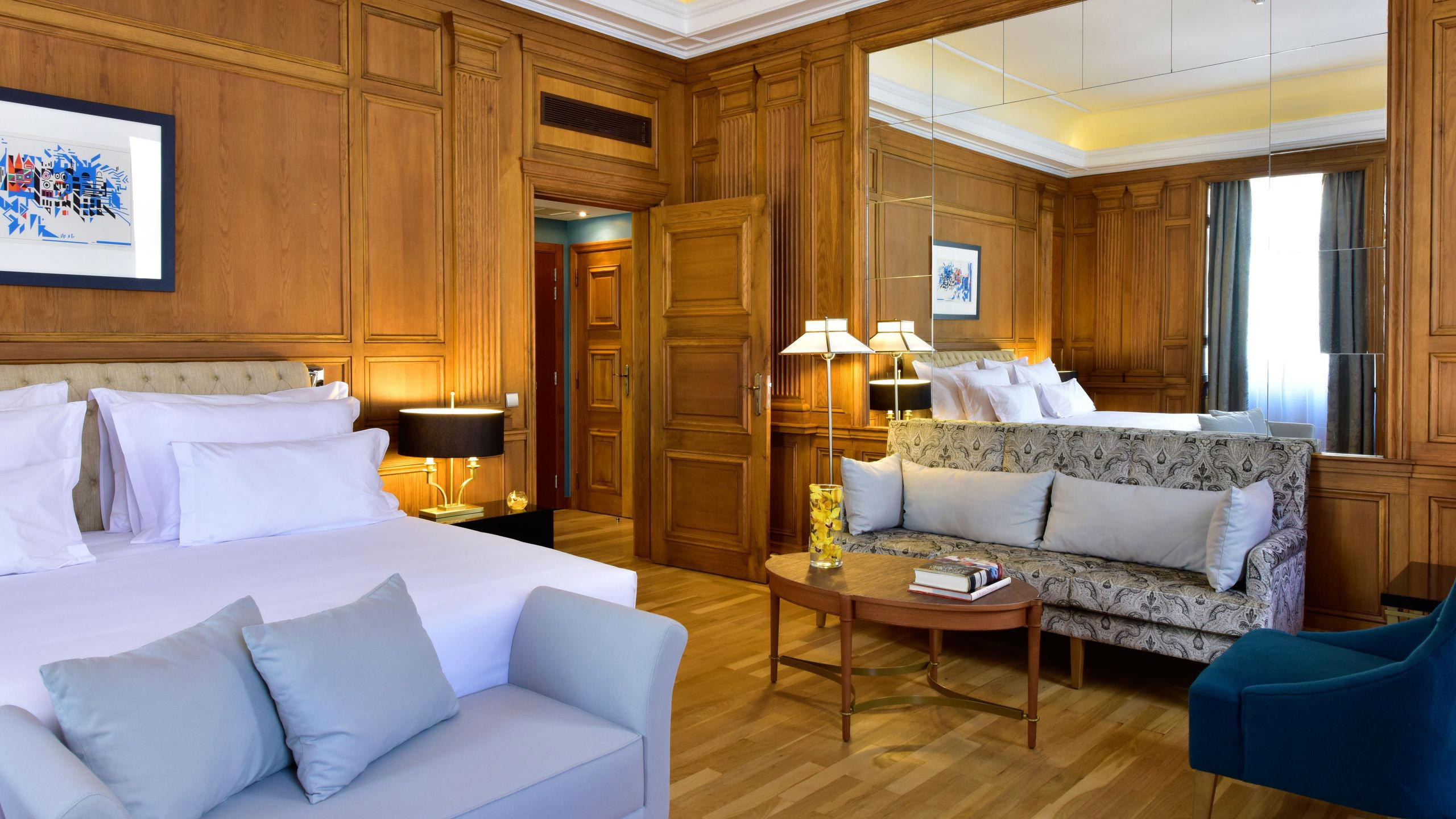

Details
- Historic
- Intimate
- Classic
- Casual Hangout
- Historic Building
- Terrace
- Outdoor Terrace
- Lounge Seating
- Street Scene
Current opening hours
- Monday
- 3–10:30 PM
- Tuesday
- 3–10:30 PM
- Wednesday
- 3–10:30 PM
- Thursday
- 3–10:30 PM
- Friday
- 3–10:30 PM
- Saturday
- 3–10:30 PM
- Sunday
- 3–10:30 PM
Hours can change for holidays and private events. Last verified .
Historic interiors with 18th-century azulejo tiles and atmospheric fado performance halls.