Google: 4.1 · 618 reviews
Großer Wannsee sits at the western edge of Berlin where the city gives way to forest and open water, placing it in a different register from the capital's dense urban bar and dining scene. The lake itself has shaped the character of the surrounding area for over a century, drawing Berliners outward in summer and offering a quieter counterpoint to Mitte and Prenzlauer Berg year-round.
 Discover on Pearl
Pearl is the En Primeur Club membership app — saves, bookings, and concierge access live there. Same editors, same standards.
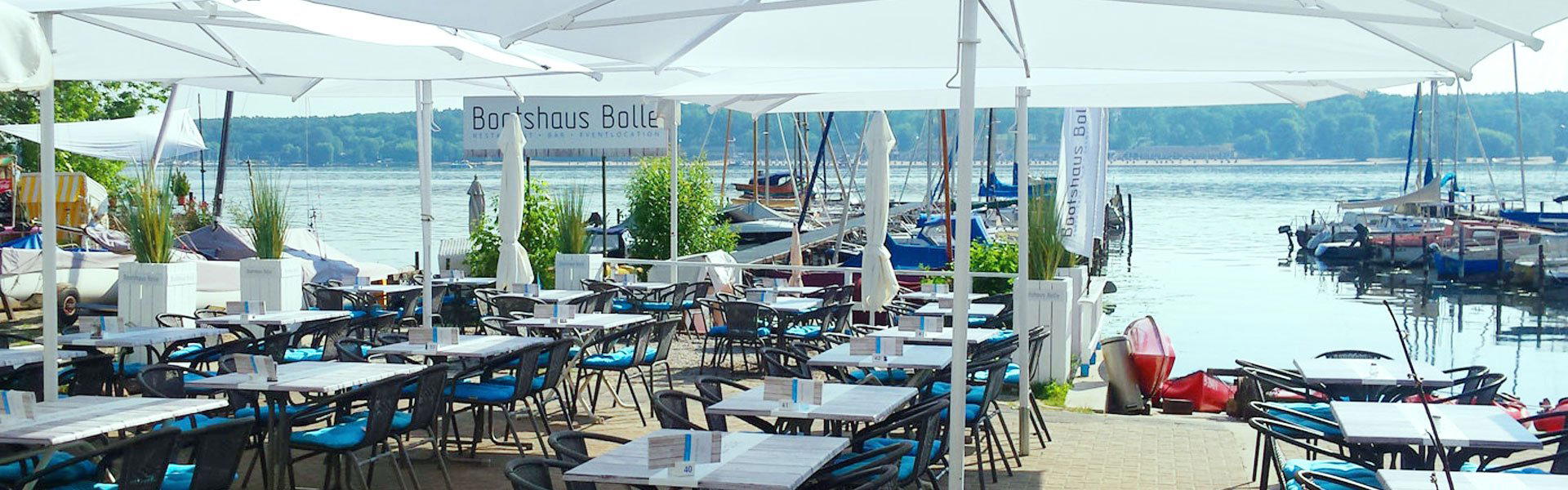
Where the City Loosens Its Grip
Berlin's hospitality scene is most legible at its centre: the low-lit cocktail bars of Mitte, the neighbourhood restaurants of Prenzlauer Berg, the wine-forward rooms that have proliferated across Kreuzberg and Neukölln since the mid-2010s. Großer Wannsee operates at a remove from all of that. The lake sits in the city's far southwest, bordered by forest, villas, and a stretch of public beach that, on warm weekends, becomes one of the most genuinely used open spaces in greater Berlin. That physical distance from the urban core is not incidental — it defines what the area is and what visiting it means.
The architecture of the Wannsee district rewards attention before anything else. The late nineteenth and early twentieth centuries left a layered built environment here: lakeside villas commissioned by prosperous Berlin families, boathouses in various states of restoration, and a public lido whose colonnaded Weimar-era structure remains one of the more coherent pieces of interwar design still in active use in the city. Reading the space means reading several decades of German social history simultaneously, from Wilhelmine leisure culture to the Weimar Republic's democratic public-bathing movement to the postwar reintegration of a district that sat awkwardly close to the Wall's western boundary.
The Physical Container: Lakeshore Architecture and What It Frames
Among Berlin's outer lakes, Wannsee presents the most resolved spatial experience. The Strandbad Wannsee — the public beach facility that anchors the eastern shore , was designed in the late 1920s and expanded in the early 1930s, with a capacity in its heyday of tens of thousands of visitors. The scale is deliberately civic, not intimate: long promenades, open-air changing facilities, a pontoon structure that extends into the water and frames views back toward the wooded shore. It belongs to the tradition of large public leisure infrastructure that European modernism periodically got right, and visiting it outside of peak summer hours makes its formal qualities more legible than a crowded August Saturday would allow.
The villas along the western shore occupy a different register. Many date from the Gründerzeit, the building boom of the 1870s and 1880s that followed German unification, and their relationship to the water is proprietary rather than civic , private jetties, walled gardens, orientations that turn away from the street. Several have since passed into institutional use, including the Haus der Wannsee-Konferenz, which preserves one of the district's most historically weighted addresses and draws visitors engaged with twentieth-century German history specifically. The coexistence of recreational infrastructure and memorial sites within a few kilometres of each other is unusual even by Berlin's standards, and it gives the area a tonal complexity that resorts or purely leisure-focused lakeside destinations lack.
Situating Wannsee in Berlin's Wider Bar and Dining Geography
Berlin's cocktail scene has matured considerably over the past decade. Bars like Buck & Breck established a template for intimate, technically serious drinking rooms in the city, while Lebensstern and Stagger Lee have developed distinct identities around format and atmosphere. Velvet occupies yet another position in that peer set. What connects these venues is geography: they sit within the S-Bahn ring or just outside it, accessible by public transport and embedded in the city's pedestrian fabric. Wannsee, by contrast, requires a deliberate journey , S-Bahn line S1 runs directly from central Berlin, with a journey time of roughly forty minutes from Friedrichstraße , and that requirement filters the audience toward those who have already decided to spend time in the area rather than those passing through.
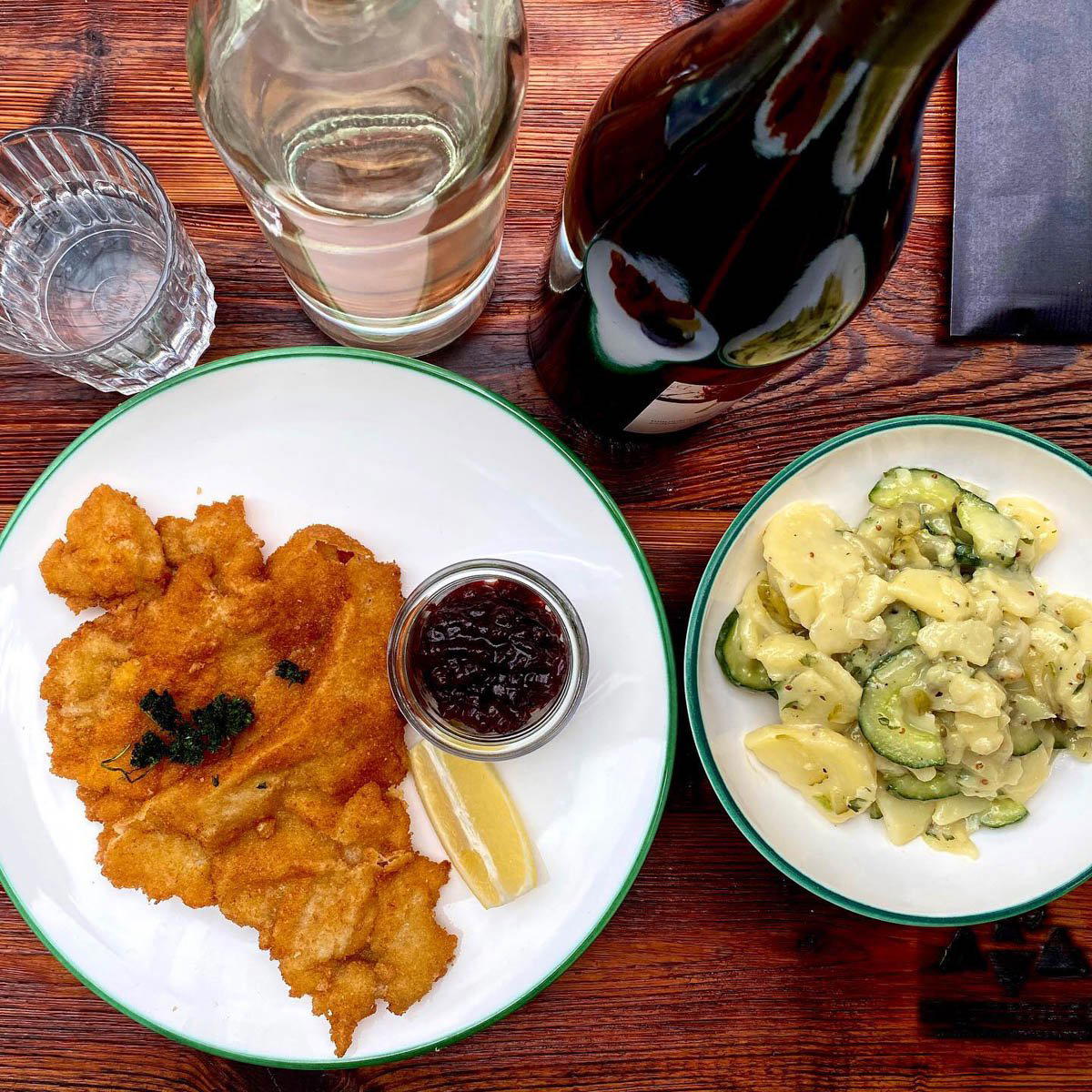
That self-selection shapes what the area around the lake can realistically offer in terms of hospitality. The dining and drinking options near Wannsee skew toward the seasonal and the casual: beer gardens, waterfront cafés, the kind of places designed to serve people who have already committed to a full afternoon or day outdoors. This situates Wannsee closer in character to a resort zone than to a destination dining district, which is neither a criticism nor an endorsement, but a useful calibration for anyone planning a visit with specific expectations.
Across Germany, lakeside and waterfront destinations have developed their hospitality offerings along broadly similar lines. Goldene Bar in Munich sits at the intersection of cultural institution and serious drinking room, a model that reflects Munich's particular relationship between civic culture and bar-going. Le Lion Bar de Paris in Hamburg built its reputation on classical cocktail technique in a city more associated with harbour commerce than precision bartending. The Parlour in Frankfurt on the Main, Bar Trattoria Celentano in Cologne, Uerige in Dusseldorf, and Kieler Brauerei am Alten Markt in Kiel each represent a different axis of German hospitality culture , craft brewing, traditional gastronomy, neighbourhood bars , that collectively illustrate how local identity continues to inflect even a relatively globalised drinks market. Further afield, Bar Leather Apron in Honolulu demonstrates how serious cocktail programs can operate successfully outside major metropolitan centres, a dynamic relevant to understanding what hospitality can achieve in geographically peripheral locations.
Timing and Practical Orientation
The lake rewards visits timed around shoulder seasons. Late May and early September offer the water and green space in reasonable weather without the weekend crowds that can make the Strandbad Wannsee feel less like a designed leisure experience and more like a logistics exercise. The S1 is the practical spine of any visit: it connects Wannsee to Potsdamer Platz, Unter den Linden, and the northern residential districts without requiring a change. For those combining Wannsee with Potsdam , which sits a short bus or taxi ride beyond the western shore , the day extends naturally without needing a car. The Haus der Wannsee-Konferenz requires booking for guided tours; the Strandbad operates seasonally with an entrance fee that has historically been set at a modest level, though current pricing should be confirmed before arrival.
Our full Berlin guide covers the city's bar, restaurant, and hotel landscape in considerably more detail, including the urban venues that form the contrast against which a Wannsee visit reads most clearly.

At a Glance
- Scenic
- Classic
- Casual Hangout
- Group Outing
- Waterfront
- Beer Garden
- Outdoor Terrace
- Lounge Seating
- Craft Beer
- Waterfront
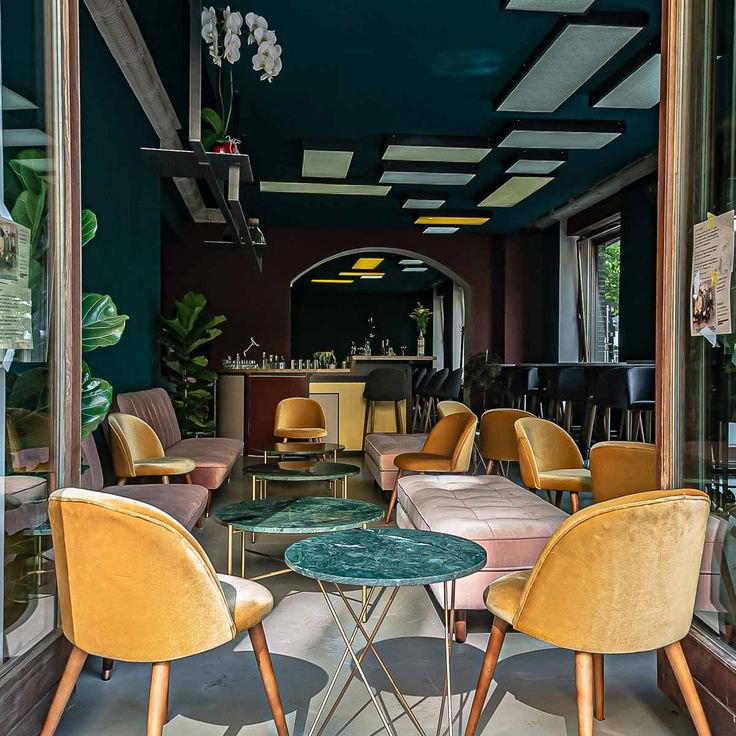
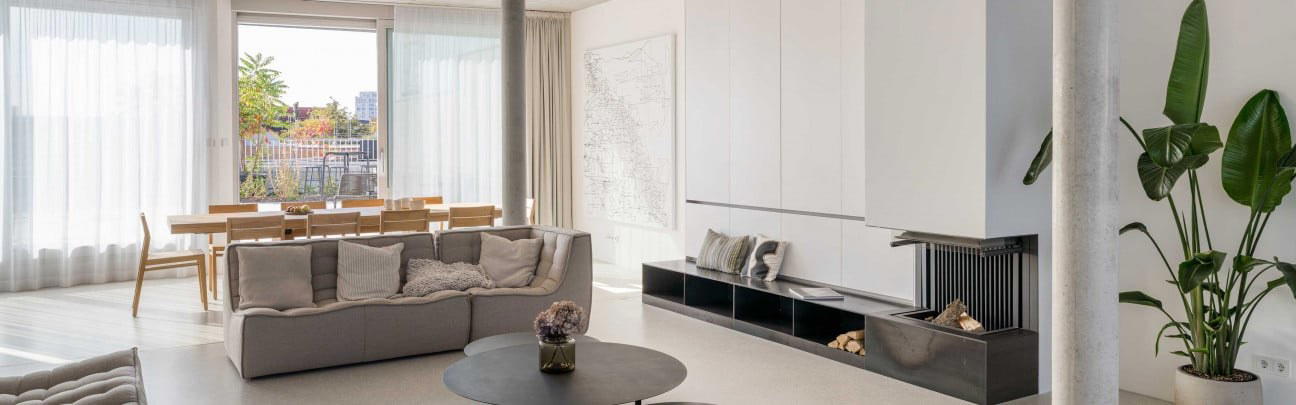
Bright and airy interior reminiscent of a Hamptons country house with high windows and ample light, combined with relaxed outdoor beer garden under old trees.