Marwood Bar & Coffeehouse
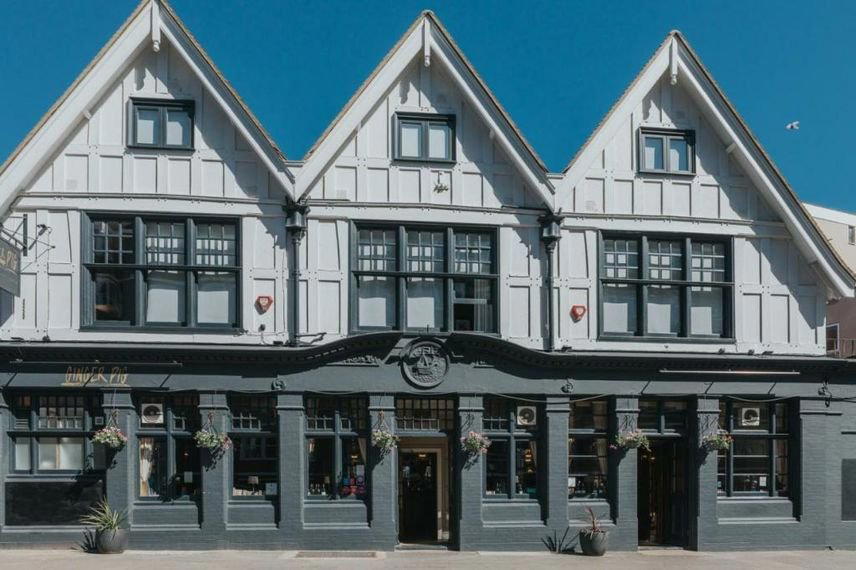
On Ship Street in Brighton's oldest quarter, Marwood Bar & Coffeehouse occupies that productive middle ground between serious coffee house and late-night drinking den. The format rewards lingering: the kind of place where an afternoon flat white transitions naturally into an evening of bar snacks and cocktails, drawing a crowd that knows the difference between the two.
Ship Street's Dual Personality
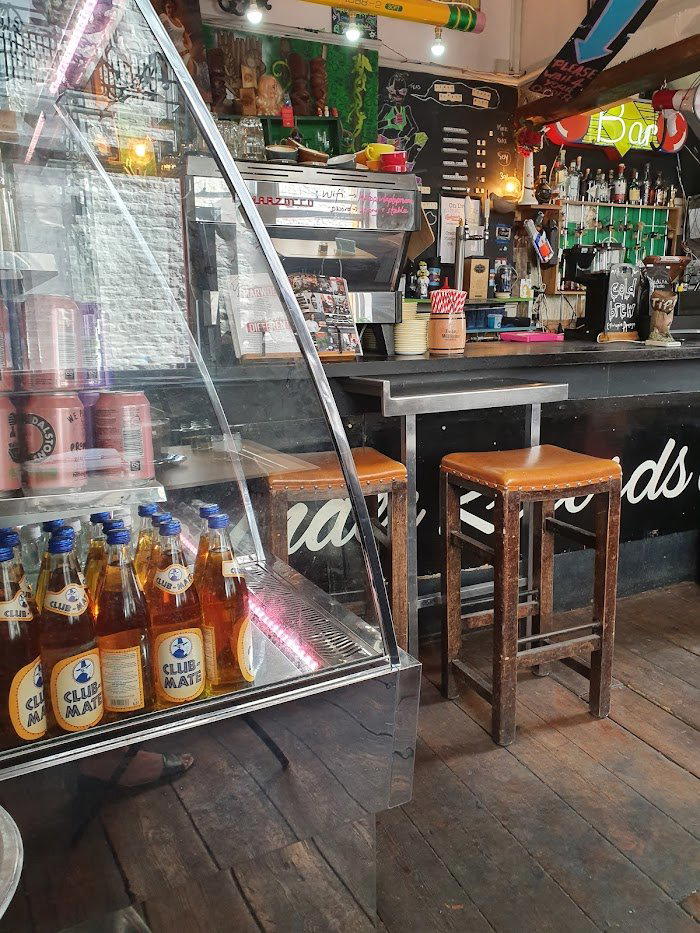
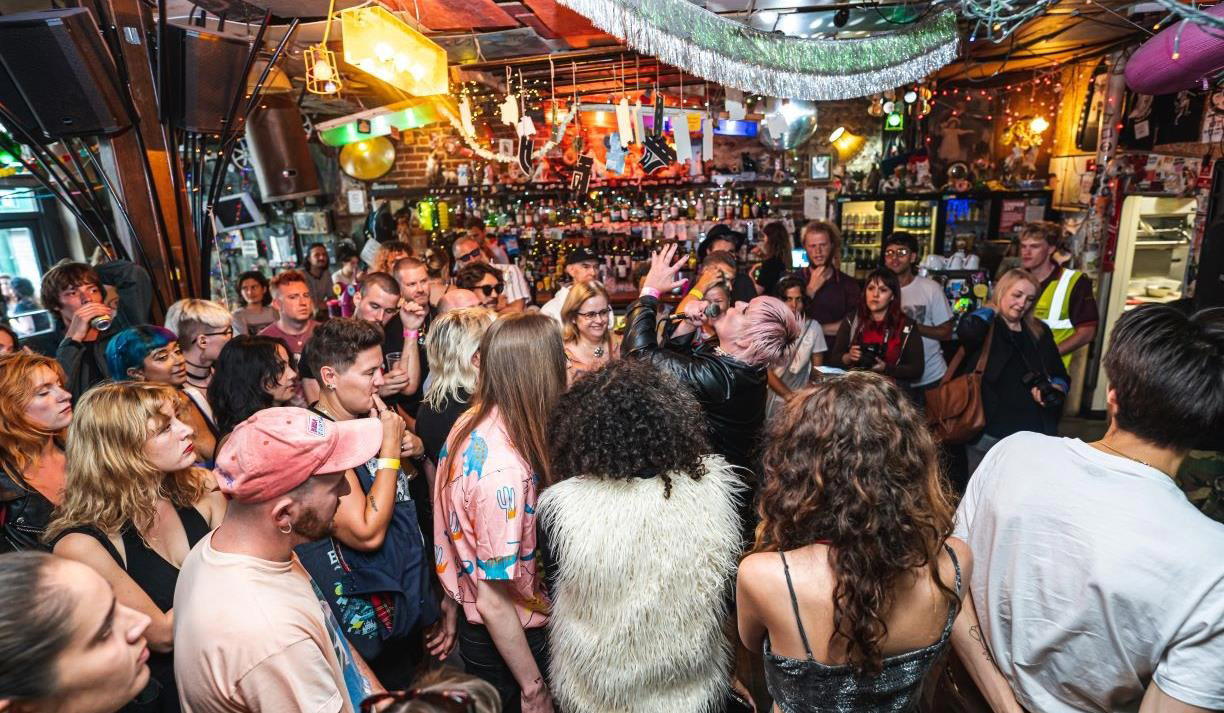
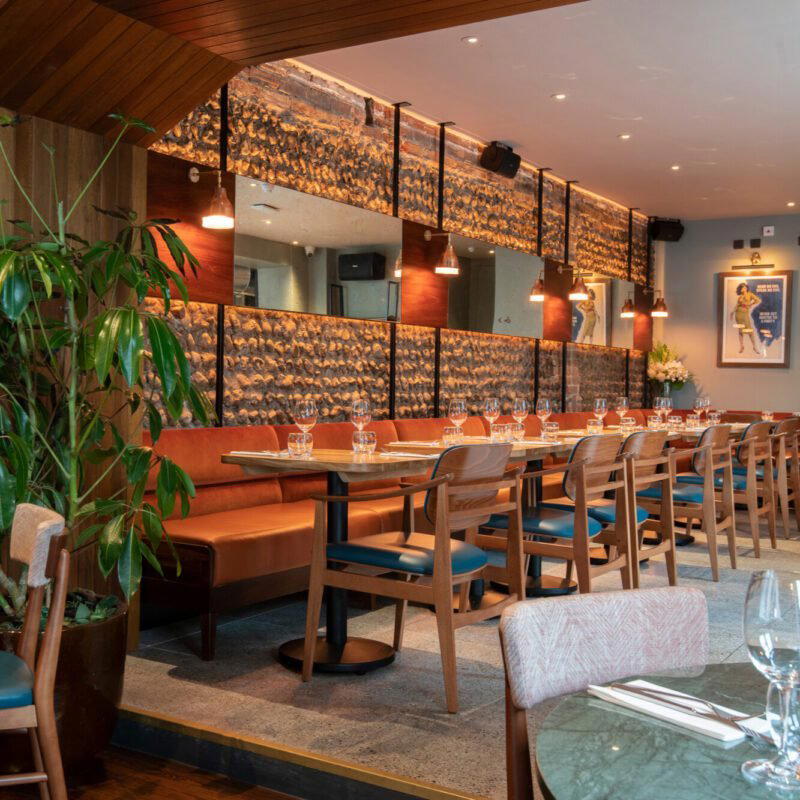
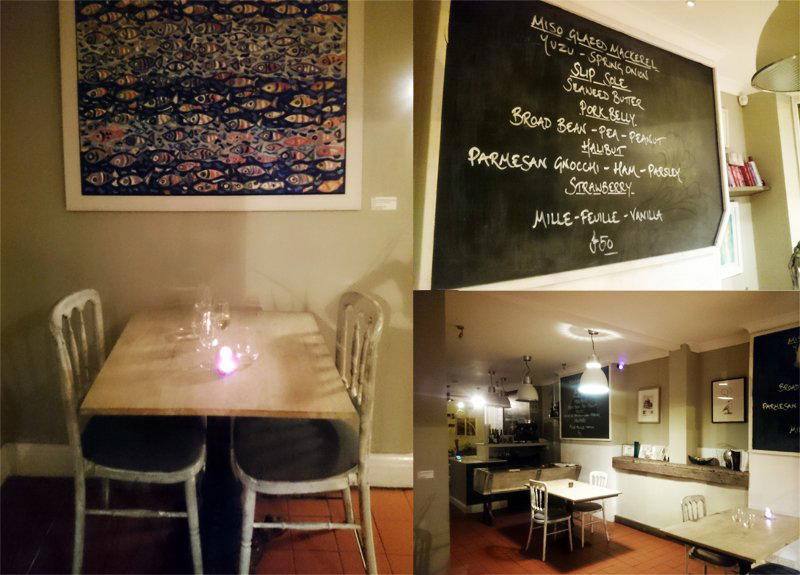
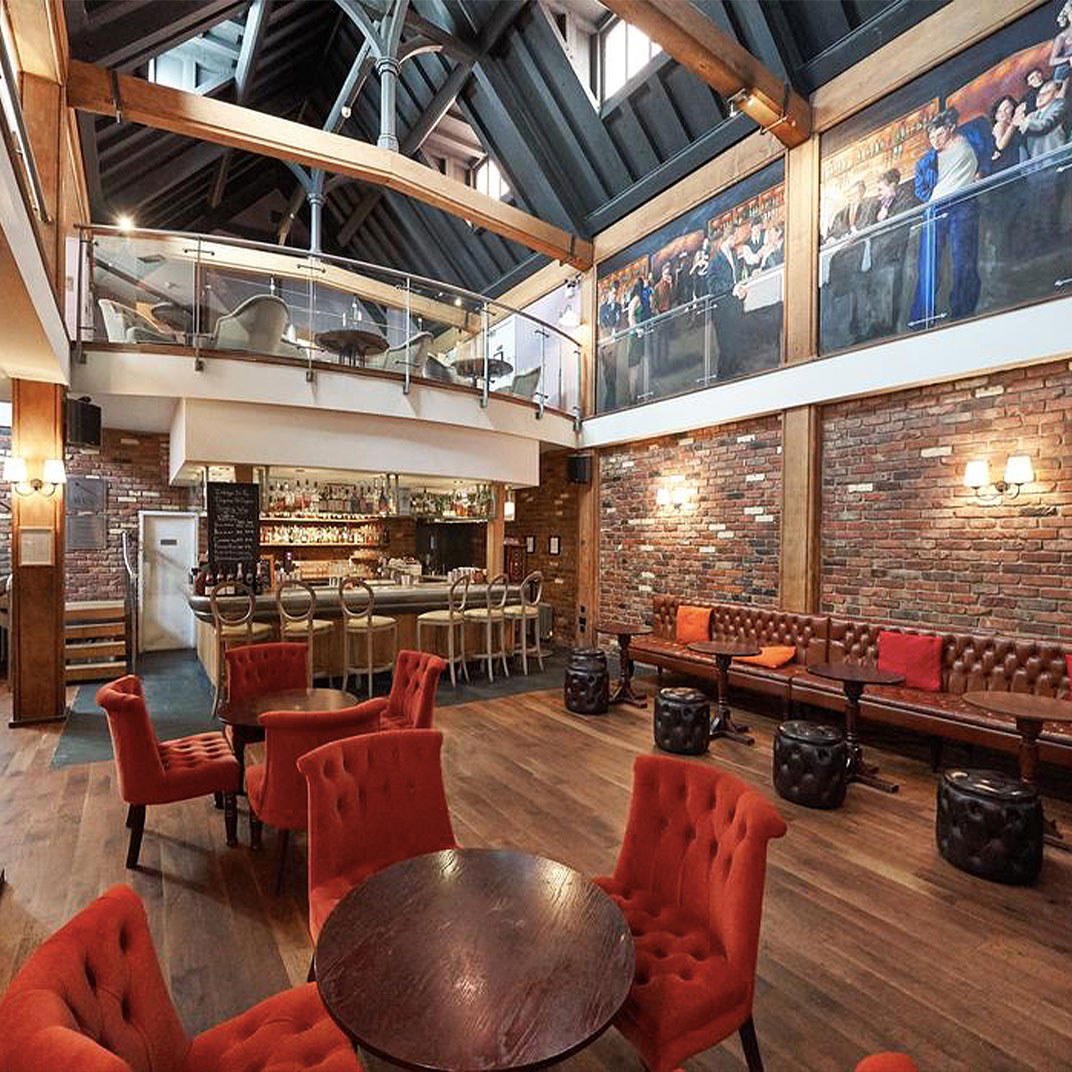
Brighton's Lanes district operates at a different tempo from the seafront. The streets here are narrower, the buildings older, and the venues that survive long enough to become fixtures tend to do so by resisting easy categorisation. Marwood Bar & Coffeehouse at 52 Ship Street sits squarely in that tradition: part serious coffee house, part bar, the kind of space where the question of whether it's too early or too late for a drink rarely comes up. The interior earns its reputation through accumulation rather than design statement, decades of objects, framed prints, and considered clutter that takes a few visits to fully read.
Within Brighton's bar scene, this is a recognisable type but rarely executed with this much staying power. The city has plenty of places that market themselves on eccentricity; Marwood's version feels less performed. Walking along Ship Street on a grey afternoon, the light through the windows and the low hum of conversation mark it as the kind of place that fills without effort and empties reluctantly. That consistency matters in a city where bar openings and closures move quickly, particularly around the Lanes.
The Drinks and Food Logic
The dual coffeehouse-and-bar format carries an implicit contract with its regulars: the coffee programme and the drinks list need to hold up independently, not just coexist. In Brighton, this hybrid positioning sits between the wine-bar direction taken by venues like L'Atelier Du Vin Wine and Cocktail Bar and the more straightforwardly nocturnal approach of Black Dove. Marwood's version of the hybrid has always leaned into its own daylight hours as seriously as its evening ones.
The food programme at a venue like this functions as the connective tissue between the coffee crowd and the drinks crowd. Bar food in Britain has shifted considerably in the past decade, the expectation now, in venues that take themselves seriously, is that snacks and small plates complement the drinks list rather than simply absorb them. At Marwood, the food offering supports the session rather than interrupting it: the kind of eating that makes a second drink feel earned rather than reckless. This is the editorial point about the venue type: the leading bar-coffeehouse hybrids in the UK treat food as part of a pacing strategy, not an afterthought. Comparable thinking shows up at Bramble in Edinburgh and at Schofield's in Manchester, where the food presence, even when modest, changes how long people stay and how they drink.
In the broader UK bar context, Marwood belongs to a cohort of independently operated, character-driven spaces that function as neighbourhood anchors. The format doesn't need reinvention every season; it needs to deliver reliably across morning coffee, afternoon work sessions, and late-evening drinks, a range that most dedicated bars don't attempt.
Brighton in Season and Out
Brighton's visitor patterns are pronounced. Summer months bring the full weight of day-trippers from London, festival crowds, and the beach-oriented tourism that peaks hard between June and August. The Lanes absorb a significant share of that traffic, and venues along Ship Street feel it. The flip side is that autumn and winter reveal a different city: quieter, more local, and arguably more interesting for bar-going. Marwood's format suits the off-peak months well. A coffee house with serious evening credentials is exactly what the city needs when the seafront empties and the resident population reclaims its bars.
For anyone visiting Brighton outside peak season, the Lanes in October through February offer a noticeably different atmosphere: shorter queues, lower ambient noise, and bar staff with more time. This is the version of the neighbourhood that regulars prefer, and Ship Street venues benefit disproportionately because the area remains walkable and covered enough to make winter evenings comfortable. Drakes Hotel and the broader cluster of quality bars within a few minutes' walk make this part of Brighton worth anchoring an evening itinerary around, regardless of what the weather is doing.
Placing Marwood in the Wider Bar Circuit
The independent, character-forward bar operating in a mid-market price tier represents one of the more durable formats in British drinking culture. Nationally, venues built on this model, distinctive interiors, serious coffee alongside serious drinks, food that holds its own, have shown more resilience than concept bars or high-volume nightlife. Horseshoe Bar Glasgow and Mojo Leeds operate from similar positions in their respective cities: venues that function as reference points for the local bar-going public, not just for visitors. Merchant Hotel in Belfast and 69 Colebrooke Row in London represent a more technically precise tier, but the underlying commitment to a coherent drinks-plus-food proposition is shared. Further afield, Bar Leather Apron in Honolulu shows how the same format translates across very different drinking cultures.
In Brighton specifically, the bar scene has matured away from its earlier reliance on volume and spectacle. The venues that carry weight now are those with genuine programme depth and a sense of place. Marwood contributes to that shift from the coffeehouse end: a reminder that the leading drinking venues often start from a different premise entirely.
Planning a Visit
Marwood Bar & Coffeehouse is at 52 Ship Street, in the heart of the Lanes, within easy walking distance of Brighton station. The venue operates across both daytime and evening hours, making it viable as a first stop or a last one. Given the format, coffee house by day, bar by evening, there's no wrong time to arrive, though weekday afternoons offer the easiest access to seating. For a broader view of what Brighton's bar and restaurant scene offers, see our full Brighton And Hove restaurants guide.
Nearby-ish Comparables
A quick peer reference to anchor this venue in its category.
| Venue | Price |
|---|---|
| Marwood Bar & CoffeehouseThis venue (the venue you are viewing) | Not listed |
| No 32 | $30–50 |
| Black Dove | $20–30 |
Continue exploring
More in Brighton and Hove
Bars in Brighton and Hove
All bars in Brighton and Hove →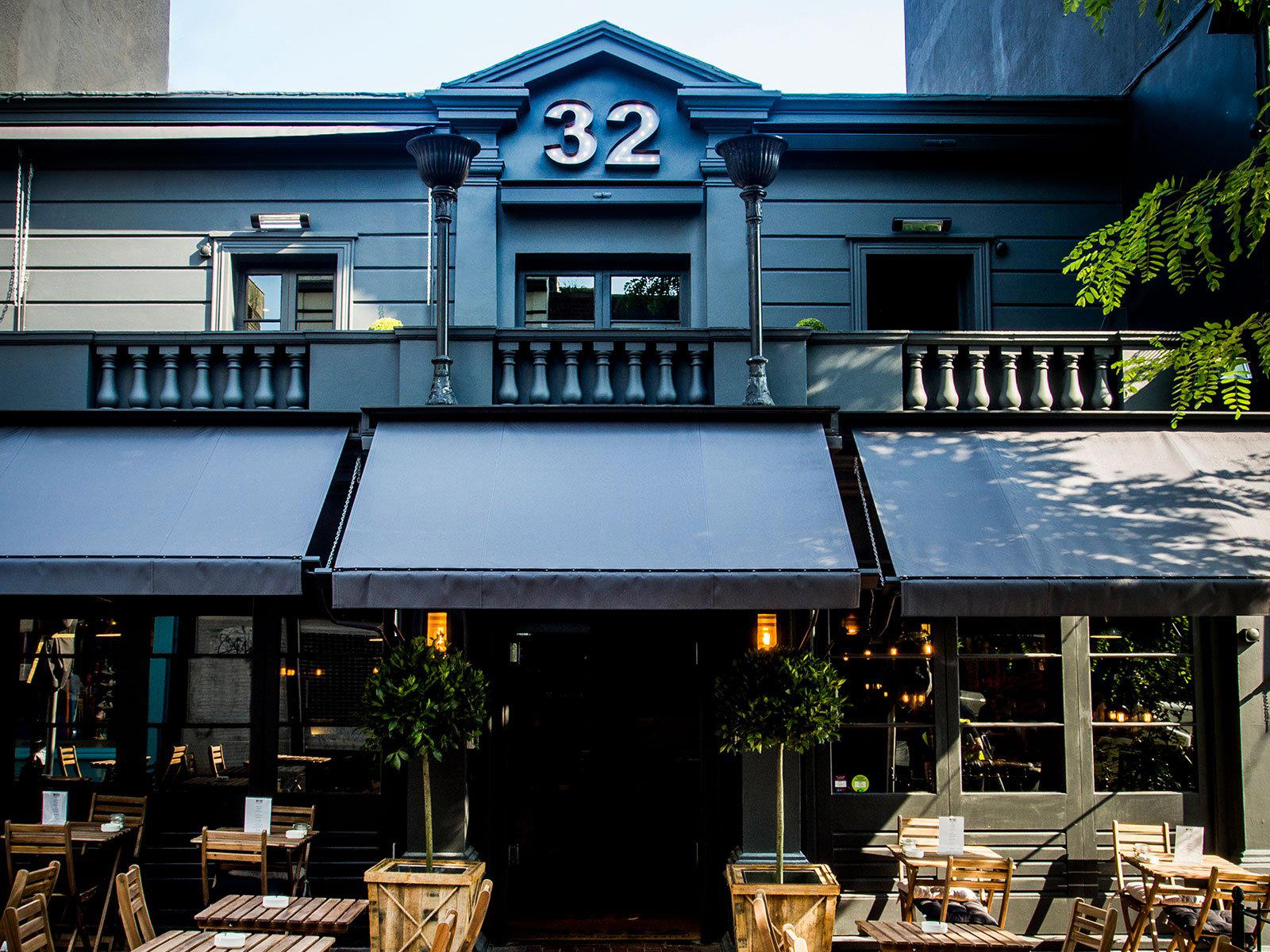
Restaurants in Brighton and Hove
All restaurants in Brighton and Hove →

Details
- Whimsical
- Bohemian
- Cozy
- Intimate
- Trendy
- Casual Hangout
- After Work
- Standalone
- Lounge Seating
- Outdoor Terrace
- Craft Cocktails
- Conventional Wine
Quirky and bohemian atmosphere with eclectic decor including peeling walls and unusual objects, creating a cozy and entertaining hangout.