Cocktail Omakase
Cocktail Omakase brings the Japanese omakase format to the cocktail counter, offering a sequenced, chef-driven drinks experience in New York City. The format places the bartender in full creative control, moving guests through a curated progression of spirits and technique. It occupies a niche that sits closer to the city's serious drinking culture than its nightlife scene.

Pearl is the En Primeur Club membership app — saves, bookings, and concierge access live there. Same editors, same standards.
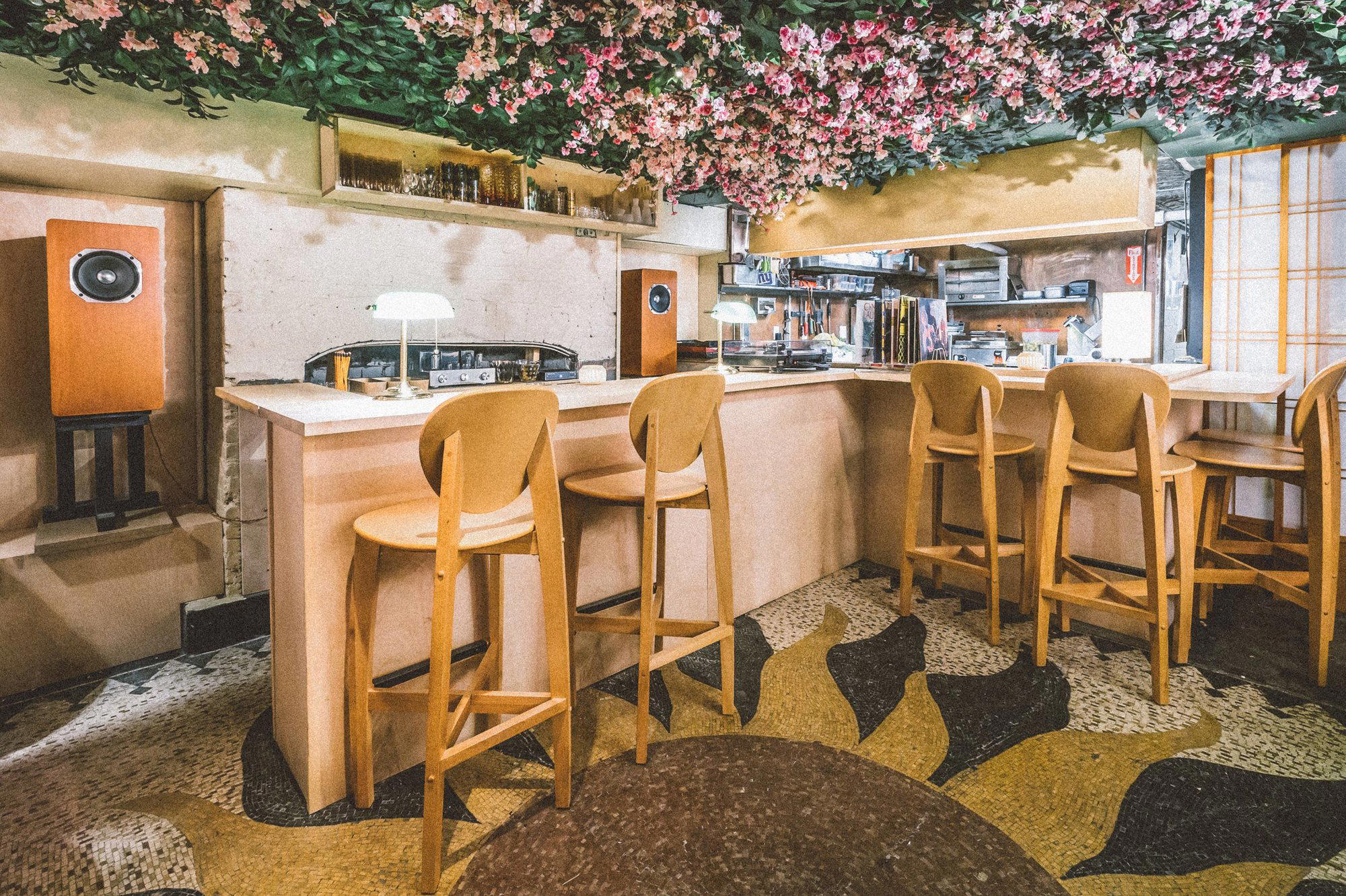
The Counter as Classroom
New York's cocktail culture has spent the better part of two decades moving away from performance and toward precision. The era of smoke machines and elaborate theatrical props gave way to something quieter and more demanding: programs built around ingredient sourcing, technique discipline, and the kind of host-guest dialogue that makes a seat at a bar feel earned. Cocktail Omakase belongs to that second wave, borrowing the structural logic of Japanese omakase dining and applying it to spirits and mixed drinks. The result is a format where the menu doesn't exist until you sit down, and the bartender's judgment replaces the drinks list entirely.
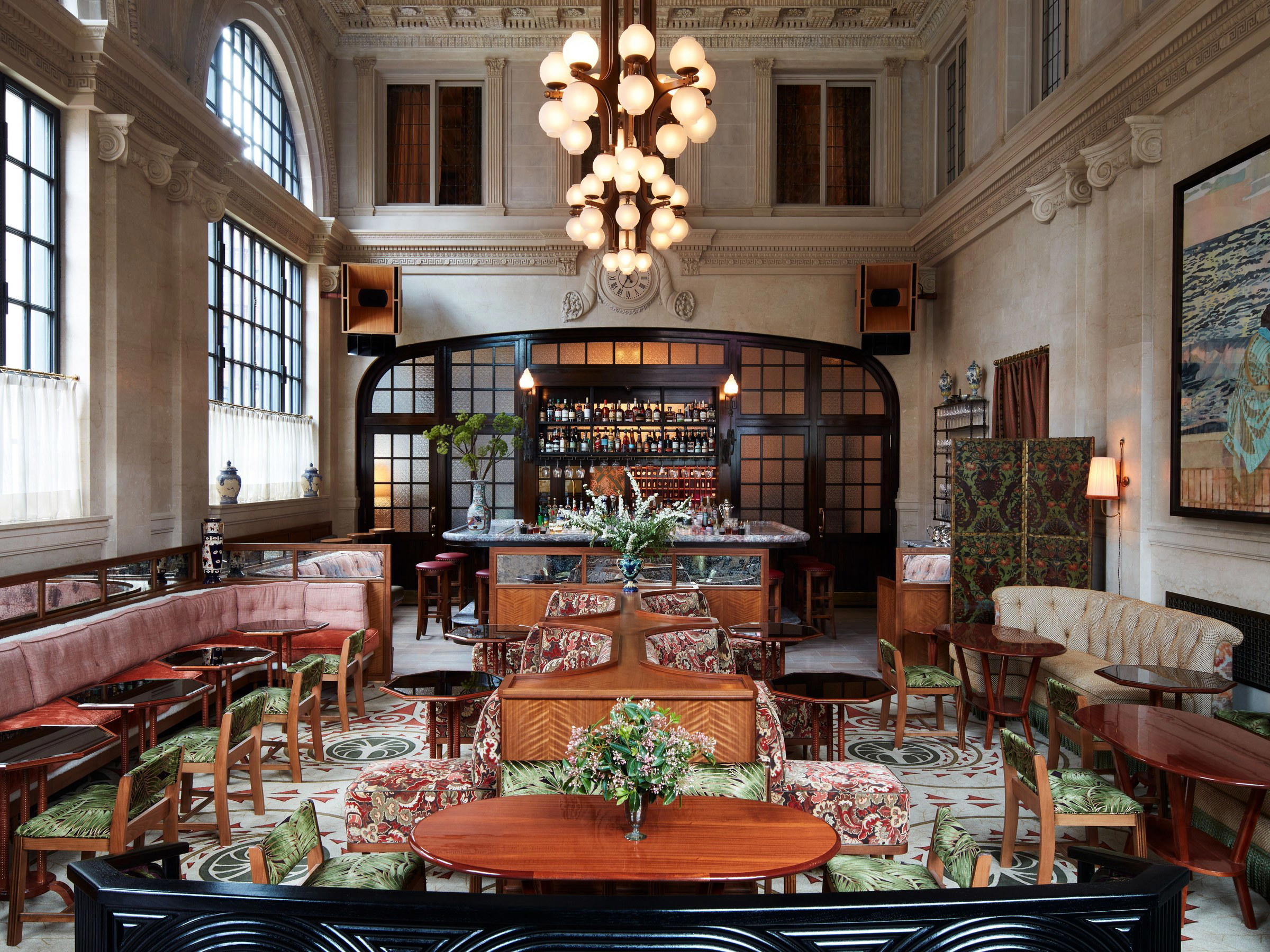
In omakase dining, the Japanese phrase translates roughly to "I leave it up to you" — a transfer of decision-making from guest to chef that only works when the host's depth of knowledge justifies the surrender. At a cocktail counter operating under that same principle, the back bar becomes the equivalent of the fish case at a serious sushi counter: a curated collection whose range and rarity signal what kind of operation you're dealing with before a single drink is poured.
What a Spirits Collection Actually Signals
The editorial angle for any omakase-format bar isn't the drinks themselves but the collection behind them. A bartender working in a sequenced, guest-responsive format needs access to bottles that most cocktail programs never stock: aged expressions from small Japanese distilleries, allocated American whiskeys, artisanal vermouths and bitters with genuine provenance, and spirits from categories that fall outside the commercial mainstream. Without that depth, the omakase promise collapses into a set menu with a Japanese-sounding name.
New York has a handful of bars where the back bar functions as genuine curation rather than decoration. Amor y Amargo built its entire identity around amaro and bittersweet spirits, treating a narrow category with encyclopedic seriousness. Angel's Share, the East Village institution that helped define New York's quiet-bar movement in the 1990s, has long maintained a Japanese whisky collection that predates the category's current mainstream popularity. What those programs share with a cocktail omakase format is the assumption that the guest trusts the house's curation — and that the house has earned that trust through the specificity of what it stocks.
Cocktail Omakase positions itself inside that tradition. The Japanese-style cocktail omakase format, applied in New York, draws on a broader set of influences: the precision of Japanese bartending culture, where technique is trained over years and presentation is considered inseparable from flavor; the American craft cocktail revival's emphasis on ingredient integrity; and New York's particular habit of borrowing formats from global dining culture and stress-testing them against a local audience that has seen most things before.
The Format and What It Demands of Both Sides
A sequenced cocktail experience operates differently from a conventional bar visit in ways that go beyond the absence of a menu. The bartender needs to read the table quickly, calibrating alcohol tolerance, flavor preferences, and the guest's familiarity with the format, and then sequence drinks that build on each other rather than simply rotating through crowd-pleasers. The early rounds typically establish baseline preferences; the middle sequence introduces more challenging spirits or unusual combinations; the closing drinks tend toward length and contemplation. It's a structure borrowed directly from kaiseki and omakase dining, where the arc of the meal matters as much as any individual course.
For the guest, the demand is different: a willingness to be led, combined with enough engagement to give the bartender the feedback that shapes the sequence. The format doesn't work with passive drinkers any more than a sushi omakase works with guests who refuse to eat fish. What it rewards is curiosity and the kind of palate that's interested in comparison, contrast, and the logic of progression.
This places Cocktail Omakase in a specific tier of New York's cocktail scene, one that sits alongside programs like Attaboy NYC, where the no-menu, guest-responsive format has been the operating model since the bar opened. Both formats depend on bartender expertise and honest back-and-forth with the guest. The difference is structural: Attaboy operates as a riff-style bar where each drink is a single response to stated preferences, while an omakase format sequences the entire visit as a composed arc.
New York in a Global Cocktail Context
The cocktail omakase format has precedents outside New York. Kumiko in Chicago has built a program explicitly rooted in Japanese aesthetic principles and spirit categories, with a level of structural rigor that places it among the most formally conceived bar programs in the United States. Bar Leather Apron in Honolulu operates a guest-responsive format shaped by its position between Japanese and American drinking cultures. Further afield, The Parlour in Frankfurt on the Main demonstrates that the format's appeal extends well beyond its cities of origin.
Within the United States, the Japanese-influenced cocktail format also appears in programs like Jewel of the South in New Orleans and ABV in San Francisco, each of which integrates Japanese technique and spirit categories into their own regional identities. Julep in Houston and Allegory in Washington, D.C. represent the broader American movement toward bartender-led, intentional drinking experiences that share the omakase format's philosophical DNA without the explicit Japanese framing.
What distinguishes the New York version is the competitive environment. Superbueno, with its focused agave program, represents a different kind of specialist depth operating in the same city. The presence of that competition raises the stakes for any format that asks guests to trust the house entirely.
Planning Your Visit
The omakase cocktail format, whether operating from a dedicated counter or within a larger space, typically requires advance booking. In New York, where the specialist tier of cocktail programs routinely books out days or weeks ahead, checking reservation availability early is advisable. For broader context on where this kind of drinking experience fits within the city's full range of options, our full New York City restaurants and bars guide maps the relevant scene in detail.
The format suits guests who approach drinking the way they'd approach a tasting menu: as an exercise in attention rather than consumption. If the concept of surrendering the menu to a bartender's judgment sounds appealing rather than frustrating, the omakase cocktail counter is among the most direct expressions of that approach currently operating in American cities.
Price Lens
Comparable venues nearby, for context on price, style, and recognition.
| Venue | Cuisine | Price | Notes |
|---|---|---|---|
| Cocktail OmakaseThis venue — the venue you are viewing | Lower East Side, lounge | $200–300 | Not listed |
| Gong Gan | Not listed | Not listed | Flushing-Willets Point, wine_bar |
| (SUB)MERCER | SoHo-Little Italy-Hudson Square, lounge | Not listed | Not listed |
Continue exploring
More in New York City
Bars in New York City
All bars in New York City →
Restaurants in New York City
All restaurants in New York City →





Cocktail Omakase
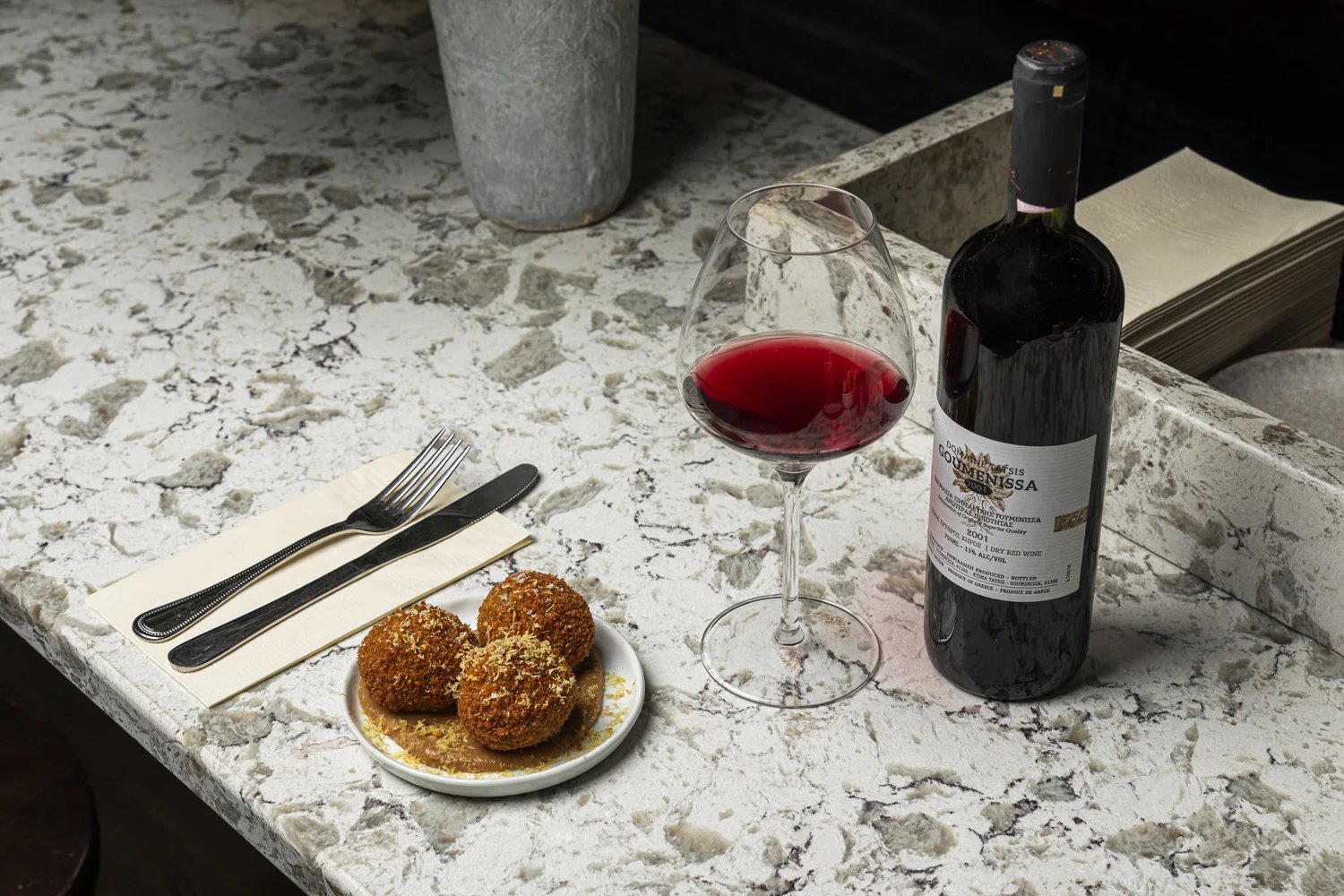
The wine
- Wine program
- Curated wine list
- Craft cocktails
- Classic cocktails
Details
- Intimate
- Elegant
- Sophisticated
- Date Night
- Special Occasion
- Celebration
- Design Destination
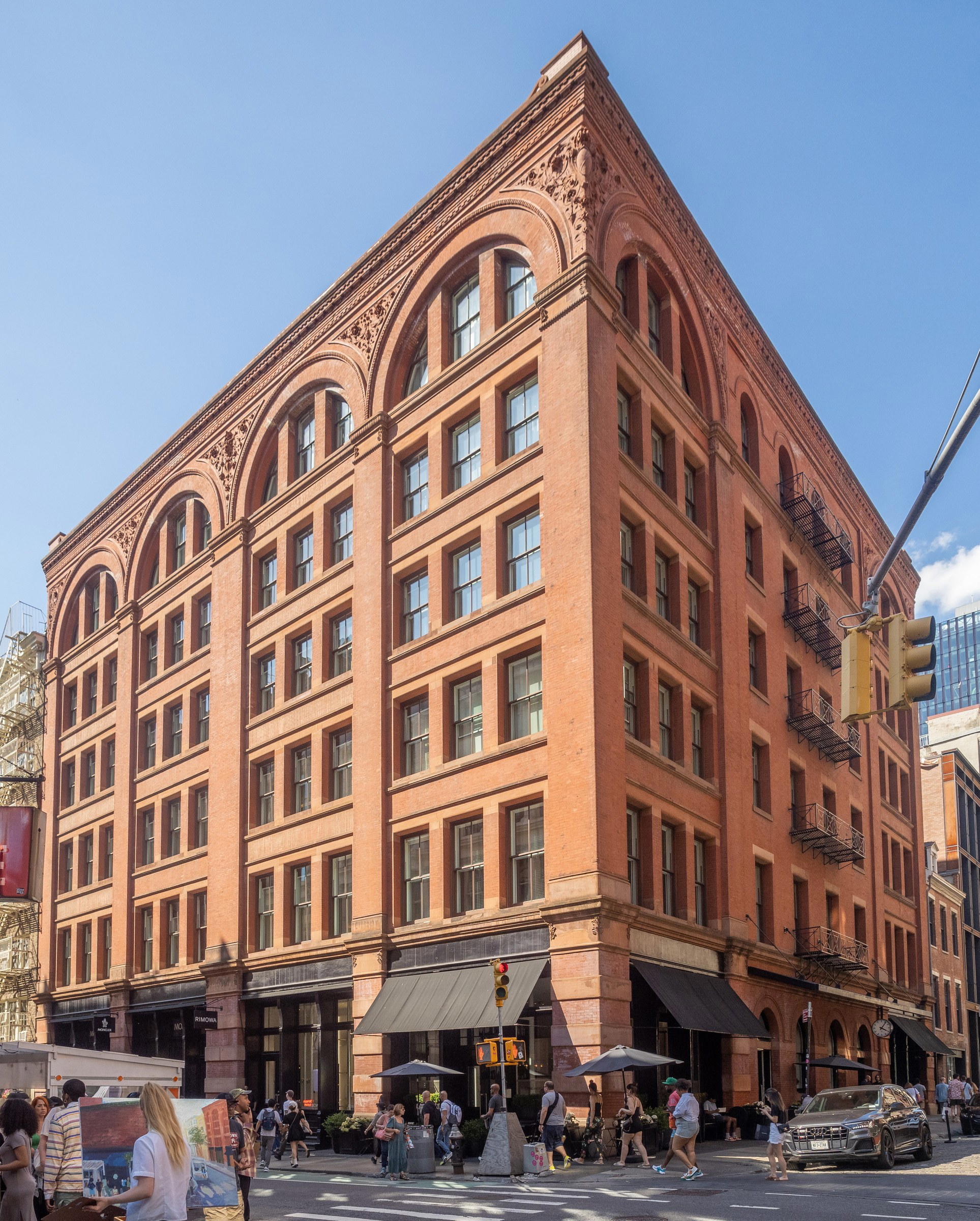
- Historic Building
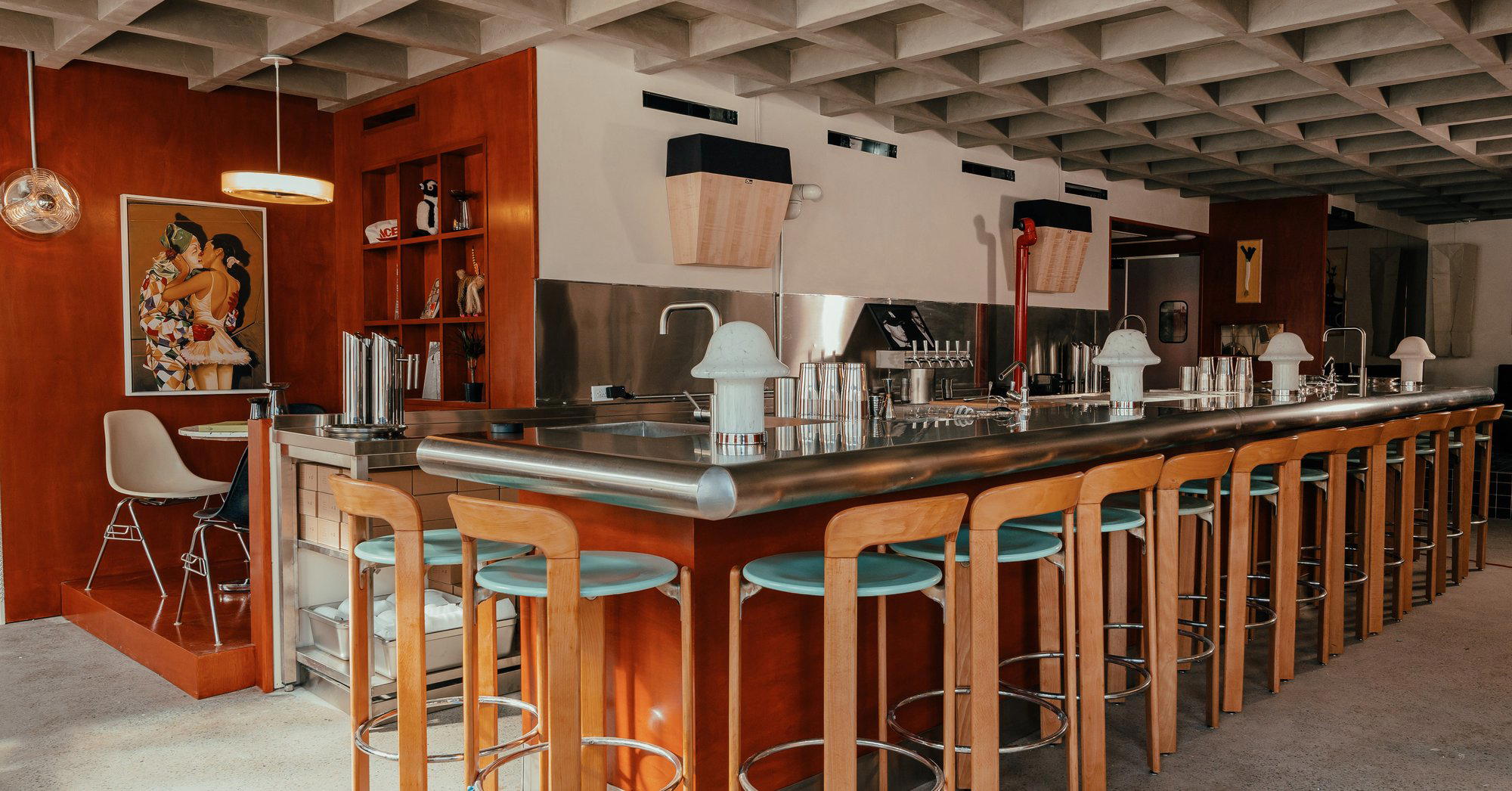
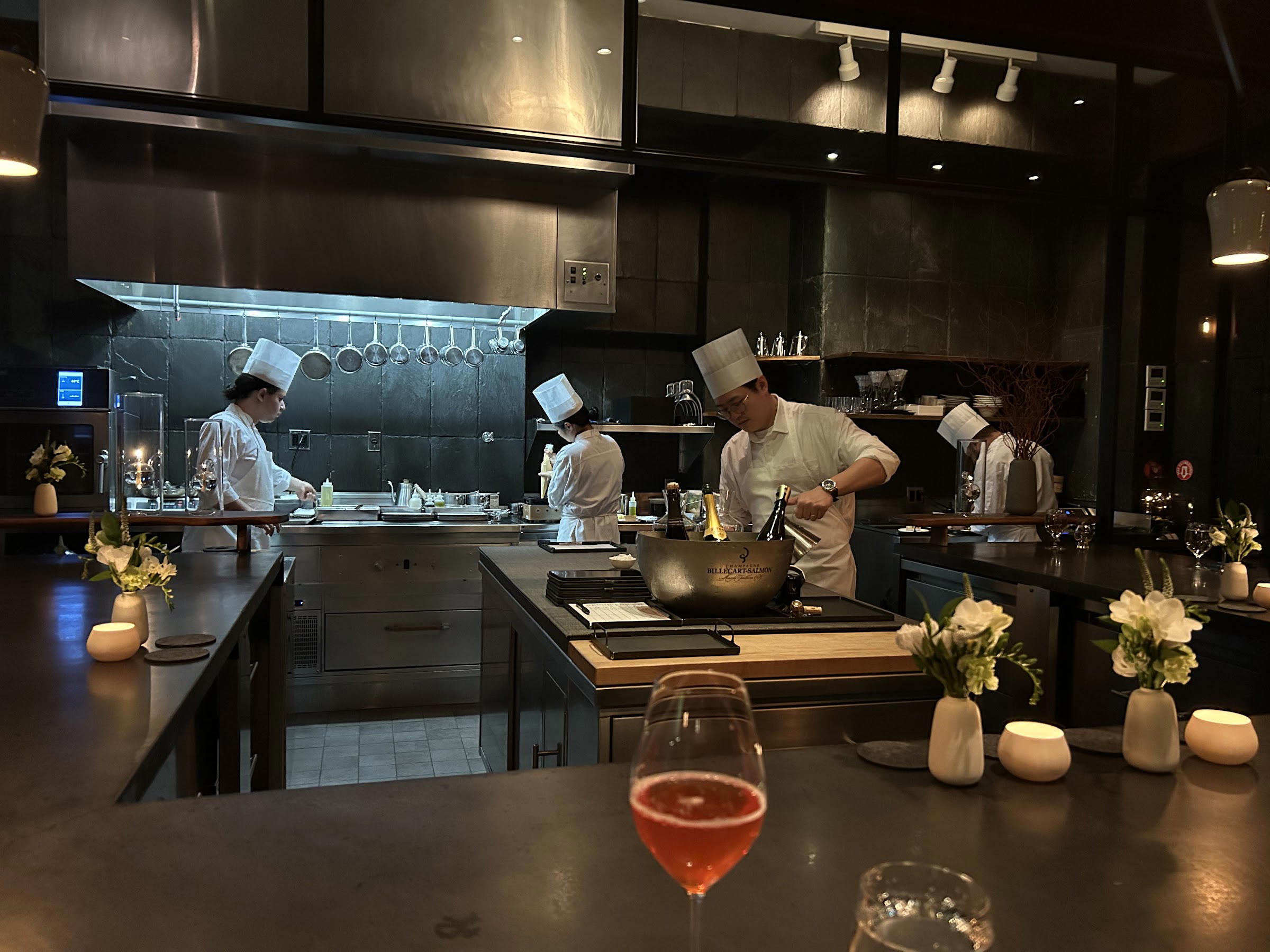
- Counter Only
- Seated Bar
- Classic Cocktails
- Craft Cocktails
Current opening hours
- Monday
- 5–11:30 PM
- Tuesday
- Closed
- Wednesday
- 5–11:30 PM
- Thursday
- 6 PM–12 AM
- Friday
- 6 PM–12 AM
- Saturday
- 4:30 PM–12 AM
- Sunday
- 3:30–11 PM
Hours can change for holidays and private events. Last verified .
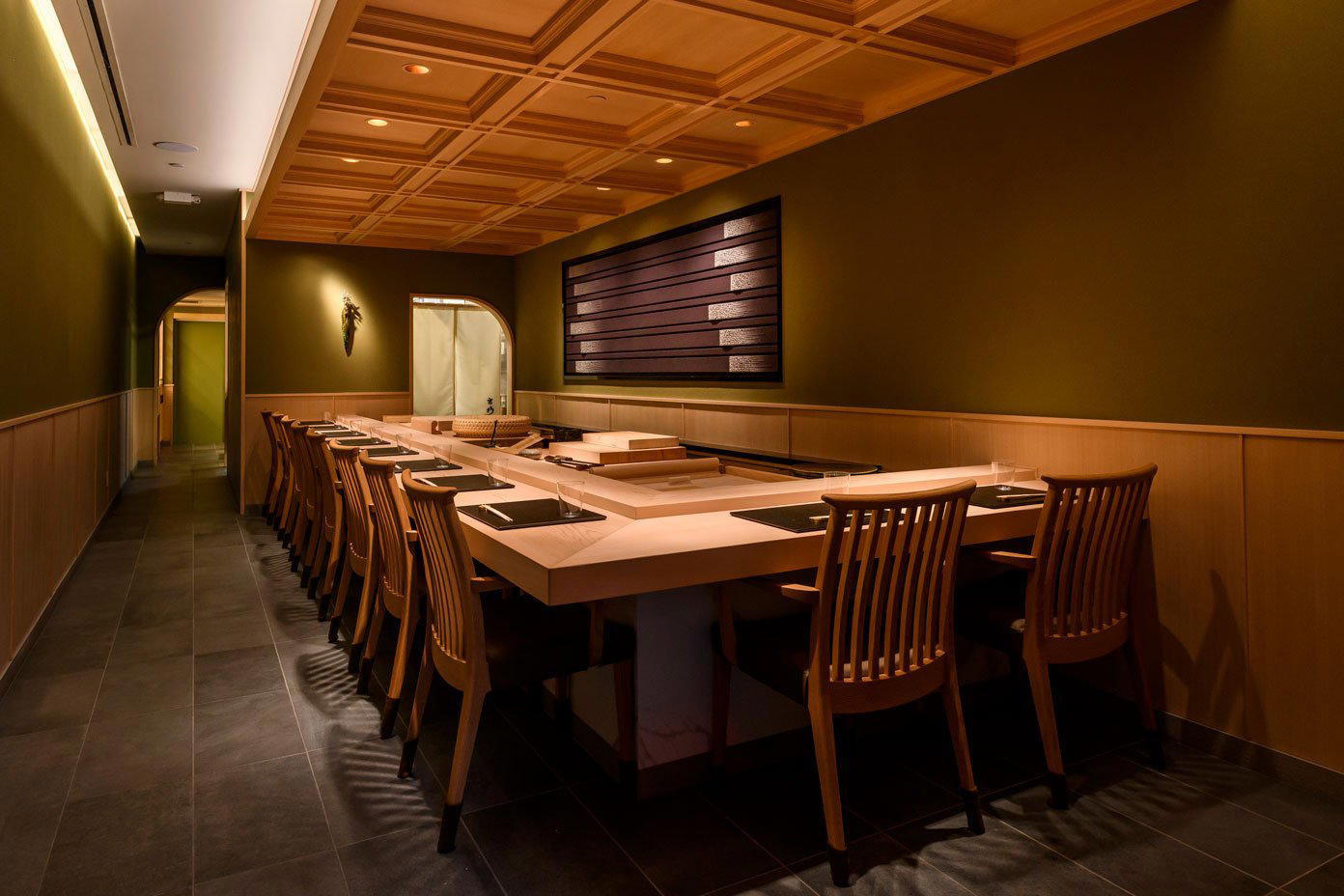
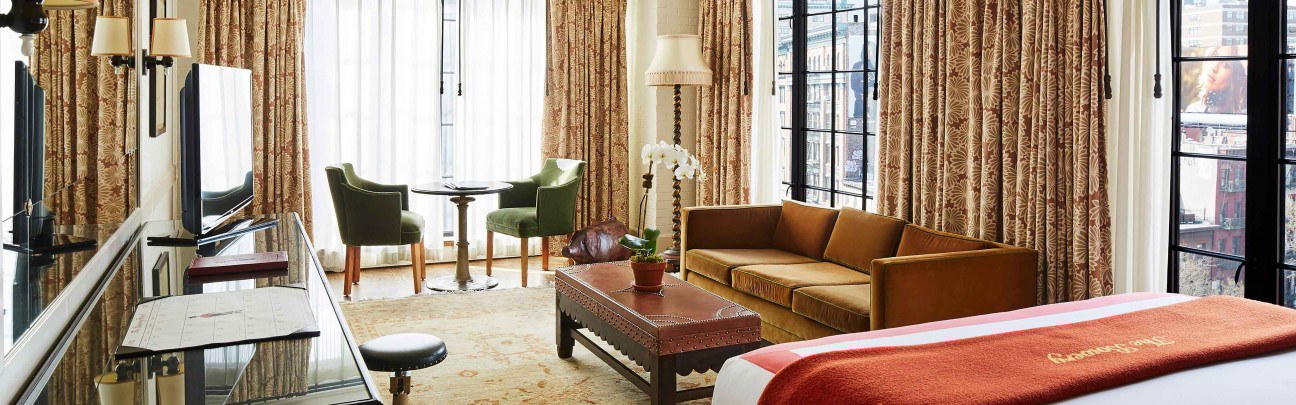
Intimate and refined with a modern wabi-sabi sensibility; the space is discreetly tucked away with careful attention to detail and close chef-guest interaction.