Gong Gan
Gong Gan occupies a Prince Street address in Flushing, Queens, placing it inside one of North America's most concentrated Korean dining corridors. The restaurant draws on the collaborative precision that defines the better end of New York's Korean dining scene, where kitchen discipline and floor attentiveness combine into something more considered than the neighbourhood average.
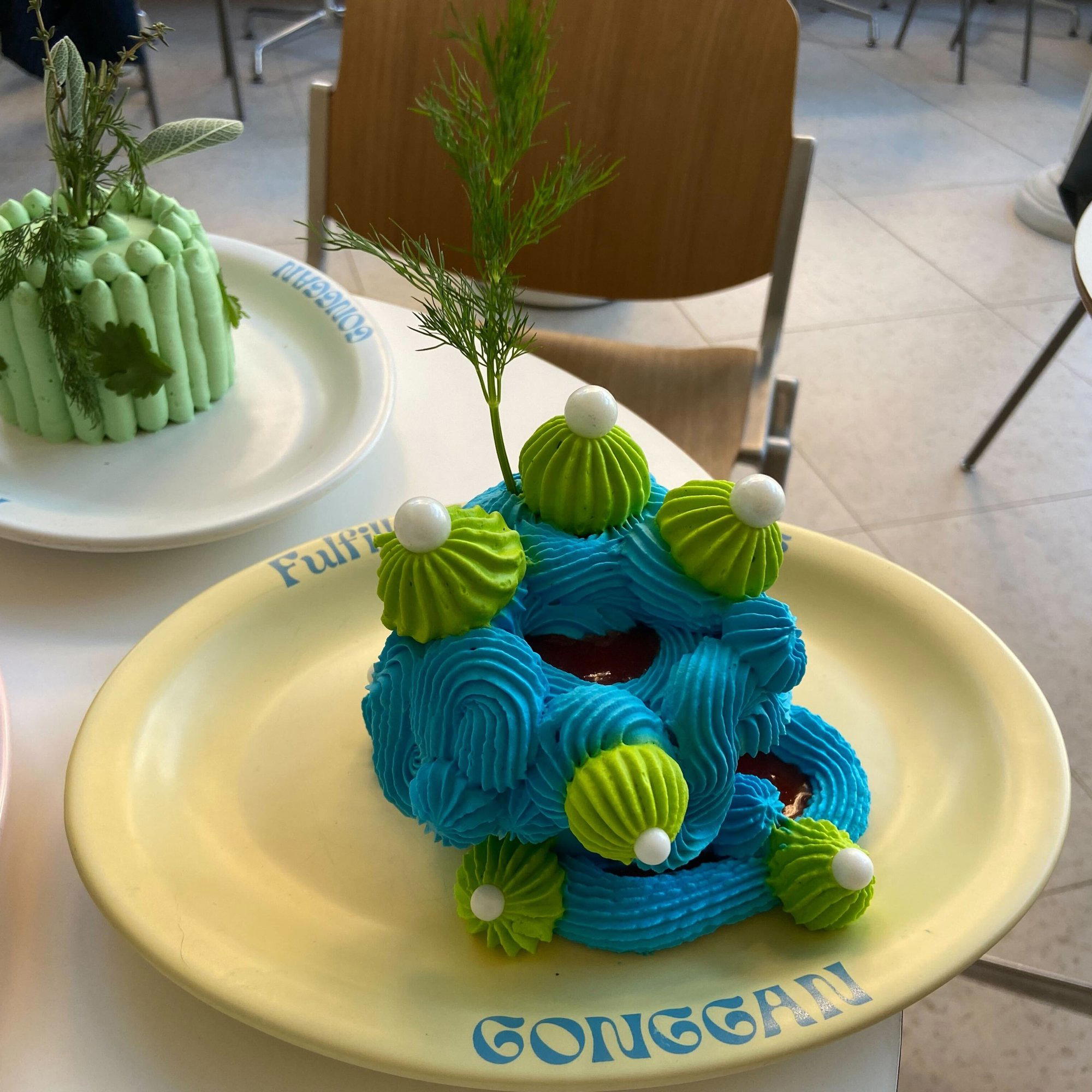
Flushing's Korean Dining Circuit and Where Gong Gan Sits
Flushing, Queens has operated as the eastern anchor of New York's Korean and Chinese dining geography for decades. The neighbourhood around Prince Street and Union Street carries a different character from Manhattan Koreatown: less late-night barbecue theatre, more family-run operations with a deep commitment to regional specificity. It is a corridor where regulars know which kitchen to trust for which dish, and where word-of-mouth still does the work that press coverage does elsewhere. Gong Gan, at 37-02 Prince St, holds an address inside this circuit, which tells you something before you walk through the door.
The concentration of Korean dining in Flushing is not a recent development. The community infrastructure that supports it, from specialist ingredient suppliers to a local dining culture that applies genuine critical pressure, has been building since the 1980s. That history creates a demanding audience. Restaurants in this corridor compete on precision and authenticity rather than on concept novelty, which is a harder standard to meet and a more reliable filter for quality.
The Collaboration Model at the Better End of the Spectrum
Across New York's more considered dining rooms, the gap between a kitchen doing technically correct work and a room that turns that work into a complete experience tends to come down to how well the front-of-house and kitchen operate as a unit. In Korean dining specifically, this coordination carries particular weight. The sequencing of banchan, the pacing of a meal around a central protein or fermented element, the guidance a server offers a table unfamiliar with regional variations: these are not decorative details. They are the architecture of the meal.
The better Korean operations in Flushing understand this. The collaboration between what arrives from the kitchen and how it is contextualised at the table shapes the difference between a competent meal and one that communicates something about tradition. Gong Gan operates within this framework, in a neighbourhood where the dining public notices when that coordination is absent.
For comparable examples of how front-of-house and bar program collaboration shapes a dining experience elsewhere in the United States, the bar-forward model at Kumiko in Chicago offers a useful reference point, where kaiseki-influenced precision extends from the kitchen into the drinks program with unusual consistency. The integration approach at Jewel of the South in New Orleans demonstrates how historically grounded hospitality can be delivered through a coordinated team rather than a single face. These are different contexts, but the underlying principle translates: the most memorable experiences in specialist dining rooms tend to emerge from team coherence rather than individual brilliance.
What the Address Signals About the Experience
Prince Street in Flushing is not the neighbourhood's most visible dining strip, but it is a credible one. Restaurants here are not angling for a tourist pass-through audience. The clientele skews local and repeat, which creates a different dynamic in the room: expectations are set by familiarity rather than novelty, and the kitchen is accountable to customers who know what the dish is supposed to taste like. That accountability tends to produce better food than a room full of first-time visitors who have nothing to compare it against.
This pattern holds across several of New York's outer-borough dining corridors. The same logic applies to parts of Jackson Heights and Sunset Park, where proximity to a knowledgeable local audience functions as a quality control mechanism independent of any formal rating system. Gong Gan sits inside that logic at its Flushing address.
Korean Dining in New York: The Broader Picture
New York's Korean dining offer has diversified considerably over the past decade. The Manhattan Koreatown corridor around 32nd Street still functions as the high-volume, high-visibility tier, with long hours and a format calibrated for group dining and first-time visitors. The outer-borough alternative, concentrated in Flushing and parts of Bayside, offers something different: tighter menus, more regional specificity, and a dining culture that rewards return visits. These are not interchangeable tiers. They serve different purposes and attract different audiences.
The shift toward more considered Korean dining in New York mirrors trends visible in other cuisines where first-generation immigrant communities have been joined by second-generation chefs and restaurateurs with both traditional grounding and formal training. The result is a cuisine that does not have to choose between authenticity and technical discipline. The leading rooms in Flushing hold both.
For readers building a broader picture of New York's dining scene, our full New York City restaurants guide maps the relevant tiers and neighbourhoods in more detail. Those specifically interested in how the city's bar programs have developed in parallel might start with Angel's Share, which has anchored a particular strain of Japanese-influenced cocktail culture in the East Village for longer than most of its current peers, or the technically rigorous formats at Attaboy NYC and Amor y Amargo. Further afield, the team-driven hospitality model at Bar Leather Apron in Honolulu, the structured creativity at Allegory in Washington, D.C., and the program discipline at ABV in San Francisco all illustrate how collaboration between different parts of a hospitality team shapes guest experience at the sharper end of the market. Superbueno and The Parlour in Frankfurt on the Main round out a set of reference points for readers tracking how team-forward hospitality operates across different cities and formats. Julep in Houston offers another angle on how regional specificity and collaborative service build a room's identity over time.
Planning a Visit
Gong Gan is located at 37-02 Prince St in Flushing, Queens, reachable via the 7 train to Flushing-Main Street, a roughly 30-minute ride from Midtown Manhattan. The Prince Street address puts it a short walk from the main Flushing commercial corridor, in a pocket of the neighbourhood where the dining options skew local and the pace is quieter than the blocks immediately around Main Street. Visitors coming from Manhattan are advised to arrive with some flexibility around timing: the 7 train runs frequently but Flushing's streets are dense at peak hours, and the walk from the subway benefits from a few extra minutes.
Recognition Snapshot
| Venue | Cuisine | Price | Awards |
|---|---|---|---|
| Gong GanThis venue — the venue you are viewing | Not listed | Not listed | Not listed |
| The Long Island Bar | Not listed | $30–50 | World's 50 Best #64 · Top 500 Bars Best Bars #367 |
| Dirty French | Not listed | Not listed | World's Best Steaks 50 Best #32 · Star Wine List |
| Superbueno | Not listed | $30–50 | World's 50 Best #9 · Top 500 Bars Best Bars #35 |
| Amor y Amargo | Not listed | $20–30 | World's 50 Best #23 |
| Angel's Share | Wine Bar | $20–30 | World's 50 Best #31 · Top 500 Bars Best Bars #200 |
Continue exploring
More in New York City
Bars in New York City
All bars in New York City →
Restaurants in New York City
All restaurants in New York City →
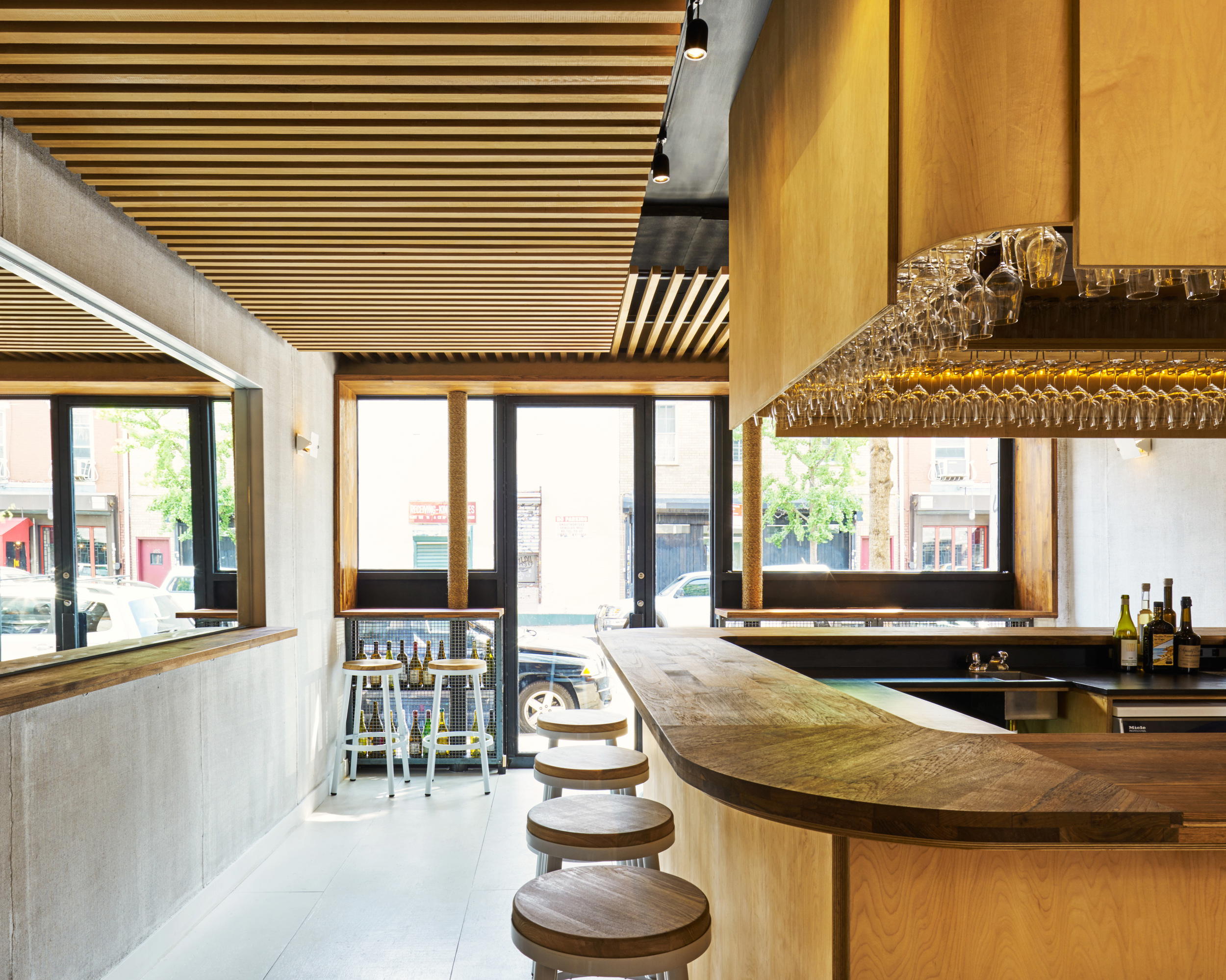
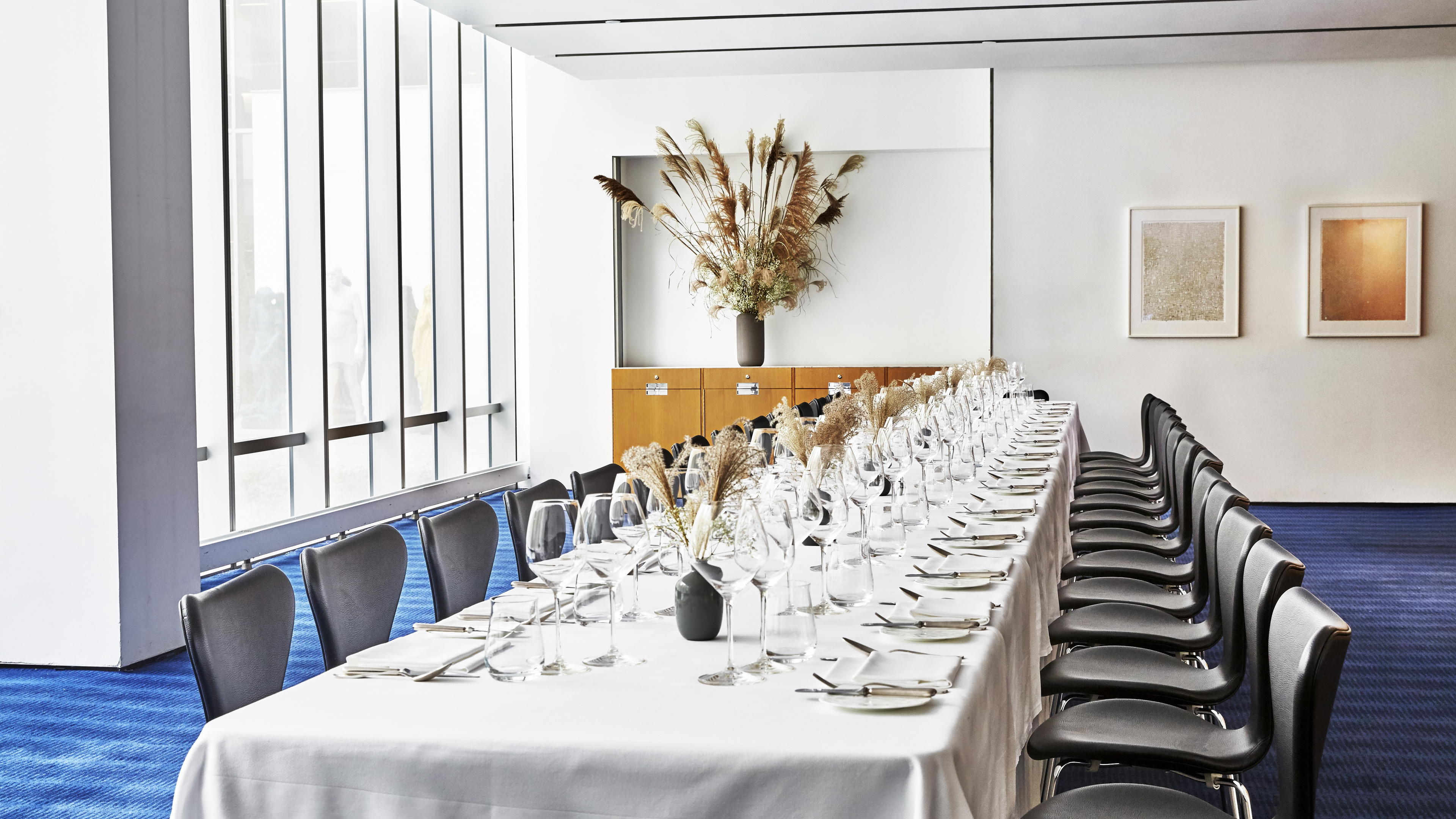
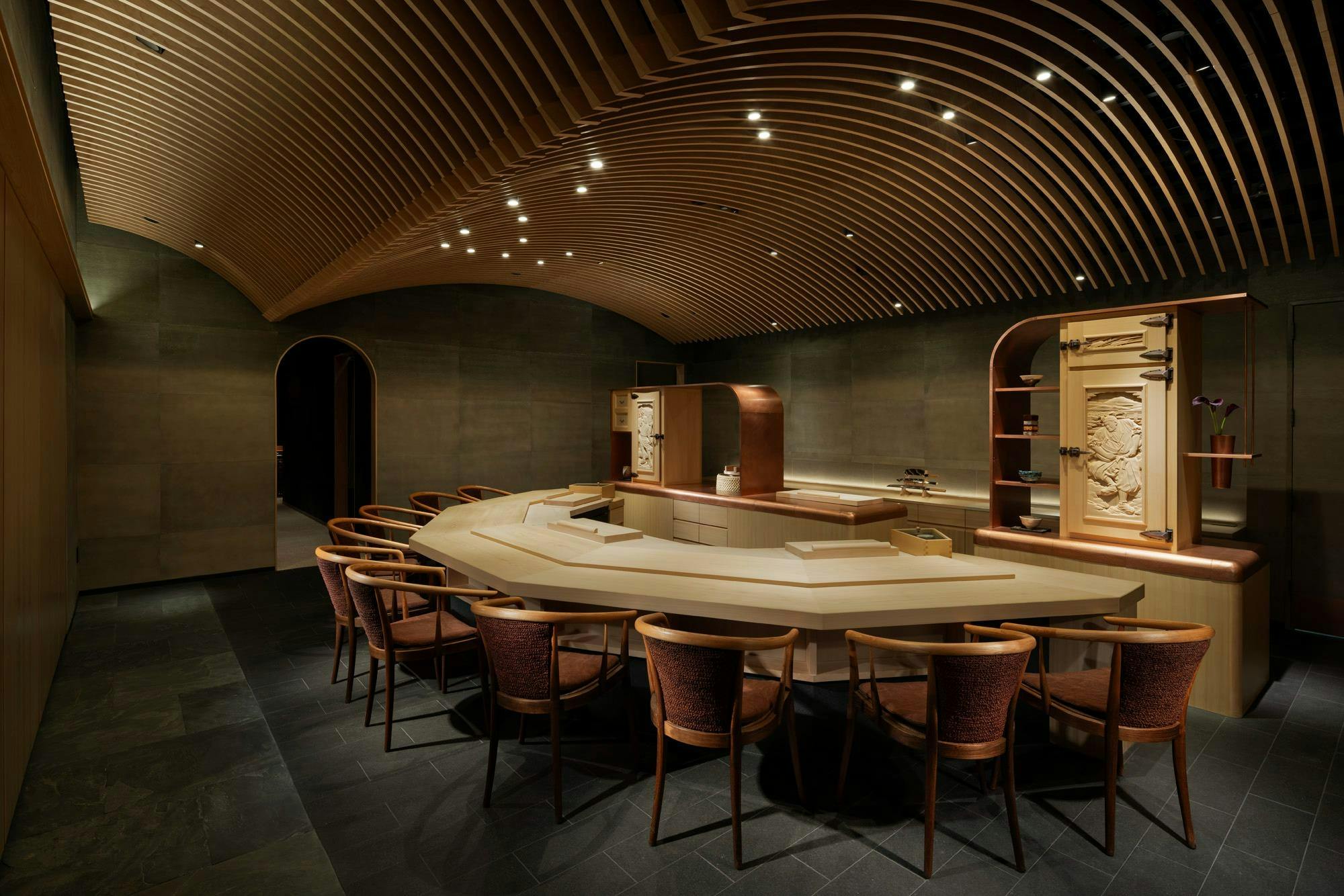
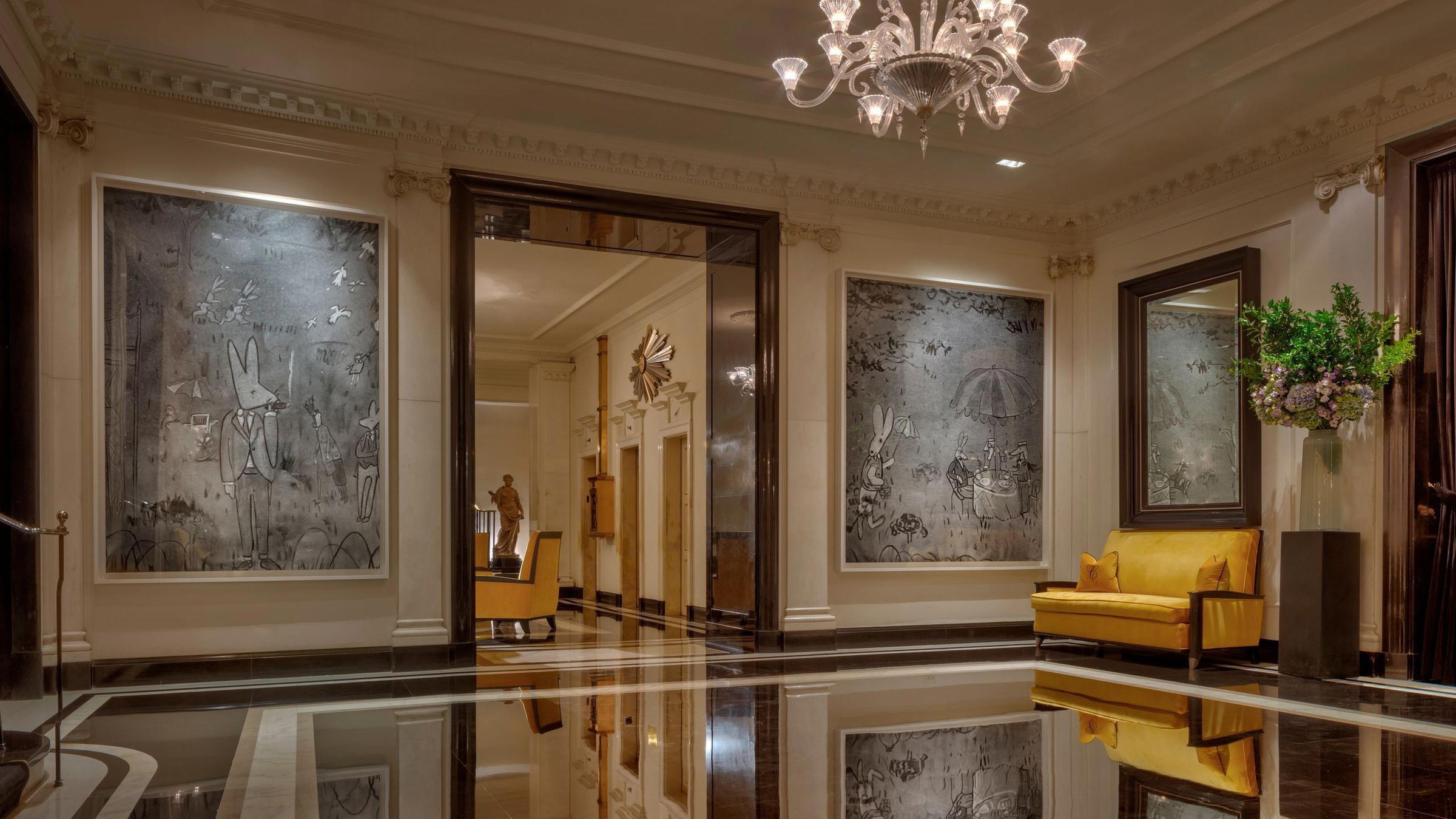





Details
- Modern
- Trendy
- Intimate
- Date Night
- Casual Hangout
- Design Destination
- Lounge Seating
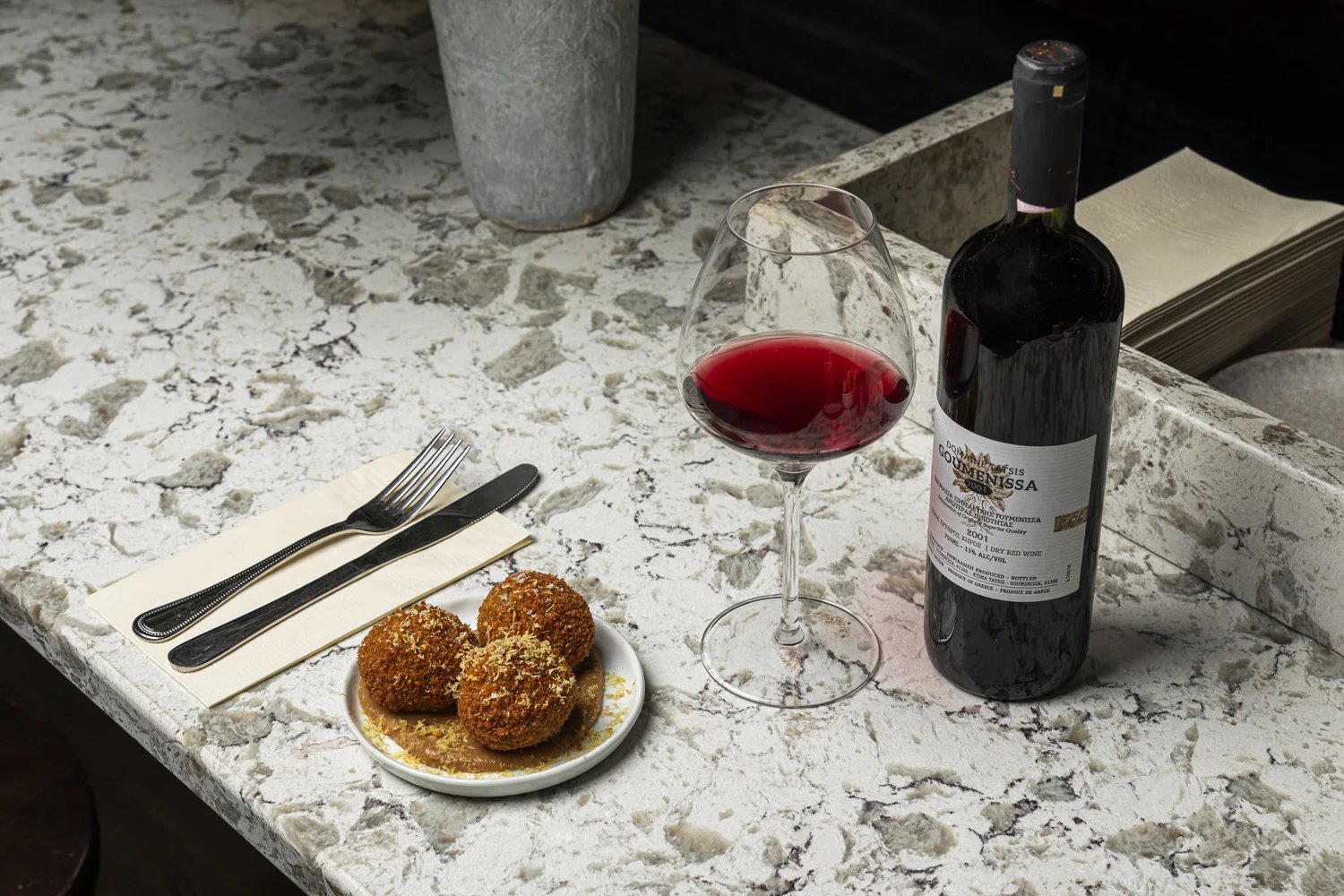
- Natural Wine
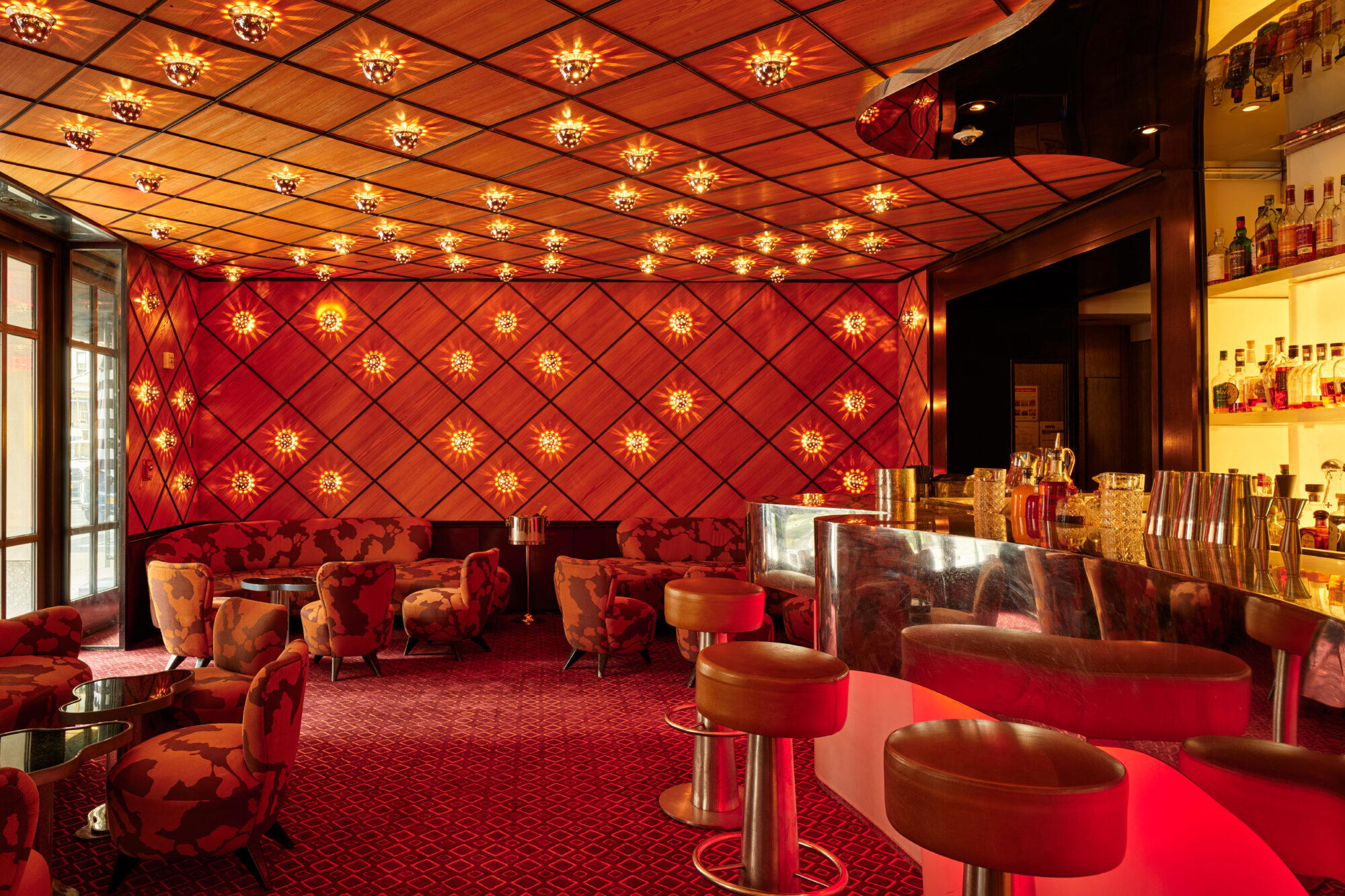
Downstairs is bright, airy with mirrors and sculptural elements; upstairs is darker and more date-night adjacent.