(SUB)MERCER
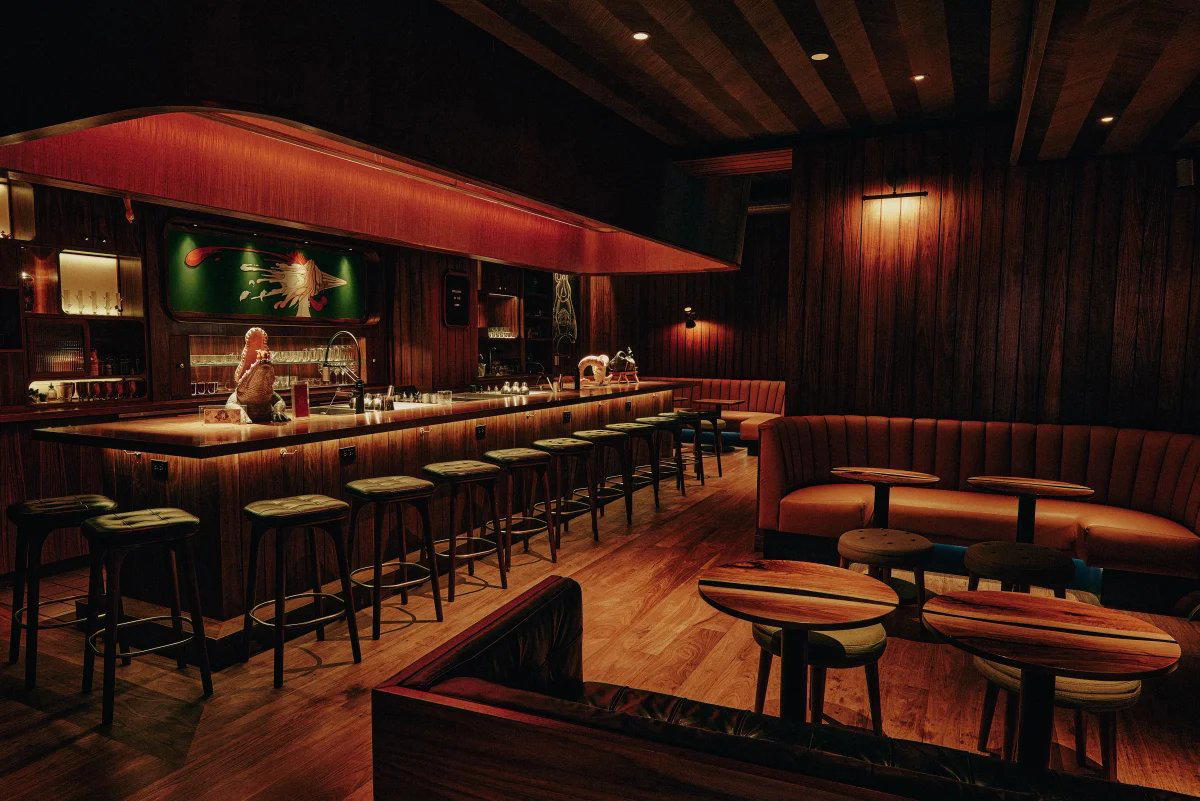
Tucked into a half-address on Mercer Street in SoHo, (SUB)MERCER operates as one of New York's more deliberately low-profile bar destinations. The format rewards guests who arrive knowing what to expect: a subterranean setting that keeps the focus on what's in the glass. It sits in a neighbourhood where cocktail seriousness and architectural character frequently overlap.

Pearl is the En Primeur Club membership app, where members save venues, book tables and use the concierge.
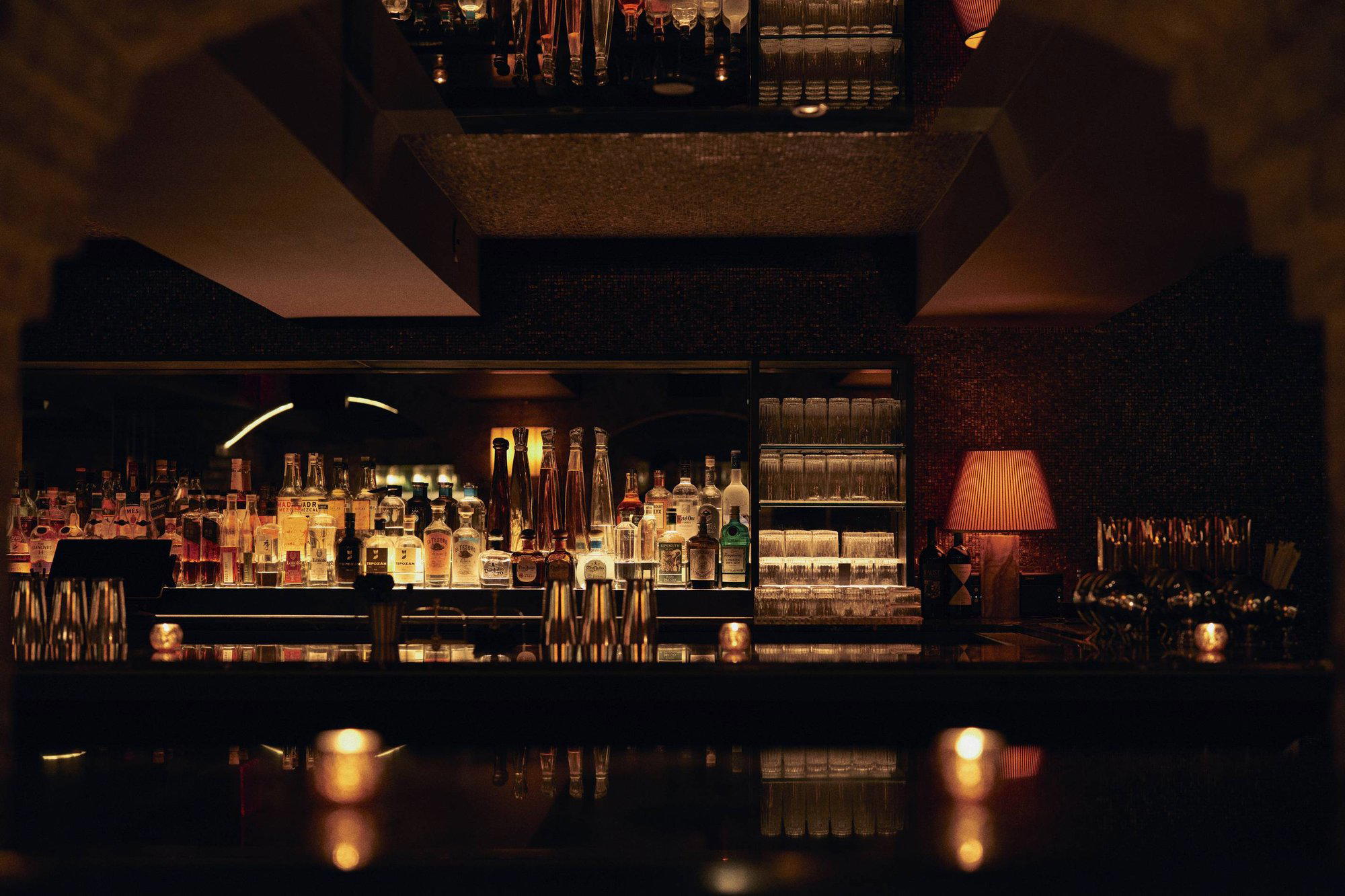
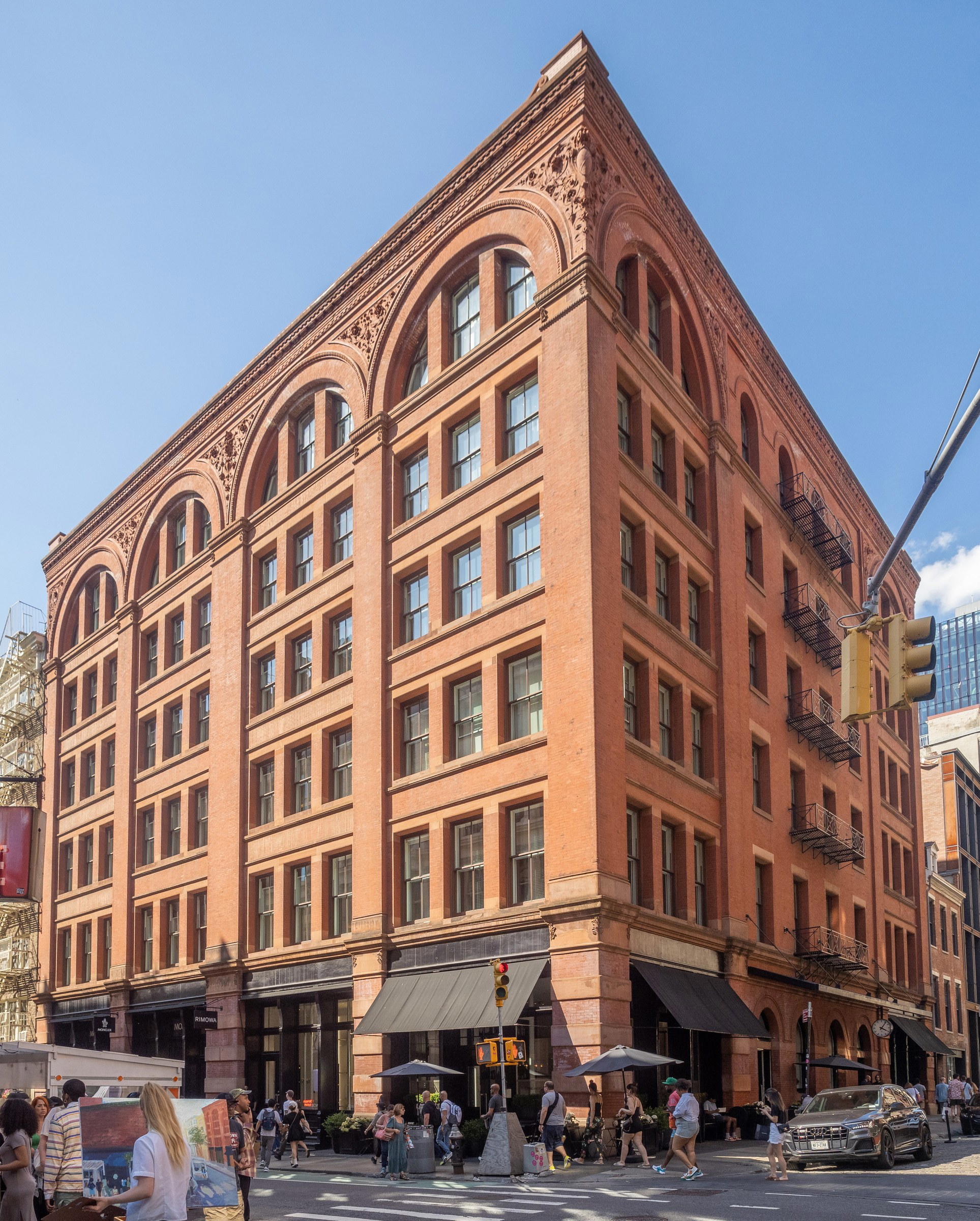
SoHo's ground-floor retail spectacle is well documented, but the neighbourhood has a parallel life below street level. (SUB)MERCER occupies a half-address on Mercer Street, 147½, to be precise, a designation that signals, before you've descended a single step, that this is not a venue angling for foot traffic. Subterranean bars carry their own logic in New York: the city's leading tend to operate at a remove from the street noise, borrowing a quality of enclosure that encourages longer stays and slower drinking. (SUB)MERCER fits that pattern.
SoHo's Cocktail Tier and Where This Bar Sits
Manhattan's cocktail geography has become increasingly stratified. On one end sit the high-volume, reservation-forward operations in the Flatiron and Midtown corridors; on the other, the neighbourhood bars that have cultivated genuine regulars without chasing awards coverage. SoHo occupies an interesting middle position: the area draws international visitors with real curiosity about where to drink, while still sustaining a local customer base that lives and works nearby. (SUB)MERCER's address, and its deliberate half-address format, positions it within the latter camp, designed less for discovery by algorithm than by word of mouth.
For comparison, Attaboy NYC in the Lower East Side operates a no-menu, hospitality-driven format that has become a reference point for how bars can build sustained reputations without conventional marketing. Angel's Share, the East Village Japanese-inflected cocktail bar, has held a quiet but firm position in New York's drinking conversation for decades. (SUB)MERCER reads as a peer to these: a bar where the setting and format do the positioning, rather than a press-facing identity.
The Architecture of Drinking Underground
Subterranean venues in New York reward operators who treat the constraints as assets. Lower ceilings compress the acoustic environment and create a sense of occasion distinct from street-level rooms. In SoHo specifically, where the above-ground environment is cast-iron Italianate and gallery-white minimalism, a below-ground bar has room to develop its own internal logic without competing with the neighbourhood's dominant aesthetic.
This matters for how the drinking experience is structured. Bars that operate underground in New York, and the category includes some of the city's most durable cocktail destinations, tend to develop menus and service rhythms calibrated for the room rather than for a broader concept. The physical enclosure encourages specificity. What (SUB)MERCER does within that enclosure, in terms of menu architecture and hospitality format, is where the bar's character resides.
Menu Architecture and What It Signals
In New York's current cocktail moment, a bar's menu structure communicates its competitive positioning as clearly as its ingredient sourcing or glassware choices. The bars that have moved into serious critical conversation over the past decade have done so by making the menu itself a statement: Amor y Amargo built its identity around a bitters-only format; Superbueno applies a Latin American flavor framework with technical precision. Each approach signals a point of view before the first drink arrives.
For (SUB)MERCER, the address and format suggest a menu structured for guests who already know what they want from a cocktail bar, rather than one designed to explain the category to newcomers. That curatorial restraint, if it holds across the drink list, places the bar in a tier where the guest is assumed to be a participant, not a student. Nationally, bars operating at this level include Kumiko in Chicago, where the menu is organized around a Japanese whisky and liqueur framework that rewards prior knowledge, and ABV in San Francisco, which has built a reputation on a low-intervention, ingredient-forward approach. (SUB)MERCER's SoHo positioning puts it in conversation with these programs.
Internationally, the comparison set extends further. Bar Leather Apron in Honolulu operates a Japanese-influenced, craft-focused format in a market where that approach required genuine audience development. Jewel of the South in New Orleans anchors itself in historical cocktail tradition while maintaining technical currency. The Parlour in Frankfurt and Allegory in Washington, D.C. each demonstrate how strongly a bar's conceptual framing shapes the guest experience before a single drink is ordered. Julep in Houston has refined Southern spirits into a distinct editorial point of view. What connects these bars across geographies is the sense that the menu is a designed object, not a list.
The SoHo Context
SoHo's drinking options have historically skewed toward hotel bars and wine-list-heavy restaurants rather than cocktail-specialist venues. The neighbourhood's retail density and tourist volume mean that many operators default to broadly accessible formats. A bar at a half-address, operating below street level, is self-selecting against that pattern. The practical implication is that (SUB)MERCER's customer base arrives with intention rather than impulse, the opposite of the walk-in dynamic that governs most of the bars on the surrounding blocks.
That self-selection shapes the atmosphere. When a room is composed primarily of guests who sought it out specifically, the conversational register shifts. The bar functions less as a transit point and more as a destination with its own internal culture. New York has enough bars of this kind to constitute a loose category, but SoHo is not the neighbourhood most associated with it, which is part of what makes (SUB)MERCER's positioning distinctive within the borough's cocktail map.
Know Before You Go
- Address: 147½ Mercer Street, New York, NY 10013
- Neighbourhood: SoHo, Manhattan
- Format: Subterranean cocktail bar
- Hours: Verify current operating hours before visiting
- Dress code: No confirmed dress code; SoHo bar norms apply
Nearby-ish Comparables
A quick snapshot of similar venues for side-by-side context.
| Venue | Cuisine | Price | Awards |
|---|---|---|---|
| (SUB)MERCERThis venue (the venue you are viewing) | Not listed | Not listed | Not listed |
| The Long Island Bar | Not listed | $30–50 | World's 50 Best #64 · Top 500 Bars Best Bars #367 |
| Dirty French | Not listed | Not listed | World's Best Steaks 50 Best #32 · Star Wine List |
| Superbueno | Not listed | $30–50 | World's 50 Best #9 · Top 500 Bars Best Bars #35 |
| Amor y Amargo | Not listed | $20–30 | World's 50 Best #23 |
| Angel's Share | Wine Bar | $20–30 | World's 50 Best #31 · Top 500 Bars Best Bars #200 |
Continue exploring
More in New York City
Bars in New York City
All bars in New York City →
Restaurants in New York City
All restaurants in New York City →





(SUB)MERCER
The drinks
- Classic cocktails
Signature drinks: Chai Espresso Martini.
Details
- Intimate
- Trendy
- Sophisticated
- Energetic
- Date Night
- Late Night
- Speakeasy
- Lounge Seating
- Classic Cocktails
Current opening hours
- Monday
- Closed
- Tuesday
- 10 PM–3 AM
- Wednesday
- Closed
- Thursday
- 10 PM–3 AM
- Friday
- 10 PM–3 AM
- Saturday
- 10 PM–3 AM
- Sunday
- Closed
Hours can change for holidays and private events. Last verified .
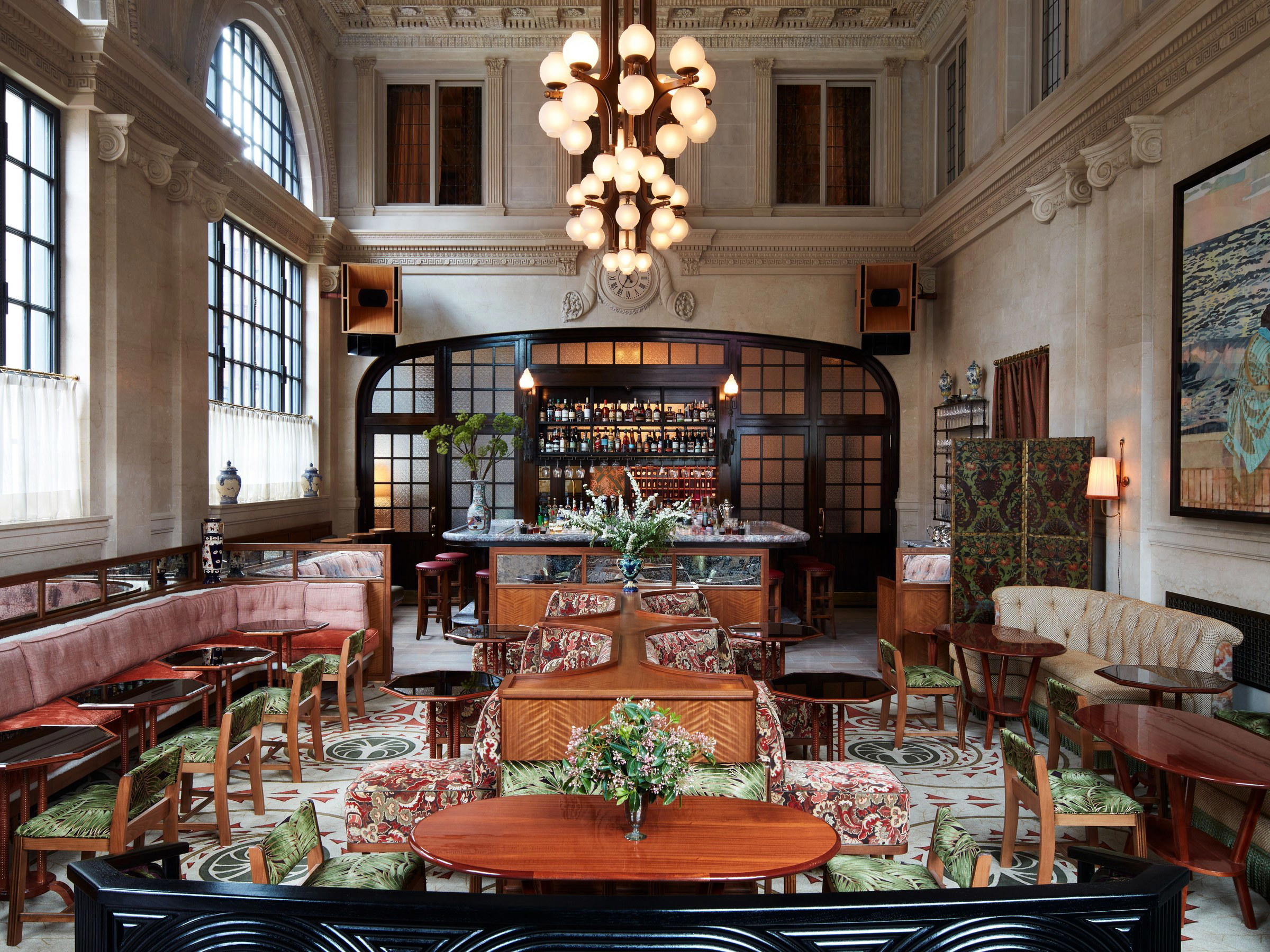
Moodily lit brick-lined space with intimate, sultry atmosphere and shoulder-to-shoulder energy.