Google: 4.7 · 487 reviews
Cherry Coffee Roasters - New Orleans
Cherry Coffee Roasters occupies a corner of Uptown New Orleans where the city's deep café culture meets a serious roasting program. Located on Laurel Street in a residential stretch that moves at its own pace, the shop draws a neighbourhood crowd that treats it as a daily ritual rather than a destination stop. For visitors, it offers a grounded, unhurried counterpoint to the French Quarter's more performative coffee scene.
 Discover on Pearl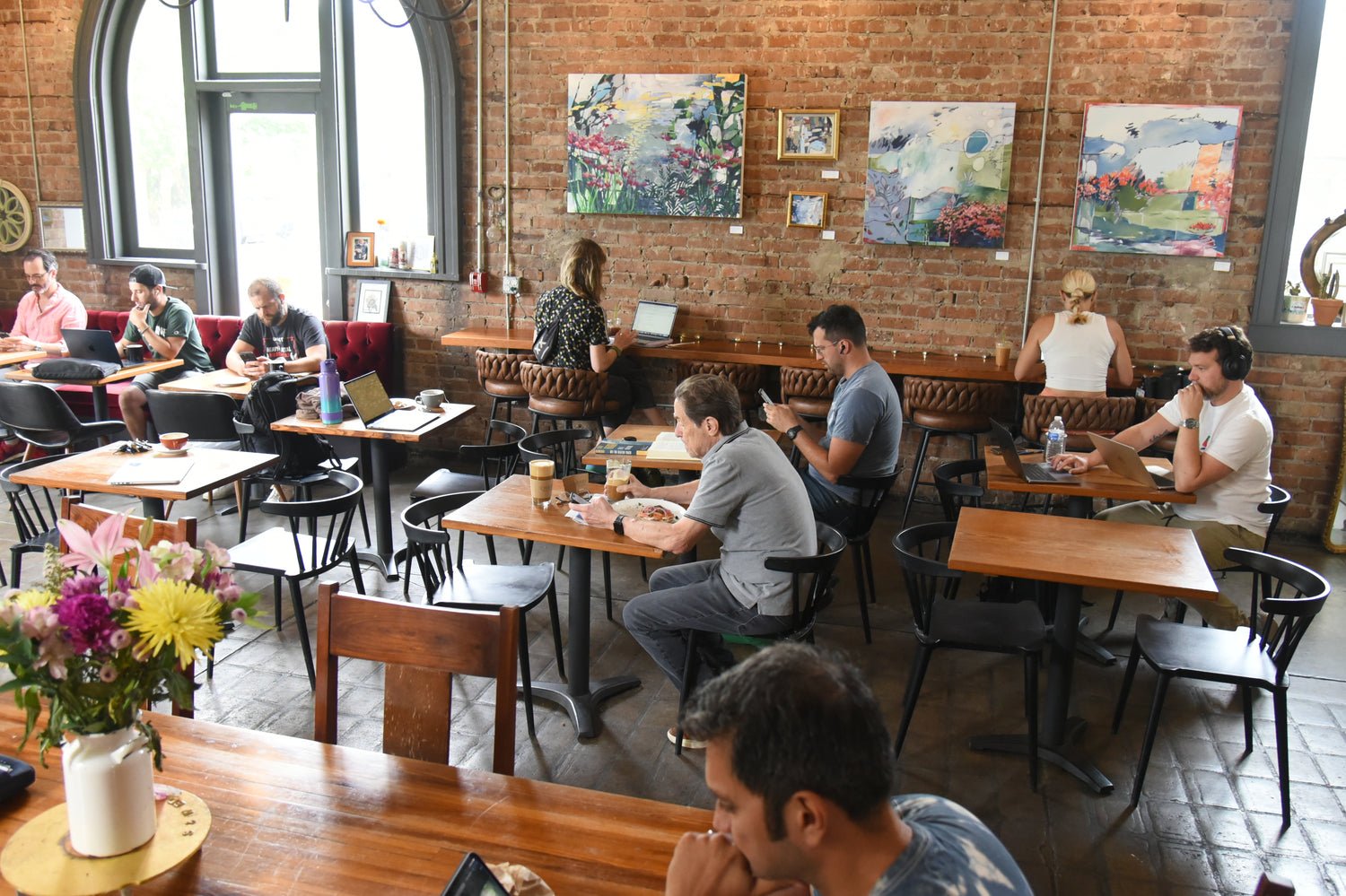
Coffee Culture in Uptown New Orleans
New Orleans has one of the most layered café traditions in the United States, shaped by French colonial influence, a longstanding chicory habit, and a neighbourhood-level loyalty to local institutions that chain brands have never fully displaced. The city's coffee culture predates the third-wave movement by generations, and that historical weight still shapes how locals drink and where they do it. Uptown sits at an interesting tension point in that story: it is residential and rooted, less tourist-saturated than the Quarter or the Marigny, and home to a number of independent operators that function more like community infrastructure than hospitality businesses.
Cherry Coffee Roasters, at 4875 Laurel St, positions itself firmly within that Uptown tradition. Laurel Street runs through a part of the city where the housing stock is wooden, the streetcar line is nearby, and the rhythm of daily life does not bend much toward visitor convenience. That is not a complaint — it is precisely the point. Cafés in this part of New Orleans earn their regulars through consistency and a sense of place, not through Instagram aesthetics or tourist foot traffic.
The Roasting Tradition and What It Means Here
Specialty coffee roasters in American cities generally split into two camps: those that treat roasting as a technical and philosophical discipline, publishing roast profiles and sourcing data for an enthusiast audience, and those that treat roasting as a supply-chain decision that happens to differentiate them from shops buying off commodity wholesalers. Both models produce good coffee. The more interesting question, in a city like New Orleans, is how either interacts with the local palate.
New Orleans drinkers have historically favoured darker roasts, often blended with chicory root, a practice that dates to the Civil War era when coffee was scarce and chicory served as an extender. The result was a specific flavour profile — bitter, earthy, full-bodied , that café du monde and Community Coffee turned into a regional identity. Specialty roasters operating in this context either work against that tradition, positioning lighter roasts and single-origin sourcing as a corrective, or they find some accommodation with it. The cultural stakes of that choice are real. New Orleans does not take kindly to operations that treat its existing tastes as problems to be solved.
Cherry Coffee Roasters occupies this space with what appears to be a neighbourhood-first orientation rather than a category-leadership posture. The Laurel Street address places it within walking distance of a residential population that already knows what it wants from a morning coffee stop, and the shop's local reputation suggests it has earned that audience's trust over time.
The Uptown Café as Social Infrastructure
Across American cities, the independent café has come under sustained pressure from rising rents and the operational advantages of scaled chains. New Orleans, partly because of its particular neighbourhood geography and partly because of a civic culture that prizes local ownership, has retained a relatively dense network of independent operators. Uptown's residential streets support a version of this that feels less curated than equivalent neighbourhoods in Brooklyn or Silver Lake , the cafés here are less likely to double as gallery spaces or host ticketed events, and more likely to function as the kind of place where the same people arrive at the same time every morning.
For travellers visiting New Orleans in the spring or fall, when the city's humidity sits at a more manageable level and the neighbourhood streets reward walking, a stop at a Laurel Street café is a useful way to understand what the city looks like away from its hospitality-facing surface. The French Quarter and the Garden District draw visitors for good reasons, but the blocks around Laurel Street show a different register of the city: quieter, more domestic, and oriented toward the people who actually live there rather than those passing through.
Placing Cherry Coffee Roasters in the Broader New Orleans Drinks Scene
New Orleans is, by reputation and practice, a cocktail city first. The Sazerac and the Vieux Carré were invented here, and the city's bar culture remains among the most historically grounded in the country. Venues like Jewel of the South and Cure represent the more formal, craft-oriented end of that spectrum, while Beachbum Berry's Latitude 29 occupies a specialist niche in tiki. 2 Phat Vegans represents the city's more experimental, plant-forward side.
The coffee shop exists in a different register from all of that, but it is not disconnected. In a city where the night runs long and the mornings are earned rather than chosen, the neighbourhood café serves a specific recovery and reset function. It is part of the same hospitality ecosystem, just operating at a different hour and a different emotional frequency. Visitors who structure their New Orleans days around morning coffee and afternoon cocktails are not mixing categories , they are following a rhythm the city has more or less established on its own.
For those building a broader picture of serious independent beverage operations across American cities, it is worth noting how different the café context is in New Orleans compared to, say, ABV in San Francisco or Kumiko in Chicago. Those venues operate in cities where the independent beverage scene is defined largely by cocktail innovation and formal recognition systems like the James Beard Awards. New Orleans has those credentials too , see Julep in Houston and Superbueno in New York City for Southern and Latin American comparisons , but the city's identity is rooted in something older and less credentialed by contemporary standards. Internationally, the comparison might be made to The Parlour in Frankfurt or Allegory in Washington, D.C., where a local beverage operation sits within a larger cultural context that shapes what it means to be there. Bar Leather Apron in Honolulu offers another useful reference point for how island or city-specific drinking cultures resist easy outside comparison.
Planning a Visit
Cherry Coffee Roasters is located at 4875 Laurel St in the Uptown neighbourhood, reachable by the St. Charles Avenue streetcar with a short walk east, or directly on foot from the Garden District. The surrounding streets are pleasant to walk in the cooler months between October and March, when temperatures sit in a range that makes Uptown's residential blocks genuinely enjoyable at a slow pace. Summer mornings can be managed before 9am, after which the humidity tends to assert itself. No phone or booking information is available in the public record, so visits are leading treated as walk-in affairs, consistent with how neighbourhood cafés of this type generally operate. For a broader itinerary around New Orleans' independent food and drink scene, our full New Orleans restaurants guide maps the city across categories and neighbourhoods.
Peers in This Market
A quick peer list to put this venue’s basics in context.
| Venue | Cuisine | Price | Notes |
|---|---|---|---|
| Cherry Coffee Roasters - New Orleans | This venue | ||
| Jewel of the South | |||
| Beachbum Berry's Latitude 29 | |||
| Cure | |||
| Cane & Table | |||
| The Carousel Bar |
Continue exploring
More in New Orleans
Bars in New Orleans
Browse all →
Restaurants in New Orleans
Browse all →
At a Glance
- Cozy
- Rustic
- Modern
- Casual Hangout
- Standalone
- Seated Bar
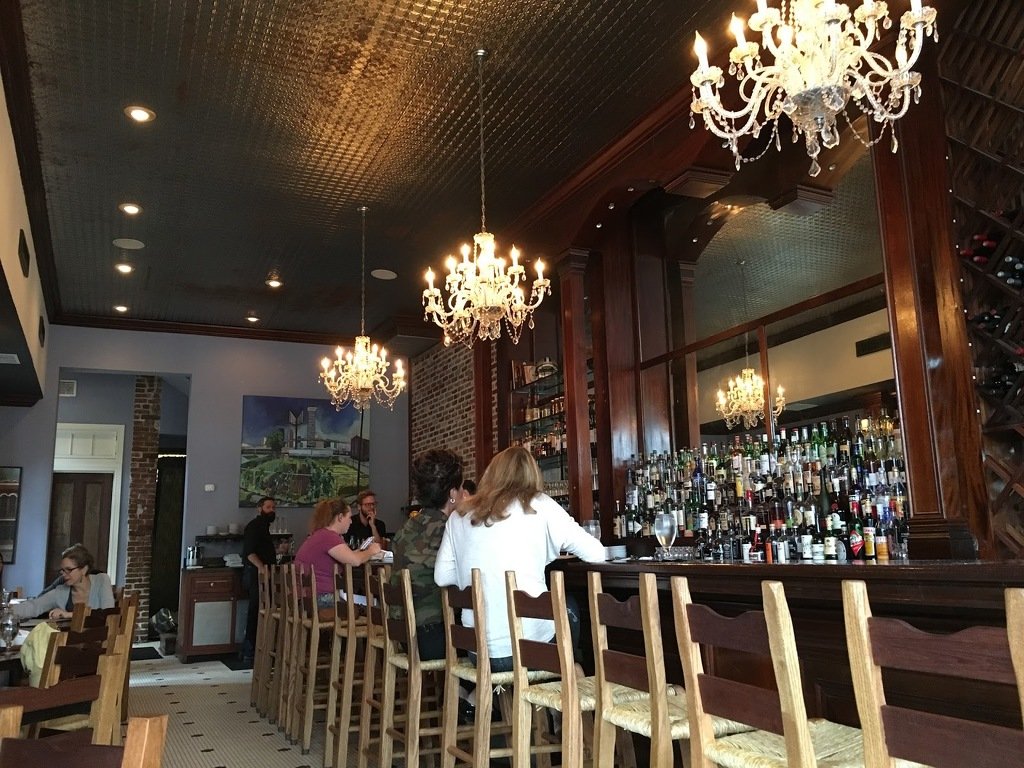
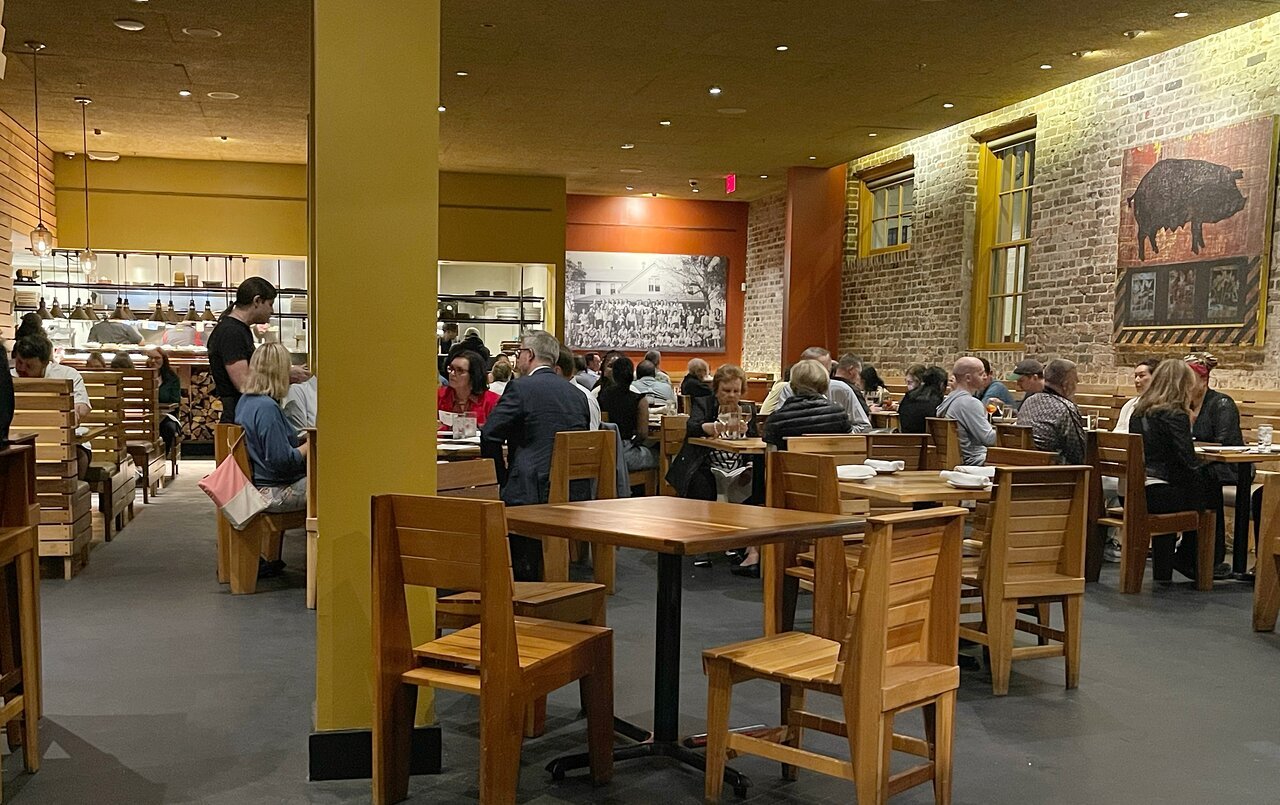
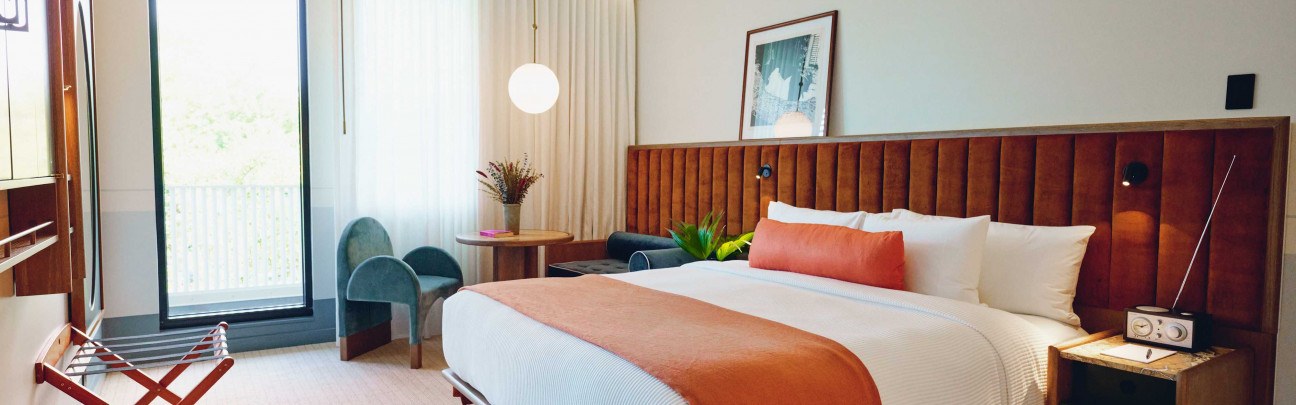
Cozy atmosphere with rustic-industrial surrounds and soft late sixties/early seventies soft rock music at conversational volume.