Charlie Palmer Steak Napa
Charlie Palmer Steak Napa anchors the 1st Street dining corridor with the kind of programme that treats California wine country as both backdrop and pantry. The bar operation earns its own attention alongside the main dining room, drawing on premium spirits and a cellar that reflects the surrounding AVAs. A serious steakhouse in a region that rarely needs more red meat on the table, and yet it works.
Where the Steak Counter Meets the Wine Valley Floor
Downtown Napa's 1st Street corridor has spent the better part of a decade repositioning itself as a credible dining address rather than a tasting-room appendage. The transformation has involved a particular kind of operator: national names with enough scale to bring professional kitchen infrastructure but enough local savvy to avoid arriving like a generic import. Charlie Palmer Steak Napa, at 1260 1st Street, belongs to that cohort. The Palmer group has run serious steakhouse operations in Las Vegas, New York, and Washington D.C. and the Napa outpost carries that institutional confidence into a city that, for all its wine prestige, has historically underserved the dinner-after-tasting crowd looking for red meat and a proper drink.
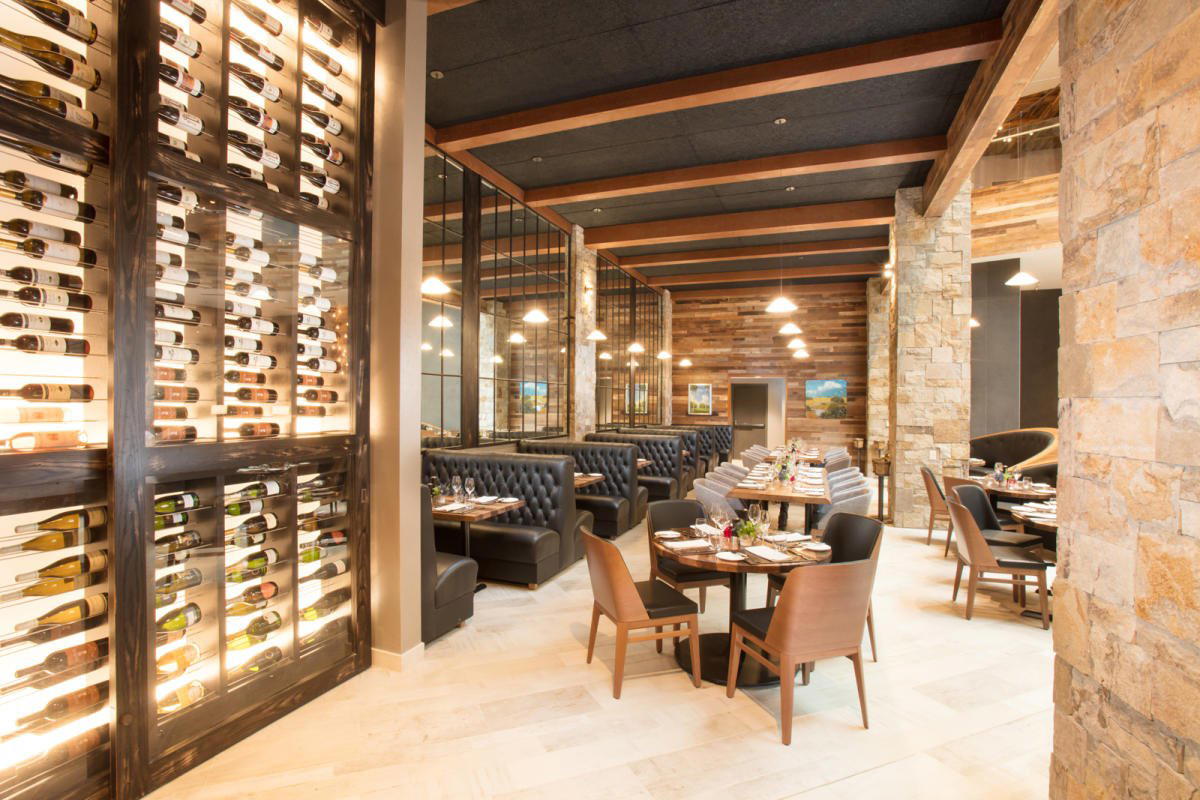
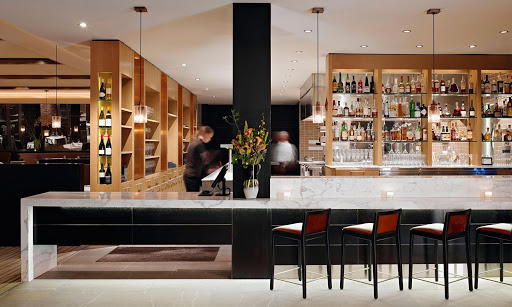
The physical setting reflects the broader character of the block: wine country scale rather than Manhattan vertical, with the kind of spatial generosity that allows for booth seating, a dedicated bar area, and room to exhale. Approaching from the street, the room reads as a steakhouse should, warm tones, a bar that announces itself before you reach the dining room, and enough ambient noise to feel like somewhere rather than nowhere. That bar is worth dwelling on.
The Bar Programme in Wine Country Context
Running a serious cocktail operation inside a wine-dominant region is a specific editorial challenge. Napa's default position is clear: the glass in front of you should contain something grown within eyeshot. The dining rooms along 1st Street, including Angele Restaurant & Bar and Celadon, reflect that bias. Wine lists run deep; cocktail programmes are often afterthoughts.
Charlie Palmer Steak Napa pushes back against that default without abandoning it entirely. A steakhouse bar of this calibre tends to operate on two registers simultaneously: the classic American canon (Old Fashioneds, Manhattans, a martini that arrives cold enough to mean it) and something more responsive to the local ingredient pantry. In wine country, that means spirit-forward builds that allow the kitchen's sourcing to bleed into the glass, seasonal fruit, local producers where possible, and a wine list that does what a wine list in Napa must do, which is take California seriously at every price tier.
The shift happening across premium cocktail bars in the western United States reinforces this dual-register approach. ABV in San Francisco built its reputation on treating cocktails with the same rigour as a restaurant wine programme. Kumiko in Chicago pushed the category further toward deliberate, technique-first construction. Closer to the accessible end of that spectrum, a steakhouse bar like Charlie Palmer's functions as a point of entry: craft-aware, professionally executed, and calibrated for guests who want a cocktail before beef rather than an avant-garde tasting flight. That positioning is legitimate and, in Napa's context, genuinely useful.
For comparison across the Napa bar scene, Cadet Wine & Beer Bar operates on the opposite axis, leaning almost entirely into wine and beer with minimal spirits programming. Blue Note Napa wraps its drinks list in a live music context. Charlie Palmer Steak sits in the middle: full bar, full kitchen, and no apologies for the format.
The Steakhouse Tradition in a Wine-First City
American steakhouse culture and California wine country have always had an uneasy relationship. The wine side of the industry has spent decades arguing that beef and Cabernet Sauvignon are the natural pairing, and they are not wrong, but the dining infrastructure of Napa Valley has historically prioritised winery restaurants and farm-to-table formats over the pure red-meat proposition. That means the serious steakhouse occupies a gap in the local ecosystem rather than a crowded shelf.
The Palmer group's national track record matters here. Running steakhouse operations at the level of D.C.'s political dining scene or Las Vegas resort floors requires a particular competence: premium sourcing relationships, kitchen consistency across a menu built on expensive, variable product, and a floor team capable of selling both beef grades and wine vintages to guests who know the difference. That institutional knowledge transfers to a regional market like Napa, where the ceiling on guest expectations is higher than in most mid-sized American cities because the visitor base skews toward people who have eaten well before.
Across the broader cocktail bar category, the venues that hold up in demanding markets share a few characteristics: technical competence, a wine list that earns its length, and a floor team that can move between spirits conversation and agricultural storytelling without losing the thread. Jewel of the South in New Orleans demonstrates what genuine bar scholarship looks like at the regional level. Julep in Houston built a programme around a specific cultural tradition rather than generic craft positioning. Bar Leather Apron in Honolulu carved out serious cocktail credibility in a market equally dominated by wine and tourism.
Planning Your Visit
Charlie Palmer Steak Napa sits at 1260 1st Street in downtown Napa, within walking distance of the main hotel corridor and the Oxbow Public Market end of town. Downtown Napa has become genuinely walkable over the past decade, which means arriving on foot from most central accommodation is feasible. For visitors coming from the valley floor wineries, the drive into town is short and parking on and around 1st Street is manageable outside of weekend peak hours.
The format, a full-service steakhouse with a dedicated bar, means this works as both a destination dinner and a bar-first visit with dinner as a secondary consideration. Groups who want the full dining room experience, including the wine list in depth, should approach a reservation with the same advance planning they would apply to any high-demand Napa restaurant. Weekend evenings move quickly across the downtown corridor, including at adjacent spots like Angele and Celadon. The bar, by contrast, typically offers more flexibility for walk-in guests looking for a cocktail and a smaller plate.
For those building a longer Napa itinerary, our full Napa restaurants guide maps the downtown dining corridor in detail, with context on which rooms suit which type of evening. Beyond Napa, the broader regional cocktail conversation continues at Superbueno in New York City and The Parlour in Frankfurt on the Main, both of which represent the international end of the bar programme spectrum that Charlie Palmer's operation engages from the California side.
Fast Comparison
| Venue | Cuisine | Price | Awards |
|---|---|---|---|
| Charlie Palmer Steak NapaThis venue (the venue you are viewing) | This venue | Not listed | Not listed |
| Cadet Wine & Beer Bar | Not listed | $20–30 | Star Wine List |
| Chispa | Food + Drink | Not listed | $30–50 | Not listed |
Continue exploring
More in Napa
Bars in Napa
All bars in Napa →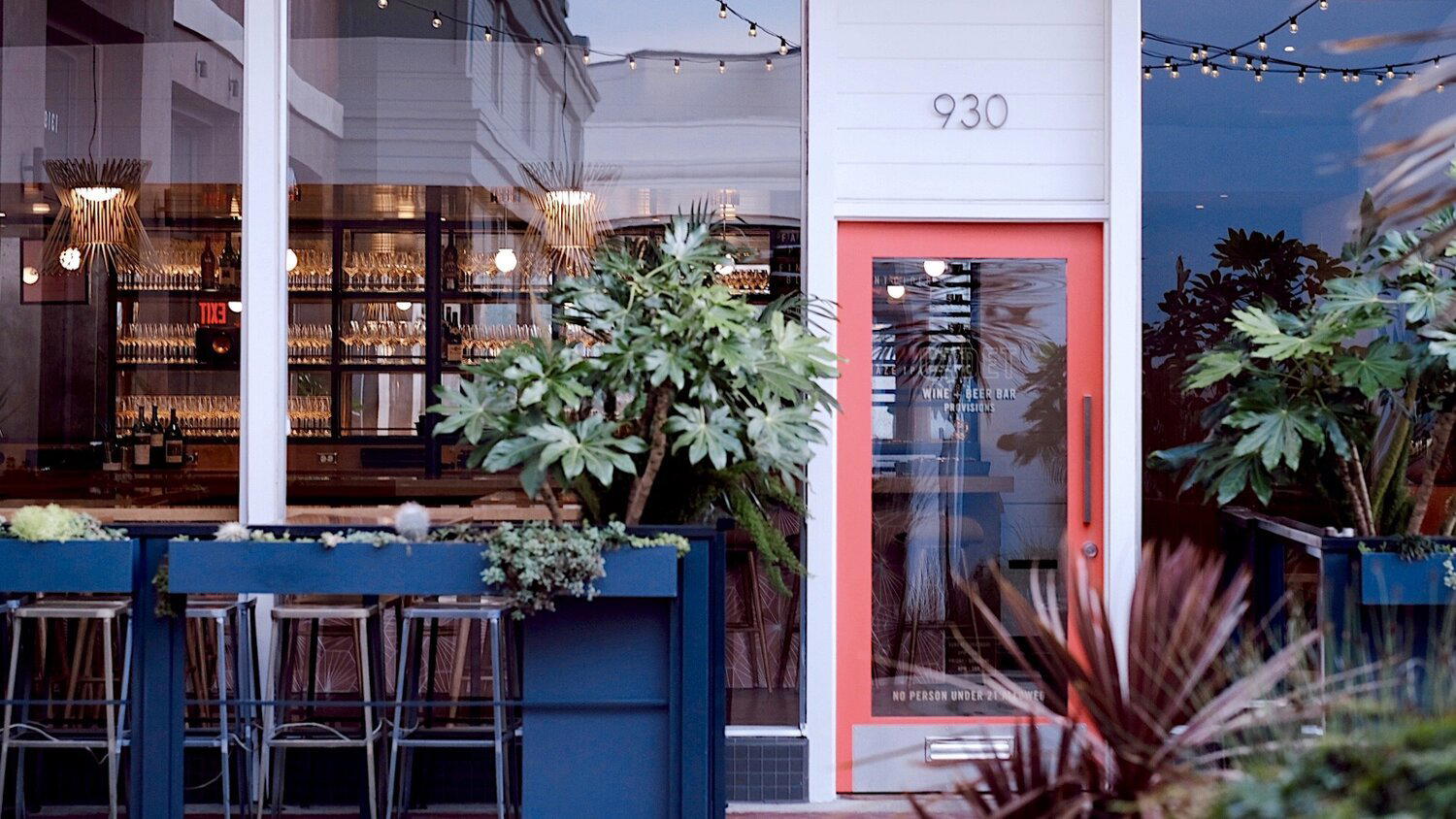
Restaurants in Napa
All restaurants in Napa →
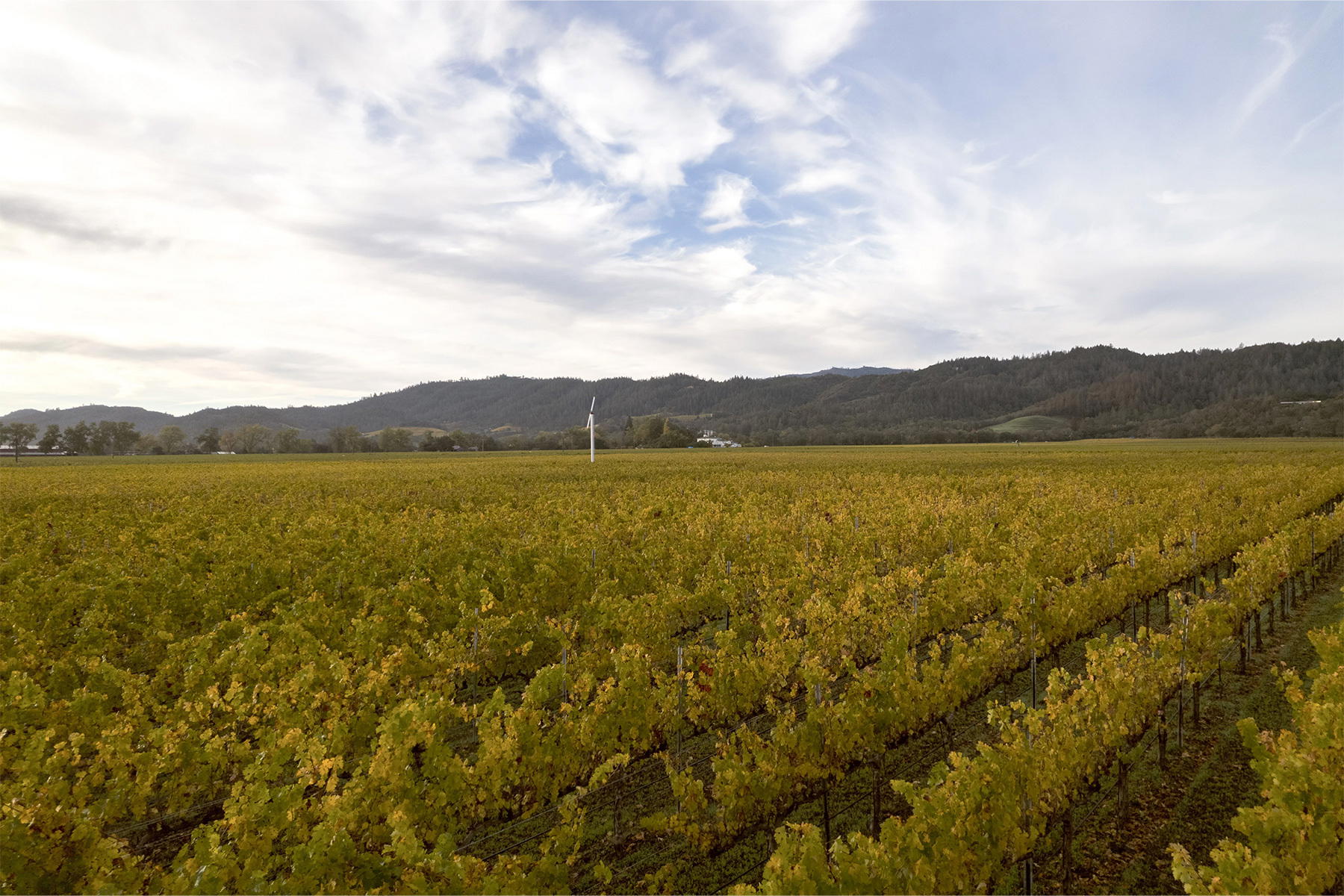
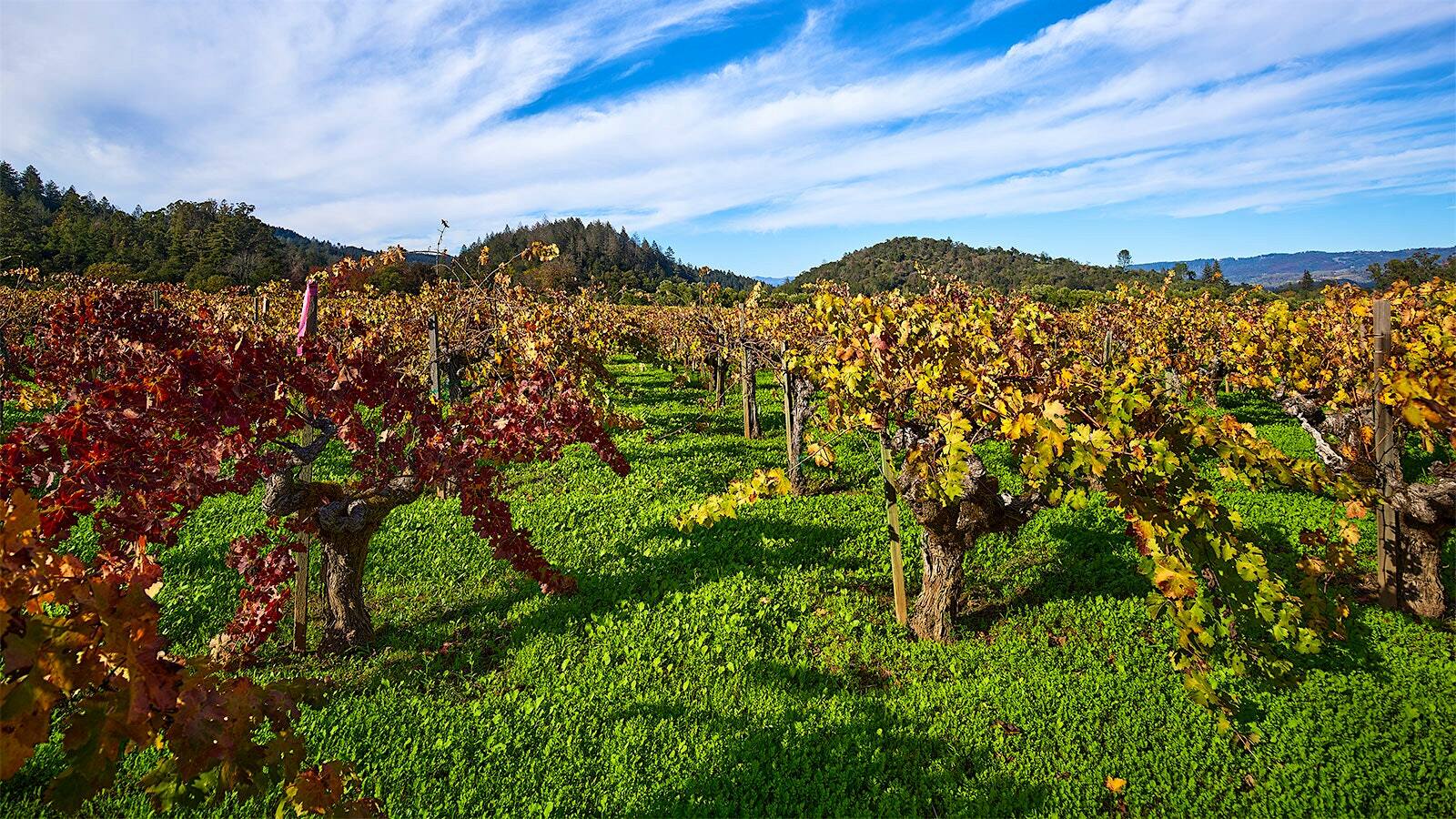
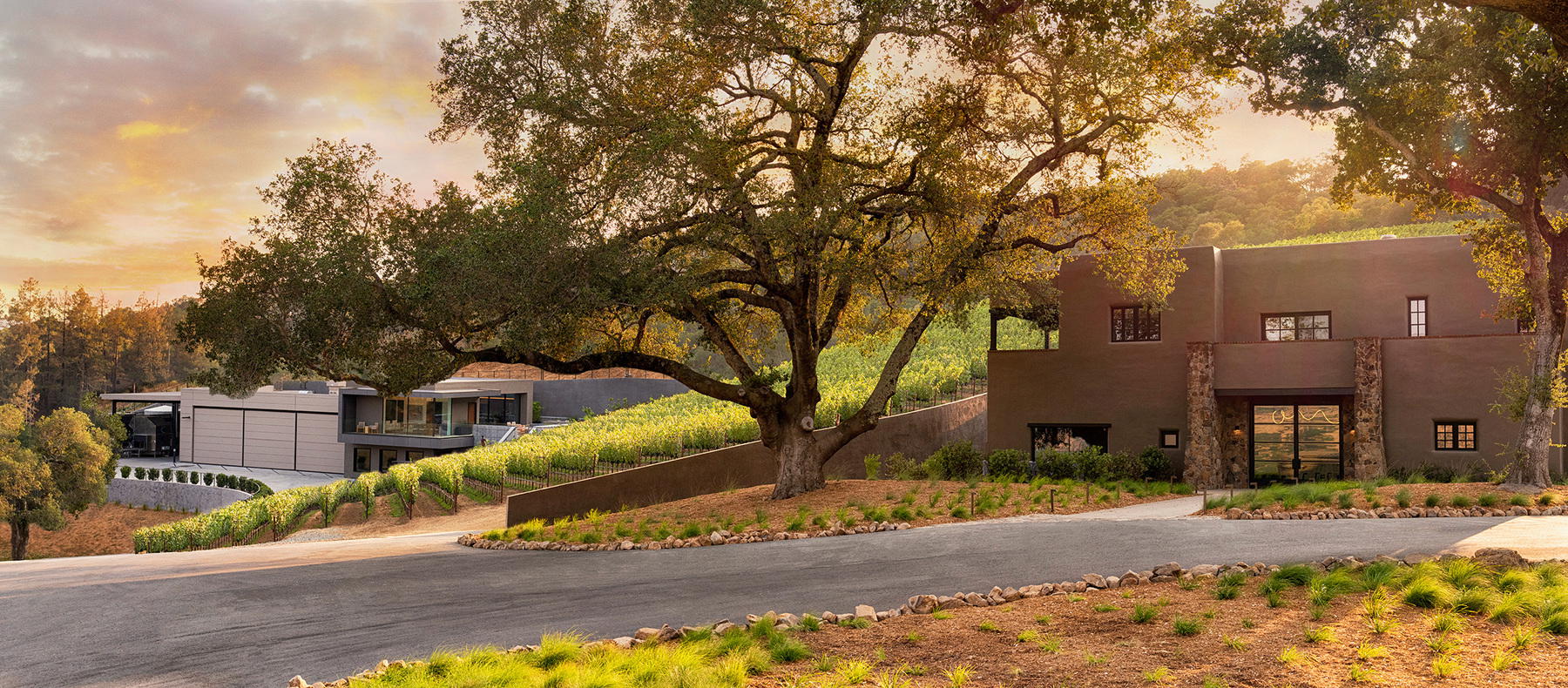
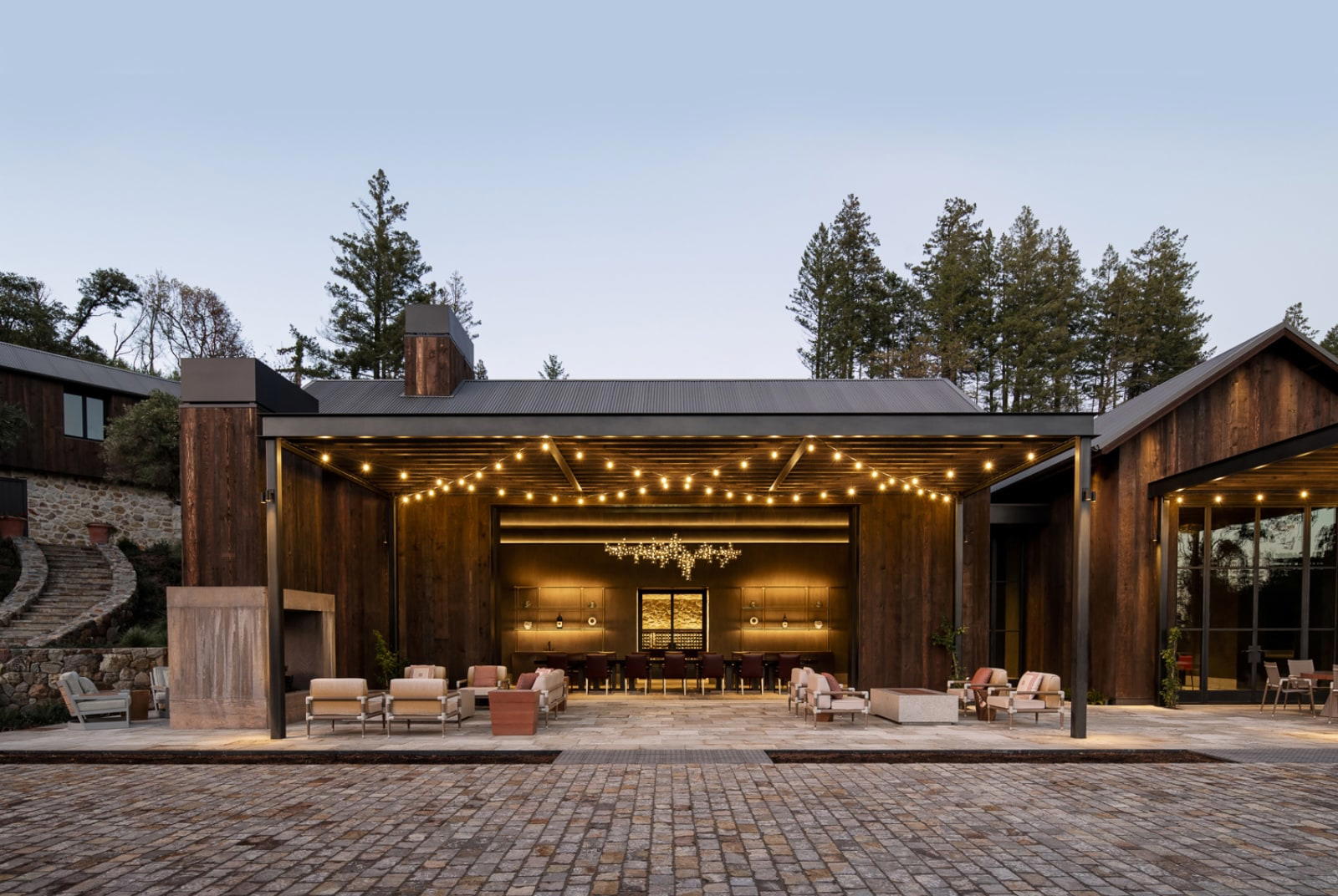
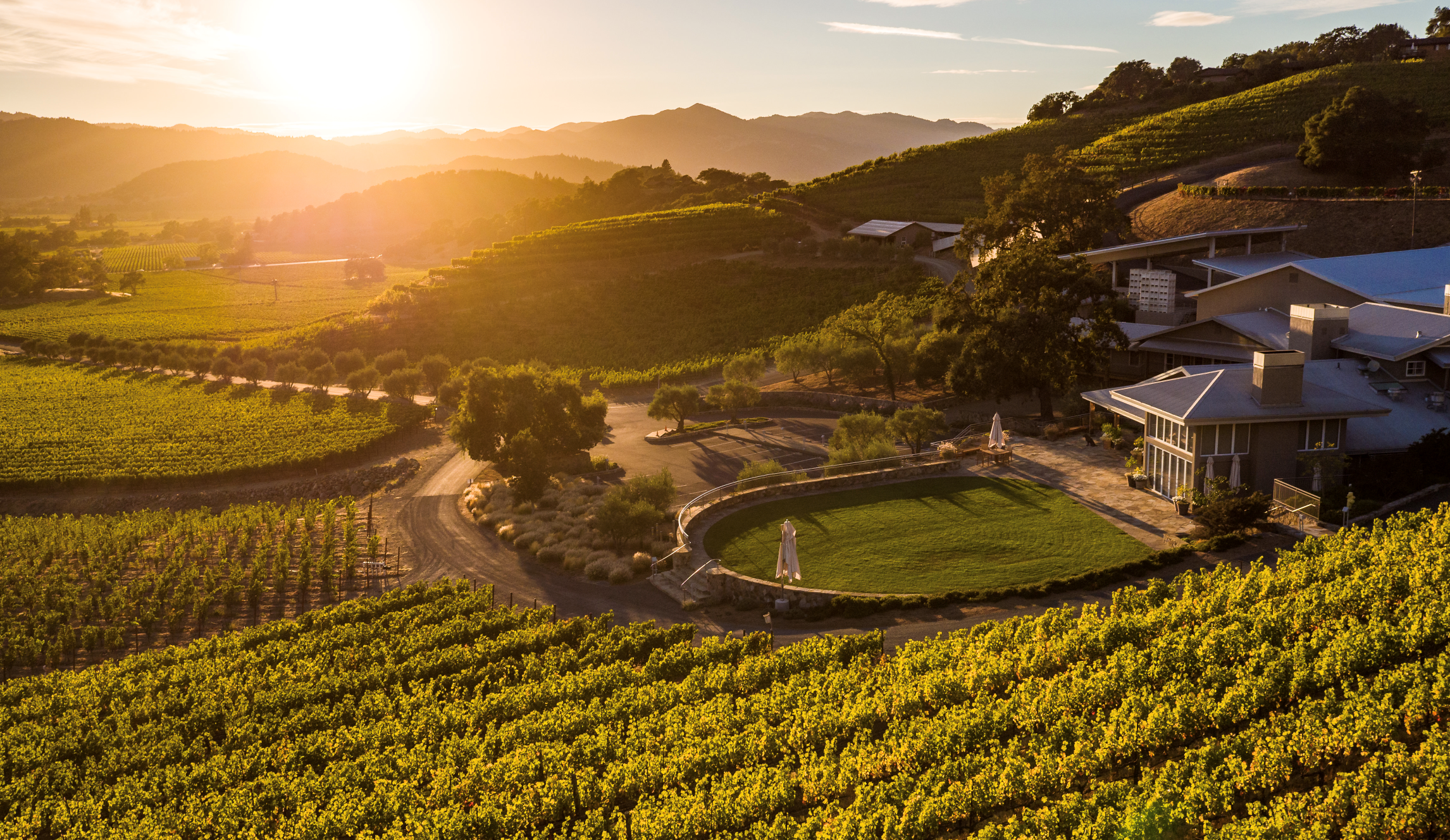
Charlie Palmer Steak Napa
The wine
- Wine program
- Deep wine list
- Craft cocktails
- Classic cocktails
Signature drinks: Perfect Espresso Martini, South of the Border Negroni, The Last Word.
Details
- Elegant
- Sophisticated
- Classic
- Date Night
- Special Occasion
- Group Outing
- Hotel Bar
- Lounge Seating
- Seated Bar
- Classic Cocktails
- Craft Cocktails
- Street Scene
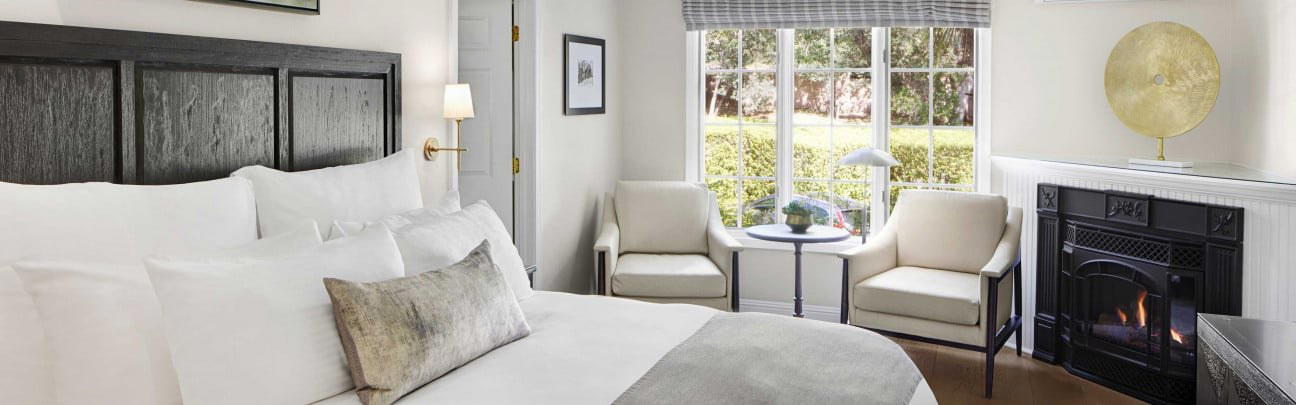
Chic and elegant atmosphere reflecting wine country vibrancy, with stylish design in the Archer Hotel's ground floor.