CH Distillery | Jōtō Sushi
A dual-concept address on West Randolph Street, CH Distillery pairs its craft spirits program with Jōtō Sushi, placing Japanese omakase-style dining inside one of Chicago's most active restaurant corridors. The combination of in-house distilling and counter sushi is uncommon in the Midwest, making this a reference point for visitors tracking both the city's cocktail and Japanese dining scenes.

Pearl is the En Primeur Club membership app — saves, bookings, and concierge access live there. Same editors, same standards.
- Address
- 564 W Randolph St, Chicago, IL 60661
- Phone
- (312) 707-8780
- Hours
- Mon 4–9:30 PMTue 11:30 AM–3 PM, 4–9:30 PMWed–Thu 11:30 AM–2:30 PM, 4–9:30 PMFri 11:30 AM–2:30 PM, 4–10:30 PMSat 4–10:30 PMSun 4–9 PM
- Website
- chdistillery.com
- Directions
- Get directions
- Booking
- Book on OpenTable
West Randolph Street and the Art of the Two-Concept Address
West Randolph Street has spent the better part of two decades accumulating serious dining weight. The corridor running from the Loop's western edge into Fulton Market now contains some of Chicago's most discussed restaurant addresses, and the pattern that defines it is density: multiple serious operators within a few blocks, each occupying a specific position in the city's dining hierarchy. At 564 W Randolph, CH Distillery and Jōtō Sushi operate as a combined concept, a spirits-producing house sharing a roof with an omakase-inflected sushi counter. That pairing is less unusual in a city like Tokyo or New York, where dual-concept formats have proliferated at the premium end of the market, but in Chicago it remains a relatively distinct format, particularly when the spirits side involves genuine in-house production rather than a curated bar program.
The logic of the pairing matters more than its novelty. Craft distilleries that operate their own bars have a structural advantage in drink programming: the spirit selection can be built around what the house actually makes, rather than assembled from a distributor catalogue. Set that alongside an omakase-adjacent sushi counter, where the kitchen controls the pace and the guest follows a set sequence, and you have two operations that share a similar philosophy about pacing and host authority. The meal moves when the counter is ready; the drink is what the house made.
The Ritual of the Counter: How Omakase Dining Works on Randolph
Counter sushi in Chicago occupies a narrower market position than in the coasts. The city has a smaller pool of high-end omakase seats than New York or Los Angeles, which means the few counters that operate at the upper tier of the format carry disproportionate significance for visitors tracking Japanese dining outside the major coastal markets. Jōtō Sushi, sharing space with CH Distillery's distilling and cocktail operation, positions itself within that compact scene.
The defining discipline of counter sushi is sequencing. Unlike à la carte dining, where the guest assembles the meal, an omakase counter asks the diner to surrender that control. Pieces arrive in an order determined by the kitchen: lighter, more delicate fish first, fattier and more intensely flavoured cuts later. Rice temperature, fish temperature, and the gap between courses are all variables that the kitchen manages. The guest's role is attentiveness. Eating a piece immediately after it is placed, at the temperature and texture the kitchen intended, is not just etiquette but the point. Counter dining in this format is one of the few restaurant experiences where timing compliance from the guest is part of the dish's execution.
That ritual demands a specific kind of drinking pairing. The conventional Japanese approach pairs lighter sakes with early courses and moves toward richer junmai or aged varieties as fish intensity builds. A distillery operating the adjacent bar creates a different possibility: spirits-based pairings, house-made infusions, or cocktails calibrated to complement rather than overwhelm the fish. How that integration is realised at Jōtō specifically is a function of the house's current program, which visitors should confirm before booking, as distillery and sushi counter menus at this format level typically rotate with production and sourcing.
The Chicago cocktail scene has matured into a recognisable set of tiers. At the top of the craft end, places like Kumiko have built reputations around Japanese whisky depth and ingredient-led cocktail construction. Leading Intentions operates in the neighbourhood-forward, lower-key serious bar category. Bisous and Lemon each represent distinct program philosophies in the city's bar conversation. CH Distillery occupies a different bracket from all of them: its identity is production-first. The bar is the distillery's showroom, not a standalone cocktail concept that happens to stock spirits. That distinction shifts how you should read the drink list. What is available reflects what has been made, aged, and bottled in-house, and that constraint is also the proposition.
For comparison across American cities, the production-bar format sits alongside concepts like ABV in San Francisco, where technical seriousness defines the program, or Jewel of the South in New Orleans, which anchors its identity in a specific regional tradition. Julep in Houston and Allegory in Washington, D.C. each demonstrate that the most distinctive bar programs in American cities tend to be those with a clear internal logic, rather than those that attempt to serve every category equally. CH Distillery's internal logic is the production process itself. Internationally, that approach finds parallels at places like Bar Leather Apron in Honolulu and The Parlour in Frankfurt on the Main, where depth of craft is demonstrated through restraint in scope. Superbueno in New York City offers another model: a distinct concept identity that makes the program legible from the first drink.
Planning Your Visit: Booking, Timing, and Format Expectations
For a combined concept of this type on West Randolph Street, advance booking is the baseline assumption, not a precaution. Chicago's better sushi counters operate with limited seat counts, and the combination of a distillery bar and a dedicated sushi operation means the two programs may not always be bookable together or on the same night. Visitors should confirm the current format, seat availability, and pairing options directly through the venue's booking channel before visiting. The address is accessible from the Loop on foot or via CTA, with West Randolph Street well-served by transit connections from most central Chicago neighbourhoods. For a fuller view of Chicago's dining and bar scene, the EP Club Chicago guide maps the city's key addresses by neighbourhood and category.
The question of when to visit matters more for the sushi counter than for the distillery bar. Counter sushi at the omakase format level generally runs to a fixed schedule of seatings, often two per evening. Arriving after your seating time compresses the experience for the entire counter. This is one format where punctuality is a practical issue rather than a social nicety.
Cuisine and Recognition
A short peer table to compare basics side-by-side.
| Venue | Cuisine | Price | Awards |
|---|---|---|---|
| CH Distillery | Jōtō SushiThis venue — the venue you are viewing | Not listed | $50–100 | Not listed |
| Bisous | Not listed | $20–30 | World's 50 Best #30 · James Beard Award Semi Finalist |
| The Aviary | Cocktail Lounge | $150–200 | World's 50 Best #41 · James Beard Award Outstanding Bar Program |
| Three Dots & a Dash | Not listed | $50–100 | World's 50 Best #27 |
| Best Intentions | Not listed | $20–30 | World's 50 Best #16 · James Beard Award Semi Finalist |
Details
- Modern
- Trendy
- Lively
- Industrial
- Energetic
- Date Night
- After Work
- Casual Hangout
- Design Destination
- Standalone
- Seated Bar
- Lounge Seating
- Craft Cocktails
- Sake
- Whiskey
- Gin
- Rum
- Mezcal
- Tequila
- Zero Proof
Current opening hours
- Monday
- 4–9:30 PM
- Tuesday
- 11:30 AM–3 PM, 4–9:30 PM
- Wednesday
- 11:30 AM–2:30 PM, 4–9:30 PM
- Thursday
- 11:30 AM–2:30 PM, 4–9:30 PM
- Friday
- 11:30 AM–2:30 PM, 4–10:30 PM
- Saturday
- 4–10:30 PM
- Sunday
- 4–9 PM
Hours can change for holidays and private events. Last verified .
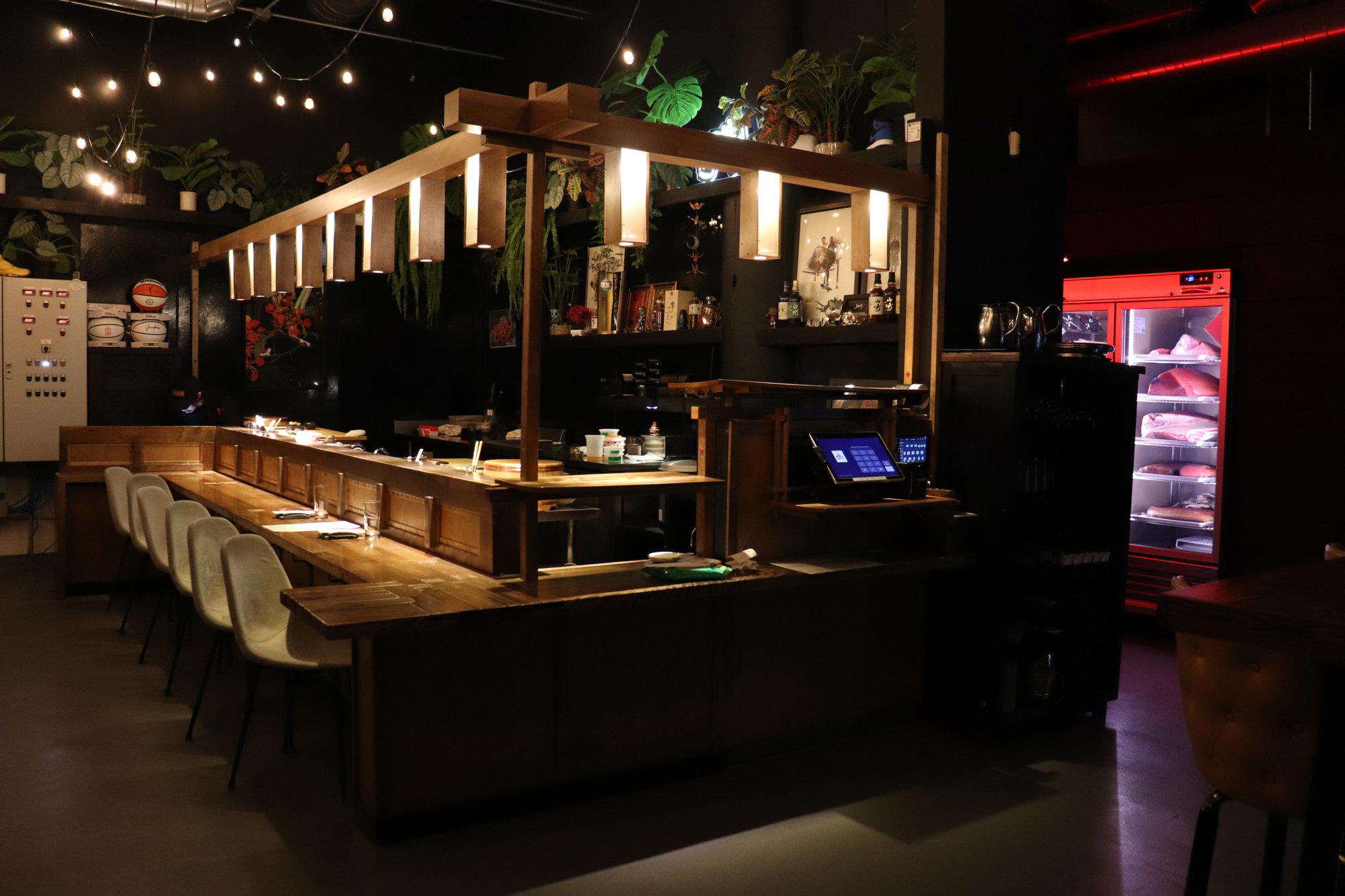
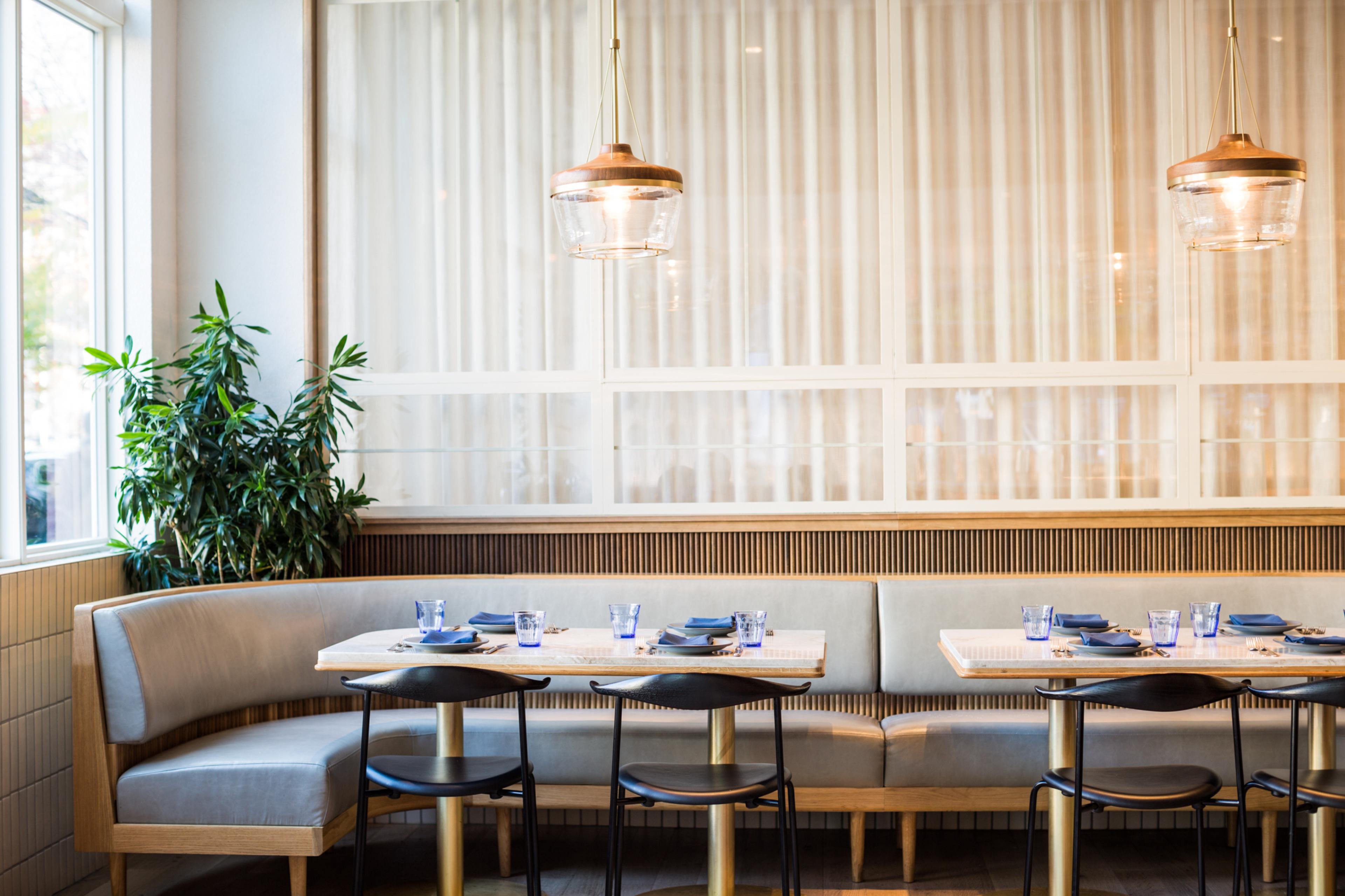
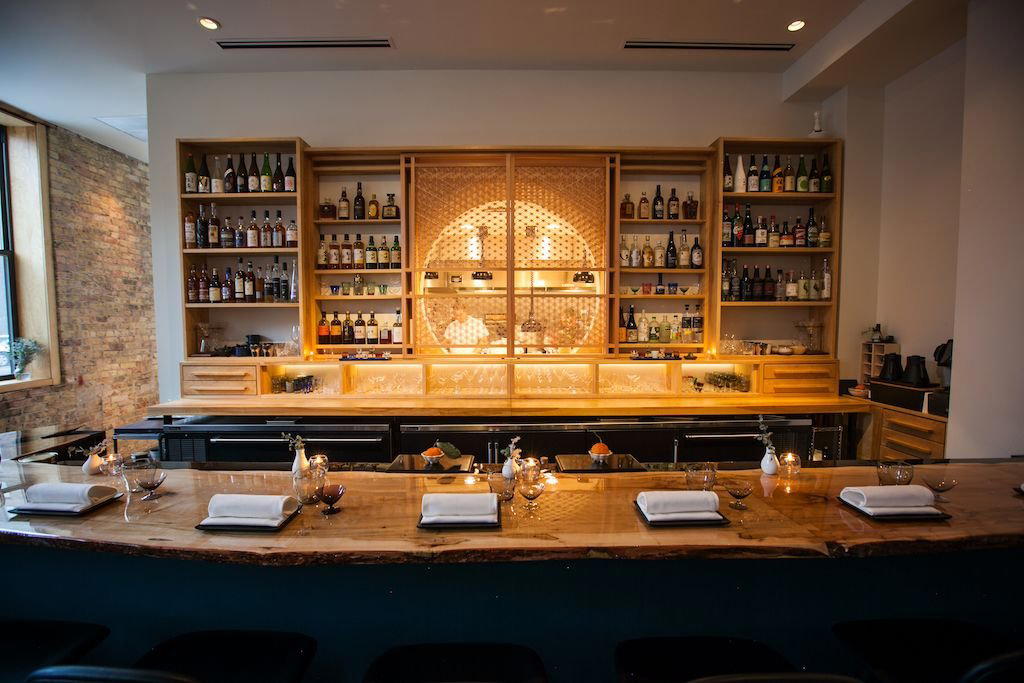
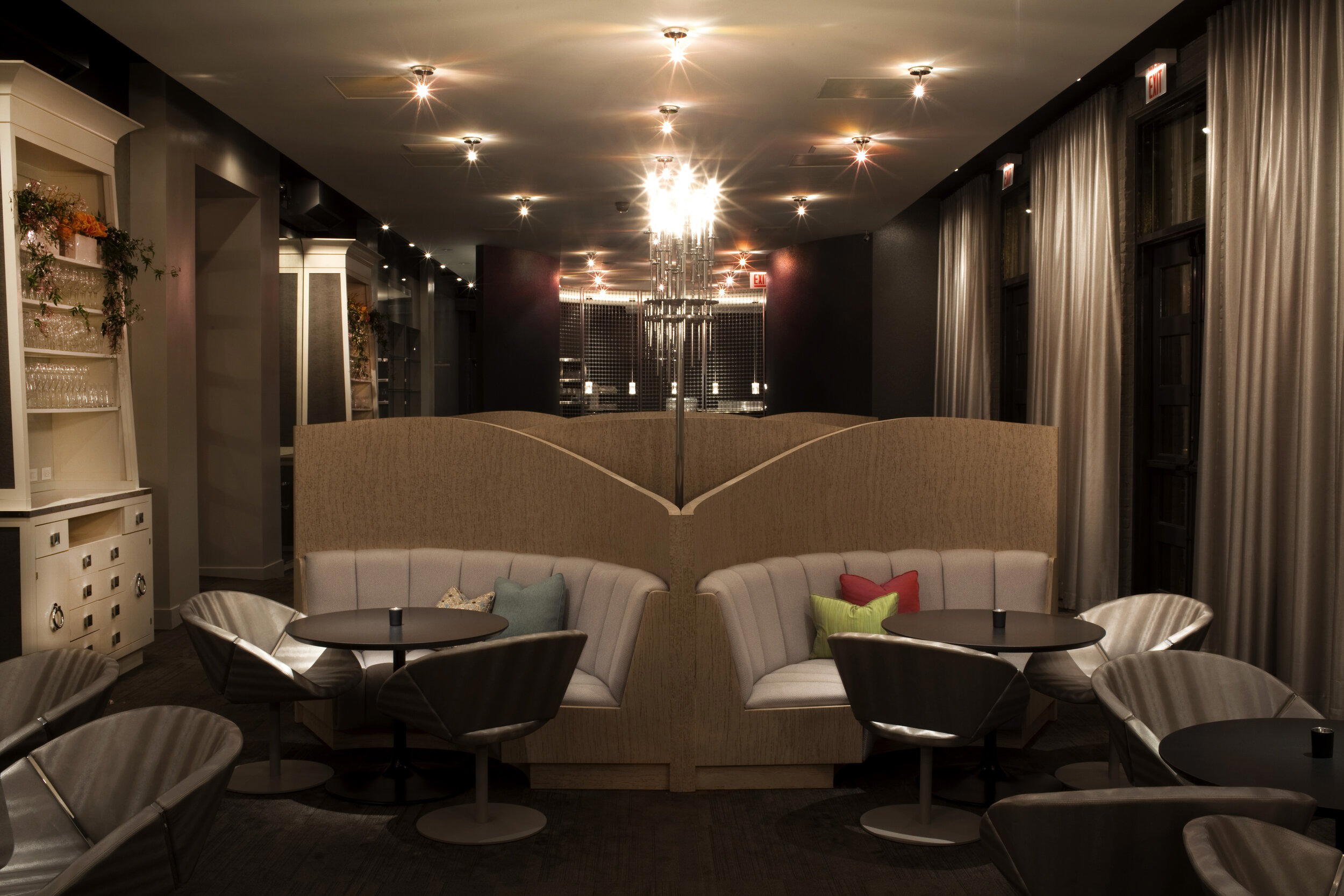
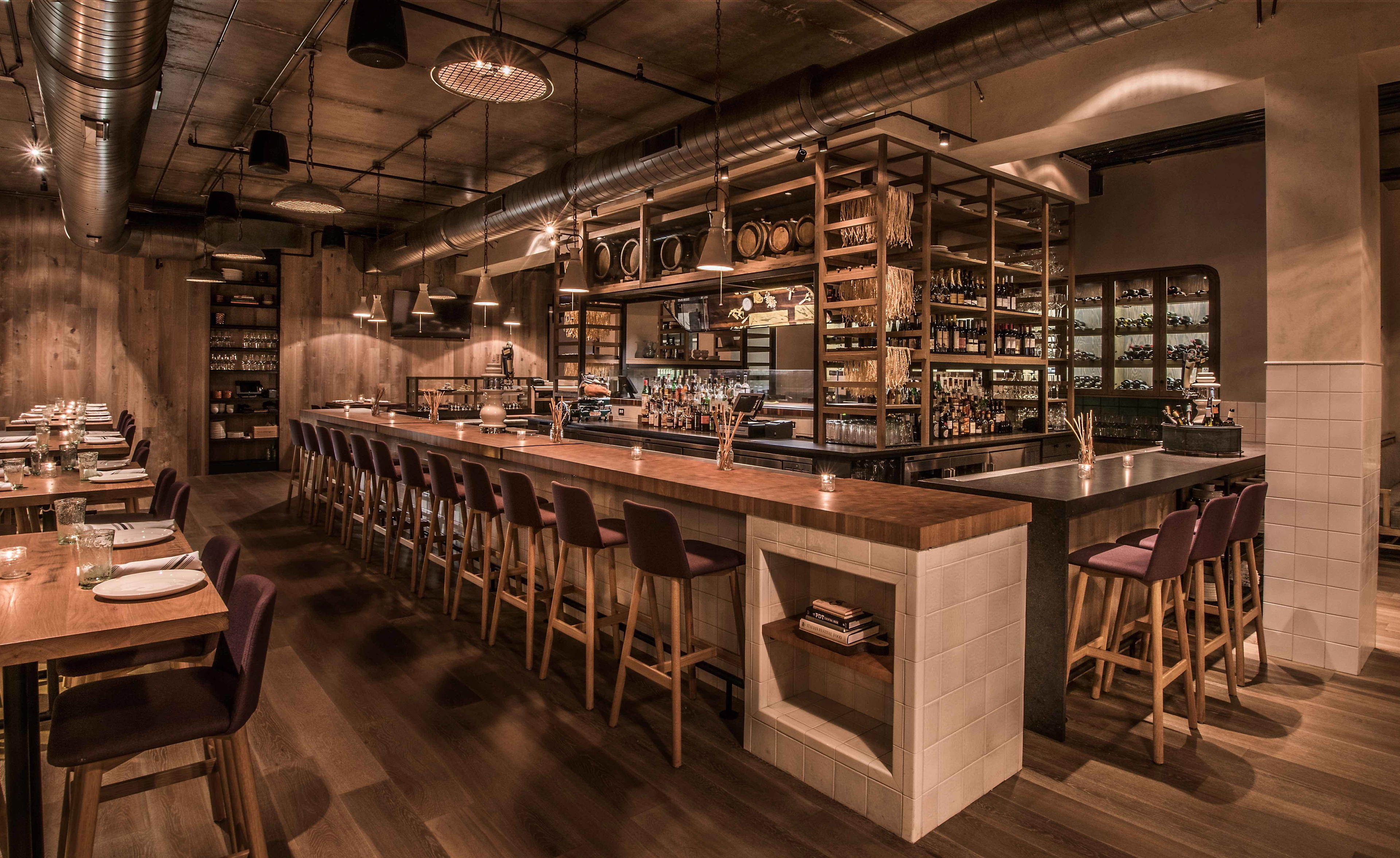
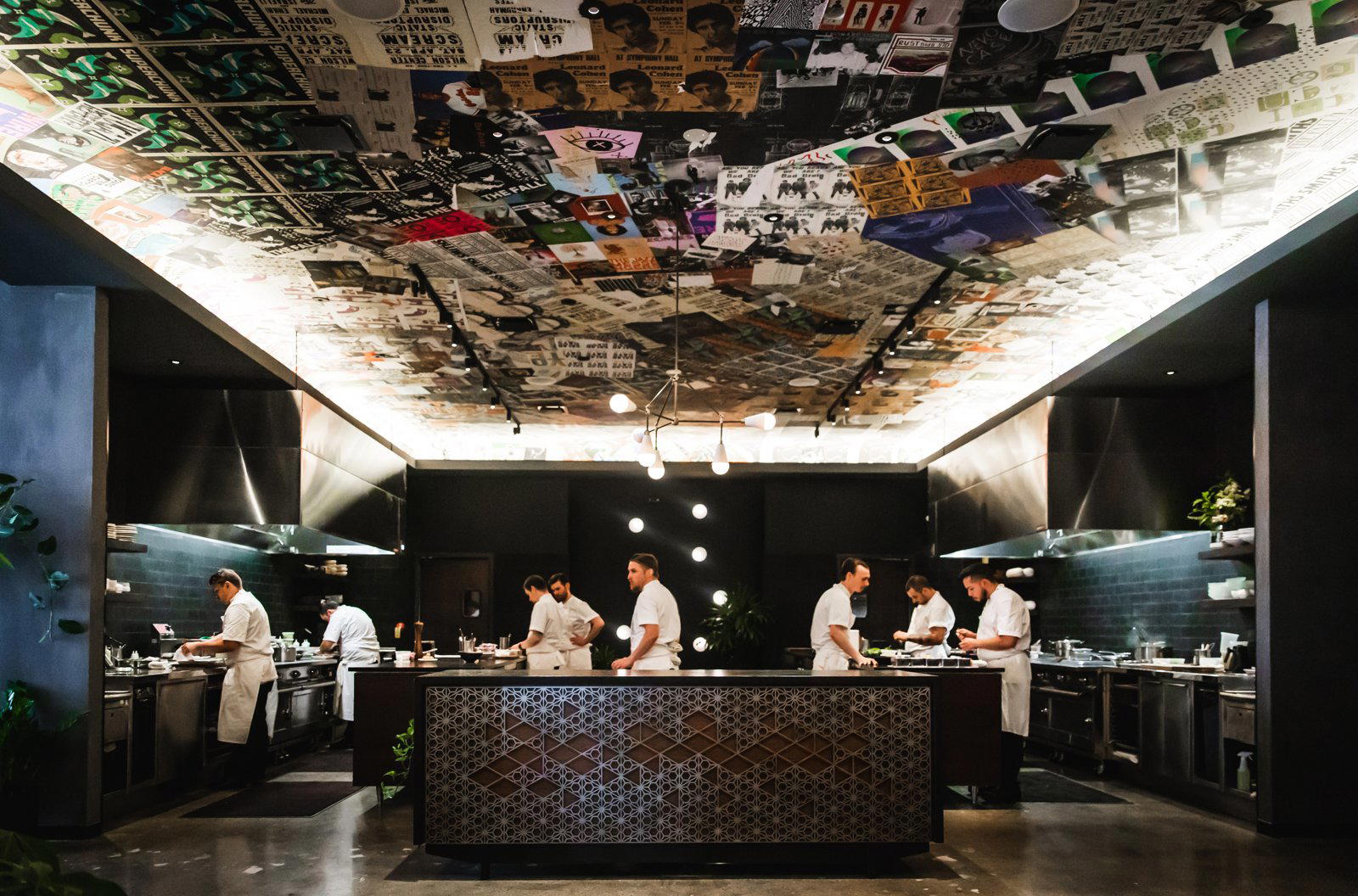
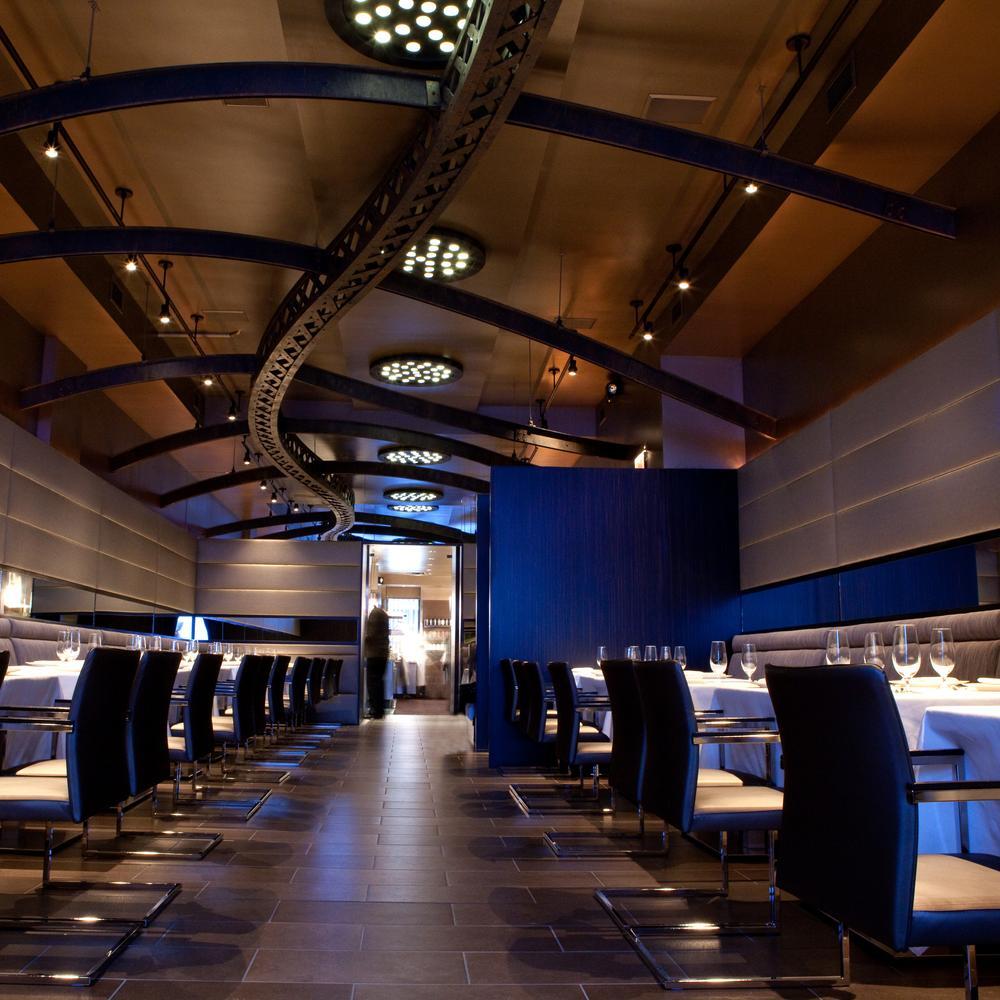
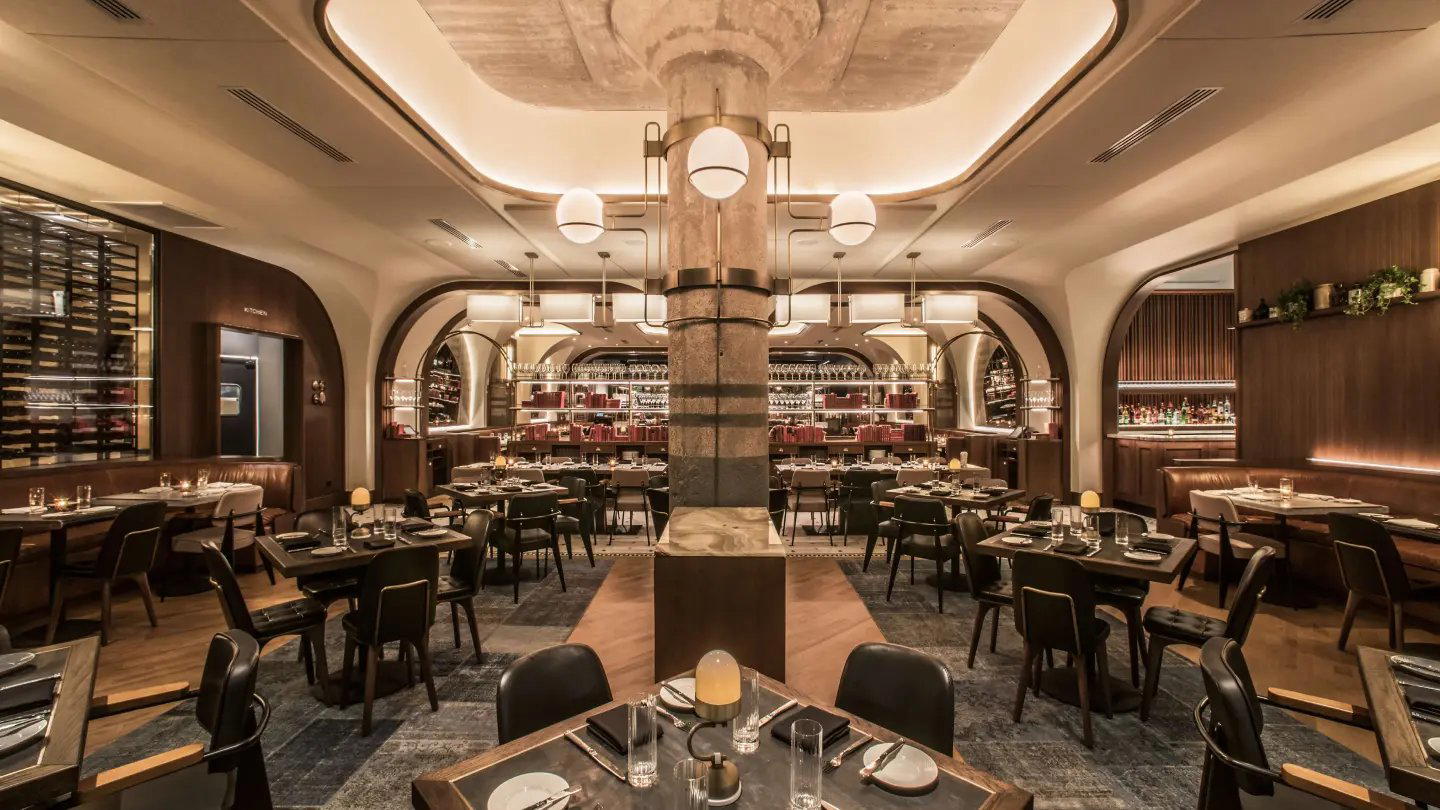
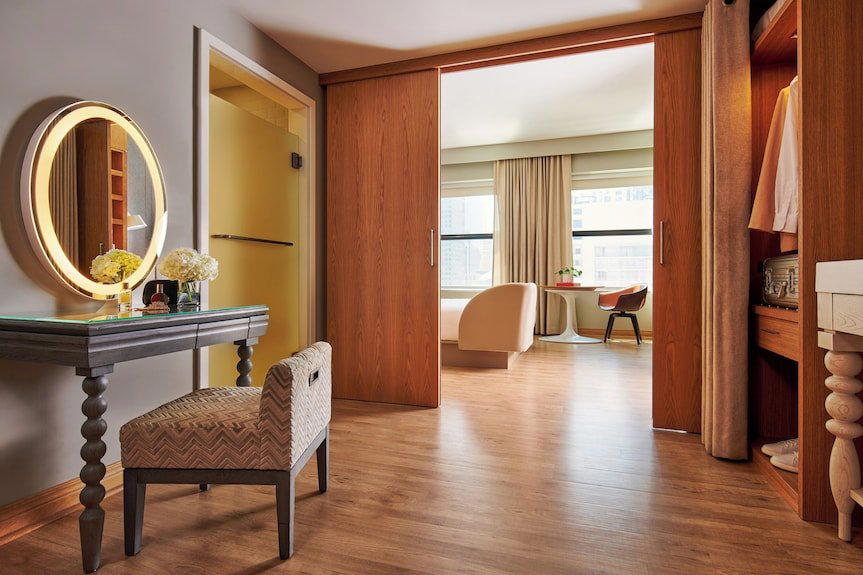
Modern industrial vibe with intimate lighting, sleek decor, open kitchen, and lively yet conversational energy.