Occupying a prime position on Piazza di San Giovanni, in the shadow of the Baptistery, Caffè Scudieri Firenze is one of the city's most historically freighted café addresses. The setting frames everything from morning espresso to aperitivo hour with a backdrop that few European café terraces can match. For visitors moving between Florence's historic bars, it belongs on any considered itinerary of the centre.

Pearl is the En Primeur Club membership app, where members save venues, book tables and use the concierge.
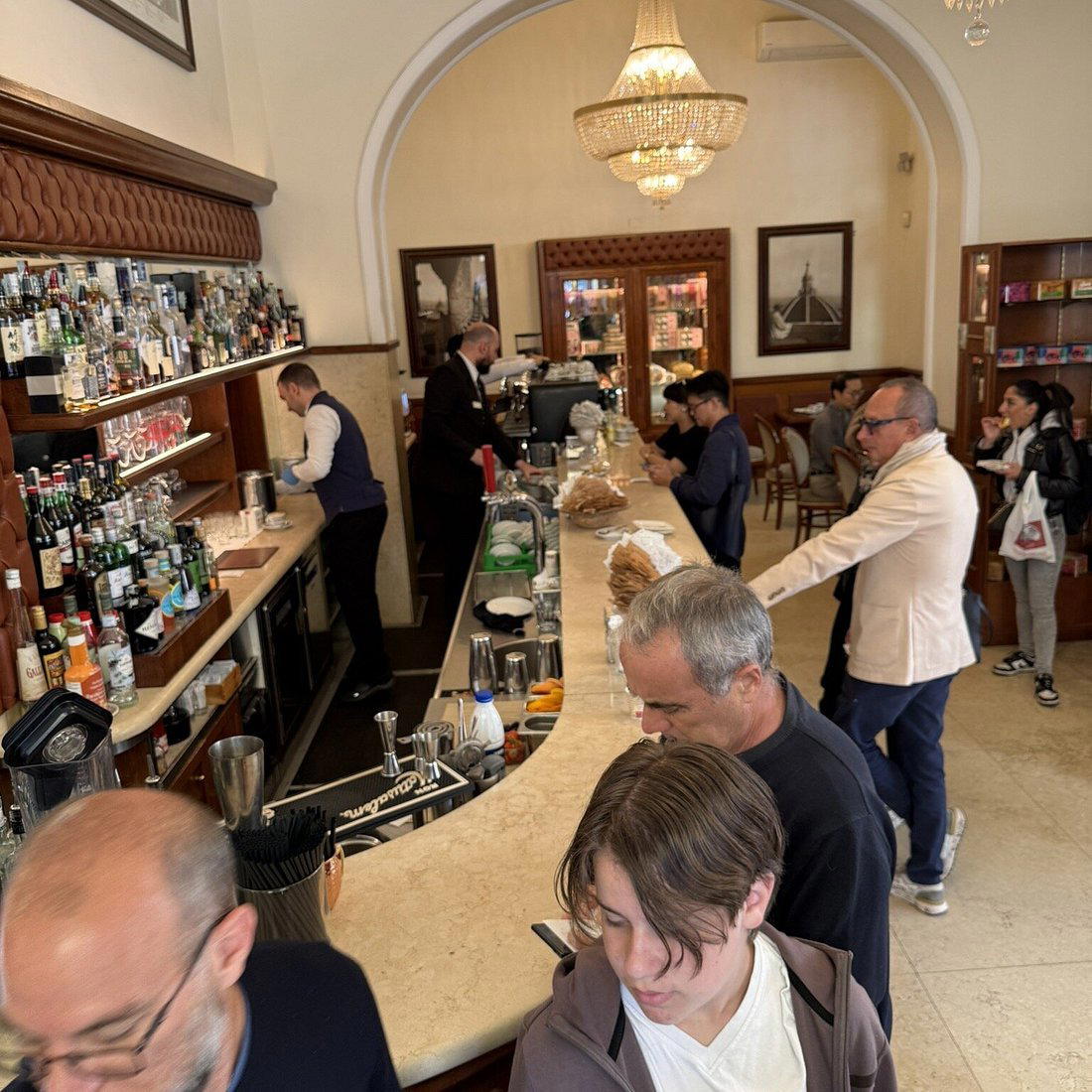
Standing Orders on the Piazza
Florence's historic café circuit runs along a specific geography. The city's most durable café institutions cluster near major piazze, operating on a logic that has more to do with footfall, heritage, and civic theatre than with any single proprietor's ambition. Caffè Scudieri Firenze occupies Piazza di San Giovanni 19R, placing it directly in the orbit of the Baptistery and the Cathedral, one of the most visited squares in Europe, and one of the most difficult addresses in which to hold serious attention over the long term. That it does is the more interesting editorial fact.
The café tradition in Florence predates the city's modern tourism infrastructure by centuries. These were originally spaces for debate, commerce, and social sorting. That civic function has eroded, but the physical architecture of the Florentine café, the marble counter, the glass pastry cases, the terrace chairs oriented toward the piazza rather than inward, encodes that original purpose. Caffè Scudieri sits inside that tradition. The terrace faces the Baptistery's bronze doors; the positioning is as deliberate as any room in the city.
The Aperitivo Frame
Italian café culture has always operated across multiple dayparts, but the aperitivo hour is where Florence's historic café addresses make their most coherent case for attention. The shift from caffeine to alcohol, from espresso to Negroni or Campari soda, happens in a very specific window, roughly five to eight in the evening, and the Florentine version of this ritual is more restrained than Milan's, less theatrical than Rome's. What matters is the drink's composition, the pace, and the quality of the setting. At an address like Scudieri, the Baptistery as ambient backdrop is a piece of context that no purpose-built cocktail bar in the city can replicate.
Florence's cocktail scene has matured considerably over the past decade. Venues like Gucci Giardino and Locale Firenze have pushed the city's bar culture toward a more technically ambitious register, while Atrium Bar and BABAE each represent distinct programme approaches within the contemporary tier. Caffè Scudieri operates in a different register entirely: it does not compete with these venues on technique or creative menu construction. Its competitive set is the historic café, not the cocktail bar. That distinction matters when framing expectations.
Drinks in Context: What the Piazza Café Offers
The drinks programme at a Florentine historic café is intentionally classical. Campari, Aperol, Negroni, house sparkling wine: the vocabulary is narrow and that narrowness is the point. What varies between addresses is execution, the temperature of the glass, the proportions of the build, the freshness of the garnish, the quality of the ice. These are small variables in objective terms, but in the context of a setting as charged as Piazza di San Giovanni, they determine whether the experience holds or collapses into tourist transaction.
Historically, the Negroni is the drink that travels leading from a Florentine café terrace to critical memory. Its origin is Florentine, Count Camillo Negroni's alleged modification of the Americano at Caffè Casoni around 1919, which gives the drink a particular local resonance that Aperol spritzes, however popular, cannot claim. At any serious café on this circuit, the Negroni is the reference drink, and ordering it is as much a calibration exercise as a consumption choice. For a comparative lens on Italy's more technique-forward cocktail culture, 1930 in Milan, Drink Kong in Rome, and L'Antiquario in Naples each represent the specialist bar end of the spectrum, against which the Florentine café tradition reads as deliberately, almost stubbornly, classical.
Pastry, Coffee, and the Morning Case
The aperitivo case does not exhaust what Caffè Scudieri offers. Morning café culture in Florence is dense and competitive, and the standards for espresso and cornetto are set high by local habit rather than visitor expectation. Florentines drink espresso standing at the bar, paying counter price, and moving on. The café that holds a local clientele through the morning hours is doing something correctly in its coffee programme, regardless of what the terrace looks like from the outside. This dual audience, locals at the bar, visitors on the terrace, is the structural reality of every historic café on the city's main piazze, and managing both simultaneously is a non-trivial operational challenge.
The pastry case at a serious Florentine café is also a distinct product category. Schiacciata alla fiorentina in February, cantucci in the afternoons, house-made biscotti: these are not decorative. They are the evidence of whether a café operates a real production programme or purchases in from a wholesaler. The distinction is legible in texture and freshness within the first bite, and Florentines of a certain generation will tell you exactly which houses on which piazze maintain actual production.
Placing the Visit: Practical Orientation
Piazza di San Giovanni connects directly to Piazza del Duomo, making Caffè Scudieri one of the most centrally located café addresses in the city. The surrounding area is at its highest density of visitors from mid-morning through late afternoon; the terrace shifts in character after six, when the guided tour groups thin and the aperitivo hour draws a different crowd. For those moving through Florence's bar circuit, the café makes most sense as either a morning anchor, espresso before the Baptistery queues form, or as an early aperitivo stop before continuing to a more technically programmed cocktail venue for the evening. Planning the broader Florence bar and dining circuit is covered in our full Florence restaurants guide.
Walk-ins are the default mode at café addresses of this type. There is no booking architecture for espresso or aperitivo at a piazza café, you arrive, you find a seat or take the bar, and you settle in. Peak terrace pressure runs from eleven in the morning through mid-afternoon and again during the aperitivo window. Outside those hours, the address is considerably more generous with space and pace.
For those building a wider Italian bar itinerary beyond Florence, the contrast between this kind of historic café format and the contemporary specialist bar tier is useful to hold in mind. Al Covino in Venice and Enoteca Historical Faccioli in Bologna each show how different cities handle the intersection of heritage setting and drinks programme. Further afield, Lost and Found in Nicosia and Bar Leather Apron in Honolulu illustrate how the specialist cocktail bar format translates across very different city contexts.
Fast Comparison
Comparable venues nearby, for context on price, style, and recognition.
| Venue | Cuisine | Price | Awards | Notes |
|---|---|---|---|---|
| Caffè Scudieri FirenzeThis venue (the venue you are viewing) | cocktail_bar | $10–20 | Not listed | Not listed |
| Mad – Souls & Spirits | cocktail_bar | $10–20 | Not listed | San Frediano |
| Sabor Cubano | cocktail_bar | $10–20 | Not listed | Santo Spirito |
| Enoteca Pitti Gola e Cantina | wine_bar | Not listed | Not listed | Santo Spirito |
| Bitter Bar | speakeasy | $20–30 | Top 500 Bars Best Bars #460 | San Niccolo |
Continue exploring
More in Florence
Bars in Florence
All bars in Florence →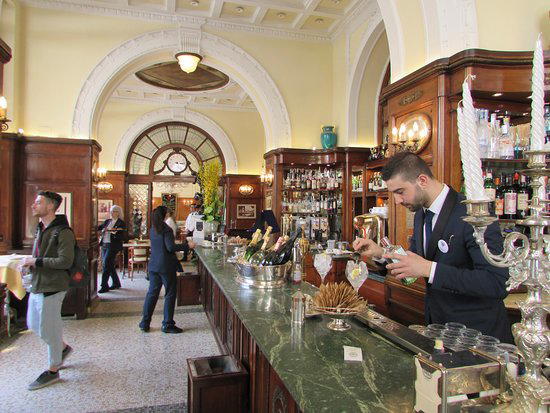
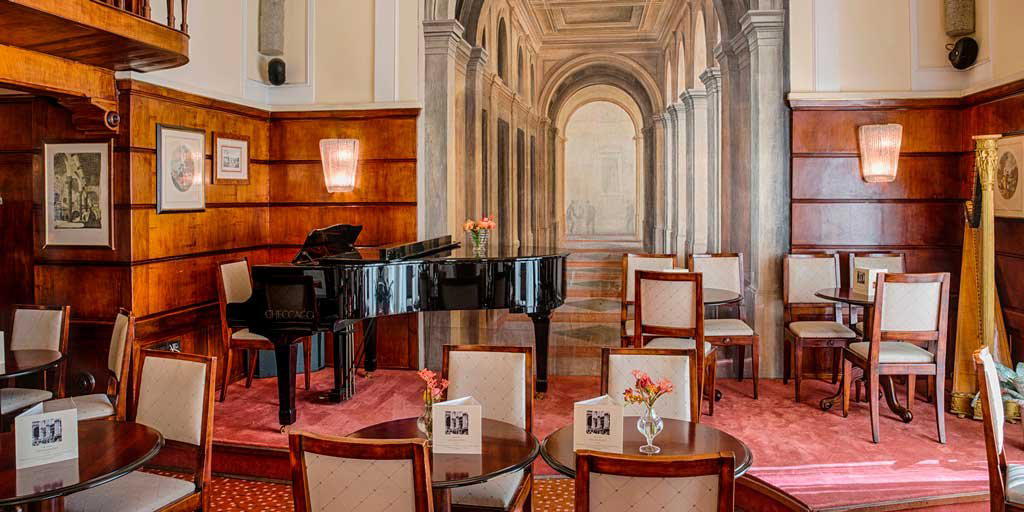
Restaurants in Florence
All restaurants in Florence →
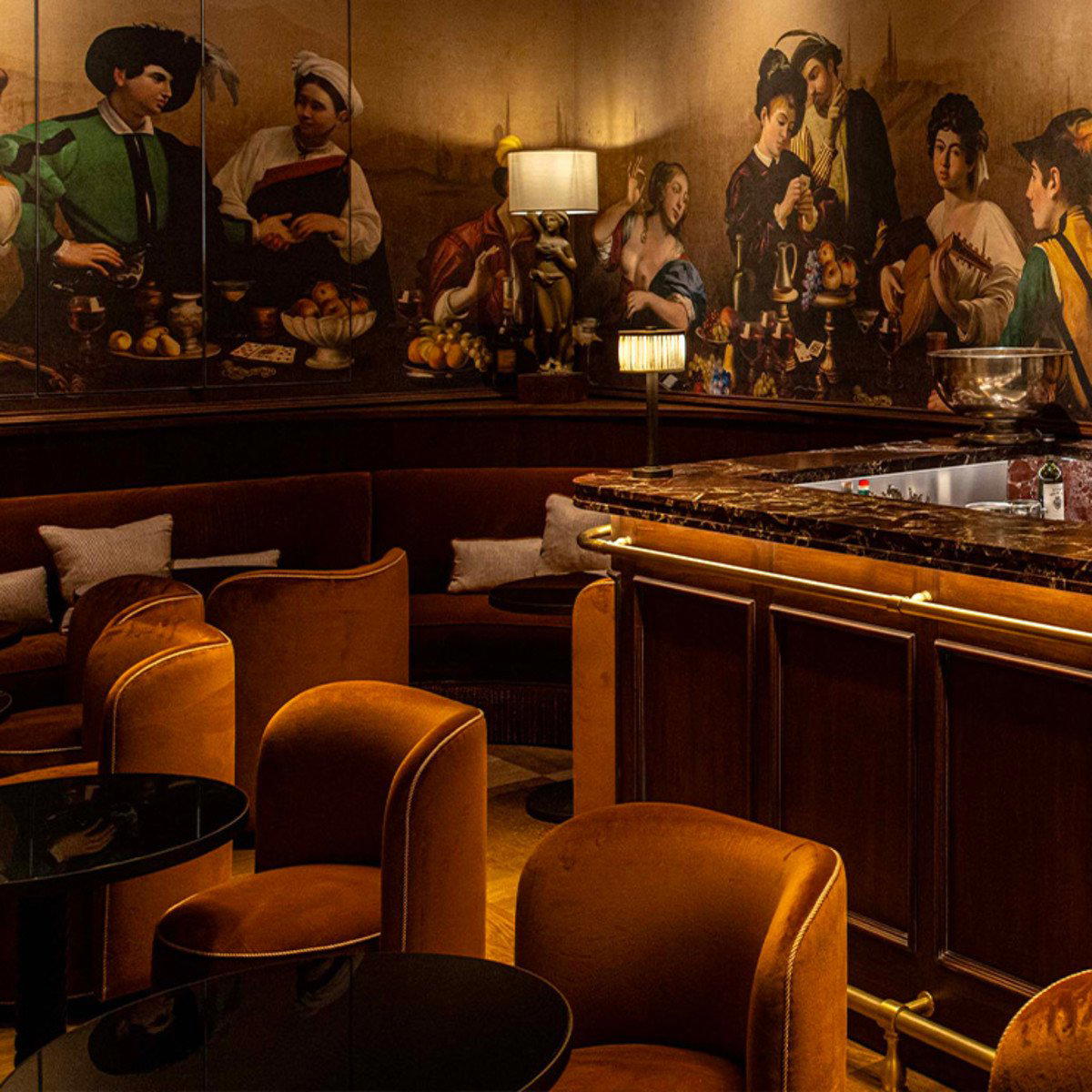
Hotels in Florence
All hotels in Florence →

Details
- Classic
- Elegant
- Well Known
- Sophisticated
- Casual Hangout
- Date Night
- Historic Building
- Seated Bar
- Outdoor Terrace
- Classic Cocktails
- Street Scene
Current opening hours
- Monday
- 7 AM–11 PM
- Tuesday
- 7 AM–11 PM
- Wednesday
- 7 AM–11 PM
- Thursday
- 7 AM–11 PM
- Friday
- 7 AM–11 PM
- Saturday
- 7 AM–11 PM
- Sunday
- 7 AM–11 PM
Hours can change for holidays and private events. Hours as of .
Luxurious interiors with marble, leather, and crystal chandeliers, combined with retro charm and dramatic piazza views.