Blue Ginger

James Beard Award Best Chefs
Blue Ginger sits on East Main Street in Stamford, Connecticut, occupying a spot in the city's mid-tier dining corridor where the back bar deserves closer attention than first impressions might suggest. The spirits selection leans toward depth over spectacle, with a curation that rewards guests who ask questions. Located at 1132 E Main St, it draws a local crowd that returns with purpose.

Pearl is the En Primeur Club membership app, where members save venues, book tables and use the concierge.
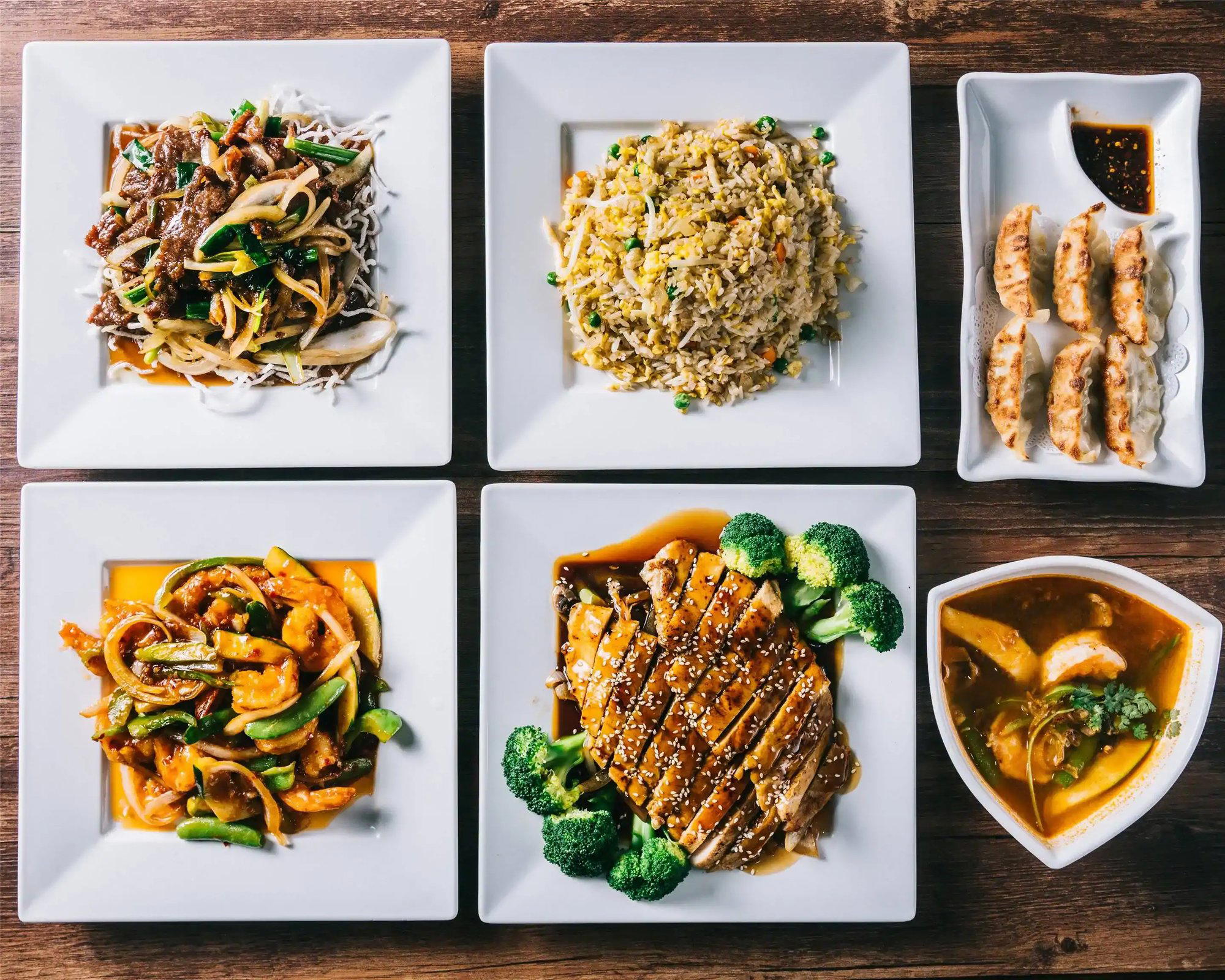
East Main Street and the Bar That Repays Attention
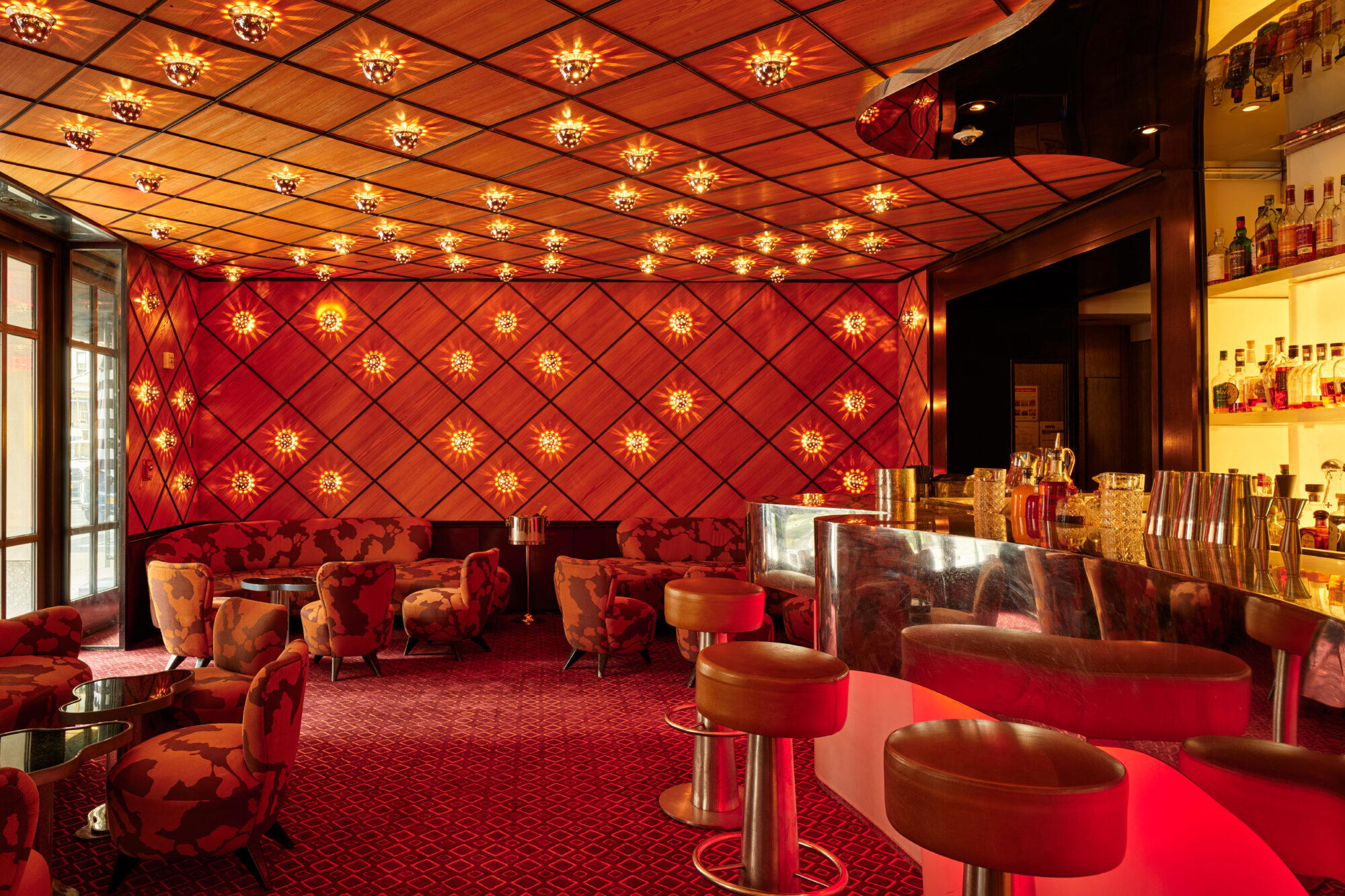
Stamford's East Main Street corridor has long operated as a working dining strip rather than a destination address. The restaurants here serve the city's commuter population and local regulars rather than the weekend destination crowd that gravitates toward the Harbor or the Bedford Street cluster. In that context, a bar program with genuine depth reads as an anomaly worth investigating. Blue Ginger, at 1132 E Main St, sits inside that dynamic: a neighborhood address where the spirits collection is the primary reason to take a stool rather than a table.
The physical approach sets modest expectations. East Main Street is functional rather than atmospheric, and the exterior offers little signaling about what the back bar contains. That gap between street presence and interior substance is, in fact, common to the better drinking destinations across American mid-sized cities. Programs at places like ABV in San Francisco or Bar Leather Apron in Honolulu built reputations precisely because the room deferred to the liquid rather than the design budget. Whether Blue Ginger reaches those tiers of program rigour is a separate question, but the framing is instructive: in a city like Stamford, where the bar scene competes with a short Metro-North ride to Manhattan, the argument for staying local has to be specific.
What a Spirits-Led Program Looks Like in a Connecticut Context
Connecticut's liquor retail and on-premise market has historically skewed toward wine-forward dining rooms and regional craft beer programs. A back bar built around rare or allocated spirits is a narrower proposition here than it would be in New York or Chicago, where competitive collector culture among bartenders drives sourcing. That scarcity of serious spirits programming in the state means that when a venue does prioritize bottle depth, it occupies a distinct niche without needing to compete directly with the volume operations along Bedford Street or the Harbor waterfront.
The editorial lens here matters. At venues like Kumiko in Chicago, the spirits program operates as a formal curatorial act, with Japanese whisky and liqueur categories given the same structural attention as the cocktail menu. At Jewel of the South in New Orleans, the back bar anchors itself to American whiskey history and provenance. These are programs built around a declared point of view. The question for any spirits-led bar in a secondary market is whether the selection reflects active curation or passive accumulation, and whether the staff can articulate the difference between bottles on the shelf.
In Stamford, the competitive alternatives are limited at the spirits-depth end of the market. Brasitas operates with a Latin-accented drinks program that leans toward rum and agave categories with genuine range. Casa Villa Restaurant and Crab Shell serve their respective cuisines with bar programs that support the food rather than operate independently. Fish Restaurant + Bar prioritizes wine and seafood-friendly cocktails over spirits depth. Blue Ginger sits in a different register from all of these, which is useful positioning information even when specifics about the selection remain to be confirmed on arrival.
The Case for Asking What's Behind the Bar
At spirits-forward venues across the country, the gap between what appears on a printed menu and what exists in the back inventory is often significant. Allocated bourbon, limited Japanese releases, and single-cask Scotch frequently live on shelves that never make it to a laminated cocktail list. This is standard practice at serious programs from Julep in Houston, where American whiskey depth extends well beyond the published selections, to Superbueno in New York City, where agave categories are curated with a specificity that rewards direct conversation with the bartender rather than menu browsing.
The same principle applies at The Parlour in Frankfurt, where the back bar operates as an ongoing collection rather than a fixed inventory, and where the most interesting bottles are often not listed at all. In smaller markets, this dynamic is amplified because the bar cannot rely on walk-in discovery traffic to move rare stock. Asking directly is not just permitted, it is the expected mode of engagement at venues that have invested in depth over width.
For a guest arriving at Blue Ginger from the Metro-North corridor, particularly someone traveling from New York with a specific category in mind, the practical advice is to treat the visit as an inquiry rather than an order. Name the category, the style preference, and the price tolerance, and let the bar direct from there. This approach extracts value from any spirits program that has been assembled with intention rather than convenience.
Stamford in the Regional Bar Context
Stamford occupies an interesting position in the Northeast corridor: close enough to Manhattan to benchmark against it, large enough to sustain its own dining and drinking identity, but rarely treated as a destination in its own right by the food press. That gap has practical consequences for the venues operating here. They serve a local population that drinks well at home, travels frequently, and has direct reference points in New York, Boston, and beyond. The bar that retains their loyalty has to clear a higher bar of quality than equivalent operations in markets without that commuter comparison pressure.
That pressure, paradoxically, can produce serious programs. When the audience is experienced and the competitive set is compressed, the easiest differentiation is authenticity of curation rather than scale of investment. A single shelf of well-chosen allocated spirits outperforms a large but undifferentiated back bar for the guest who knows the difference. See our full Stamford restaurants guide for broader context on where the city's dining and drinking scene currently sits.
Planning Your Visit
Blue Ginger is located at 1132 E Main St, Stamford, CT 06902, on the eastern side of the city's main commercial corridor. Given the sparse public data on current hours, booking format, and pricing, the most reliable approach before visiting is to check current operating information through a direct search or third-party reservation platform. The venue does not appear in Michelin's Connecticut coverage, and no formal awards data is available in the public record, so the visit is better framed as a local discovery than a credentialed destination. East Main Street is accessible by car with street and lot parking nearby, and the location sits within reasonable distance of the downtown Metro-North station for those arriving from New York or New Haven.
Cost and Credentials
| Venue | Price | Awards |
|---|---|---|
| Blue GingerThis venue (the venue you are viewing) | Not listed | James Beard Award Best Chefs |
| Casa Villa Restaurant | $20–30 | Not listed |
| Brasitas | $30–50 | Not listed |
| Fish Restaurant + Bar | $50–100 | Not listed |
Recognition history
Dated appearances from independent guides and award organizations, with the underlying list record or original source where available.
James Beard Award Best Chefs
James Beard Award
Continue exploring
More in Stamford
Bars in Stamford
All bars in Stamford →
Restaurants in Stamford
All restaurants in Stamford →




Details
- Modern
- Casual
- Casual Hangout
Current opening hours
- Monday
- Closed
- Tuesday
- 11 AM–9:30 PM
- Wednesday
- 11 AM–9:30 PM
- Thursday
- 11 AM–9:30 PM
- Friday
- 11 AM–10 PM
- Saturday
- 11 AM–10 PM
- Sunday
- 12–9:30 PM
Hours can change for holidays and private events. Hours as of .
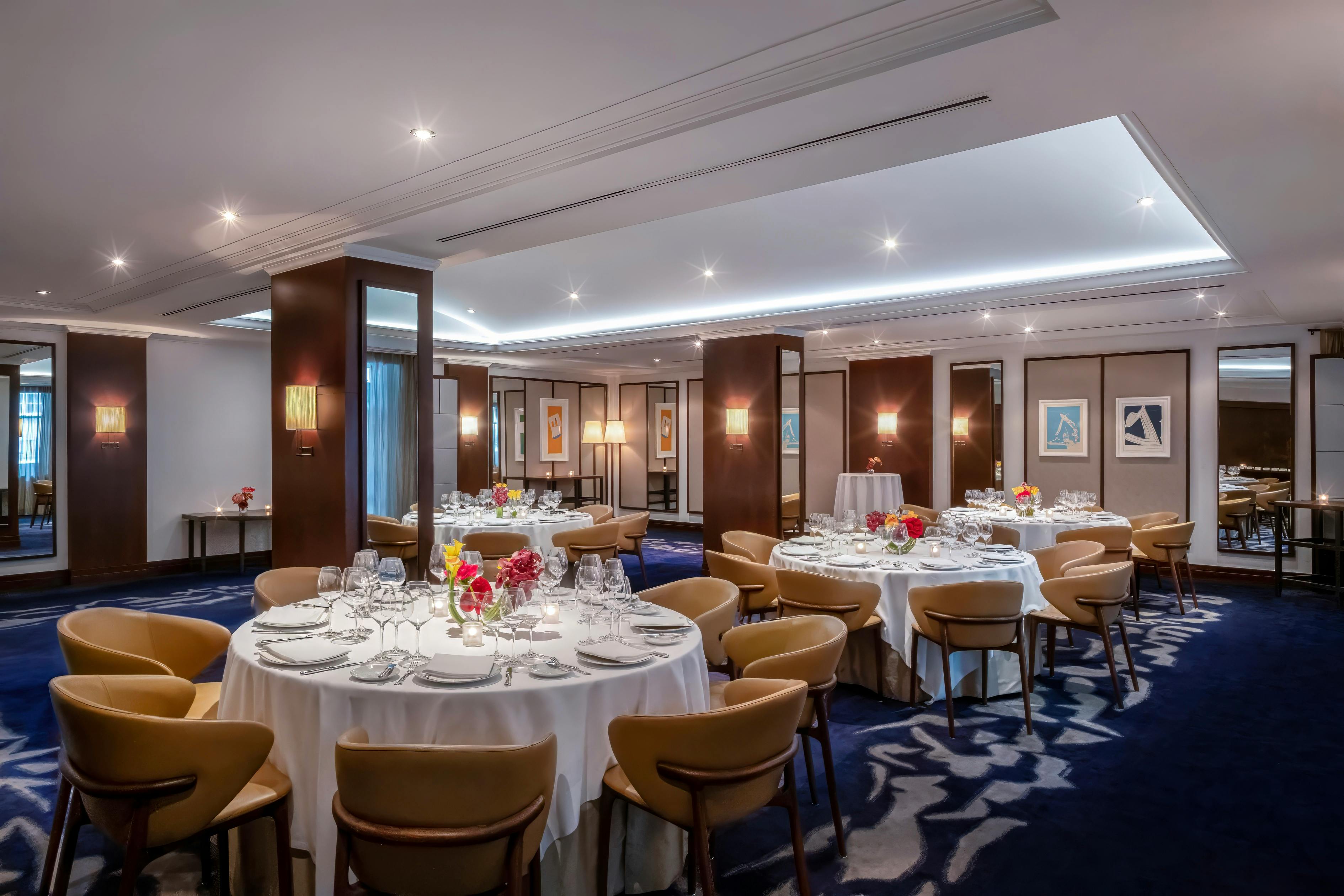
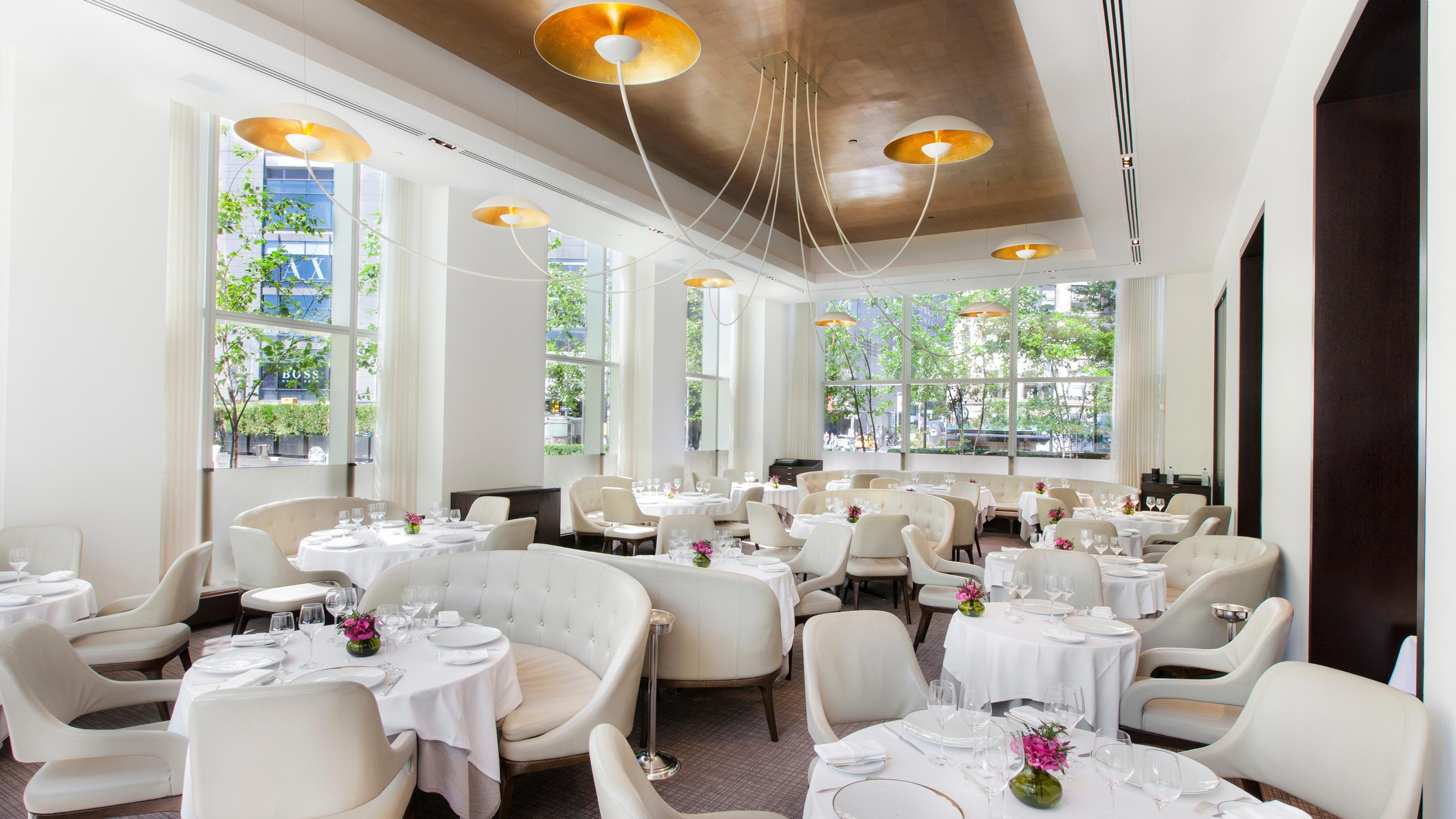
Clean and modern decor with tables and booths in a casual atmosphere.