Crab Shell
Crab Shell sits on Stamford's South End waterfront at 46 Southfield Ave, positioning itself within Connecticut's coastal seafood tradition. The address places it close to the harbor edge, where the state's long-standing relationship with Atlantic shellfish and cold-water catches shapes what ends up on the plate. For Stamford diners tracking the city's seafood options, it occupies a distinct waterfront slot in a competitive local field.
 Discover on Pearl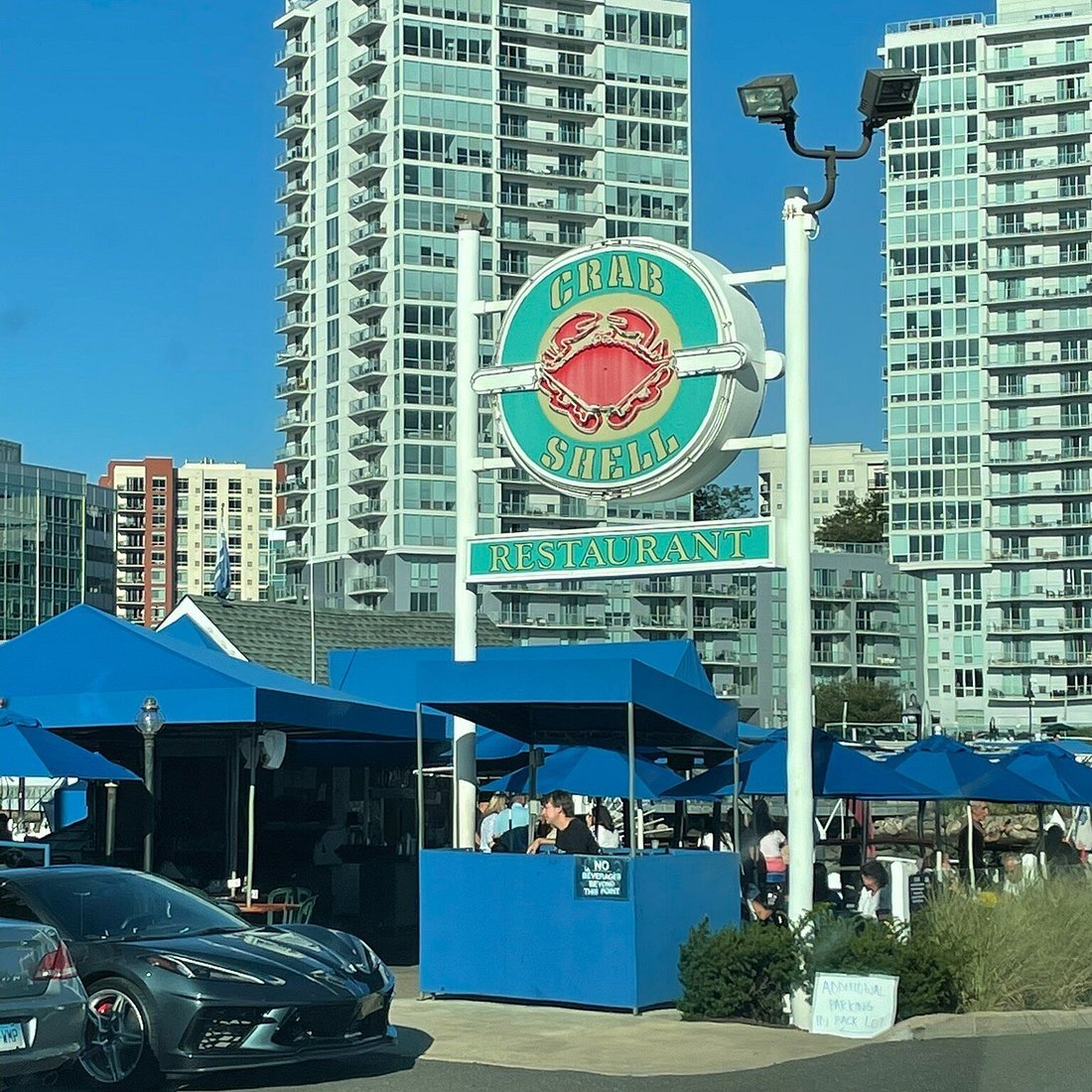
Stamford's Waterfront and the Shellfish Tradition It Inherits
Connecticut's coastline has shaped the state's food culture in ways that extend well beyond clam shacks and summer lobster rolls. Long Island Sound's cold, brackish waters produce blue crab, littleneck clams, and oysters that carry genuine regional character, and the towns lining the shore have built dining identities around that proximity. Stamford, sitting at the southwestern edge of the state where Fairfield County meets the commuter corridor, has developed a waterfront dining scene that draws on this tradition while also serving a population that moves regularly between the city and New York. That dual pull, local seafood culture and a cosmopolitan diner base, defines the competitive environment along the South End.
Crab Shell occupies a waterfront position at 46 Southfield Ave, placing it directly within this dynamic. The address situates the restaurant at the harbor edge, where the transition from land to water is visible and immediate. Waterfront seafood restaurants along the Sound tend to live or die by two things: the quality of their sourcing and how honestly they present what the water actually provides. The genre has its own hierarchy, from raw bars emphasizing minimal intervention to full kitchens built around fried and broiled preparations, and Stamford has examples across that range.
The shortlist, unlocked.
Hard-to-book tables, cellar releases, and concierge-planned trips.
Get Exclusive Access →The Regional Shellfish Context
Blue crab, the genus that appears in the restaurant's name, carries significant cultural weight along the Atlantic seaboard. It is the centerpiece of Maryland's Chesapeake tradition, but it also appears in meaningful volume in New York and Connecticut waters, where it occupies a slightly less ritualized but equally serious place in local food culture. Unlike Dungeness on the Pacific Coast or king crab from Alaskan fisheries, Atlantic blue crab is tied to specific preparation methods: steamed whole with seasoning, picked for crab cakes, or incorporated into bisques and chowders that have roots going back centuries in coastal New England and Mid-Atlantic kitchens.
The cultural significance of shellfish dining in this part of the country is partly about the food itself and partly about the setting. Eating crab at a waterfront table, watching boats move through a harbor, is a ritual that has evolved alongside the region's maritime economy. As commercial fishing has contracted and the Sound's ecology has shifted, restaurants that anchor their identity to specific local catches carry an implicit argument about place and provenance. The leading of them function as a kind of edible record of what the water produces in a given season.
Stamford's position in this geography is specific. The city is close enough to the Sound to access local product but large enough to support a dining scene that competes on multiple registers simultaneously. Seafood restaurants here sit alongside Latin American kitchens, Mediterranean tables, and the broader bar and restaurant culture that serves the city's professional population. Brasitas and Casa Villa Restaurant represent the Latin American dimension of that scene, while Blue Ginger pulls in a different direction entirely. Against that backdrop, a dedicated shellfish-focused address like Crab Shell stakes a particular claim.
Where Crab Shell Sits in the Local Field
Stamford's seafood options form a loose but legible tier structure. At one end are casual waterfront spots oriented around summer traffic and volume; at the other are more considered fish-focused rooms that treat sourcing and preparation with greater precision. Fish Restaurant + Bar occupies part of that more deliberate register. Crab Shell, given its name and waterfront placement, positions itself within the shellfish-specialist corner of the market, a category that demands consistent product quality and a kitchen that understands the narrow margin between a well-prepared crab dish and a mediocre one.
For diners building a picture of what Stamford's waterfront dining actually offers, the comparison set matters. The South End has seen development pressure in recent years, and the restaurant landscape along the harbor reflects both the neighborhood's evolution and the sustained appetite among Fairfield County residents for seafood that connects directly to regional waters. That appetite is durable; it predates the current restaurant boom and will outlast individual venues.
Cocktails and the Waterfront Drinking Tradition
Waterfront seafood restaurants along the northeastern seaboard have their own cocktail culture, distinct from the technical programs that define bars in major urban markets. The reference points are different: the classic pairing of a cold, saline oyster with a dry, spirit-forward drink is well-established, and coastal restaurants have long served as informal laboratories for matching shellfish with everything from classic Martinis to lighter, citrus-driven builds. Cities with serious cocktail programs, like Jewel of the South in New Orleans, Kumiko in Chicago, and Superbueno in New York City, have pushed cocktail development in directions that waterfront venues sometimes absorb at a slower pace, but the fundamentals of a well-made drink alongside fresh shellfish remain consistent across formats.
In Honolulu, Bar Leather Apron demonstrates how a coastal context can shape a serious cocktail identity. Julep in Houston and ABV in San Francisco represent further points in the broader geography of American cocktail culture, and The Parlour in Frankfurt on the Main shows how the format translates internationally. At a venue like Crab Shell, the drink program likely follows the logic of the food: cold, clean, and oriented toward complement rather than contrast.
Planning a Visit
Crab Shell is located at 46 Southfield Ave, Stamford, CT 06902, in the city's South End near the waterfront. The area is accessible by car, and the harbor-adjacent setting means that timing a visit around the warmer months, when outdoor waterfront dining is possible in Connecticut, makes practical sense. Given the volume of Stamford's seafood dining traffic in summer and on weekends, arriving with a reservation or early in the evening service is advisable. Current hours, pricing, and booking availability are leading confirmed directly with the venue before a visit, as this information is subject to change. For a broader picture of what the city offers across cuisine types and price points, the full Stamford restaurants guide maps the scene in detail.
The shortlist, unlocked.
Hard-to-book tables, cellar releases, and concierge-planned trips.
Get Exclusive Access →Frequently Asked Questions
Cost Snapshot
A compact peer snapshot based on similar venues we track.
| Venue | Price | Awards | Notes |
|---|---|---|---|
| Crab Shell | This venue | ||
| Blue Ginger | |||
| Brasitas | |||
| Casa Villa Restaurant | |||
| Fish Restaurant + Bar | |||
| Kouzina Greek Taverna and Bar |
Need a Table?
Our members enjoy priority alerts and concierge-led booking support for the world's most difficult bars and lounges.
Get Exclusive AccessThe shortlist, unlocked.
Hard-to-book tables, cellar releases, and concierge-planned trips.
Get Exclusive Access →