Homeroom
Oakland's Temescal neighborhood has made mac and cheese a serious proposition. Homeroom at 400 40th St occupies a specific niche in the city's casual-dining scene, turning a single comfort-food category into a full restaurant concept with enough range to hold a room. It sits in an area where specialty-focused spots thrive alongside the neighborhood's broader independent restaurant culture.
 Discover on Pearl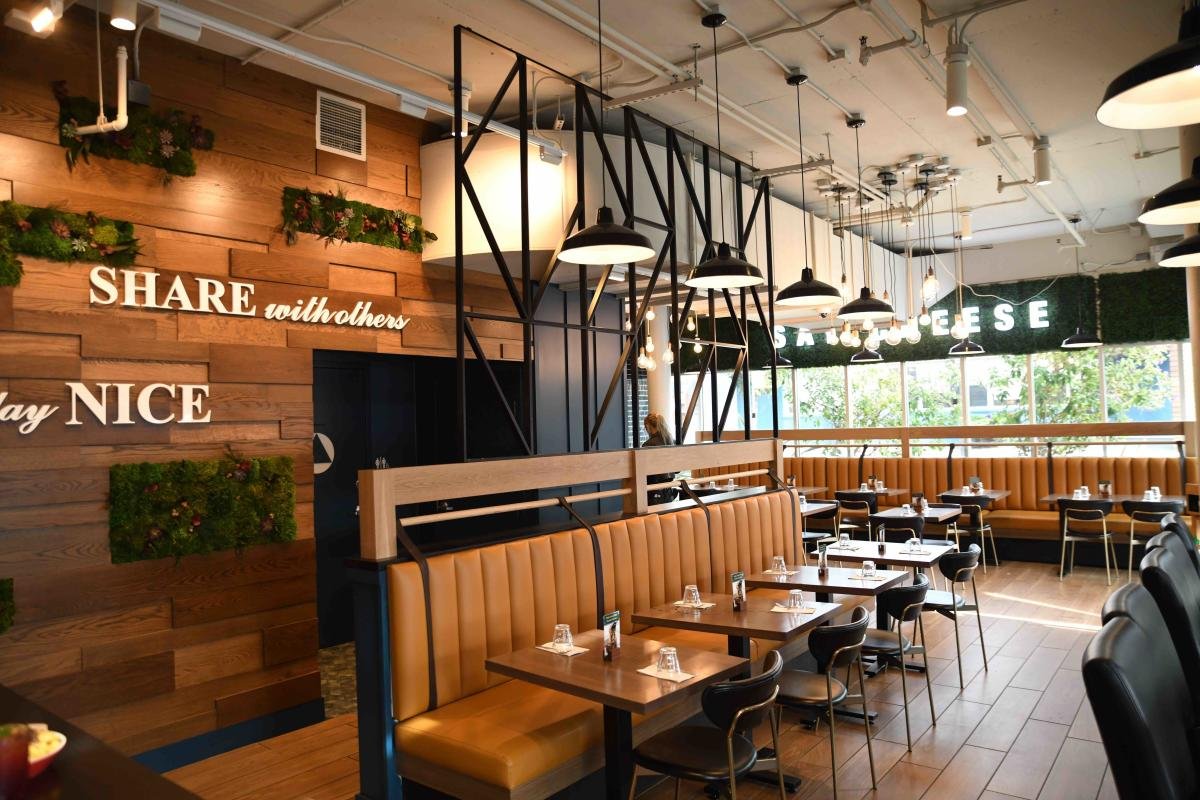
Comfort Food as a Focused Discipline
In American dining, the move toward single-subject restaurants has produced some of the most committed kitchens of the past two decades. Ramen specialists, fried chicken counters, dumpling houses: the format works when the kitchen's discipline is narrow enough to generate depth rather than monotony. Oakland's Temescal corridor, which runs along Telegraph Avenue and spills into the side streets around 40th, has absorbed this logic into its restaurant culture. Homeroom, at 400 40th St, plants itself squarely inside that tradition, with mac and cheese as the organizing principle.
The neighborhood context matters here. Temescal is one of Oakland's most consistent dining districts, with independent operators running focused concepts that reflect the city's appetite for specificity over generalism. You'll find wine bars, a sake shop turned tasting space, and kitchens devoted to single regional cuisines within a short radius. In that environment, a restaurant built entirely around a single pasta dish isn't a novelty act. It's a logical expression of the neighborhood's curatorial instincts.
The shortlist, unlocked.
Hard-to-book tables, cellar releases, and concierge-planned trips.
Get Exclusive Access →What the Space Communicates Before You Sit Down
The physical character of a room like Homeroom does a lot of work before any food arrives. Spaces designed around a singular comfort-food category tend to lean into a particular visual register: bright, deliberately casual, with enough wit in the design to signal self-awareness without tipping into irony. The color palette, the table arrangement, the texture of the seating — these details establish whether a room invites lingering or efficient turnover. Homeroom reads as the former. The space has a warmth that fits the Temescal block it occupies, where foot traffic moves at a pace that suggests people are there because they chose to be, not because they're passing through.
Lighting in restaurants built around daytime-casual formats tends toward natural sources and warm supplemental fixtures rather than the theatrical dimming of dinner-service-only venues. Homeroom operates in that register. The effect is a room that feels accessible rather than aspirational, which is appropriate for a concept that locates its appeal in familiarity rather than novelty. That's not a limitation. It's the point. The design communicates that you are here to eat something you already love, done with more care than you'd manage at home.
Oakland's Casual Dining Scene and Where Homeroom Fits
Oakland's restaurant culture has long resisted easy categorization. The city sits in a peer relationship with San Francisco across the bay but operates on a different set of assumptions about what a meal should cost, how formal it needs to be, and what kind of kitchen ambition deserves attention. Where San Francisco skews toward tasting menus and destination dining, Oakland's strongest operators have built loyal followings through consistent, focused execution at accessible price points. alaMar Dominican Kitchen holds a room through regional specificity. Belotti Ristorante E Bottega works within Italian tradition. Homeroom's single-subject format fits that same pattern: a clear identity, executed with conviction.
The city's drinking culture runs parallel. 13 Orphans operates as a serious cocktail program in the city, and Bay Grape has built a reputation as one of the stronger wine retail and bar operations in the East Bay. The point is that Oakland's independents tend to know what they are. Homeroom's concept occupies the casual end of that spectrum without apology.
Compared to cocktail programs in other American cities — Kumiko in Chicago, Jewel of the South in New Orleans, Julep in Houston, or Superbueno in New York City , the East Bay's bar scene operates at a somewhat lower profile nationally, but venues like ABV in San Francisco and Bar Leather Apron in Honolulu demonstrate that the West Coast has developed its own serious programs. Homeroom's drink offering functions as a complement to the food rather than a primary draw, which is consistent with its format. The Parlour in Frankfurt represents a different model entirely, where the bar experience is the anchor. Homeroom reverses that hierarchy.
The Single-Subject Restaurant and What It Demands
A restaurant organized around one dish type carries a specific burden: the menu must generate enough internal variation to sustain repeat visits without diluting the concept's identity. In mac and cheese terms, that means working across cheese profiles, texture treatments, and add-on proteins or vegetables that expand the range without producing incoherence. The format has precedent. New York's Melt Shop, the broader gourmet grilled cheese movement of the 2010s, and the ramen counter model all demonstrate that a focused format can build a loyal base if the kitchen commits to exploring the category's edges rather than resting on a single preparation.
What Homeroom signals, simply by existing at its current address after the years it has operated in Temescal, is that the concept holds. Neighborhoods like this one cycle through restaurants quickly. A single-subject spot that survives long enough to become a local institution has solved the repeat-visit problem. That's a more meaningful credential in Oakland than any award cycle.
Planning a Visit
Homeroom sits at 400 40th St in the Temescal neighborhood, accessible from Telegraph Avenue. The area is walkable from several BART lines and well-served by street parking during off-peak hours, though weekend afternoons, when Temescal foot traffic peaks, require patience. The restaurant operates as a casual, walk-in-friendly format, though checking ahead on wait times during busy service periods is worth the thirty seconds. For those building a broader Oakland evening, the neighborhood's dining and bar options make it easy to sequence Homeroom alongside wine stops or a cocktail at one of the corridor's nearby venues. See our full Oakland restaurants guide for a mapped view of the area's options.
Frequently Asked Questions
- How would you describe the overall feel of Homeroom?
- Homeroom reads as a deliberately casual, comfort-focused room that fits the Temescal neighborhood's independent-operator character. It's not a destination dining experience in the way that Oakland's higher-end spots position themselves, but within its category, it delivers a consistent, unpretentious atmosphere at a price point that reflects the city's accessible end of the dining spectrum.
- What's the must-try cocktail at Homeroom?
- The drink program at Homeroom functions as a complement to the food rather than a standalone draw, which is consistent with a comfort-food concept in this price tier. The specifics of the current cocktail menu aren't confirmed in our data, so we'd recommend checking the venue directly for the current list.
- What's the standout thing about Homeroom?
- The concept itself: a full-service restaurant organized entirely around mac and cheese that has sustained a loyal following in one of Oakland's most competitive dining corridors. In a city where single-subject formats get tested hard by neighborhood turnover, longevity is the credential.
- How hard is it to get in to Homeroom?
- Homeroom operates as a casual, accessible format rather than a reservation-heavy destination. Weekend service during peak hours can produce waits, but it does not operate on the weeks-ahead booking cycle of higher-demand Oakland venues. Arriving slightly before peak service windows is a reasonable strategy.
- Is Homeroom worth the prices?
- Within the casual comfort-food tier in Oakland, Homeroom delivers a focused concept with enough internal menu range to justify the visit. It is not competing on the price-to-fine-dining equation. The value case rests on execution depth in a single category, which is a different calculus than a multi-course tasting menu.
- Does Homeroom accommodate dietary restrictions or offer vegetarian options?
- Single-subject restaurants built around pasta formats typically build vegetarian options into the core concept, since the base dish doesn't require meat. Homeroom's format lends itself to cheese-forward vegetarian preparations, with proteins and add-ons offered as optional components. For confirmed current dietary accommodation details, contacting the venue directly is the most reliable approach, as menus in this category shift seasonally.
Cuisine and Awards Snapshot
A fast peer set for context, pulled from similar venues in our database.
| Venue | Cuisine | Awards | Notes |
|---|---|---|---|
| Homeroom | This venue | ||
| Punchdown | |||
| Snail Bar | |||
| 13 Orphans | |||
| Umami Mart | |||
| minimo |
Need a Table?
Our members enjoy priority alerts and concierge-led booking support for the world's most difficult bars and lounges.
Get Exclusive AccessThe shortlist, unlocked.
Hard-to-book tables, cellar releases, and concierge-planned trips.
Get Exclusive Access →