Umami Mart
Umami Mart at 4027 Broadway sits at the intersection of Japanese pantry culture and Oakland's appetite for specialist retail. The shop functions as both a curated import store and a gathering point for the city's Japanese grocery and barware community, drawing a clientele that ranges from home cooks sourcing dashi to bartenders hunting vintage glassware.
Pearl is the En Primeur Club membership app — saves, bookings, and concierge access live there. Same editors, same standards.
- Address
- 4027 Broadway, Oakland, CA 94611
- Phone
- +1 510 250 9559
- Website
- umamimart.com
- Directions
- Get directions
 Saves & bookings on Pearl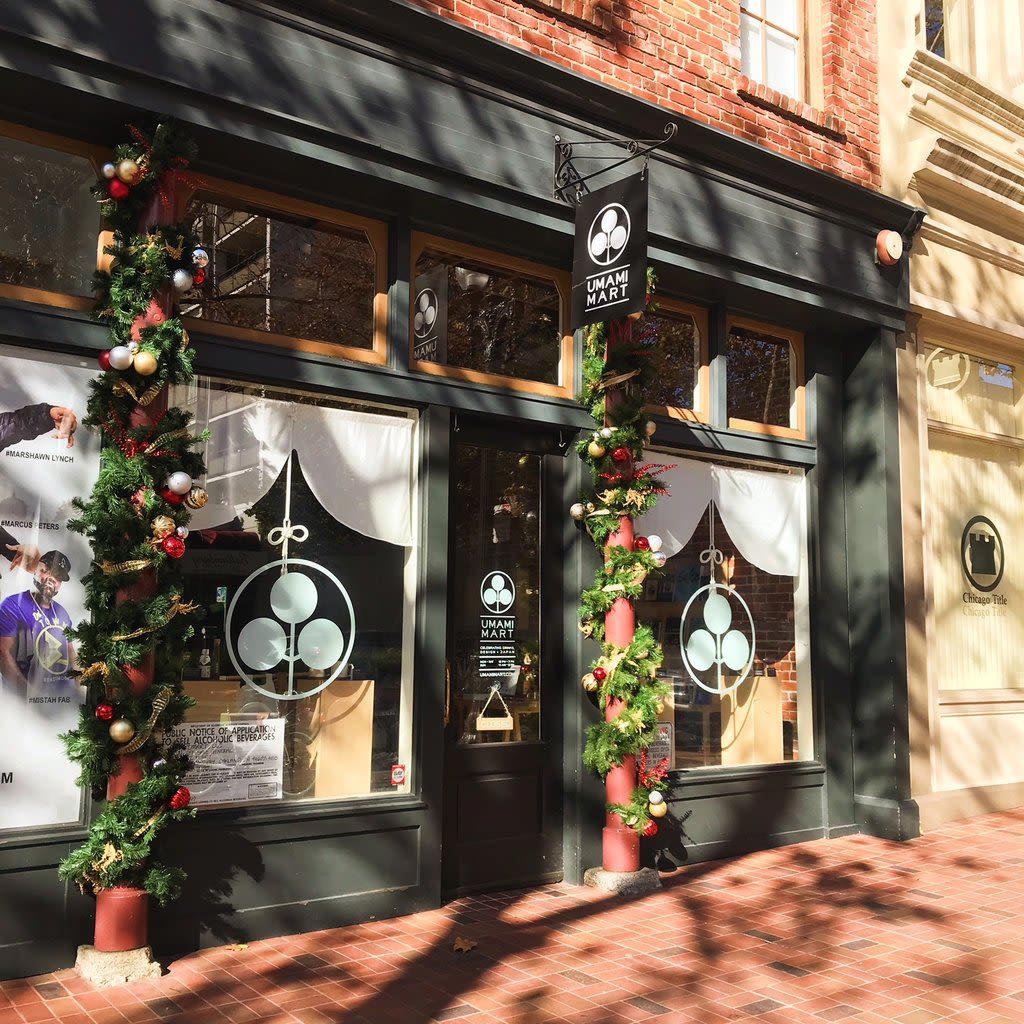
Where the Bottle Is the Point
Broadway in Oakland's Temescal-adjacent stretch runs a particular kind of independent retail that the Bay Area has long supported: specific, serious, and not especially interested in explaining itself to the uninitiated. Umami Mart at 4027 Broadway sits inside that current. The shop occupies the meeting point of Japanese kitchen culture and the craft spirits and sake conversation that has deepened significantly in American cities over the past decade. Walking in, the organizing logic is immediate: this is a space built around curation rather than volume, where the selection of a single bottle of shochu or a well-chosen Japanese whisky says more about the buyer's knowledge than any shelf quantity could.
The Collection as Editorial Argument
The category of Japanese spirits retail has split sharply in the United States. On one side sit the large-format importers and chain liquor stores, which have responded to the global whisky boom by stocking whatever allocation they can access. On the other side sits a smaller group of specialist retailers who have organized their back bar and shop floor around a specific cultural argument: that Japanese spirits, sake, shochu, and the kitchen tools to serve them properly belong together as a coherent tradition, not as separate departments. Umami Mart belongs firmly to the second group.
That position matters in Oakland's context. The city's independent beverage scene has historically leaned toward natural wine, with shops like Bay Grape building a following around low-intervention bottles and producer relationships. Umami Mart cuts a different axis entirely, focusing attention on fermented rice-based drinks and the Japanese spirits category at a moment when American consumer literacy around both is still catching up to supply. That gap between what's available and what buyers understand how to choose is exactly where a specialist retailer creates value.
The shop's selection extends to the full range of Japanese beverage categories: sake in a range of styles from junmai to aged koshu, shochu from both imo (sweet potato) and mugi (barley) base spirits, Japanese craft gins and whiskies, and the accompanying hardware. The presence of Japanese barware, ceramics, and kitchen tools alongside bottles is not a retail afterthought. It reflects an argument that drinking culture is inseparable from serving culture, a position that carries more weight in Japan-trained hospitality circles than it typically does in American spirits retail.
Oakland and the Specialist Tier
Oakland's bar and dining culture has developed enough density to support a range of specialist formats. Across the city, venues like 13 Orphans have built programs around specific regional spirits traditions, while restaurants such as alaMar Dominican Kitchen and Belotti Ristorante E Bottega have anchored the city's broader claim to serious, destination-worthy dining. In that environment, Umami Mart functions as a supply chain for a certain kind of at-home hosting and an education resource for a customer base that increasingly wants to know provenance and production method before buying.
The Japanese spirits-and-food specialty retail format is rare enough in American cities that comparisons across the country require reaching to quite different markets. Kumiko in Chicago has built a cocktail program around Japanese spirits literacy; Bar Leather Apron in Honolulu operates with an adjacency to Japanese drinking culture given Hawaii's demographics. On the East Coast, Superbueno in New York City demonstrates how a specialist concept built around a single culinary tradition can hold a defined position in a saturated market. What these venues share is a commitment to depth over breadth, and Umami Mart's retail approach runs on the same logic.
Across the broader American craft-spirits-and-cocktail conversation, the trajectory has moved from broad coverage to category depth. Julep in Houston and Jewel of the South in New Orleans demonstrate how specialist positioning around a defined tradition creates staying power. ABV in San Francisco and The Parlour in Frankfurt on the Main both show how the serious spirits-and-hospitality format translates across cities and cultures. Umami Mart occupies that same specialist tier, differentiated by its cultural specificity and its dual role as retailer and cultural educator.
What the Selection Implies About the Market
Sake and shochu retail in the United States has historically been concentrated in Japanese grocery contexts, sold more by familiarity than by any organized quality hierarchy. The shift toward curated sake retail, where individual producers and brewing styles receive the same framing as single-vineyard wines, has happened slowly and unevenly across American cities. Oakland is a city with enough food-literate consumers and enough proximity to California's established wine culture that the transfer of that critical vocabulary to sake and shochu makes sense here in a way it might not elsewhere.
The presence of Umami Mart on Broadway is an indicator of that shift. A specialist retailer operating in this category requires a customer base already interested in the source region, the production method, and the difference between, say, a nigori sake and a ginjo. That customer exists in enough numbers in Oakland to sustain the format, which itself tells you something about where the city's food and drink culture has arrived.
Planning a Visit
Umami Mart is located at 4027 Broadway in Oakland, accessible from multiple BART stations in the surrounding area. The shop functions both as a retail destination for bottles and as a source of Japanese kitchen tools and barware, so visits reward more time than a quick grab-and-go. For those building an Oakland itinerary around food and drink, the shop pairs naturally with the broader Temescal corridor and the city's wider independent restaurant scene, documented in our full Oakland restaurants guide. Current hours and stock are best confirmed directly with the shop, as specialist retailers in this category often adjust availability seasonally based on import cycles.
Pricing, Compared
| Venue | Price |
|---|---|
| Umami MartThis venue — the venue you are viewing | This venue |
Continue exploring
More in Oakland
Bars in Oakland
Browse all →
Restaurants in Oakland
Browse all →
Hotels in Oakland
Browse all →






At a Glance
- Cozy
- Intimate
- Casual Hangout
- Group Outing
- After Work
- Standalone
- Live Music
- Seated Bar
- Standing Room
- Sake
- Whiskey
- Craft Cocktails
- Zero Proof
Current opening hours
- Monday
- Closed
- Tuesday
- 11 AM–7 PM
- Wednesday
- 11 AM–7 PM
- Thursday
- 11 AM–7 PM
- Friday
- 11 AM–7 PM
- Saturday
- 11 AM–7 PM
- Sunday
- 11 AM–7 PM
Hours can change for holidays and private events. Last verified .
Tucked away in the back of a retail shop with art-covered walls exuding a curated aesthetic described as 'Shinto meets Scandinavia,' creating a warm, welcoming neighborhood gathering space.
Know Before You Go
- Getting there
- 4027 Broadway, Oakland, CA 94611