<strong>Barometre</strong> belongs to <strong>Marrakech</strong>’s more contemporary drinking conversation, a counterpoint to riad courtyards, hotel rooftops, and mint-tea ritual. With no published price, hours, awards, or booking channel in the available record, it suits travellers who value a <strong>cocktail</strong>-led stop but are willing to confirm practical details before building an <strong>evening</strong> around it.
 Discover on Pearl
Pearl is the En Primeur Club membership app — saves, bookings, and concierge access live there. Same editors, same standards.
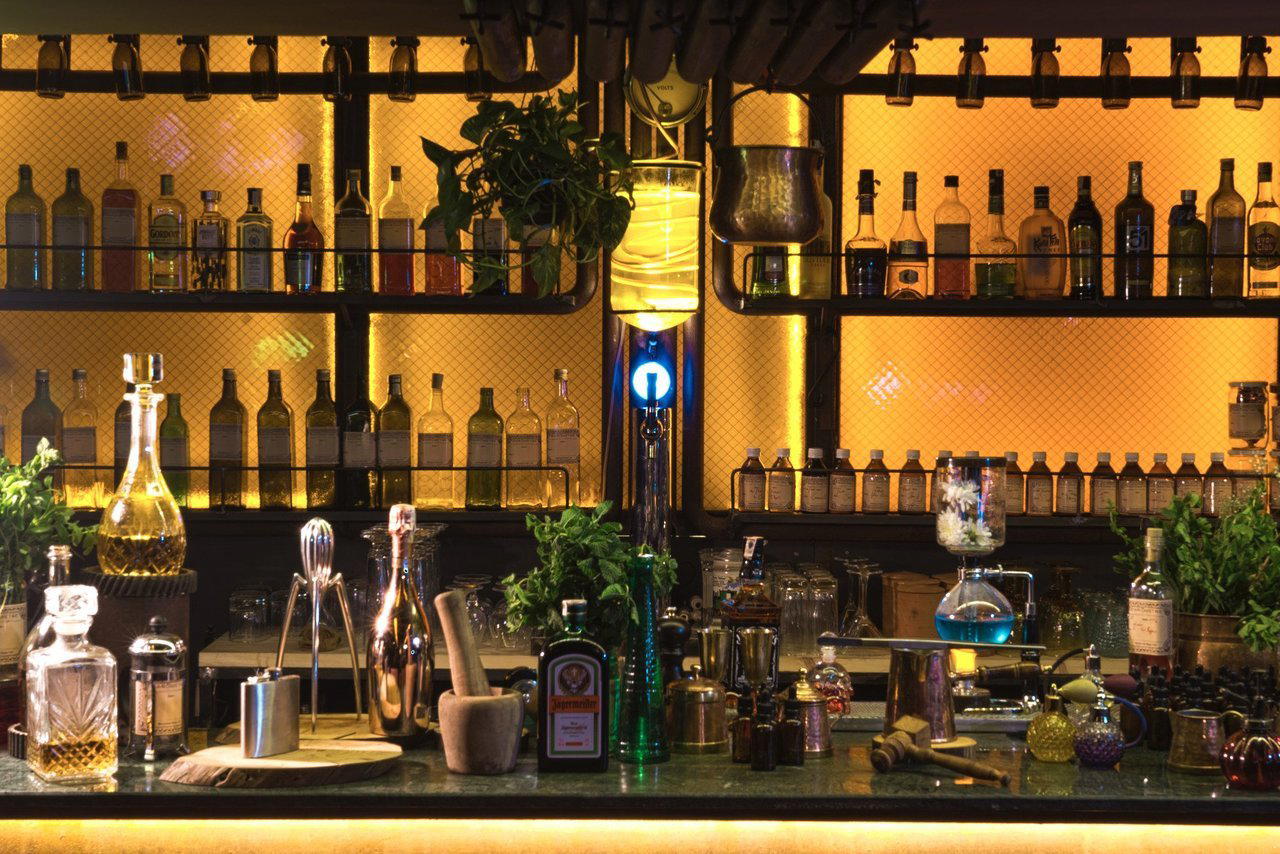
Marrakech after dark, through the cocktail lens
Approaching a bar in Marrakech is rarely a neutral act. The city moves from souk density to riad quiet, from hotel terraces to small streets where dinner, tea, music, and late-night drinking sit close together but do not always announce themselves in the same way. In that context, a cocktail bar is not competing only with other cocktail bars. It is competing with courtyard restaurants, rooftop sunset rituals, hotel lounges, and the older social rhythm of coffee and mint tea. That is the useful frame for Barometre: not as a venue to isolate from the city, but as part of Marrakech’s sharper turn toward mixed drinks as an evening format rather than an afterthought.
The available EP Club record for Barometre is deliberately lean: Marrakech is confirmed, while address, phone, website, hours, price range, chef, cuisine type, awards, seat count, and booking method are not listed. That absence matters. In a city where travellers often plan tightly around medina transfers, riad dinners, and rooftop reservations, missing logistics should shape expectations. Barometre is better treated as a cocktail-focused candidate for an evening circuit than as a fully documented dining anchor. Readers comparing it with BAROMETRE MARRAKECH, El Fenn Hotel, Restaurant and Rooftop Bar, and Marrakesh should notice the distinction: some venues function as hotel-backed social spaces with obvious planning infrastructure, while others depend more heavily on current local confirmation.
What the cocktail programme signals in Marrakech
Marrakech has never lacked atmosphere, but cocktail culture asks a different question: does the drink program have enough structure to justify choosing a bar over a terrace, a dinner table, or a hotel lounge? In mature cocktail cities, the answer often comes through clarified serves, house ferments, regional produce, ice discipline, non-alcoholic architecture, or a menu that reveals a point of view without needing theatre. For Barometre, the database does not provide signature drinks, bartender names, awards, or technical details, so no specific serve should be invented. The editorial point is narrower and more useful: the venue sits inside a category where technique matters, but the public record available here does not yet document the evidence.
That is not a dismissal. It is a planning distinction. Marrakech’s bar scene has a visible split between destination rooftops, riad hotel lounges, restaurant bars, and cocktail-specific addresses. A rooftop can win the evening through view and timing; a riad bar can win through architecture and enclosure; a serious cocktail counter has to win through liquid detail. Without a published signature drink or recognized award in the record, Barometre should be assessed on arrival by menu clarity, the balance between classics and house drinks, glassware choices, pacing, and whether staff can explain the logic of a serve without turning the exchange into a performance.
How it compares with hotel rooftops and riad bars
The Marrakech drinking map is unusually dependent on setting. Hotel rooftops draw sunset traffic because the city’s low-rise profile makes height feel consequential. Riad bars work differently: they compress the city into courtyards, carved plaster, low light, and the inward-facing privacy that defines much of the medina’s hospitality culture. Cocktail bars outside that template need a firmer drinks identity, because they cannot rely solely on the architectural grammar travellers already associate with Marrakech.
This is where comparison helps. El Fenn Hotel, Restaurant and Rooftop Bar belongs to the hotel-rooftop side of the conversation, where the venue’s broader hospitality frame shapes the evening. Marrakesh operates as a city reference point in EP Club’s bar coverage. Barometre, by contrast, should be read through the narrower lens of cocktail intent. With no award data attached and no published price range in the supplied record, the question is not whether it outranks peers. The question is whether the guest wants a drink-led stop in Marrakech rather than a view-led or hotel-led one.
For travellers building a full night, that distinction has consequences. A cocktail-focused stop can sit before dinner if the bar opens early enough, after dinner if closing times allow, or as a middle point between a riad meal and a late lounge. Since hours are not provided in the record, the safer editorial recommendation is to confirm opening status on the day rather than assume walk-in availability. That advice is not generic caution; it reflects the way Marrakech evenings depend on transfers, neighbourhood friction, and the distance between where travellers sleep and where they drink.
Morocco’s wider bar conversation
Barometre also belongs to a national drinking context that is more varied than quick travel clichés suggest. Casablanca’s bar culture carries a stronger business-city pulse, where venues such as Al-Manara Rooftop in Casablanca compete around skyline, hotel polish, and after-work utility. Fès reads differently, especially around heritage hospitality and riad settings, a pattern reflected by Riad Fes - Relais & Châteaux in Fès. On the coast, ANAW BEACH in Taghazout points toward beach-club timing and Atlantic casualness. Marrakech sits between those modes: theatrical enough for destination design, tourist-heavy enough to sustain international cocktail expectations, and local enough that the strongest bars need to understand rhythm rather than just import templates.
International comparison sharpens the point. In Miami, Café La Trova in Miami shows how a bar can organize itself around music, Cuban drinking culture, and a recognizable service cadence. In New Orleans, Jewel of the South in New Orleans operates in a city where cocktail history is part of the civic identity. New York’s Superbueno in New York City reflects a more contemporary, culturally hybrid approach to drink-making, while Bar Leather Apron in Honolulu and Julep in Houston show how technical programs can be rooted in place without relying on scenery alone. Marrakech does not need to copy those cities. Its stronger opportunity is to translate local pacing, hospitality codes, citrus, spice, tea, and terrace culture into a bar format with discipline.
Who should put it on the evening shortlist
Barometre makes the most sense for travellers who are already comfortable with a little uncertainty in exchange for a more cocktail-directed night. If the priority is a fully pre-planned hotel evening with visible reservation systems, published hours, and a broader food-and-drink safety net, the hotel-rooftop category is easier to manage. If the priority is to test how Marrakech handles contemporary mixed drinks away from the usual dinner-first script, then this address earns consideration, provided the practical details are checked before departure.
Price is the missing variable. The EP Club record does not list a range, and Marrakech pricing can swing sharply between local cafés, riad restaurants, hotel bars, and imported-spirit cocktail rooms. Without published pricing in the database, value should be judged through structure rather than assumption: menu transparency, pour quality, whether house drinks offer more than renamed classics, and how the bar handles pacing when the room is full. Awards are also not listed, so recognition cannot be used as a shortcut. That places more weight on direct, current confirmation and on how the bar fits into the reader’s own night.
Planning it into a Marrakech night
Because the available record does not include an address, phone number, website, hours, dress code, or booking method, the practical move is to verify details before committing the evening. Travellers staying in the medina should ask their riad or hotel to confirm the current location and opening time, then arrange transport if the venue sits outside comfortable walking range. Those staying in newer districts should do the same in reverse, since a short map distance in Marrakech can feel longer once evening traffic, pedestrian routes, and gate access enter the equation. For broader dinner planning around the same night, Our full Marrakech restaurants guide gives a stronger base for pairing a drink-led stop with a restaurant reservation.
The cleaner strategy is to treat Barometre as either the first drink of the night or the final focused stop, not the only plan. If it is open, available, and operating with a menu that shows real cocktail intent, the city gains another layer beyond rooftop spectacle and riad atmosphere. If current details are hard to confirm, shift the night toward a documented hotel bar or restaurant reservation and keep this one as a flexible option. That is the correct standard for a data-light venue in a city where logistics shape the pleasure of the evening.
Comparable Spots, Quickly
These are the closest comparables we have in our database for quick context.
| Venue | Awards | Google Rating | Notes |
|---|---|---|---|
| Barometre | This venue | ||
| Marrakesh | |||
| El Fenn Hotel, Restaurant and Rooftop Bar | |||
| BAROMETRE MARRAKECH |
Continue exploring
More in Marrakech
Bars in Marrakech
Browse all →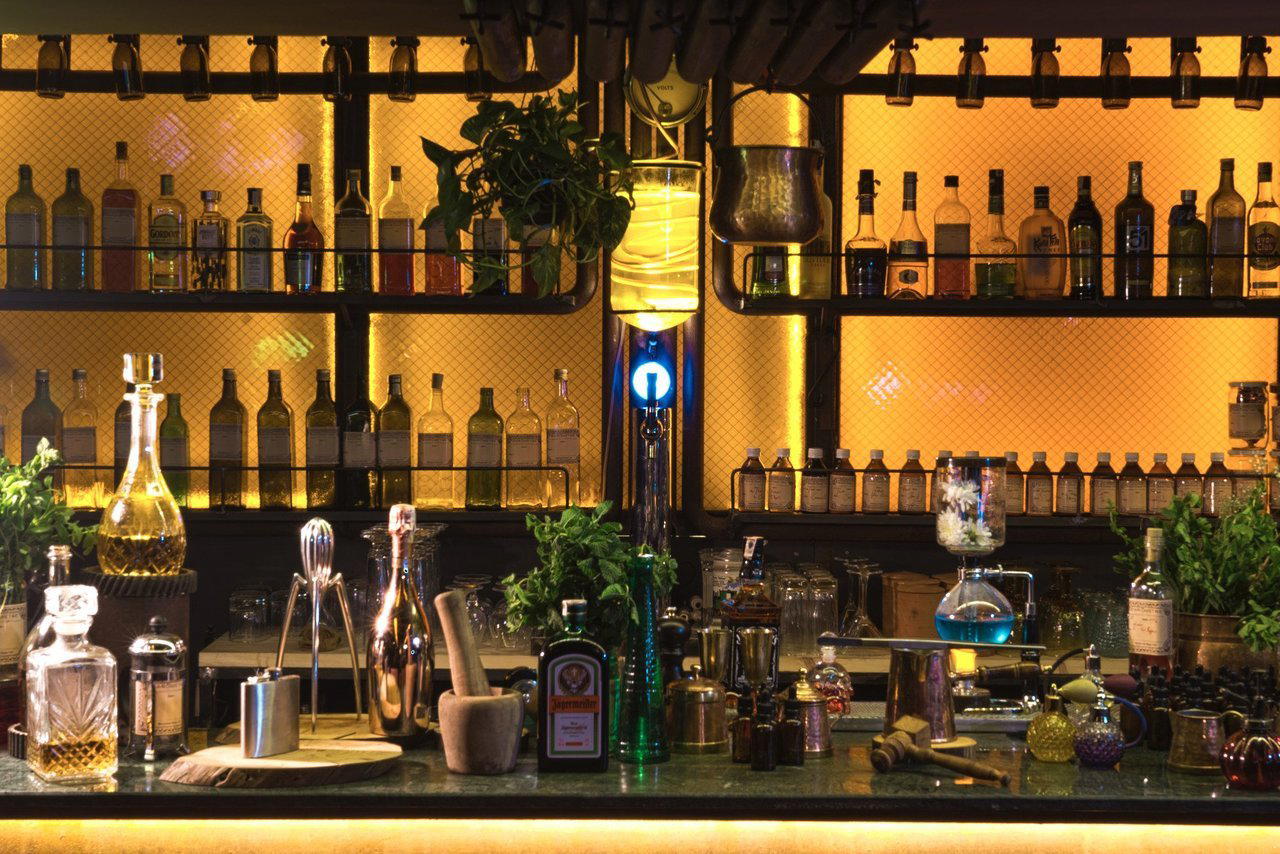
Restaurants in Marrakech
Browse all →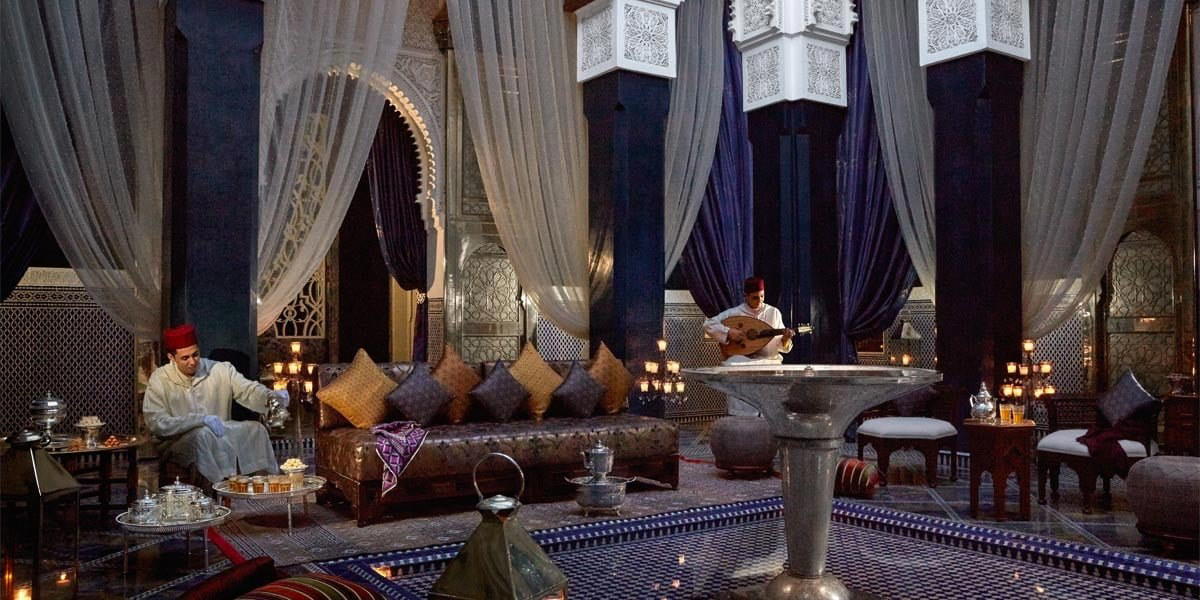
At a Glance
- Trendy
- Sophisticated
- Hidden Gem
- Intimate
- Modern
- Cozy
- Date Night
- After Work
- Late Night
- Group Outing
- Celebration
- Special Occasion
- Speakeasy
- Design Destination
- Standalone
- Seated Bar
- Lounge Seating
- Booth Seating
- Craft Cocktails
- Classic Cocktails
- Gin
- Whiskey
- Low Abv
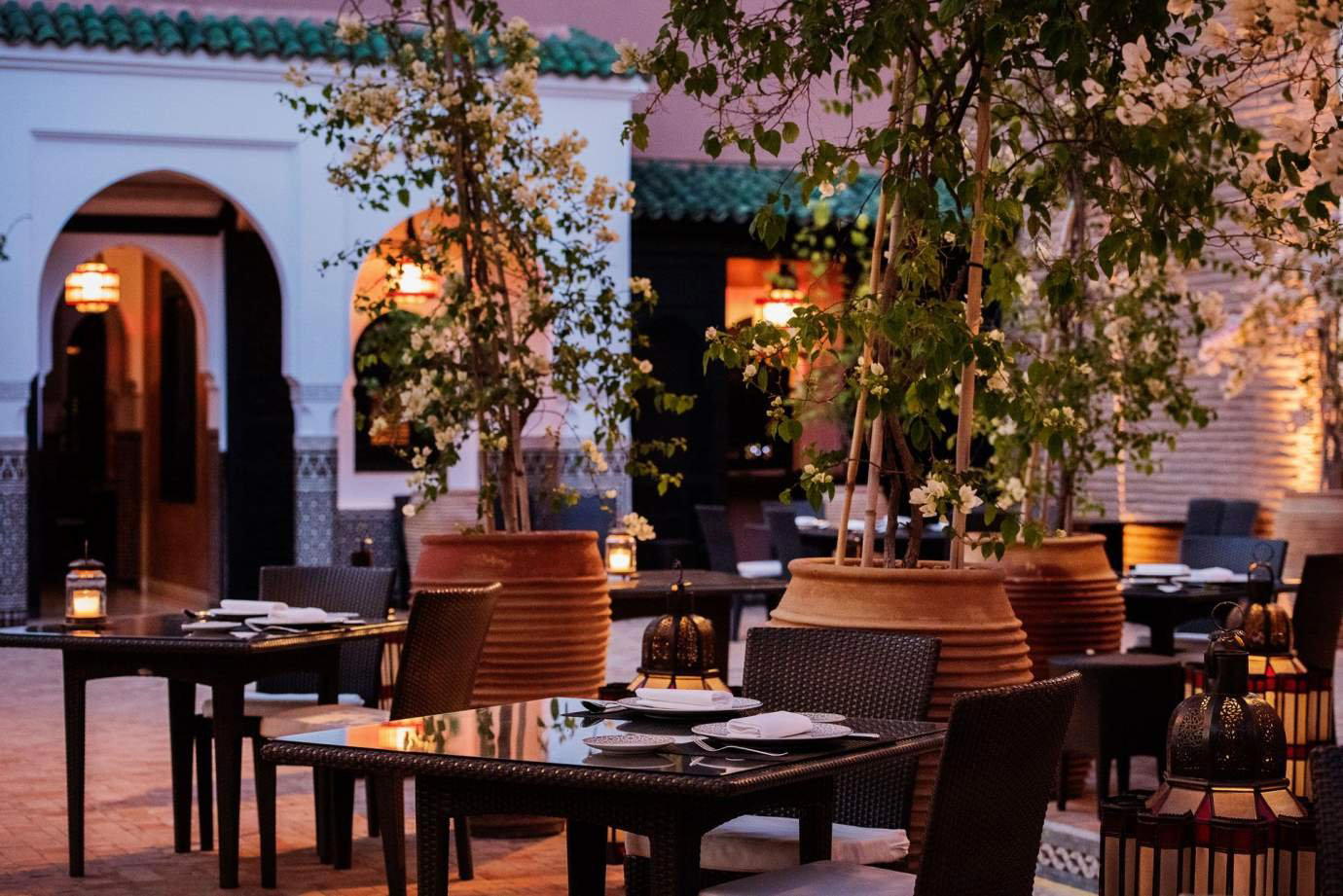
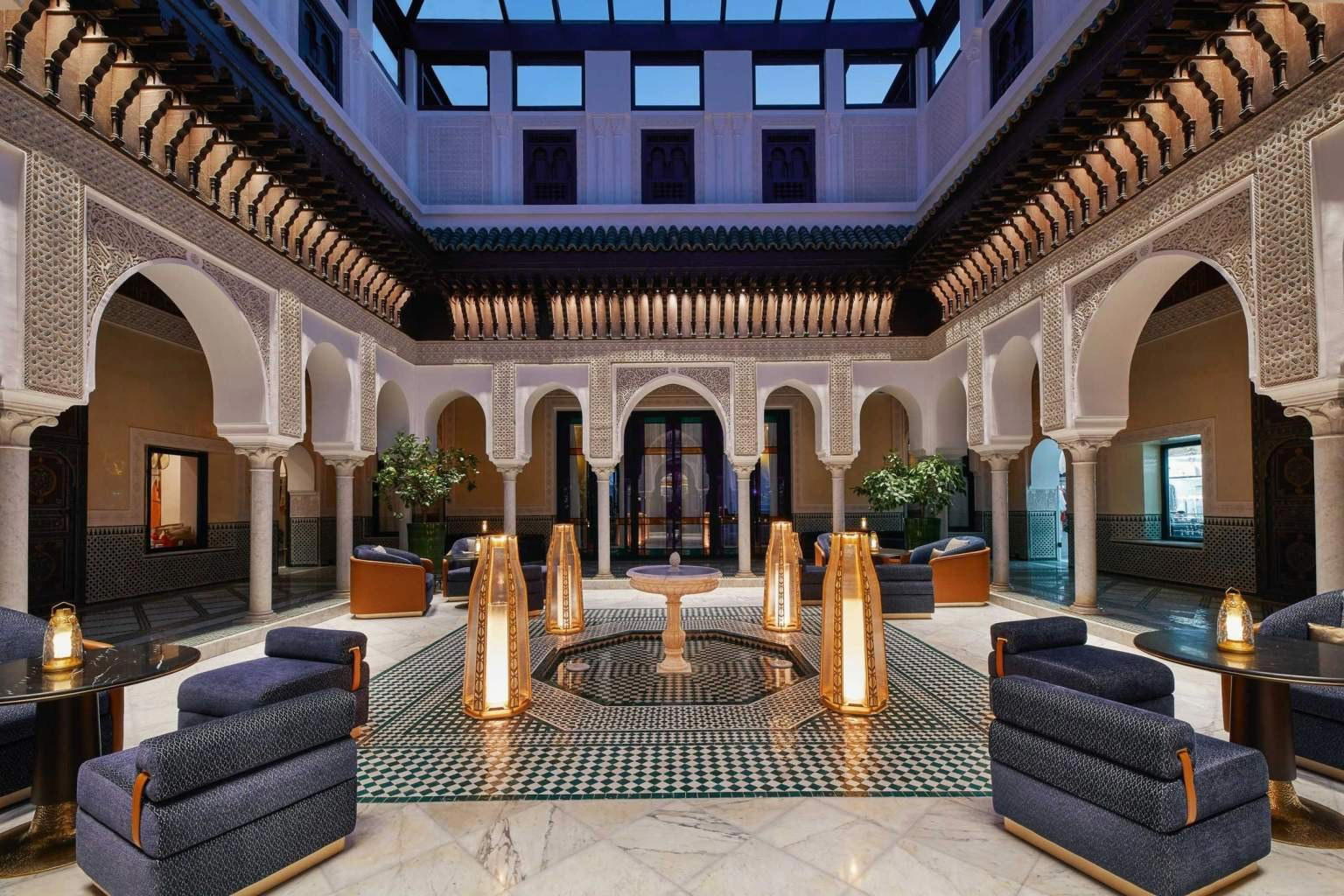
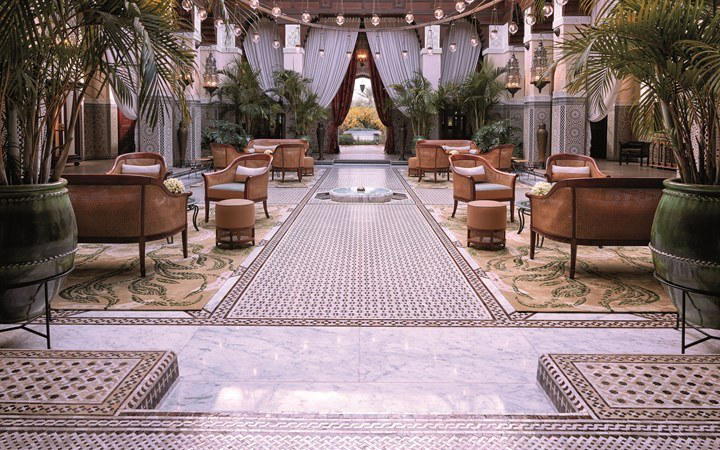
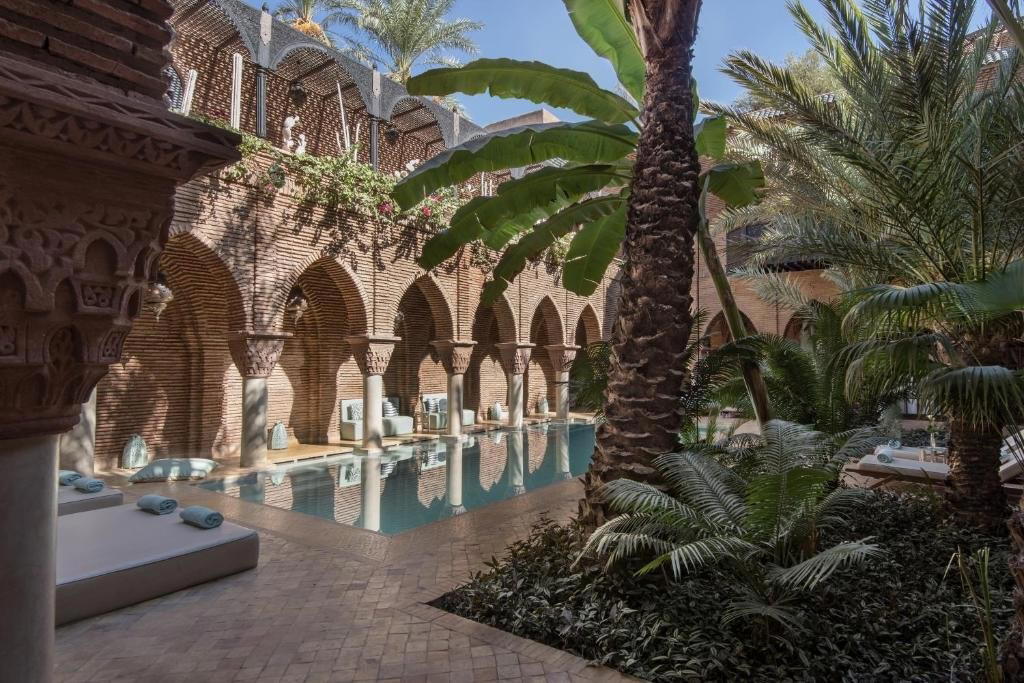
Subterranean, dimly lit and atmospheric, with underground speakeasy decor reminiscent of 1920s distilleries; stylish and contemporary yet cozy, creating an intimate, grown‑up setting focused on cocktail theater and refined dining.