Desert Door Distillery

Desert Door Distillery in Driftwood, Texas, holds a Pearl 2 Star Prestige recognition for 2025, placing it among a select tier of American craft spirits producers. The operation draws on the sotol plant native to the Texas Hill Country, a spirit category that sits outside the bourbon and rye mainstream. Located at 211 Darden Hill Rd, Desert Door is a meaningful detour for anyone tracing Driftwood's broader drinks culture.
Pearl is the En Primeur Club membership app — saves, bookings, and concierge access live there. Same editors, same standards.
- Address
- 211 Darden Hill Rd, Driftwood, TX 78619
- Phone
- +1 512-829-6129
- Website
- desertdoor.com
 Saves & bookings on Pearl
Where the Hill Country Speaks Through the Still
The stretch of Texas Hill Country between Austin and the Blanco River produces landscapes that feel indifferent to trends: cedar, limestone, thin alkaline soil, and a heat that concentrates rather than softens what grows in it. Driftwood sits inside that geography, and its drinks producers have learned to work with the land rather than against it. Desert Door Distillery, at 211 Darden Hill Rd, is one of the clearest expressions of that approach. While most American craft distilleries default to grain-based spirits, Desert Door built its program around sotol, a plant harvested from the wild Texas landscape.
That decision to anchor a spirits program to a regionally specific raw material is the kind of move that separates producers oriented toward terroir from those oriented toward category. Sotol is to the Chihuahuan Desert and the Texas Hill Country what agave is to Oaxaca: a plant shaped by its environment, and a spirit that carries the mineral, herbaceous, and earthy signatures of where it grew. The category remains small enough that Desert Door competes less against major American whiskey houses and more against a handful of sotol and agave-adjacent producers who treat raw material provenance as the foundation of their output.
The Terroir of Sotol in Texas
Sotol, or Dasylirion, grows slowly in rocky, calcareous terrain with minimal water. The plants harvested in Texas take between fifteen and twenty years to reach maturity, which means the spirit carries a kind of geological patience inside it. The Hill Country's limestone-heavy soil leaves a mineral signature that runs through sotol in ways that are distinct from agave spirits grown in volcanic or clay-heavy soils, a difference serious tasters can track. Where a Oaxacan mezcal might lean smoky and deep, a well-made Texas sotol tends toward a lighter, more herbaceous register with a dry, mineral finish that reflects the specific alkalinity of Hill Country earth.
This is why place matters for what Desert Door produces. Sotol harvested from the Trans-Pecos or Hill Country regions of Texas is not interchangeable with sotol from Chihuahua or Durango in Mexico, where the plant also grows. Different geology, different microclimate, and different harvest conditions produce different base material, and that variability transfers to the spirit. For a category as small and undercoded as Texas sotol, producers who root their sourcing in a defined geography are making an argument about origin that the category will need if it is to develop the kind of regional identity that Scotch whisky or Burgundy wine has built over generations.
For reference points across the American craft spirits conversation, it helps to look at what producers in wine-adjacent categories have accomplished by leaning into terroir specificity. Adelaida Vineyards in Paso Robles and Alban Vineyards in Arroyo Grande both built reputations on Rhône varieties that required belief in a specific patch of California ground before the market agreed. Andrew Murray Vineyards in Los Olivos took a similar bet on the Santa Ynez Valley. The common thread is a conviction that the raw material tells a story worth hearing, which is precisely the thesis Desert Door is working with, translated into a different category and a different plant.
Standing in the 2025 Prestige Tier
Desert Door holds a Pearl 2 Star Prestige recognition for 2025 from EP Club's rating system, which places it in a tier reserved for producers whose quality and consistency clear a defined threshold. For a craft distillery operating in a category as young as Texas sotol, that recognition carries weight as a signal of credibility in a market that still lacks the established vocabulary and critical infrastructure that wine or whiskey regions have developed over decades.
The Pearl 2 Star tier, within EP Club's framework, aligns Desert Door with a broader cohort of producers across categories who prioritize origin, craft, and restraint over volume. Producers working at that level, whether in wine, whiskey, or spirits, tend to share a set of operating commitments: limited production relative to demand, raw material sourcing that is documented and specific, and a format that allows the base ingredient to be legible in the finished product rather than obscured by heavy intervention. Desert Door's sotol-forward identity places it squarely in that operational posture.
For comparison, the craft spirits producers who have built durable recognition, from small-batch Scotch houses like Aberlour in Aberlour to American wine estates that have crossed into wider recognition, typically earn that standing by making the argument for a specific place over many years. Desert Door is making that argument for the Texas Hill Country in a category that has no precedent for the kind of institutional recognition that older categories carry. That is both a disadvantage in terms of immediate legibility and an opportunity to define the standard before it is set by someone else.
Driftwood's Position in Texas Drinks Culture
Driftwood is not Austin. That distinction matters when thinking about why a distillery of this character landed here rather than in the city thirty minutes north. The Hill Country towns surrounding Austin, Driftwood included, have become a loose cluster of serious producers who benefit from proximity to a large consumer base without being constrained by urban land costs or the hospitality expectations that come with a downtown address. Duchman Family Winery, one of Driftwood's most recognized producers, has helped establish the town as a credible stop on the Texas wine and spirits circuit rather than a day-trip novelty.
The geography also matters operationally. Being in the Hill Country means access to the landscape that defines the spirit, rather than trucking raw material from a distance and processing it in a context disconnected from its origin. That physical proximity between source plant and production site is part of what makes the terroir argument legible to visitors who make the drive out from Austin. Our full Driftwood restaurants guide maps the broader ecosystem of producers and dining options in the area for those building a longer itinerary around the region.
The Hill Country drinks cluster now positions Driftwood alongside other American regions where craft producers have gathered around a shared geographic identity. Artesa Vineyards and Winery in Napa, Accendo Cellars in St. Helena, and Alpha Omega Winery in Rutherford all operate within the Napa Valley's established identity. Adelsheim Vineyard in Newberg and Au Bon Climat in Santa Barbara anchor different regional identities on the West Coast. Alexander Valley Vineyards in Geyserville, Aubert Wines in Calistoga, B.R. Cohn Winery in Glen Ellen, and Achaia Clauss in Patras each illustrate how producers anchor identity to a named geography over time. Driftwood is earlier in that process, but the producers operating here are clearly working toward a similar outcome.
Planning a Visit
Desert Door is located at 211 Darden Hill Rd in Driftwood, Texas 78619, roughly thirty minutes southwest of Austin, making it a viable half-day destination when combined with other Hill Country stops. Phone and hours data are not confirmed in our current records, so checking directly before visiting is the practical approach. The 2025 Pearl 2 Star Prestige recognition makes this a notable stop for anyone tracing the Texas craft spirits conversation seriously.
Fast Comparison
Comparable venues nearby, for context on price, style, and recognition.
| Venue | Cuisine | Price | Notes |
|---|---|---|---|
| Desert Door DistilleryThis venue — the venue you are viewing | sotol | $$ | |
| Duchman Family Winery | Aglianico, Montepulciano | $$ | Driftwood |
| Narrow Path Winery | Cabernet Sauvignon, Cabernet Franc | $$ | Stonewall |
| Carter Creek Winery | Riesling, Pinot Grigio | $$ | Johnson City |
| Devils River Distillery | Texas | $$ | Downtown |
| Treaty Oak Distilling | Texas Hill Country | $$ | Dripping Springs |
Continue exploring
More in Driftwood
Wineries in Driftwood
Browse all →
Bars in Driftwood
Browse all →
Restaurants in Driftwood
Browse all →


At a Glance
- Rustic
- Cozy
- Scenic
- Lively
- Group Outing
- Celebration
- Estate Grounds
- Terrace
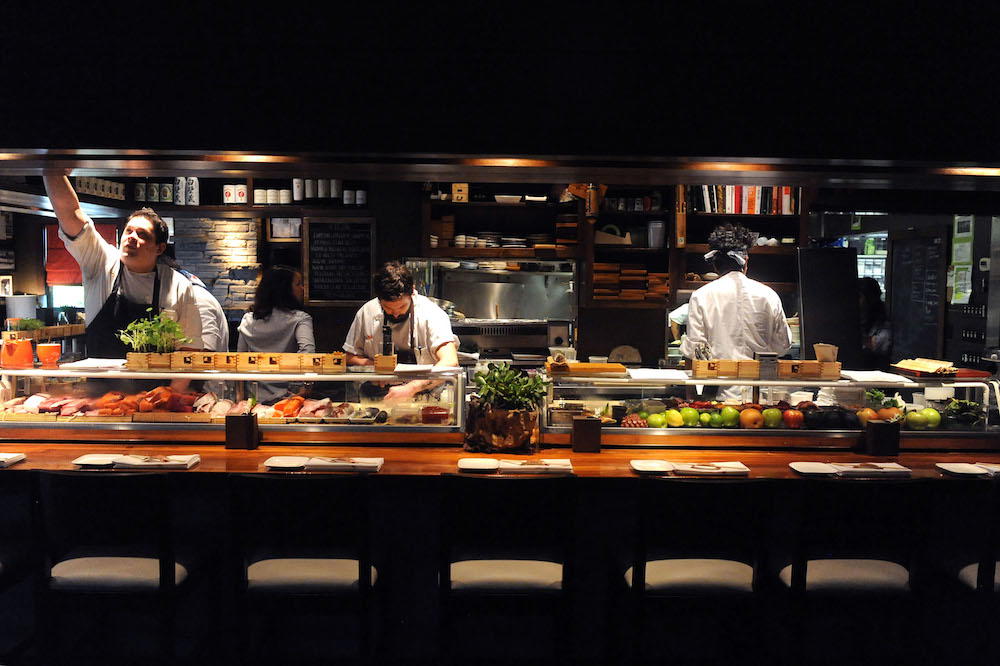
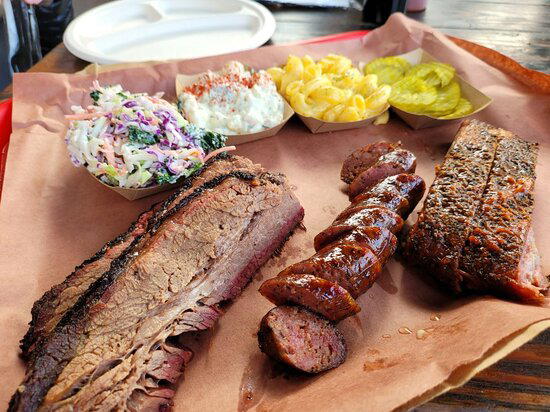
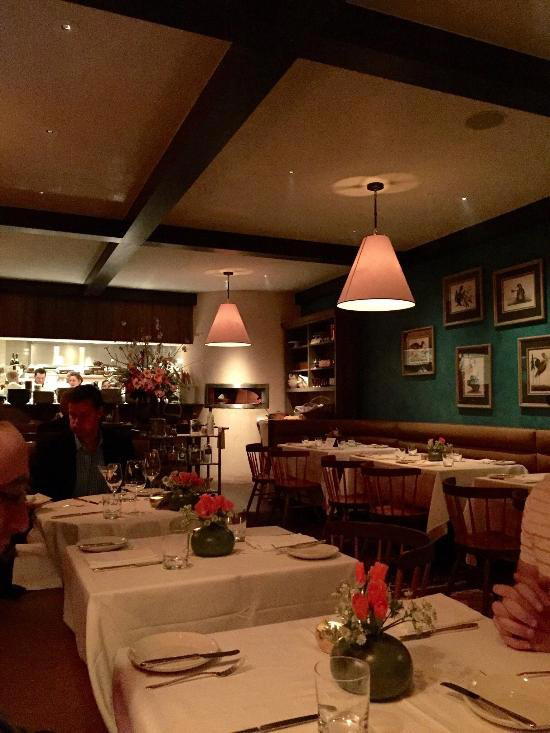
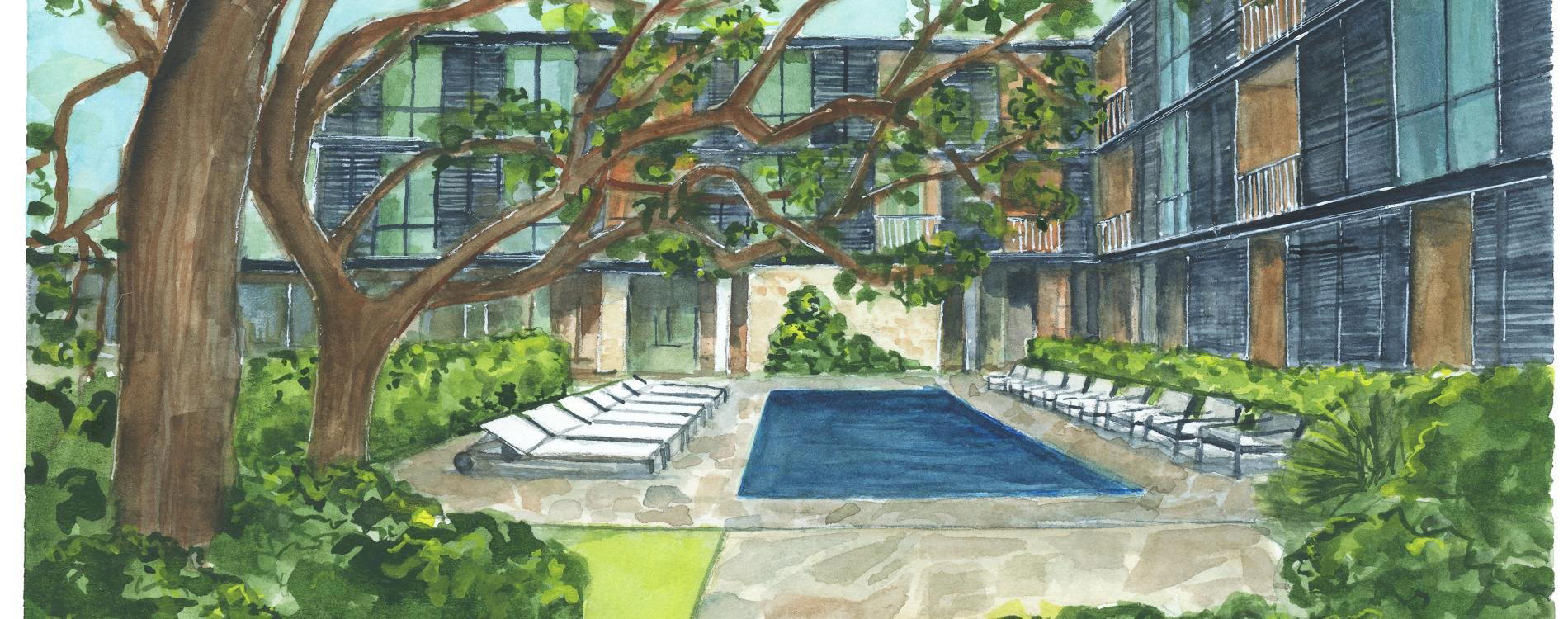
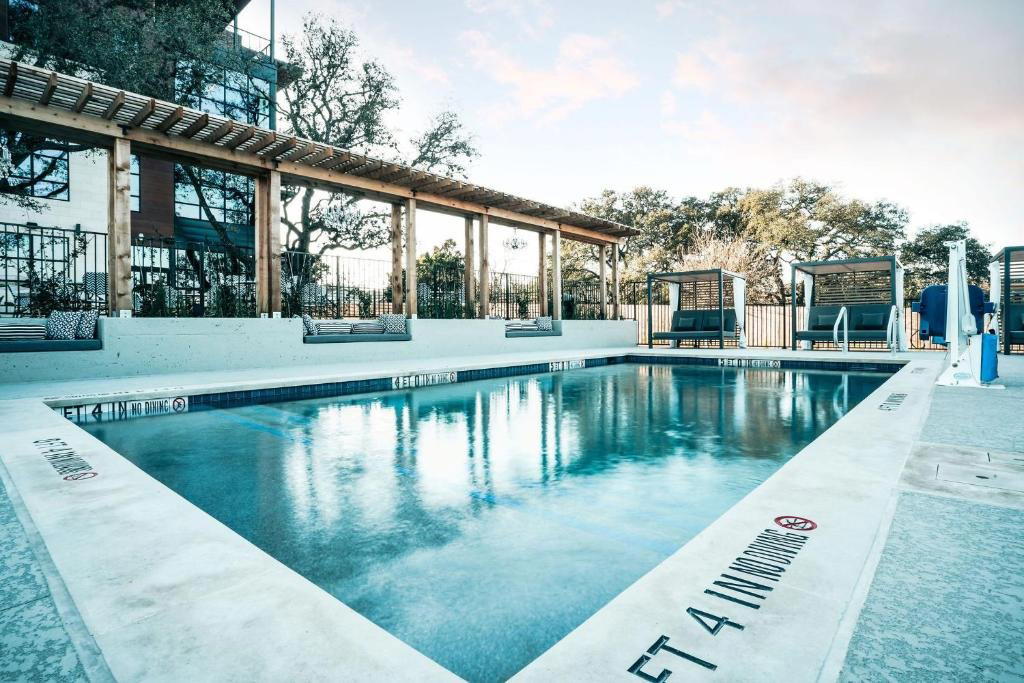
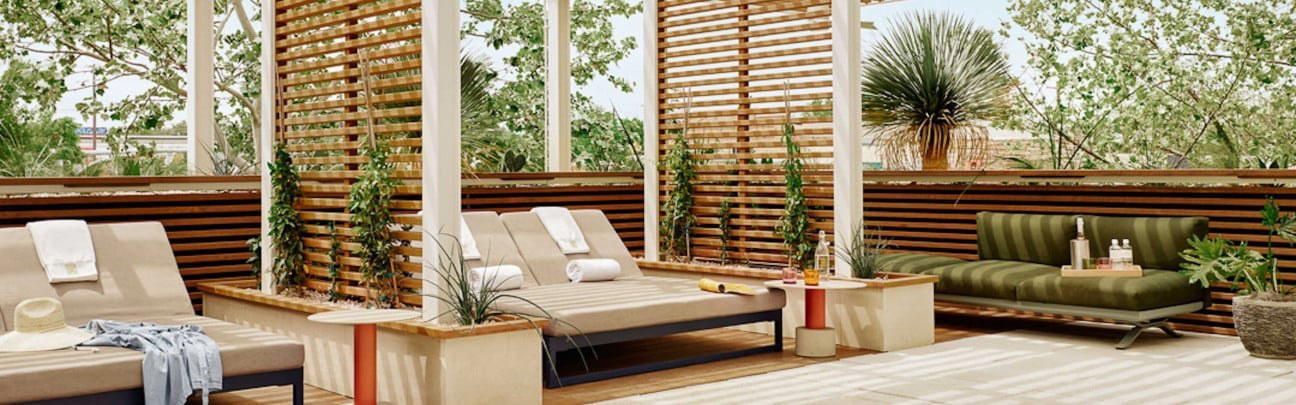
Laid-back West Texas rustic interior with cozy indoor seating, large covered outdoor patio featuring live music, and welcoming Hill Country atmosphere.