Arrowood Farms
Arrowood Farms sits on a working property in Accord, New York, where the Hudson Valley's farm-to-glass ethos reaches one of its cleaner expressions. The drinks program draws on what the land produces, placing it in a small tier of American bars where agricultural context and cocktail craft operate in genuine dialogue. Plan your visit around the season — what's growing determines what's poured.

Pearl is the En Primeur Club membership app — saves, bookings, and concierge access live there. Same editors, same standards.
- Address
- 236 Lower Whitfield Rd, Accord, NY 12404
- Phone
- (845) 253-0389
- Hours
- Mon–Thu ClosedFri 4–9 PMSat 12–9 PMSun 12–7 PM
- Website
- arrowoodfarms.com
- Directions
- Get directions
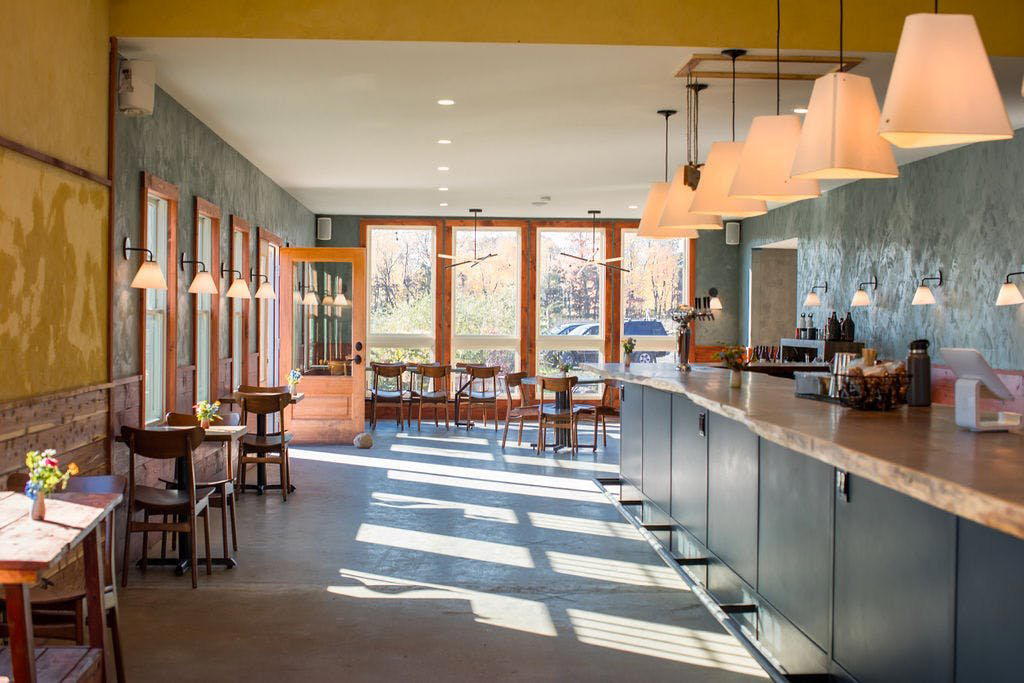
Where the Catskills Meet the Glass
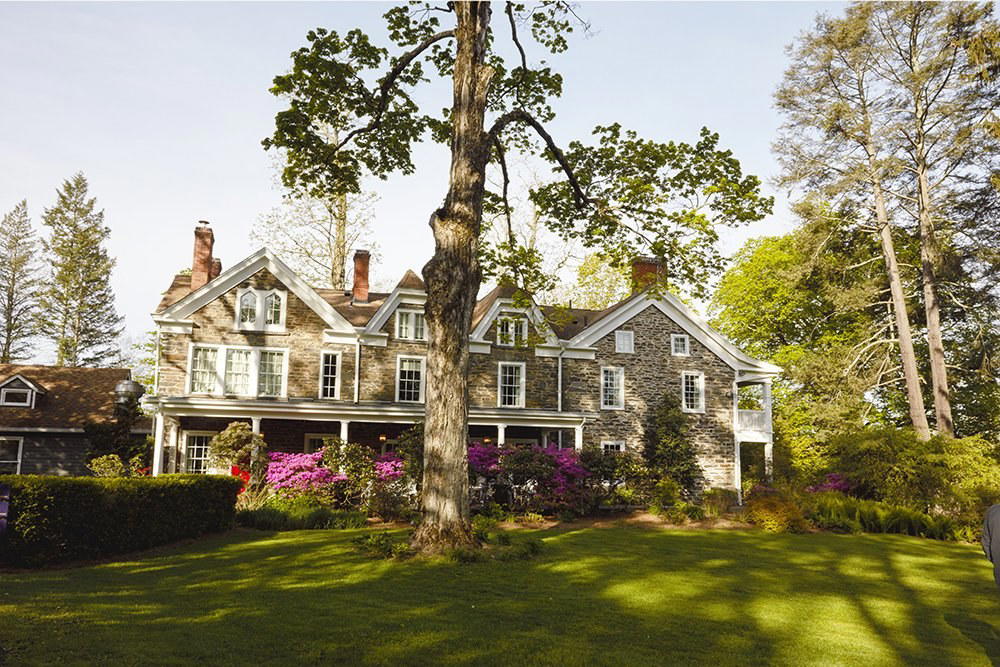
The drive into Accord along Lower Whitfield Road gives you the context before you arrive. The Hudson Valley here is neither the manicured wine-country postcard of the North Fork nor the dense culinary infrastructure of the city's outer boroughs. It is working farmland, with the Shawangunk Ridge in the background and a horizon that changes register with the season. Arrowood Farms sits at 236 Lower Whitfield Rd within that agricultural fabric, and that setting is not incidental to what happens in the glass. In a category of American drinking establishments where farm-to-bar has become a phrase deployed more often than practiced, this property is a clear example of the format functioning as described.
One track follows the craft-beer and cider template, where regional producers supply ingredients and the destination becomes as much about provenance storytelling as about technical execution. The other track imports urban cocktail sensibility into rural spaces, producing bars that happen to be surrounded by fields but draw no meaningful connection to them. Arrowood Farms occupies a more specific position: a working farm property where the drink program and the land it sits on are in genuine, operational relationship.
The Cocktail Program in Context
American craft cocktail culture has split, in recent years, into legible tiers. At one end, programs like Kumiko in Chicago or Bar Leather Apron in Honolulu operate as destination bars with formalized tasting formats, sourced spirits libraries, and menus that reference global technique. At the other end, neighborhood bars serve well-made classics with minimal conceptual scaffolding. The farm-based model sits in a third category, where the creative constraint is agricultural rather than stylistic: the bartender works with what the season and the soil produce, which means the program is inherently time-bound and place-specific.
That constraint is the editorial point. At a farm operation like Arrowood, the cocktail menu is not a fixed document. Ingredients shift as harvests move through the calendar, which means the drink you order in August and the drink you order in November may share a name but differ materially in character. This is a fundamentally different model from the polished consistency that defines bars like Jewel of the South in New Orleans or Allegory in Washington, D.C., where menu coherence and year-round repeatability are part of the value proposition. The Arrowood model asks the drinker to accept seasonality as a feature rather than an inconvenience — which is precisely the contract that makes a farm-based program worth visiting on its own terms.
For comparison, urban programs such as Superbueno in New York City or ABV in San Francisco maintain menus built around consistency and technique applied to stable ingredient sourcing. Julep in Houston and Bitter & Twisted in Phoenix demonstrate how strong curatorial vision can anchor a program independent of any agricultural relationship. The farm-based format at Arrowood is not in competition with those approaches; it operates on a different axis entirely, where the credential is land rather than lineage.
Accord and the Hudson Valley Drinking Scene
Accord sits in Ulster County, roughly 100 miles north of Manhattan, in a corridor that has attracted a particular kind of weekend visitor over the past several years: buyers of farmhouses, food professionals on days off, and city residents who have shifted their frame of reference from Hamptons-adjacent to Catskills-adjacent. The drinking culture in this part of the Valley leans toward production-site experiences, where the tasting room or tap room is embedded in the operation itself rather than positioned as a standalone hospitality concept.
Westwind Orchard, also in Accord, represents a parallel model in the cider and farm-hospitality category. Taken together, these two properties suggest that Accord has developed a small but coherent cluster of farm-based beverage experiences that give the town a distinct identity within the broader Hudson Valley circuit. For visitors building a weekend itinerary, the town offers a compact cluster of farm-based drinks stops.
The comparison set for Arrowood within the international farm-to-glass category would include properties in Burgundy, the Basque Country, and parts of New Zealand where wineries or distilleries have built hospitality programs around existing agricultural operations. The Hudson Valley version of this model is younger and less codified, which means the format is still finding its register — but also that the experiences on offer carry less institutional weight and more genuine contingency.
Planning Your Visit
Arrowood Farms rewards planning around timing. The farm-based program means that the experience in spring, when early botanicals are available, differs from a late-summer visit when fruit harvests are at peak, or an autumn trip when the surrounding ridge turns color and the production calendar shifts toward preservation and fermentation. Seasonal variability means it is worth checking what is currently being produced before you go.
The address at 236 Lower Whitfield Rd, Accord, NY 12404 places the property outside walkable reach of any town center, so driving or arranging transport from a nearby base is necessary. The Catskill region draws its weekend audience largely from the New York metropolitan area, with Accord reachable in under two hours from the city by car. Accommodation in the immediate area ranges from converted farm properties to small inn formats in the surrounding villages, and the area's hospitality infrastructure has expanded meaningfully in the past five years to accommodate the increased weekend demand.
Bar Kaiju in Miami and The Parlour in Frankfurt on the Main represent the far end of the spectrum from what Arrowood offers: controlled environments, fixed programs, and reproducible execution. Understanding where Arrowood sits relative to those benchmarks helps frame expectations.
At-a-Glance Comparison
| Venue | Cuisine | Price | Awards |
|---|---|---|---|
| Arrowood FarmsThis venue — the venue you are viewing | Not listed | $20–30 | Not listed |
| Julep | Not listed | Not listed | World's 50 Best |
| Kumiko | Not listed | Not listed | World's 50 Best |
| ABV | Cocktail Bar | $20–30 | World's 50 Best #39 · Eater Cocktail Bar Guide |
| Bisous | Not listed | $20–30 | World's 50 Best #30 · James Beard Award Semi Finalist |
| Canon | Not listed | Not listed | World's 50 Best |
Continue exploring
More in Accord
Bars in Accord
Browse all →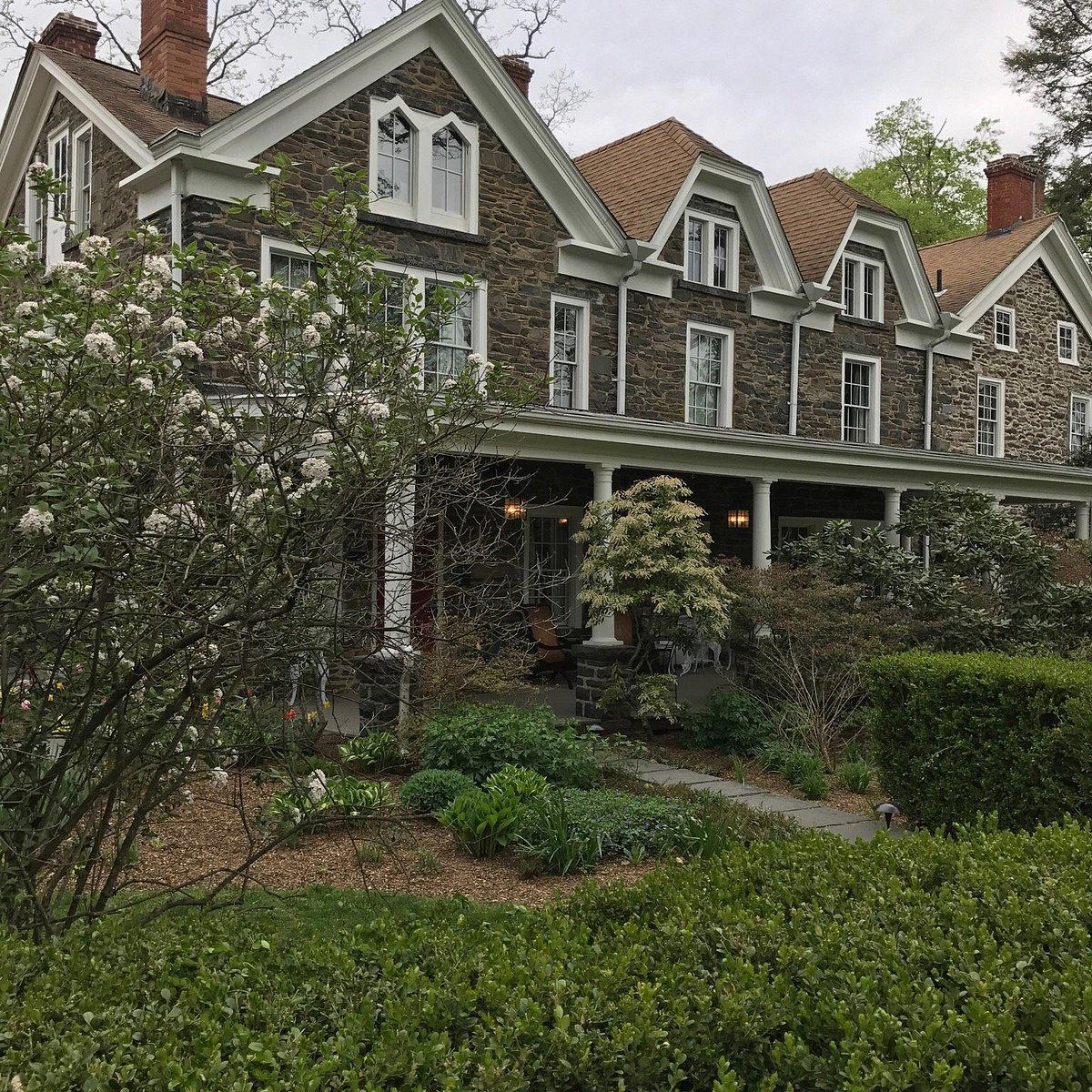
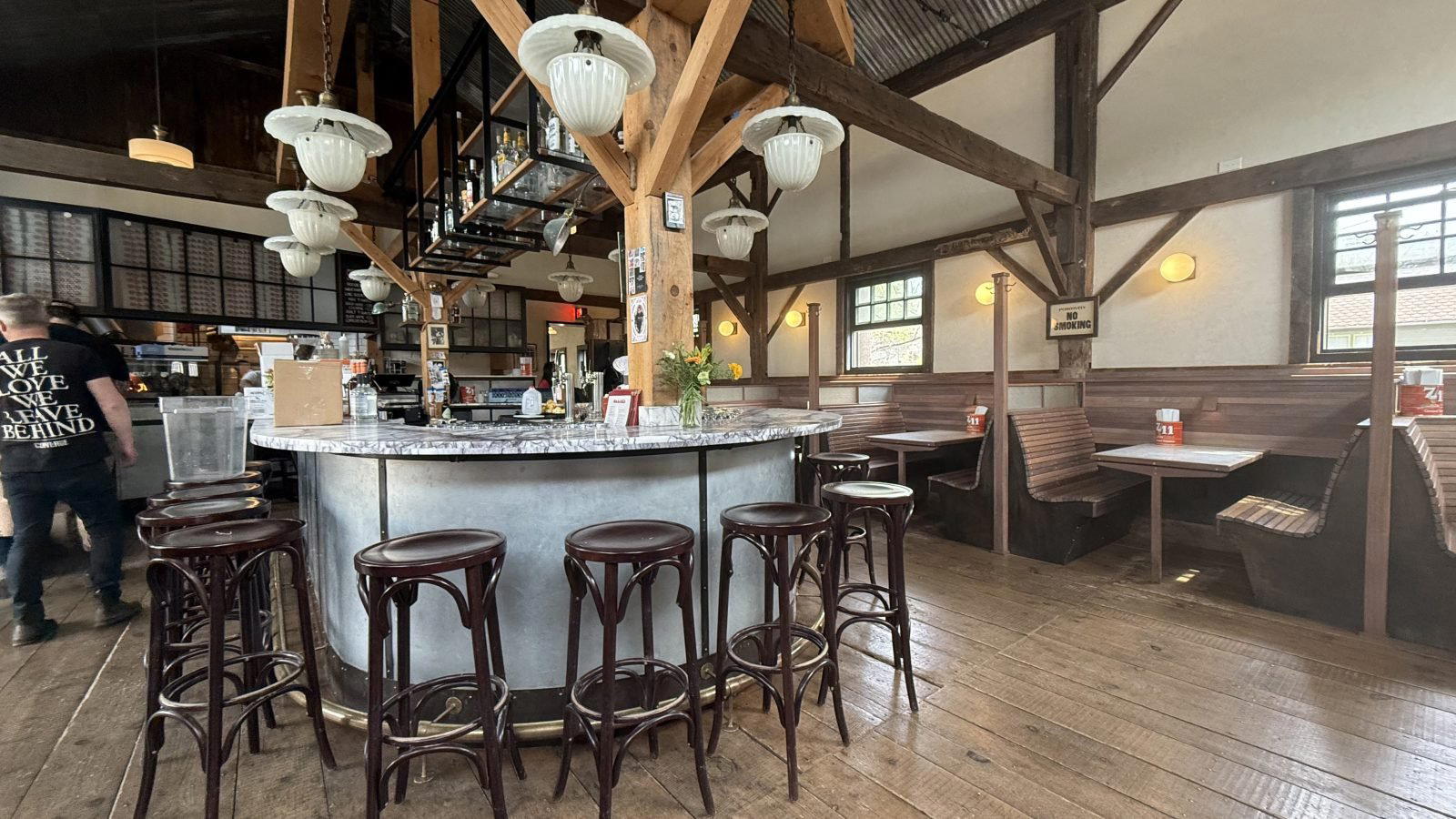
Restaurants in Accord
Browse all →
Hotels in Accord
Browse all →
Wineries in Accord
Browse all →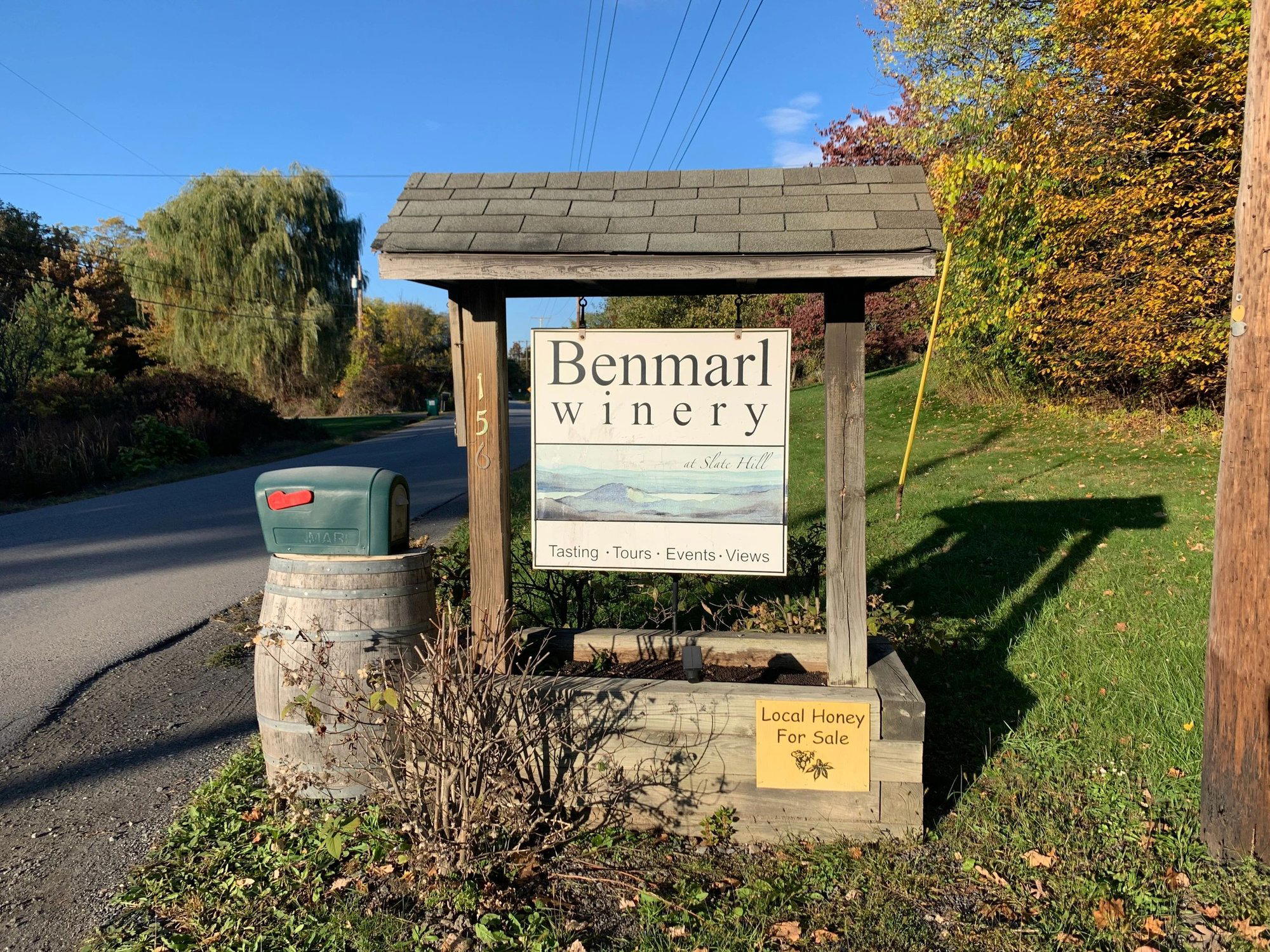
Details
- Rustic
- Scenic
- Cozy
- Lively
- Casual Hangout
- Group Outing
- Live Music
- Garden
- Outdoor Terrace
- Lounge Seating
- Craft Beer
- Garden
Current opening hours
- Monday
- Closed
- Tuesday
- Closed
- Wednesday
- Closed
- Thursday
- Closed
- Friday
- 4–9 PM
- Saturday
- 12–9 PM
- Sunday
- 12–7 PM
Hours can change for holidays and private events. Last verified .
Relaxed outdoor farm atmosphere with picnic tables, roaming chickens, duck pond, and live music on summer afternoons.