Agrodolce Osteria
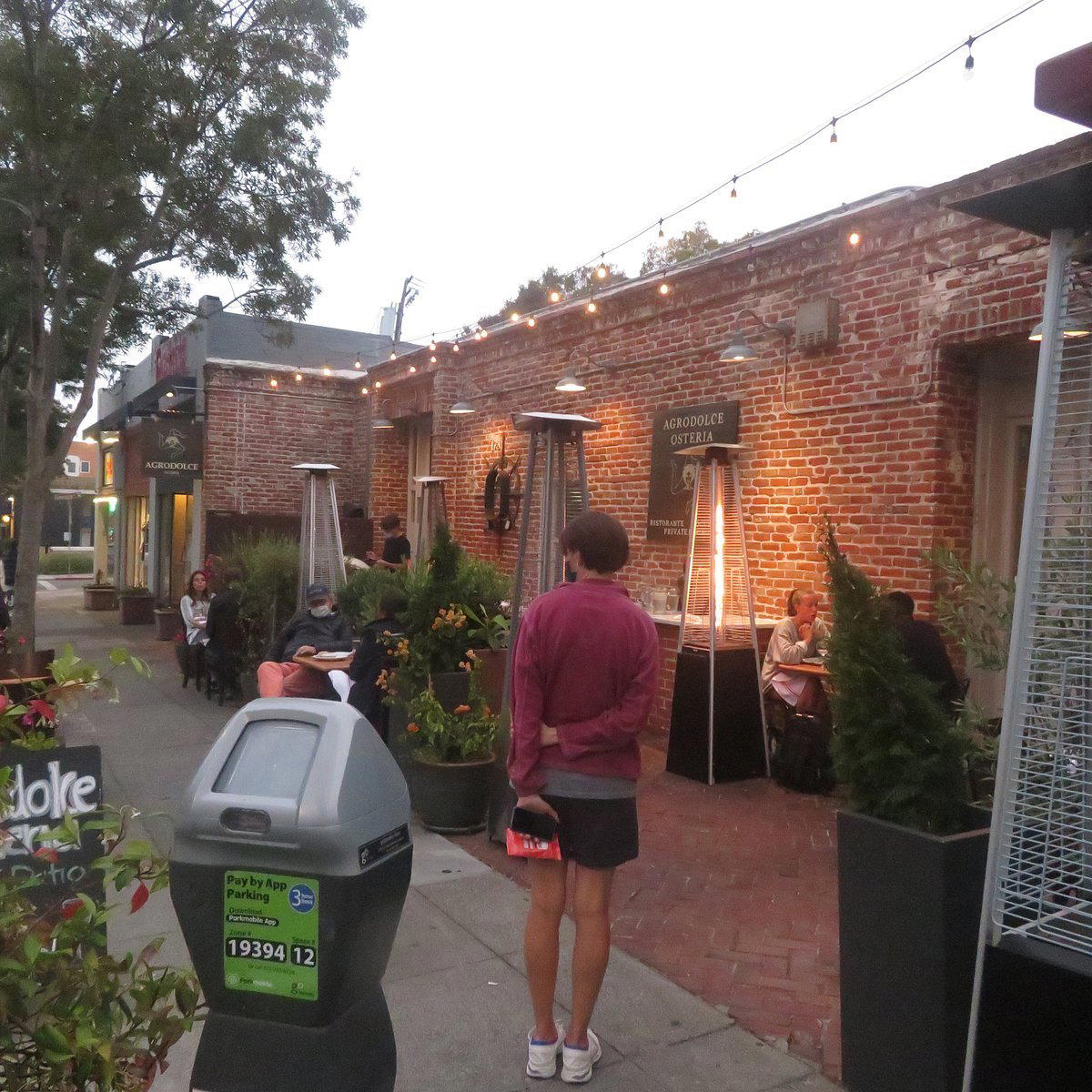
On Shattuck Avenue in North Berkeley, Agrodolce Osteria occupies the kind of neighborhood position that Italian-format restaurants in American college towns have historically struggled to hold: serious enough for destination dining, relaxed enough for a Tuesday. The name itself, Italian for sweet and sour, signals an interest in tension and balance that runs through the osteria tradition.
 Discover on Pearl
Pearl is the En Primeur Club membership app — saves, bookings, and concierge access live there. Same editors, same standards.
- Address
- 1730 Shattuck Ave., Berkeley, CA 94709
- Phone
- +1 510 848 8748
- Website
- agrodolceberkeley.com
Shattuck Avenue and the Osteria Question
Agrodolce Osteria is a bar at 1730 Shattuck Ave., Berkeley, CA 94709, with a Google rating of 4.2 and an average price of about $40 per person. There is a particular quality to North Berkeley's Shattuck Avenue corridor at dusk: the foot traffic slows from errand pace to dinner pace, the light drops behind the hills, and the restaurants that have earned their neighborhood footing fill quietly from the back. Agrodolce Osteria, at 1730 Shattuck Ave., sits inside that rhythm. It is an osteria in the Italian sense of the word, meaning a place oriented around wine and food in roughly equal proportion, where the room serves the drink as much as the drink serves the room. That format has had a complicated run in American cities, where the word osteria often gets borrowed for atmosphere and then hollowed out in practice. Berkeley, with its long relationship to ingredient-led cooking and a drinking culture that predates most American wine bars, is one of the cities where the format has an honest chance.
The Craft at the Counter: What the Osteria Bar Tradition Actually Demands
The editorial angle that makes Agrodolce worth examining is not just its address or its name, but what an osteria format asks of the person behind the bar. In Italy, the osteria barman or barmaid operates as something closer to a sommelier-host hybrid: they are expected to understand the kitchen's rhythm, guide guests through wine without a formal tasting-menu structure, and hold the room's tone at a register that is neither formal restaurant service nor loose bar hospitality. It is a specific skill set, and it is one that American hospitality has been slowly rebuilding after decades of hard separation between the bar program and the floor.
The broader shift in American drinking culture over the past decade has made this rebuilding more plausible. Bars like Kumiko in Chicago and Jewel of the South in New Orleans have demonstrated that craft-forward programs can carry genuine hospitality depth, not just technical performance. Bar Leather Apron in Honolulu and Julep in Houston have built identities around the relationship between the person pouring and the guest receiving, which is a different proposition than building around the drink alone. The osteria tradition asks for exactly that relational quality, applied to wine and simple food rather than to cocktails.
In the Bay Area, that tradition has a specific local context. ABV in San Francisco represents the technically sophisticated end of the Bay Area bar conversation, while Berkeley's own neighborhood bars, including Anchalee and Comal, anchor a more relaxed, cuisine-forward model. Agrodolce sits between those poles: more wine-focused than a cocktail bar, more food-integrated than a wine bar operating in isolation.
Berkeley's Dining Street and the Osteria's Neighbors
Shattuck Avenue in this stretch functions as Berkeley's primary dining corridor, a block-by-block accumulation of restaurants that reflects the city's appetite for serious cooking without formality. La Marcha Tapas Bar brings a Spanish small-plates sensibility to the same corridor, and the proximity matters: Berkeley diners are generally comfortable with shared formats, with wine-driven evenings, and with the kind of meal that does not announce itself with a dress code. That comfort makes the osteria model more viable here than in cities where casual fine dining needs more stage-setting to land.
The street also has density in the casual-to-mid-tier range, from Happy Lemon at the informal end to more established dining rooms operating at higher price points. Within that range, the osteria occupies a middle position that rewards repeat visits more than special-occasion ones: it is the format that works well when you know the menu well enough to let the person behind the bar guide the evening.
Why the Agrodolce Name Carries Weight
The Italian phrase agrodolce, translating literally as sour-sweet, describes a specific culinary philosophy as much as a flavor profile. In Southern Italian and Sicilian cooking, the agrodolce technique, which applies sweet-acid balance through reductions, vinegars, and fruit, is used to cut richness and add structural complexity to dishes that might otherwise read as flat. As a name for an osteria, it signals that the kitchen is thinking in terms of contrast rather than comfort alone, which is a meaningful declaration in a city where farm-to-table has sometimes collapsed into a single flavor register of round, sweet, produce-forward cooking. The name implies something sharper.
That sharpness, whether it carries through the actual menu on any given night, is a question that requires a visit to answer. What the name establishes is an orientation, and orientation matters in the osteria format, where the bar program and the kitchen need to speak the same language for the model to work.
Planning a Visit: What to Know Before You Go
Agrodolce Osteria is at 1730 Shattuck Ave. in Berkeley's North Shattuck neighborhood, within walking distance of the downtown Berkeley BART station and easily reached from most of the East Bay by surface streets. For current hours, reservation availability, and menu information, direct contact with the venue is the most reliable route; Shattuck Avenue restaurant hours in Berkeley can shift with the season, and the osteria format generally rewards calling ahead rather than walking in cold on a Friday. The broader Berkeley dining scene, including neighborhood context and peer venues, is covered in our full Berkeley restaurants guide.
Compact Comparison
Comparable venues nearby, for context on price, style, and recognition.
| Venue | Cuisine | Price | Notes |
|---|---|---|---|
| Agrodolce OsteriaThis venue — the venue you are viewing | $$ | ||
| Comal | Downtown, mezcaleria | $$ | |
| Anchalee | Southwest Berkeley, Bar | $$ | |
| La Marcha Tapas Bar | $$ | West Berkeley, wine_bar | |
| Thai Table | West Berkeley, Bar | $$ | |
| Takara Sake USA Inc. | $$ | West Berkeley, sake_bar |
Continue exploring
More in Berkeley
Bars in Berkeley
Browse all →
Restaurants in Berkeley
Browse all →
Hotels in Berkeley
Browse all →


At a Glance
- Cozy
- Rustic
- Elegant
- Date Night
- Casual Hangout
- Live Music
- Lounge Seating
- Outdoor Terrace
- Craft Cocktails
Warm and inviting with rustic wooden tables, soft lighting, brick walls, and lively neighborhood energy.