Old Town Coffee
A coffee stop on Reyes Católicos in San Sebastián's Parte Vieja, Old Town Coffee sits at the intersection of the neighbourhood's bar-hopping culture and a quieter, sit-down rhythm that the old quarter rarely offers. For visitors moving between pintxo bars and the waterfront, it provides a grounding pause in one of Spain's most food-saturated neighbourhoods.
 Discover on Pearl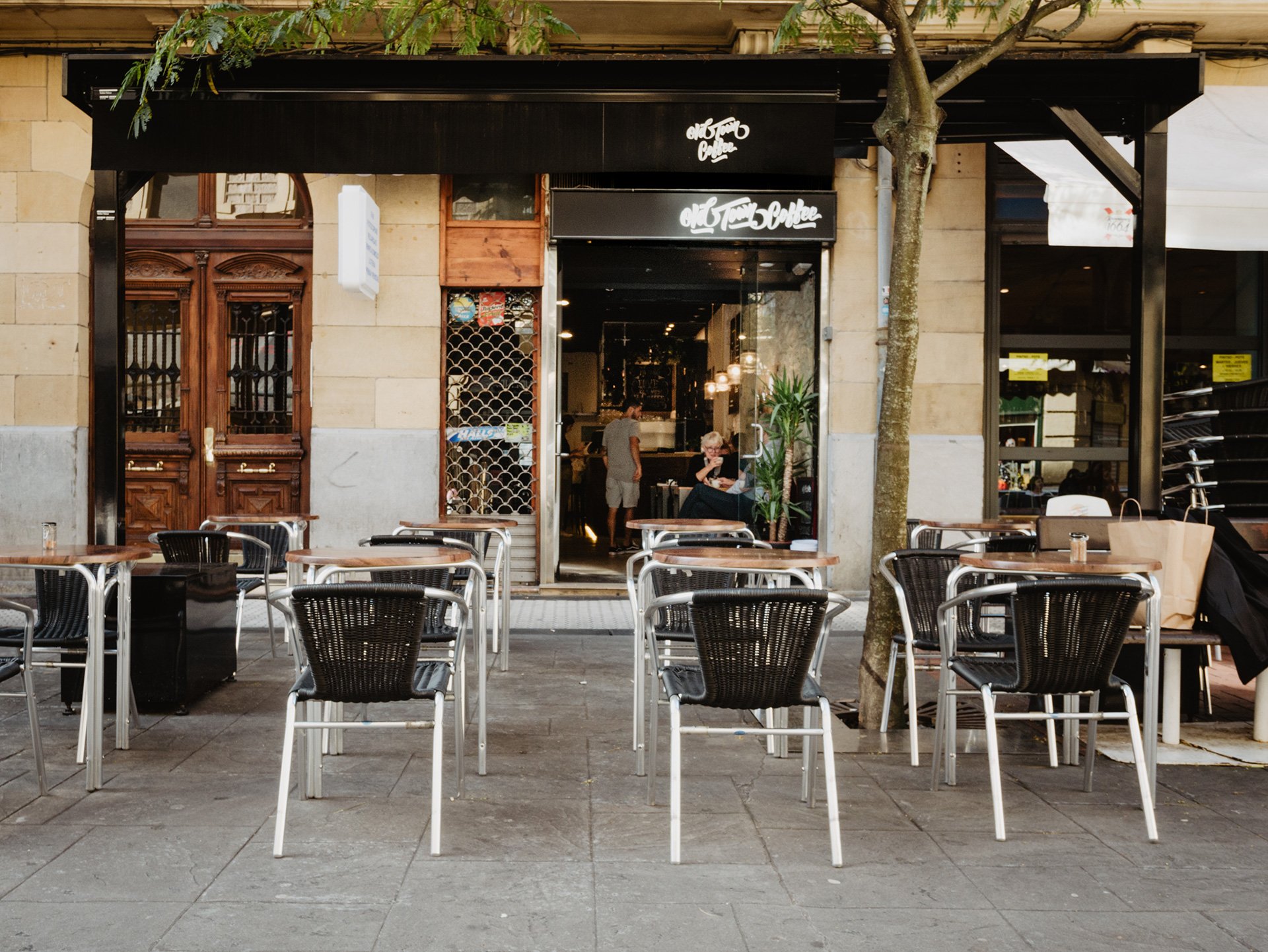
Morning Coffee in the Parte Vieja
Calle Reyes Católicos cuts through the Parte Vieja, San Sebastián's old quarter, where the density of bars and pintxos counters is probably higher per square metre than anywhere else in the Basque Country. On this street, early mornings carry a particular texture: the clatter of metal shutters, the low hum of espresso machines warming up, and the smell of roasted coffee threading through the salt air that drifts in from the Bahía de la Concha two blocks west. Old Town Coffee occupies this moment in the neighbourhood's daily rhythm, a coffee-focused address on a street better known for its evening pintxos crawl than its morning ritual.
The Parte Vieja's daytime character is often overlooked by visitors who arrive for the evening bar circuit. By mid-morning, the quarter belongs to a different crowd: locals heading to the market at La Bretxa, traders resupplying bars, and the first wave of travellers who have worked out that the city is at its most navigable before noon. A neighbourhood coffee stop on Reyes Católicos 6 fits naturally into that earlier register. For those building a day around the old town, it functions as a practical anchor point before the midday pintxos rush claims every available counter.
San Sebastián's Coffee Tradition in Context
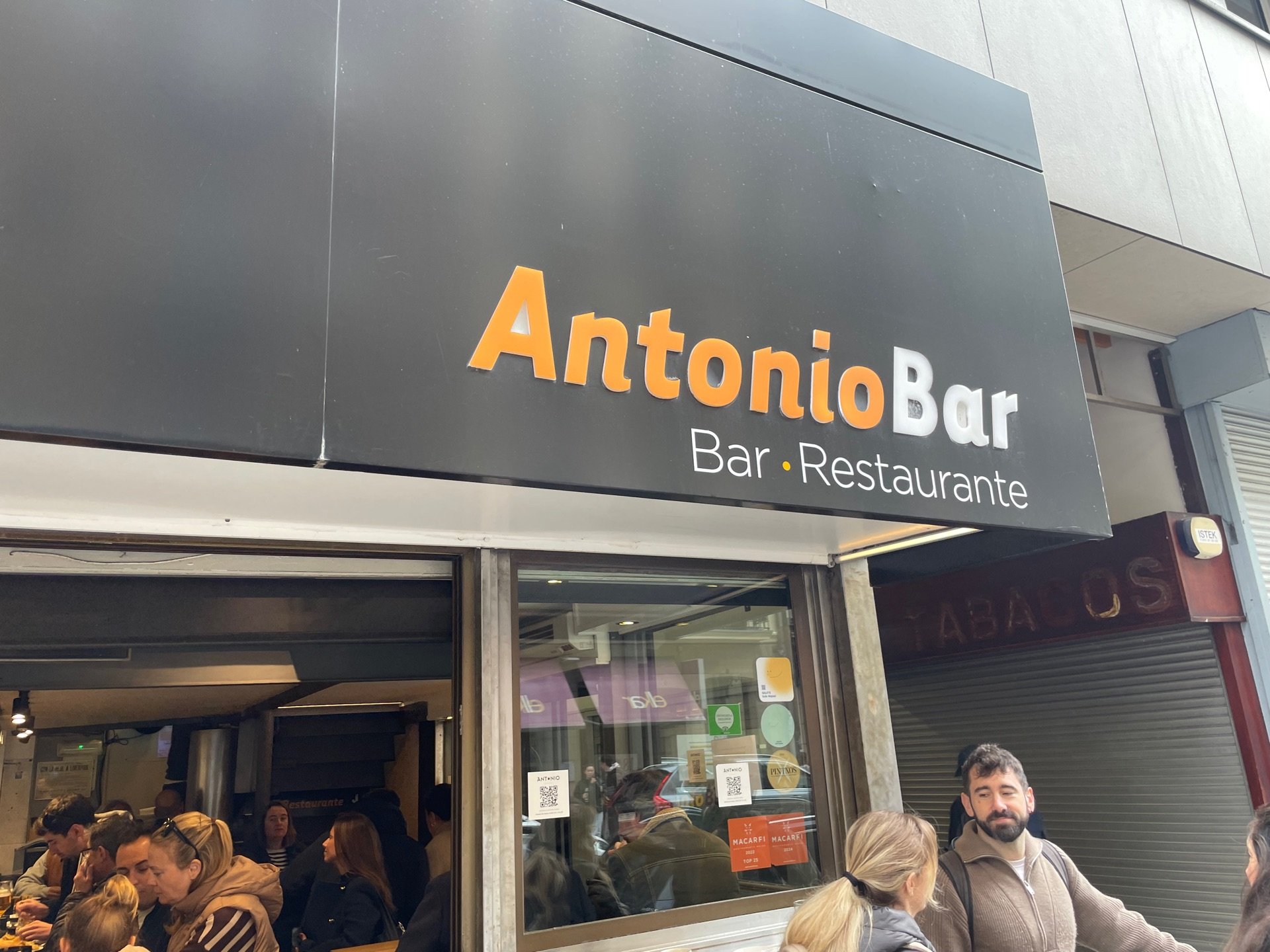
The Basque Country has a deep café culture, but it runs on its own terms. The traditional format is the café-bar: espresso served short and strong, usually at a counter shared with a glass case of pintxos, consumed quickly before moving on. San Sebastián has only recently seen a wave of more focused coffee venues that treat the drink as the primary product rather than a supporting act. This shift mirrors what happened in Madrid, Barcelona, and a handful of other Spanish cities over the last decade, though the Basque version tends to be quieter about it. Bars like Antonio taberna and Atari Gastrolekua operate within the established pintxos and drinks tradition; a coffee-specific address represents a different proposition in the same geography.
Across Spain, the specialist coffee format has taken root at different speeds in different cities. In Madrid, venues like Angelita have combined coffee with natural wine lists in ways that blur the category entirely. In Barcelona, older institutions like Boadas maintain their own historic beverage traditions. Further south, Bar Sal Gorda in Seville and Bar Gallardo in Granada each reflect regional drinking cultures that diverge sharply from the Basque model. What San Sebastián does consistently is hold its local formats with considerable conviction, which makes any deviation from the pintxos-bar template worth noting.
The Sensory Register of Reyes Católicos 6
The Parte Vieja is a compact grid of narrow streets, and Calle Reyes Católicos is one of its main arteries. At street level, the visual grammar is consistent: stone facades, bar signage, chalkboard menus in the window, occasional hanging hams visible through glass. A coffee-focused venue in this setting reads differently from the same format in a purpose-built specialty coffee district. The context shapes the experience: you are drinking coffee inside one of Europe's most intensely food-focused urban areas, which gives even a routine stop a certain weight.
Acoustically, the Parte Vieja operates in layers. Before noon, there is relatively little of the evening's concentrated noise; the streets carry footsteps, distant deliveries, and the baseline sounds of a city neighbourhood going about its business. By contrast, the evening pintxos circuit transforms the same streets into something closer to a continuous outdoor gathering. Morning coffee on Reyes Católicos exists in the calmer register, which is a meaningful distinction for anyone who has tried to find a quiet moment in the old town at 8pm.
The smell of roasted coffee in a stone-built urban quarter carries further than it would in a purpose-built café district. On a still morning, it marks a location before you see the signage. This is the sensory logic of a neighbourhood address: it becomes a landmark through repeated small signals rather than through scale or spectacle.
Placing Old Town Coffee Within the Parte Vieja Bar Circuit
San Sebastián's bar circuit is typically framed around the evening: the txikiteo, the slow movement from bar to bar sampling pintxos and glasses of txakoli or local red. Old Town Coffee operates at the other end of that arc. Visitors planning a full day in the old town will find that anchoring the morning here, before the main food circuit begins, creates a more functional itinerary. The Parte Vieja is small enough to walk in under ten minutes end to end, so the question of where to start matters less than it might in a larger city. That said, Reyes Católicos is well-positioned relative to both the main market and the pintxos-dense streets of Calle 31 de Agosto and the surrounding blocks.
For a fuller picture of the old town's bar and restaurant options, our full San Sebastián restaurants guide maps the evening circuit across neighbourhoods. Those looking specifically at the Parte Vieja's bar character should also note Akerbeltz and Bar Ciaboga as reference points for the area's more established drinks operations. The contrast between those formats and a morning coffee address is part of what makes the Parte Vieja's offer unusually broad for a district of its size.
Planning a Visit
Old Town Coffee is at Reyes Católicos Kalea 6 in the Parte Vieja, the address that most visitors to San Sebastián pass through regardless of their itinerary. The location is walkable from the city centre hotels and from the main bus and train connections into the old quarter. No booking is required for a coffee stop; the format is walk-in by nature. Online contact details are not publicly listed at the time of writing, so the most practical approach is simply to arrive. Visiting outside peak pintxos hours, particularly in the earlier part of the day, gives the area a different quality than the evening crowds suggest. Elsewhere in Spain, comparable morning coffee rituals operate in similarly food-dense urban areas: Garito Cafe in Palma de Mallorca, La Margarete in Ciutadella, and further afield, Bar Leather Apron in Honolulu each show how a beverage-first address can establish its own identity within a wider food-and-drink scene.
Credentials Lens
A small comparison set for context, based on the venues we track.
| Venue | Awards | Cuisine | Notes |
|---|---|---|---|
| Old Town Coffee | This venue | ||
| Curdelon Wine Bar | |||
| ¡BE! Club | |||
| Akerbeltz | |||
| Antonio taberna | |||
| Atari Gastrolekua |
Continue exploring