Google: 4.3 · 381 reviews
10th and Terrace
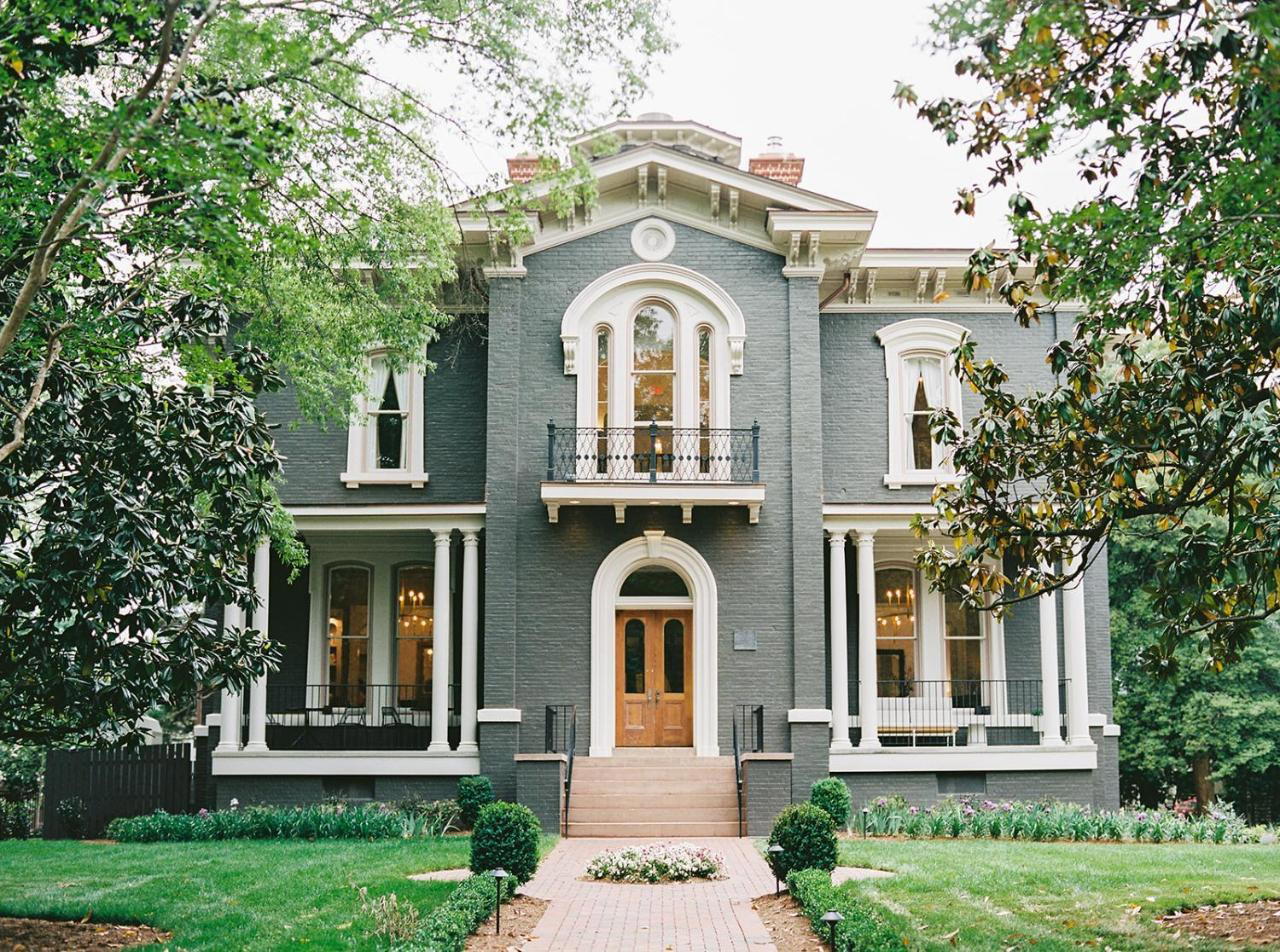
Situated on the tenth floor at 616 S Salisbury St in downtown Raleigh, 10th and Terrace draws a loyal crowd that returns for the refined vantage point and the social rhythm of the space. The open-air terrace format positions it within a small tier of Raleigh venues where the setting does as much work as the menu. Find it in EP Club's full Raleigh guide alongside the city's other notable bars and dining rooms.
 Discover on Pearl
Pearl is the En Primeur Club membership app — saves, bookings, and concierge access live there. Same editors, same standards.
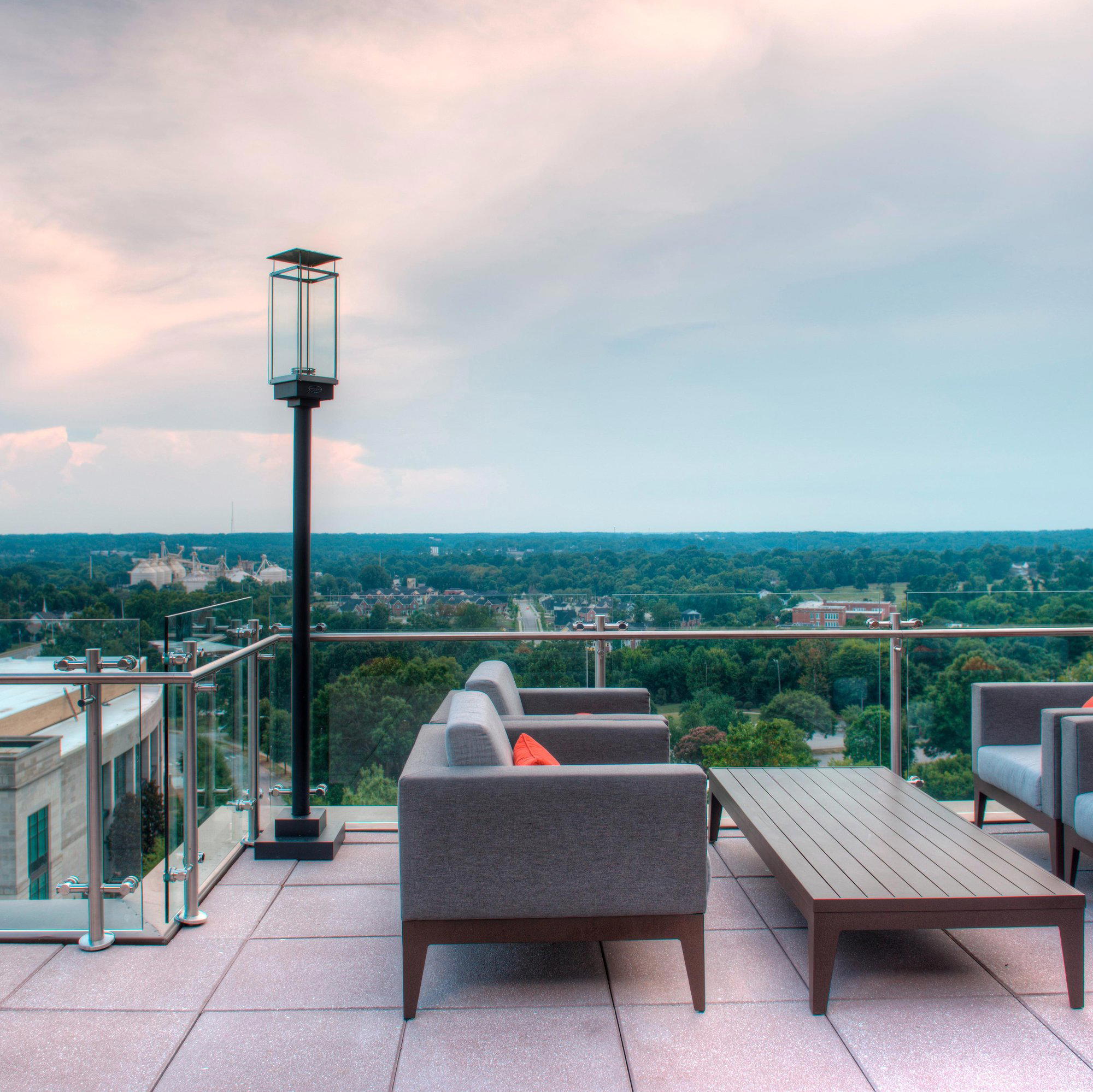
What the Tenth Floor Does to a Tuesday Evening
There is a particular shift that happens when a bar operates at height. Street-level noise flattens out, the city grid becomes readable, and the social temperature of a room changes — people linger differently when the view is part of the contract. In Raleigh's downtown core, where most of the drinking and dining scene plays out at ground level, a rooftop or high-floor format is a meaningful departure, not a novelty add-on. 10th and Terrace, at 616 S Salisbury St on the tenth floor, occupies that upper position in a city that has been rebuilding its hospitality identity steadily over the past decade.
Raleigh's bar scene has matured considerably since the early 2010s, when the city's reputation in the wider American drinks conversation was limited. The Research Triangle's population growth — driven by the tech and pharmaceutical sectors , brought disposable income and a more travelled clientele, and operators responded. The result is a downtown that now supports venues with genuine program depth alongside the volume-oriented sports bars that anchor any mid-size American city. 10th and Terrace sits in that more considered tier, where the format is part of the offering and where the guest mix skews toward people who chose the venue deliberately.
The Regulars Know Something You Don't
In any city, the venues that sustain a loyal return crowd are rarely the ones with the most aggressive marketing. They are the ones that solve a specific, repeatable social problem: a reliable after-work spot, a place to take someone you want to impress without the formality of a full dinner, a setting that photographs well but also functions well. The regulars at a tenth-floor terrace venue are solving a particular version of that problem , they want air, they want the city visible, and they want a drink that doesn't embarrass them when they're entertaining a client or a first date.
That repeat-visit dynamic shapes how the room operates. A loyal clientele creates a different energy than a tourist-heavy crowd: the pacing is more comfortable, the staff learn faces and preferences, and the unspoken social grammar of the space becomes legible to anyone who visits more than twice. Venues in this category , where the physical setting creates loyalty rather than just footfall , tend to develop an internal culture that first-time visitors sense but can't fully decode. The right move, usually, is to return.
For reference, Raleigh's bar scene in this tier includes spots like Ajisai, which occupies a different register entirely, and Angus Barn, a Raleigh institution with a different crowd profile. The Aunty Betty's Gin and Absinthe Bar speaks to a more specialist spirits crowd, while 13 Tacos and Taps addresses a more casual, higher-volume format. 10th and Terrace operates in a different lane: the setting-forward, occasion-adjacent category where the view and the atmosphere are doing meaningful work alongside whatever is in the glass.
Where Raleigh Sits in the Broader American Bar Conversation
To understand what a venue like 10th and Terrace represents, it helps to map where Raleigh sits relative to the cities that have set the tempo for American bar culture in recent years. Program-forward venues like Kumiko in Chicago or Jewel of the South in New Orleans operate in markets where drinks journalism and competition circuits have pushed operators toward highly technical, citation-heavy programs. Bar Leather Apron in Honolulu and ABV in San Francisco similarly reflect cities where bar culture carries significant critical weight. Julep in Houston and Superbueno in New York City each represent cities with dense, opinionated bar scenes where differentiation requires clear positioning.
Raleigh is not yet in that tier of critical intensity, which is both a limitation and a freedom. Operators here don't face the same pressure to perform for an international judges' panel, which means the leading venues can optimize for their actual guests rather than for a scoring rubric. There's an argument that this produces more honest hospitality , less performative, more functional. The Parlour in Frankfurt offers a useful European parallel: a city-level bar that earns its reputation through consistency and local loyalty rather than international competition placement.
The Terrace Format in Context
Open-air and high-floor drinking formats have expanded significantly across American secondary cities since 2015, partly as a response to the rooftop boom in major markets and partly because real estate economics in growing mid-size cities made upper-floor venues more viable. The format works when the view justifies the trade-offs , wind, heat, limited seating cover , and when the operator builds a program that doesn't rely on the novelty of altitude alone.
The venues that sustain this format over time tend to develop strong seasonal patterns: a spring and summer peak when the terrace is at its most functional, and a cooler-months offering that either draws the crowd indoors or leans into the open air with appropriate accommodations. In Raleigh's climate, where summers are warm and humid and winters are mild by mid-Atlantic standards, a tenth-floor terrace has a longer operational window than comparable venues in Chicago or New York. That extended usability is part of the structural logic of a venue at this address.
For a broader view of where 10th and Terrace fits within Raleigh's hospitality map, EP Club's full Raleigh restaurants guide covers the city's key venues across categories and price points.
Planning a Visit
10th and Terrace is located at 616 S Salisbury St, tenth floor, in downtown Raleigh , walkable from the convention center and the main downtown hotel corridor. Given the address is within the central business district, parking is most practical in one of the nearby structured garages; street parking on Salisbury St and adjacent blocks is available but limited during evening hours. As with most terrace venues that draw a professional after-work crowd, arrival timing matters: the early evening window, before the post-dinner wave, tends to offer the leading combination of available seating and the right ambient light for the view. Specific hours, booking options, and current programming details are leading confirmed directly with the venue.
Where It Fits
A quick peer reference to anchor this venue in its category.
| Venue | Cuisine | Awards | Notes |
|---|---|---|---|
| 10th and Terrace | This venue | ||
| Ajisai | |||
| Vinos Finos Tapas and Wine Bar | |||
| Whiskey Kitchen | |||
| William & Company | |||
| Vita Vite Downtown |
At a Glance
- Lively
- Trendy
- Modern
- Date Night
- After Work
- Casual Hangout
- Rooftop
- Terrace
- Panoramic View
- Outdoor Terrace
- Lounge Seating
- Craft Cocktails
- Skyline
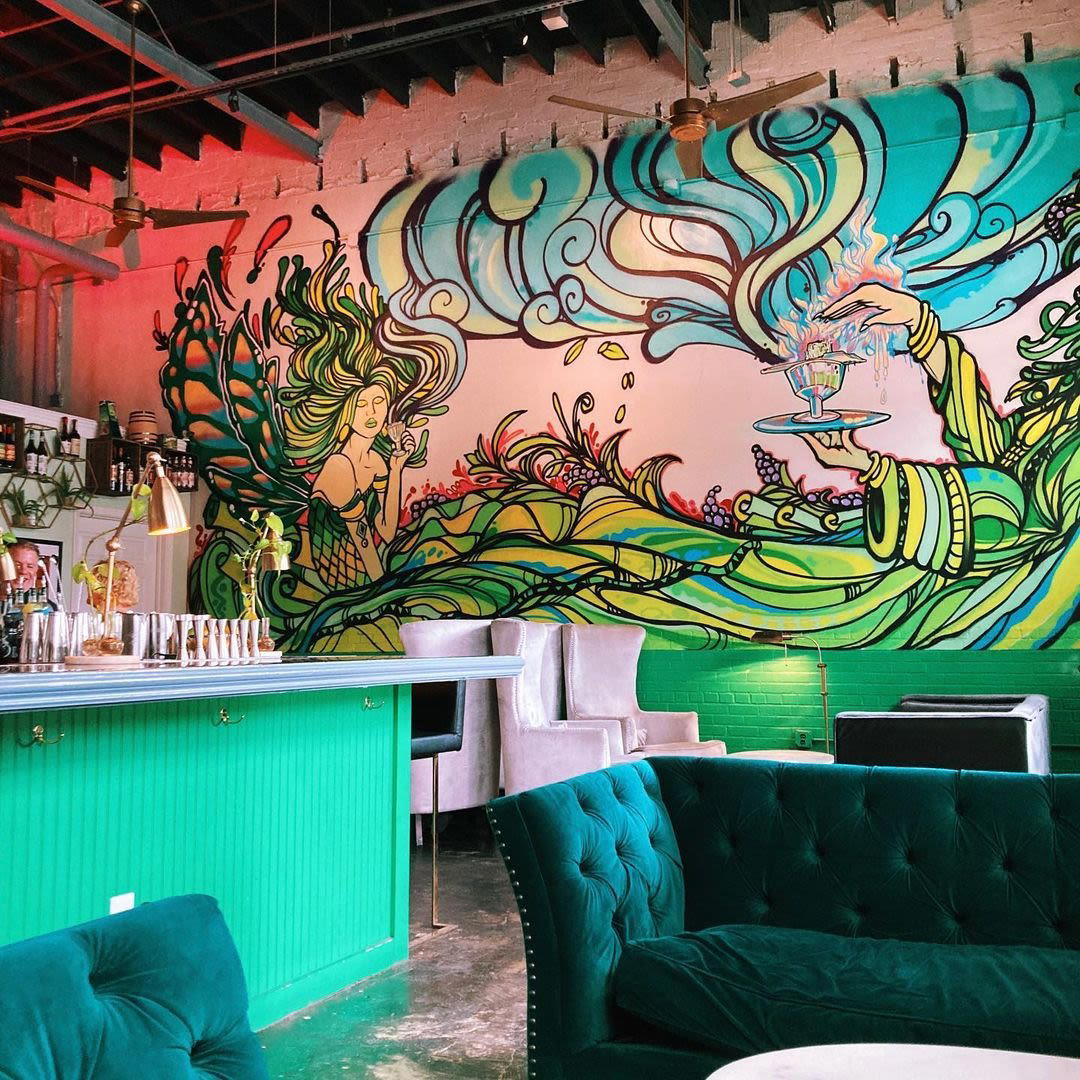
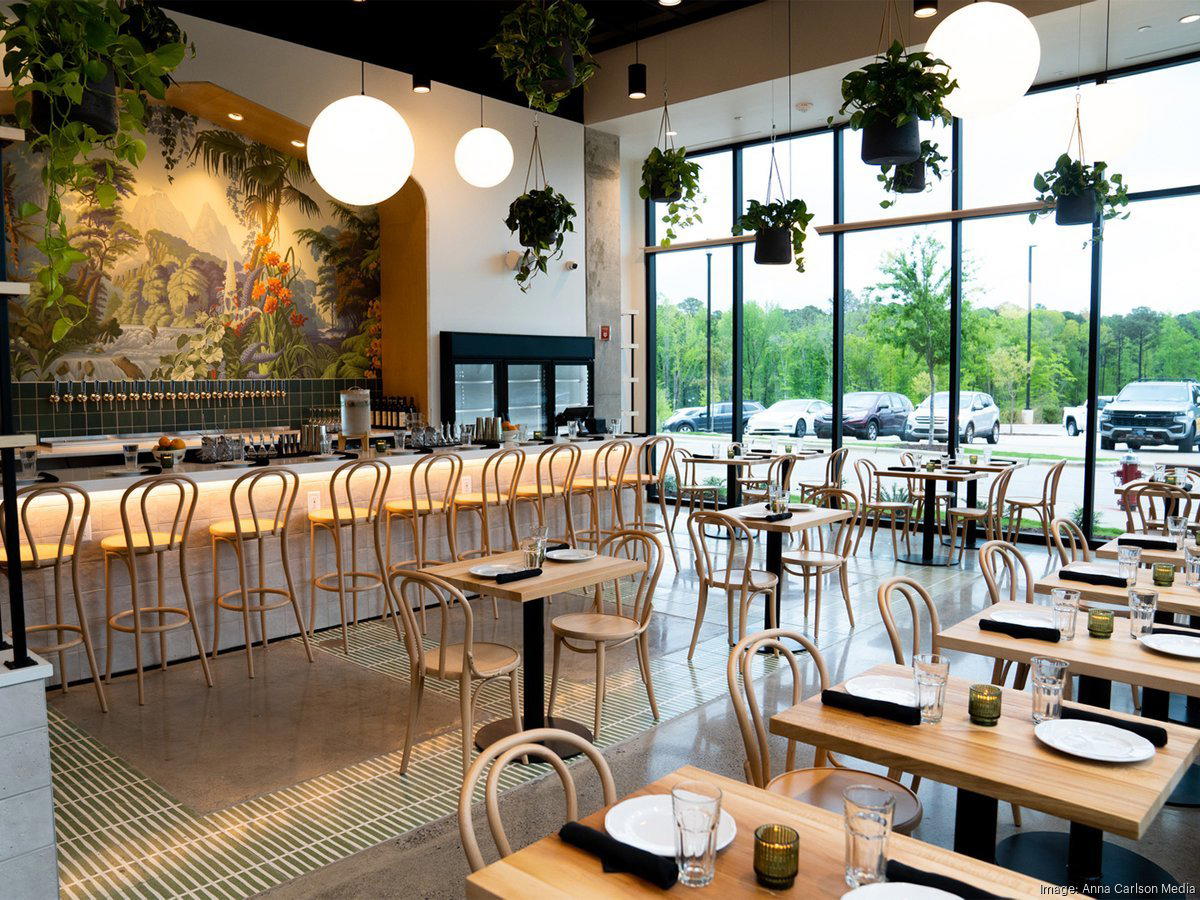
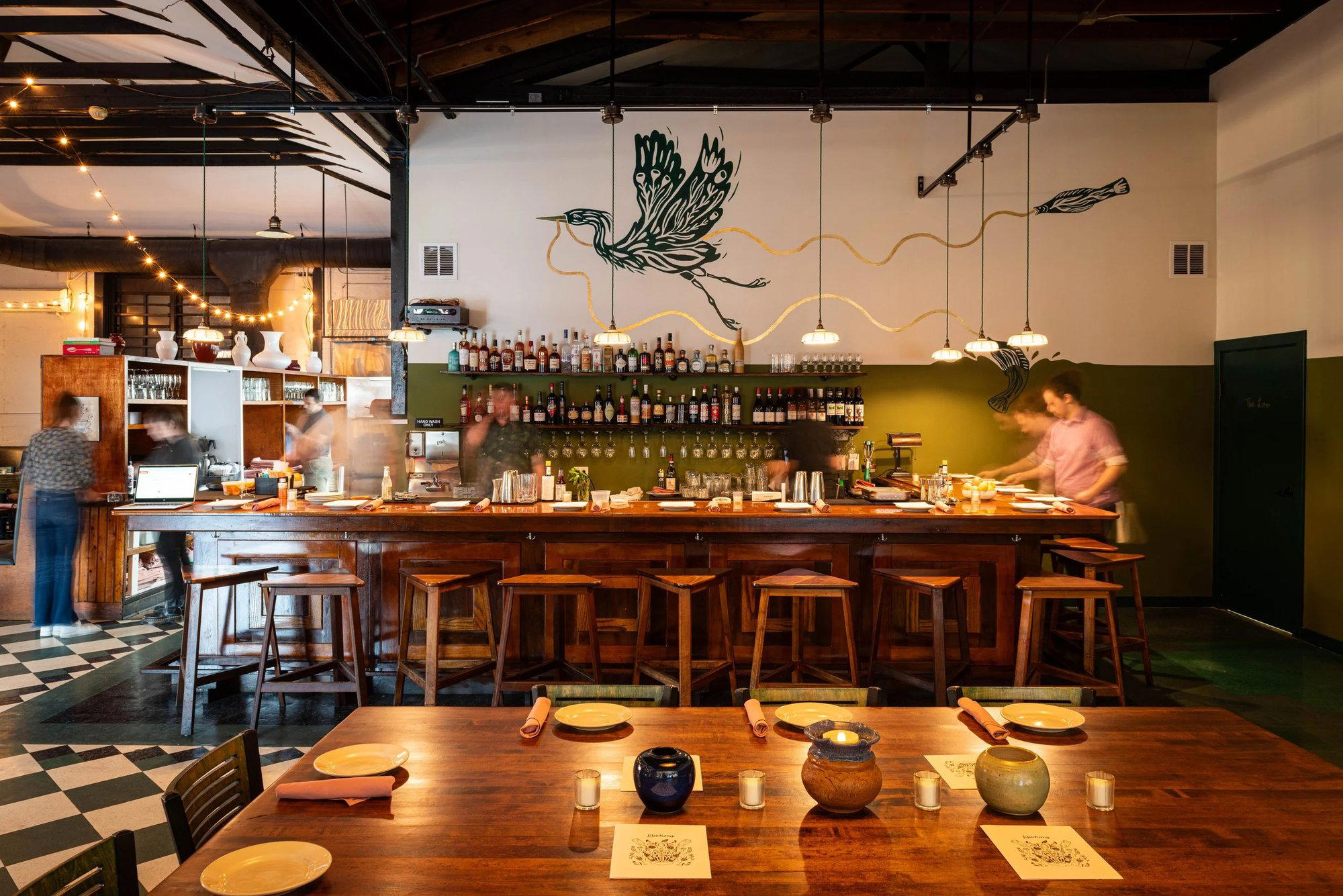
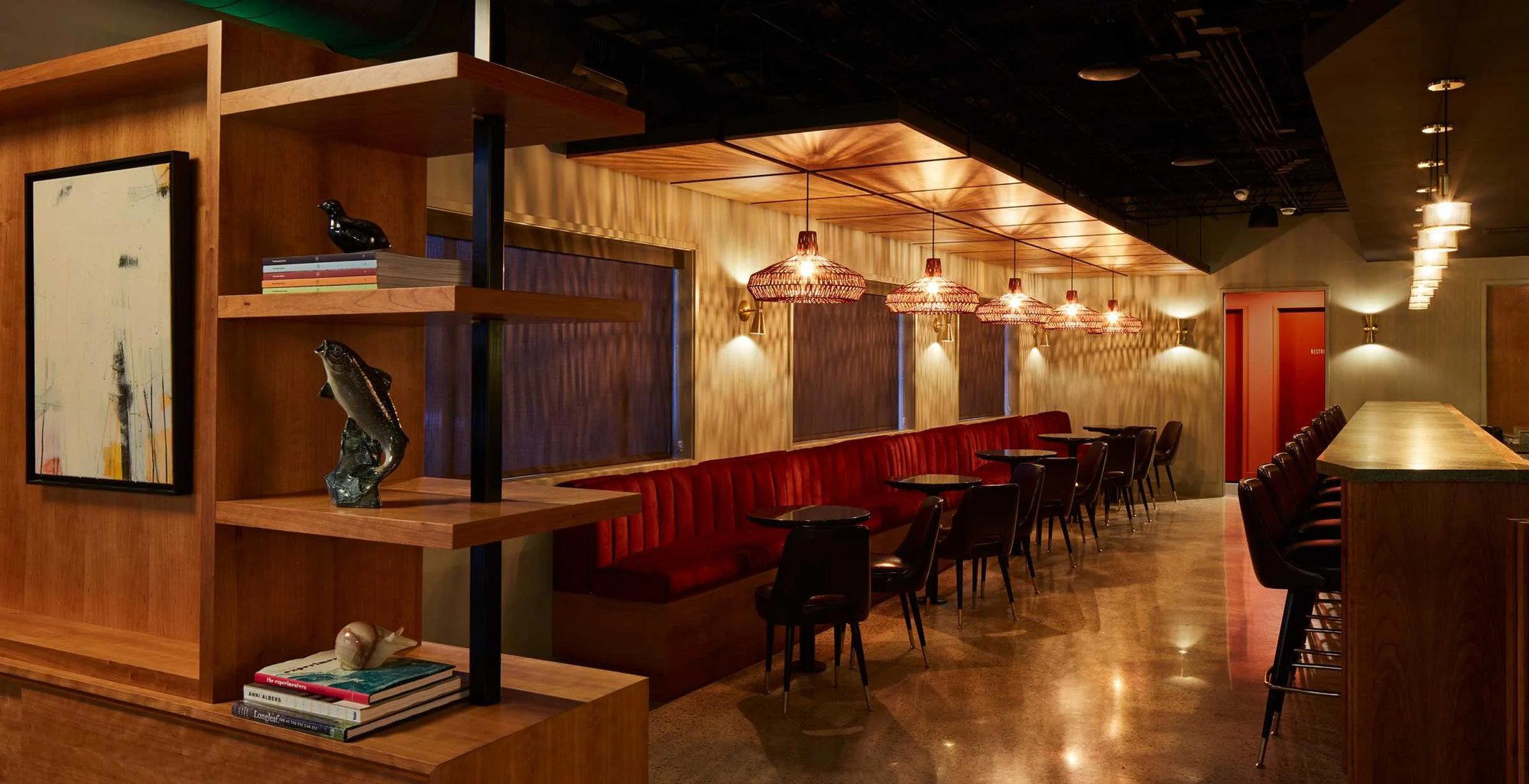
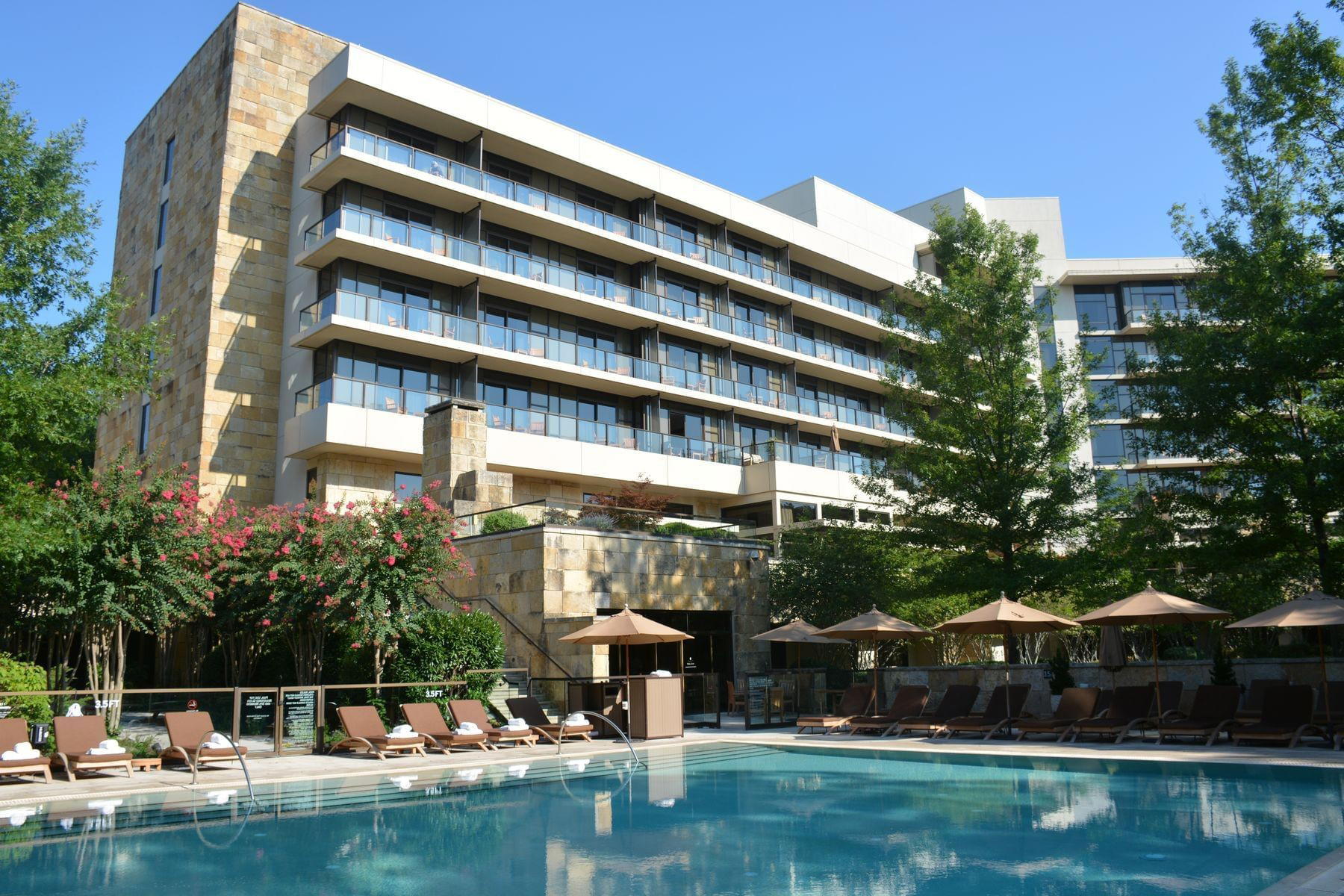
Vibrant rooftop lounge with heated terrace, skyline views, and a welcoming atmosphere ideal for golden hour drinks and nightcaps.