William & Company
The bar operates in the craft-forward tier of the Raleigh scene, where technical programs and deliberate hospitality set the terms of the conversation rather than volume or spectacle.

Pearl is the En Primeur Club membership app, where members save venues, book tables and use the concierge.
That geography matters because it shapes what a bar in this location has to be. For a craft cocktail program, that is actually an advantage: the room self-selects for people who sought it out. Comparable dynamics play out at bars like Bar Leather Apron in Honolulu and Kumiko in Chicago, both of which operate in neighborhoods where the address itself signals intent. The counter movement, now well established in cities like New York, Chicago, and San Francisco, prizes technique, sourcing, and the kind of hospitality that comes from knowing your menu deeply. Raleigh arrived at this conversation a few years behind those markets, which means it has benefited from watching how those programs matured before building its own version.
The craft-forward bar operates on a different set of priorities than a cocktail lounge attached to a restaurant or a spirits-retail hybrid. The menu tends to be smaller and more deliberate. The bartender is expected to articulate the thinking behind a drink, not just execute it. The pacing of service is slower by design. Bars like Jewel of the South in New Orleans and Julep in Houston have built sustained reputations on exactly this model: small menus, serious sourcing, and the kind of institutional knowledge that comes from a stable team behind the bar. ABV in San Francisco and Superbueno in New York City represent further variations on the form, each shaped by its city's particular palate and pace. The contrast with higher-volume options elsewhere in the city, places built around throughput and broad accessibility, is part of what defines this tier. 10th and Terrace and 13 Tacos and Taps represent different points on Raleigh's drinking spectrum, and the diversity of that spectrum has become one of the city's more interesting developments for anyone tracking American mid-market bar culture.
Raleigh's Craft Tier in Comparative Context
North Carolina's cocktail scene has followed a pattern visible in several mid-sized American cities: a period of brewery dominance, followed by a wine bar expansion, followed by the emergence of a smaller, more technically ambitious cocktail cohort. Raleigh is currently somewhere in the middle of that third phase. The city has the population base and the income demographics to support a genuine craft program, but the market is still maturing, which means the bars operating at this level are doing some of the work of educating their audience even as they serve it. The leading practitioners in the format do not lecture, but they are willing to explain. A clarified citrus technique, a fat-washed spirit, a hyper-local botanical: these are the kinds of details that distinguish one program from another, and they require a bartender confident enough to discuss them without making the guest feel examined. The Parlour in Frankfurt handles this well in the European context, where cocktail culture sits alongside a deep wine and spirits tradition and the bar must earn its place in a more crowded conversation. Raleigh's situation is different but the challenge is recognizable: build a serious program in a market that has plenty of other options and limited patience for pretension.
Other Raleigh venues offer useful reference points. Ajisai works in Japanese spirits and the sake adjacency that has become a meaningful niche in American cocktail culture. Angus Barn represents the older, wine-cellar-and-steak tradition that still anchors a significant portion of Raleigh's premium dining spend. Neither is a direct peer for a craft cocktail room, but both shape the expectations of the audience that William & Company is drawing from. For a wider view of where Raleigh's food and drink scene sits right now, our full Raleigh restaurants guide maps the broader picture. The neighborhood is accessible by car, with street parking available along the residential blocks nearby, and it sits within reasonable distance of downtown Raleigh for those making an evening of the area. Given the scale and character of venues in this tier, it is worth contacting the bar directly or checking current hours before visiting, as programs of this type tend to keep tighter schedules than high-volume alternatives.
Frequently Asked Questions
- What is William & Company known for? Without publicly confirmed award data or a published menu, the bar's reputation is built on its address in a maturing cocktail tier within a city that has been developing this category over the past several years. It sits in a peer conversation with similarly scaled programs in comparable American mid-market cities.
- What's the signature drink at William & Company?
- Is William & Company a good choice for a serious cocktail drinker visiting Raleigh for the first time? Raleigh's craft cocktail tier is still developing relative to markets like New York or Chicago, which means a visitor with experience in those scenes will find the conversation familiar but the market less saturated.
| Venue | Price |
|---|---|
| William & CompanyThis venue (the venue you are viewing) | $10–20 |
| Ajisai | $30–50 |
| Vinos Finos Tapas and Wine Bar | $30–50 |
| Whiskey Kitchen | $30–50 |
| Kai Sushi & Sake Bar | $20–30 |
Continue exploring
More in Raleigh
Bars in Raleigh
All bars in Raleigh →
Restaurants in Raleigh
All restaurants in Raleigh →
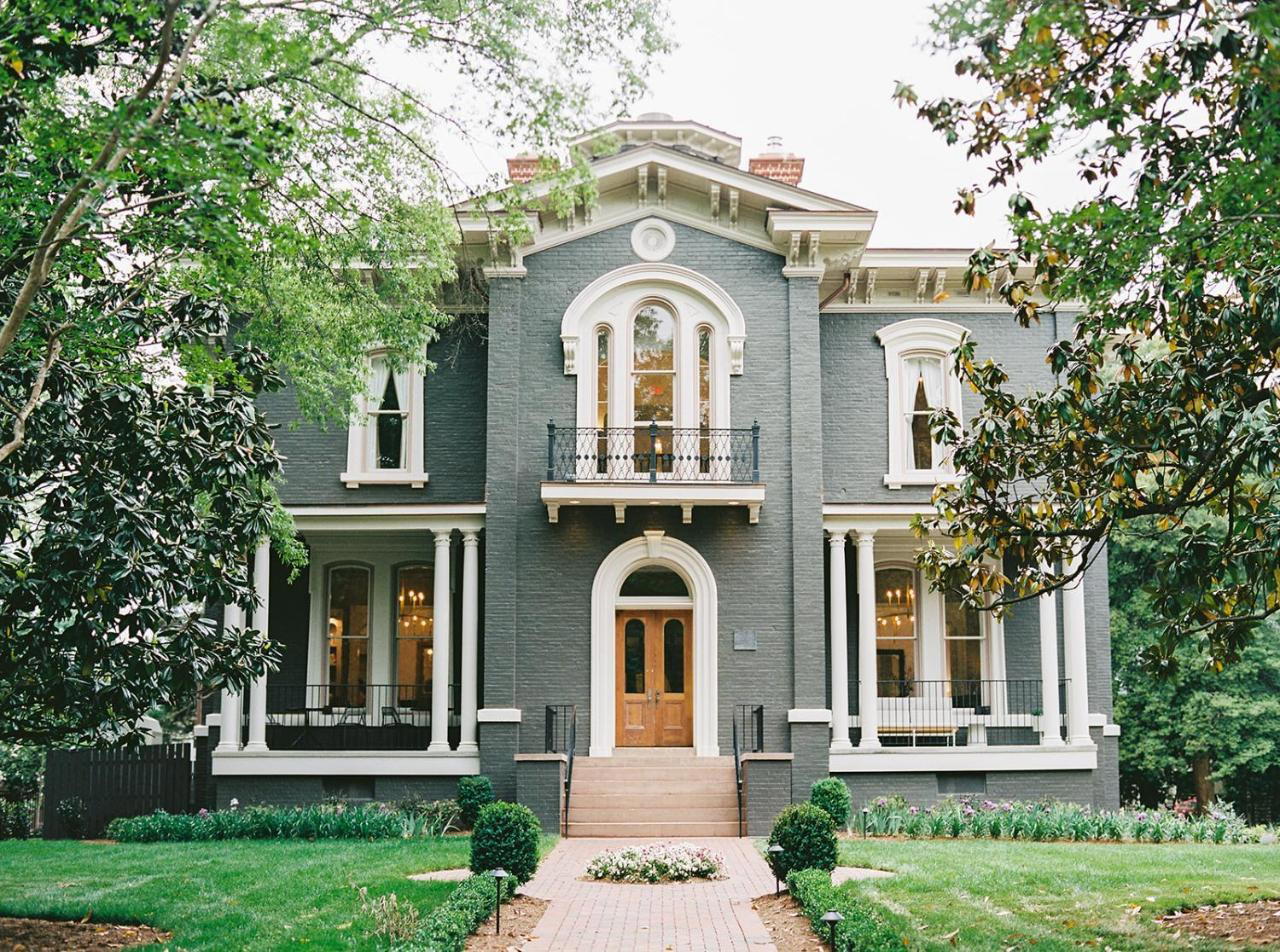
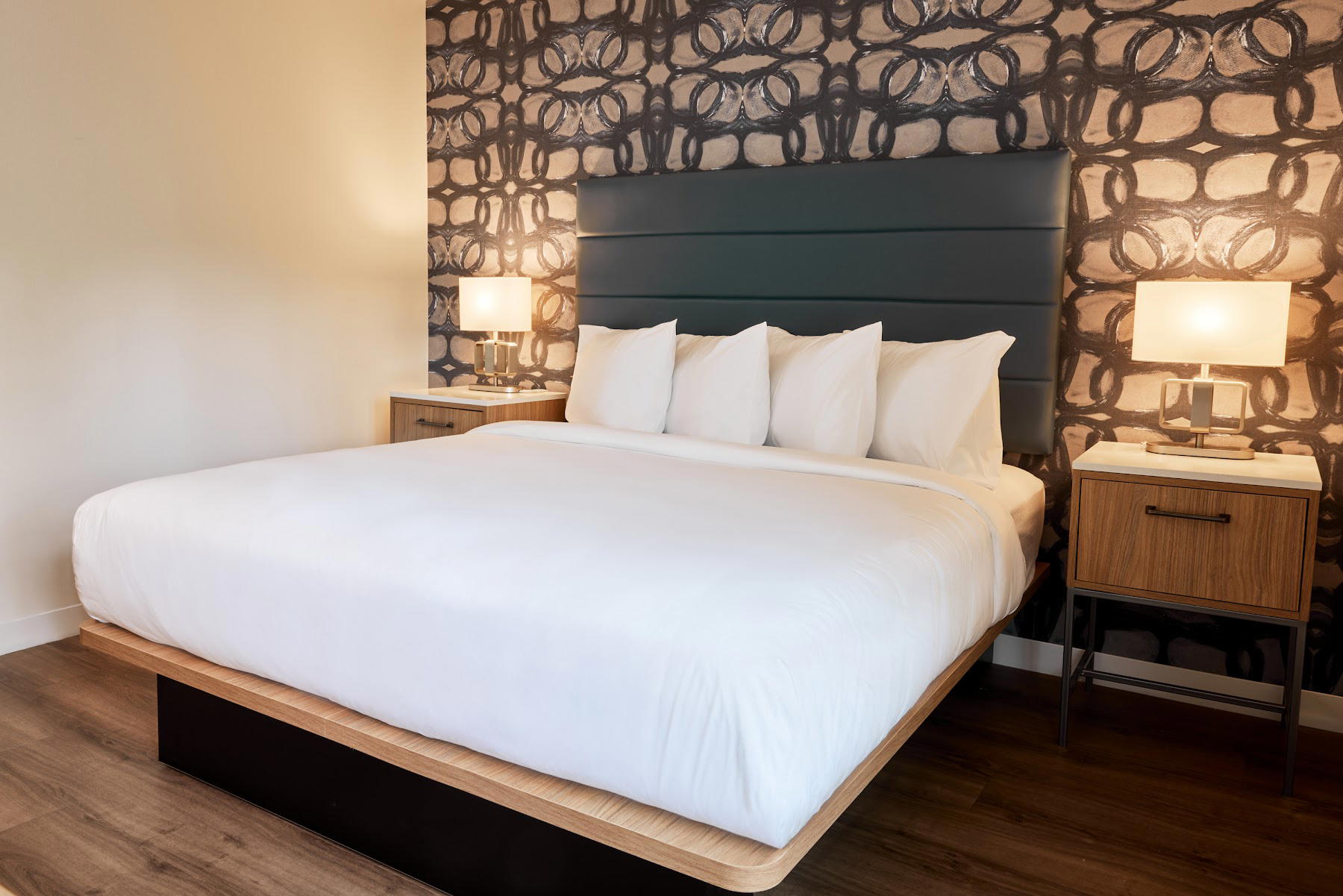
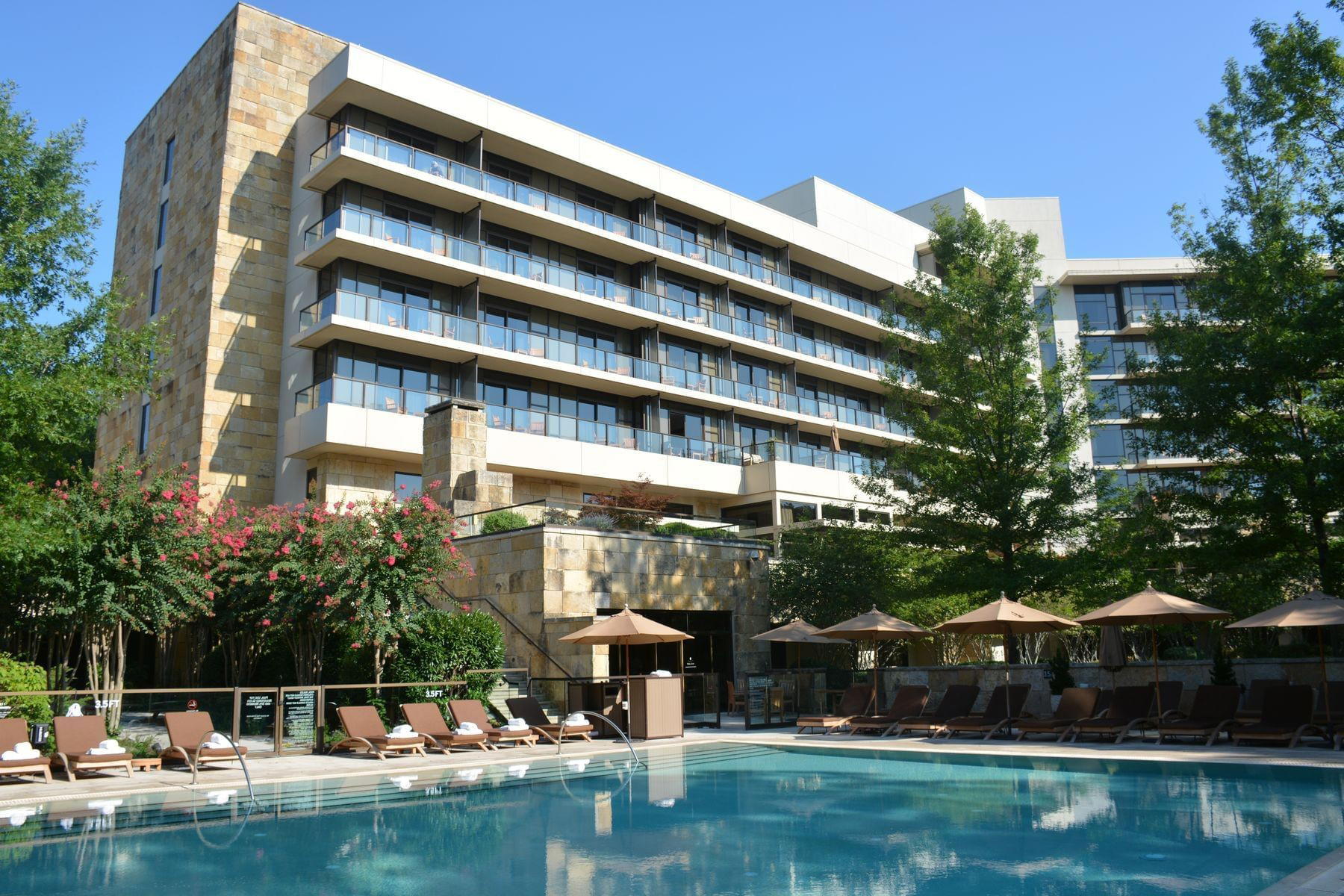
William & Company
The drinks
- Craft cocktails
- Mezcal
- Tequila
Signature drinks: pineapple jalapeño margarita, coconut mojito, cucumber martini.
Details
- Cozy
- Intimate
- Trendy
- Date Night
- Casual Hangout
- Standalone
- Lounge Seating
- Seated Bar
- Booth Seating
- Craft Cocktails
- Mezcal
- Tequila
Current opening hours
- Monday
- 5 PM–2 AM
- Tuesday
- 5 PM–2 AM
- Wednesday
- 5 PM–2 AM
- Thursday
- 5 PM–2 AM
- Friday
- 5 PM–2 AM
- Saturday
- 2 PM–2 AM
- Sunday
- 2 PM–2 AM
Hours can change for holidays and private events. Hours as of .
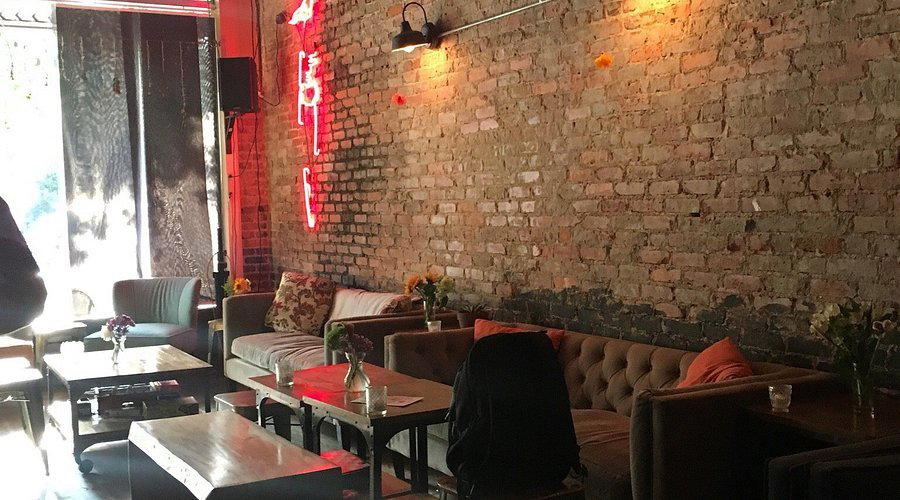
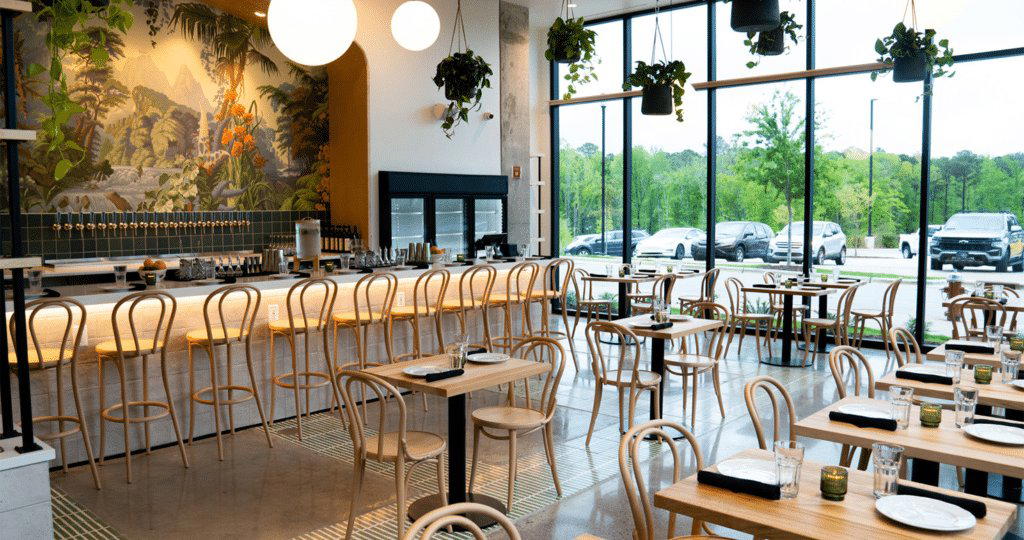
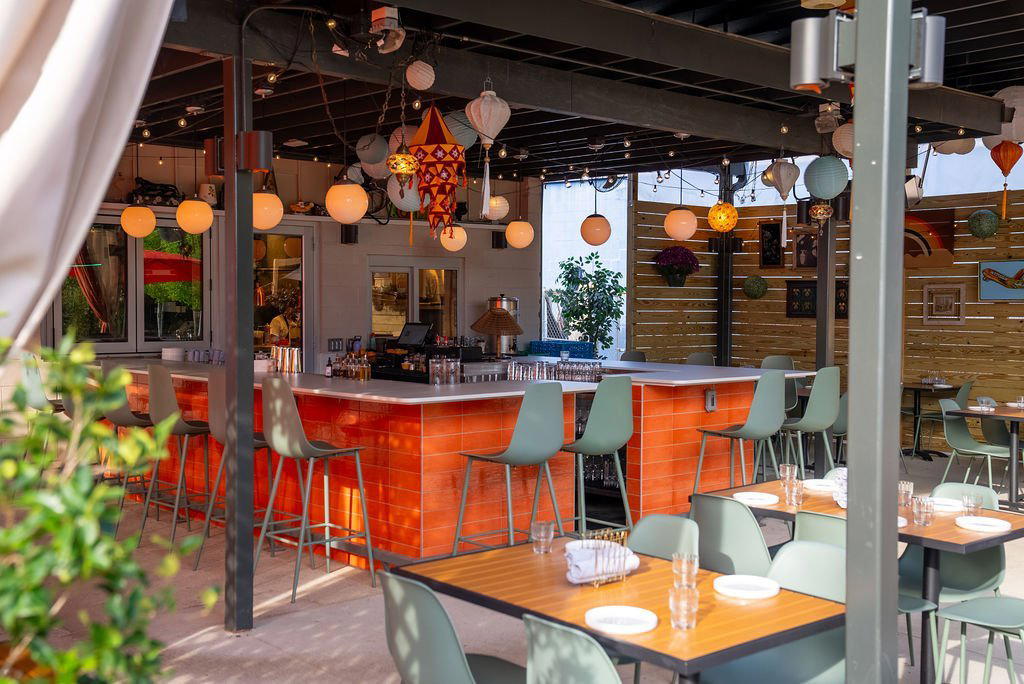
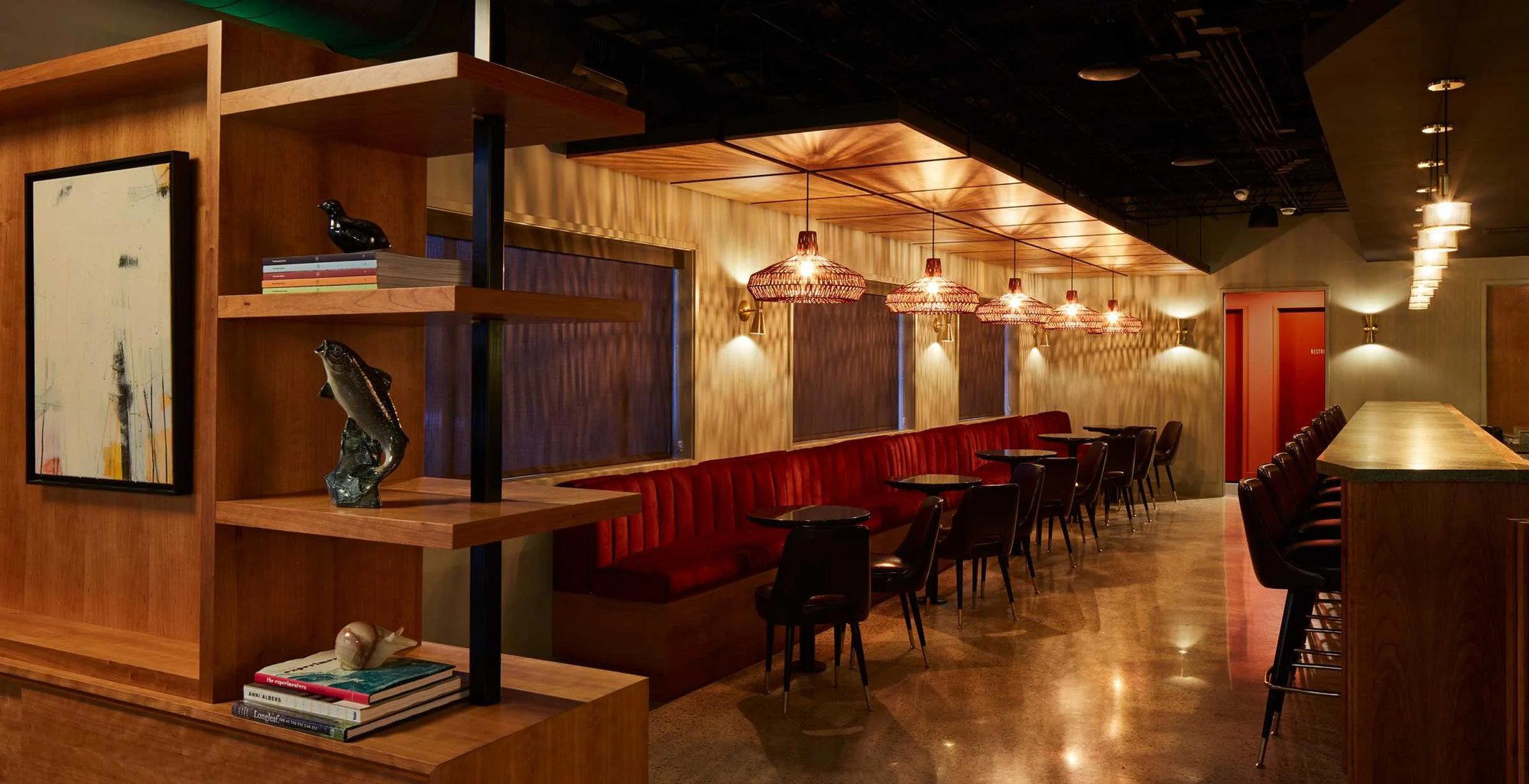
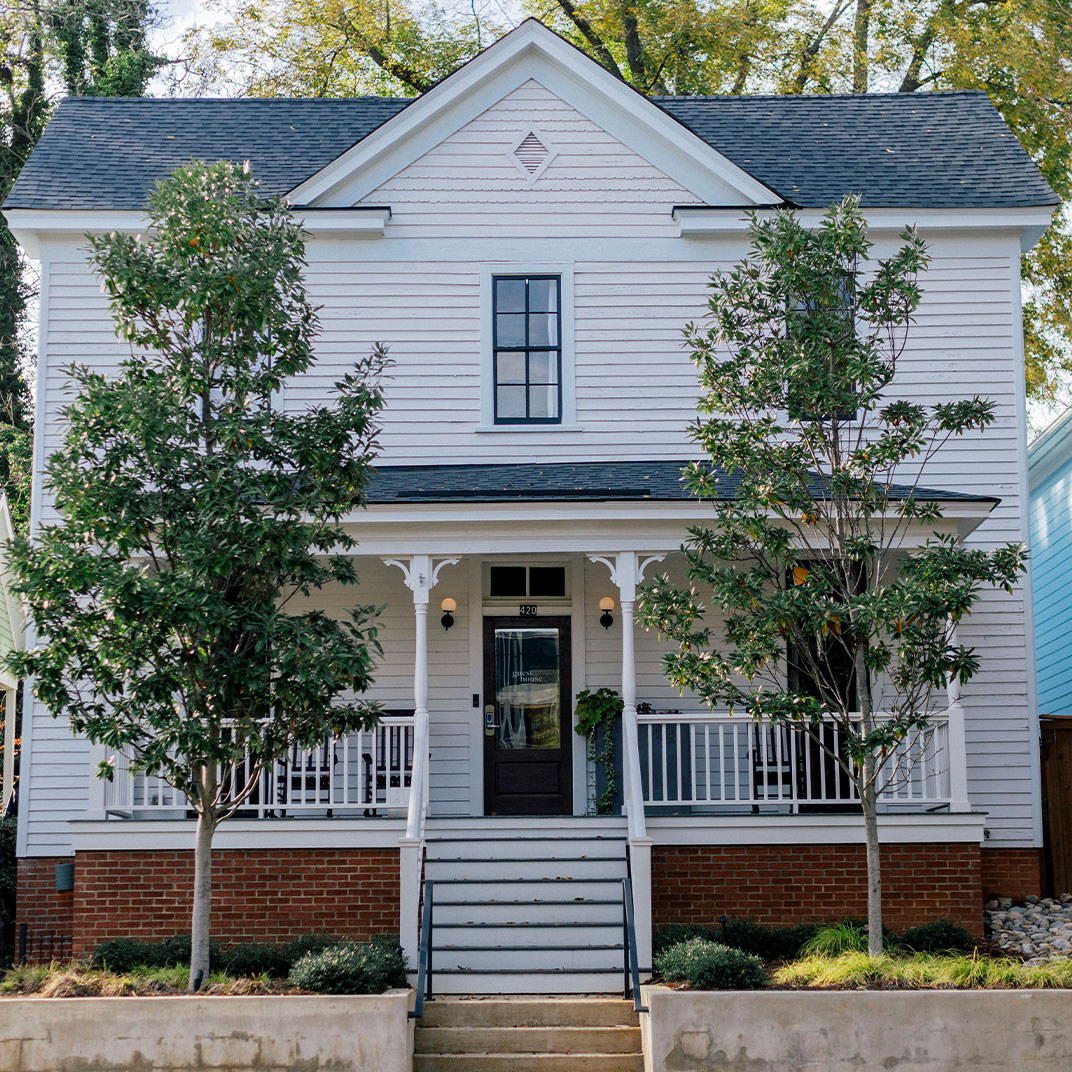
Dimly lit with deep weathered sofas, comfortable stuffed couches, L-shaped bar, art on brick walls, and atmospheric music at comfortable volume.