Figulina

James Beard Award Semi Finalist
Our verdict
Figulina occupies a quietly considered position on South Harrington Street in Raleigh's Warehouse District, where a growing number of restaurants are rewriting what thoughtful dining looks like in the mid-South. With sustainability and ethical sourcing shaping its editorial identity, Figulina sits closer to the farm-to-table discipline of nationally recognized operators than to the mainstream Raleigh dining circuit.

Pearl is the En Primeur Club membership app, where members save venues, book tables and use the concierge.
The menu
What to order
- Sacchetti
- Cappellacci
- Bucatini
- Cappelletti
- Rotolo
- Caramelle
South Harrington Street and the Case for Slow Food in a Fast City
The Warehouse District end of Harrington Street has changed character faster than most of Raleigh's dining corridors. What was once a light-industrial backstretch is now a block that rewards the walker who slows down: converted brick facades, deliberate signage, restaurants that communicate intent before you've read a menu. Figulina, at 317 S Harrington St, reads as part of that evolution rather than a reaction to it. The address alone tells you something about who opened here and why, this is not a high-visibility corner chosen for foot traffic, but a location chosen because the neighbourhood was moving in the right direction.
That positioning matters when you consider what Raleigh's dining scene has become. The city now carries enough weight to sustain restaurants at multiple price tiers and ambition levels, from the beer-hall expansiveness of Anthony's La Piazza to the ingredient-forward seriousness of Ajja. Within that spread, there is a smaller cohort of operators who are making a more pointed argument about where food comes from and what it costs the land to produce it. Figulina signals membership in that cohort.
The Sustainability Frame: What Ethical Sourcing Looks Like in Practice
Nationally, the conversation about sustainable restaurant practice has moved past the point of marketing language. Operators who are serious about it have adopted sourcing protocols that constrain the menu, shorter ingredient lists, tighter seasonal windows, supplier relationships that require advance commitment. The restaurants doing this most rigorously tend to share certain structural features: smaller menus, fewer covers, and a willingness to let the kitchen's output reflect what is actually available rather than what a customer expects year-round.
That discipline is visible in restaurants across the country that have made sustainability the operational core rather than the talking point. Blue Hill at Stone Barns in Tarrytown is the most cited American example: its menu is literally shaped by what Stone Barns Center produces on the grounds, with no fixed dishes and no guaranteed repetition. Single Thread Farm in Healdsburg operates its own farm to supply its kitchen, removing a supply chain layer entirely. These are capital-intensive models, but they establish what genuine farm-integration looks like at the top of the market.
Further down the cost spectrum, the same principles have produced a different but equally disciplined category: urban restaurants with no farming infrastructure but rigorous local-sourcing commitments, tight seasonal menus, and kitchen waste protocols that affect how dishes are constructed. Smyth in Chicago operates within this frame, building tasting menus around hyper-local procurement. Lazy Bear in San Francisco has built a community-sourcing identity around its communal format. The pattern across these operators is consistent: sustainability is not a side note on the menu but a constraint that shapes every decision about what gets cooked and how.
Figulina's position on Harrington Street places it in the company of Raleigh restaurants that are asking similar questions. The city has demonstrated it can support this kind of ambition. Azitra and Barcelona Wine Bar Raleigh both reflect a local dining culture that is increasingly willing to pay attention to where things come from. That willingness creates the conditions in which a place like Figulina can operate without having to explain its premise every night.
Where Figulina Sits in the Raleigh Conversation
Raleigh's restaurant identity is still consolidating. The city has long had excellent Southern cooking, Poole's Downtown Diner and Death & Taxes have both earned national press for their commitment to regional ingredients and honest preparation. That Southern-rooted seriousness about provenance is, in fact, a gateway to the broader sustainability conversation: Southern food culture has always acknowledged seasonality because it had to, because the land and the growing calendar imposed it. What changes in a place like Figulina is that the framework becomes explicit rather than assumed.
The comparison set for this kind of restaurant is instructive. At the upper boundary, you have operators like Providence in Los Angeles and Addison in San Diego, both of which carry Michelin recognition and have made sustainable seafood and local sourcing part of their critical identity. Atelier Moessmer Norbert Niederkofler in Brunico takes the concept to its logical extreme, with a menu built entirely around Alpine ingredients and a refusal to import what the region cannot produce. These are not direct comparators to a Raleigh restaurant, but they establish the ceiling of what the ethical-sourcing commitment can mean in practice.
Closer to Figulina's operating context, Emeril's in New Orleans and The Inn at Little Washington in Washington represent how Southern and mid-Atlantic restaurants have used local identity as both culinary and ethical anchor. The Southeast, including North Carolina, has the agricultural depth to support this kind of sourcing without compromise: the state's produce calendar, its fishing coast, and its livestock farming tradition all provide genuine options that restaurants elsewhere have to import.
Planning a Visit
Figulina is located at 317 S Harrington St in Raleigh's Warehouse District, walkable from downtown and accessible by rideshare from most of the city's central hotels. The neighbourhood is leading approached in the evening, when the converted-industrial character of the block is most apparent and foot traffic from nearby venues creates a sense of the district as a destination rather than a corridor. For context on how Figulina fits into the broader dining picture across the city, the full Raleigh restaurants guide maps the scene by neighbourhood and category. Those planning a multi-day itinerary should also note Anthony's La Piazza Prime as a complementary option for a different register of the same neighbourhood's ambition.
Nationally, the restaurants that have most clearly defined what sustainability-led fine dining looks like include Le Bernardin in New York City and Atomix in New York City, both of which have integrated sourcing ethics into award-winning programs without reducing culinary ambition. The French Laundry in Napa operates its own kitchen garden as a sourcing anchor. These references are useful calibration points for understanding what serious commitment to ethical sourcing has meant in practice at the upper end of the American dining market.
Frequently asked questions
Is Figulina child-friendly?
Figulina sits in Raleigh's Warehouse District, a neighbourhood whose dining rooms tend toward adult-evening formats rather than family lunch. Nothing in the venue's public positioning suggests a dedicated children's menu or early-hours family service. If you're travelling with younger children, calling ahead to confirm seating flexibility at 317 S Harrington St is the safest approach.
Is Figulina formal or casual?
Figulina occupies a former industrial corridor on South Harrington Street, and Warehouse District restaurants in Raleigh generally run toward relaxed but considered atmospheres rather than white-tablecloth formality. The venue's emphasis on slow-food practice and ethical sourcing points to a room where the food is taken seriously without requiring a dress code. Think dinner-out clothes rather than a suit.
How does Figulina's location in Raleigh's Warehouse District shape the dining experience?
317 S Harrington St sits at the southern end of a corridor that has transitioned from light-industrial use to one of Raleigh's more concentrated pockets of independent dining. That context matters: the neighbourhood draws operators interested in deliberate, sourcing-led cooking rather than high-volume covers, which tends to produce smaller menus and tighter service. Raleigh's dining identity is still consolidating, and Figulina is part of the cohort pushing it in a slower, more ingredient-focused direction.
What should I order at Figulina?
The safest strategy at restaurants of this type in Raleigh is to ask your server what arrived that week and let the kitchen's current relationships with producers guide your order.
A Tight Comparison
Comparable venues nearby, for context on price, style, and recognition.
| Venue | Cuisine | Price | Awards | Notes |
|---|---|---|---|---|
| FigulinaThis venue (the venue you are viewing) | Modern Italian Pasta | Not listed | James Beard Award Semi Finalist | Not listed |
| Anthony's La Piazza Prime | Upscale Italian Steakhouse | $30–50 | Not listed | Glenwood South, Upscale Italian Steakhouse |
| Anthony's La Piazza | Upscale Italian | $30–50 | Not listed | downtown, Upscale Italian |
| Cucciolo Terrazza | Modern Italian | $50–100 | Wine Spectator Best of Award of Excellence | Midtown Raleigh, Modern Italian |
| Il Falò Wood-Fired Kitchen | Wood-Fired Italian | $30–50 | Not listed | Leesville Hollow, Wood-Fired Italian |
| Cafe Tiramisu | Authentic Northern Italian | $30–50 | Not listed | Wakeview, Authentic Northern Italian |
Recognition history
Dated appearances from independent guides and award organizations, with the underlying list record or original source where available.
James Beard Award Semi Finalist
James Beard Award
Continue exploring
More in Raleigh
Restaurants in Raleigh
All restaurants in Raleigh →
Details
- Modern
- Cozy
- Trendy
- Industrial
- Date Night
- Special Occasion
- Brunch
- Open Kitchen
- Craft Cocktails
- Local Sourcing
- Small Plates
- A La Carte
- Italian Aperitivi
- Amaro Forward Cocktails
Current opening hours
- Monday
- 5–10 PM
- Tuesday
- 5–10 PM
- Wednesday
- 5–10 PM
- Thursday
- 5–10 PM
- Friday
- 5–10 PM
- Saturday
- 5–10 PM
- Sunday
- 5–9 PM
Hours can change for holidays and private events. Hours as of .
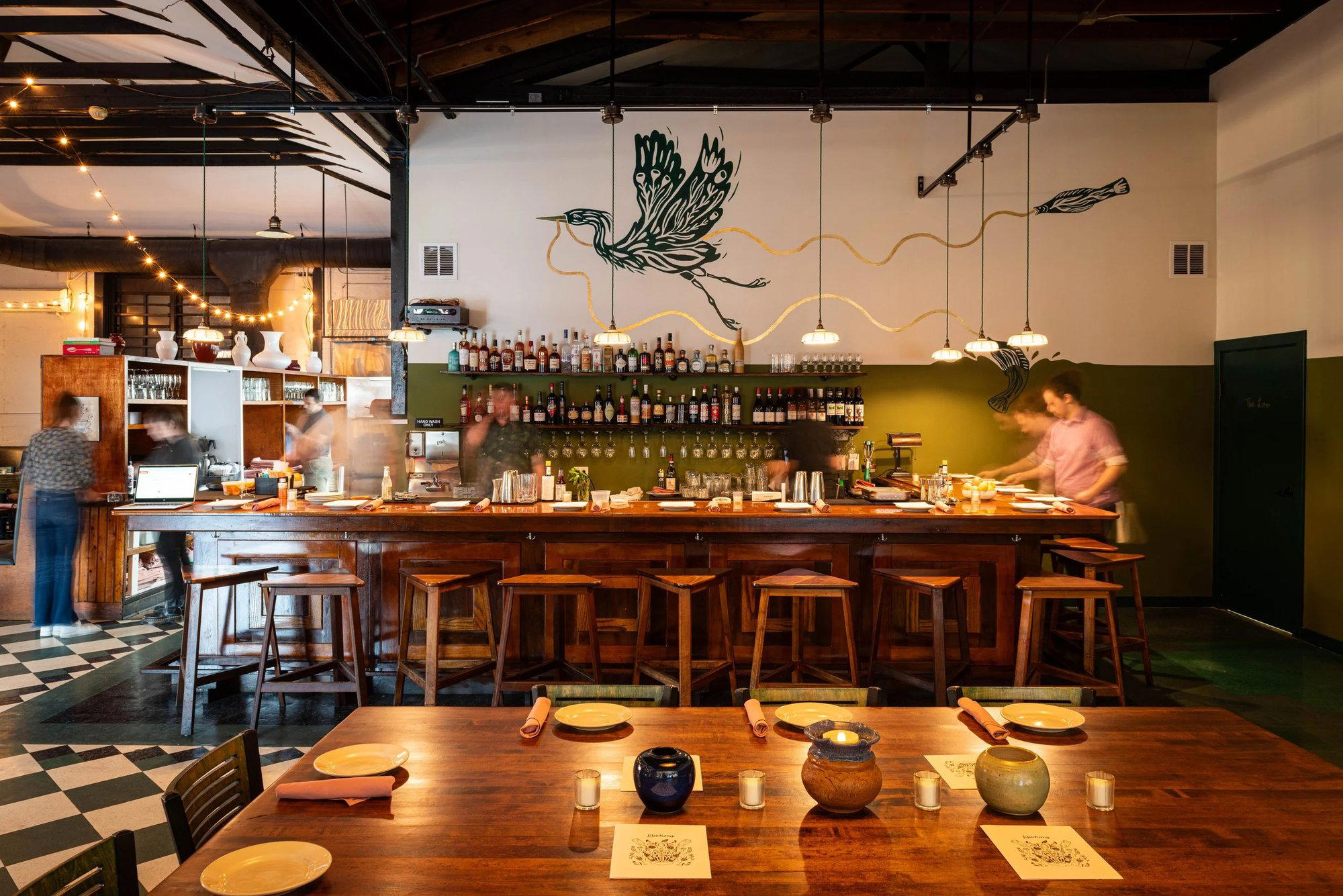
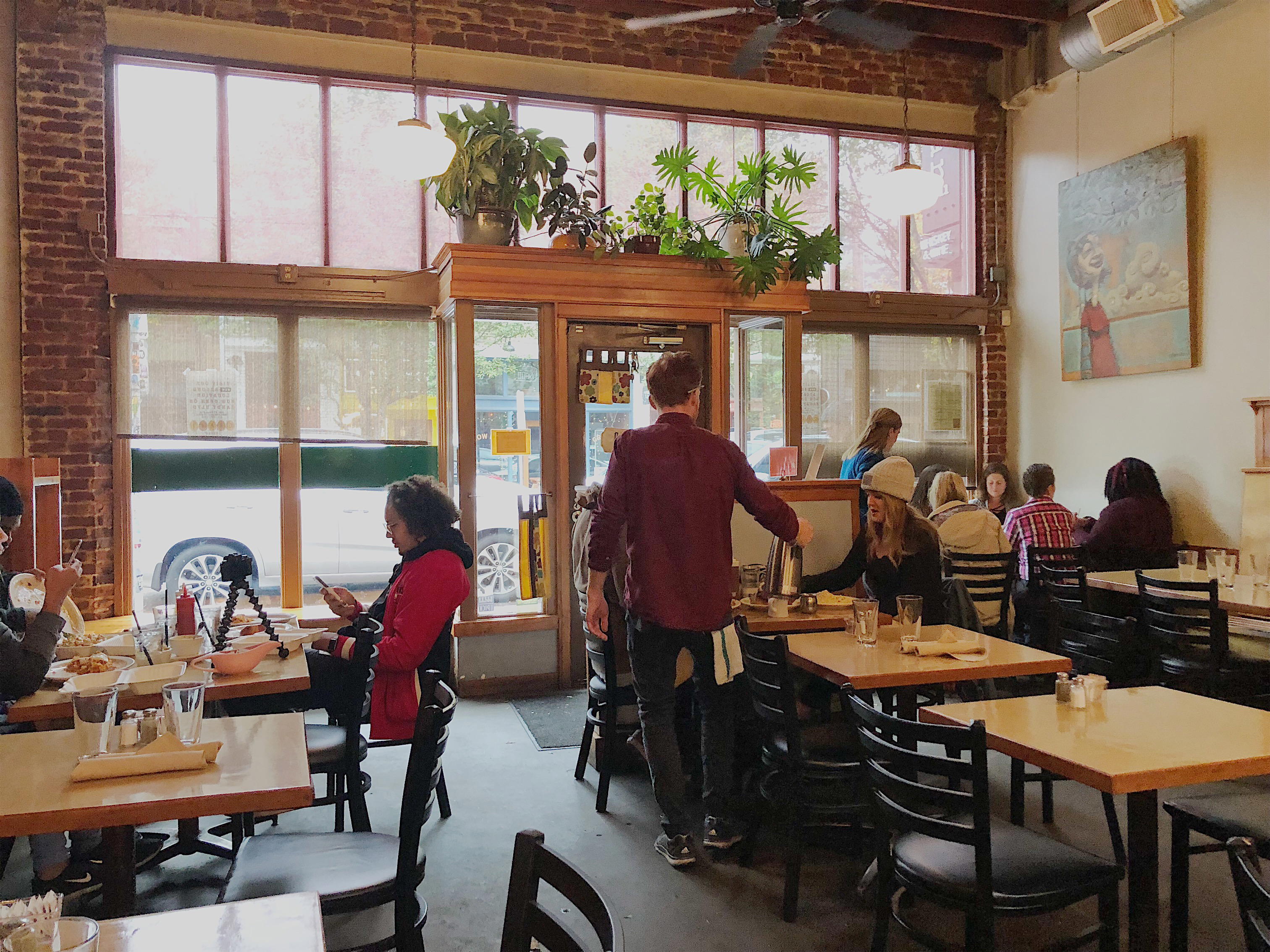
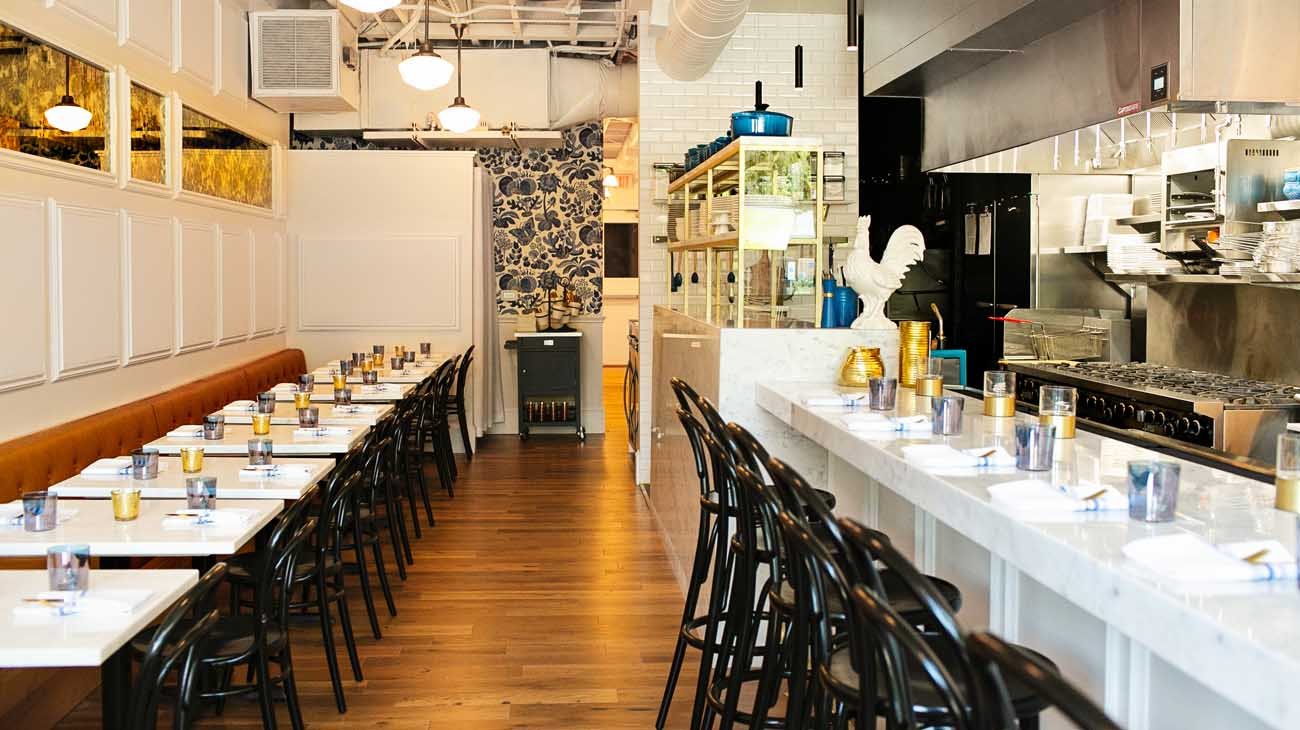
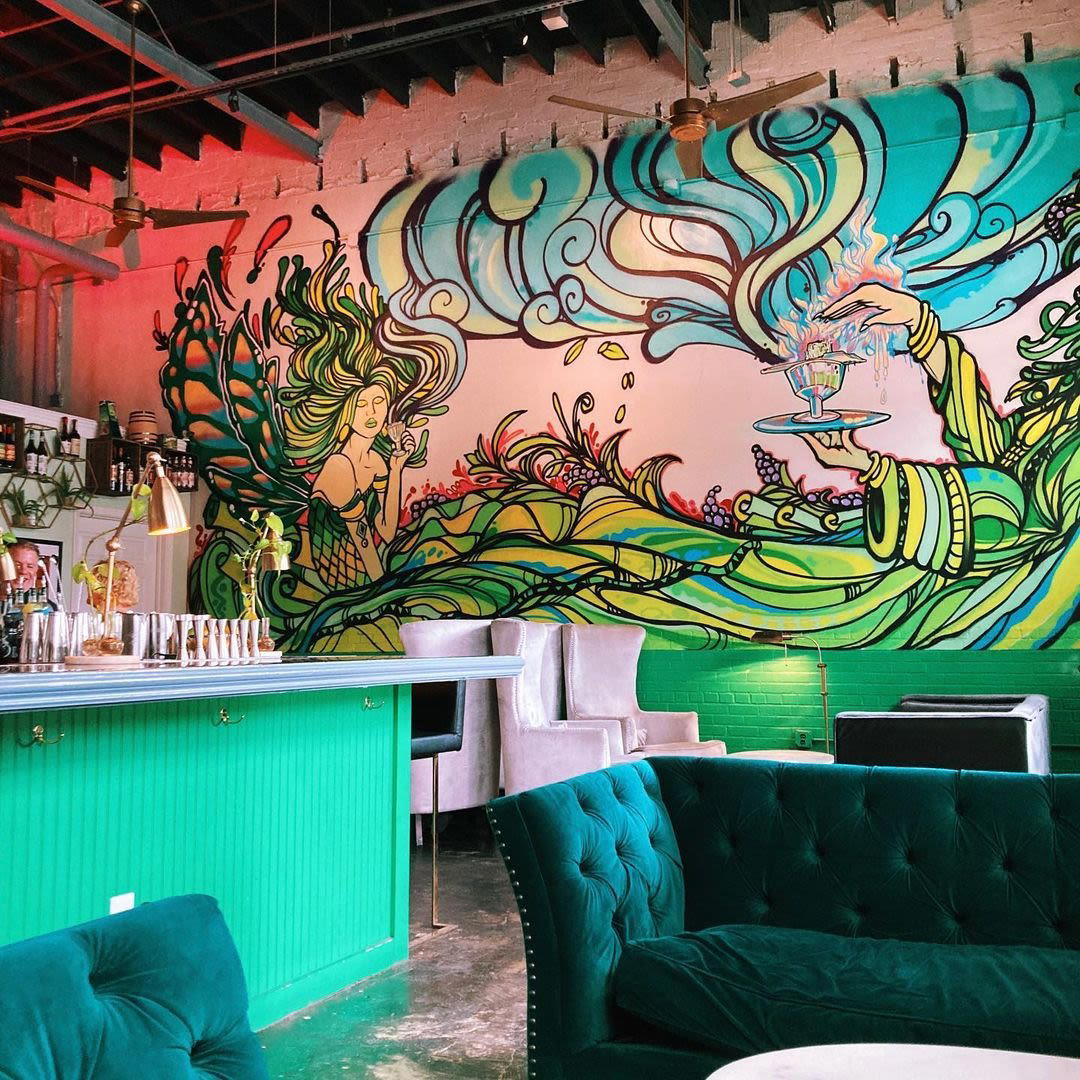
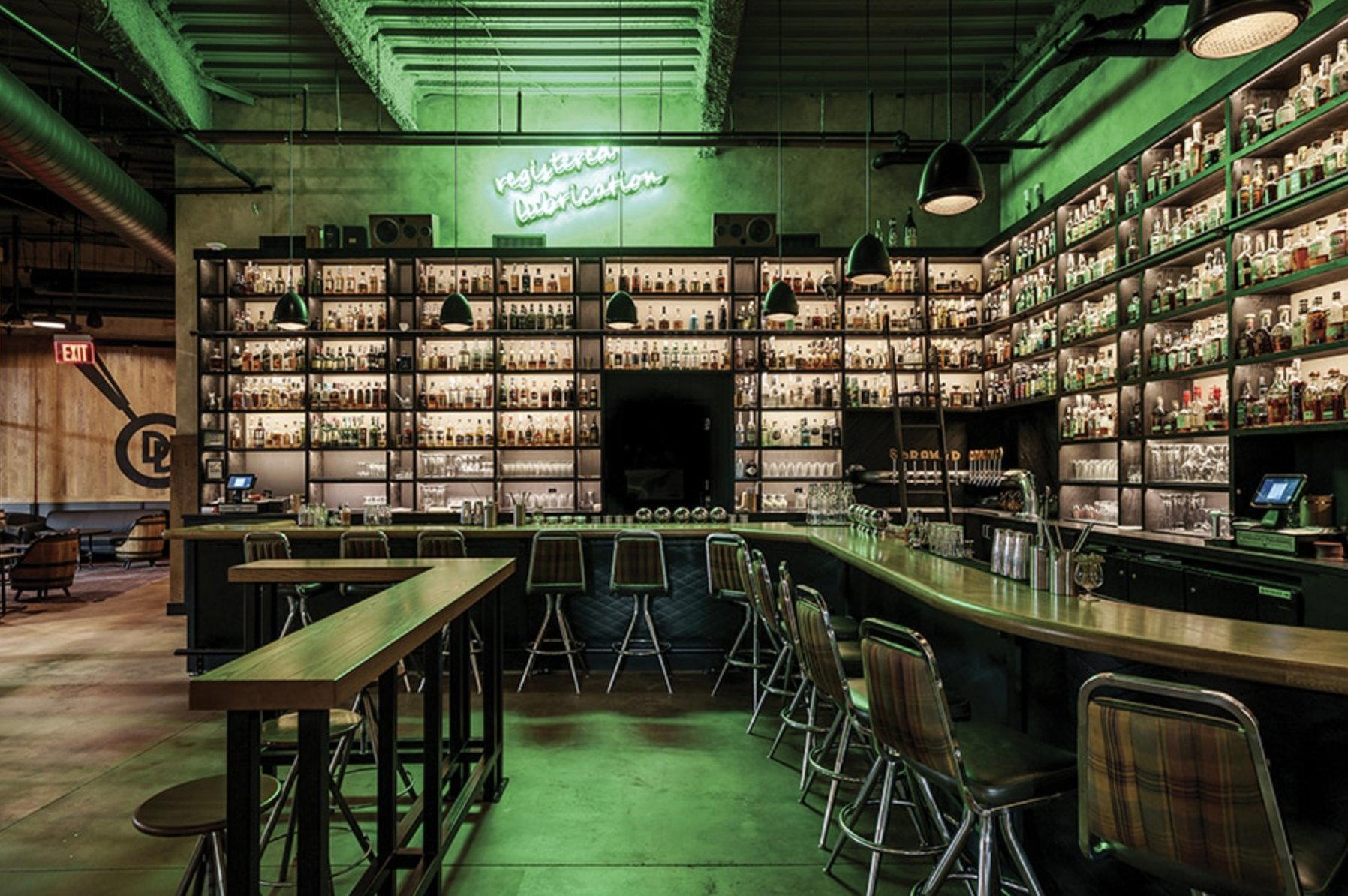
Industrial setting with green and white-tiled floors, paper lantern chandeliers, twinkling globe lights, concrete walls with eclectic posters, striking crane mural behind cozy bar, and open pasta room.