Whiskey Kitchen
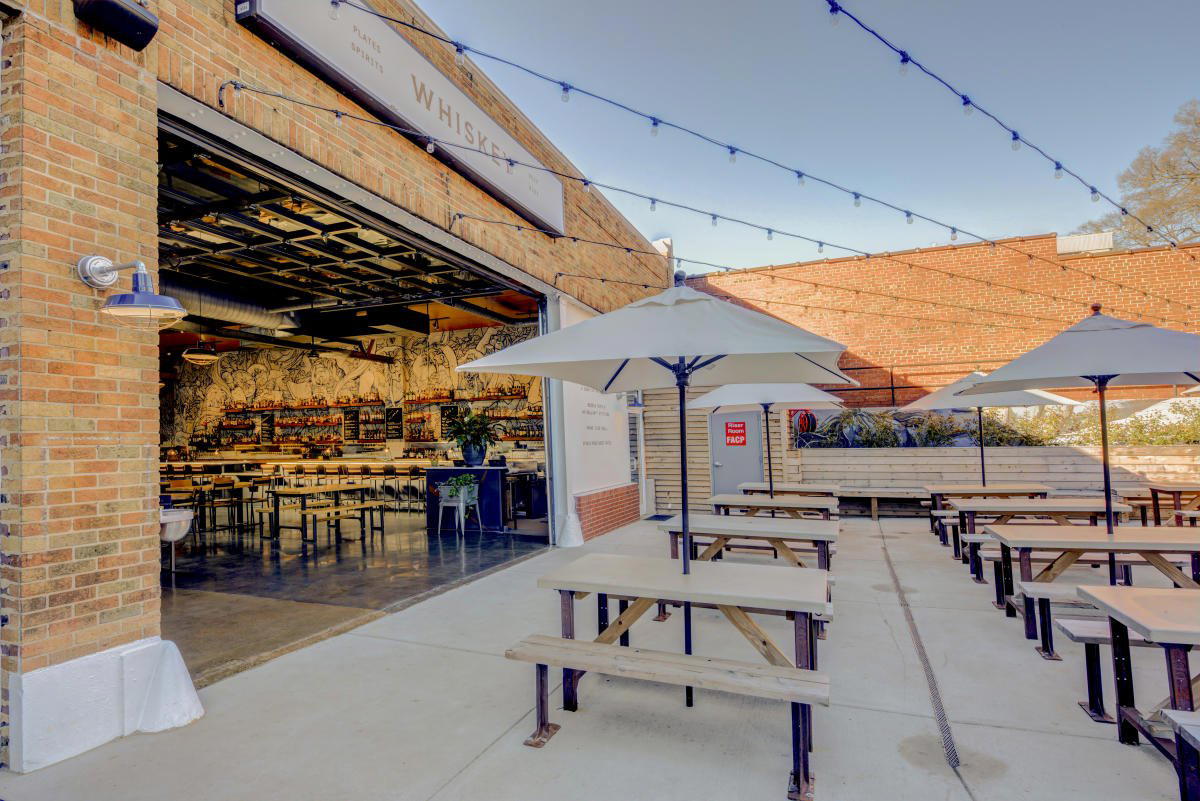
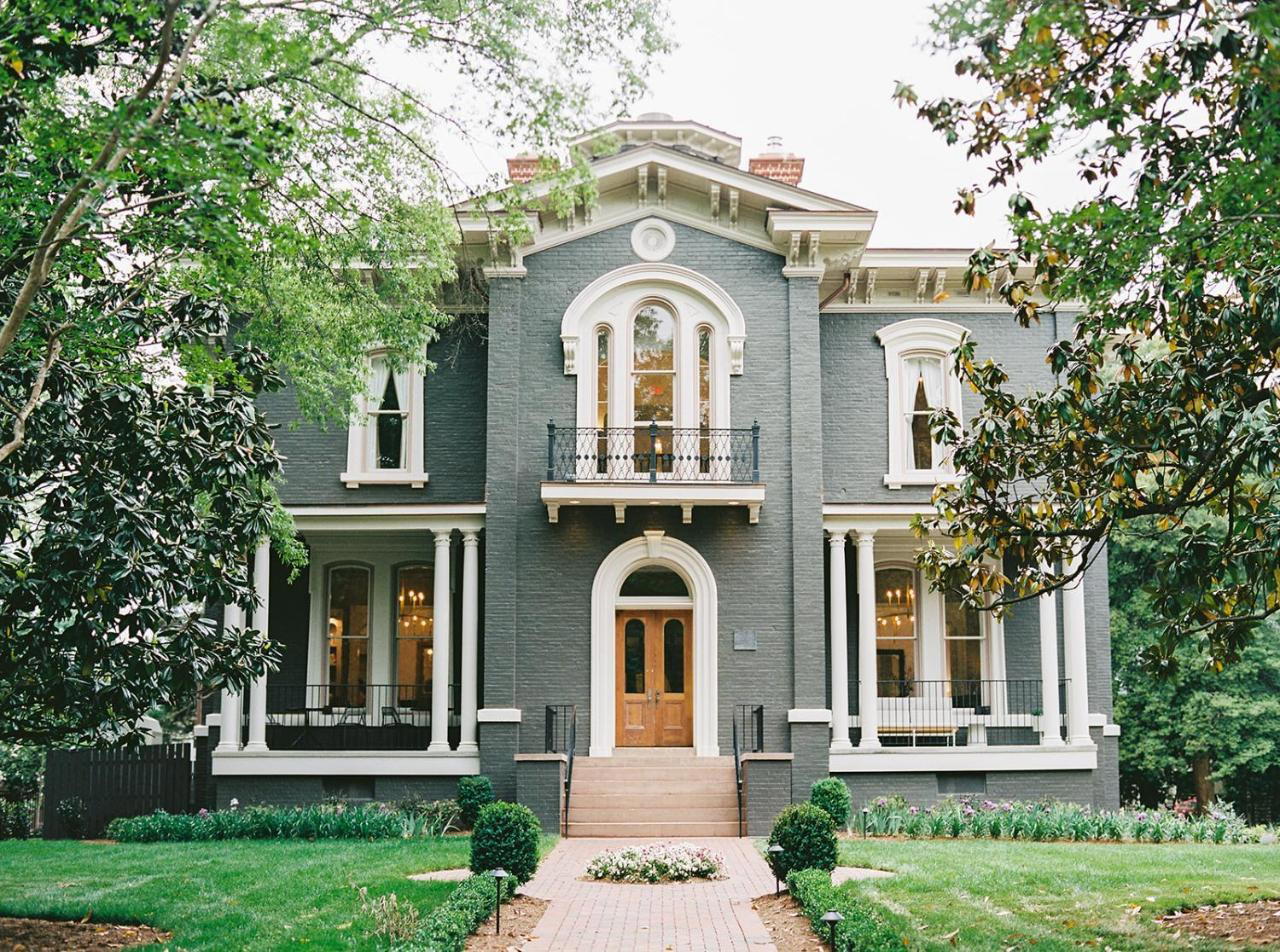
Whiskey Kitchen occupies a corner of Raleigh's downtown bar district at 201 W Martin St, where an emphasis on American whiskey shapes both the drinks program and the broader atmosphere. The space trades in the kind of worn-wood, low-light character that positions it among Raleigh's more serious spirits-forward venues, drawing a crowd that tends to know what it wants from a pour.

Pearl is the En Primeur Club membership app — saves, bookings, and concierge access live there. Same editors, same standards.
- Address
- 201 W Martin St, Raleigh, NC 27601
- Phone
- (919) 803-3181
- Hours
- Mon 5 PM–12 AMTue–Thu 11 AM–12 AMFri–Sat 11 AM–2 AMSun 11 AM–12 AM
- Website
- whiskey.kitchen
- Directions
- Get directions
- Booking
- Book on Resy
A Corner of Downtown Raleigh Built Around Whiskey
Downtown Raleigh's drinking culture has matured considerably over the past decade, moving from a strip of interchangeable cocktail bars into something with more category definition. You now find venues that specialize — in wine, in Japanese-inflected spirits, in craft beer — and among them, the American whiskey bar has carved out a durable niche. Whiskey Kitchen, at 201 W Martin St, sits inside that niche. The address places it squarely in the walkable core of the city's entertainment district, close enough to the broader restaurant-and-bar corridor that it draws both planned visits and spontaneous drop-ins from people finishing dinner elsewhere.
The format, a bar anchored by an extensive whiskey selection, operating in a space that leans into texture and warmth over minimalist polish, represents a deliberate positioning. In a market where Ajisai leans on Japanese spirit traditions and sake, and where wine-focused rooms like Vinos Finos and Vita Vite Downtown pull a different kind of evening crowd, the American whiskey bar occupies a specific lane: casual enough for a Tuesday, considered enough to hold attention for a full evening.
What the Space Communicates Before You Order
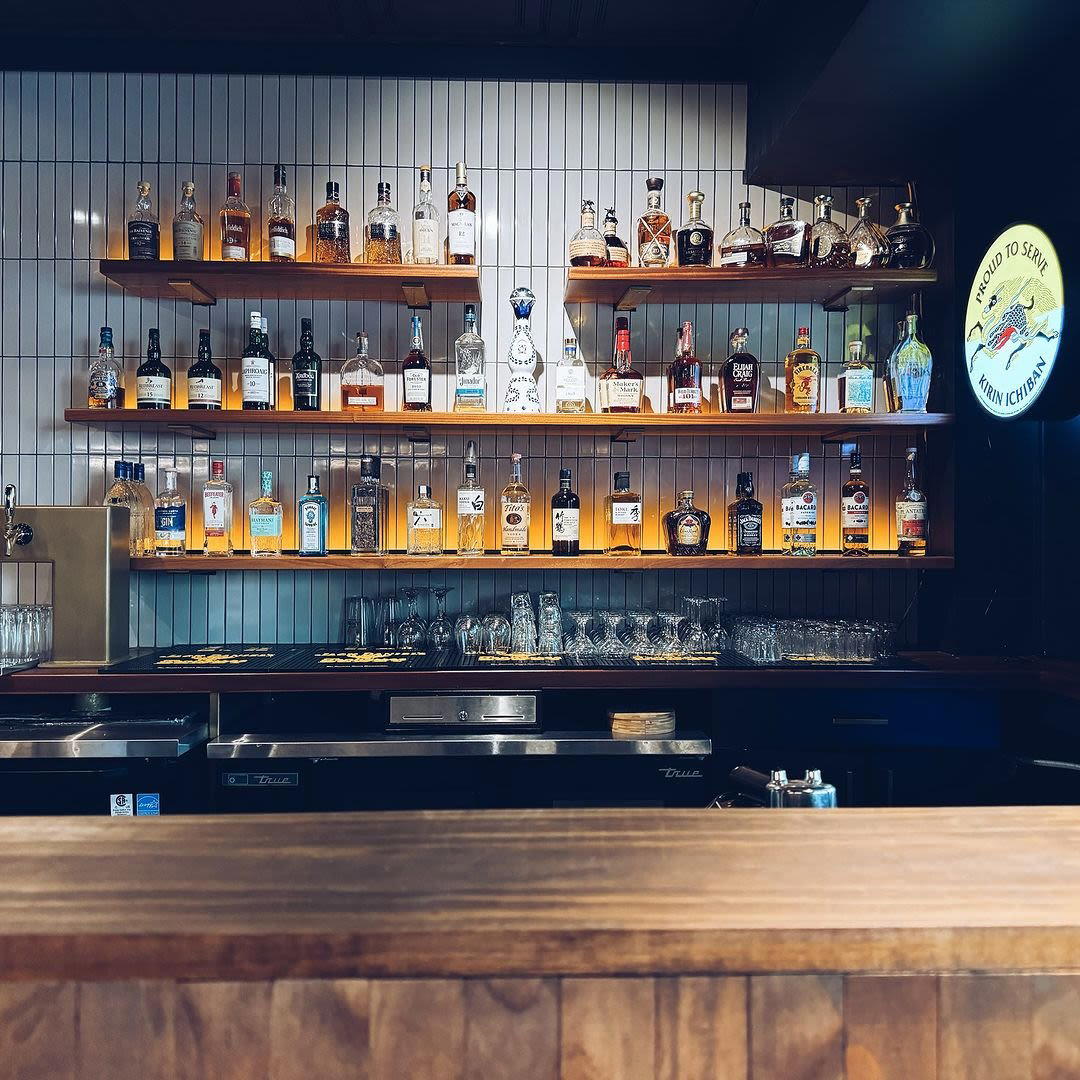
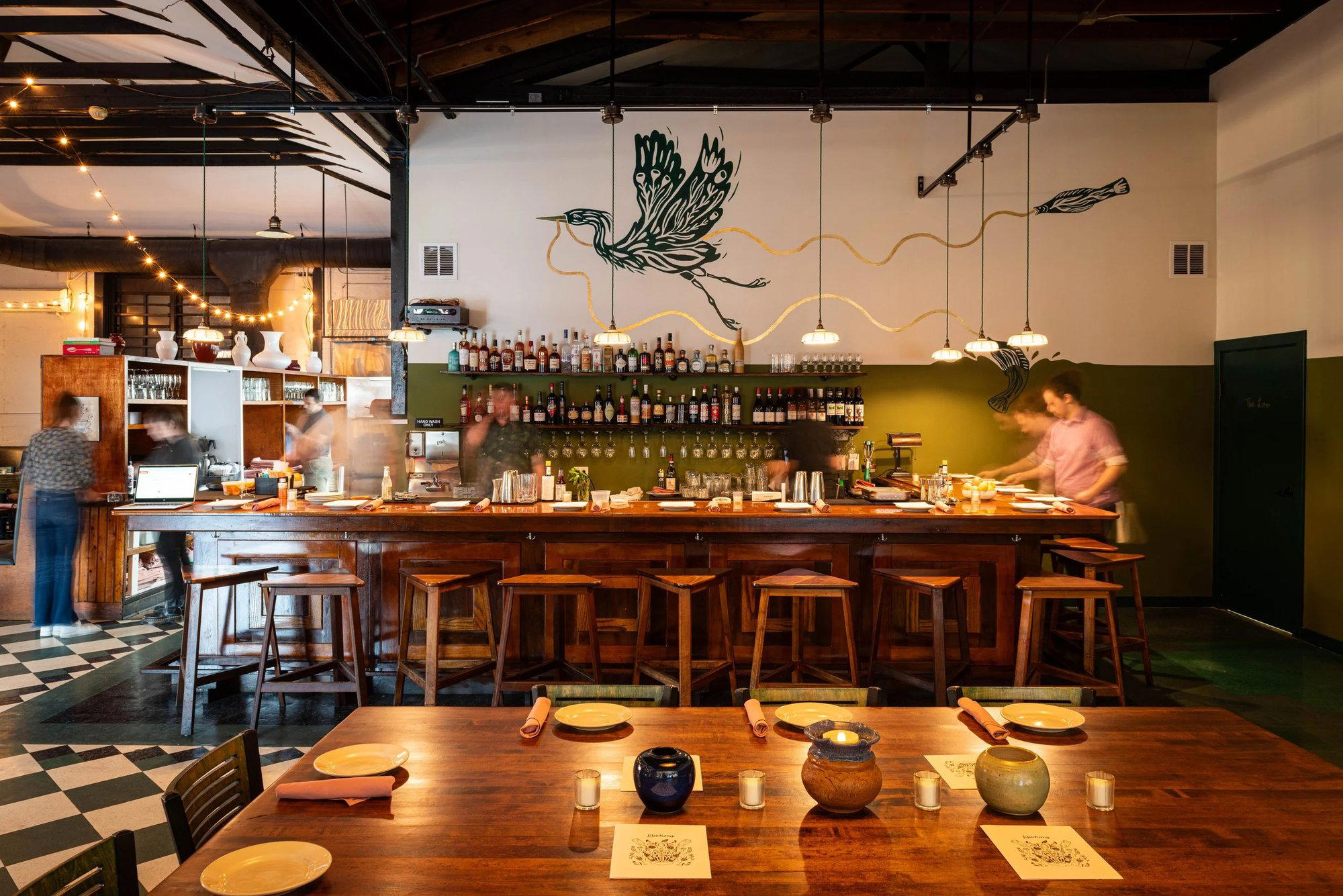
The physical atmosphere of a whiskey-focused bar carries its own set of signals. Bottle walls are the most readable: the range of what a venue stocks, how many distinct distilleries, how broad the geography of American production it draws from, tells you immediately whether the program is serious or decorative. A bar with shelves stretching across the back wall, organized by style or region, reads as an argument about category depth. The lighting tends to skew warm and low, not because it is a design cliché but because it suits the amber palette of what's being poured.
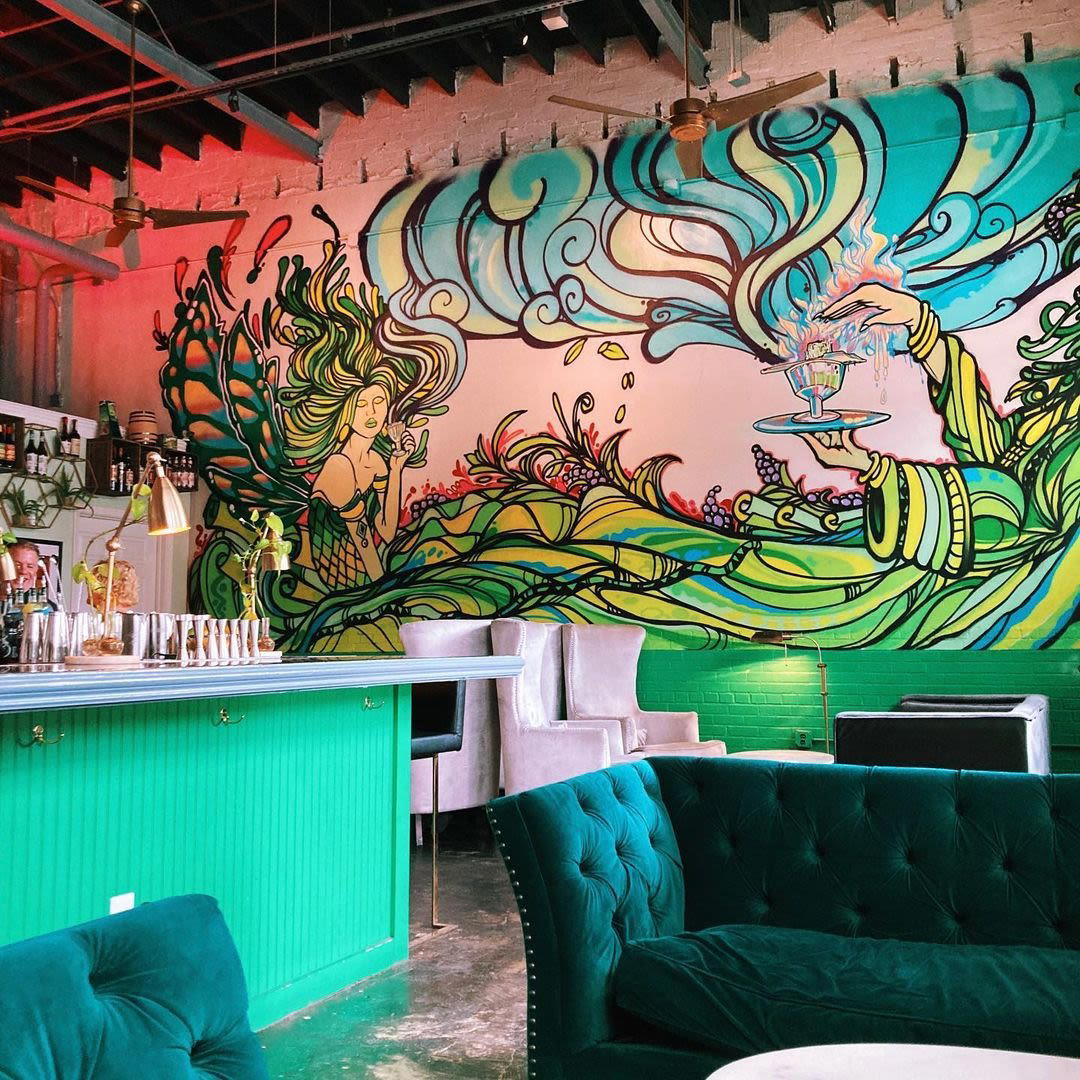
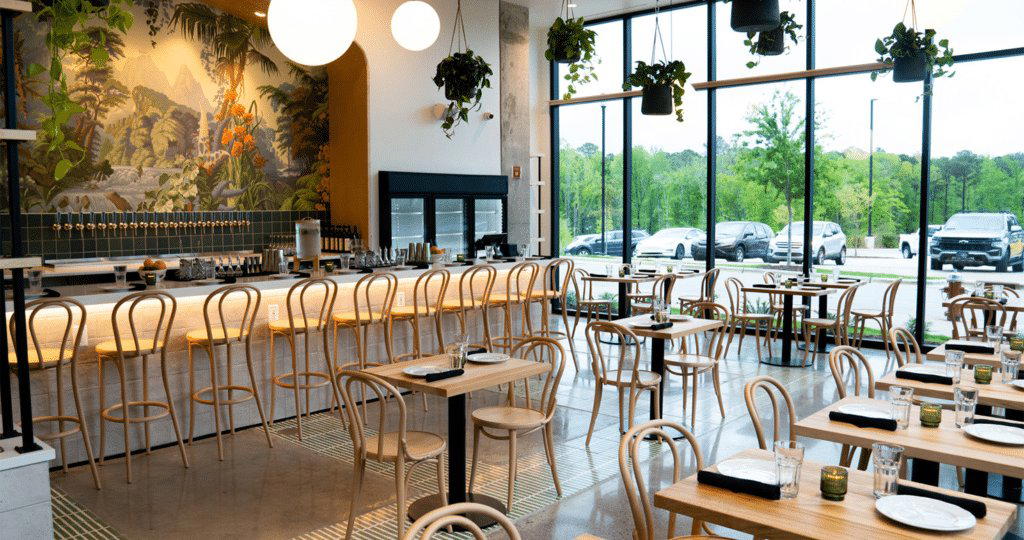
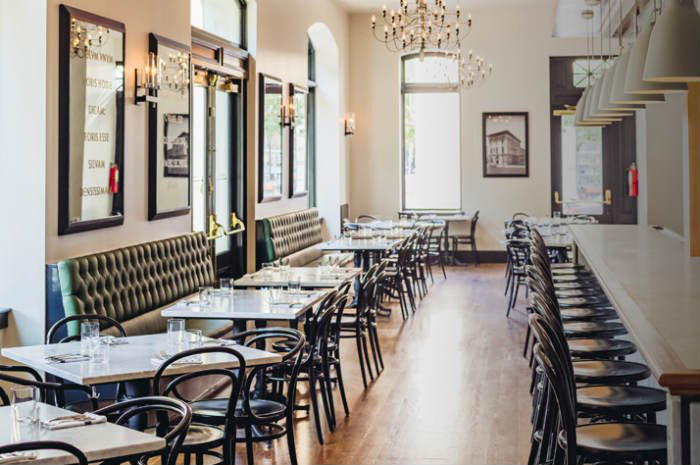
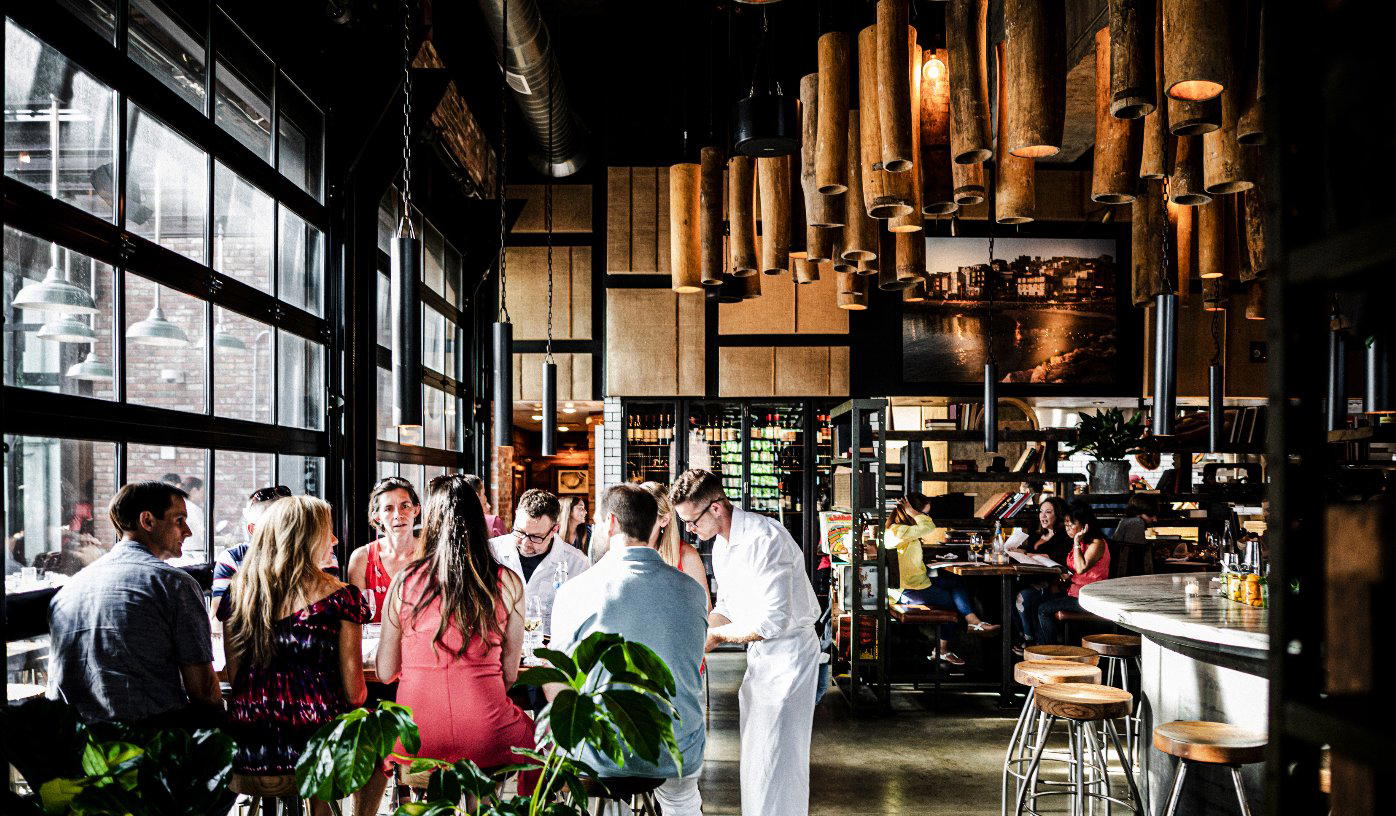
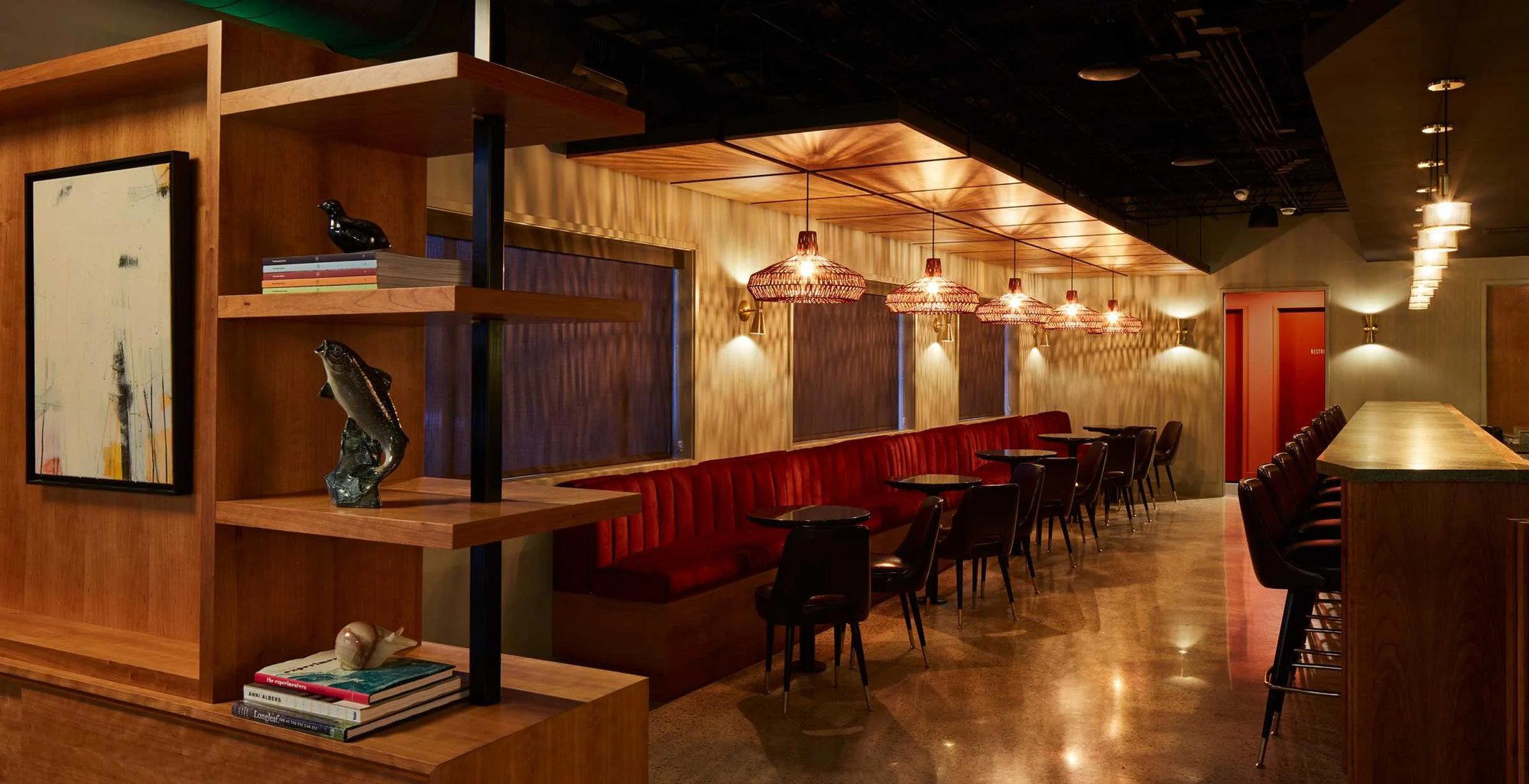
Whiskey Kitchen operates on that register. The room communicates a preference for the material and the substantial, wood surfaces, the ambient noise of a space that fills rather than echoes, the kind of seating arrangement that invites settling in rather than cycling through. In Raleigh's downtown context, this contrasts with the brighter, more transient energy of some neighboring venues and aligns Whiskey Kitchen with bars that treat the evening as a destination rather than a checkpoint.
For a sense of how this atmosphere-first approach functions at a more programmatically developed scale, Kumiko in Chicago offers a useful comparison point: that bar builds a similarly considered mood through spatial restraint and a drinks program with genuine range. Bar Leather Apron in Honolulu and Jewel of the South in New Orleans operate in a comparable register in their respective cities. The approach has precedent: venues that treat the bar as a room you inhabit, not a counter you pass through, have performed consistently well in urban bar markets over the past several years.
The Whiskey-Centric Drinks Program
American whiskey has expanded its internal geography substantially. Bourbon's production footprint now extends well beyond Kentucky, Tennessee whiskey continues to define its own character through the Lincoln County Process, and rye has attracted a new generation of drinkers who find its spice-forward profile more interesting alongside food. A bar that commits seriously to the category has to make choices about how to represent all of this, whether to organize by region, by style, by age statement, or by distillery lineage.
Beyond neat pours, the kitchen element signals that this is not a drinks-only operation. Food-and-whiskey programming has become a natural pairing in the American bar tradition: the category's richness and proof level work as counterpoint to salt and fat in a way that wine sometimes doesn't. Southern food traditions map especially well onto this, and Raleigh, sitting in North Carolina's food culture, has a natural regional framework for it. Comparing the approach to something like Julep in Houston, a bar that built a serious Southern spirits program alongside food, illustrates how the format can carry genuine cultural weight when the food side is developed with the same attention as the drinks.
Venues elsewhere in the country have shown what that looks like at full development: ABV in San Francisco and Superbueno in New York City each built programs where the food component is integrated rather than incidental. The Parlour in Frankfurt demonstrates that the bar-plus-kitchen model has appeal beyond American markets.
Raleigh's Bar Scene and Where Whiskey Kitchen Sits
Raleigh's downtown bar corridor is concentrated enough that venue-to-venue movement is common on a Friday or Saturday night. The W Martin St address positions Whiskey Kitchen within easy reach of the core. Compared to 10th and Terrace, which operates at a different pitch and price point, or 13 Tacos and Taps, which anchors its program around food-first drinking, Whiskey Kitchen fills the category-specialist role that a maturing bar scene needs.
That maturity matters. Cities with a single dominant bar type, all cocktail bars, all beer-focused, eventually develop demand for alternatives, and the specialist venue that has existed long enough to accumulate a regular crowd becomes one of the anchors that gives a district its character. Whiskey Kitchen operates in that role for Raleigh's downtown, offering the kind of depth on a single category that casual bars can't match and that a certain drinker specifically seeks out.
For further context on how Raleigh's broader restaurant and bar scene connects, see our full Raleigh restaurants guide. The Angus Barn also remains a reference point for the city's longer-standing dining culture, for visitors who want to understand the full range of what Raleigh's food-and-drink scene covers.
Planning Your Visit
Whiskey Kitchen's location at 201 W Martin St puts it in the walkable center of Raleigh's downtown, making it direct to reach from most of the city's central hotels on foot. The venue's position in the entertainment district means weekends get busy; arriving earlier in the evening or on a weekday typically allows more room at the bar, where the conversation with staff about what's on the shelf tends to be more productive than ordering from a stool in a packed room.
Cuisine Lens
| Venue | Price |
|---|---|
| Whiskey KitchenThis venue — the venue you are viewing | $30–50 |
| Ajisai | $30–50 |
| Vinos Finos Tapas and Wine Bar | $30–50 |
| William & Company | $10–20 |
| Kai Sushi & Sake Bar | $20–30 |
Details
- Lively
- Trendy
- Sophisticated
- Industrial
- After Work
- Group Outing
- Casual Hangout
- Special Occasion
- Celebration
- Historic Building
- Standalone
- Design Destination
- Seated Bar
- Lounge Seating
- Booth Seating
- Outdoor Terrace
- Whiskey
- Craft Cocktails
- Conventional Wine
- Craft Beer
- Classic Cocktails
Current opening hours
- Monday
- 5 PM–12 AM
- Tuesday
- 11 AM–12 AM
- Wednesday
- 11 AM–12 AM
- Thursday
- 11 AM–12 AM
- Friday
- 11 AM–2 AM
- Saturday
- 11 AM–2 AM
- Sunday
- 11 AM–12 AM
Hours can change for holidays and private events. Last verified .
Hip, modern-meets-historic atmosphere with conversational-level music that allows guests to talk comfortably; industrial aesthetic in a restored historic garage space.