FEINSINN

Michelin Plate
Our verdict
FEINSINN sits on the grounds of Weingut Rosenberger, a working winery in Rohrendorf bei Krems, and builds its menu around seasonal, regional produce. The clean-lined dining room doubles as a shop window for the estate's wines, and in warmer months the terrace connects the kitchen directly to the vineyards that supply the cellar. The evening menu runs deeper than the more limited lunch service, and breakfast is also served.

Pearl is the En Primeur Club membership app — saves, bookings, and concierge access live there. Same editors, same standards.
- Address
- Leisergasse 29, Rohrendorf bei Krems, Niederösterreich, 3495, AUT
- Phone
- +43 677 18086976
- Hours
- Daily Closed
- Website
- genusslokal.at
- Directions
- Get directions
- Booking
- Book on TheFork
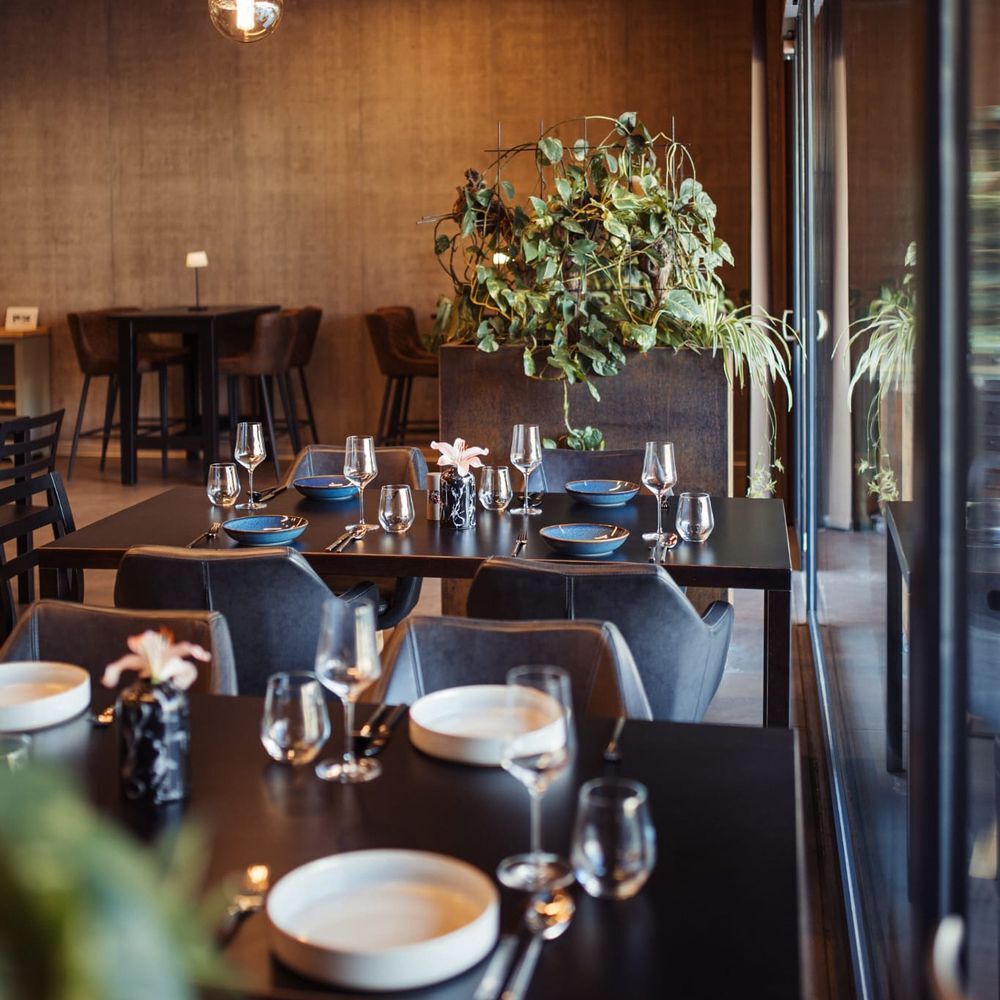
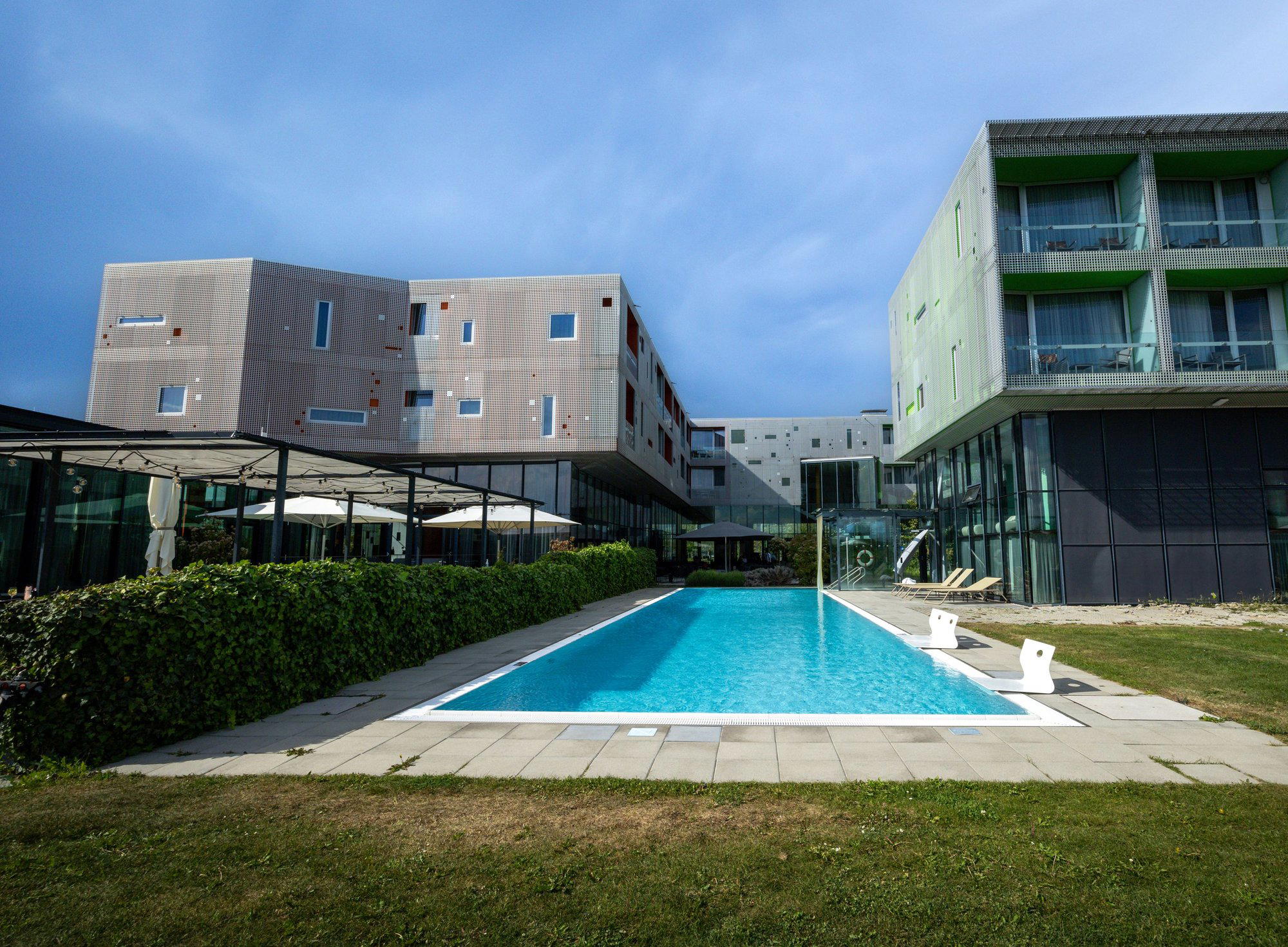
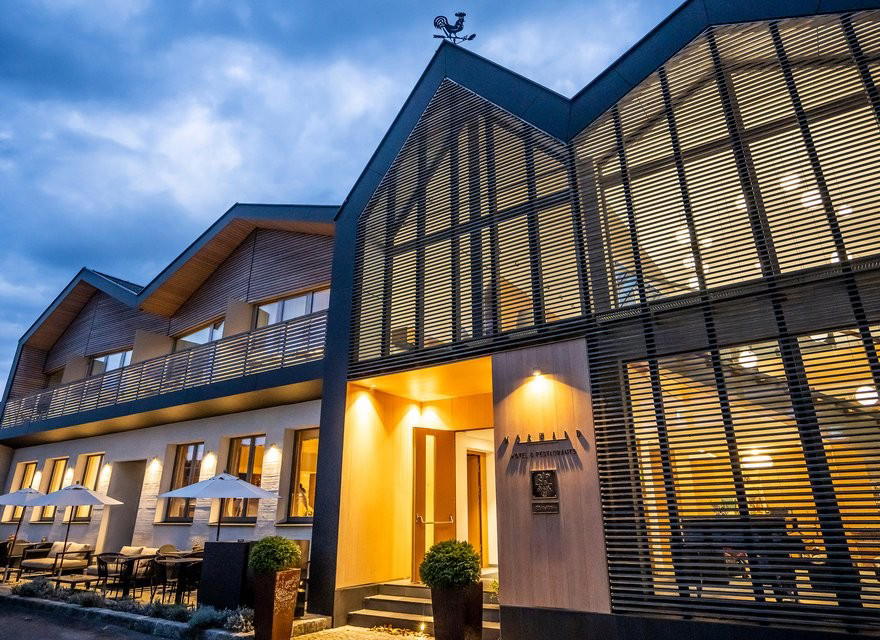
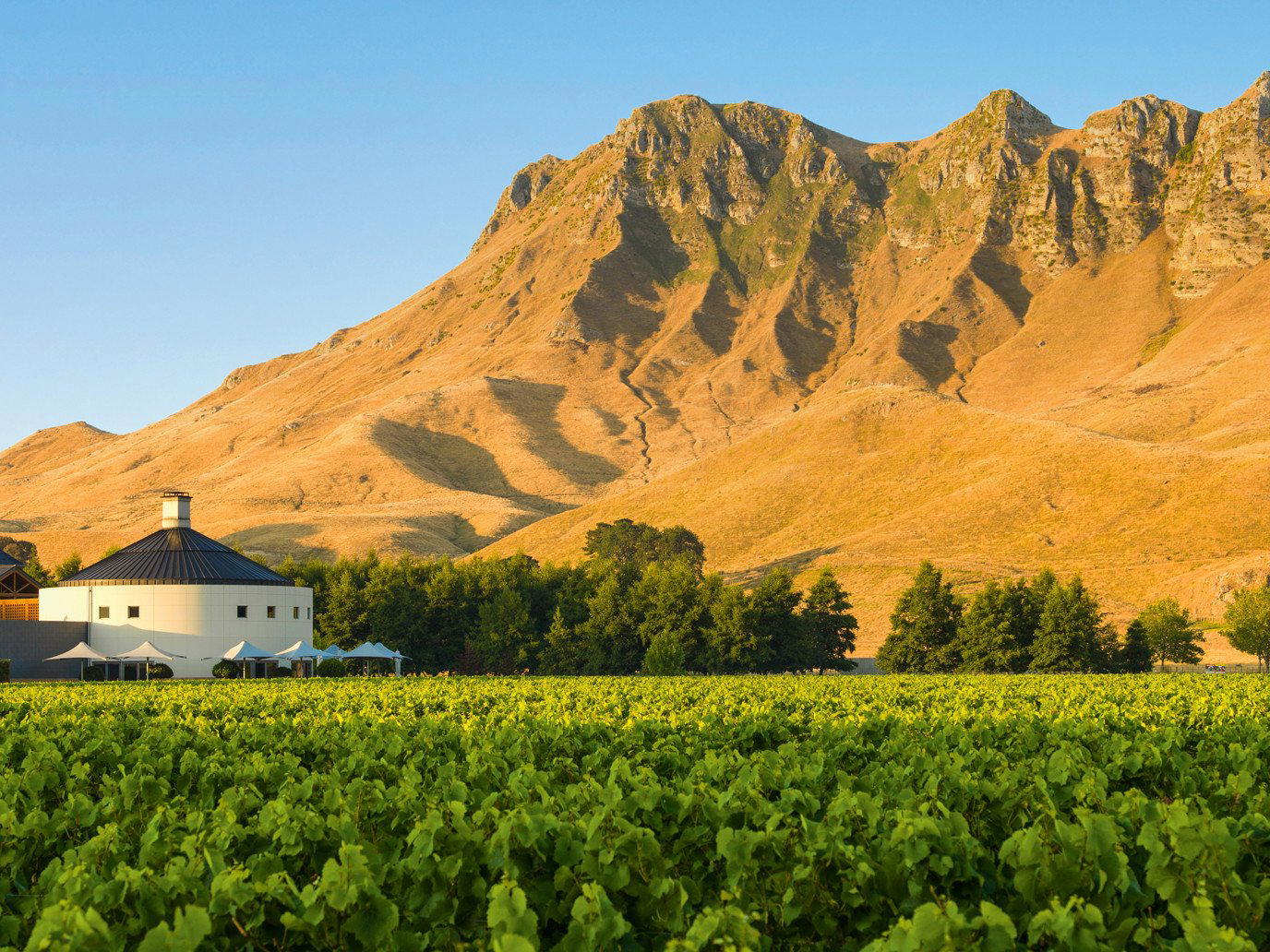
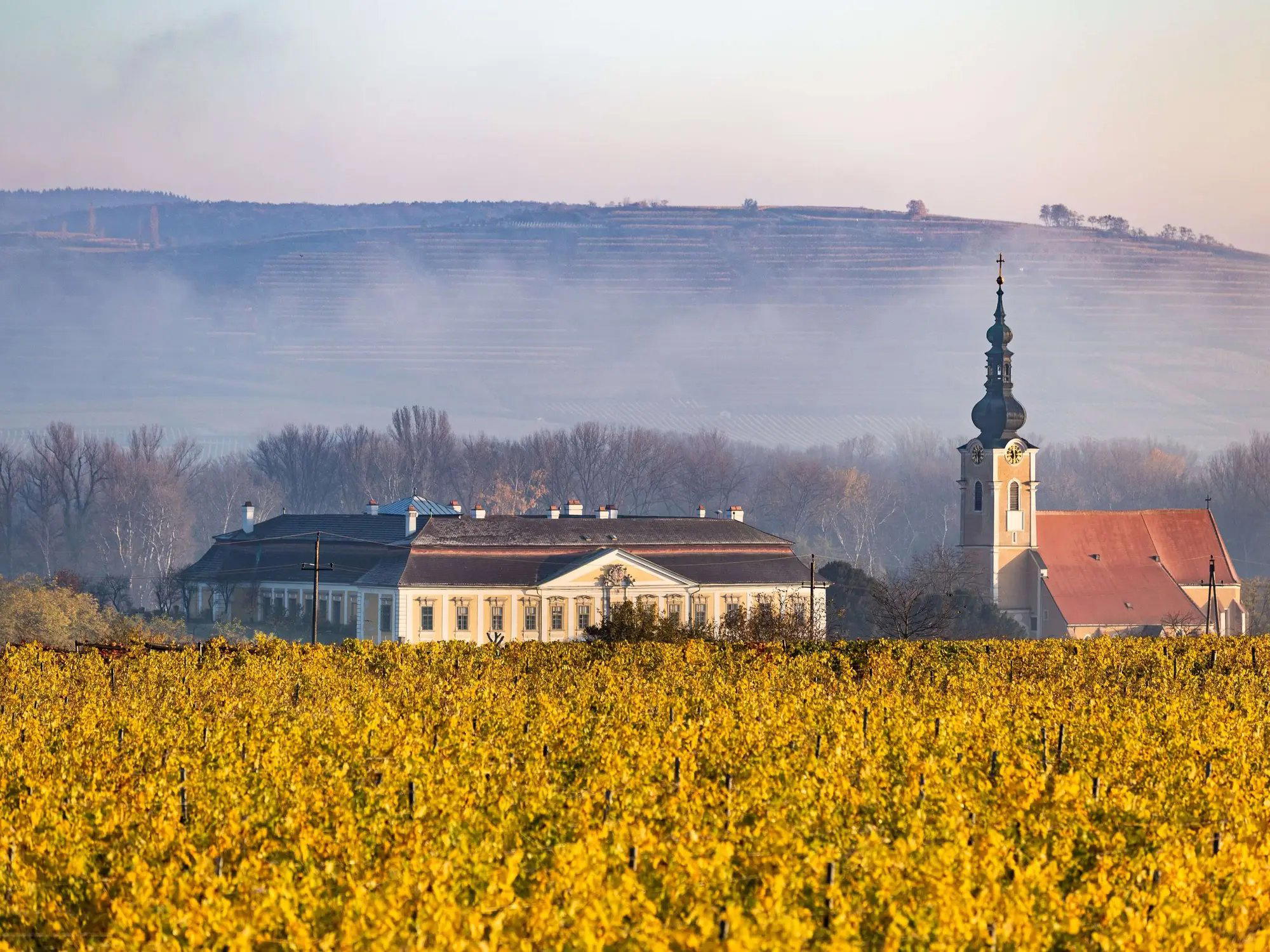
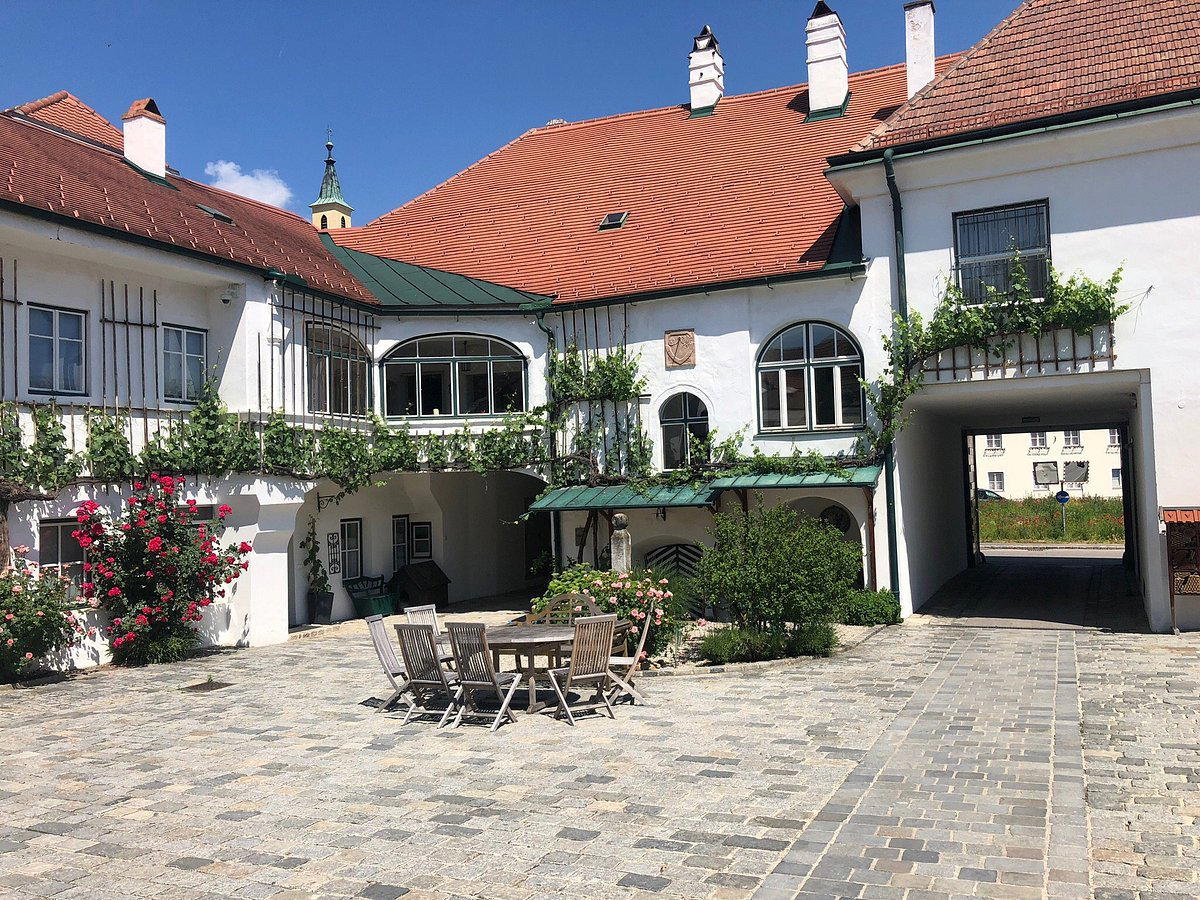
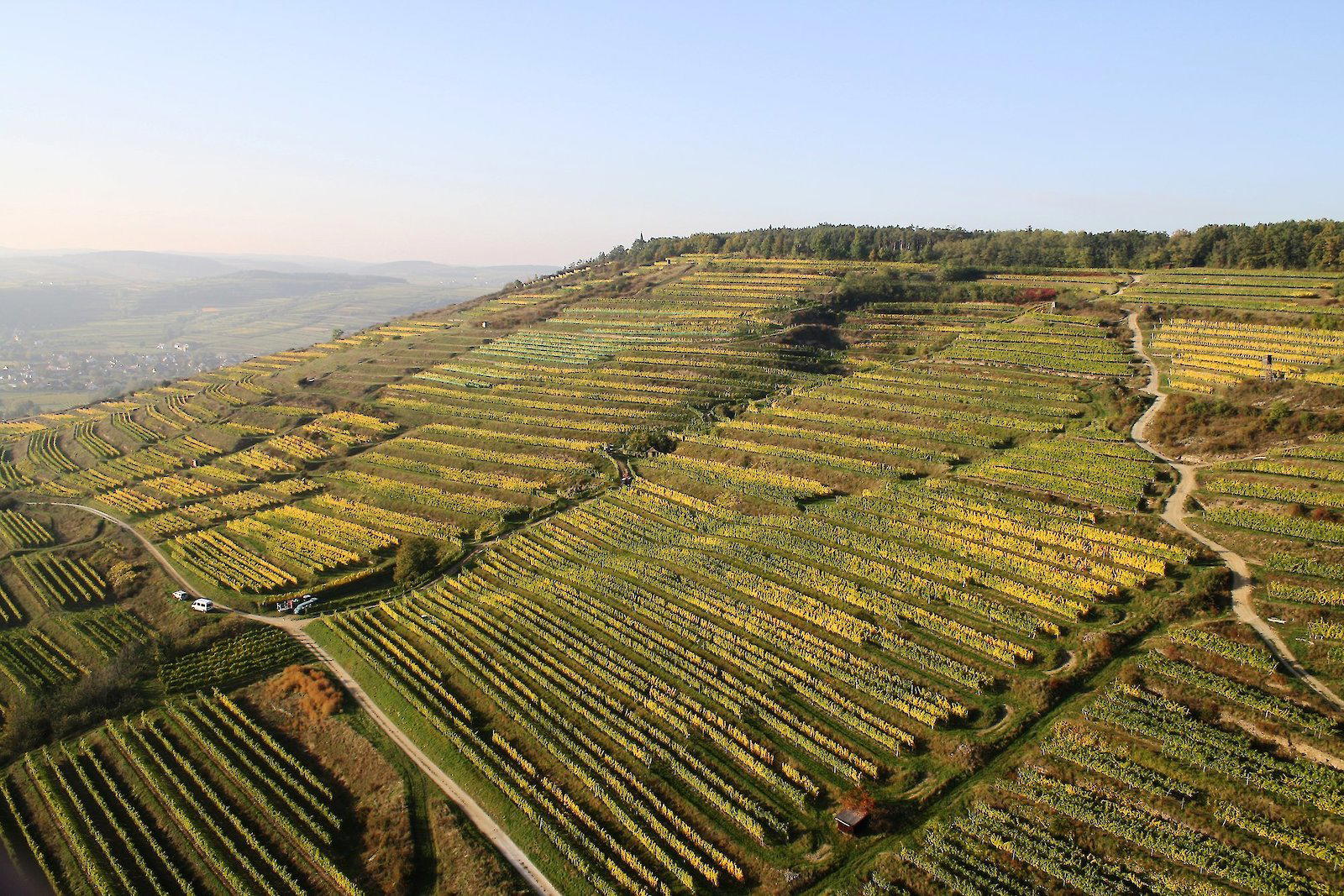
The approach to FEINSINN is through the Weingut Rosenberger estate, a winery and guest house planted into the Krems valley, where rows of vines climb toward the Waldviertel hills. The restaurant occupies a modern structure with floor-to-ceiling glass, clean lines, and a muted palette that reads more Scandinavian than Wachau baroque. In summer, tables spill onto a terrace bordered by the vineyard itself, so the wine list, anchored by estate bottles, comes with an unusually literal farm-to-table claim. This is dining inside the production chain, not adjacent to it, and the kitchen leans into that proximity with a menu built on regional supply lines and seasonal availability. The format suits travelers working through our full Rohrendorf Bei Krems restaurants guide who want context for Lower Austrian wine country rather than haute experimentation.
Regional Ingredients, Winery-Adjacent Sourcing
FEINSINN's menu revolves around produce grown or raised within a tight radius of the restaurant. The kitchen highlights regional farms and growers by name, and the sourcing strategy mirrors the winery's terroir-first approach: fewer suppliers, deeper relationships, seasonal rotation. The evening menu includes veal bolognese and chateaubriand for two, dishes that depend on meat quality and technique rather than elaborate garnish. Lunch runs shorter, with fewer courses and simpler preparations, a format that reflects both kitchen capacity and the midday dining patterns common in smaller Austrian towns. Breakfast service is also available, which makes the restaurant a practical anchor for guests staying in the adjacent Rosenberger guest house or for visitors planning a full day in the Wachau wine region. The Krems valley sits at the convergence of continental and Mediterranean microclimates, which extends the growing season and allows growers to harvest stone fruit, apricots, and cool-climate vegetables well into autumn. FEINSINN's kitchen tracks that calendar closely, rotating proteins and garnishes as local farms shift from spring greens to root vegetables and game. The result is a menu that reads more like a regional almanac than a fixed repertoire, and repeat visits across seasons will surface different dishes entirely. For context on how other Austrian kitchens handle regional sourcing at various price points, see AELIUM in St Polten and 2Stein in Krems.
Estate Wines and the Wachau Context
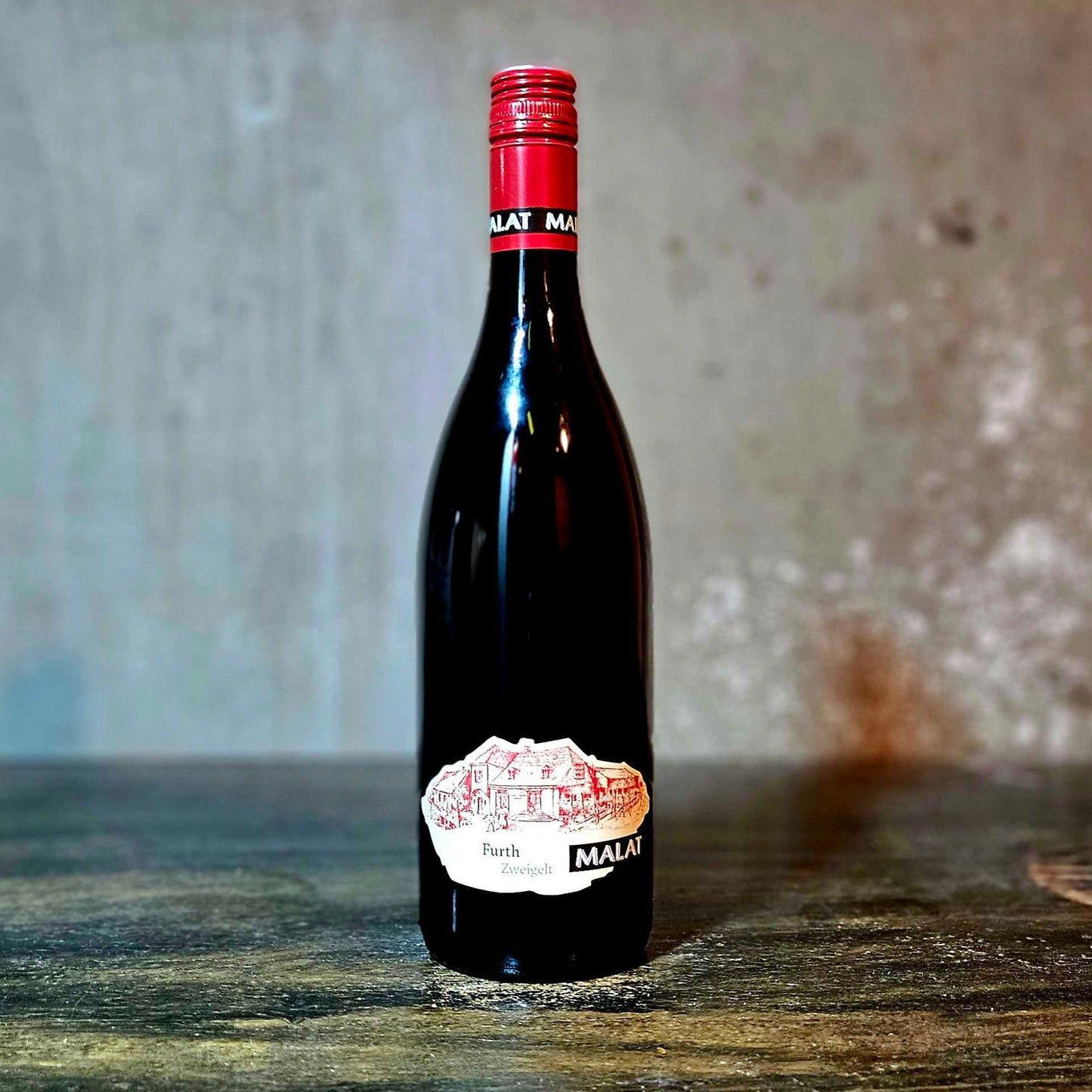
The wine list at FEINSINN is dominated by Weingut Rosenberger bottles, which means Grüner Veltliner, Riesling, and a handful of red varietals grown on the estate's parcels. This is the Wachau's calling card: steep terraced vineyards, Danube-cooled nights, and a tradition of dry whites that balance acidity with ripe stone-fruit character. Rosenberger's wines appear on the list at producer pricing, which undercuts retail by a meaningful margin and makes the restaurant a useful tasting room for travelers who want to sample before committing to a case purchase. The cellar also includes a selection of regional peers, primarily from the Kamptal and Kremstal DACs, giving diners a comparative snapshot of Lower Austrian white-wine styles without leaving the table. For those building a broader itinerary, our full Rohrendorf Bei Krems wineries guide maps out tasting-room options within a ten-kilometer radius, many of which require advance booking and operate on stricter seasonal schedules than the restaurant. The Wachau designation applies only to wines grown within a tightly defined zone along the Danube between Melk and Krems, and the classification system, Steinfeder, Federspiel, Smaragd, signals ripeness and alcohol level rather than vineyard hierarchy. Rosenberger's estate parcels fall within the broader Kremstal DAC, which sits adjacent to the Wachau but operates under a separate set of production rules. The distinction matters for collectors and importers, less so for casual diners, but it explains why the estate's wines appear under a different geographic designation than some of the higher-profile Wachau producers whose bottles also populate Austrian restaurant lists.
The dining room's design reinforces the winery connection: the space is bright, uncluttered, and visually open to the vineyard outside, with minimal decoration beyond wine-related signage and a few photos of the estate's harvest. The aesthetic is functional rather than theatrical, which aligns with the kitchen's no-fuss approach to plating and service. Staff speak German and English, and the service style is more informative than scripted, expect direct explanations of provenance and preparation rather than elaborate storytelling. Rohrendorf bei Krems sits approximately five kilometers northwest of Krems an der Donau, a university town and tourist hub for the Wachau valley. The village itself is small, with limited dining options beyond FEINSINN, so the restaurant functions as a de facto destination for visitors staying in nearby Krems or Dürnstein who want a winery meal without committing to a full tasting-menu format. For a broader look at the area's hospitality landscape, consult our full Rohrendorf Bei Krems hotels guide and our full Rohrendorf Bei Krems experiences guide.
Kitchen operates on a seasonal schedule, with evening service covering the bulk of the dining program and lunch service running a shorter, simpler menu. The chateaubriand for two requires advance notice and is typically served from mid-autumn through early spring, when game and heartier proteins dominate the menu. Summer skews lighter, with more vegetable-forward dishes and chilled preparations that suit the terrace setting. The veal bolognese appears year-round but changes garnish and pasta shape depending on what the kitchen has on hand. There is no tasting menu, no chef's counter, and no multi-course progression, guests order à la carte, and the kitchen delivers finished plates in the order they're ready. This format suits diners who want flexibility in pacing and portion size, though it also means the meal lacks the narrative arc common to Austria's more ambitious dining rooms. For a comparison of how regional Austrian restaurants handle format and sourcing at different price tiers, see 's Paul Restaurant in Traunkirchen and [aend] in Vienna.
Frequently asked questions
Is FEINSINN child-friendly?
The restaurant offers lunch service with a more limited menu that can accommodate families, and the outdoor terrace during summer provides flexible seating. The clean-lined interior and winery-estate location suit a range of diners, including younger guests.
What's the vibe at FEINSINN?
FEINSINN operates inside a working winery estate with a modern, clean-lined dining room. The focus is on regional produce and estate wines from Weingut Rosenberger, creating a setting that balances rural Wachau terroir with contemporary design. Service centers on the evening menu, with a scaled-back lunch option.
Has FEINSINN won any awards?
FEINSINN has received recognition including: At this restaurant with an appealing, clean-lined design, the food revolves around regional produce and seasonal ingredients. Highlights on the evening menu include veal bolognese and chateaubriand for two. The lunch menu is somewhat more l….
Where do I go for FEINSINN?
FEINSINN is located at Leisergasse 29, Rohrendorf bei Krems, Niederösterreich, 3495, AUT, Rohrendorf Bei Krems.
Do they take walk-ins at FEINSINN?
Reservation availability varies by season and time of day. Lunch service is more limited than dinner, which features dishes like chateaubriand for two and veal bolognese. Booking ahead is advisable, particularly for evening sittings and summer terrace tables.
Quick Comparison
Comparable venues by cuisine and price in the same metro.
| Venue | Cuisine | Price | Awards |
|---|---|---|---|
| FEINSINNThis venue — the venue you are viewing | Seasonal regional-Austrian cuisine with international influences | $30–50 | Michelin Plate |
Recognition history
Dated appearances from independent guides and award organizations, with the underlying list record or original source where available.
Michelin Plate
Michelin
Continue exploring
More in Rohrendorf Bei Krems
Restaurants in Rohrendorf Bei Krems
Browse all →
Bars in Rohrendorf Bei Krems
Browse all →
Hotels in Rohrendorf Bei Krems
Browse all →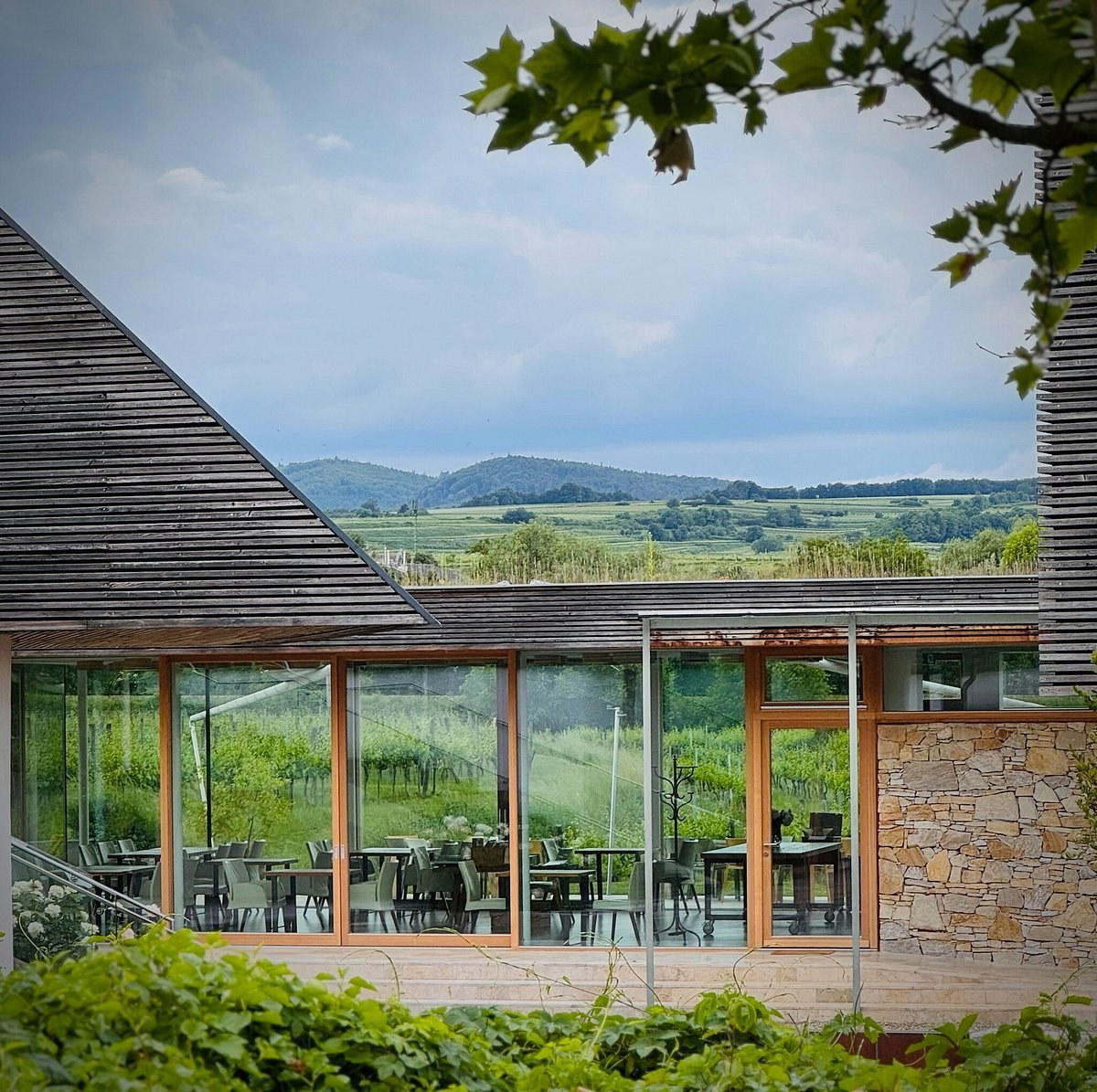
Details
- Cozy
- Modern
- Elegant
- Romantic
- Date Night
- Business Dinner
- Group Dining
- Family
- Celebration
- Special Occasion
- Brunch
- Private Event
- Wine Cellar
- Private Dining
- Hotel Restaurant
- Standalone
- Extensive Wine List
- Sommelier Led
- Farm To Table
- Organic
- Local Sourcing
- Sustainable Seafood
- Biodynamic
- Vineyard
- A La Carte
- Tasting Menu
- Regional Wine
- Austrian Wine
- Vegetarian Friendly
- Organic Focus
Current opening hours
- Monday
- Closed
- Tuesday
- Closed
- Wednesday
- Closed
- Thursday
- Closed
- Friday
- Closed
- Saturday
- Closed
- Sunday
- Closed
Hours can change for holidays and private events. Last verified .
Relaxed and modern yet warm, with a clear focus on comfort: a stylish but uncomplicated dining room that feels like a cozy retreat in the wine village, suited to both leisurely breakfasts and intimate evening dinners.