Wedding Oak Winery

Wedding Oak Winery, situated in the Hill Country-adjacent town of San Saba, Texas, holds a Pearl 2 Star Prestige rating (2025), placing it among a select tier of Texas producers earning formal critical recognition. The winery draws on the distinctive soils and climate of the Texas Hill Country and Pecan Valley region, where continental heat and limestone-laden ground shape wines that read as unmistakably regional rather than varietal approximations of California or European benchmarks.
 Discover on Pearl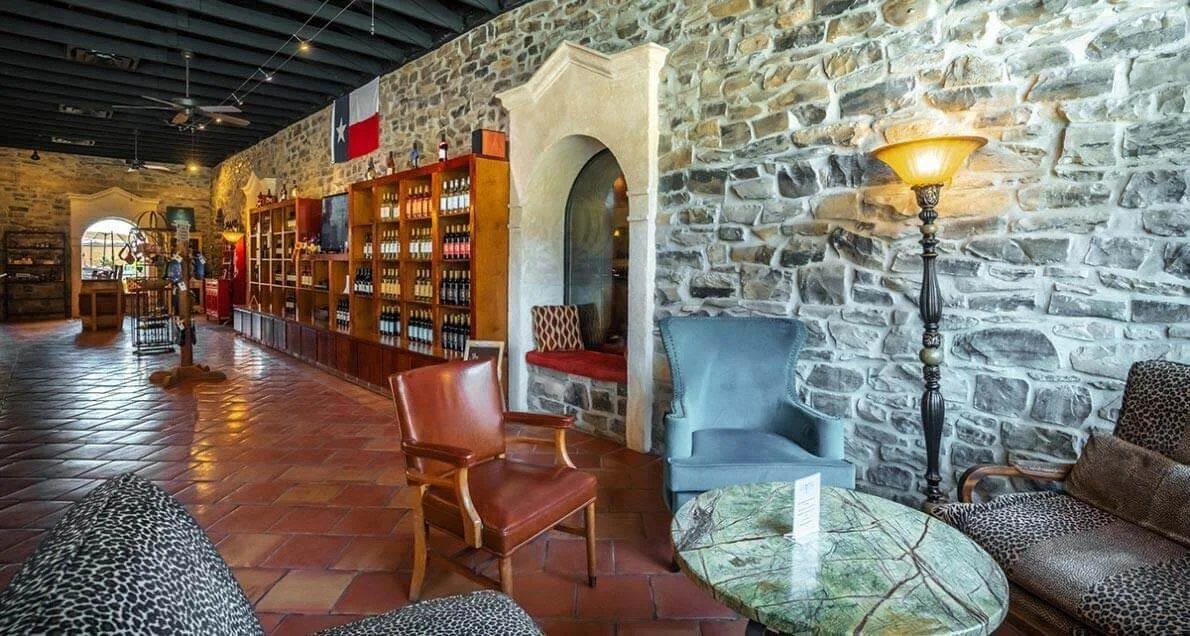
Where the Texas Interior Makes Its Case in the Glass
San Saba sits at the northern edge of the Texas Hill Country wine corridor, roughly 140 miles northwest of Austin, in a stretch of terrain that most American wine drinkers would struggle to place on a map. That geographic obscurity is part of what makes the wines coming out of this county worth attention. The region operates at altitude, under a continental sun, with limestone-rich soils and dramatic diurnal temperature swings that push grapes toward structural tension rather than the ripe, extracted weight that characterises warmer low-altitude zones. Wedding Oak Winery, located on East Wallace Street in the centre of San Saba's small downtown, is the local producer that has attracted the most formal critical recognition from that setting, earning a Pearl 2 Star Prestige rating in 2025.
The Pearl rating system's 2 Star Prestige tier is not a participation award. It signals a producer operating at a level where the wine itself, not merely its story or location, justifies scrutiny. For a Texas Hill Country-adjacent property to land in that bracket places Wedding Oak in a peer conversation that extends well beyond state lines, alongside producers like Adelaida Vineyards in Paso Robles, Alban Vineyards in Arroyo Grande, and Andrew Murray Vineyards in Los Olivos, all of which have carved identities from terroirs that demanded patience before earning critical traction.
Limestone, Heat, and What San Saba Does to a Grape
The terroir argument for Central Texas wine has taken years to cohere into something reviewers take seriously. The region's challenges are genuine: summer heat routinely exceeds what European wine grids would consider viable, water access requires careful management, and the growing season demands varieties that can handle stress without collapsing into jam. What the Hill Country and its northern fringe offer in return is elevation, thin-soiled limestone bedrock that forces root systems to work, and nights that cool significantly from daytime peaks. That combination, when matched with the right varieties and disciplined vineyard management, produces wines with acidity and minerality that the terroir's critics rarely anticipated.
San Saba County in particular sits where the Llano Uplift's granite and limestone geology meets the Edwards Plateau, giving the immediate area a distinct mineral signature. For producers choosing to source from local or regional fruit rather than importing from the Texas High Plains (which sits at over 3,500 feet and supplies much of the state's premium volume), the challenge is expressing what this specific geography contributes. The producers who have made that case most compellingly are the ones attracting formal recognition, and Wedding Oak's 2025 Pearl 2 Star signals that this winery is among them.
For context on how regional terroir expression has driven critical credibility elsewhere, the trajectory of Adelsheim Vineyard in Newberg and Artesa Vineyards and Winery in Napa both illustrate how place-specific wine identities take decades to establish before they earn consistent external validation. Texas is earlier in that arc, which makes the current recognition window worth noting for collectors and serious visitors.
The Winery in Its Town Context
San Saba is a working county seat rather than a wine tourism hub engineered around visitor flow. The town's economic identity has historically centred on pecans, a crop the county produces in nationally significant volumes, and the small-town commercial grid of East Wallace Street reflects that agricultural heritage. Wedding Oak's presence there is less about capitalising on an existing wine tourism circuit and more about planting a flag in a community where the winery has local roots.
That context shapes the experience of visiting. San Saba is not Fredericksburg, where the Hill Country wine route has produced a dense cluster of tasting rooms, restaurants, and boutique hotels within a few square miles. Visitors arriving in San Saba are committing to a more self-directed itinerary, which means the winery itself carries more weight as a destination anchor. For those planning a multi-stop visit to the broader region, our full San Saba wineries guide maps the local options, and our San Saba restaurants guide covers where to eat before or after.
Atmosphere and What to Expect at the Counter
Texas winery tasting rooms along the Hill Country corridor have generally moved toward casual, welcoming formats rather than the more structured, appointment-driven models common in Napa or the Willamette Valley. The experience at producers of Wedding Oak's standing in this region typically involves direct conversation with knowledgeable staff, pours drawn from a rotating selection that reflects current releases, and a setting calibrated for unhurried engagement rather than high turnover. Whether that holds precisely at Wedding Oak on any given day will depend on the season and booking load, so checking current availability directly with the winery before making the drive from Austin or the surrounding region is the practical first step. The address at 316 E Wallace St is direct to locate within San Saba's compact centre.
For those building a full day around the visit, our San Saba bars guide, hotels guide, and experiences guide cover what else the area has to offer. San Saba's scale means visitors will likely want to plan the day in full before arriving rather than improvising on the ground.
Where Wedding Oak Sits in the Texas Premium Tier
Texas wine has a credibility gap that it is actively closing. The state's wine industry grew rapidly through the 2000s and 2010s, and volume expansion preceded quality consolidation in ways that created noise in the signal for serious buyers. The current moment is one where a smaller cohort of producers is pulling away from the pack with wines that can be evaluated on technical and terroir grounds rather than novelty or regional enthusiasm alone. Wedding Oak's Pearl 2 Star Prestige rating positions it firmly in that forward cohort.
For comparison, producers like Accendo Cellars in St. Helena and Alpha Omega Winery in Rutherford operate in regions where critical infrastructure and collector demand are already mature. Wedding Oak operates where those systems are still forming, which means the recognition it has earned carries a different kind of weight: it reflects quality that asserted itself before the infrastructure arrived, rather than riding an already-established wave. For wine buyers interested in tracking emerging regional producers before the secondary market catches up, that distinction matters.
The broader question of where Texas wine goes from here is one that producers in San Saba and across the Hill Country are answering bottle by bottle. For anyone paying attention to American wine beyond California's established corridors, the case coming out of Central Texas is increasingly difficult to dismiss, and Wedding Oak is one of the clearest current arguments for why.
For reference on how other acclaimed wineries have built terroir-driven identities from less-established regions, see our profiles of Alexander Valley Vineyards in Geyserville and Abadía Retuerta in Sardón de Duero, both of which illustrate how regional commitment and time produce wines that reframe what a place is capable of. Aberlour's own trajectory from regional craft to international recognition offers a parallel from a different category entirely, but the structural lesson holds.
Frequently Asked Questions
- Is Wedding Oak Winery more low-key or high-energy?
- San Saba is a small agricultural county seat rather than a high-volume wine tourism destination, and Wedding Oak's setting on East Wallace Street reflects that character. The winery holds a Pearl 2 Star Prestige rating for 2025, which signals serious wine production, but the town context points toward a relaxed, unhurried visit rather than a high-energy tasting room scene. If you are arriving from Austin or another major hub, treat it as a deliberate day trip rather than a drop-in stop.
- What wine is Wedding Oak Winery famous for?
- The venue data available does not specify particular varietals or signature wines. What the 2025 Pearl 2 Star Prestige rating does confirm is that the winery's output has earned formal critical recognition at a meaningful tier. Given the Central Texas terroir, with its limestone soils and significant diurnal temperature range, the region has shown strongest results with heat-tolerant Spanish and Rhône varieties, though specific Wedding Oak offerings should be confirmed directly with the winery before visiting.
- What is Wedding Oak Winery known for?
- Wedding Oak is primarily known as the most formally recognised producer in San Saba, Texas, holding a Pearl 2 Star Prestige rating in 2025. It represents the case that the northern edge of the Texas Hill Country wine corridor, with its distinct limestone geology and continental climate, can produce wines that earn critical attention beyond the state's borders. Its location in San Saba's downtown, at 316 E Wallace St, also makes it a central reference point for wine visitors to the area.
- Is Wedding Oak Winery reservation-only?
- Current booking requirements are not confirmed in the available data. Given the winery's Pearl 2 Star Prestige standing and San Saba's limited tourist infrastructure, contacting the winery directly before making the drive is advisable, particularly on weekends or during the harvest season when tasting room capacity tends to tighten across the Hill Country region. Do not assume walk-in availability based on the town's low visitor volume alone.
- How does Wedding Oak Winery's recognition compare to other Texas Hill Country producers?
- Earning a Pearl 2 Star Prestige rating in 2025 places Wedding Oak within a small cohort of Texas producers attracting formal critical recognition at a level that holds up to national comparison. The Texas Hill Country appellation has grown significantly in producer count over the past two decades, but the subset earning structured ratings from independent critical bodies remains narrow. Wedding Oak's 2025 recognition distinguishes it from the broader field of regional producers and positions it as a reference point for visitors evaluating where to direct serious attention in Central Texas wine.
Peer Set Snapshot
These are the closest comparables we have in our database for quick context.
| Venue | Awards | Notes |
|---|---|---|
| Wedding Oak Winery | Pearl 2 Star Prestige | This venue |
| Robert Mondavi Winery | 50 Best Vineyards #39 (2025); Pearl 3 Star Prestige | Geneviève Janssens, Est. 1966 |
| Jordan Vineyard & Winery | 50 Best Vineyards #13 (2025); Pearl 3 Star Prestige | |
| Brooks Winery | 50 Best Vineyards #35 (2025); Pearl 2 Star Prestige | |
| Aperture Cellars | 50 Best Vineyards #14 (2025); Pearl 2 Star Prestige | |
| Joseph Phelps Vineyards | 50 Best Vineyards #37 (2025); Pearl 4 Star Prestige | Ashley Hepworth, Est. 1973 |
Access the Cellar?
Our members enjoy exclusive access to private tastings and priority allocations from the world's most sought-after producers.
Get Exclusive Access