Aperture Cellars

World's 50 Best #14
Aperture Cellars operates from Healdsburg on Old Redwood Highway, sourcing from cool-climate vineyards across Sonoma and Alexander Valleys. Founded in 2009, it has built a focused portfolio around sites that most Sonoma houses pass over.

Pearl is the En Primeur Club membership app — saves, bookings, and concierge access live there. Same editors, same standards.
- Address
- 12291 Old Redwood Hwy, Healdsburg, CA 95448
- Phone
- (707) 200-7891
- Website
- aperture-cellars.com
- Directions
- Get directions
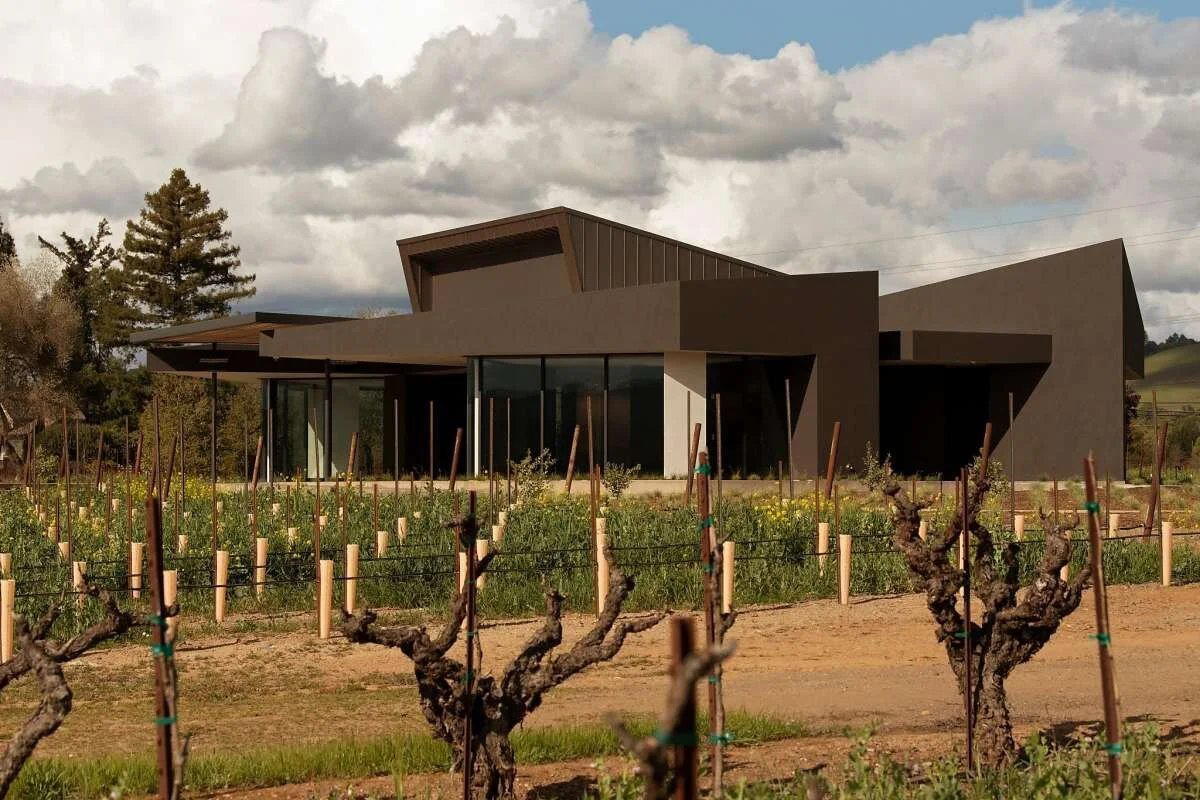
Where the Vineyard Selection Does the Talking
The drive north on Old Redwood Highway toward Healdsburg sets a particular expectation. Sonoma County's wine corridor here is quieter than the Napa Valley's Highway 29 parade, the roadside less curated, the signage more restrained. Aperture Cellars at 12291 Old Redwood Hwy sits inside that register: a property that reads as deliberate rather than declarative. The approach gives little away, which is consistent with how the wines are built. In a county where tasting rooms increasingly compete on architecture and event programming, Aperture's identity is grounded in what the vineyards themselves bring rather than what surrounds the glass.
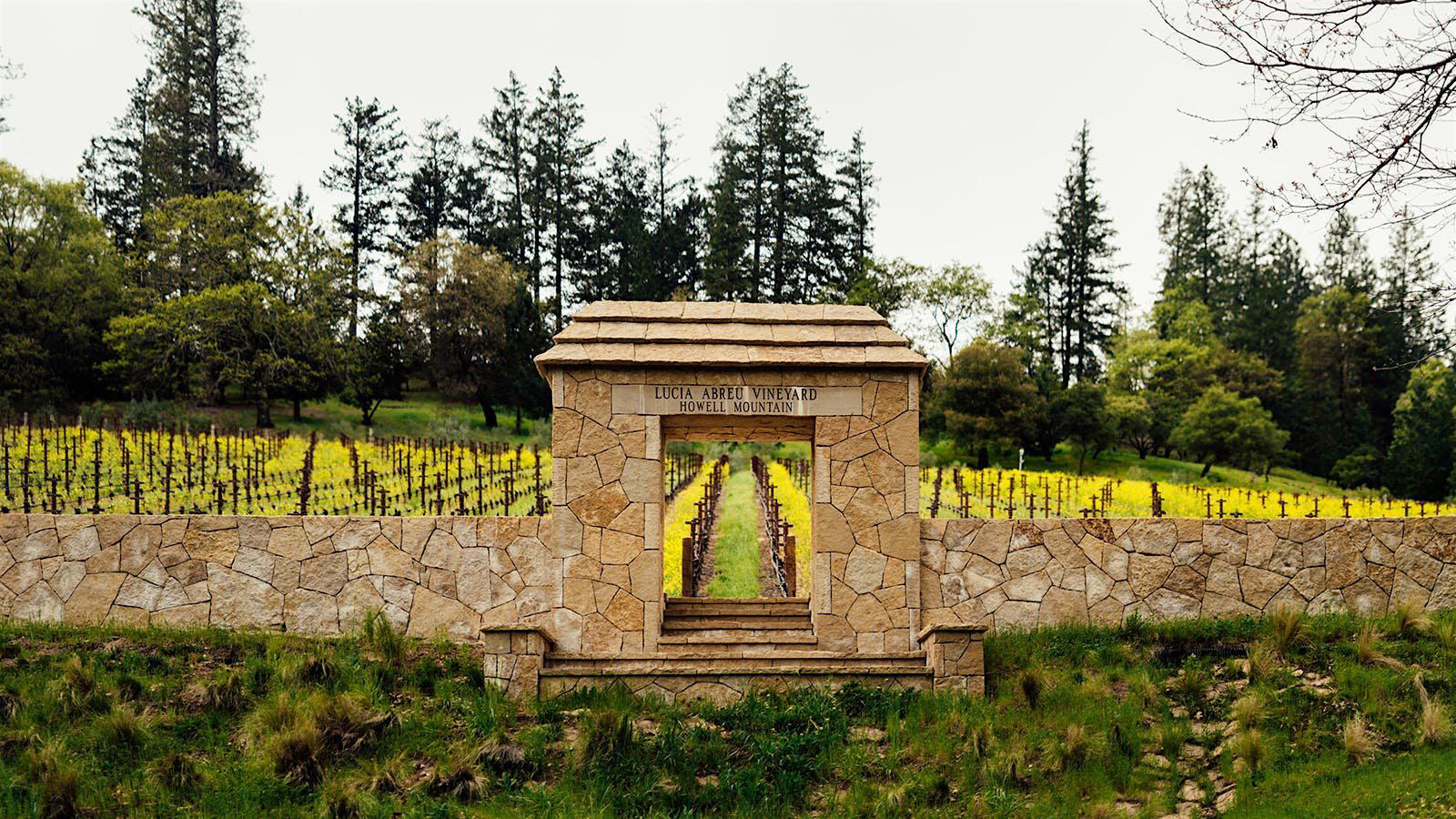
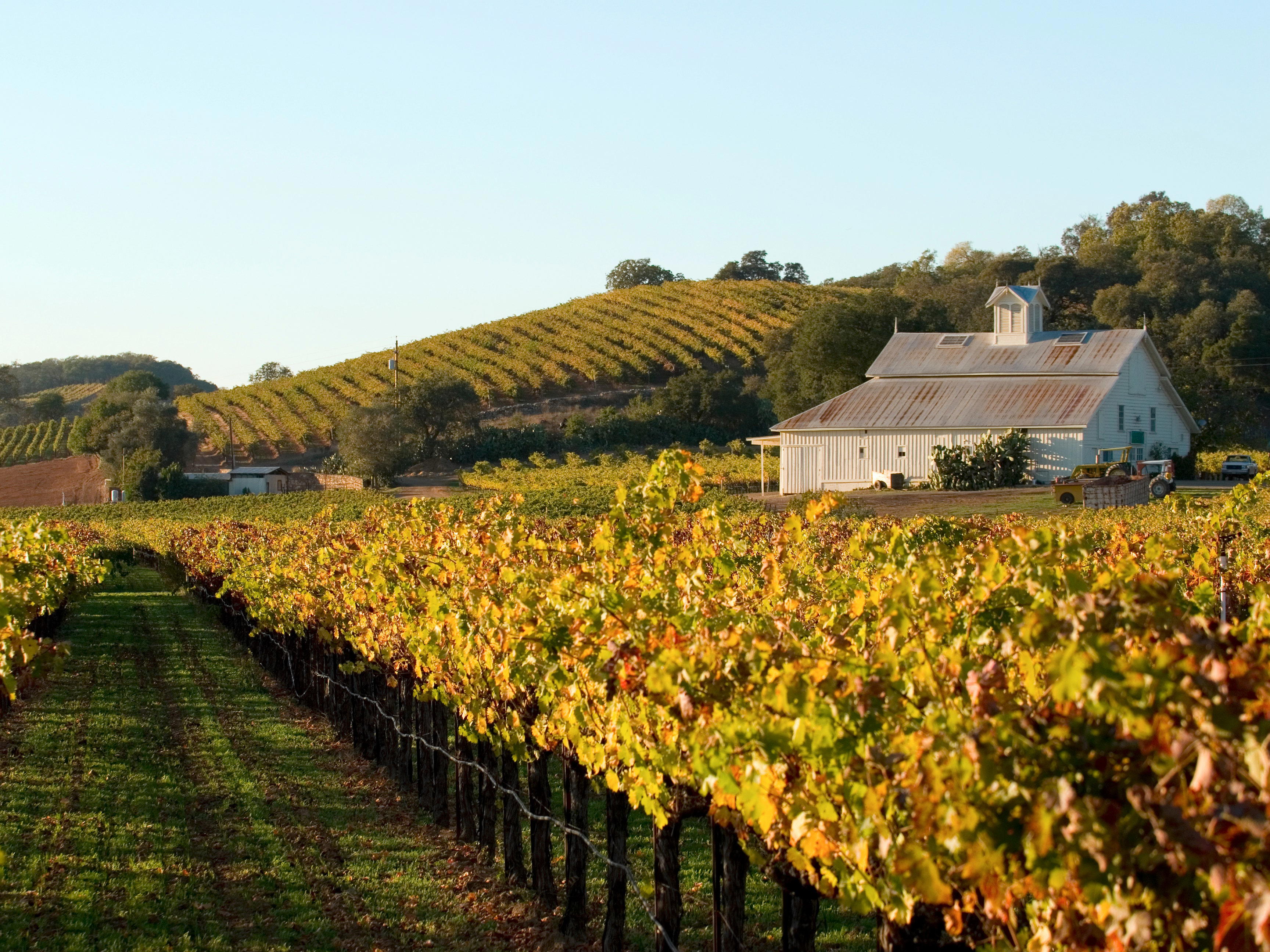
That orientation is not accidental. The broader Sonoma market has sorted itself into two recognizable camps: producers who use the appellation name as a broad promotional flag, and those who treat individual valley sub-AVAs as distinct creative inputs. Aperture belongs firmly in the second camp, drawing from cool-climate sites across both Sonoma and Alexander Valleys, two appellations whose differences in temperature range, fog exposure, and soil structure produce meaningfully different fruit profiles.
The Architecture of the Portfolio
The structural logic of the Aperture portfolio mirrors a Bordeaux-influenced model more than a typical California single-varietal house. Rather than anchoring the entire program to one flagship wine and building downward, the lineup uses cool-climate Sonoma and Alexander Valley sources as a matrix: different sites producing different varietal expressions, each bottle positioned as evidence for a particular combination of place and grape rather than as a demonstration of winemaker intervention.
Bordeaux varieties dominate California's prestige tier, and Alexander Valley has historically been a reliable source for Cabernet Sauvignon with enough warmth to develop structure alongside ripeness. The cool-climate emphasis at Aperture introduces a counterpoint to that warmth, moderating extraction and keeping the wines in a register that sits between the plush, high-alcohol styles common in Napa and the deliberately restrained styles associated with producers like Accendo Cellars in St. Helena or Alpha Omega Winery in Rutherford. This middle register is where the most interesting Sonoma Cabernet conversation is currently happening, and Aperture is part of it.
The vineyard selection strategy also creates a portfolio that can be read vertically across vintages. Because the same cool-climate sites recur year after year, comparisons between releases become meaningful rather than arbitrary. A 2021 vintage bottle from a given Sonoma Valley vineyard can be placed alongside a 2019 from the same site and the differences attributed to seasonal variation rather than to shifting winemaking philosophy.
Sonoma's Competitive Set and Where Aperture Sits
Sonoma County's winery scene has expanded considerably since the early 2000s, and visitors arriving in Healdsburg today face a genuinely complex set of choices. The older houses, including Buena Vista Winery and Gundlach Bundschu Winery, carry historical weight and offer different tasting formats suited to different kinds of visits. Bedrock Wine Co. has built a strong reputation around older-vine Zinfandel and mixed blacks. Cline Cellars and Gloria Ferrer Caves and Vineyards occupy different ends of the region's accessibility spectrum.
Aperture's position in that landscape is not primarily about hospitality format or visitor throughput. Its competitive set is defined by the quality of its sourcing relationships and by the awards tier it now occupies. For visitors who have done their research, the Healdsburg location makes it a logical anchor point for a day that might also include Alexander Valley Vineyards in Geyserville, which shares the AVA geography and offers a useful point of comparison for understanding how the same valley expresses differently depending on vineyard elevation and aspect.
Planning a Visit: What to Know Before You Go
The Old Redwood Highway address places Aperture Cellars a short drive from downtown Healdsburg, which functions as the logistical hub for most northern Sonoma wine travel. Healdsburg Plaza has consolidated a notable concentration of restaurants, wine bars, and overnight accommodation, making it feasible to base a two-day wine itinerary there without moving hotels. For visitors building a broader California wine trip, the Healdsburg corridor connects naturally to Napa Valley to the east and to producers further south along the coast such as Adelsheim Vineyard in Newberg or, for those extending into Central Coast territory, Adelaida Vineyards in Paso Robles and Alban Vineyards in Arroyo Grande.
Because specific booking policies, hours, and pricing for Aperture are not publicly listed at this time, contacting the winery directly before visiting is the practical first step. Prestige-tier Sonoma producers at this level commonly operate by appointment, and showing up without confirmed access risks an empty tasting room or a turned visit. The EP Club Sonoma guide covers logistics across the region in more depth; see our full Sonoma restaurants and wineries guide for planning context. For international wine enthusiasts drawing comparisons across very different traditions, Achaia Clauss in Patras and Aberlour in Aberlour represent the range of how place-rooted wine identity is expressed across entirely different wine cultures, which sharpens the question of what Aperture's Sonoma specificity actually means in a global context. For Rhone-influenced comparisons closer to California, Andrew Murray Vineyards in Los Olivos offers a useful stylistic reference point.
The Verdict on Aperture Cellars
Aperture Cellars occupies a serious position in the Sonoma hierarchy. The wines are built on site specificity rather than on winemaking theatrics, which makes them more rewarding for visitors who arrive with context and more opaque to those expecting a single signature style. If your Sonoma itinerary is built around understanding what individual vineyard sources contribute to final wine character, Aperture is one of the more instructive stops on the northern county circuit.
A Quick Peer Check
Comparable venues nearby, for context on price, style, and recognition.
| Venue | Cuisine | Price | Awards | Notes |
|---|---|---|---|---|
| Aperture CellarsThis venue — the venue you are viewing | Cabernet Sauvignon, Sauvignon Blanc | $150–200 | World's 50 Best #14 | Not listed |
| Scribe Winery | Pinot Noir, Chardonnay | $50–100 | Not listed | Sonoma Valley |
| Nicholson Ranch | Chardonnay, Pinot Noir | $50–100 | Not listed | Sonoma Valley |
| Schug Carneros Estate Winery | Pinot Noir, Chardonnay | $30–50 | Falstaff Winery - Listed | Carneros |
| Patz & Hall Winery | Chardonnay, Pinot Noir | $30–50 | Not listed | Sonoma |
| Monte Rosso Estate | Zinfandel, Cabernet Sauvignon | Not listed | Not listed | Moon Mountain |
Recognition history
Dated appearances from independent guides and award organizations, with the underlying list record or original source where available.
World's 50 Best Vineyards #14
World's 50 Best
Continue exploring
More in Sonoma
Wineries in Sonoma
Browse all →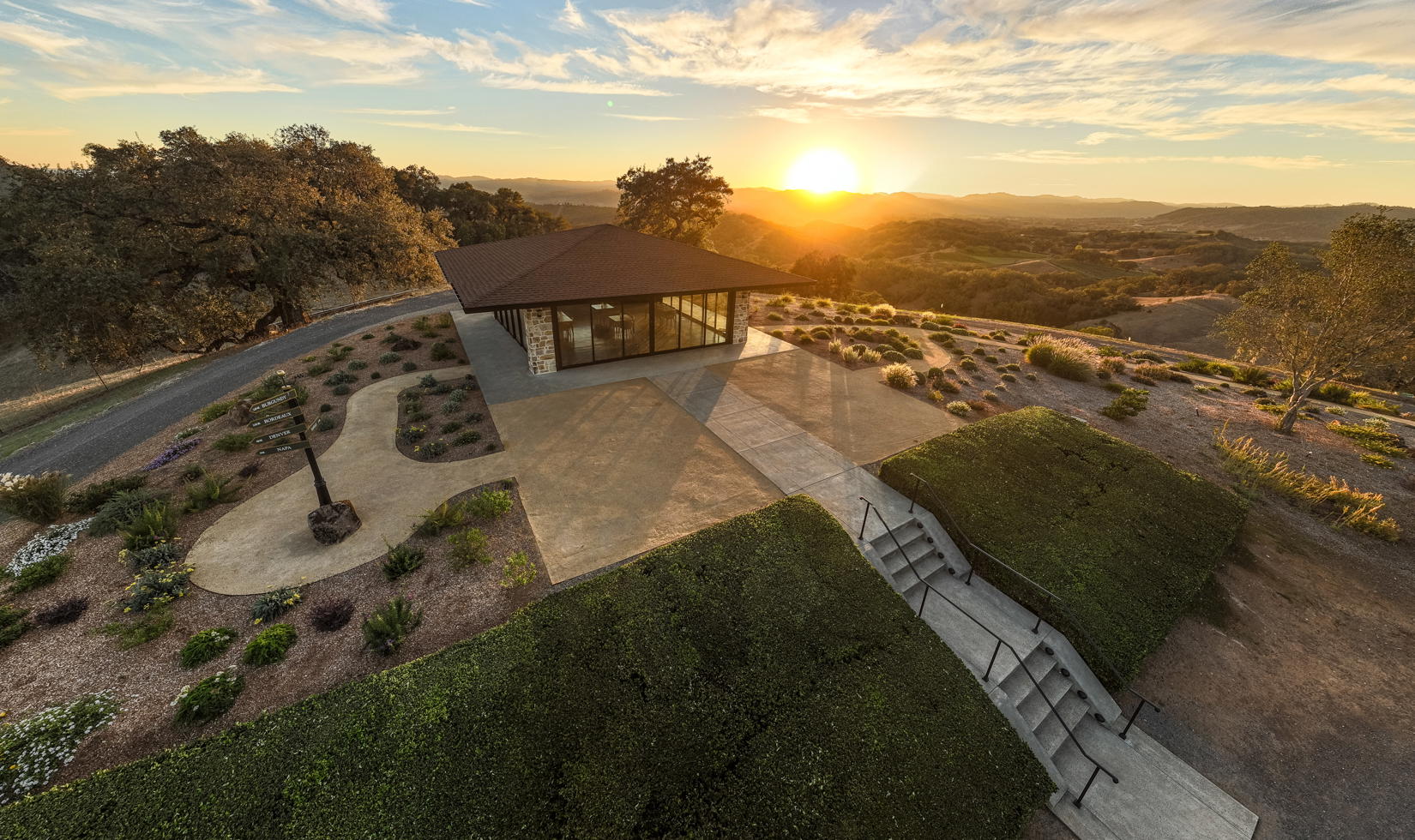
Bars in Sonoma
Browse all →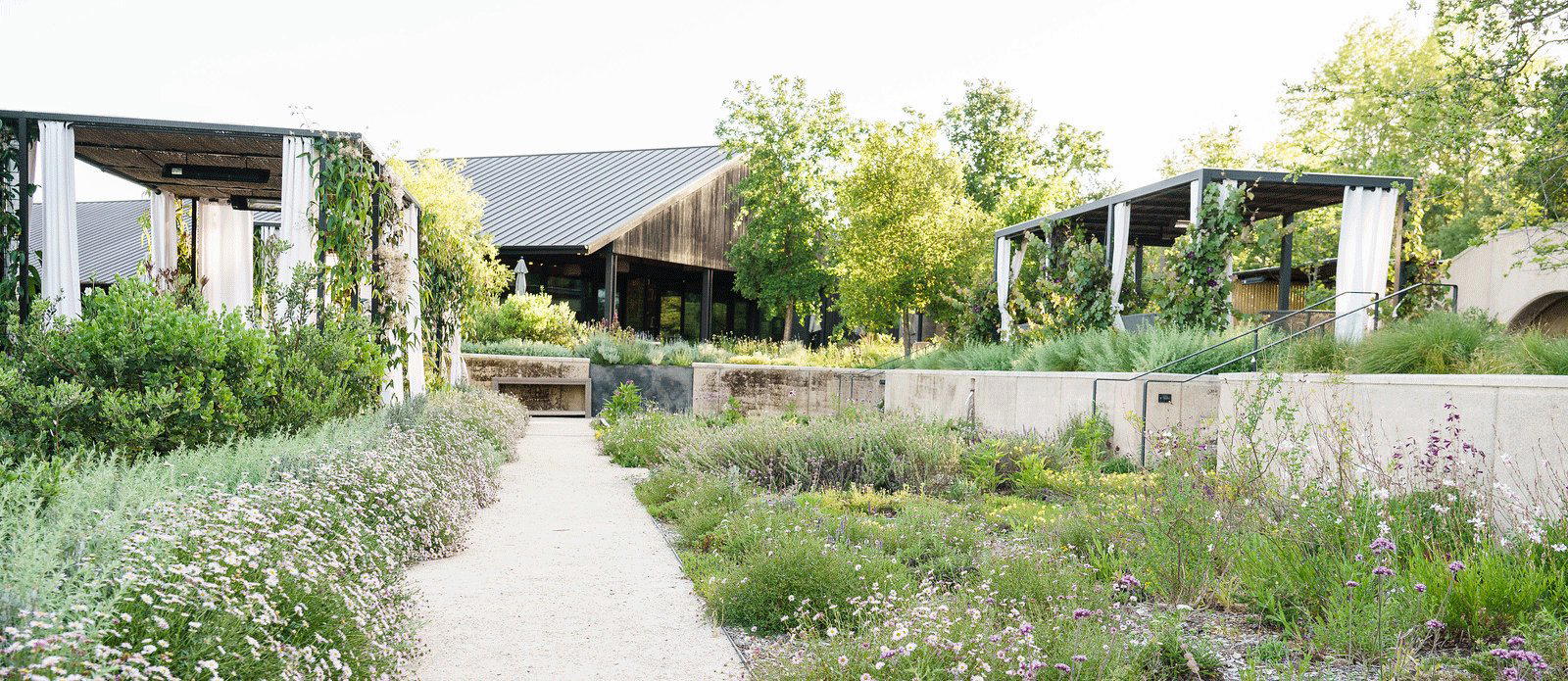
Restaurants in Sonoma
Browse all →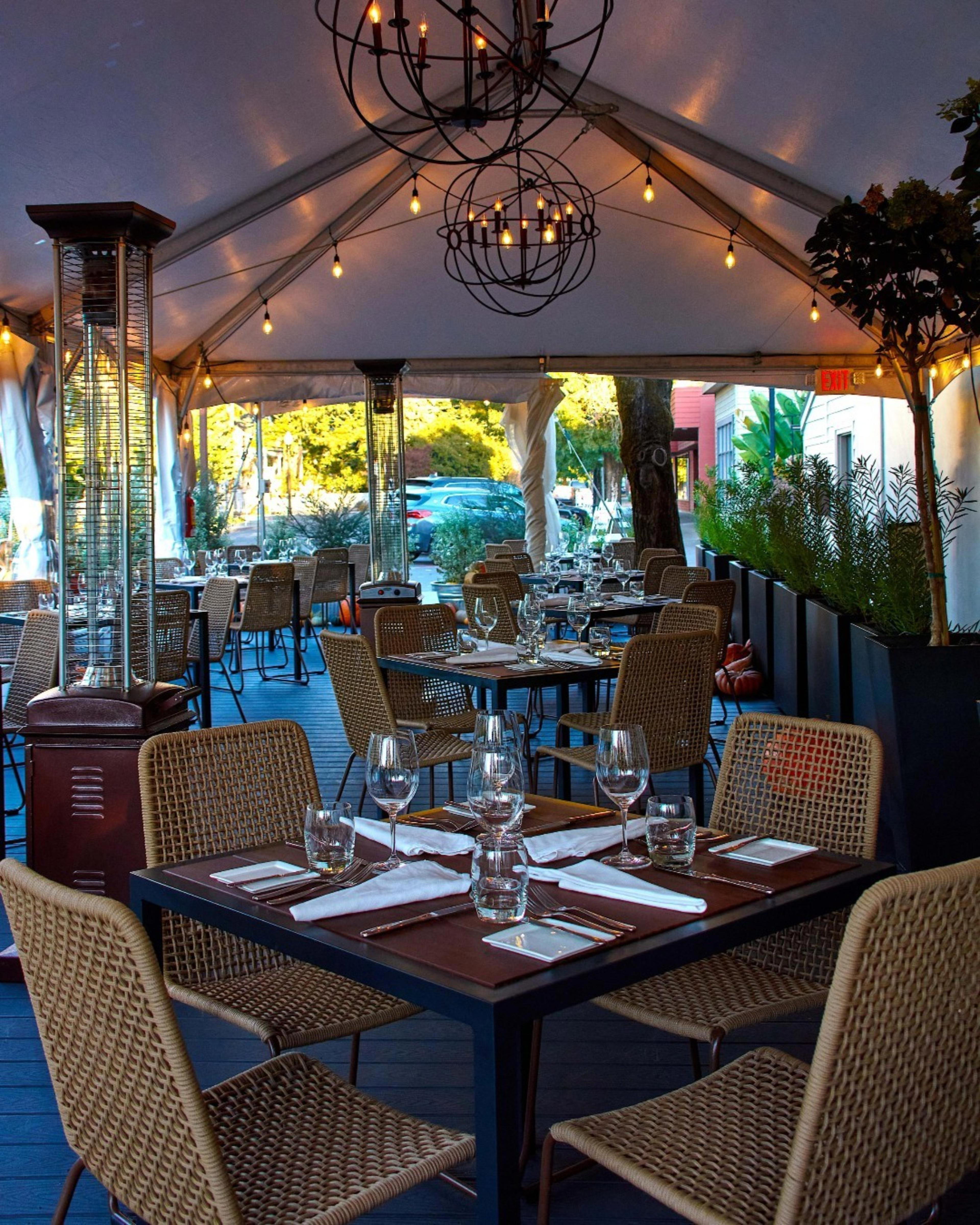
Details
- Elegant
- Sophisticated
- Modern
- Scenic
- Romantic Getaway
- Wine Education
- Special Occasion
- Celebration
- Private Tasting
- Estate Grounds
- Terrace
- Panoramic View
- Design Destination
- Historic Building
- Sustainable
- Vineyard
- English
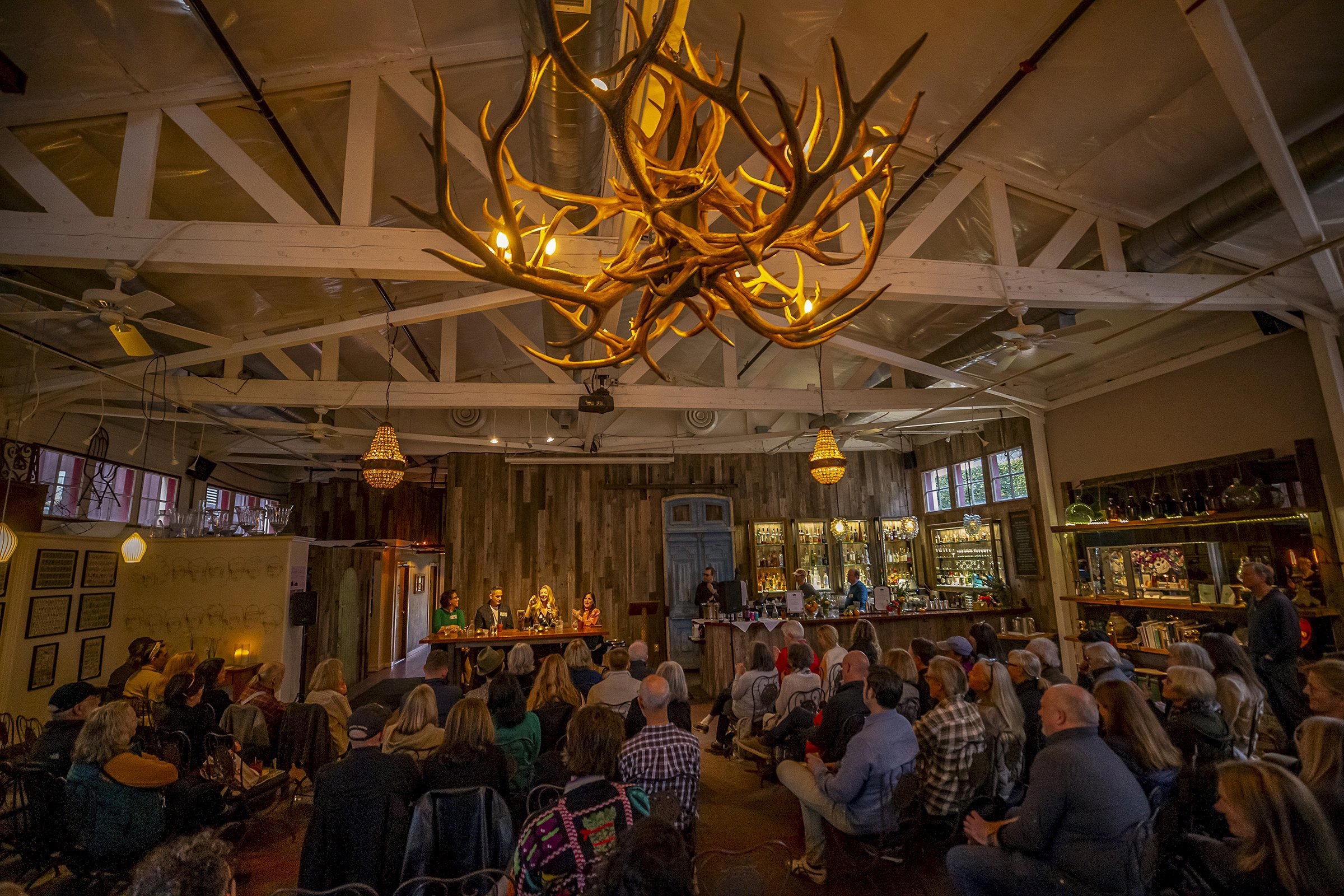
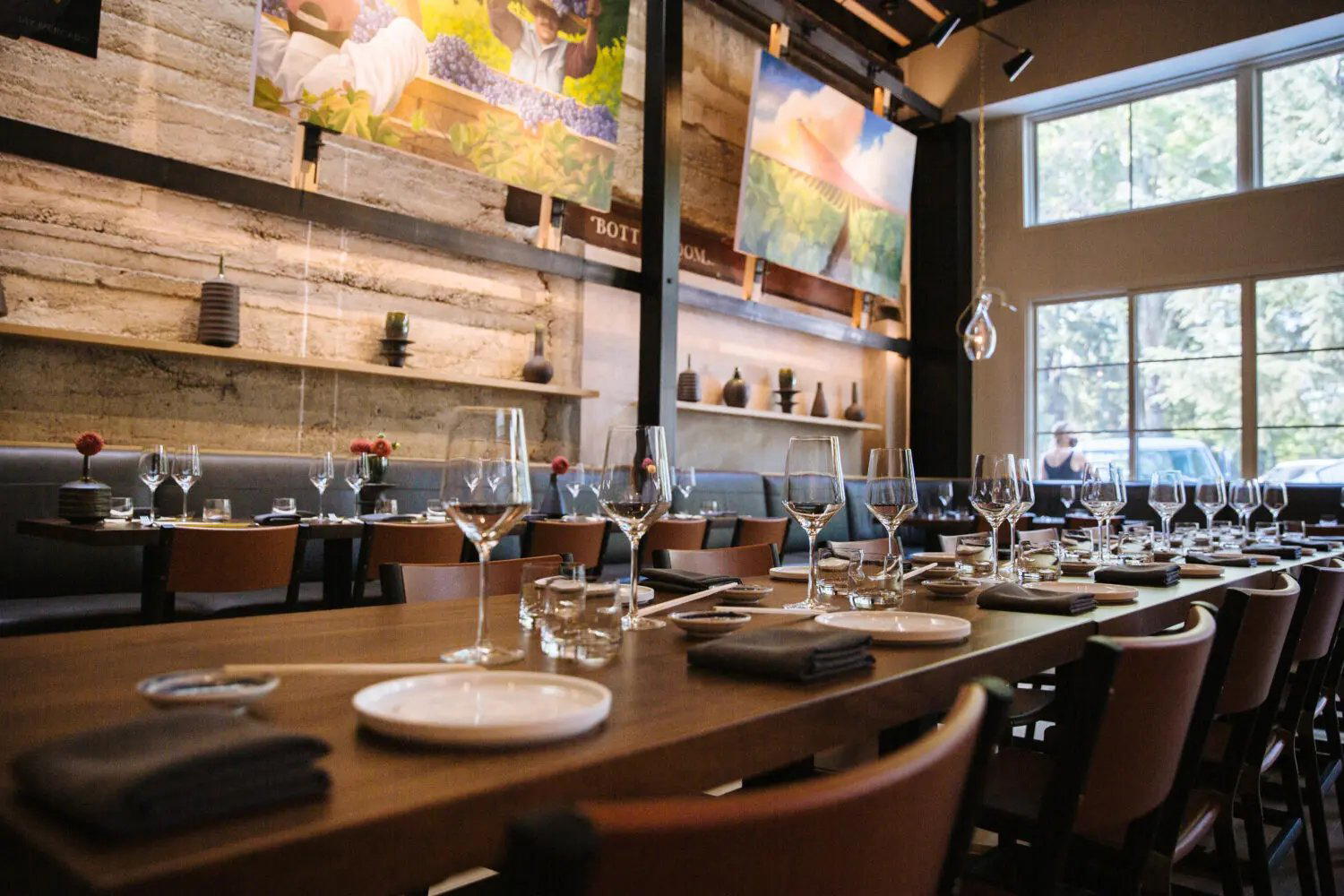
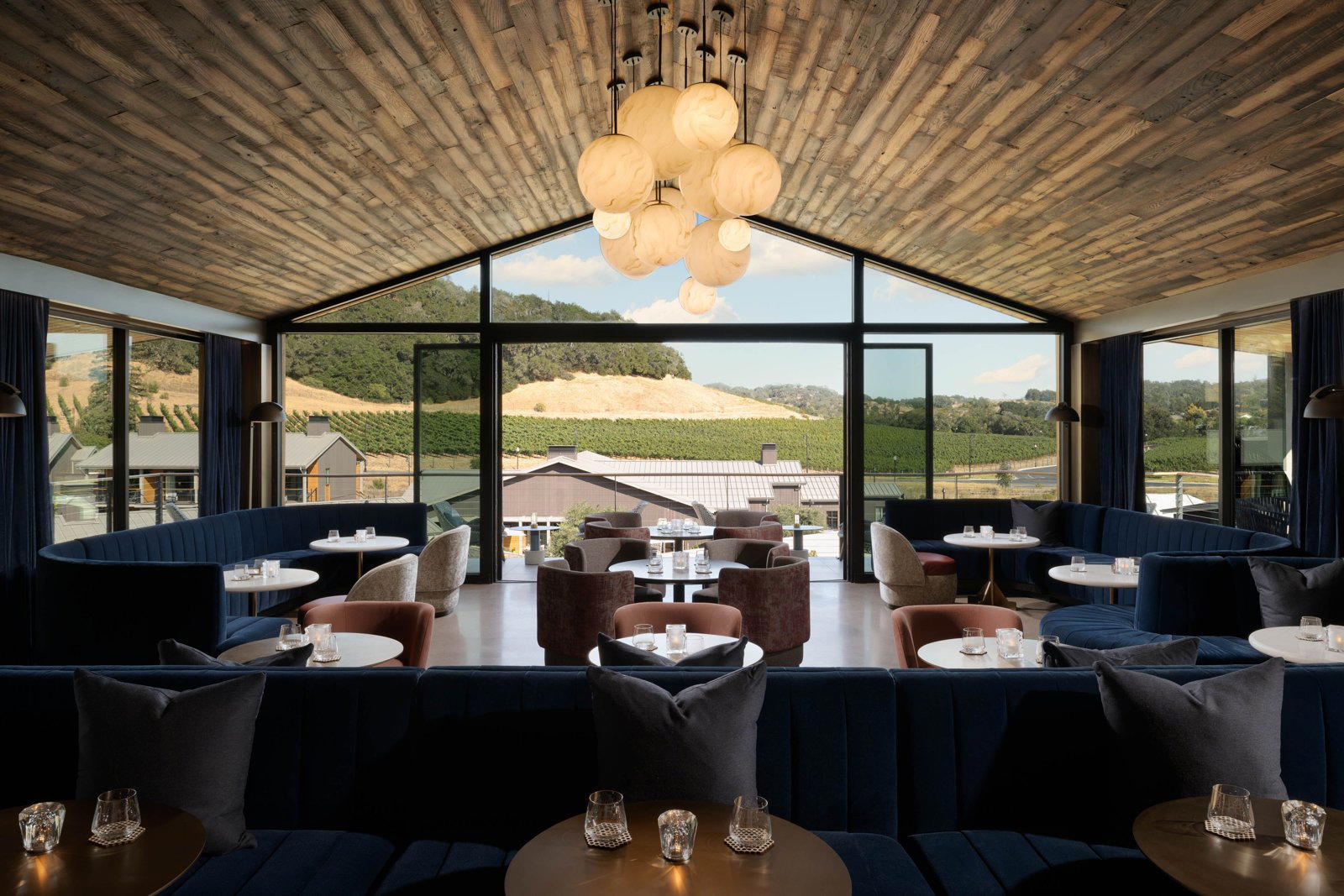
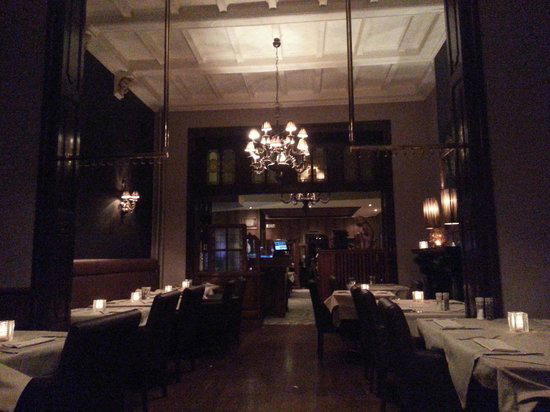
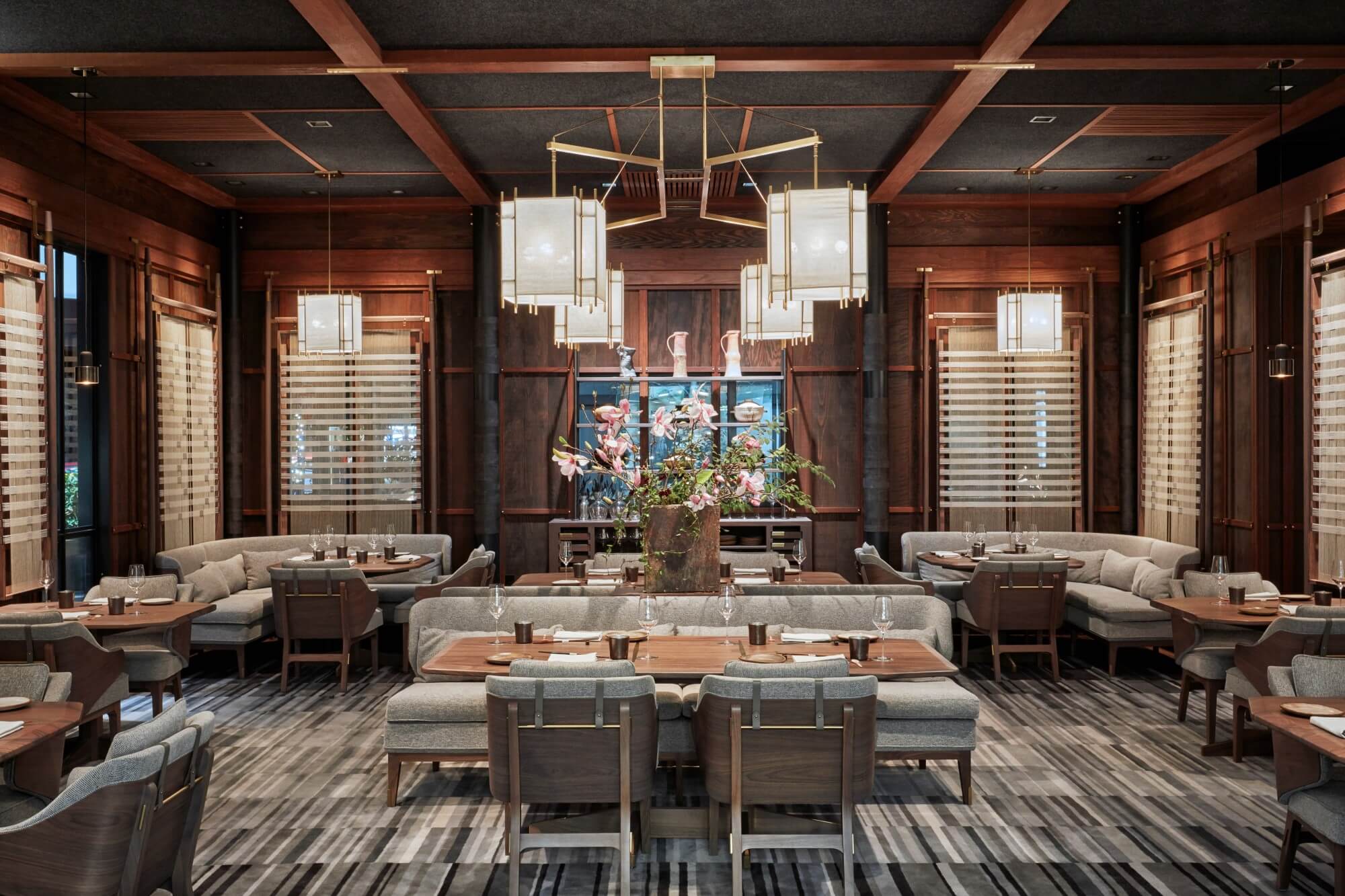
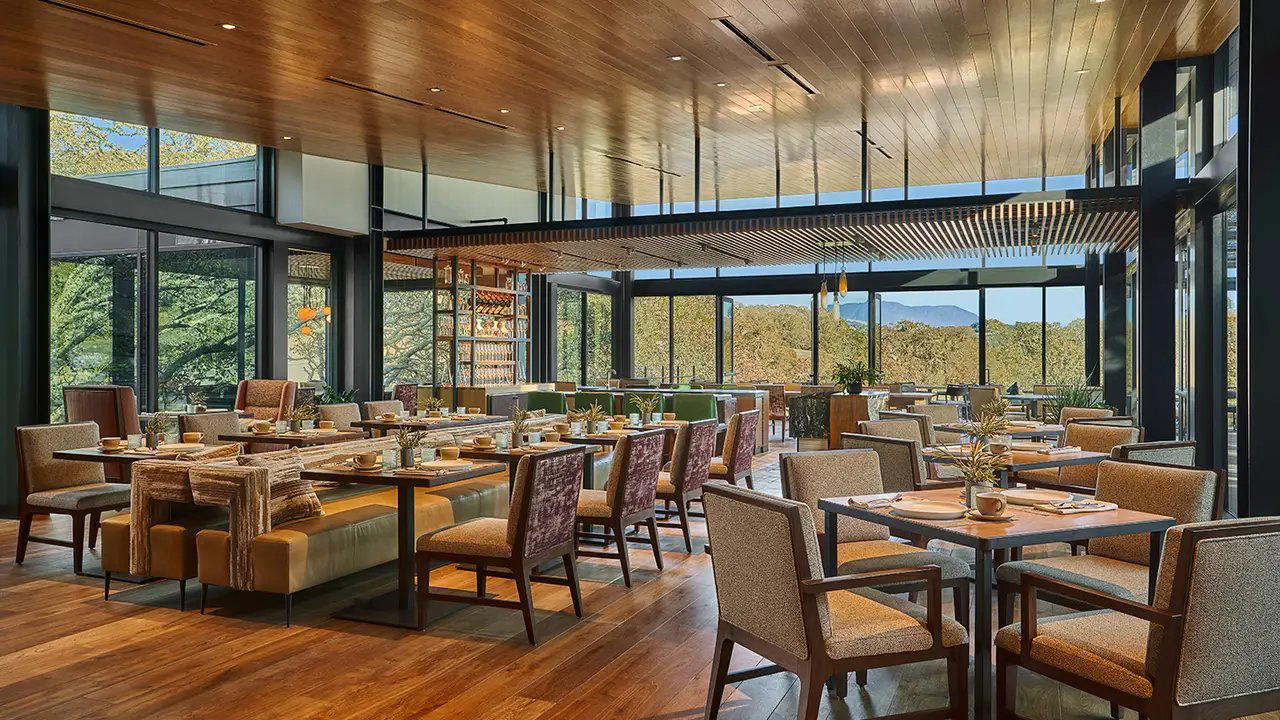
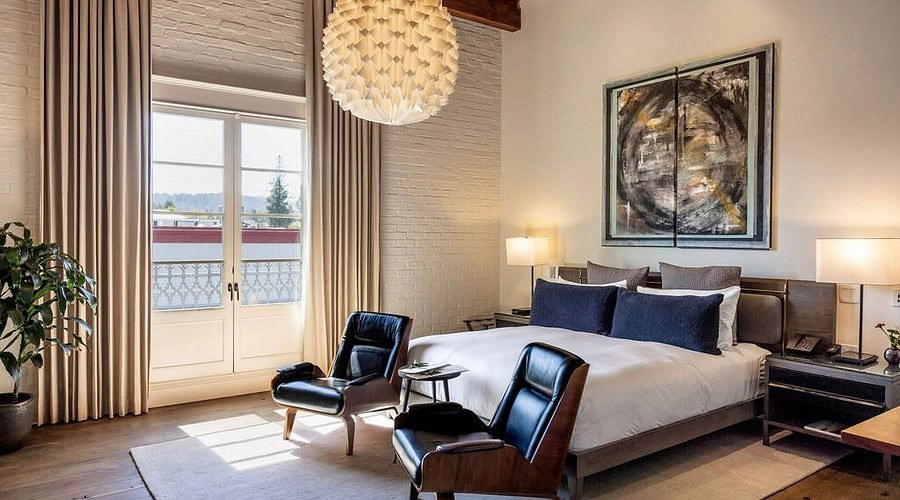
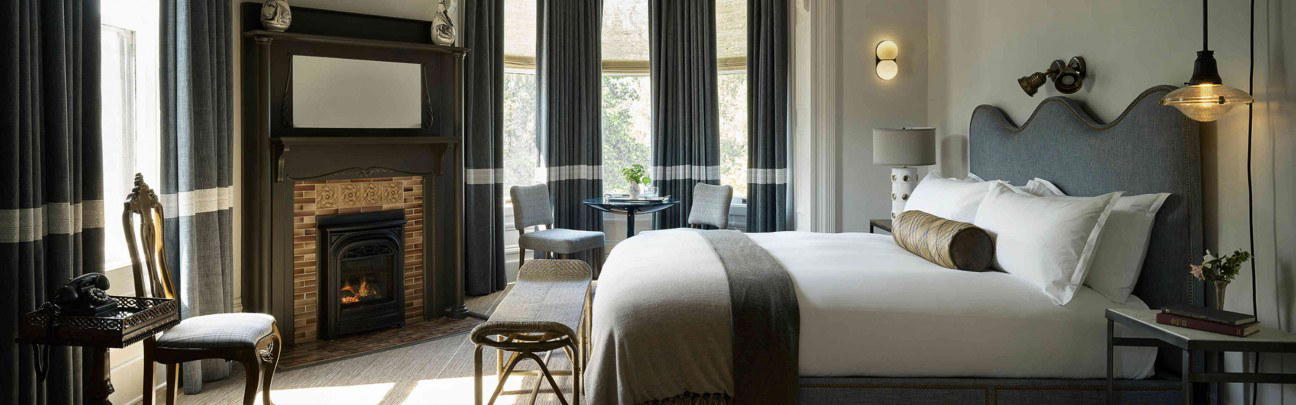
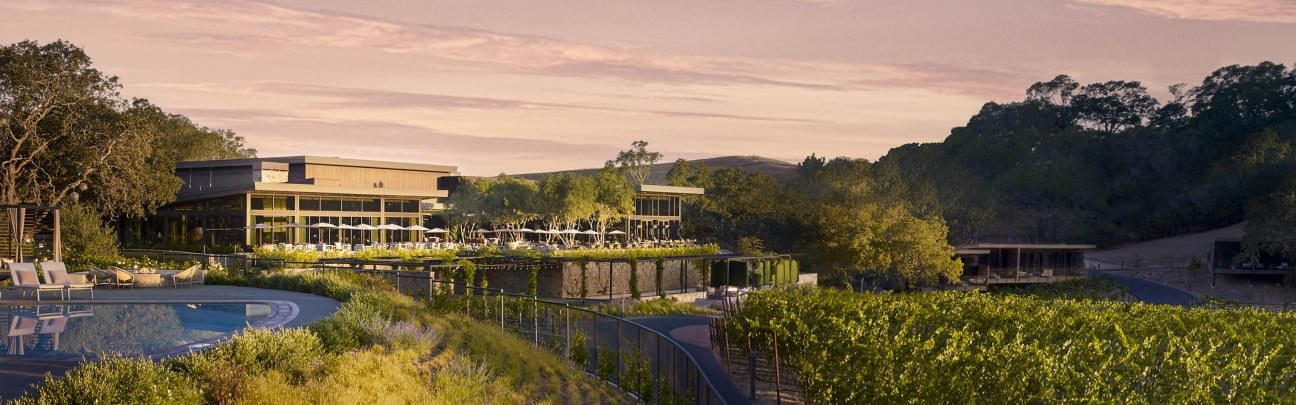
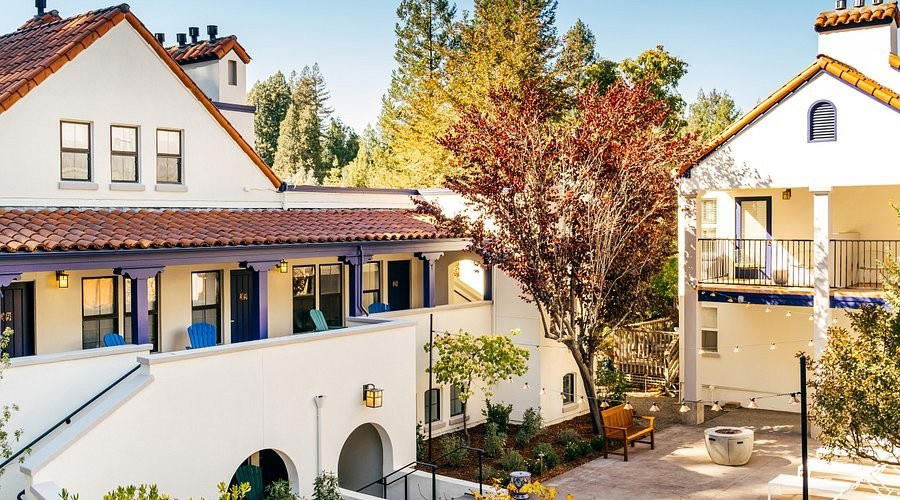
Modern, light-filled tasting rooms with floor-to-ceiling windows overlooking estate vineyards and the Russian River Valley, featuring an art gallery environment with dramatic architectural design and natural light.