Viña Sutil operates out of Peralillo in Chile's Colchagua Valley, a sub-appellation that has built its reputation on concentrated reds from Carménère and Cabernet Sauvignon.

Pearl is the En Primeur Club membership app — saves, bookings, and concierge access live there. Same editors, same standards.
- Address
- Unnamed Road, Peralillo, O'Higgins
- Phone
- +56 2 2816 9210
- Website
- sutil.cl
- Directions
- Get directions
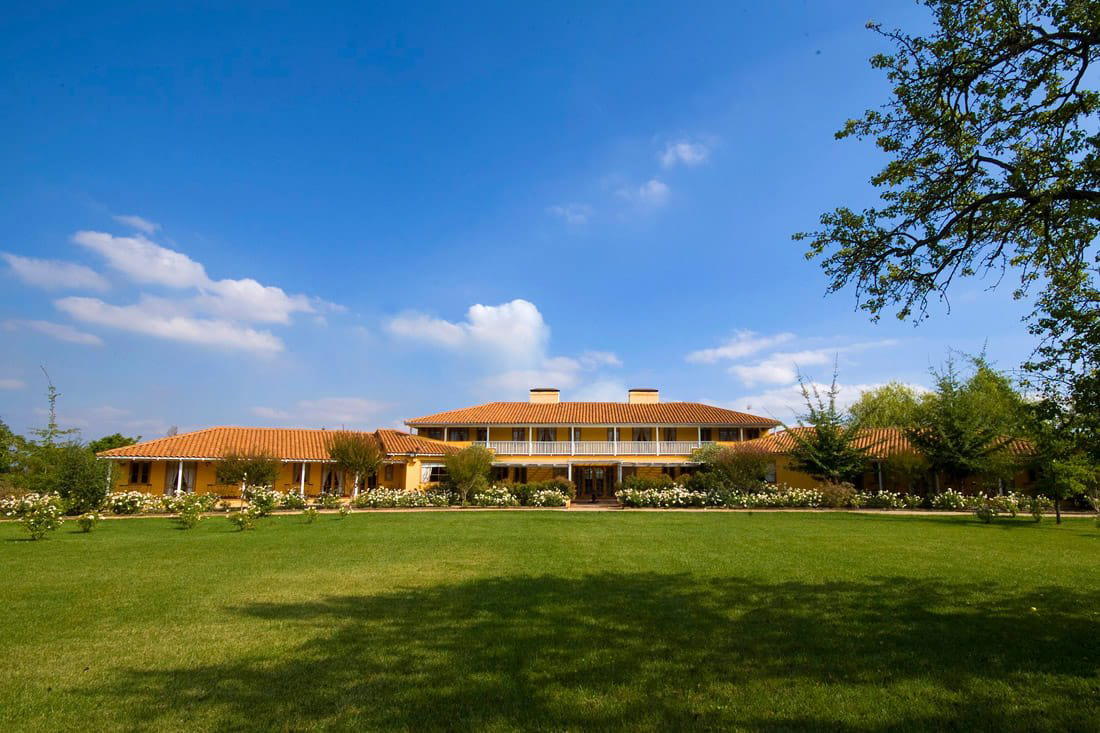
Colchagua's Quieter Valley Road, and What Waits at the End of It
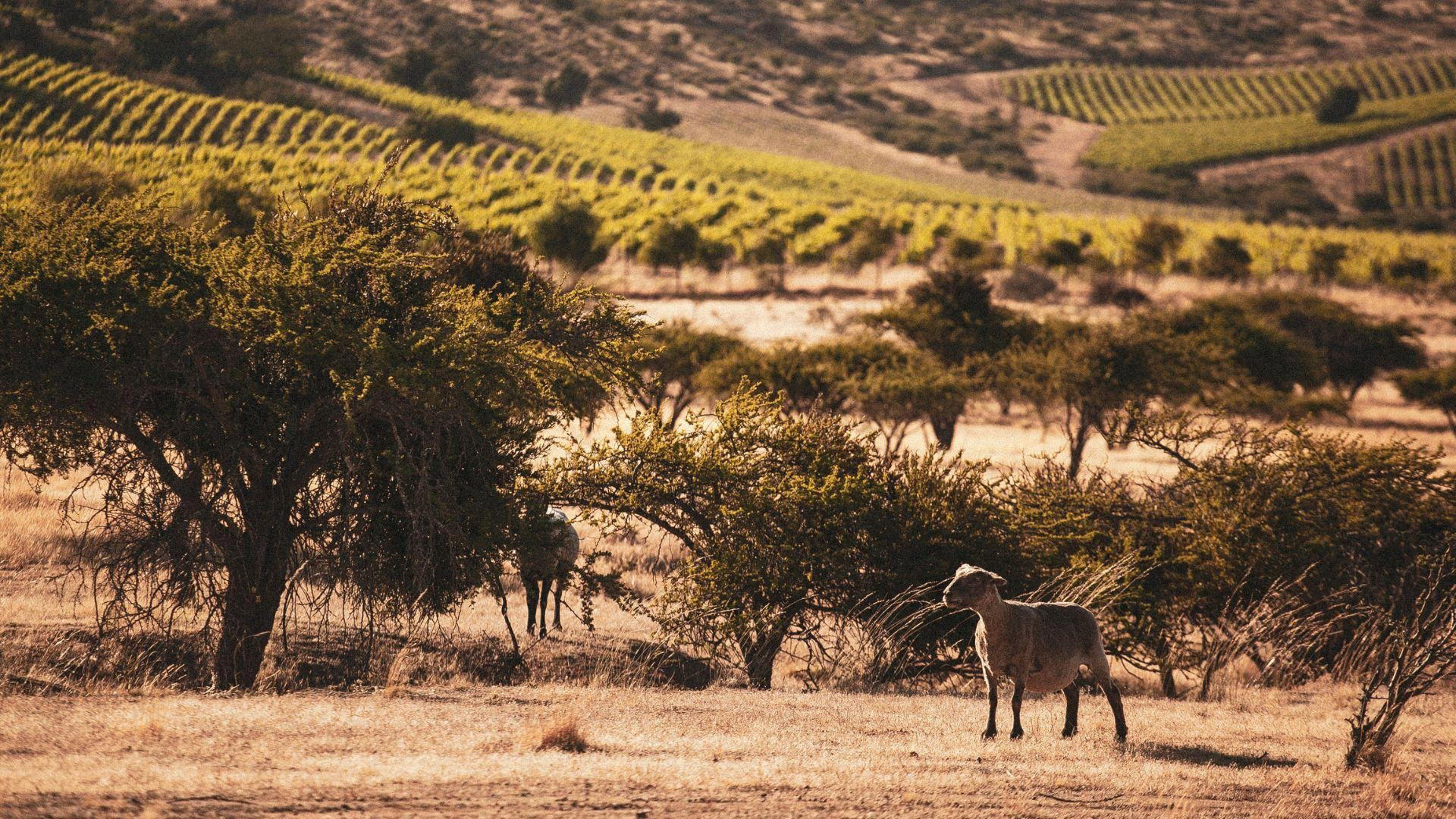
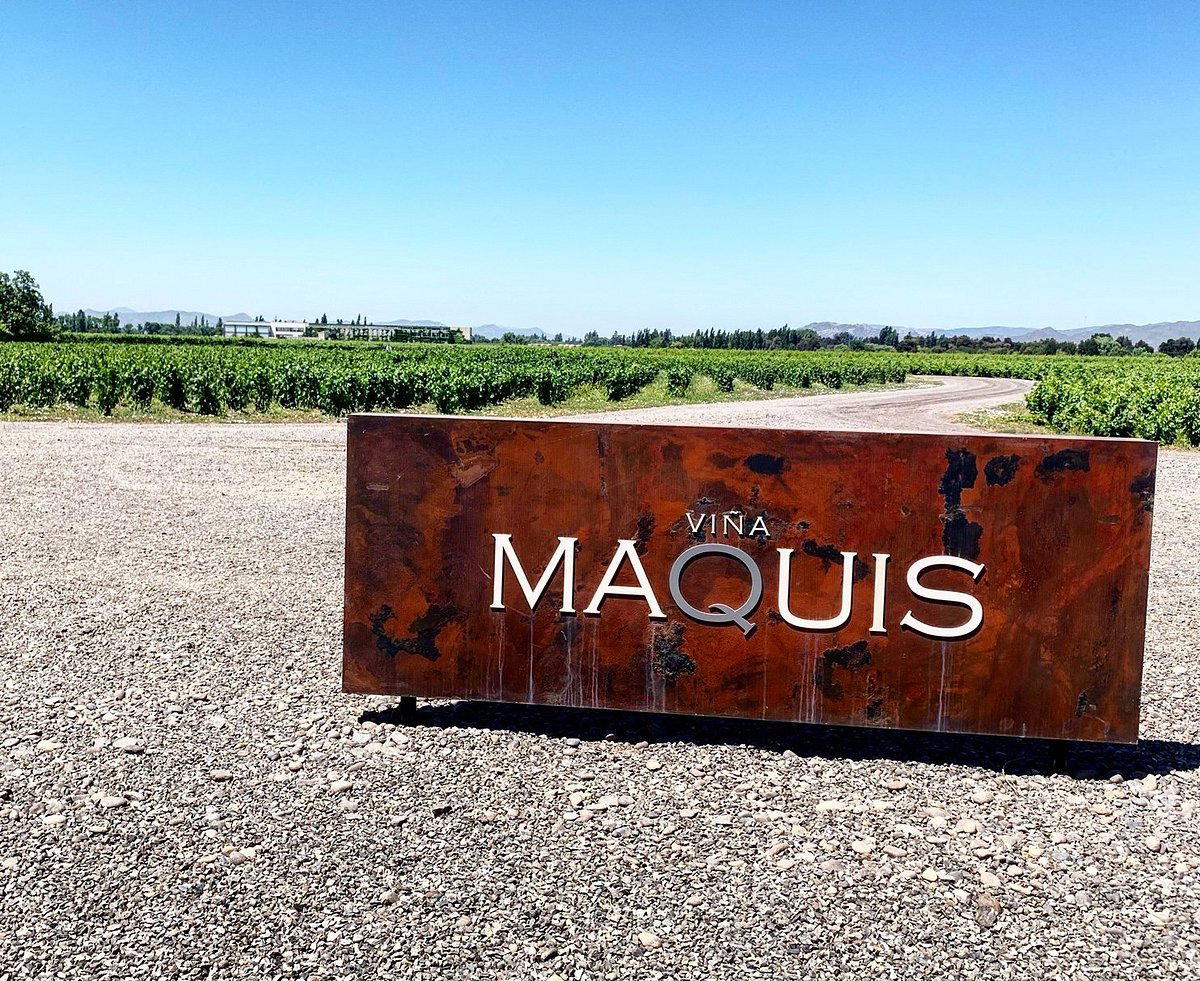
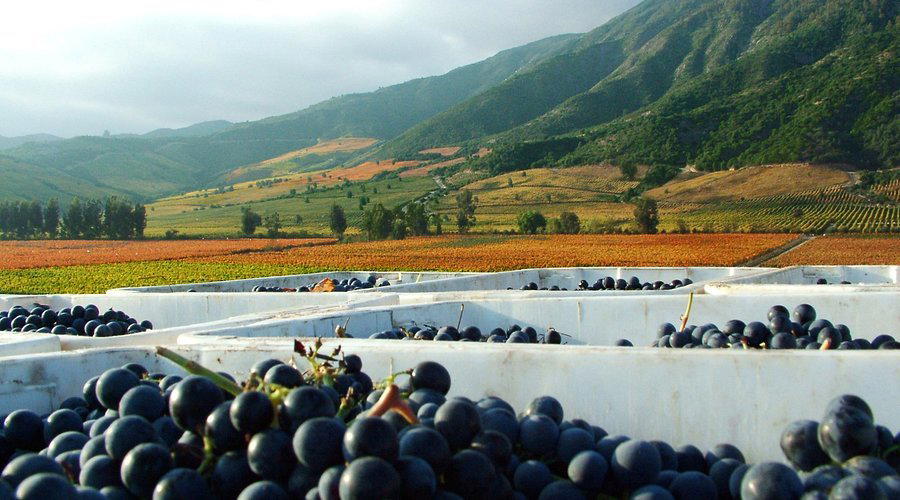
The road into Peralillo carries you through one of Chilean winemaking's most productive corridors without announcing itself. The Colchagua Valley's reputation is built on concentrated Carmenère and structured Cabernet Sauvignon, and the properties along these unnamed rural stretches operate at a remove from Santiago's export marketing apparatus. Viña Sutil sits in this context: a winery address on an unnamed road in Peralillo, within the O'Higgins Region, at a point where the valley's character is shaped more by agricultural rhythm than by tourism infrastructure.
Colchagua has earned its standing through consistent critical recognition across the international wine press, and its producers span a wide range of operating scales and visitor formats. At one end are the large estate wineries with established cellars, guided tour circuits, and restaurant facilities. At the other are smaller, quieter properties where the tasting experience is closer to meeting the wine on its own terms. That distinction matters when you are deciding how to structure a day in the valley.
The Tasting Format in Colchagua Context
Chile's wine valleys have developed distinct visitor formats over the past two decades. Properties like Viña Caliterra and Viña Koyle have built experiences with defined hospitality infrastructure: multiple tasting tiers, food pairings, and structured winery tours. A smaller cohort of producers operates with less ceremony and more directness, where the encounter with the wine is not scaffolded by extensive programming.
Viña Sutil's positioning within Peralillo, an appellation within Colchagua that has attracted attention for its particular terroir conditions, places it among producers who are making a geographic argument with their fruit. Peralillo sits in the valley's cooler southern reaches, where Pacific influence moderates the heat and extends the growing season. That climatic position informs what producers in this zone prioritize: structured acidity, mid-weight concentration, and aromatic expression that holds up over time in bottle.
For visitors who have already covered properties like Viña MontGras in Palmilla or Viña Casa Silva in San Fernando, Viña Sutil represents a different register of the Colchagua visit. The prestige recognition it carries in 2025 is grounded in wine quality rather than hospitality volume, which tells you something about where to direct your attention when you arrive.
Arriving at Peralillo: What the Setting Does
Reaching a winery on an unnamed road in Peralillo involves committing to the valley rather than treating it as a drive-through. The O'Higgins Region's agricultural stretches are at their most readable from ground level, where vineyard blocks are separated by windbreaks and the Andes appear at the eastern edge of the horizon. This is not Santiago's easy wine country of afternoon day trips. Getting to Peralillo with any depth requires planning: a rental car from Santiago or a transfer arranged in advance, accommodation in Santa Cruz or within the valley, and time blocked for travel that the distances genuinely require.
That logistical commitment shapes what the visit means. Properties in deeper Colchagua are not catching passing traffic. The people who arrive have made a choice, and the tasting experience tends to reflect that: less performance, more conversation about the wine and the vineyard.
For a regional orientation before or after, our full Colchagua restaurants guide maps the valley's dining and drinking options alongside the wine estate circuit.
Colchagua's Recognized Tier: Where Viña Sutil Sits
Colchagua has been the dominant Chilean appellation for prestige Carmenère and Cabernet-based wines, with producers like Viña Seña in Panquehue and Viña De Martino in Isla de Maipo representing the range of approaches the Chilean premium tier takes.
Within that broader Chilean context, it is worth mapping Viña Sutil against the full scope of recognized producers across the country's wine regions. The recognition cluster includes estates as geographically varied as Viña Falernia in Vicuña in the Elqui Valley and Viña Undurraga in Talagante closer to Santiago. The prestige tier rewards consistent wine quality across vintages and across international assessment, which means Viña Sutil's 2025 recognition is a data point about its wine program rather than its visitor facilities.
For readers building a wider Chilean wine itinerary, the prestige-level producers now extend across a significant geographic range. Viña Valdivieso in Lontué, Viña Ventisquero in Santiago, and El Gobernador (Miguel Torres Chile) in Curicó each represent different regional expressions within the same quality conversation. Pisco Alto del Carmen Distillery in Huasco extends that map further north, into the Atacama-adjacent Huasco Valley, showing how Chile's recognized spirits and wine producers now cover the country's full latitudinal range.
For those who extend their wine travel globally, Aberlour in Aberlour and Accendo Cellars in St. Helena show the range of prestige-tier producers EP Club tracks across spirits and wine internationally.
Planning a Visit: What to Know Before You Go
Colchagua's wine season runs from harvest in March through the cooler months of May and June, when vineyard activity slows and the valley takes on a different character. Visiting in autumn, around harvest, means exposure to the winery in its most active state, though it also means competing with the industry's own calendar for attention. Spring visits, from September through November, bring flowering vines and cleaner access to staff time. Summer, December through February, is the growing season: hotter, and quieter at the cellar level, but the valley road itself is at its most visually legible with canopy in full growth.
The broader practical architecture of a Colchagua visit involves Santa Cruz as the obvious base. The town has hotel infrastructure at multiple price points and sits within reach of the valley's wine estates without requiring the valley road to be a same-day commute from Santiago. For a concentrated wine itinerary, pairing Viña Sutil with other Peralillo-area producers and dedicating a full day to the southern reaches of Colchagua rather than crossing the valley creates a more coherent experience than attempting to cover the whole appellation in one loop.
Where It Fits
Comparable venues nearby, for context on price, style, and recognition.
| Venue | Cuisine | Price | Awards | Notes |
|---|---|---|---|---|
| Viña SutilThis venue — the venue you are viewing | Cabernet Sauvignon, Carmenere | Not listed | Not listed | Not listed |
| Viña Caliterra | Cabernet Sauvignon, Carmenere | Not listed | Falstaff Winery - Listed | Colchagua Valley |
| Viña Koyle | Carmenere, Garnacha | Not listed | Not listed | Los Lingues, Alto Colchagua |
| El Gobernador (Miguel Torres Chile) | Cabernet Sauvignon, Malbec | Not listed | Not listed | Curicó Valley |
| Viña Santa Ema | Cabernet Sauvignon, Carmenere | $20–30 | Not listed | Isla de Maipo |
| Viña Cousiño-Macul | Cabernet Sauvignon, Merlot | $20–30 | Falstaff Winery - Listed | Macul |
Continue exploring
More in Colchagua
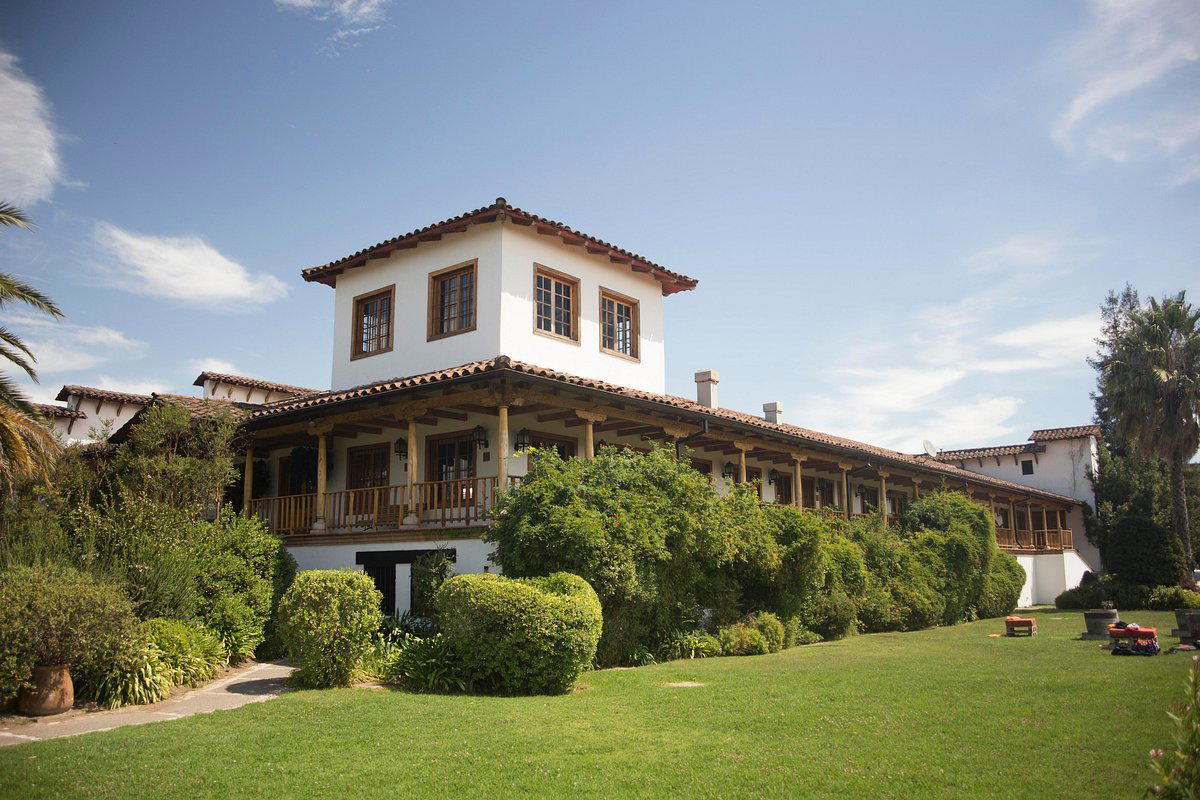
Wineries in Colchagua
Browse all →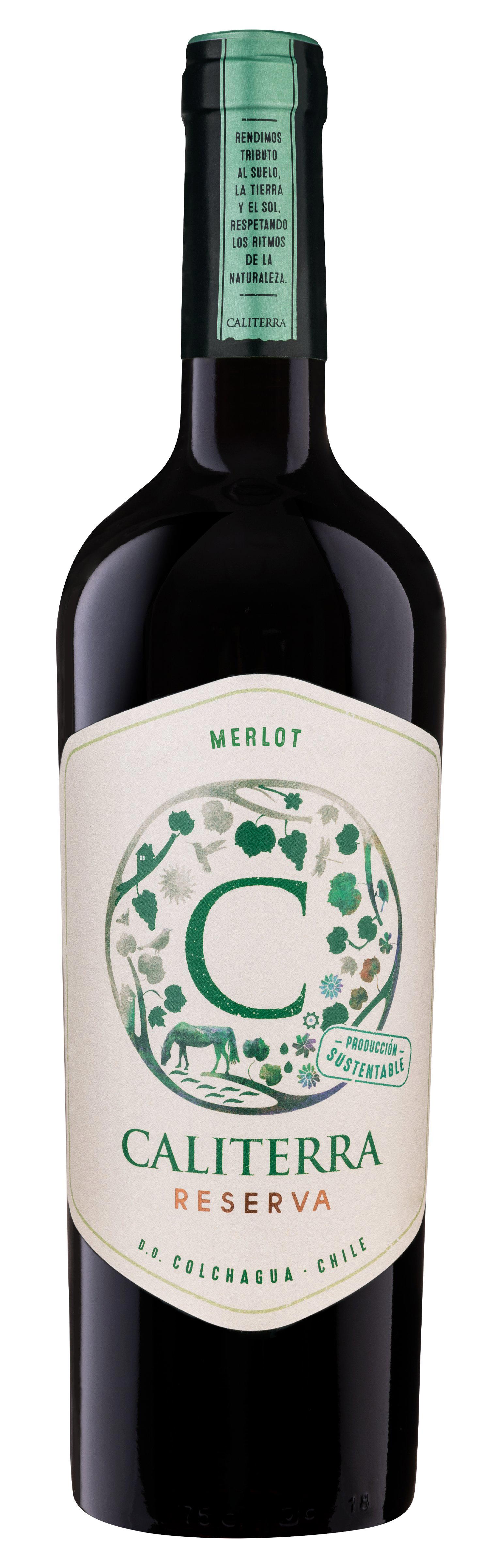
Restaurants in Colchagua
Browse all →


Details
- Rustic
- Scenic
- Wine Education
- Group Outing
- Vineyard Tour
- Estate Grounds
- Sustainable
- Vineyard
- Cabernet Sauvignon
- Carmenere
- Chardonnay
- Merlot
- Sauvignon Blanc
- Syrah
- Still Red
- Still White
- Estate Tasting
- Spanish
- English
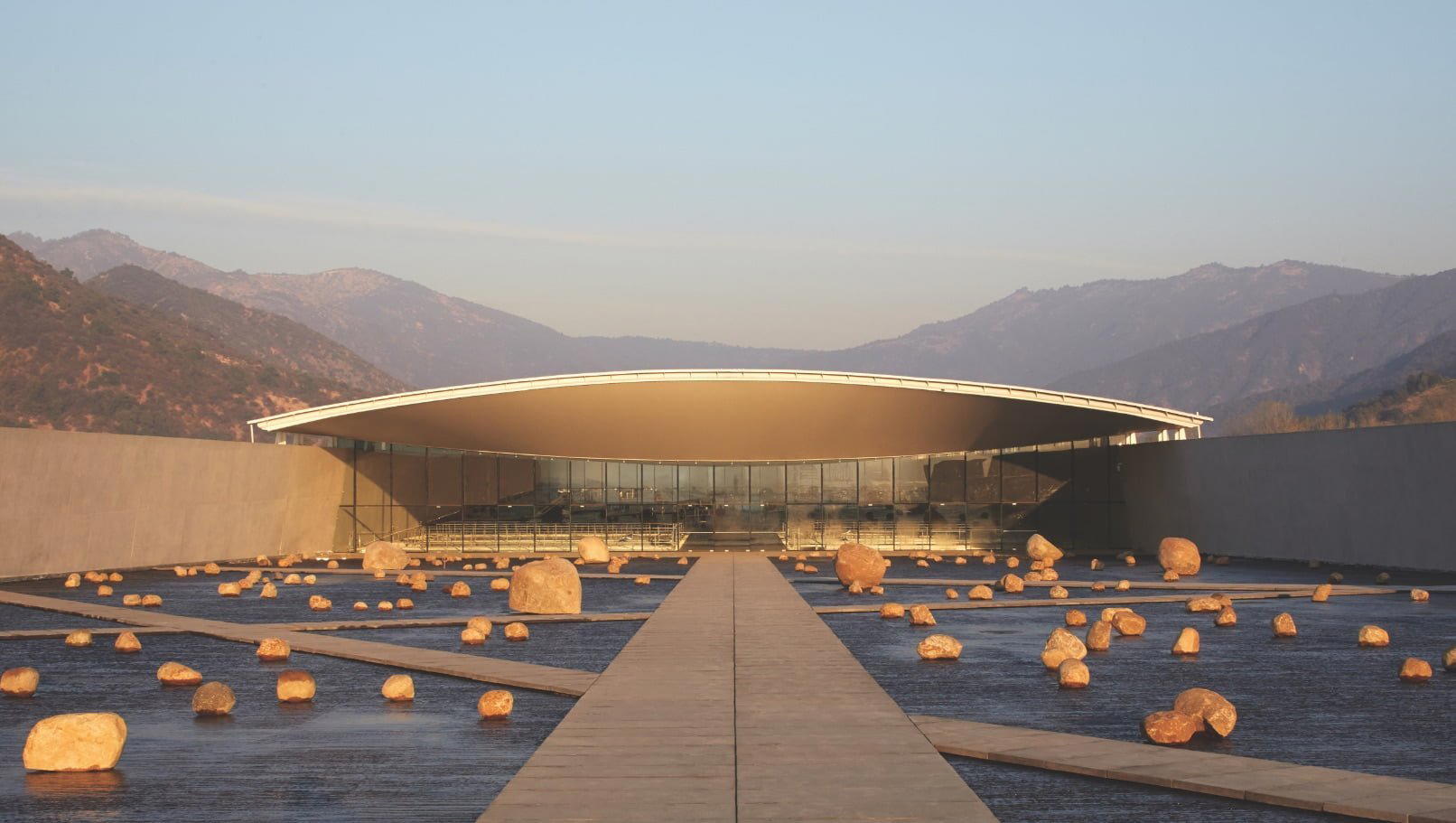
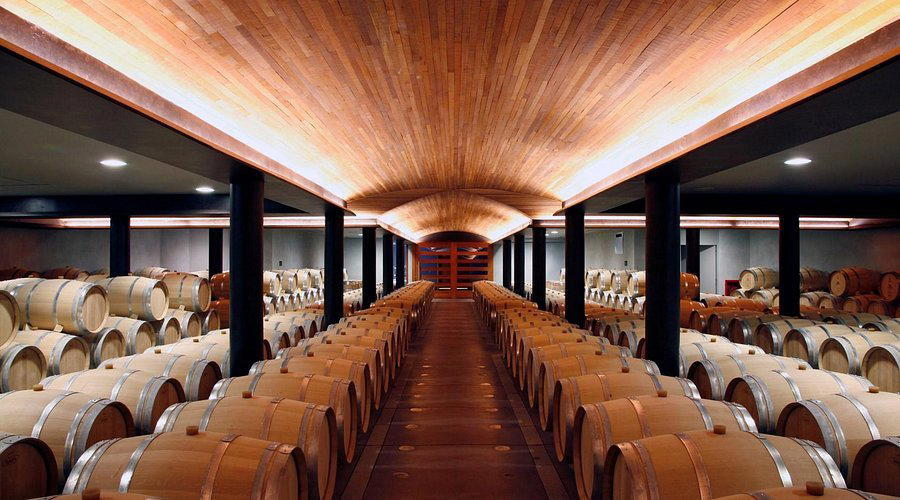
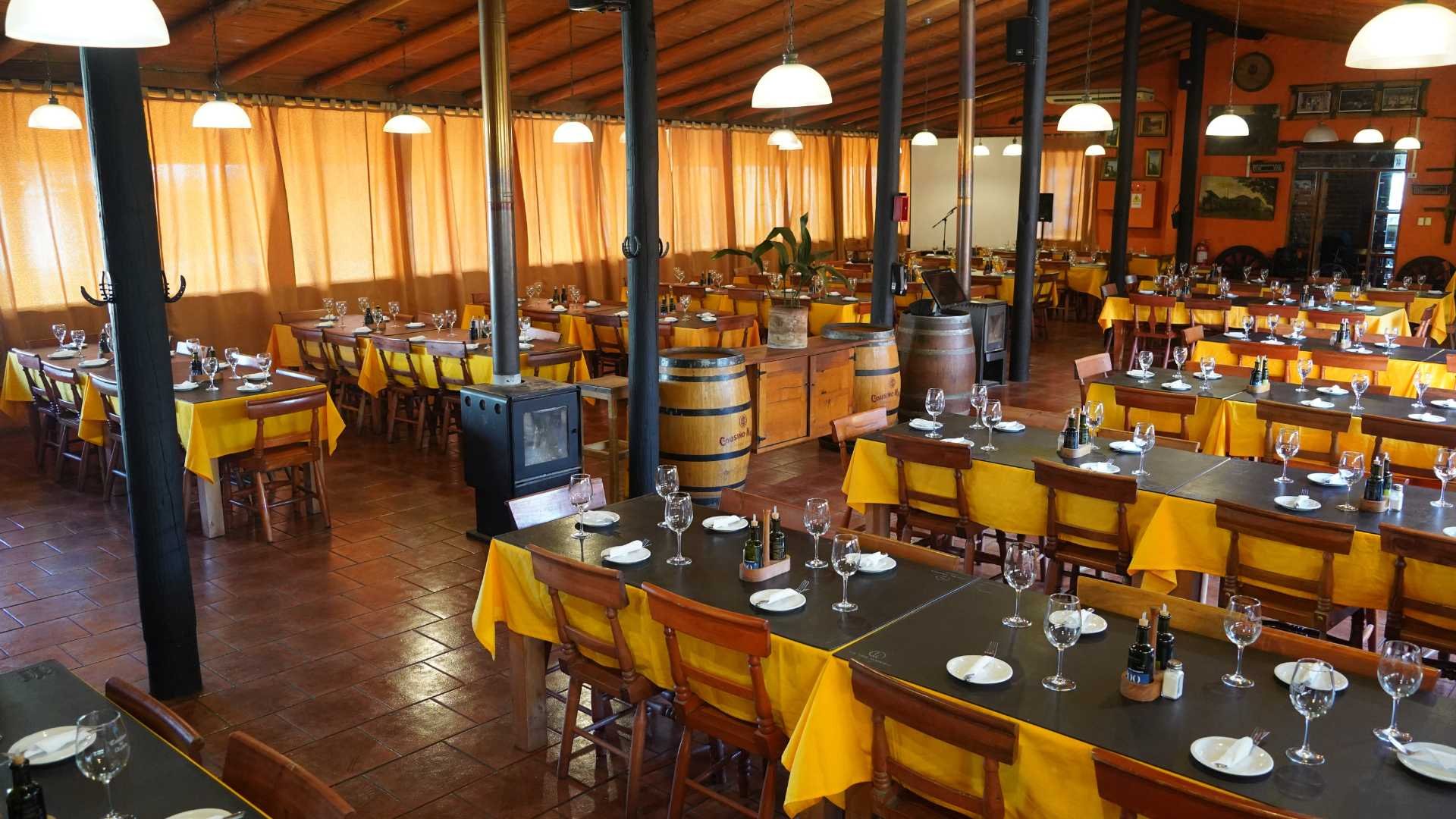
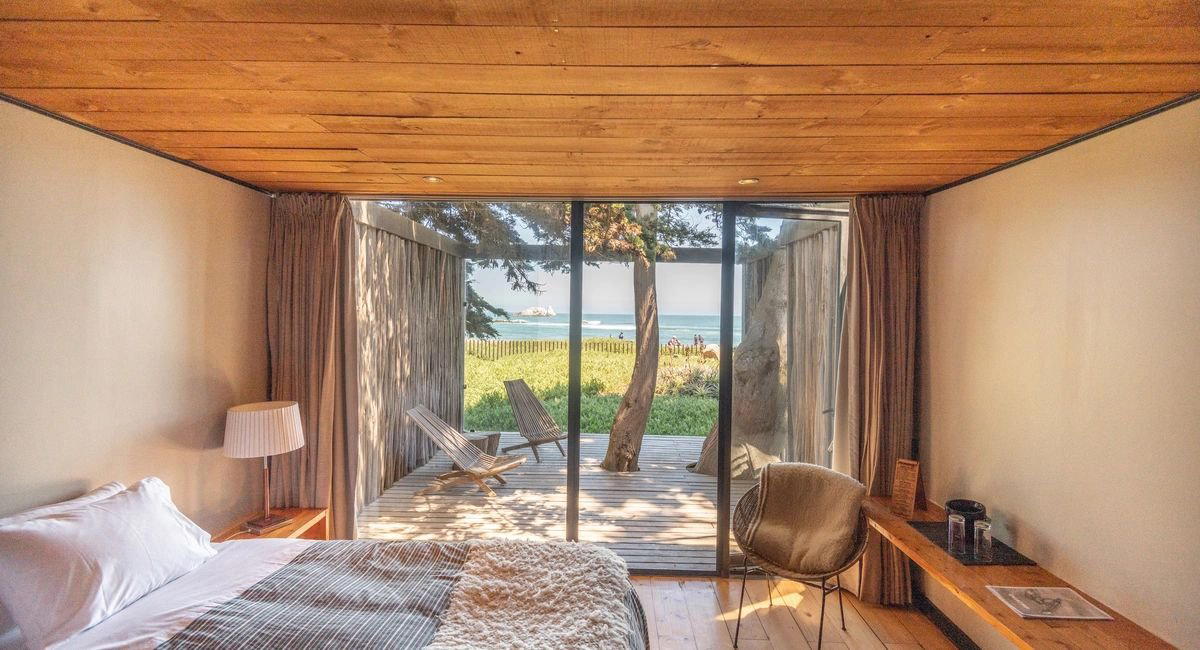
Rustic and scenic vineyard setting with elegant tasting experiences amid the Colchagua Valley landscapes.