
Viña Los Vascos sits in Peralillo, deep within Chile's Colchagua Valley, where the O'Higgins region's dry summers and Andean-influenced soils have long shaped structured, fruit-forward reds. For those tracing Chile's premium wine corridor south from Santiago, Los Vascos is a serious stop.
Pearl is the En Primeur Club membership app — saves, bookings, and concierge access live there. Same editors, same standards.
- Address
- Unnamed Road, Peralillo, O'Higgins
- Phone
- +56 72 235 0900
- Website
- losvascos.com
- Directions
- Get directions
 Saves & bookings on Pearl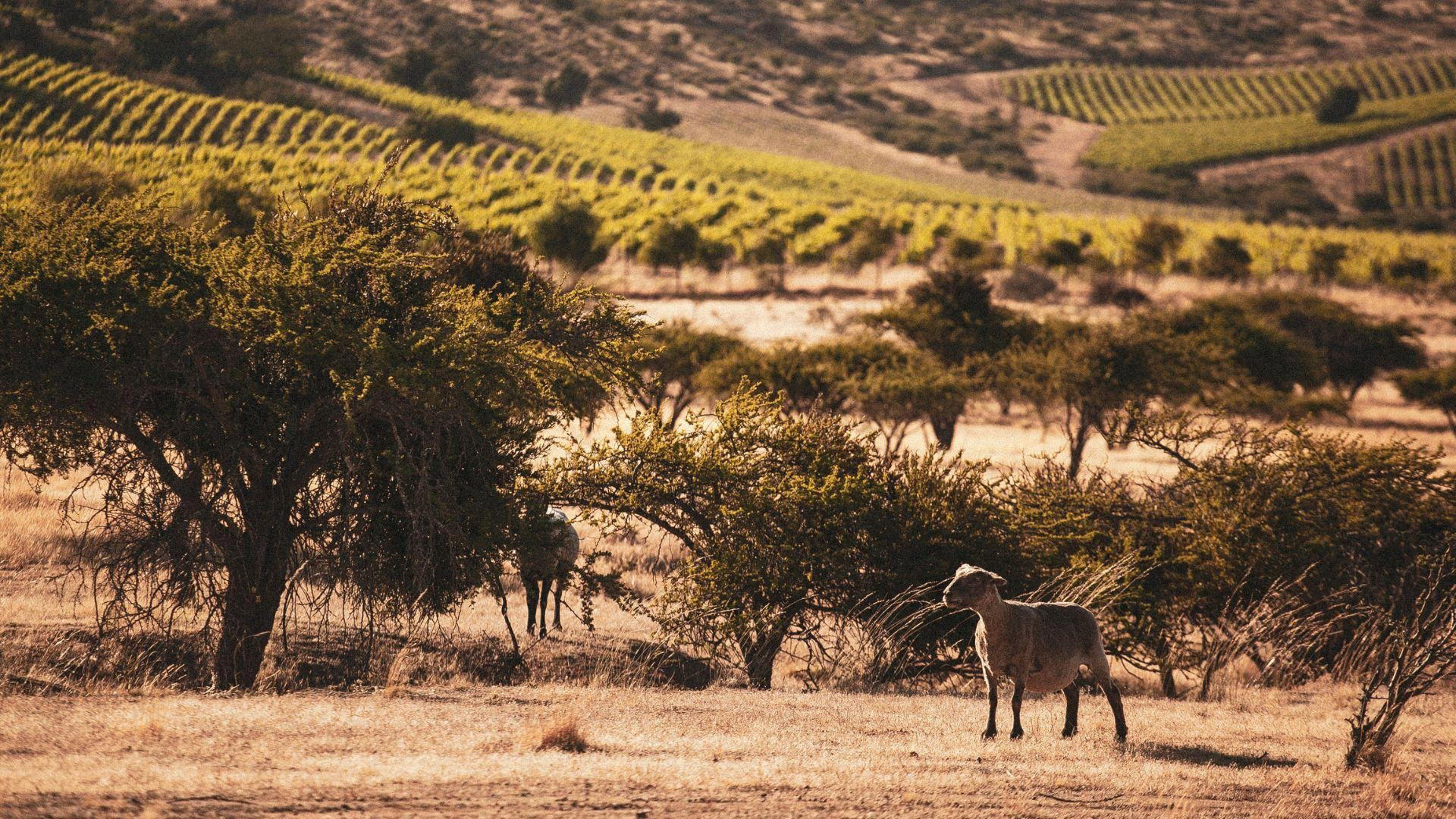
Colchagua's Terroir and Where Los Vascos Sits Within It
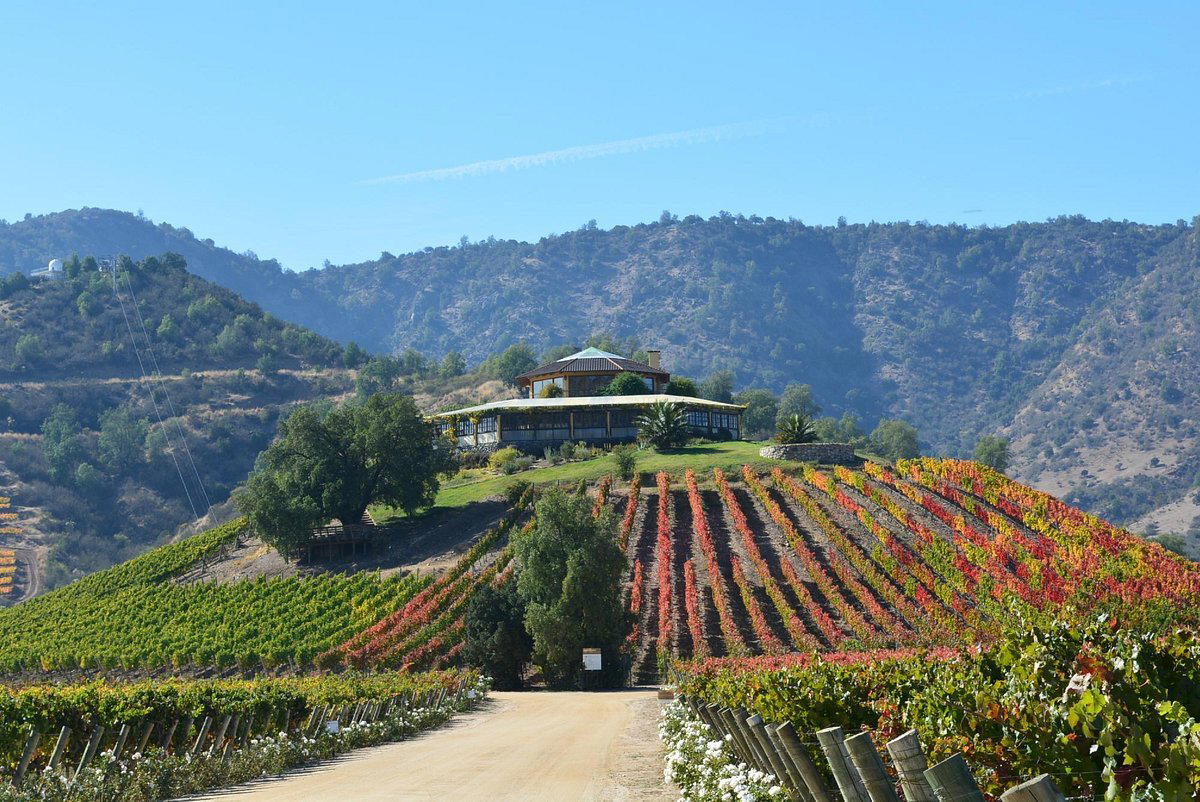
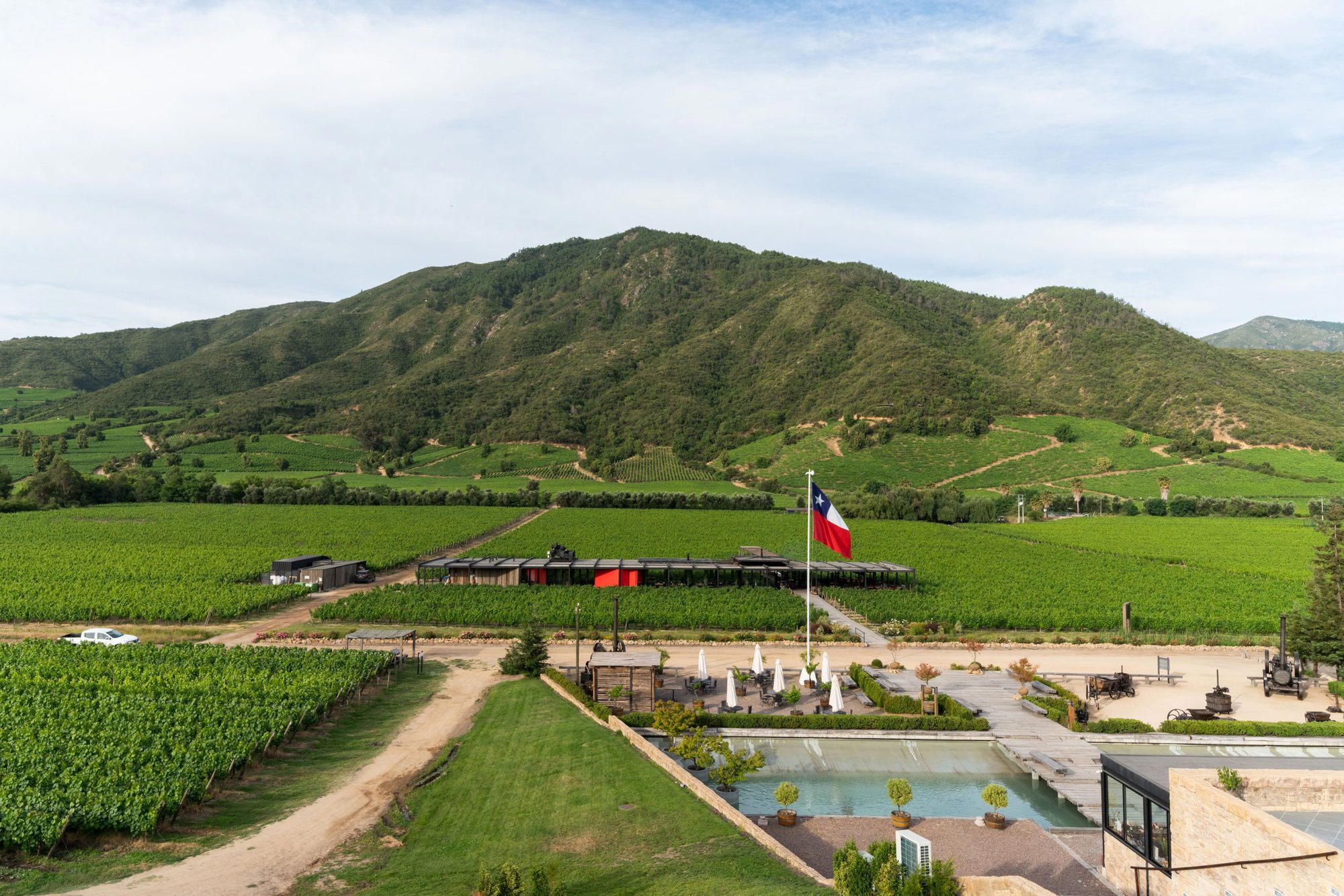
The O'Higgins region, which encompasses the Colchagua Valley, operates on a climatic logic that separates it from Chile's more northerly wine zones. Warm, dry summers drive phenolic ripeness in red varieties, while cool Pacific-influenced nights preserve acidity. The valley floor's alluvial soils give way to hillside clay and granite decomposition as elevation rises, producing wines with different structural profiles depending on where the vines are planted. Peralillo, the commune where Viña Los Vascos sits, occupies the western reaches of Colchagua, closer to the coastal influence than estates positioned further inland. That position matters: the temperature differential between day and night here tends to be more pronounced, and the resulting wines typically show tighter structure than those grown in the warmer, more continental pockets of the valley.
The rating serves as a reference point for understanding where the estate competes: not among export-volume houses selling on supermarket shelves, but within the segment of Chilean producers whose wines attract international trade attention. For a broader picture of how Colchagua compares to other Chilean wine regions, Viña MontGras in Palmilla and Viña Casa Silva in San Fernando represent neighbouring operations in the same valley, each with their own elevation and soil story.
The Colchagua Red Wine Tradition and How the Estate Fits
Colchagua built its international reputation primarily on Cabernet Sauvignon and Carménère, the latter a variety that found its most commercially successful expression in Chilean soils after near-extinction in Bordeaux. The valley's warm days allow Carménère to reach full phenolic maturity, eliminating the green, pyrazine-heavy character that plagued the variety when harvested too early. Over the past two decades, Colchagua producers have increasingly moved toward longer hang times and more careful site selection, producing Carménère with dark fruit concentration and a characteristic herbaceous note that is now recognised as typicity rather than fault.
Los Vascos operates within this tradition. The estate's position in Peralillo, with its coastal moderation, places it among producers working with a slightly cooler expression of Colchagua fruit. This is distinct from the more ornate, high-alcohol style associated with the valley's warmer interior zones. Comparing the regional spread: Viña De Martino in Isla de Maipo works with Maipo's limestone and gravel terroir for its Cabernet program, while Viña Undurraga in Talagante draws from cooler sub-valleys. Each estate's latitude and proximity to the coast shapes the aromatic register of its wines in ways that are traceable across a tasting.
Approaching the Estate: Logistics in Context
Peralillo is approximately 150 kilometres south of Santiago via the Ruta 5 highway and then inland via regional roads through the O'Higgins region. The drive takes roughly two hours depending on traffic through the southern outskirts of the capital. The commune is not a tourist hub in the conventional sense: there is no established visitor centre district, and the infrastructure that serves wine tourism in San Fernando or Santa Cruz, the valley's larger towns, is not replicated here at the same scale. Visitors coming specifically to the Los Vascos estate should confirm access and any visitor arrangements directly before arriving. This is characteristic of estates in the more rural western reaches of Colchagua, where the emphasis has historically been on viticulture and production rather than hospitality infrastructure.
For those building a broader Colchagua itinerary, the O'Higgins region rewards a multi-day visit. Santa Cruz functions as a practical base, with accommodation options and proximity to several estates. From there, the western communes including Peralillo are accessible as day routes. For producers in adjacent regions worth combining on a longer Chilean wine trip, Viña Valdivieso in Lontué sits in the Maule Valley further south, and El Gobernador (Miguel Torres Chile) in Curicó anchors the northern end of central Chile's wine corridor.
Regional Peers and the Quality Spectrum
Chile's premium wine segment has developed a clearer internal hierarchy over the past decade. At the leading sits a small group of prestige bottlings associated with specific single-vineyard sites or international joint ventures. Below that, a mid-to-upper tier of regionally recognised estates produces wines that attract consistent trade and press attention without operating in the ultra-premium allocation model.
The comparison set within Chile is instructive. Viña Seña in Panquehue represents the allocation-driven ultra-premium category in Aconcagua. Viña Ventisquero in Santiago operates across multiple price points with both volume and prestige tiers. Viña Falernia in Vicuña works with extreme-altitude Elqui Valley conditions in the north, a different proposition entirely. Los Vascos sits within the Colchagua-anchored portion of this map, where land, climate, and soil have been consistently productive for structured red varieties for several generations. For those curious about how Chilean wine compares internationally, Accendo Cellars in St. Helena represents the Napa end of the premium Cabernet spectrum as a reference point for different terroir philosophies.
Beyond Wine: Context for the Broader Visit
The O'Higgins region is primarily agricultural, and a visit to its wine zones involves engaging with landscape that has changed relatively little in character over decades. Vineyards sit alongside other crops, and the rural road network connects communities whose economies are tied to the land. This is not a polished wine-tourism circuit in the way that parts of Napa or Burgundy are. It functions more as a working wine region that accommodates visitors rather than being organised around them, which for some travellers is precisely the point.
For those extending their Chilean drinks itinerary beyond wine, Pisco Alto del Carmen Distillery in Huasco and Atacamasour Distillery in San Pedro de Atacama offer perspectives on Chile's other significant spirit tradition. Aberlour in Aberlour provides an international reference point for what a mature distillery visitor experience looks like, useful context for understanding where Chilean producers sit on that development curve.
For wine-focused visitors compiling a Colchagua itinerary, that credential, combined with the estate's western-valley terroir position, makes it a notable entry in any survey of the region's producers. Viña Santa Rita in Buin, operating in the Maipo Valley to the north, provides a useful point of comparison for how Cabernet expresses differently across Chile's central wine belt.
In Context: Similar Options
Comparable venues nearby, for context on price, style, and recognition.
| Venue | Cuisine | Price | Notes |
|---|---|---|---|
| Viña Los VascosThis venue — the venue you are viewing | Cabernet Sauvignon, Carmenère | $$$ | Not listed |
| Pisco Horcón Quemado | Winery | Not listed | Combarbalá |
| Viña Tarapacá | Cabernet Sauvignon, Carmenere | $$$ | Isla de Maipo |
| Hanaq Pacha Distillery | Winery | Not listed | Coquimbo |
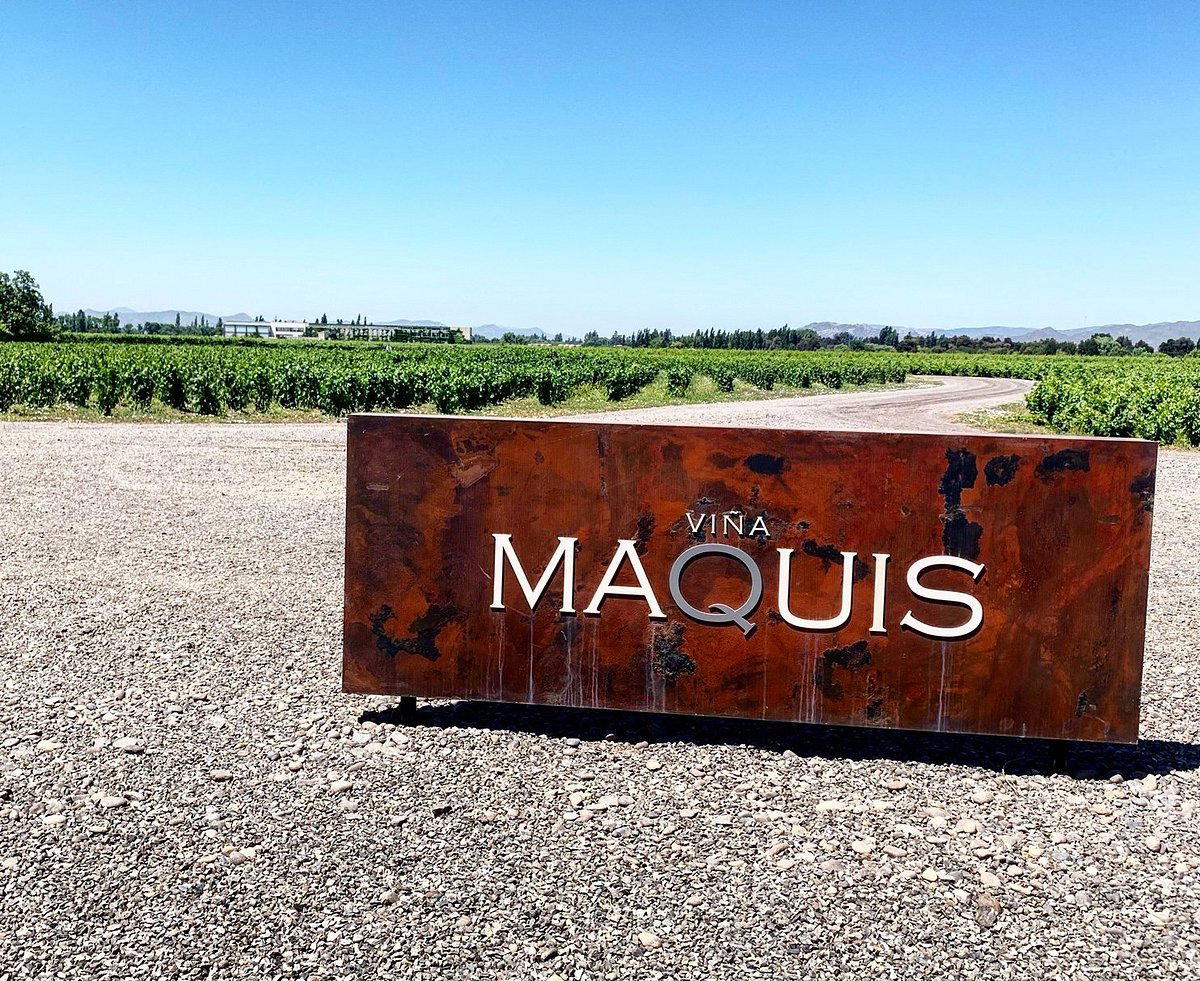
| Viña Maquis | Carmenere, Malbec | $$$ | Palmilla |
| Pisco Control C | Winery | Not listed | Paihuano |
Recognition history
Dated appearances from independent guides and award organizations, with the underlying list record or original source where available.
Falstaff Winery - Listed
Falstaff
Continue exploring
More in Peralillo
Wineries in Peralillo
Browse all →
Restaurants in Peralillo
Browse all →

At a Glance
- Scenic
- Elegant
- Sophisticated
- Romantic
- Wine Education
- Romantic Getaway
- Group Outing
- Special Occasion
- Vineyard Tour
- Barrel Room
- Estate Grounds
- Panoramic View
- Cave Tasting
- Organic
- Sustainable
- Vineyard
- Mountain
- Garden
- Colchagua Valley
- Cabernet Sauvignon
- Carmenère
- Syrah
- Chardonnay
- Cabernet Franc
- Sauvignon Blanc
- Still Red
- Still White
- Still Rosé
- Guided Vineyard Tour
- Winery Tour
- Wine Tasting
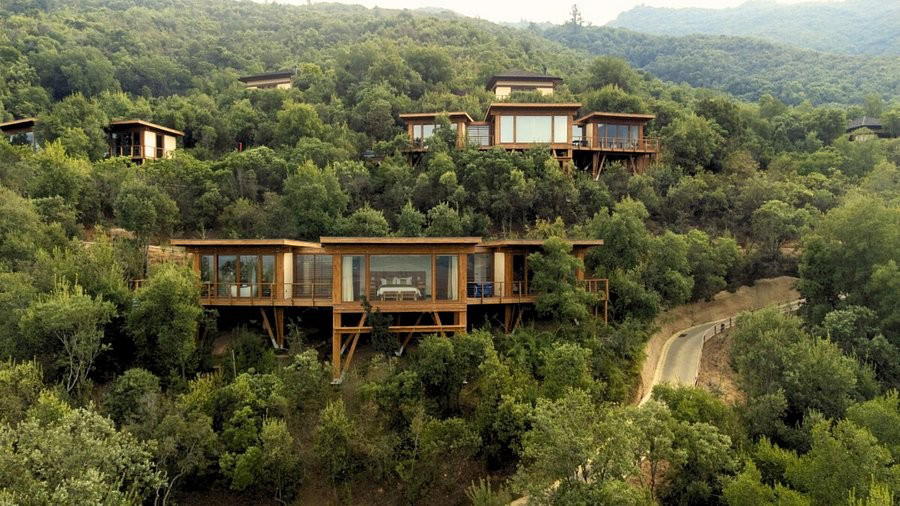
Pristine, orderly facilities set within spectacular natural surroundings with panoramic vineyard views; professional yet warm hospitality reflecting 200 years of French winemaking tradition.