The estate operates within a valley corridor shaped by Pacific influence and Andean elevation, conditions that have drawn serious producer attention to this corner of the O'Higgins region. For visitors making the trip from San Fernando or further, the estate offers a grounded introduction to what Colchagua's western reaches produce.
Pearl is the En Primeur Club membership app — saves, bookings, and concierge access live there. Same editors, same standards.
- Address
- Fundo el Peral, Lolol, Colchagua Province, Libertador General Bernardo O'Higgins, 3140000, Chile
- Phone
- +56224707400
- Website
- web.facebook.com
- Directions
- Get directions
 Saves & bookings on Pearl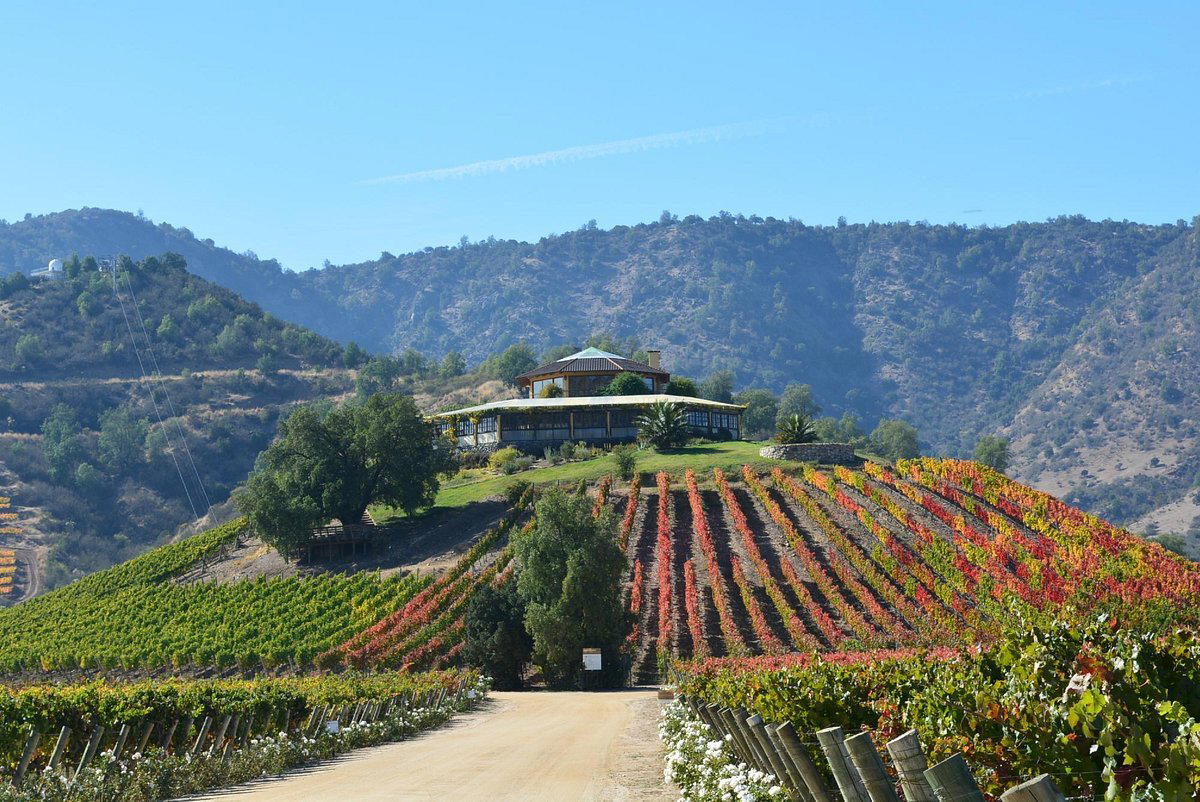
Where Colchagua Pulls West
The road into Lolol doesn't announce itself dramatically. The Colchagua Valley's more publicised wine corridor runs through Santa Cruz town and east toward the Andes, where the terrain is open and the estates well-signposted for tourist traffic. Lolol sits to the southwest, closer to the coastal range, in a sub-zone where the fog rolls in from the Pacific and morning temperatures drop sharply even in summer. The vines here work harder and ripen more slowly than those on the valley floor, and that distinction matters when you start thinking about what ends up in the glass.
Viña Santa Cruz occupies Fundo el Peral within this corridor, its address placing it squarely in the Libertador General Bernardo O'Higgins region, the administrative zone that contains all of Colchagua Province.
Colchagua's Terroir, Read from the West
Chilean wine geography rewards attention to cardinal direction. The country's valleys run east to west, which means the further west a producer sits, the greater the Pacific's role in shaping growing conditions. Coastal influence brings lower temperatures, higher humidity during critical periods, and a diurnal range that can exceed 20 degrees Celsius between day and night. These are conditions that tend to favour aromatic retention and structural tension in red wines, particularly Carmenère and Syrah, the two varieties that have done most to define Colchagua's upper tier over the past two decades.
The Lolol sub-zone is not yet as well-mapped in international wine media as Apalta or Marchigüe, but the underlying geology and climate make a case for differentiated terroir. Granitic soils predominate in parts of the western valley, with clay-loam deposits in lower sections. The combination creates variable water retention across a single property, which in practice means different blocks ripen at different rates and offer distinct compositional inputs to a final blend or single-vineyard bottling. Producers working in this part of Colchagua are effectively arguing that western exposure and cooler nights can produce wines with a different tension and freshness profile than the valley's warmer, more celebrated eastern sites.
For context on how the broader Chilean wine scene has approached terroir demarcation, the work of estates like Viña Casa Silva in San Fernando and Viña MontGras in Palmilla, both Colchagua properties working on sub-zonal identity, provides a useful reference set. Further north, Viña De Martino in Isla de Maipo has taken the sub-zonal argument furthest, bottling single-vineyard wines from across multiple valleys to demonstrate how geography shapes flavour. That approach has gained traction internationally and shifted expectations for what Chilean terroir-led production can look like.
The Colchagua Visit: Logistics and Timing
Getting to Lolol from Santiago requires planning. The route runs south on Ruta 5 to the San Fernando junction, then west through the valley on secondary roads, a total of roughly two to two and a half hours depending on traffic leaving the capital. The estate's address at Fundo el Peral is in the rural southwestern section of Colchagua Province. Viña Casa Silva in San Fernando sits closer to the valley entrance and makes a logical first stop before heading southwest.
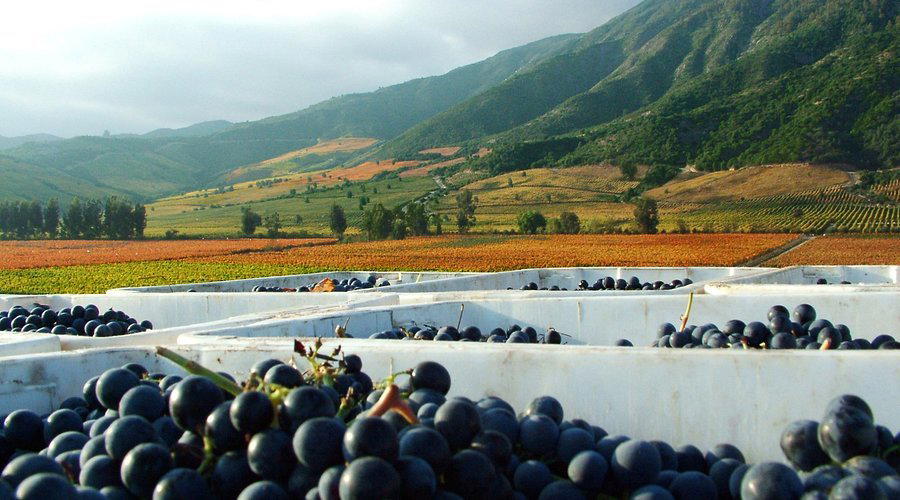
The Chilean harvest window runs from late February through April for reds, with Carmenère typically the last variety off the vine, often into April in cooler western sites. Visiting in March catches the harvest in progress in most blocks, which gives a different perspective on the estate than an off-season visit. Summer months, December through February, offer the driest conditions for travel and reliable road access across the valley's rural roads. Spring, September through November, brings green vineyard conditions before fruit set, with cooler temperatures and occasional rain.
For visitors planning a wider Chilean wine circuit, Viña Seña in Panquehue in the Aconcagua Valley represents the northern end of Chile's premium red wine belt, while Viña Undurraga in Talagante and Viña Ventisquero in Santiago sit in the Maipo zone between the capital and Colchagua. A logical south-facing itinerary from Santiago would work through Maipo, across into the Rapel Valley, and down into Colchagua, with Lolol as a western detour on the final day. Viña Santa Rita in Buin also sits conveniently on the Maipo leg of that route. Colchagua's other key reference points further north include El Gobernador (Miguel Torres Chile) in Curicó and Viña Valdivieso in Lontué, both worth incorporating into a Curicó Valley extension. For something further afield, Viña Falernia in Vicuña represents the Elqui Valley's high-altitude production, a different terroir argument from the Pacific-influenced model at Lolol.
Placing Viña Santa Cruz in the Chilean Premium Tier
Chile's wine export story has historically leaned on volume and value, but the country's premium segment has grown steadily since the mid-2000s, driven by a generation of producers focusing on site selection, lower yields, and reduced intervention in the cellar. Colchagua has been a central part of that shift, with the valley's Cabernet Sauvignon and Carmenère gaining traction in international markets at price points that were largely unoccupied by Chilean wine a decade ago.
At this level, the expectation is that site character translates into the bottle in a way that is traceable and consistent across vintages. The western Colchagua position is the estate's most specific claim to distinction within that conversation: it is producing in a part of the valley where fewer high-visibility producers operate, which gives it a different reference point from the more established Apalta cluster.
Comparable estates working in Chile's premium coastal-influence corridor include properties in the Leyda, San Antonio, and Casablanca valleys further north, where Pacific proximity has already built a strong case for cooler-climate white wine production. The argument being made in western Colchagua is a red wine version of that same logic: that proximity to the coastal range changes what the grapes express, and that the change is worth understanding on its own terms.
For distillery-focused travellers rounding out a broader Chilean spirits and wine circuit, Pisco Alto del Carmen Distillery in Huasco and Atacamasour Distillery in San Pedro de Atacama represent the northern pisco-producing zones, geographically and stylistically removed from Colchagua but part of the same national drinks conversation.
Side-by-Side Snapshot
Comparable venues nearby, for context on price, style, and recognition.
| Venue | Cuisine | Price | Notes |
|---|---|---|---|
| Viña Santa CruzThis venue — the venue you are viewing | Sauvignon Blanc, Rosé | $$$ | Not listed |
| Viña MontGras | Cabernet Sauvignon, Carmenère | $$$ | Palmilla |
| Pisco Horcón Quemado | Winery | Not listed | Combarbalá |
| Haras de Pirque | Cabernet Sauvignon, Carmenère | $$$ | Pirque |
| Viña Tarapacá | Cabernet Sauvignon, Carmenere | $$$ | Isla de Maipo |
| Viña Casa Silva | Carmenere, Cabernet Sauvignon | $$$ | Angostura, San Fernando |


At a Glance
- Scenic
- Rustic
- Elegant
- Wine Education
- Group Outing
- Special Occasion
- Vineyard Tour
- Panoramic View
- Historic Building
- Sustainable
- Vineyard
- Mountain
- Lolol DO
- Sauvignon Blanc
- Rosé
- País
- Garnacha
- Petit Verdot
- Still Red
- Still White
- Still Rosé
- Cave Tasting
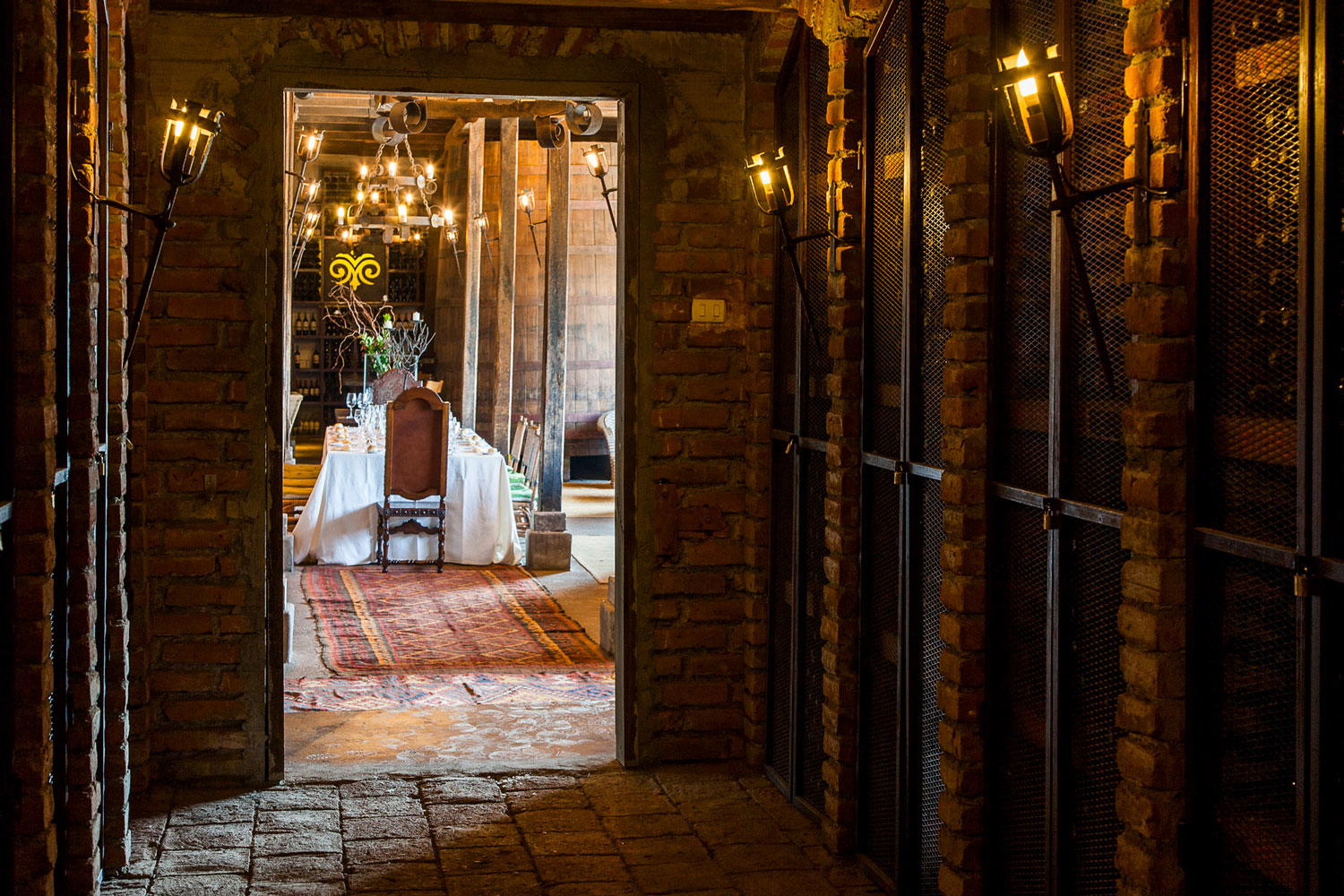
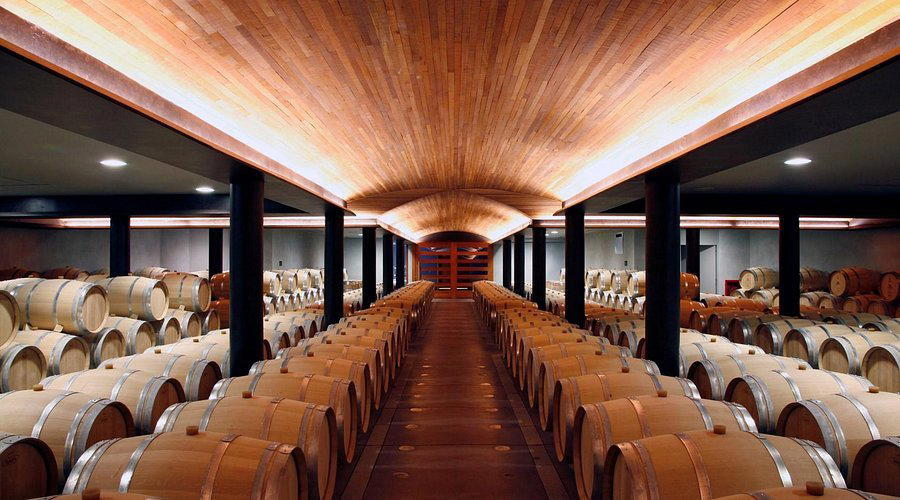
- Barrel Room
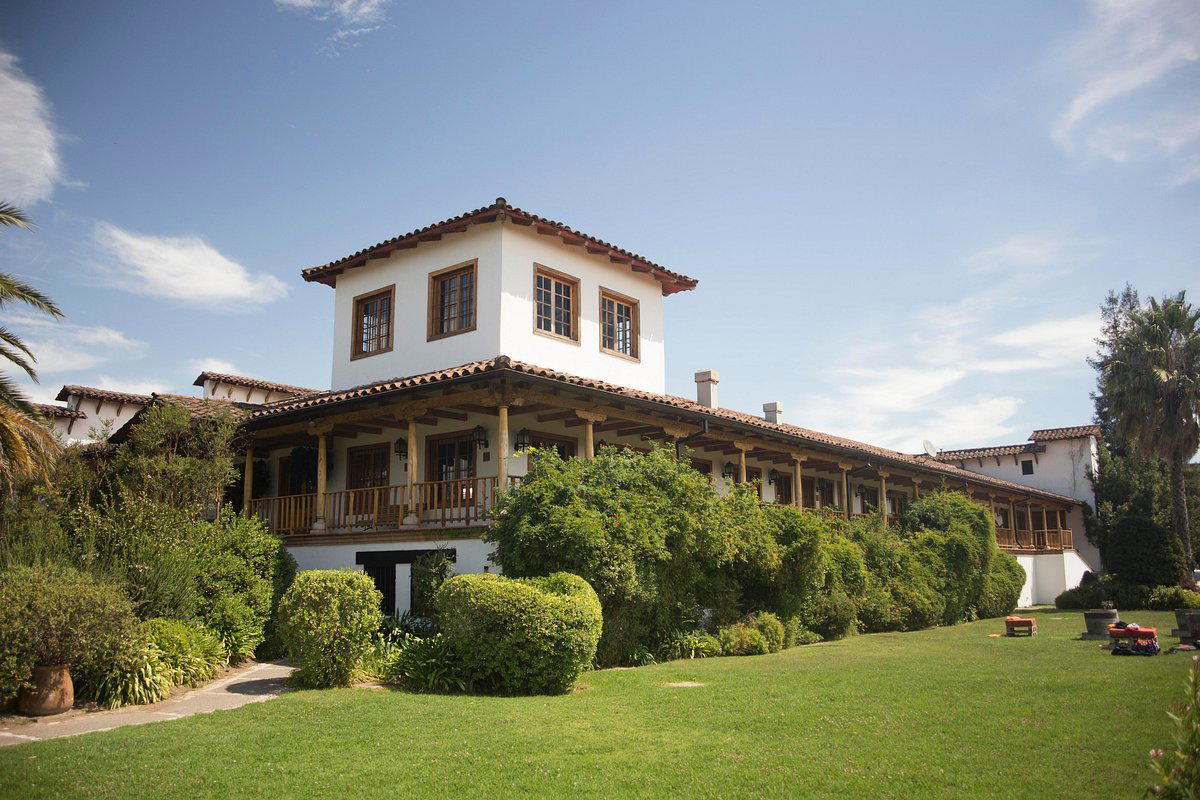
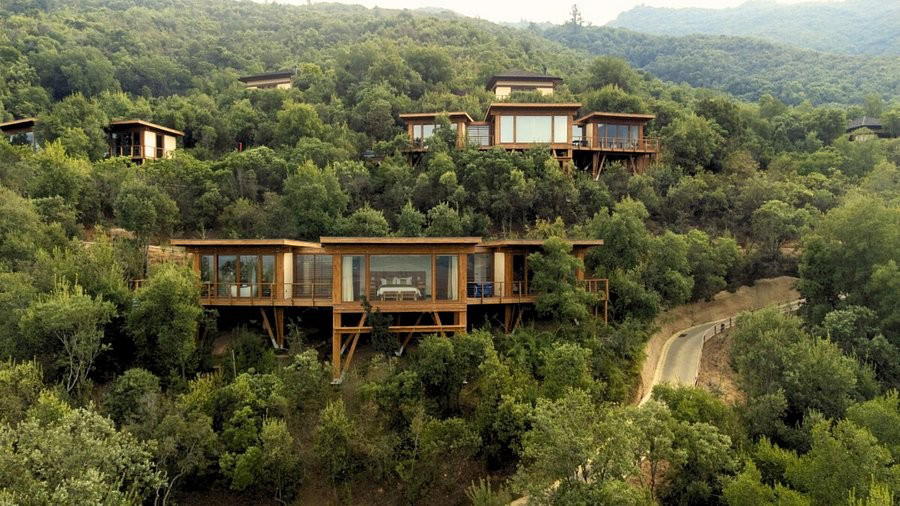
Dramatic valley and vineyard views from the restaurant and cable car, with a cultural and sensory journey atmosphere.