Vina Robles Vineyards & Winery
The winery sits within a region that has steadily repositioned itself from bulk-production territory to a serious appellation for Rhône varieties and Cabernet. Visitors looking for structured tasting programming in the Westside corridor will find Vina Robles a consistent reference point.
Pearl is the En Primeur Club membership app — saves, bookings, and concierge access live there. Same editors, same standards.
- Address
- 1650 Ramada Dr Suite 140, Paso Robles, CA 93446
- Phone
- +1 805-721-4553
- Website
- vinarobles.com
- Directions
- Get directions
 Saves & bookings on Pearl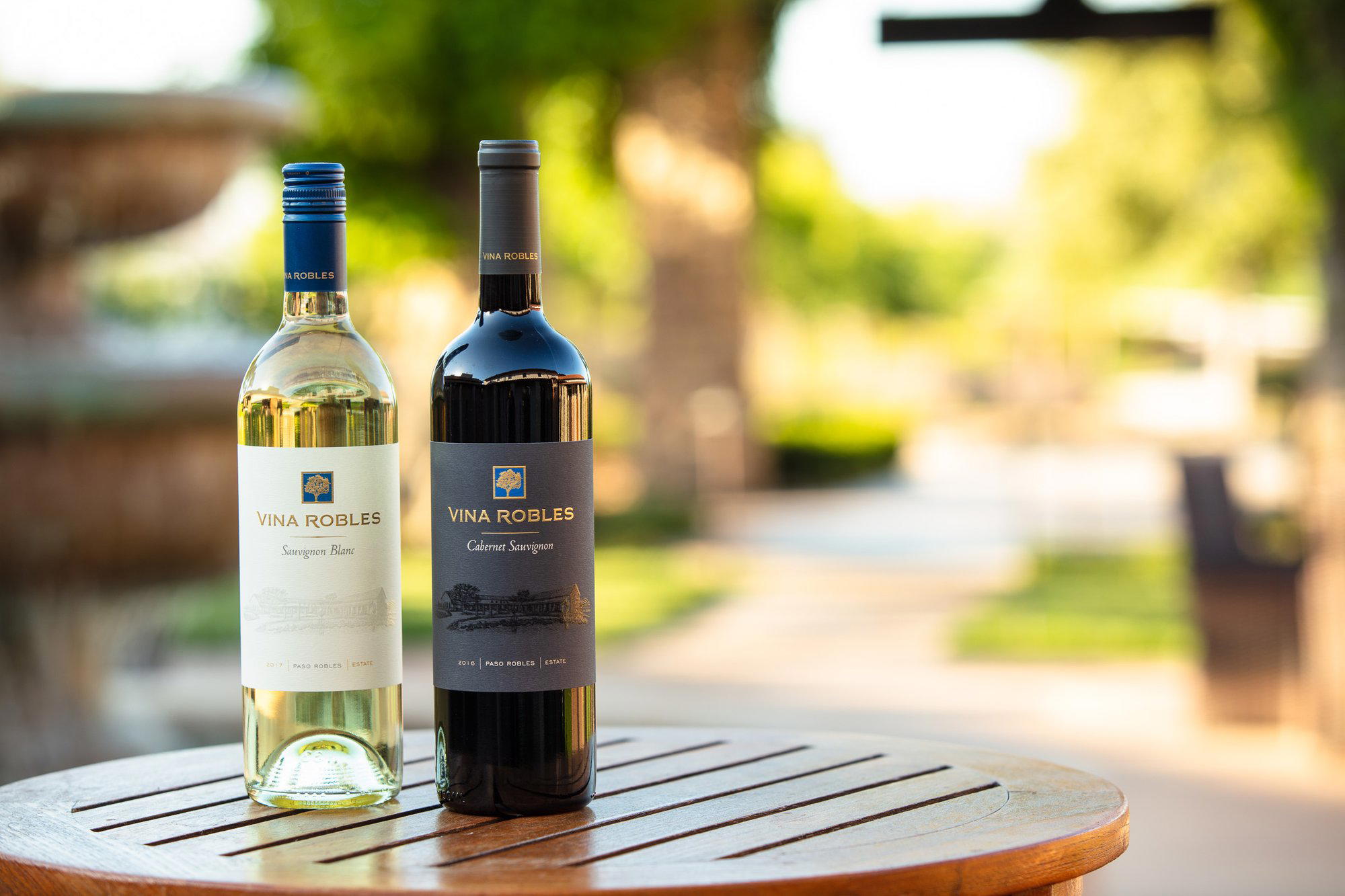
Where Paso Robles Stands in California Wine
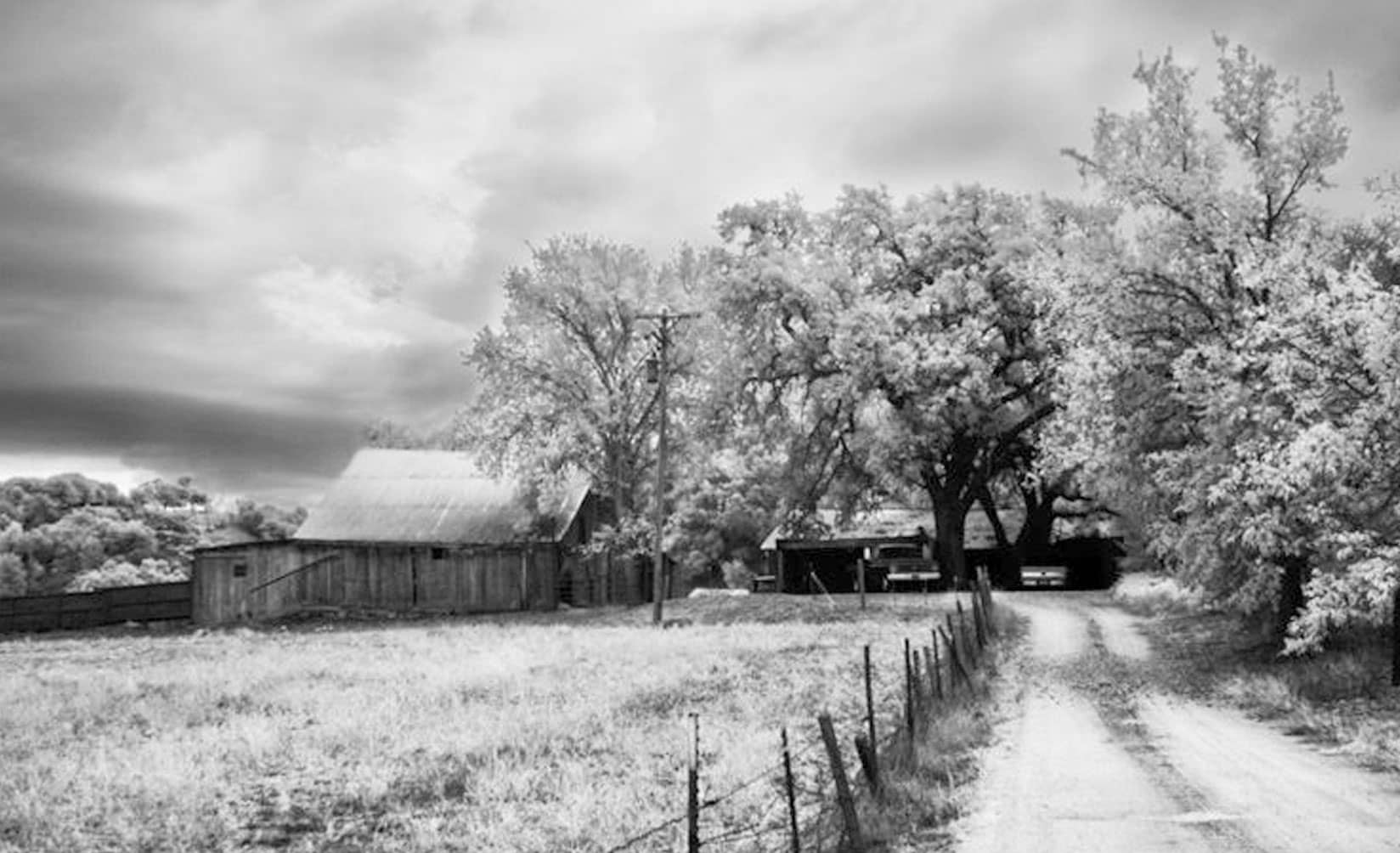
California's wine map has long organised itself around a handful of prestige anchors: Napa's Cabernet corridor, Sonoma's coastal Pinot, Santa Barbara's Burgundian cool-climate niche. Paso Robles occupied a different position for most of its modern history, a high-volume, warm-climate region producing grapes that fuelled other people's blends. That has changed substantially over the past two decades. The Paso Robles AVA now contains eleven sub-appellations, a regulatory architecture that signals producer ambition rather than administrative tidiness. Wineries in the western sections, where calcareous soils and Pacific-influenced diurnal swings define growing conditions, have driven the credibility shift most aggressively. It is in that context that Vina Robles Vineyards & Winery earns its place in the regional conversation.
The Physical Approach
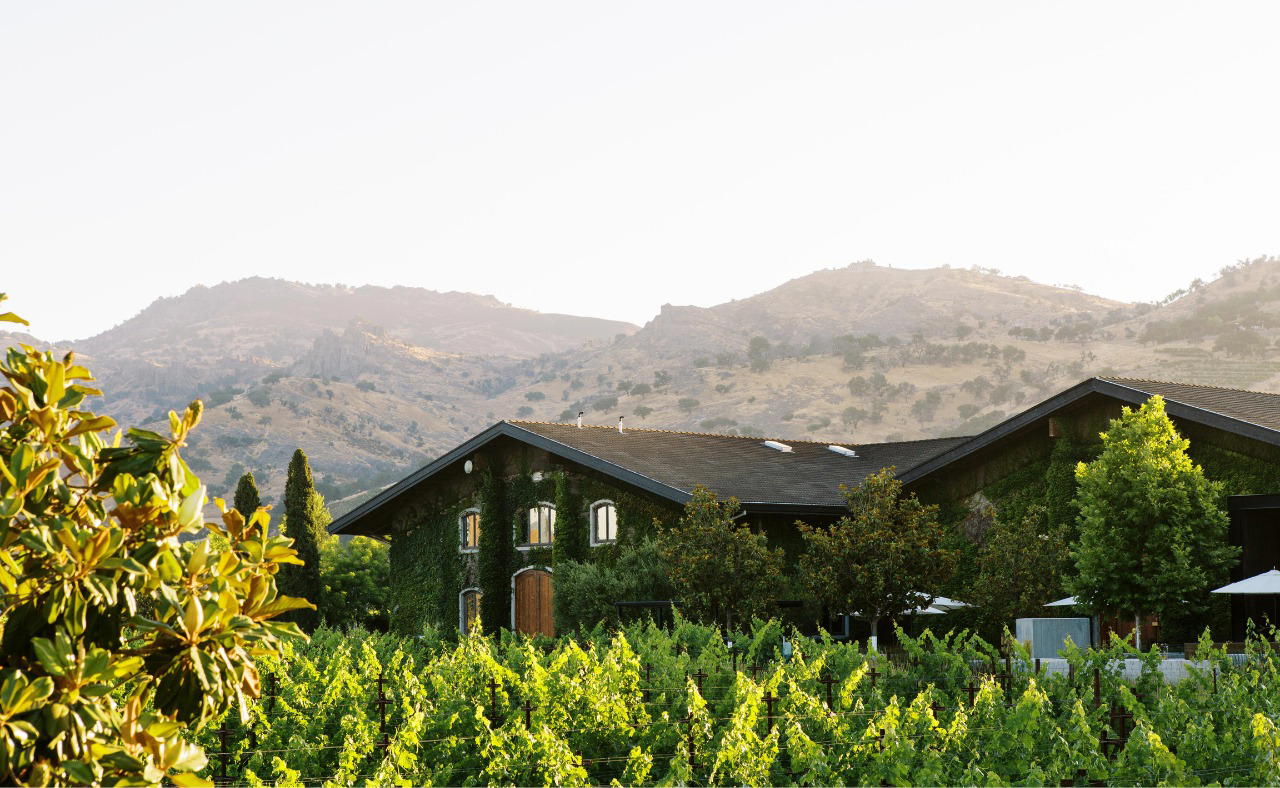
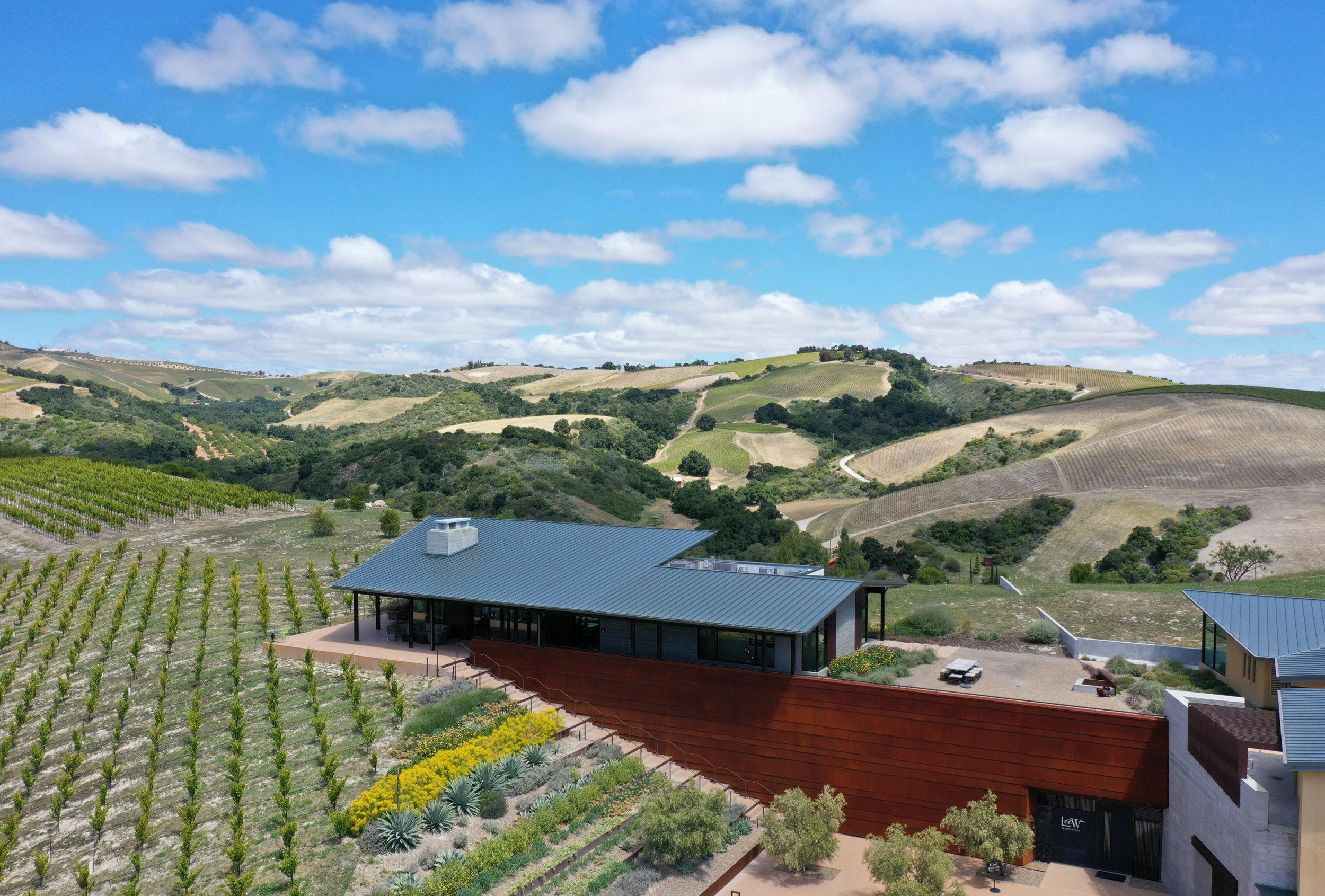
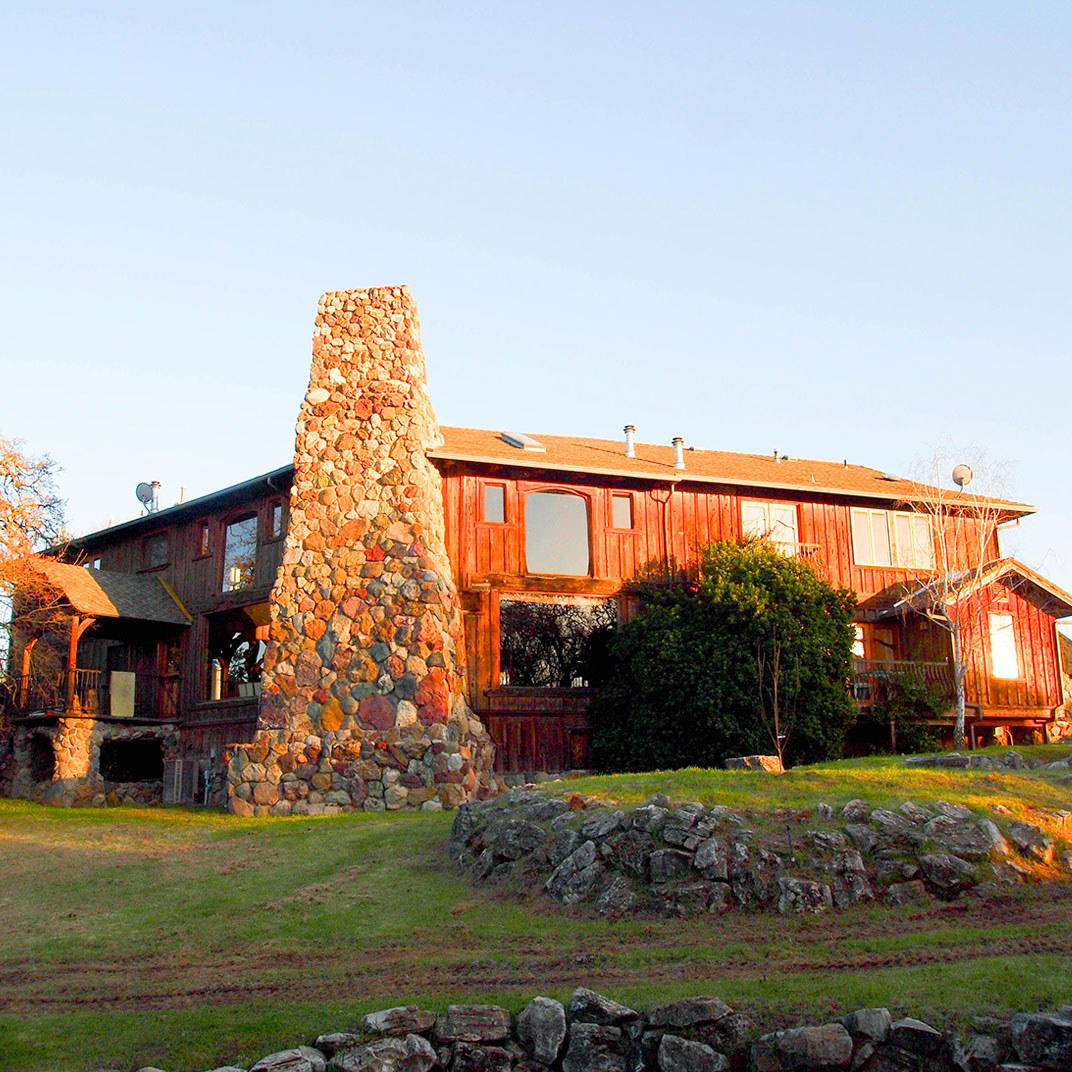
The Ramada Drive address puts Vina Robles in Paso Robles proper, accessible without the winding rural roads that characterise visits to producers further into the Westside hills. That accessibility is part of the property's character: a winery designed to receive visitors at scale without sacrificing the sense that wine, rather than lifestyle theatre, is the primary subject. The tasting room architecture draws on European estate references, which is not accidental given the winery's Swiss ownership and its long-standing orientation toward structured, food-compatible wines. The setting reads as considered rather than casual, which tends to calibrate the visitor's expectations toward the tasting experience rather than the Instagram backdrop.
A Region Shaped by Rhône and Iberian Tradition
Understanding what Vina Robles produces requires some grounding in the cultural and viticultural influences that shaped Paso Robles as an appellation. The region's warm days and cold nights allow full phenolic development without stripping acidity, a combination that suits both Bordeaux varieties and the Rhône roster. Where producers like Adelaida Vineyards have built their identity around limestone-driven Pinot Noir and Chardonnay, and DAOU Vineyards has anchored its reputation in Cabernet Sauvignon from the Adelaida Hills, Vina Robles has maintained a program with Iberian inflection alongside Rhône and Bordeaux varietals. That breadth reflects the Swiss-European founding perspective, which treats Paso Robles not as a one-variety appellation but as a zone capable of producing a range of structured, cellarworthy wines. The approach aligns the winery with a global rather than purely Californian frame of reference.
Tempranillo and Petite Sirah have featured in the Vina Robles range in ways that distinguish it from neighbours whose programs are more narrowly Rhône or Cabernet focused. In a region where Herman Story Wines pursues expressive, high-impact Rhône and Halter Ranch Vineyard works across a wide varietal spread from its historic Westside property, Vina Robles occupies a position that is structurally more European in orientation, prioritising restraint and varietal clarity over immediate hedonistic weight.
In Paso Robles terms, that places Vina Robles in a peer group that includes producers earning sustained critical attention rather than occasional acclaim.
The region's quality ceiling has risen sharply, and producers earning formal recognition now compete against a benchmark that did not exist a decade ago. Wineries in adjacent appellations, such as Alban Vineyards in Arroyo Grande and Andrew Murray Vineyards in Los Olivos to the south, set reference points for Rhône-focused production in Central California that inform how regional critics calibrate their assessments. Vina Robles performing at Pearl 2 Star level in that environment is a substantive credential.
Tasting Room Programming and What to Expect
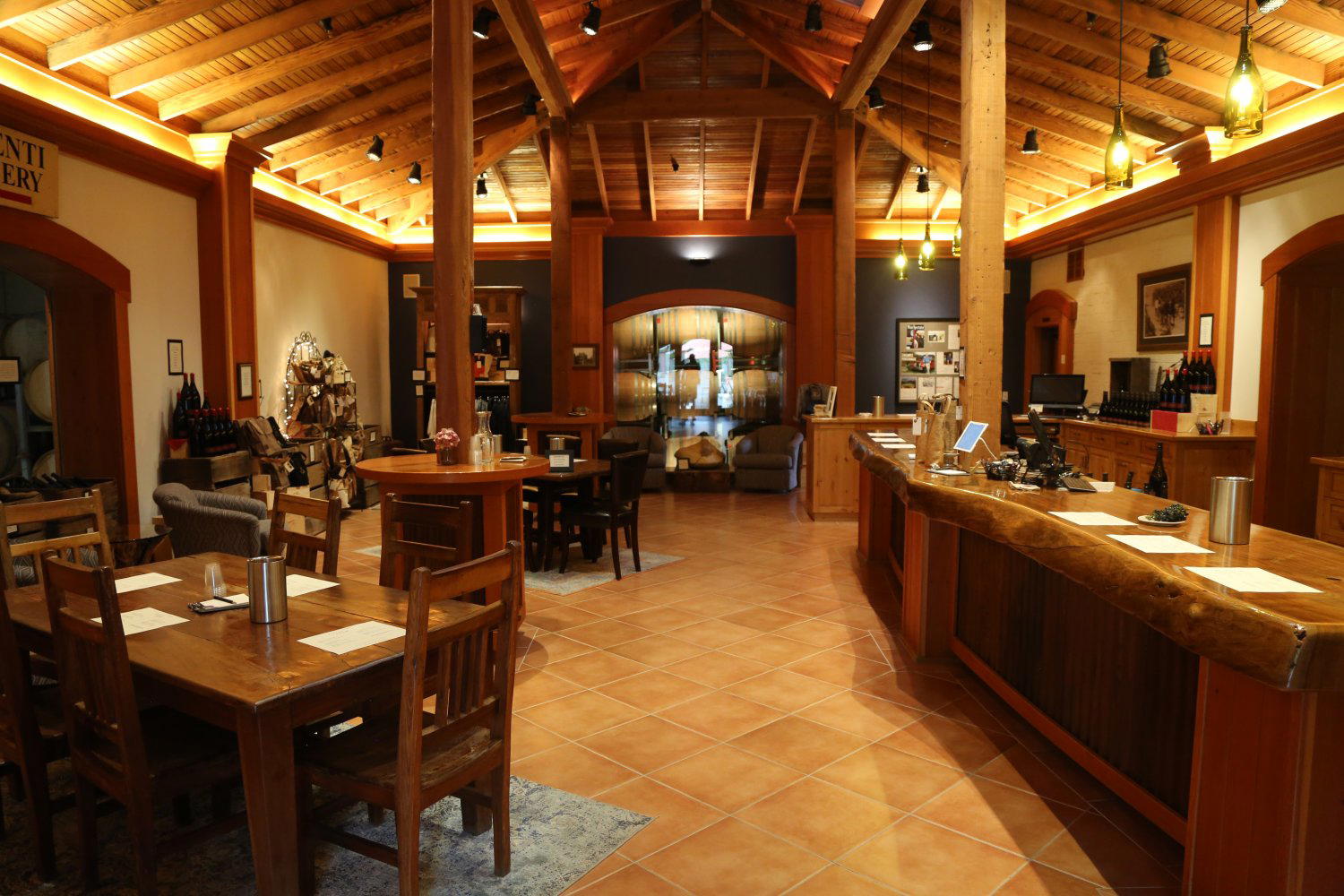
Vina Robles operates a tasting room designed for deliberate engagement rather than walk-in spontaneity. The estate format, with a winery amphitheatre that hosts the Vina Robles Amphitheatre as a separate events operation, means the property functions across multiple visitor modes. For those focused on wine rather than events, the tasting experience is the entry point. Paso Robles wineries at this level typically offer structured flights that move through the range in sequence, allowing the visitor to read how the European structural influence expresses itself across different varietals and vintages.
Visitors planning around the amphitheatre calendar should note that event days change the traffic and booking dynamics around the property considerably. For a focused tasting visit, mid-week timing outside the summer concert season is a reliable approach. The winery's location on Ramada Drive makes it an accessible anchor for a day that might also take in Bianchi Winery or other producers in the Paso Robles town area before heading further into the Westside hills.
Paso Robles in a Wider California Frame
For visitors arriving from Napa or Sonoma, Paso Robles registers as a more accessible, less formally stratified wine region. The social temperature is warmer, the tasting room culture less guarded, and the price architecture significantly lower across most of the appellation. Producers like Alexander Valley Vineyards in Geyserville and Adelsheim Vineyard in Newberg operate in wine cultures with longer formal pedigrees, but Paso Robles offers something those regions rarely do: the visible energy of an appellation still in the process of defining itself. Vina Robles, with its European ownership framework and its commitment to varietal range, is one of the producers actively shaping what that definition becomes.
The comparison extends internationally. The winery's Iberian varietal interests place it in a tradition more aligned with producers such as Achaia Clauss in Patras or the heritage estates of Aberlour in terms of a European ownership sensibility applied to a New World terroir, even if the specifics differ considerably.
Planning a Visit
Vina Robles sits at 1650 Ramada Drive in Paso Robles, a direct drive from Highway 101 that makes it a practical first or last stop on a day circuit. Visitors should check the winery's website directly for current tasting formats, reservation requirements, and hours, as programming at estate wineries in this category can shift seasonally. For a broader orientation to the region's dining and drinking options beyond the winery circuit, the full Paso Robles guide from EP Club maps the scene across restaurants, bars, and accommodation.
Cost and Credentials
Comparable venues nearby, for context on price, style, and recognition.
| Venue | Cuisine | Price | Notes |
|---|---|---|---|
| Vina Robles Vineyards & WineryThis venue — the venue you are viewing | Paso Robles, cabernet sauvignon | $$ | Not listed |
| McPrice Myers | Adelaida District, Syrah, Grenache | $$ | Not listed |
| Monochrome Wines | Tin City, Grenache Blanc, Roussanne | $$ | Not listed |
| Peachy Canyon Winery | Not listed | $$ | Adelaida District, Zinfandel, Petite Sirah |
| Tooth & Nail Winery | Not listed | $$$ | Willow Creek District, Grenache, Cabernet Franc |
| Le Vigne Winery | Not listed | $$ | East Side, Cabernet Sauvignon, Chardonnay |
Continue exploring
More in Paso Robles
Wineries in Paso Robles
Browse all →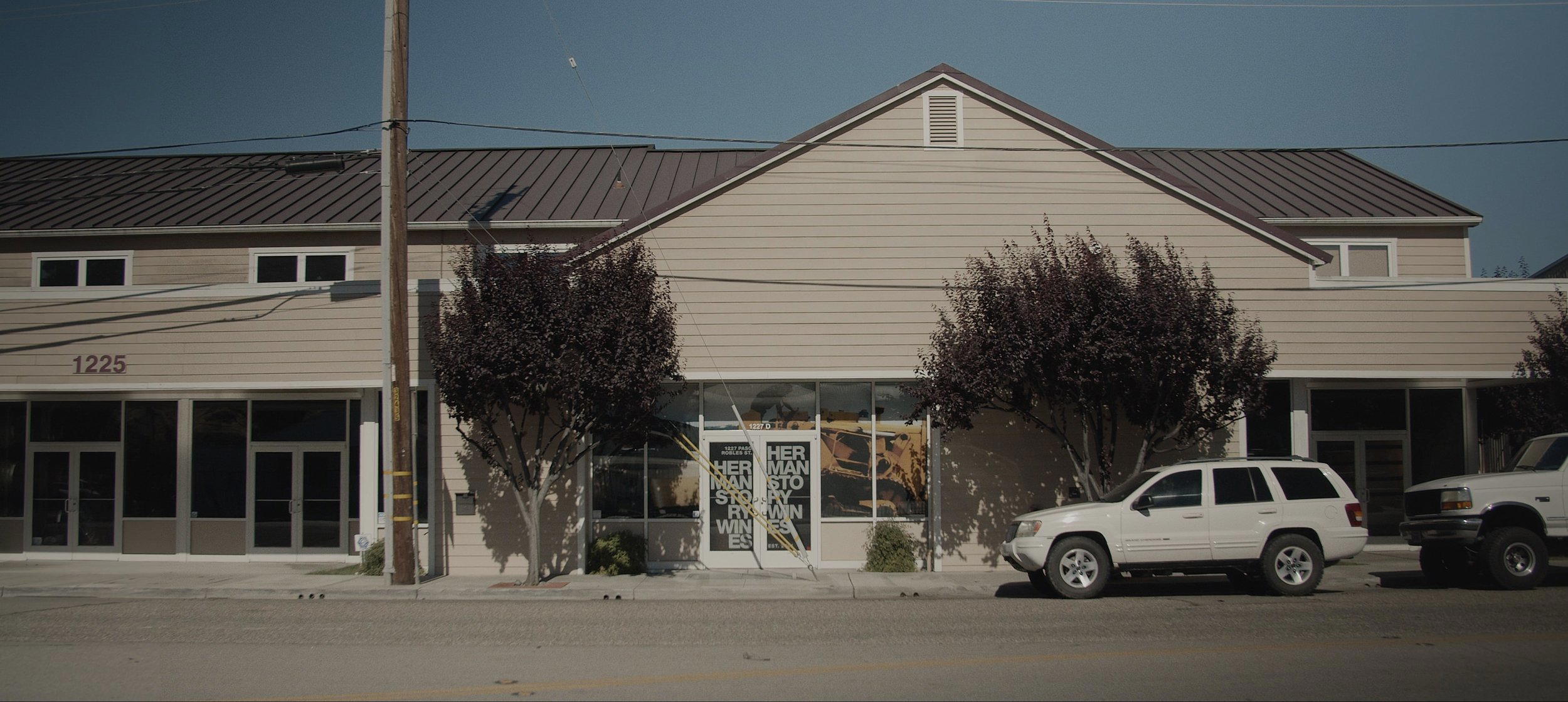
Bars in Paso Robles
Browse all →
Restaurants in Paso Robles
Browse all →
At a Glance
- Scenic
- Rustic
- Elegant
- Group Outing
- Celebration
- Wine Education
- Vineyard Tour
- Estate Grounds
- Terrace
- Panoramic View
- Sustainable
- Vineyard
- Mountain
- Paso Robles AVA
- Cabernet Sauvignon
- Still Red
- Still White
- Private Tasting
Beautiful setting with dramatic views, comfortable outdoor seating, and a friendly, professional atmosphere.